Cutting and Chopping Tools Best Guide for Better Speed and Accuracy in Kitchen Work
When it comes to preparing meals, the right cutting and chopping tools can make all the difference. Whether you’re slicing crisp vegetables, dicing juicy tomatoes, or chopping herbs to perfection, having the right tools in your kitchen saves you time and effort.
Imagine effortlessly cutting through tough ingredients or finely chopping your favorite herbs without frustration. You’ll discover the essential cutting and chopping tools that can transform your cooking experience. Ready to upgrade your kitchen skills and make meal prep easier and more enjoyable?
Keep reading to find out which tools you need and how to use them like a pro.
Types Of Cutting Tools
Cutting and chopping tools come in many forms. Each tool serves a unique purpose in the kitchen. Choosing the right tool makes food preparation easier and faster.
These tools vary from simple knives to advanced gadgets. Understanding their uses helps you work smarter and safer.
Knives And Their Uses
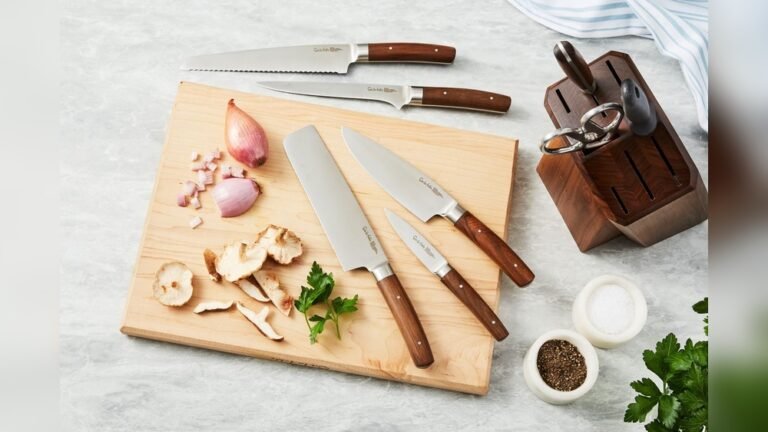
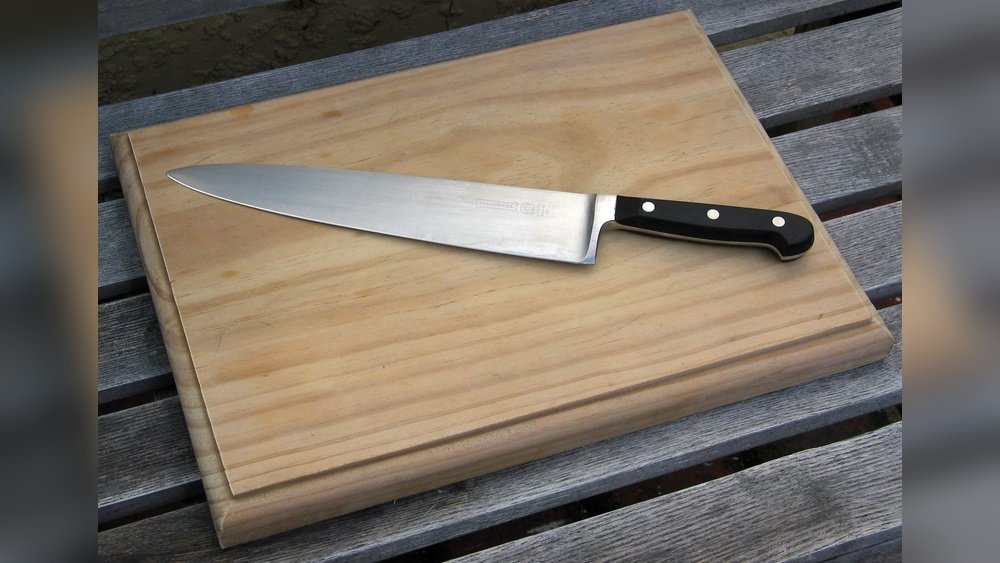
Knives are the most basic cutting tools. They come in different shapes and sizes. Chef’s knives handle most chopping and slicing tasks. Paring knives are perfect for peeling and small cuts. Bread knives have serrated edges for cutting crusty bread. Each knife suits a specific kitchen job well.
Choppers And Food Processors
Choppers speed up cutting tasks. They are great for vegetables and herbs. Food processors offer more power and versatility. They can chop, slice, and even puree. Both tools save time and reduce effort in the kitchen. They work well for large food quantities.
Specialty Tools And Gadgets
Specialty tools handle unique cutting needs. Mandolines create uniform slices quickly. Mezzalunas chop herbs with a rocking motion. Kitchen scissors cut through meat and herbs easily. These gadgets help with precise and efficient food prep.

Credit: www.amazon.com
Choosing The Right Tool
Choosing the right cutting and chopping tool makes food preparation faster and safer. Each tool suits different tasks and users. Picking tools with the best fit helps you enjoy cooking and get better results.
Material And Durability
Quality material ensures long-lasting performance. Stainless steel blades resist rust and keep sharp edges. Tools with strong handles avoid breaks and slips. Durable tools save money and reduce waste.
Ergonomics And Comfort
Comfortable grips reduce hand strain during use. Soft, non-slip handles improve control and safety. Tools designed for your hand size feel natural and easy. Ergonomic designs help with long cooking sessions.
Purpose And Frequency Of Use
Choose tools based on your cooking habits. Frequent users need sturdy, professional-grade tools. Occasional cooks benefit from simple, easy-to-clean options. Match the tool to the food type and cutting style.
Techniques For Precision
Precision is key when using cutting and chopping tools. Good technique helps create even pieces. This improves cooking and presentation. Precision also reduces waste and speeds up prep time.
Focus on how you hold tools, the cutting styles you use, and keeping cuts consistent. These steps ensure better control and safety.
Proper Grip And Handling
Hold the knife handle firmly but not too tight. Your fingers should wrap around the handle comfortably. The thumb and index finger can grip the blade near the handle for control.
Use your other hand to hold the food steady. Curl your fingers inward to avoid cuts. This grip keeps the food stable and safe.
Cutting Styles And Methods
Different foods need different cutting styles. Use slicing for thin, long cuts like vegetables. Dice for small, even cubes. Chop for rough, larger pieces.
Practice rocking the knife for smooth, precise cuts. Move the blade in a controlled, steady motion. Avoid forcing the knife through food.
Maintaining Consistent Cuts
Measure or estimate the size before cutting. Keep your knife angle steady. Use a cutting board with guides if needed.
Cut pieces evenly for uniform cooking. Repeat the same motion and pressure. This helps food cook evenly and look neat.
Maintaining Cutting Tools
Maintaining cutting tools keeps them sharp and ready for use. Proper care extends their lifespan and improves performance. Regular maintenance prevents accidents and ensures smooth cutting every time.
Sharpening And Honing Tips
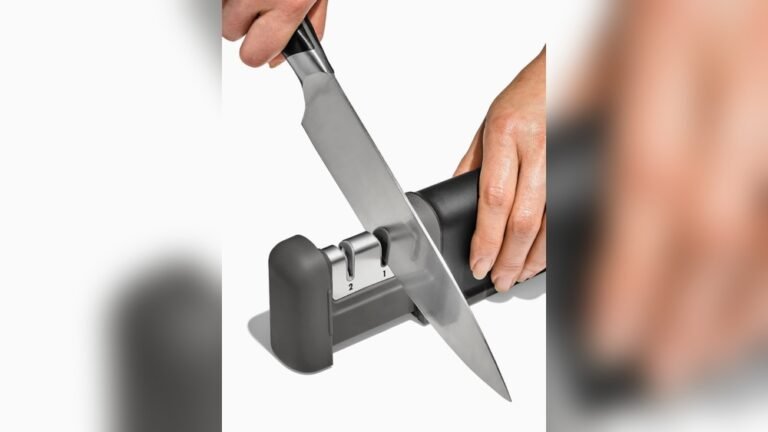
Sharpen blades regularly to keep edges effective. Use a whetstone or sharpening tool suited for your blade type. Hold the blade at the correct angle while sharpening. Follow up with honing to smooth out rough edges. Honing realigns the blade without removing much metal. Do not oversharpen, as it can wear the blade too fast.
Cleaning And Storage
Clean tools after every use to remove food and debris. Use warm water and mild soap for washing. Dry blades completely to avoid rust and corrosion. Store tools in a dry place, away from moisture. Use blade guards or knife blocks to protect edges. Avoid tossing tools loosely in drawers to prevent damage.
Safety Practices
Always handle blades with care to avoid injuries. Use protective gloves when sharpening or cleaning blades. Keep tools out of reach of children. Store knives in a safe and stable location. Check tools regularly for damage or loose parts. Replace or repair damaged tools to maintain safety.
Power Tools For Cutting
Power tools for cutting make food preparation faster and easier. These tools use electricity to chop, slice, and dice ingredients with minimal effort. They save time and reduce strain on your hands. Perfect for busy kitchens or large meal prep sessions.
Electric Choppers And Food Processors
Electric choppers and food processors handle various cutting tasks. They chop vegetables, nuts, and herbs quickly and uniformly. Food processors offer multiple blades for slicing, shredding, and pureeing. Most models come with safety features and easy-to-clean parts. They reduce manual work and speed up cooking prep.
Benefits And Limitations
Power tools offer consistent cuts and save time. They reduce hand fatigue and improve kitchen efficiency. Some models handle tough ingredients easily. However, they require electricity and space on the counter. Cleaning can be more involved than manual tools. Noise level and cost might be higher than manual options.
Choosing Between Manual And Electric
Consider your kitchen space and cooking habits. Manual tools need no power and are easy to store. They work well for small tasks and quick jobs. Electric tools suit heavy use and larger food quantities. Think about noise and cleaning before deciding. Choose what fits your needs and budget best.

Credit: www.amazon.com
Innovations In Cutting Tools
Cutting and chopping tools have advanced significantly in recent years. New innovations focus on making kitchen work easier, faster, and safer. These improvements help both beginners and experienced cooks.
Modern cutting tools combine technology with smart design. They offer better performance and durability. Let’s explore the latest trends in cutting tools.
New Materials And Designs
Manufacturers use stronger, lighter materials for cutting tools. High-carbon stainless steel blades stay sharp longer. Handles made from silicone and wood improve grip and comfort. Ergonomic shapes reduce hand fatigue during chopping. Some knives feature non-stick coatings to prevent food from sticking. These changes boost cutting precision and ease.
Smart Kitchen Gadgets
Smart cutting tools add technology to cooking tasks. Digital scales with built-in cutters measure ingredients precisely. Electric choppers speed up food preparation. Some tools connect to apps for recipe guidance. Safety sensors stop blades if fingers come too close. These gadgets save time and reduce kitchen accidents.
Trends In Culinary Tools
Minimalist and multipurpose tools gain popularity. Compact choppers combine slicing, dicing, and shredding functions. Eco-friendly materials attract environmentally conscious buyers. Color-coded sets help avoid cross-contamination. Magnetic knife holders keep blades organized and accessible. These trends reflect modern kitchen needs and preferences.
Popular Brands And Products
Choosing the right cutting and chopping tools improves kitchen tasks. Popular brands offer a variety of knives and choppers that suit different needs. These tools vary from affordable to premium options. Each brand focuses on quality, durability, and ease of use. This section highlights well-known brands and their top products.
Top-rated Knives And Choppers
Victorinox knives stand out for sharpness and balance. Their fibrox handles give a secure grip. Wüsthof offers German-engineered knives known for precision and strength. Global knives are lightweight with a unique design. These brands receive excellent reviews from chefs and home cooks alike. OXO Good Grips choppers simplify vegetable preparation. They feature easy-to-use mechanisms that save time.
Affordable Options
Farberware provides budget-friendly knives without sacrificing quality. Their blades hold sharp edges for everyday cooking. Cuisinart offers manual and electric choppers under $30. These tools are practical for small kitchens. Walmart and Target stock good-quality brands at low prices. Harbor Freight also sells utility knives and basic cutting tools. They suit beginners and casual cooks well.
Premium And Professional Tools
Shun knives are handcrafted in Japan with high-carbon steel. They deliver outstanding sharpness and durability. Williams Sonoma sells the Mezzaluna knife and board set for fine chopping. Zwilling J.A. Henckels produces professional-grade knives with ergonomic handles. These tools are built for chefs needing precision and comfort. Professional-grade choppers often include stainless steel blades and sturdy containers. They help maintain consistency in chopping and slicing.
Cutting Tools For Specific Foods
Different foods need specific cutting tools for best results. Using the right tool makes prep faster and safer. It also improves the texture and presentation of dishes.
Vegetables And Fruits
Sharp knives with thin blades work well for fruits and veggies. A paring knife handles small fruits like apples or strawberries. A chef’s knife is perfect for chopping larger vegetables.
Mandolines help create even slices of cucumbers or potatoes. A vegetable peeler removes skins quickly without wasting flesh. For tougher veggies, a serrated knife may be needed.
Meats And Proteins
A heavy-duty chef’s knife or carving knife suits meats. Boning knives cut around bones with ease and precision. Cleavers can chop through bones and thick cuts.
For fish, use a flexible fillet knife to make clean cuts. Kitchen shears also help trim fat or cut poultry. Sharp tools reduce effort and keep meat texture intact.
Baking And Pastry Tools
Bakers use special knives and cutters for dough and pastries. A dough scraper helps divide and handle sticky dough. Pastry knives have rounded edges to cut delicate crusts.
Cookie cutters shape dough into fun designs. Bench knives chop nuts or chocolate evenly. Using the right tool keeps baked goods neat and uniform.

Credit: en.wikipedia.org
Frequently Asked Questions
What Are The Six Kinds Of Cutting Tools?
The six kinds of cutting tools are chisels, knives, saws, scissors, drills, and milling cutters. Each serves specific cutting purposes.
What Are The 10 Kitchen Tools And Their Uses?
1. Chef’s knife: chops, slices, and dices vegetables and meats. 2. Paring knife: peels and trims fruits and small vegetables. 3. Cutting board: provides a safe surface for cutting. 4. Vegetable peeler: removes skins from fruits and veggies. 5. Kitchen scissors: cuts herbs, poultry, and packaging.
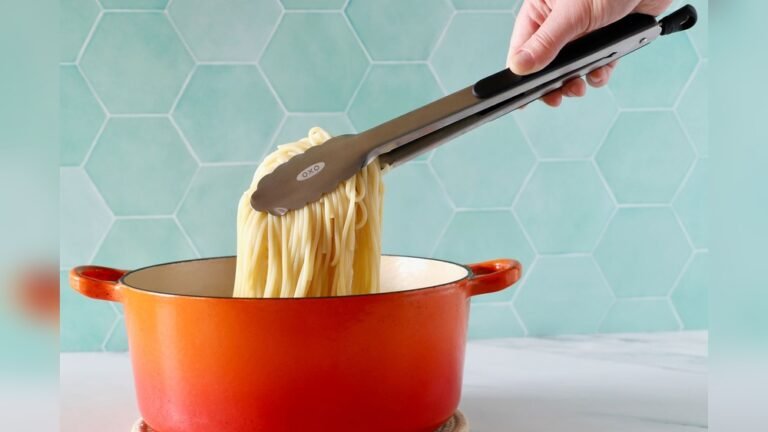
6. Mandoline slicer: slices vegetables evenly and quickly. 7. Measuring cups: measures dry and liquid ingredients accurately. 8. Mixing bowls: holds ingredients for combining and prepping. 9. Whisk: blends and aerates liquids smoothly. 10. Tongs: grips and turns food while cooking or serving.
What Equipment Is Used For Chopping?
Chopping uses tools like chef’s knives, cleavers, mezzalunas, food choppers, and mandoline slicers for efficient cutting.
What Are The Most Commonly Used Cutting Tools?
The most commonly used cutting tools include chef’s knives, utility knives, scissors, mandolines, and food choppers. These tools offer precision and efficiency for slicing, dicing, and chopping tasks in kitchens and workshops.
Conclusion
Choosing the right cutting and chopping tools makes cooking easier and safer. Sharp blades and sturdy handles improve your cutting precision. Different tools serve different tasks, from slicing to dicing. Investing in quality tools saves time in the kitchen. Regular maintenance keeps your tools effective and long-lasting.
Simple tools can create amazing meals with less effort. Remember, good tools help you cook with confidence every day.