
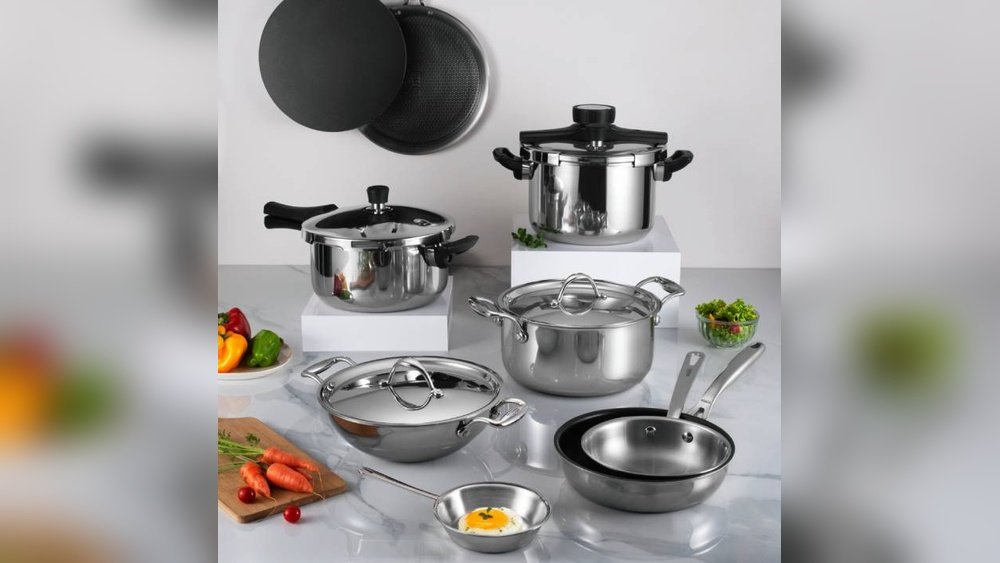
Types of Cooking Pots and Their Uses Simple Guide for Every Kitchen in 2026
Cooking is fun and easy when you use the right pots. There are many types of cooking pots. Each pot has a special use. Knowing the right pot helps your food taste better. This article talks about common cooking pots and how to use them.
1. Saucepan
A saucepan is round with tall sides. It usually has one long handle. Sometimes it has a small handle on the other side. Saucepans come with a lid.
Use: Saucepans are good for cooking sauces, boiling water, or making soup. You can also cook rice or heat food in them.
2. Stockpot
A stockpot is large and tall. It has two handles, one on each side. It also comes with a lid.
Use: Use a stockpot to cook big meals. It is perfect for making soup, stew, or boiling pasta. When you cook for many people, the stockpot is useful.
3. Frying Pan (Skillet)
A frying pan or skillet is flat with low sides. It has a long handle and no lid.
Use: Frying pans are for frying, sautéing, and browning food. They work well for eggs, pancakes, and vegetables. The flat surface cooks food quickly.
4. Sauté Pan
A sauté pan looks like a frying pan but has higher straight sides. It has a long handle and sometimes a helper handle.
Use: Use sauté pans for cooking food with little oil. It is good for searing meat and cooking sauces. The straight sides help keep food inside.
5. Dutch Oven
A Dutch oven is heavy and thick. It is usually made of cast iron. It comes with a heavy lid and two side handles.
Use: Dutch ovens are great for slow cooking. You can stew, braise, or bake in them. They keep heat well and cook food evenly.
6. Casserole Dish
A casserole dish is deep and often made from glass or ceramic. It comes with a lid and two side handles.
Use: Use casserole dishes in the oven. They are good for baked dishes like lasagna or casseroles. The glass or ceramic holds heat well.
7. Wok
A wok is a round-bottomed pot with high sides. It often has one or two handles.
Use: Woks are great for stir-frying food fast. The shape lets food cook quickly at high heat. You can also steam or deep-fry in a wok.
8. Steamer Pot
A steamer pot has two parts: a pot for boiling water and a basket for food.
Use: Use it to steam vegetables, fish, or dumplings. Steaming keeps food healthy and fresh.
9. Milk Pot
A milk pot is small and has a spout. It has one handle and often a lid.
Use: Use a milk pot to heat milk or small amounts of liquid. It is easy to pour from the spout.

Credit: www.chefstore.com
10. Pressure Cooker
A pressure cooker is a special pot with a tight lid. It traps steam inside to cook food fast.
Use: Pressure cookers are good for cooking tough meats or beans quickly. They save time and energy.
Materials Used for Cooking Pots
Cooking pots come in many materials. Each material has good and bad points. Here are some common materials:
| Material | Advantages | Disadvantages |
|---|---|---|
| Stainless Steel | Strong, does not rust, easy to clean | Can stick if not used with oil |
| Cast Iron | Holds heat well, lasts long | Heavy, needs care to avoid rust |
| Aluminum | Lightweight, heats quickly | Can scratch easily, may react with some foods |
| Non-stick | Food does not stick, easy to clean | Can get damaged if scratched |
| Ceramic | Good heat retention, non-stick surface | Can chip or crack |
How to Choose the Right Cooking Pot?
Choosing the right pot depends on what you want to cook. Here are some tips:
- Think about the food you cook most.
- Choose a pot size that fits your family.
- Pick a material that is easy to clean.
- Consider how much heat the pot holds.
- Look at the pot’s weight and handle comfort.

Credit: www.abt.com
Care Tips for Cooking Pots
Taking care of your pots helps them last longer. Follow these tips:
- Wash pots after each use with warm water.
- Avoid using metal brushes on non-stick pots.
- Dry pots well to stop rust.
- Store pots in a dry place.
- Use wooden or plastic utensils to avoid scratches.
Summary Table of Common Cooking Pots
| Pot Type | Description | Main Uses |
|---|---|---|
| Saucepan | Round, tall sides, one long handle | Boiling, making sauces, cooking rice |
| Stockpot | Large, tall, two side handles | Soups, stews, pasta for many people |
| Frying Pan (Skillet) | Flat, low sides, one long handle | Frying, sautéing, cooking eggs |
| Sauté Pan | Flat bottom, high straight sides | Searing, cooking sauces, frying |
| Dutch Oven | Heavy, thick, two side handles | Slow cooking, braising, baking |
| Casserole Dish | Deep, glass or ceramic, with lid | Baking casseroles, lasagna |
| Wok | Round bottom, high sides | Stir-frying, steaming, deep-frying |
| Steamer Pot | Two parts: pot and basket | Steaming vegetables, fish, dumplings |
| Milk Pot | Small, spout, one handle | Heating milk and small liquids |
| Pressure Cooker | Tight lid, traps steam | Cooking tough food fast |
Final Thoughts
Different cooking pots serve different needs. Using the right pot helps food cook well. It also makes cooking easier and more fun. Start with a few basic pots. Then add more as you try new recipes. Remember, good pots make your kitchen better.
Frequently Asked Questions
What Types Of Cooking Pots Are There?
Common types of cooking pots include saucepans, stockpots, Dutch ovens, sauté pans, and woks. Each serves unique cooking needs.
What Is The Best Type Of Pots And Pans To Use?
The best pots and pans combine durability and heat distribution. Stainless steel, cast iron, and nonstick cookware suit most cooking needs. Choose based on your cooking style for optimal results.
What’s The Healthiest Type Of Cookware To Use?
The healthiest cookware types include stainless steel, cast iron, and ceramic. They avoid harmful chemicals and last long. Avoid non-stick pans with toxic coatings. Choose materials that do not leach metals or toxins into food for safe cooking.
Which Is Healthier, Teflon Or Ceramic?
Ceramic cookware is generally healthier than Teflon. Ceramic avoids harmful chemicals and withstands high heat safely. Teflon may release toxins if overheated. Choose ceramic for a non-toxic, eco-friendly cooking option.