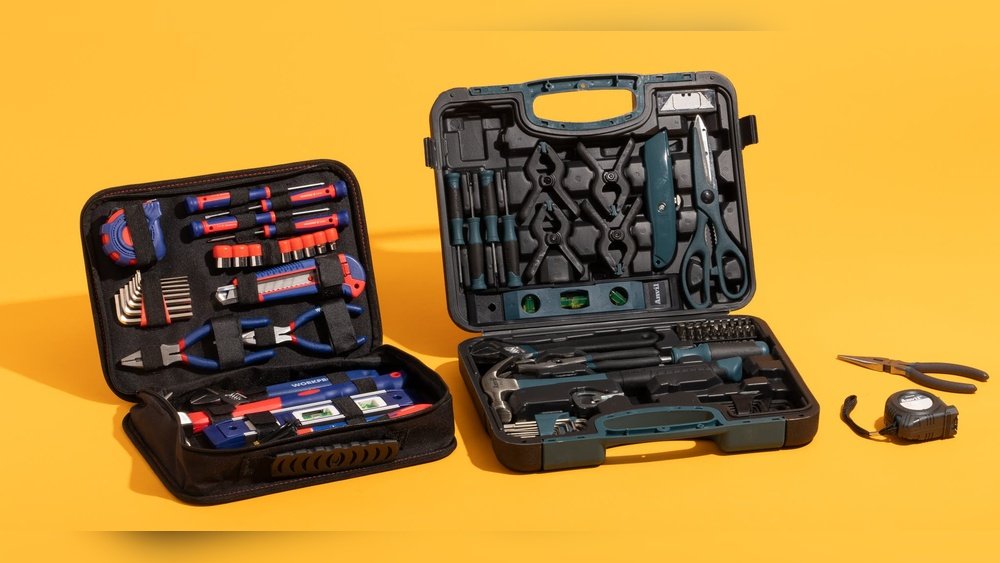
Best Way to Store Home Tool Kit: Ultimate Space-Saving Tips
Do you ever find yourself digging through a messy pile of tools, wasting time and getting frustrated? Your home tool kit is only as useful as it is organized.
The best way to store your tools not only saves you time but also protects your gear from damage and rust. Imagine opening your toolbox and instantly finding exactly what you need—no stress, no searching. You’ll discover simple, practical ways to keep your tools neat, safe, and ready to use whenever you need them.
Ready to transform your tool storage and take control of your workspace? Let’s dive in.
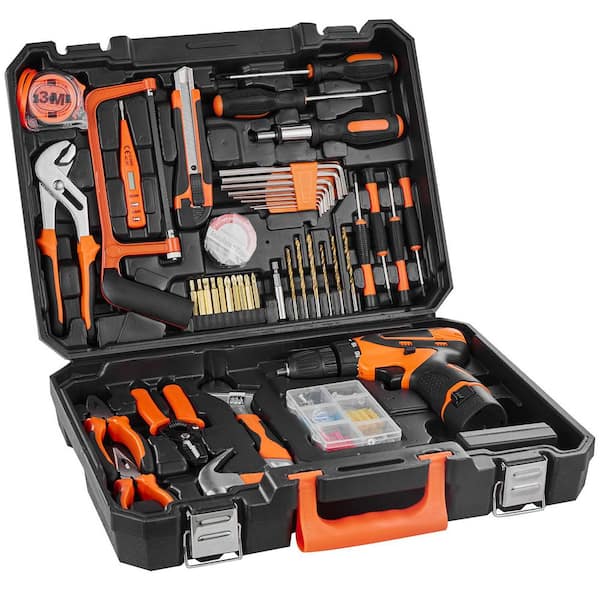
Credit: www.homedepot.com
Tool Storage Basics
Small tools are easy to lose or mix up without proper storage. Organizing these items saves time and keeps your workspace tidy. Clear containers and thoughtful sorting help find tools fast.
Use simple methods to separate and store small tools. This prevents clutter and damage to your tools. The right setup makes tool use more efficient and enjoyable.
Using Open Bins And Tubs
Open bins and tubs offer quick access to small tools. They keep items visible and easy to grab. Choose bins that fit your shelf or workspace size. Group similar tools together for faster finding. Plastic bins are lightweight and easy to clean. Use different colors to separate types of tools clearly.
Drawer Dividers And Trays
Drawer dividers create neat sections inside tool drawers. Trays with compartments hold small tools separately. These keep tools from shifting and mixing during use. Adjustable dividers fit different tool sizes perfectly. Trays can be removed for easy cleaning and sorting. This method maximizes drawer space and protects your tools.
Labeling And Categorizing
Labels help identify the right tool quickly. Use clear, simple labels on bins, drawers, or trays. Categorize tools by type, size, or use. Keep labels consistent for easy reading. Labeling reduces time spent searching and avoids mistakes. It also helps maintain the organization over time.

Credit: www.amazon.com
Space-saving Solutions
Storing tools without a garage can be a challenge. Space is limited, and tools need protection from moisture and dust. Finding the right storage method keeps tools organized and easy to access. It also extends their lifespan by preventing rust and damage.
Indoor Storage Options
Use sturdy shelves to hold toolboxes and containers. Wall-mounted pegboards keep frequently used tools visible and within reach. Clear plastic bins with labels help sort small items like screws and nails. Magnetic strips on walls can hold metal tools securely. A dedicated closet or corner in a room can be turned into a mini workshop space.
Portable Storage Solutions
Toolboxes with handles are easy to carry and store. Rolling tool carts provide mobility and keep tools organized. Stackable storage bins save space and can be moved when needed. Small portable cases are perfect for hand tools and accessories. These solutions work well for apartments or homes without extra rooms.
Maximizing Small Spaces
Use vertical space by installing tall shelves or cabinets. Hooks on walls or doors hold larger tools like saws or hammers. Store tools under furniture or inside unused drawers. Foldable workbenches with built-in storage save room when not in use. Organize tools by frequency of use, placing everyday items in easy spots.

Credit: www.amazon.com
Frequently Asked Questions
What Is The Best Way To Store Tools When Not In Use?
Store tools in a dry, cool place using pegboards, toolboxes, or wall cabinets. Keep heavier tools low and smaller ones in clear bins. Regularly clean and oil tools to prevent rust and damage. Organize by type for easy access and maintenance.
Will Tools Rust In An Unheated Garage?
Tools can rust in an unheated garage due to moisture and humidity. Use rust inhibitors and proper storage to protect them.
How To Store Tools In A House?
Store tools in a dry, cool area using pegboards, toolboxes, or wall-mounted racks. Arrange by size and type for easy access. Use clear bins for small items and keep heavy tools low to prevent damage. Regularly clean and oil tools to prevent rust.
What Are The Common Toolbox Organizer Mistakes?
Common toolbox organizer mistakes include overcrowding compartments, mixing tool types, ignoring weight distribution, lacking labels, and neglecting regular cleaning.
Conclusion
Storing your home tool kit properly saves time and effort. Use shelves, pegboards, or toolboxes for neatness. Keep tools dry to avoid rust and damage. Label storage areas to find tools quickly. Regularly clean and organize your kit for best results.
A tidy tool area makes projects easier and safer. Simple steps create a well-ordered space you can trust. Start organizing today and enjoy the benefits tomorrow.