Budget-Friendly Home Tools: High Quality & Low Quality Guide
When it comes to equipping your home with tools, you want to get the best value for your money. But how do you decide which tools are worth spending on and which ones you can skip without regret?
You might have faced the dilemma of choosing between budget-friendly options and higher-priced, high-quality tools. The truth is, not all affordable tools are created equal, and not all expensive ones guarantee top performance. You’ll discover how to spot the difference between high quality and low quality home tools without breaking the bank.
By the time you finish reading, you’ll feel confident about building a reliable toolkit that fits your needs and budget perfectly. Ready to make smarter tool choices? Let’s dive in.
Affordable Tool Brands
Affordable tool brands make it easier to equip your home without overspending. Many brands offer good quality tools at prices that fit tight budgets. Choosing the right brand helps balance quality and cost. This section highlights popular budget brands, hidden gems, and compares their value.
Popular Budget Brands
Several brands stand out for delivering reliable tools at low prices. Kobalt, sold by Lowe’s, offers solid hand and power tools. Husky, available at Home Depot, is known for durable kits and lifetime warranties. Harbor Freight’s Pittsburgh line provides many options for occasional use. These brands suit homeowners needing basic tools without high costs.
Hidden Gems To Consider
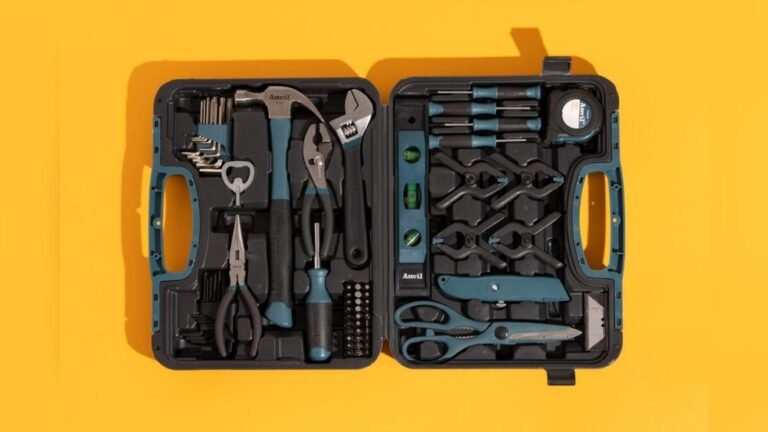
Some lesser-known brands offer surprising value. For example, Anvil, sold at Home Depot, is praised for its well-rounded tool kits. Do It Best stores carry exclusive brands that often fly under the radar but perform well. These options can be great for buyers seeking quality beyond mainstream names at affordable prices.
Comparing Brand Value
Value depends on tool quality, warranty, and price. Popular brands often have wide selections but vary in durability. Hidden gems may offer fewer products but focus on quality craftsmanship. Check user reviews and warranty policies before buying. A tool’s long-term performance matters more than the initial price tag.
Credit: www.alibaba.com
Quality Differences
Choosing the right tools can save time and money. Quality differences affect your work and tool lifespan. Understanding these differences helps you pick tools that fit your budget and needs. Some tools look good but fail quickly. Others last long and perform better. Spotting these traits is important for every home project.
High Quality Tool Features
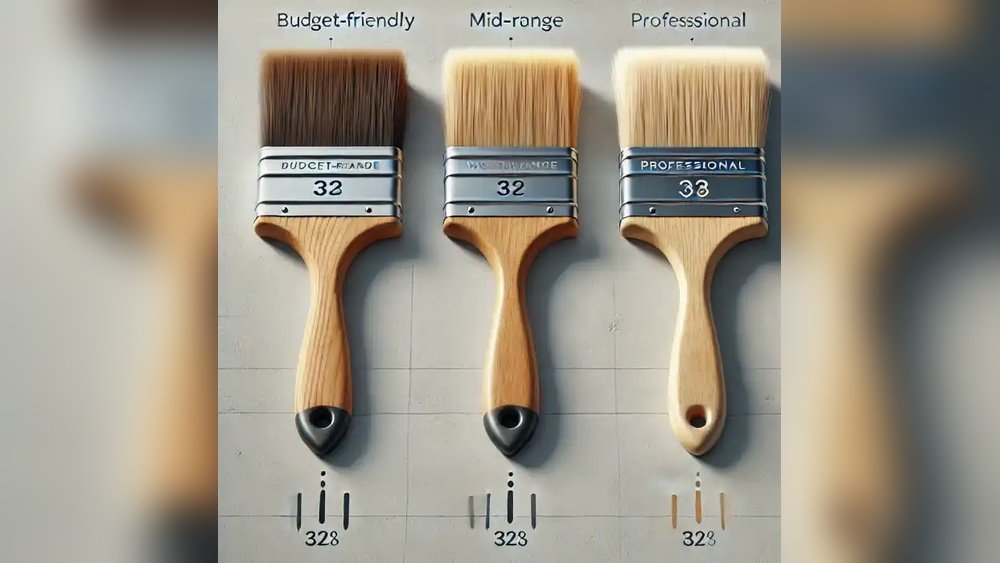
High quality tools use strong materials like hardened steel. Their handles offer good grip and comfort. They have precise parts that fit well and work smoothly. The finish resists rust and wear. These tools feel solid and balanced in hand. They come with clear instructions and warranties.
Signs Of Low Quality Tools
Low quality tools often use cheap metal or plastic. Their parts may feel loose or wobbly. Handles can be uncomfortable or slippery. Paint or coating peels off quickly. Joints and moving parts may stick or break fast. These tools often lack brand information or warranty.
Durability And Performance
Durability means tools stay useful after many jobs. High quality tools resist bending, breaking, and rust. They keep sharp edges and strong grips. Performance shows in how well a tool does its job. Good tools require less effort and give better results. Low quality tools wear out or fail sooner, causing delays and extra costs.
Essential Home Tools
Every home needs a set of essential tools. These tools help with repairs, improvements, and small projects. Choosing the right tools can save money and time. Both high quality and budget-friendly options exist. Knowing which tools to buy first makes all the difference.
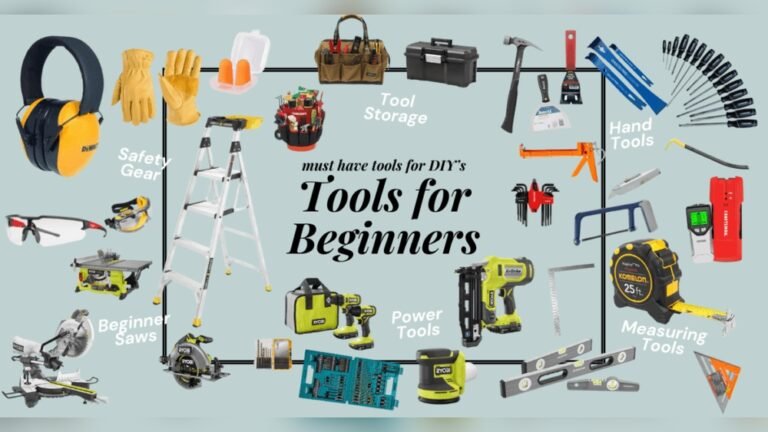
Must-have Hand Tools
Hand tools are the foundation of any toolbox. A good hammer, screwdrivers, and pliers cover many tasks. Look for tools with comfortable grips and solid construction. High quality hand tools last longer and work better. Budget options can be fine for light use but may wear out fast.
Basic Power Tools
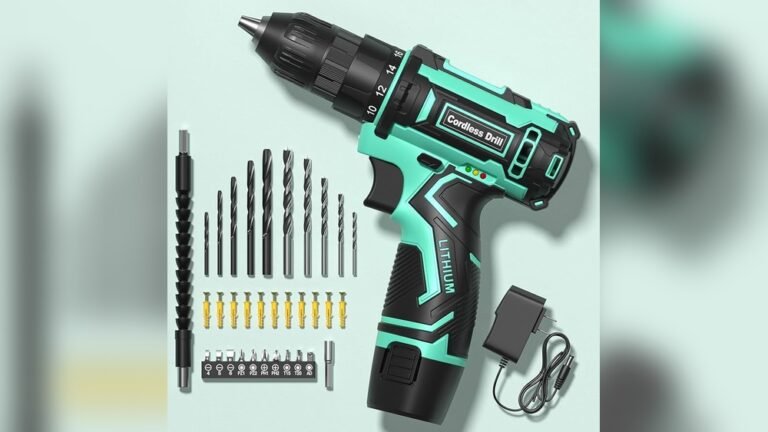
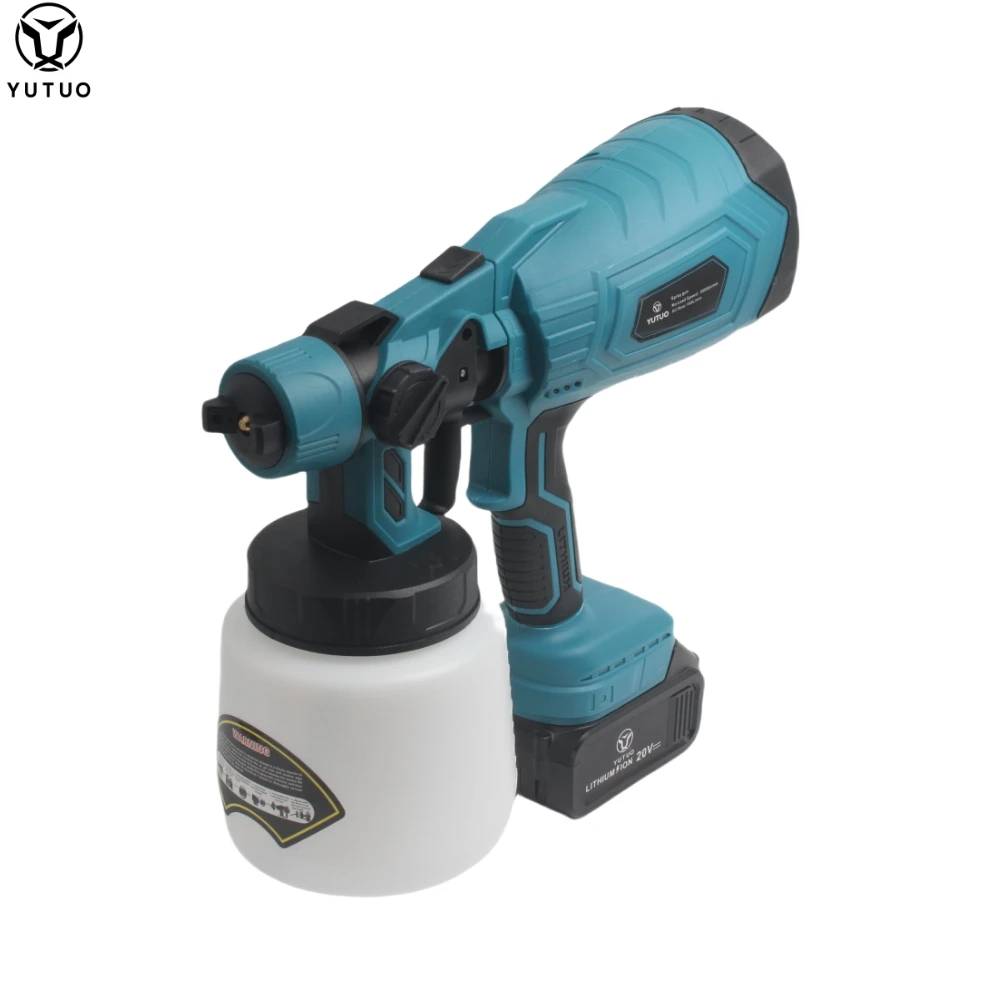
Power tools speed up home projects. A cordless drill and a jigsaw are great starters. Choose models with good battery life and easy controls. High quality brands offer durability and safety features. Lower cost power tools might lack power or break sooner but work well for occasional use.
Tool Kits For Beginners
Tool kits bundle many tools in one set. They are perfect for beginners. Kits often include a mix of hand and small power tools. Check the tool quality and variety before buying. Some kits offer great value with reliable tools. Others may include cheap items that need quick replacement.
Where To Buy
Finding the right place to buy home tools matters a lot. Good tools make your work easier and last longer. Bad tools can break quickly and waste money. Choosing where to buy helps balance quality and price.
Many options exist for buying tools. Each store type has pros and cons. Some offer wide selections, others specialize in certain tools. Online shops bring variety and convenience. Exploring these choices helps find the best fit.
Big Box Retailers
Big box stores like Home Depot and Lowe’s offer many tools. They stock both budget and premium brands. Their prices often stay competitive with sales and discounts. You can see and hold tools before buying. These stores also provide advice and return policies.
Specialty Stores
Specialty stores focus on tools and hardware. Staff usually have deep knowledge and can guide you well. They may carry high-quality or professional-grade tools. Prices might be higher but reflect better durability. These stores often offer repairs and custom orders.
Online Marketplaces
Online marketplaces like Amazon or eBay offer huge tool selections. You can compare brands, read reviews, and find deals easily. Shopping online saves time and often money. Watch for seller ratings to avoid low-quality products. Shipping may take time but convenience is a key benefit.
Saving Money Tips
Saving money on home tools does not mean buying the cheapest option every time. Smart choices help you get good quality without overspending. Learning when to spend more and when to save can stretch your budget. These tips guide you to buy tools that last and work well.
Use these strategies to build a useful collection of home tools without wasting money. Focus on value, not just price. This way, you maintain quality and save cash.
When To Invest In Quality
Some tools need to be strong and reliable. Power tools and items you use often should be good quality. Cheap tools may break quickly and cost more in the long run. Spend more on tools that affect safety or need precision. This saves money by avoiding replacements and repairs.
Buying Used Tools
Used tools can be a great deal if chosen carefully. Check their condition before buying. Look for brands known for durability. Used tools often cost less but still perform well. This option helps save money while getting quality items.
Seasonal Sales And Discounts
Watch for sales during holidays and special events. Stores offer big discounts on tools at these times. Plan purchases around these sales to get better prices. Signing up for newsletters can alert you to deals. Patience pays off with good savings on quality tools.
Credit: www.walmart.ca
Tool Maintenance
Maintaining your tools is key to saving money and ensuring they work well. Proper care keeps both budget-friendly and high-quality tools ready for use. Neglect can cause damage, making repairs costly or forcing replacement. Simple maintenance routines improve performance and extend the life of every tool you own.
Extending Tool Lifespan
Clean tools after each use to remove dirt and debris. Dirt can cause rust and wear down parts quickly. Sharpen blades and cutting edges regularly for efficient work. Tighten loose screws and bolts to avoid damage during use. Lubricate moving parts to reduce friction and prevent rust. Small efforts now prevent costly problems later.
Proper Storage Solutions
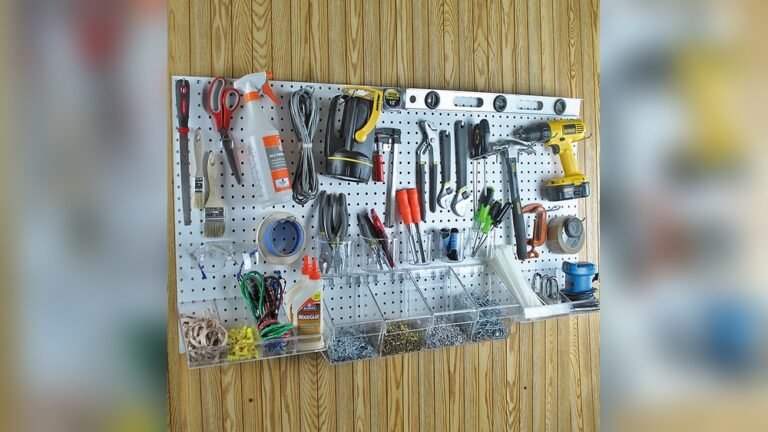
Store tools in a dry, cool place to avoid moisture damage. Use toolboxes or wall racks to keep tools organized and off the ground. Avoid stacking heavy tools on top of lighter ones to prevent bending or breaking. Cover tools with cloth or plastic to block dust and dirt. Proper storage helps keep tools safe and easy to find.
Basic Repair Techniques
Learn to replace worn or broken parts like handles and blades. Use appropriate glue or tape for small fixes on tool grips. Tighten loose connections with the right screwdriver or wrench. Sand down rust spots and apply rust-proof paint if needed. Basic repairs save money and keep tools working longer without professional help.
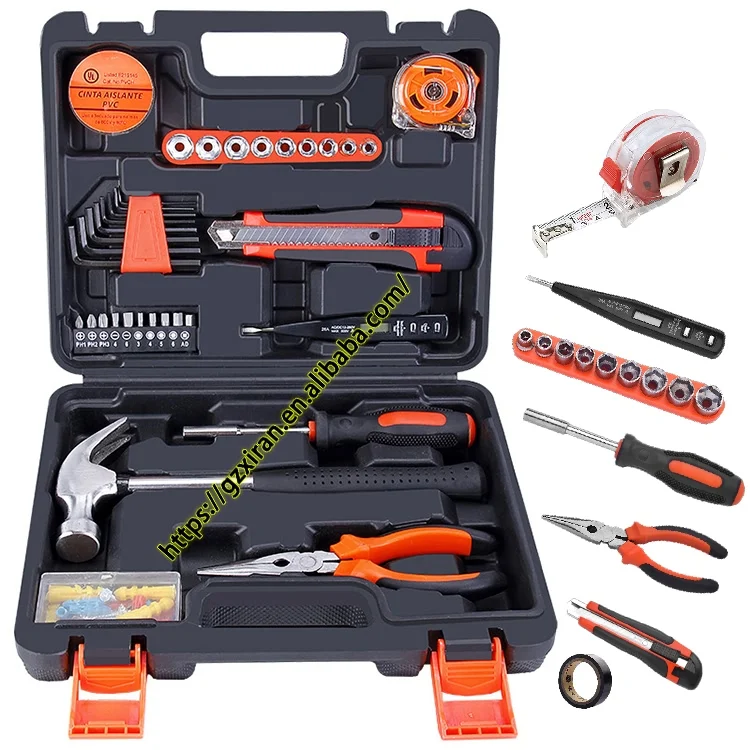
Credit: www.alibaba.com
Frequently Asked Questions
What Is The Best Tool Brand For The Money?
Ryobi offers excellent value for cordless power tools, balancing quality and price. For hand tools, brands like Kobalt and Husky provide reliable, budget-friendly options. Home Depot’s Anvil set also ranks high for affordability and functionality in basic toolkits.
What Is The Best High Quality Home Tool Kit?
The best high-quality home tool kit combines durability, variety, and affordability. Popular choices include Home Depot’s Anvil set and Husky kits. These offer essential tools with reliable performance, perfect for most household repairs and projects. Choose kits with solid warranties and positive user reviews for lasting value.
What Company Makes The Highest Quality Hand Tools?
Snap-on, Klein Tools, and Stanley Black & Decker consistently produce the highest quality hand tools. These brands offer durability, precision, and reliability trusted by professionals worldwide.
What Tool Kit Should Every Homeowner Have?
Every homeowner should have a toolkit with a hammer, screwdrivers, pliers, tape measure, adjustable wrench, utility knife, and a cordless drill. These basic tools handle most home repairs efficiently and are budget-friendly. Choose durable brands like Ryobi, Husky, or Kobalt for quality and affordability.
Conclusion
Choosing home tools means balancing quality with budget. High-quality tools last longer and work better. Low-quality tools cost less but may wear out fast. Focus on essential tools that fit your needs. Spend wisely on items you use often. Simple care can extend tool life significantly.
Smart choices help keep your home projects on track. Investing time in research pays off in the end. Your toolkit should support your tasks, not slow you down.