Common Mistakes With Home Tool Kit: Avoid Costly DIY Blunders
You probably think having a home tool kit means you’re ready for any repair or project. But what if your toolkit is missing key items or filled with tools you rarely use?
Many homeowners make simple mistakes that lead to frustration, wasted money, and unfinished jobs. Are you using the wrong tools? Is your kit organized, or a jumbled mess? You’ll discover the most common mistakes people make with their home tool kits—and how to fix them.
Keep reading to save time, avoid costly errors, and finally feel confident tackling projects around your home. Your perfect tool kit starts here.
Credit: sa.rsdelivers.com
Tool Selection Errors
Disorganization in a home tool kit causes frustration and wastes time. Tools get lost or damaged when not stored properly. Keeping everything neat helps you work faster and avoid accidents. The following common problems show why organization matters.
Cluttered Toolboxes
Overstuffed toolboxes make it hard to find the right tool. Tools get tangled or scratched when packed too tightly. A cluttered box also increases the chance of injury from sharp edges. Use trays or dividers to keep tools separated and easy to reach.
Losing Small Parts
Small parts like screws and nails often go missing in disorganized kits. These tiny items slip through cracks or fall to the floor unnoticed. Store small parts in clear containers or compartment boxes. This prevents loss and saves time searching during projects.
Lack Of Labeling
Without labels, it is difficult to know what is inside boxes or drawers. This leads to opening multiple containers to find one tool. Label each section clearly with simple words or pictures. Clear labeling speeds up work and reduces stress.

Credit: www.duromaxpower.com
Storage And Maintenance Issues
Budgeting mistakes can ruin your plans for a good home tool kit. Spending too little or too much causes problems. A well-planned budget helps you buy the right tools that last and serve well. Avoid common errors to save money and build a useful kit.
Buying Cheap, Low-quality Tools
Cheap tools may look like a good deal at first. They often break quickly or do not work properly. Low-quality tools can cause more harm than good. Investing in mid-range tools gives better results and longer life. Do not buy tools just because they are the cheapest.
Overspending On Unnecessary Items
Buying tools you rarely use wastes money. A big, fancy tool set may seem attractive but most tools stay unused. Focus on essential tools first. Add special tools later as needed. Careful spending helps keep your budget under control.
Skipping Essential Tools
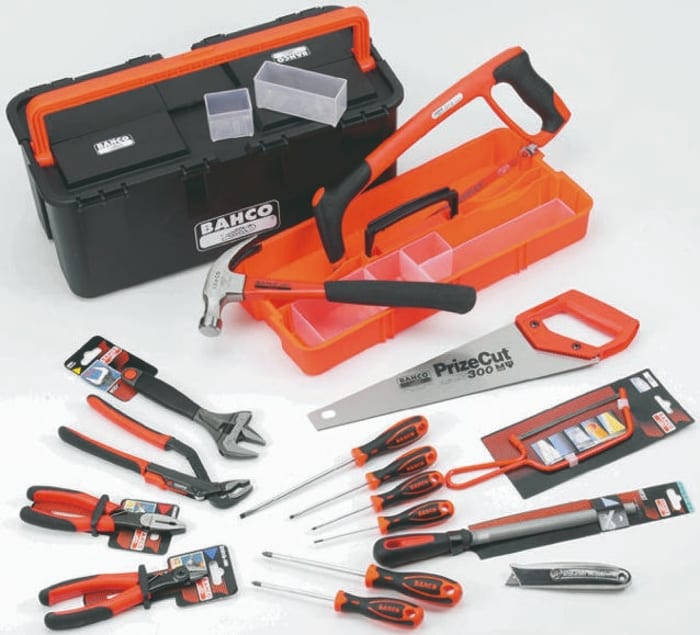
Some skip basic tools to save money but regret later. Missing essential tools means you cannot complete simple tasks. A good home tool kit must have a hammer, screwdrivers, pliers, and a tape measure. Buy these first before adding extra tools.

Credit: sucoyclc.com
Frequently Asked Questions
What Are Common Mistakes With Home Tool Kits?
Many people misuse tools, store them improperly, or lack essential items. This leads to damage, inefficiency, and frustration during DIY projects. Avoid mixing metric and imperial tools, neglecting maintenance, and buying unnecessary tools.
How To Avoid Using Wrong Tools In Tool Kits?
Always match the tool to the task. Using incorrect tools can cause damage or injury. Read instructions, label tools clearly, and organize your kit to prevent mistakes. Invest in quality tools for specific jobs.
Why Is Tool Organization Important In Home Kits?
Disorganized tools waste time and increase frustration. Proper organization helps you find tools quickly and protects them from damage. Use toolboxes with compartments, pegboards, or drawer dividers to keep everything neat.
How Often Should I Maintain My Home Tool Kit?
Regular maintenance prevents rust, dullness, and breakage. Clean tools after each use, oil moving parts, and inspect for damage monthly. Proper care extends tool lifespan and ensures safety during use.
Conclusion
Avoiding common mistakes keeps your home tool kit useful and safe. Store tools properly to prevent damage and loss. Choose the right tool for each job to save time. Keep your tools clean and organized for easy access. Regularly check and replace worn tools to ensure safety.
A well-maintained kit makes home repairs simpler and faster. Small efforts lead to better results and less frustration. Stay prepared, work smart, and enjoy your DIY projects.