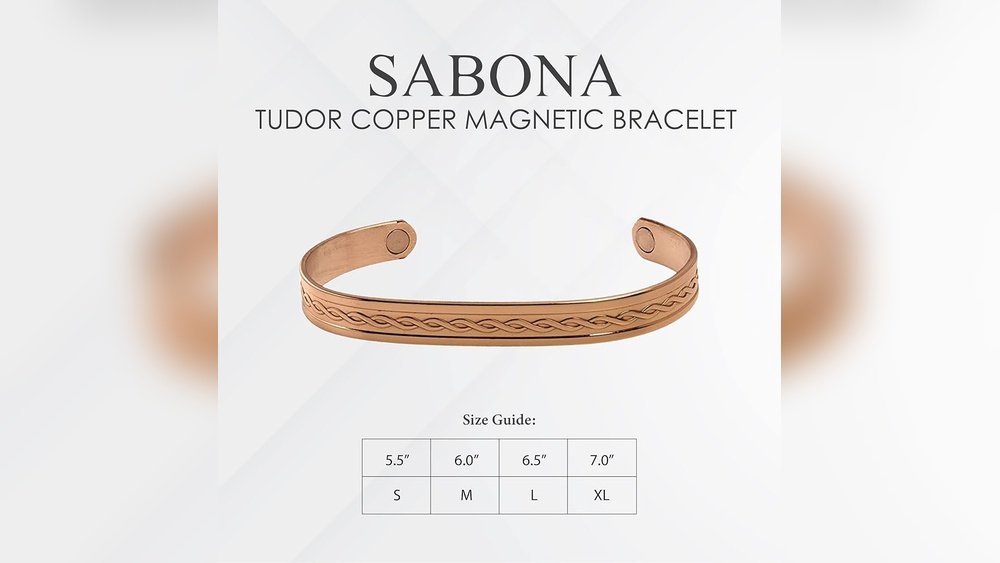
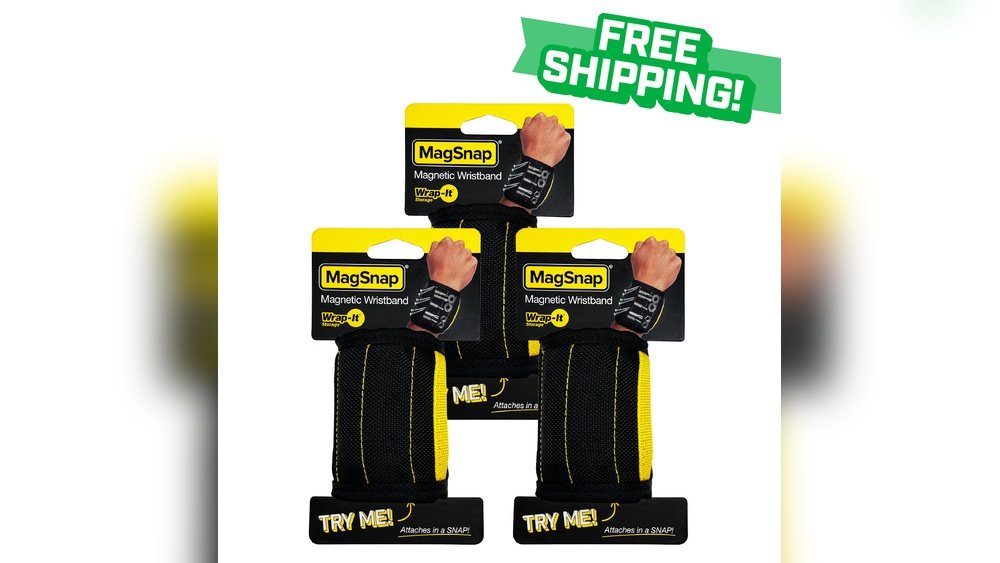
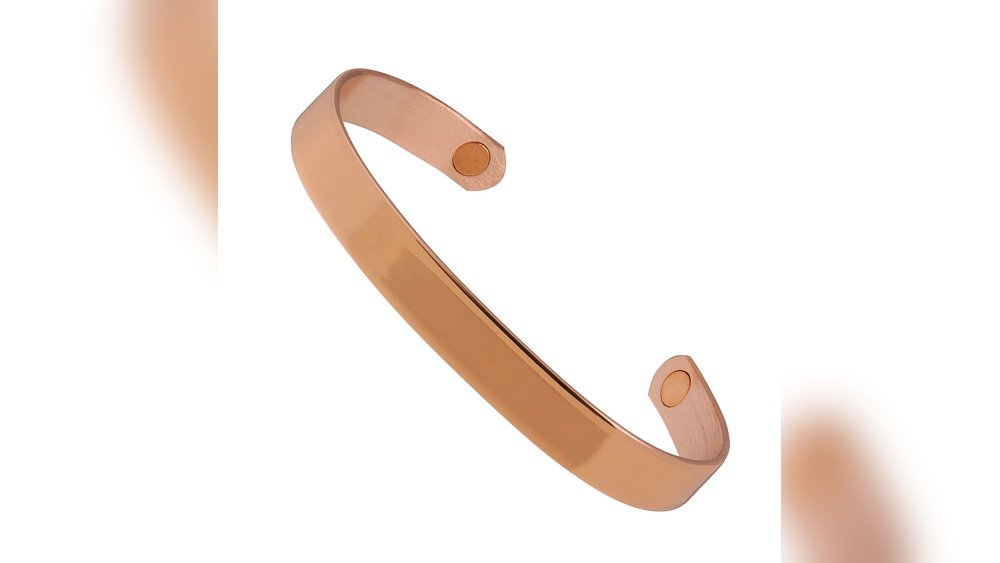
Are you using a magnetic wristband for your DIY projects or daily wear? If so, you might be making some common mistakes that reduce its effectiveness and comfort.
Whether it’s slipping off unexpectedly or not holding your tools securely, these errors can be frustrating, and costly. You’ll discover the most frequent pitfalls users face with magnetic wristbands and learn simple fixes to avoid them. Keep reading to make sure you get the most out of your magnetic wristband and never let it hold you back again.
Credit: www.roseinside.com
Magnetic Wristband Basics
Magnetic wristbands use small magnets to create a magnetic field around the wrist. This field is believed to help reduce pain and improve blood flow. The magnets are usually placed inside the wristband's fabric or strap.
People often use magnetic wristbands for pain relief in wrists, hands, and arms. They are also popular among workers and hobbyists who need to hold small metal tools or parts like screws and nails. The wristband keeps these items handy and secure during work.

Credit: www.sweetsofties.com
Sizing And Fit Errors
Choosing the wrong size magnetic wristband causes discomfort and poor function. A wristband too big slides around and loses screws or nails easily. If it’s too small, it feels tight and hurts the wrist.
Improper strap adjustment is another common error. Straps that are too loose allow the wristband to move, reducing its usefulness. Straps that are too tight restrict blood flow and cause pain.
Always check the wristband fits snugly but not tight. Adjust the strap to keep it secure without squeezing. Proper fit ensures the wristband holds tools well and is comfortable all day.
Wearing Mistakes
Wearing a magnetic wristband inside-out stops the magnets from working properly. The magnets must face outward to hold screws and nails. Wearing it the wrong way causes frustration and less use.
Placing the wristband on the wrong wrist also reduces its effectiveness. Most people wear it on their dominant hand, the one they use most for work. This helps keep tools and small parts close.
Make sure the wristband fits snug but not too tight. A loose band can slip and drop items, while a tight one may cause discomfort.
Magnet Strength Issues
Using weak magnets can cause frustration. They may not hold small metal items like screws or nails well. This reduces the wristband’s usefulness. Choose wristbands with strong magnets to keep tools safe and handy.
Overloading the wristband is another problem. Putting too many items on it can weaken the magnet’s grip. This makes things fall off easily. Limit what you carry to avoid losing tools during work.
Material And Quality Problems
Many magnetic wristbands use low-quality metals that can cause skin allergies. Some metals contain nickel, which irritates sensitive skin. Choosing wristbands made from hypoallergenic materials reduces this risk.
Durability is another concern. Cheap metals often rust or break easily. Magnets may lose their strength quickly, making the wristband less useful. Investing in strong, rust-resistant materials ensures longer-lasting products.
Maintenance And Care Errors
Using harsh chemicals or abrasive materials can damage the magnetic wristband's surface. Gentle cleaning with a soft cloth and mild soap works best. Avoid soaking the wristband in water to protect the magnets inside.
Ignoring wear and tear may reduce the wristband's lifespan. Check for loose parts or worn straps regularly. Replace damaged straps to keep the wristband secure and functional.
Safety Considerations
Some people may experience skin irritation or redness from magnetic wristbands. This happens because magnets can trap sweat and dirt against the skin. To avoid this, clean the wristband regularly and take breaks from wearing it. Wearing the band too tight might cause discomfort or rash.
Magnetic wristbands can cause interference with certain devices. They might affect pacemakers, hearing aids, or other medical tools. Keep a safe distance from these devices while wearing the wristband. Also, avoid placing the wristband near credit cards or electronic gadgets, as magnets can erase or damage data.
| Potential Risk | Precaution |
|---|---|
| Skin irritation | Clean wristband, avoid tight wearing |
| Medical device interference | Keep distance from pacemakers, hearing aids |
| Electronic device damage | Keep away from credit cards, gadgets |

Credit: www.sweetsofties.com
Avoiding Common Usage Pitfalls
Many people believe magnetic wristbands can cure health issues. This is not true. These wristbands are designed to hold small metal items, not to treat illnesses. Using them for health claims can lead to disappointment and misuse.
Ignoring the manufacturer's instructions often causes problems. Wristbands may lose their magnetic strength or break if not used properly. Always follow the guide to keep the wristband working well and safe.
Some common mistakes include wearing the wristband too tight or too loose. Adjust the strap so it fits comfortably. Wearing it inside-out can stop the magnets from working. Check the wristband’s position before use.
Troubleshooting Wristband Problems
Loose magnets in a wristband can cause it to fall off or lose grip. Check if magnets are properly seated in their slots. Press them gently back into place if they seem loose. Avoid using sharp tools that might damage the magnets or fabric.
Straps often wear out from regular use. Replace worn straps to keep the wristband secure and comfortable. Many wristbands have adjustable Velcro or buckles that make replacement easy. Use straps made from durable materials like nylon or leather for longer life.
Frequently Asked Questions
Can Magnetic Bracelets Cause Problems?
Magnetic bracelets rarely cause problems but may trigger skin irritation or allergic reactions in sensitive individuals. Avoid wearing near medical devices like pacemakers.
How To Wear A Magnetic Bracelet Correctly For Weight Loss?
Wear the magnetic bracelet snugly on your wrist, not too tight or loose. Ensure magnets face the skin for best effect. Avoid wearing it inside-out. Use consistently daily for potential weight loss benefits. Remove during sleep or water activities to maintain durability.
What Wrist Should You Wear A Magnetic Bracelet On?
Wear a magnetic bracelet on the wrist that feels most comfortable or where you experience pain. Many prefer the dominant hand for better effect. Ensure the magnets touch the skin directly for optimal benefits.
How Long Does It Take To Feel The Benefits Of A Magnetic Bracelet?
Most users notice benefits of a magnetic bracelet within 1 to 2 weeks. Effects vary by individual and usage consistency.
Conclusion
Magnetic wristbands offer great convenience when used right. Avoid common errors like wearing them too loose or inside-out. Choose quality products to prevent skin irritation. Keep the wristband clean and check magnets regularly. Use the wristband only for its intended purpose.
Small habits make a big difference in performance. Stay mindful, and your wristband will serve you well. Simple care ensures longer use and better results every time.