Are you getting the most out of your portable work light, or could hidden mistakes be holding you back? Whether you use your light for home projects, outdoor tasks, or professional jobs, certain common errors can reduce its effectiveness and even create safety risks.
From wrong placement to poor maintenance, these slip-ups might be costing you time, energy, and money, without you even realizing it. Keep reading to discover the mistakes you might be making and how to fix them, so your portable work light shines exactly when and where you need it.
Choosing The Wrong Type
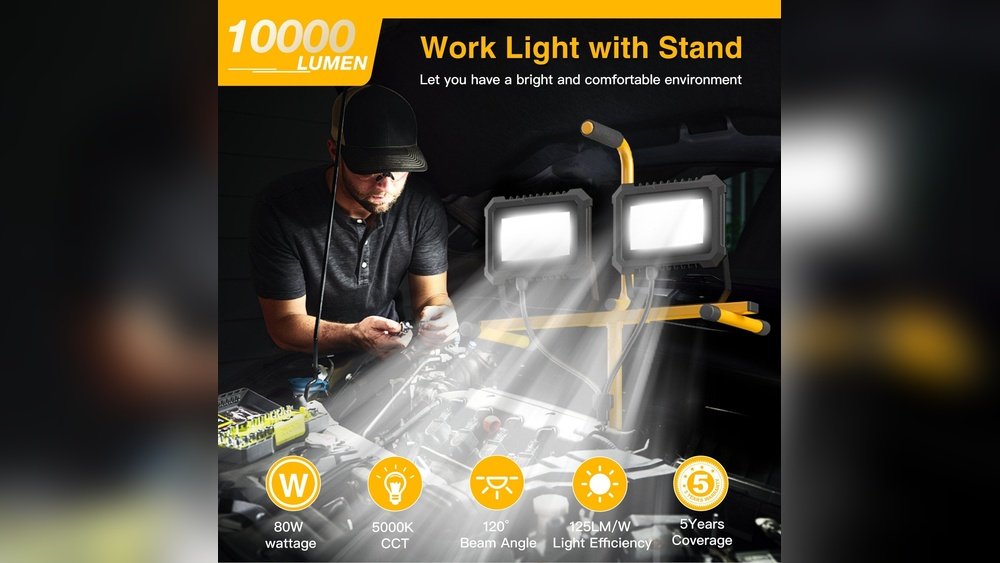
Choosing the right portable work light means paying close attention to lumens. Lumens tell how bright the light will be. A light with too few lumens might not illuminate your workspace well. Too bright can cause glare and eye strain.
Battery life matters a lot for cordless lights. A short battery life can stop your work suddenly. Look for lights that offer long-lasting power to avoid frequent recharging or battery changes.
Weather resistance is another key point. If the work light is not waterproof or dustproof, it may fail in tough conditions. Choose lights that can handle rain, dust, and drops to ensure durability.

Credit: www.westerntechnologylights.com
Incorrect Placement
Incorrect placement of portable work lights often causes shadows and glare.
Placing the light too close or at a bad angle can create dark spots. This makes work harder and less safe.
Ceiling height matters. Lights hung too low can blind workers. Too high, and the light spreads too thin.
Task-specific lighting is often ignored. Different jobs need different light intensity and direction.
Adjusting placement for each task helps avoid eye strain and improves focus.
Poor Wiring And Connections
Loose or damaged wiring can cause the portable work light to fail. Wires may disconnect or break inside the light. This makes the light flicker or stop working. Check wires often to avoid problems.
Using substandard materials like cheap wires or connectors is risky. These parts wear out quickly and may cause shorts or sparks. Always choose good quality parts to keep the light safe and working.
Improper grounding is another common mistake. Grounding helps stop electric shocks and fires. If grounding is done wrong, the light can be dangerous to use. Make sure the ground wire is connected properly.
Ignoring Power Compatibility
Mismatched voltage and current can cause serious problems for portable work lights. Using a light rated for 12V on a 24V supply can burn out the bulb quickly. Too low voltage makes the light dim and weak. The current must also match the light’s needs to avoid damage.
Using the wrong power supply often leads to flickering or no light at all. Some power supplies deliver unstable power, which makes the light flicker or flash. Using a power supply with poor quality or incorrect specs can harm the light’s electronics.
Causes of flickering lights include loose connections, bad wiring, or incompatible power sources. Flickering may also happen if the light is connected to a dimmer not meant for LED or portable lights. Check all plugs and sockets to ensure a steady connection.
Improper Storage And Maintenance
Extreme temperatures can damage portable work lights easily. Cold weather may cause the light to crack or stop working. Heat can melt plastic parts or harm the battery. Avoid leaving lights in cars or outside under direct sun for long times.
Damp environments cause rust and electrical problems. Water or moisture inside the light can create short circuits or stop the light from turning on. Always store lights in dry places to keep them safe and working well.
Skipping regular inspections means small issues go unnoticed. Check cords, plugs, and bulbs often for damage. Replace parts right away to prevent bigger problems. Regular care extends the life of your portable work light and keeps it safe to use.

Credit: www.ebay.com
Neglecting Safety Measures
Secure mounting is essential for safe use of portable work lights. Loose or unstable mounting may cause the light to fall, leading to damage or injury. Always check that clamps, hooks, or stands are firmly fixed before turning the light on.
Ignoring protective gear like gloves or safety glasses can increase risks during work. These items help protect from sparks, debris, or heat generated by the light. Wearing simple gear reduces chances of accidents significantly.
Placement hazards often get overlooked. Placing the light near water, flammable materials, or on uneven surfaces can cause electrical shock or fire. Keep the light away from these dangers and always ensure a stable, dry area for setup.
Using Incorrect Bulbs Or Accessories
Choosing incompatible bulbs can cause your work light to malfunction. Bulbs not designed for your light may overheat or reduce brightness. This leads to poor lighting and can damage the fixture.
Using low-quality accessories like cheap cords or sockets may cause safety risks. These parts might fail quickly or cause electrical shorts. Good accessories ensure long-lasting performance and safe operation.
| Issue | Effect |
|---|---|
| Incompatible Bulbs | Overheating, poor brightness, fixture damage |
| Skipping Quality Accessories | Electrical shorts, quick failure, safety risks |
| Wrong Bulb or Accessory Use | Reduced performance, increased danger |
Common User Errors
Reversing LED connections can cause the light to fail or flicker. Always match the positive and negative terminals correctly. Miswiring damages the LED and reduces its lifespan.
Ignoring manufacturer guidelines risks safety and performance. Each model has specific instructions for use and care. Skipping these steps leads to malfunction and voids warranties.
Failing to troubleshoot early often makes small problems worse. Check cables, bulbs, and switches as soon as issues arise. Early fixes save time and avoid costly repairs later.

Credit: www.xicomputer.com
Frequently Asked Questions
Can Led Lights Cause Dizziness?
LED lights can cause dizziness due to flickering or harsh brightness. Sensitive individuals may feel discomfort or headaches.
What Are Common Failures For Light Fixtures?
Common light fixture failures include faulty wiring, loose connections, burned-out bulbs, poor grounding, and damaged insulation. LED flickering often results from voltage or connection issues.
What Are Common Mistakes When Installing A Light?
Common mistakes include incorrect wiring, ignoring ceiling height, wrong fixture size, poor placement, and using incompatible bulbs. Skipping stud or junction box checks also causes issues.
What Is The Common Problem With Led Lights?
The most common problem with LED lights is flickering caused by voltage issues, poor connections, or incompatible power supplies.
Conclusion
Avoiding common mistakes with portable work lights saves time and effort. Always check the power source and wiring before use. Choose the right light for your workspace size and needs. Keep connections tight and avoid using damaged cables. Proper placement improves visibility and safety on the job.
Simple care and attention prevent frequent repairs or replacements. Follow these tips to get the best from your portable work light. Stay safe and work efficiently with good lighting habits.