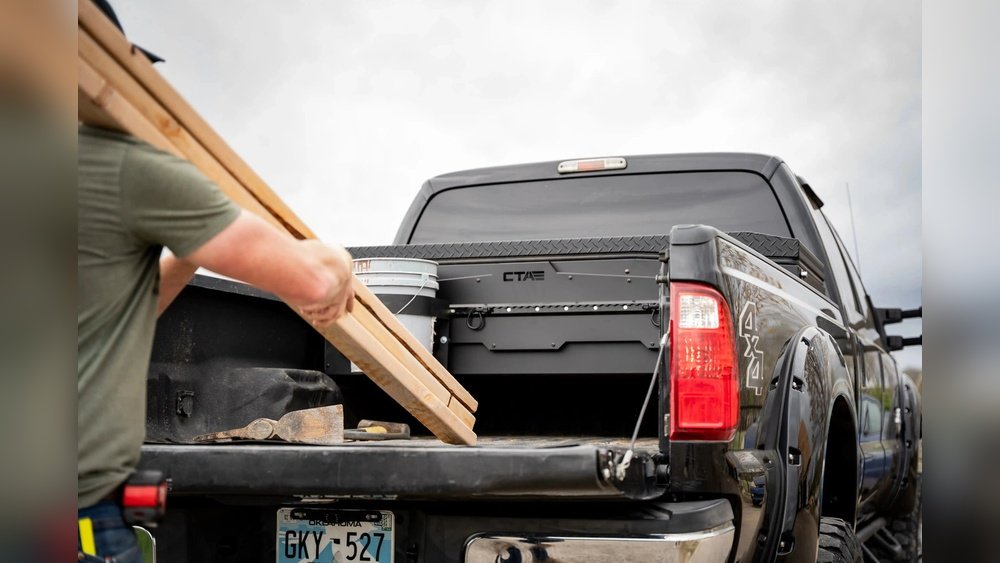
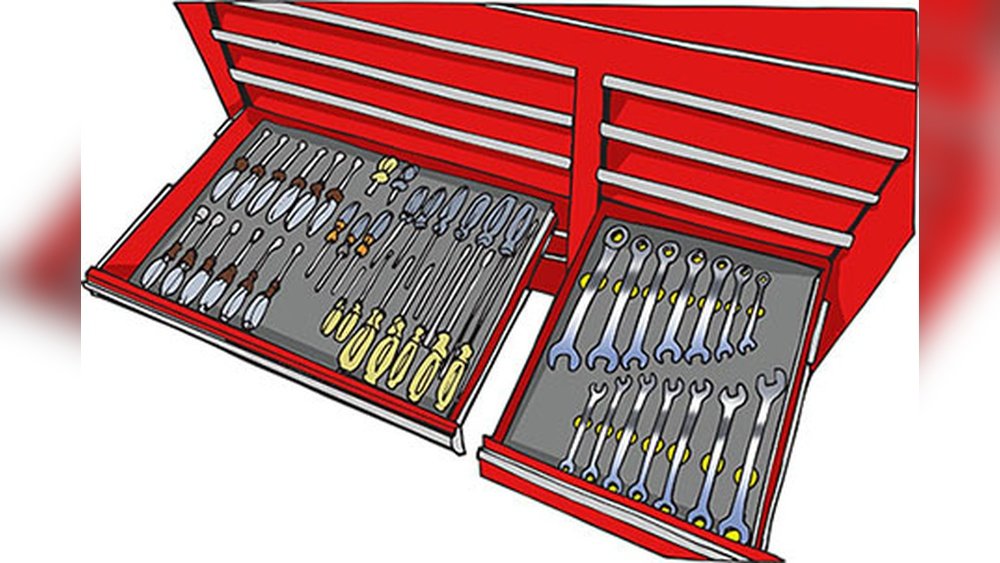
Are you tired of digging through a messy tool organizer every time you need something? If your tools are scattered, overcrowded, or hard to find, you’re not alone.
Many people make simple mistakes that turn their tool organizers into frustrating chaos instead of a helpful system. But what if you could avoid these common pitfalls and keep your tools neat, easy to access, and well-protected? Keep reading, because we’re about to reveal the most frequent errors with tool organizers, and how you can fix them to save time, reduce stress, and get your projects done faster.
Your perfect tool setup is closer than you think!

Credit: www.canadianmetalworking.com
Overpacking Issues
Overpacking tool organizers is a common issue many face. It happens when too many tools fill the space meant for fewer items. This creates overcrowded compartments that are hard to manage. Overpacking reduces efficiency and can damage tools or the organizer itself. Knowing how to balance tool capacity is key to avoiding these problems.
Consequences Of Overcrowding
Overcrowding limits access to your tools. It makes finding the right tool slow and frustrating. Tools can scratch or break when pressed tightly together. The organizer may lose shape or tear from too much weight. Overpacked organizers are harder to carry and can cause strain. Overcrowding leads to a messy and less productive workspace.
Balancing Tool Capacity
Keep only essential tools in your organizer. Choose the right size organizer for your tool collection. Spread tools evenly to avoid heavy spots. Regularly remove tools you don’t use. Use compartments and dividers to separate items. This balance keeps tools safe and easy to access. A well-packed organizer saves time and effort daily.
Ignoring Tool Maintenance
Ignoring tool maintenance is a common mistake many make with tool organizers. Tools lose their efficiency without proper care. This can lead to costly repairs or replacements. Regular maintenance keeps tools ready for any task. It also extends their lifespan significantly.
Cleaning Tools Regularly
Cleaning tools after each use removes dirt and debris. This prevents buildup that can damage moving parts. Use a soft cloth or brush for cleaning. Avoid harsh chemicals that may corrode metal surfaces. Dry tools thoroughly before storing them in the organizer. Clean tools work better and last longer.
Preventing Rust And Damage
Rust weakens tools and makes them unsafe to use. Store tools in a dry place to prevent rust. Use silica gel packs or rust inhibitors inside the organizer. Apply light oil coatings on metal parts for extra protection. Inspect tools regularly for signs of wear or damage. Fix small issues early to avoid bigger problems later.
Poor Tool Arrangement
Poor tool arrangement is a common problem that reduces efficiency and increases frustration. Tools placed randomly make it hard to find what you need quickly. This disorder can also cause damage to tools and waste valuable workspace.
Organizing tools properly helps save time and keeps your work area tidy. Avoid mixing different types of tools and group them in a logical way. A well-arranged organizer improves workflow and protects your tools from wear.
Mixing Different Measurement Tools
Mixing different measurement tools like rulers, tape measures, and calipers creates confusion. Each tool serves a unique purpose and needs its own space. Grouping all measurement tools together helps locate them fast. It also prevents damage caused by tools rubbing against each other.
Organizing By Frequency Of Use
Tools used often should be easy to reach. Place these tools in the front or top compartments. Less frequently used tools can go in the back or lower areas. This method saves time and reduces clutter. It also keeps your most needed tools handy at all times.
Inadequate Storage Conditions
Inadequate storage conditions can damage your tools and reduce their lifespan. Many users overlook how environment affects tool organizers. Poor storage leads to rust, battery failure, and tool malfunction. Proper care extends tool life and keeps everything ready for use.
Avoiding Humidity And Moisture
Humidity causes metal tools to rust quickly. Moisture builds up inside tool organizers if left in damp places. Rust weakens tools and makes them unsafe. Store tool organizers in dry areas with good air flow. Use silica gel packs or moisture absorbers inside the organizer. Wipe tools dry before putting them away. Regular checks help catch moisture problems early.
Protecting Batteries From Temperature Extremes
Batteries in power tools fail faster if exposed to heat or cold. High temperatures cause batteries to degrade and lose charge capacity. Cold temperatures reduce battery power and make tools slow to start. Keep battery-powered tools and batteries at room temperature. Avoid leaving them in cars or outdoor sheds. Store batteries separately in a cool, dry place when not in use. Proper battery care saves money and keeps tools ready.
Uncomfortable Tool Bags
Uncomfortable tool bags often ruin the user experience. Carrying tools should be easy, but design issues make it painful. Many people stop using their bags because they cause strain or hurt. Comfort matters as much as storage space in a tool organizer.
Design Flaws In Straps
Straps that dig into shoulders cause discomfort fast. Thin, hard straps fail to spread weight evenly. Lack of padding leads to bruises and soreness. Adjustable straps that slip or are hard to tighten add frustration. Poor strap design makes carrying heavy tools a painful chore.
Weight Distribution Problems
Tool bags that do not balance weight well cause back and shoulder pain. If weight concentrates on one side, it creates uneven pressure. This imbalance forces awkward posture and quick fatigue. Compartments placed poorly inside the bag worsen weight distribution. Proper balance is key for comfortable, long-term use.
Credit: tendsupplies.com
Excessive Tool Collection
Collecting too many tools can harm your tool organizer’s efficiency. Excessive tool collection clutters your workspace and makes it hard to find needed items. Over time, this habit leads to frustration and wasted time. A crowded organizer also risks damaging tools and reducing their lifespan.
Costs Of Tool Hoarding
Hoarding tools costs more than money. It wastes storage space and slows down work. Carrying unnecessary tools increases the weight of your organizer. This makes it harder to carry and store. You may buy duplicate tools because you forget what you own. Excess tools also need more cleaning and maintenance.
Efficient Tool Selection
Choose tools based on tasks you often perform. Keep only the essentials in your organizer. Sort tools by type and frequency of use. Remove broken or outdated tools regularly. This keeps your organizer neat and easy to use. An efficient selection saves time and reduces stress during work.
Foam Insert Mistakes
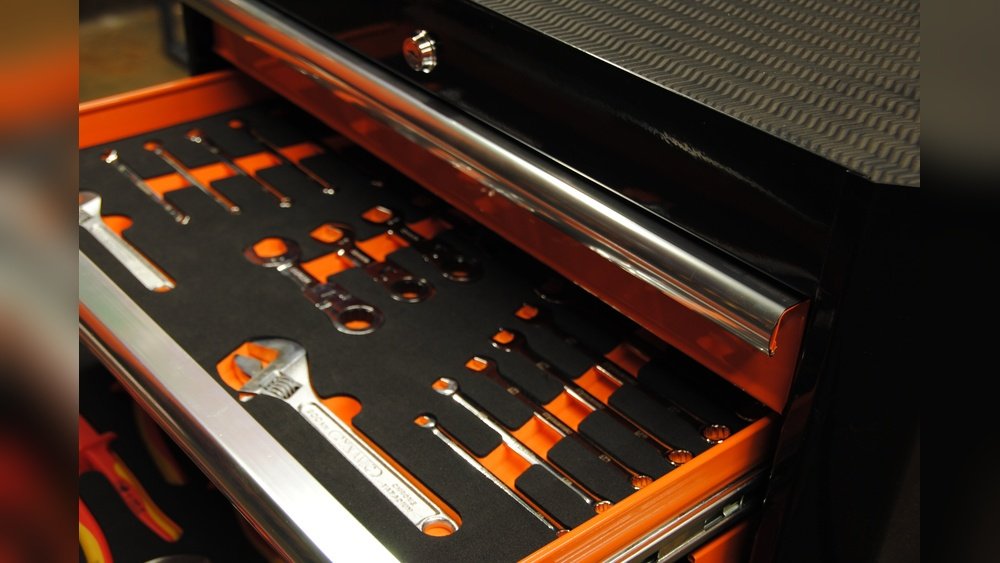
Foam inserts are popular for tool organizers. They keep tools in place and protect them from damage. Yet, many make mistakes with foam inserts that reduce their effectiveness. Common errors include making compartments too tight or too loose. Both issues can cause frustration and damage to tools.
Too Tight Fits
Cutting foam too tight around a tool causes problems. Tools become hard to remove. This can lead to dropping or damaging tools. Foam that grips too tightly also wears out faster. It loses shape and becomes less useful over time. A small gap helps tools slide in and out easily. It prevents damage to both tools and foam.
Too Loose Compartments
Compartments that are too loose let tools move around. Movement causes scratches and dents. Tools may fall out when moving the organizer. Loose foam also looks messy and unprofessional. Properly sized compartments keep tools stable. They offer better protection and maintain organization. Foam should fit snugly but not squeeze tools.

Credit: www.storewall.com
Frequently Asked Questions
What Are Common Mistakes With Tool Organizers?
Common mistakes include overpacking, disorganization, and mixing tool types. These reduce efficiency and damage tools. Avoid clutter and assign specific spots for each tool to maintain order and accessibility.
How Does Overpacking Affect Tool Organizers?
Overpacking causes overcrowded compartments, making tools hard to find. It also increases wear and tear. Keep only essential tools and avoid cramming to extend organizer life and improve usability.
Why Should Tools Be Cleaned Before Organizing?
Dirty tools can cause rust and damage the organizer. Cleaning tools prevents corrosion and keeps the organizer hygienic. Regular cleaning prolongs tool lifespan and maintains a neat workspace.
Can Improper Tool Placement Cause Damage?
Yes, placing tools incorrectly can cause scratches and breakage. Proper placement ensures tool safety and easy access. Use foam inserts or compartments to protect delicate items and prevent damage.
Conclusion
Avoid common tool organizer mistakes to keep your tools safe and easy to find. Keep your organizer neat and do not overfill compartments. Clean tools before storing to prevent rust and damage. Use proper storage for different types of tools and accessories.
Organize by size and purpose to save time during projects. Remember, a simple, well-planned system helps you work better every day. Small changes make a big difference in tool care and efficiency. Stay consistent, and your tools will last longer and stay ready to use.