Food Preparation Tools: Essential Gadgets for Every Kitchen Expert
When it comes to making your meals delicious and stress-free, having the right food preparation tools can make all the difference. Imagine slicing, chopping, mixing, and cooking with ease, knowing each tool is designed to save you time and effort.
Whether you’re a beginner or someone who loves to cook regularly, equipping your kitchen with essential tools will transform your cooking experience. You’ll discover which food preparation tools are must-haves for your kitchen, how they help you prepare meals faster and healthier, and tips for choosing the best ones that fit your needs.
Ready to upgrade your kitchen and enjoy cooking like never before? Let’s dive in!
Small Tools For Prep
Small tools play a big role in food preparation. They make tasks easier and more precise. Having the right tools saves time and effort in the kitchen. These tools are simple but essential for every cook. They help create tasty meals with less hassle.
Knives And Cutting Boards
Knives are the most important small tools for prep. A sharp chef’s knife handles most chopping and slicing tasks. Paring knives work well for peeling and detailed cuts. Use a sturdy cutting board to protect your surfaces. Wooden boards are gentle on knives and last long. Plastic boards are easy to clean and good for raw meat. Changing boards between foods helps prevent cross-contamination.
Measuring Cups And Spoons
Measuring cups and spoons provide accuracy in cooking and baking. Dry ingredients like flour and sugar go in measuring cups. Liquids like water or oil fit in liquid measuring cups. Spoons measure small amounts like baking powder or spices. Using correct measurements improves recipe results. Clear markings on tools help avoid mistakes and guesswork.
Mixing Bowls And Utensils
Mixing bowls come in many sizes for different tasks. Large bowls are good for mixing dough or salads. Smaller bowls work for beating eggs or sauces. Choose bowls made of glass, metal, or plastic for durability. Utensils like spatulas, whisks, and wooden spoons assist in stirring and folding. These tools ensure even mixing and easy handling of ingredients.
Cooking Equipment
Cooking equipment forms the heart of any kitchen. These tools help transform raw ingredients into delicious meals. Good equipment makes cooking easier, faster, and more enjoyable. Choosing the right pieces can improve your results and save time. Below are essential cooking tools every kitchen needs.
Pots And Pans
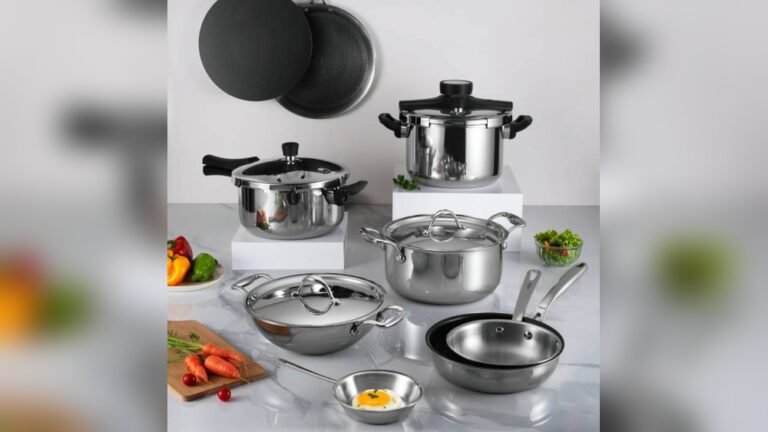
Pots and pans come in many shapes and sizes. Use pots for boiling, simmering, and making soups. Pans work well for frying, sautéing, and searing food. Non-stick pans prevent food from sticking and make cleaning easier. Stainless steel pans provide even heat and durability. Cast iron pans keep heat well and add flavor. Having a variety of pots and pans covers all cooking needs.
Baking Sheets And Pans
Baking sheets and pans are key for oven cooking. Baking sheets hold cookies, vegetables, and roasted meats. Pans come in shapes like round, square, and rectangular. Choose metal pans for even cooking and browning. Non-stick surfaces help with easy food release. Silicone mats on baking sheets reduce cleanup time. Using proper baking tools ensures perfect baked goods every time.
Spatulas, Whisks, And Tongs
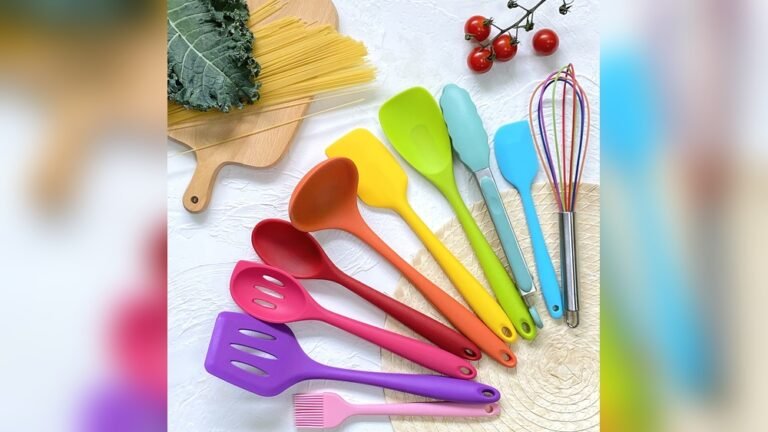
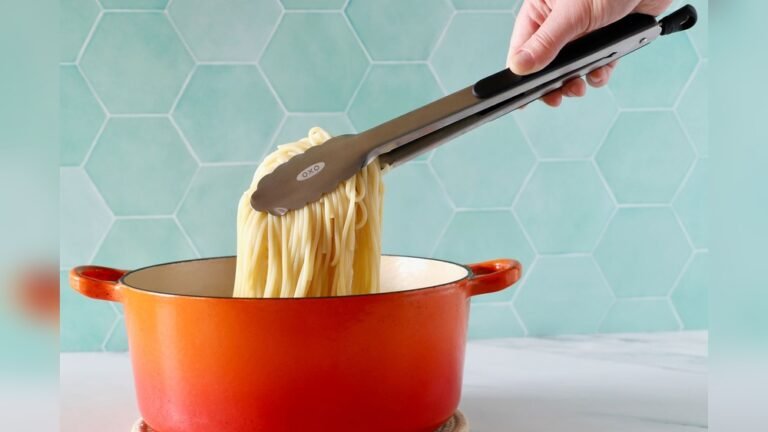
Spatulas, whisks, and tongs are essential cooking utensils. Spatulas flip and turn food without breaking it. Whisks mix ingredients smoothly and add air to batters. Tongs grab and turn food safely, especially hot items. Silicone or heat-resistant tools protect your cookware and hands. These simple tools improve control and precision during cooking.
Large Appliances
Large appliances play a vital role in food preparation. They handle big tasks quickly and efficiently. These tools save time and effort in busy kitchens. Their durability makes them ideal for frequent use. Understanding their functions helps in choosing the right appliance for your kitchen.
Ovens And Ranges
Ovens and ranges are essential for cooking and baking. They provide even heat for roasting, baking, and broiling. Gas and electric options offer different benefits. Many models come with timers and temperature controls. These features help cook food precisely and safely.
Mixers And Blenders
Mixers and blenders simplify mixing and blending tasks. Mixers whip, beat, and knead dough with ease. Blenders puree, crush, and blend ingredients quickly. Both appliances reduce manual labor and speed up preparation. They come in various sizes to suit different needs.
Food Processors And Slicers
Food processors chop, slice, and shred ingredients uniformly. They handle tough vegetables and nuts with little effort. Slicers create even slices for meats and cheeses. These appliances improve consistency and presentation. They also save precious time during prep work.
Refrigeration Units
Refrigeration units keep food fresh and safe to eat. They slow down spoilage and bacterial growth. Different types include refrigerators, freezers, and wine coolers. Proper storage extends ingredient shelf life. Reliable cooling systems ensure food stays at the right temperature.
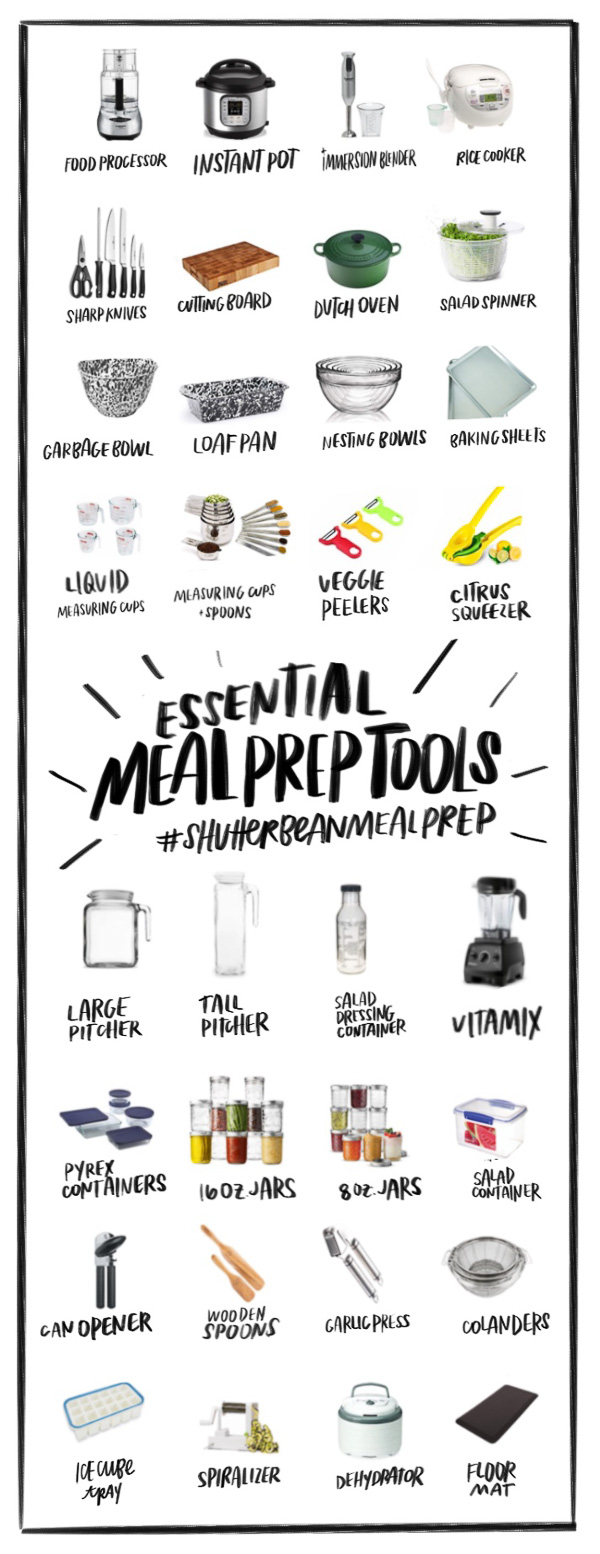
Credit: www.shutterbean.com
Safety And Cleaning Tools
Safety and cleanliness are vital in any kitchen. Proper tools protect food from germs. They keep the cooking area hygienic. Using the right safety and cleaning tools prevents foodborne illnesses. It ensures a healthy cooking environment. These tools help maintain high standards of food preparation.
Food Thermometers
Food thermometers check the temperature of cooked food. They ensure food reaches a safe temperature. This kills harmful bacteria and prevents illness. Digital thermometers give quick and accurate readings. Use them for meat, poultry, and leftovers. Proper use reduces the risk of food poisoning.
Gloves And Sanitizers
Gloves protect hands from contamination. They keep germs away from food. Use disposable gloves during food handling. Change gloves often to avoid cross-contamination. Hand sanitizers kill germs on hands quickly. Use sanitizers before and after food prep. Clean hands reduce the chance of spreading bacteria.
Dishwashers And Waste Management
Dishwashers clean kitchen tools thoroughly. They use hot water to kill bacteria. Dishwashers save time and improve hygiene. Proper waste management keeps the kitchen clean. Dispose of food scraps and trash regularly. Use bins with lids to prevent pests. Clean waste areas to avoid odors and bugs.
Choosing Quality Tools
Choosing quality food preparation tools improves cooking and meal prep. Good tools last longer and perform better. They make kitchen tasks easier and safer. Understanding key factors helps pick the right tools for your needs.
Materials And Durability
High-quality materials ensure tools withstand regular use. Stainless steel resists rust and stains well. Wood handles provide a comfortable grip but need care. Plastic tools are lightweight but may wear faster. Durable tools save money over time by avoiding replacements.
Ergonomics And Design
Comfortable tools reduce hand strain during long cooking sessions. Look for handles shaped to fit your hand naturally. Non-slip grips improve safety and control. Balanced tools feel lighter and easier to handle. Simple designs often work better and are easier to clean.
Budget Vs. Professional Grade
Budget tools suit beginners and casual cooks. They offer decent quality at lower prices. Professional-grade tools use premium materials and craftsmanship. They last longer and perform with precision. Choose based on how often and seriously you cook. Investing in key tools pays off in the kitchen.
Maintaining Kitchen Gadgets
Maintaining kitchen gadgets is essential to keep them working well and lasting longer. Clean and cared-for tools make cooking easier and safer. Regular upkeep prevents damage and ensures hygiene in your kitchen.
Cleaning Techniques
Clean gadgets immediately after use to stop food buildup. Use warm water and mild soap for most tools. Avoid harsh chemicals that can harm surfaces. For stubborn stains, soak the tool before scrubbing. Dry each item thoroughly to stop rust and mold. Some gadgets are dishwasher safe; check the manual first.
Storage Tips
Store kitchen gadgets in dry, cool places to avoid damage. Use drawer organizers or containers to keep tools neat. Keep sharp items like knives separate to protect edges and fingers. Hang frequently used tools for easy access. Avoid overcrowding to prevent scratches and breakage. Proper storage saves space and keeps your kitchen tidy.
Sharpening And Repairs
Regularly sharpen knives and blades to keep them effective. Use sharpening stones or electric sharpeners carefully. Check gadgets for loose parts or damage before use. Tighten screws or handles to maintain safety. Replace worn-out parts to extend tool life. Small repairs save money and prevent accidents.
Time-saving Gadgets
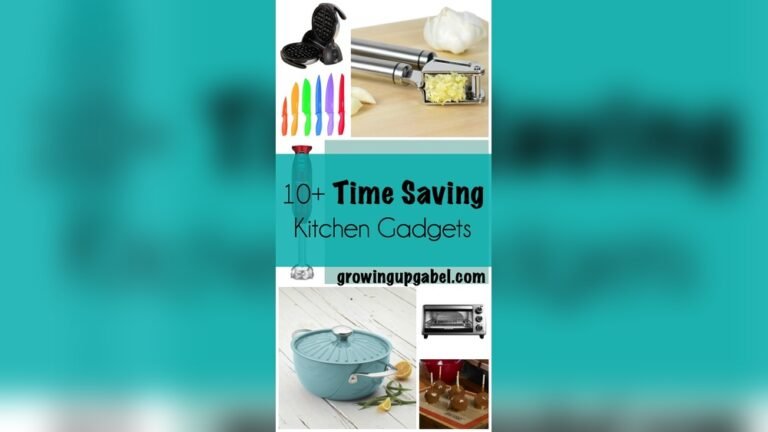
Time-saving gadgets help make food preparation faster and easier. These tools reduce effort and speed up cooking tasks. They allow more time to enjoy meals and less time in the kitchen. Choosing the right gadget can simplify chopping, mixing, slicing, and more.
Multi-function Tools
Multi-function tools combine several tasks in one device. They save space and reduce the number of tools needed. Examples include food processors that chop, slice, and blend. Another is a mandoline that slices and juliennes vegetables quickly. These tools help complete tasks in moments, not minutes.
Electric Vs. Manual Devices
Electric devices use power to speed up tasks effortlessly. They are ideal for heavy chopping, mixing, or blending. Manual tools work without electricity and require physical effort. They offer more control and are easy to clean. Both types have benefits, depending on the task and user preference.
Smart Kitchen Innovations
Smart kitchen tools connect to apps or use sensors to improve cooking. They can guide recipes or control temperature automatically. Examples include smart scales and Wi-Fi-enabled slow cookers. These innovations save time by reducing guesswork. They also help achieve consistent results every time.
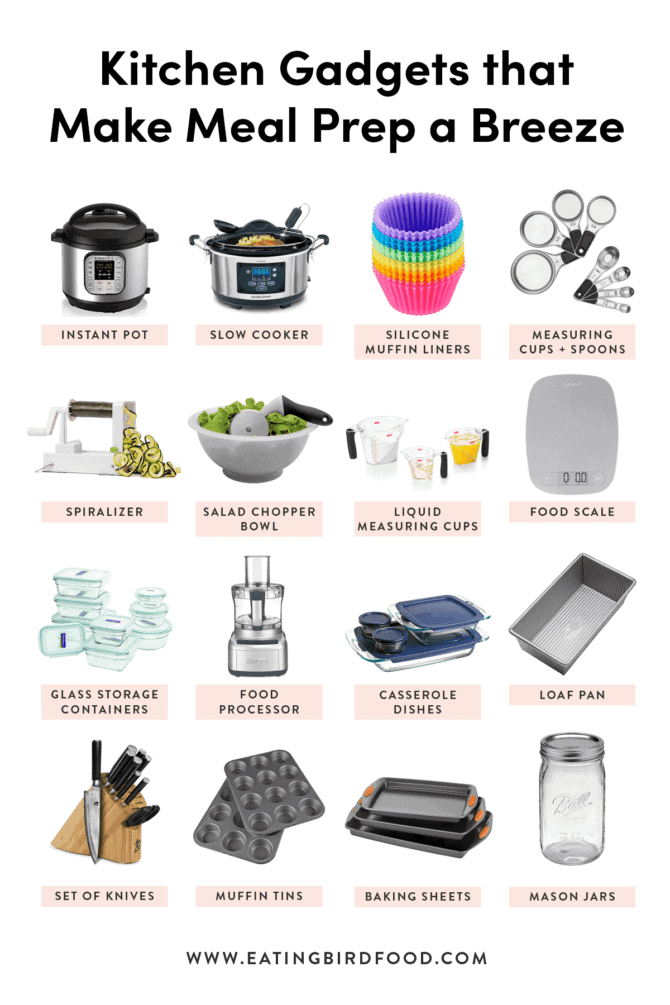
Credit: www.eatingbirdfood.com

Credit: www.madebyteachers.com
Frequently Asked Questions
What Equipment Is Needed For Food Preparation?
Essential food preparation equipment includes chef’s knives, cutting boards, measuring cups, mixing bowls, pots, pans, ovens, mixers, blenders, thermometers, gloves, and sanitizers. These tools ensure safe, efficient, and hygienic cooking and food handling.
What Are 20 Kitchen Tools?
20 essential kitchen tools include chef’s knife, cutting board, measuring cups, mixing bowls, spatula, whisk, tongs, ladle, pots, pans, baking sheets, oven, mixer, food processor, blender, refrigerator, slicer, food thermometer, gloves, and sanitizers.
What Are The 10 Kitchen Tools And Their Uses In Order?
1. Chef’s knife: chops and slices ingredients. 2. Cutting board: protects surfaces and ensures hygiene. 3. Measuring cups/spoons: measure ingredients accurately. 4. Mixing bowls: combine ingredients. 5. Spatula: stirs and flips food. 6. Pots/pans: cook various dishes. 7. Baking sheets: roast and bake.
8. Blender: purees and mixes. 9. Food processor: chops and slices quickly. 10. Thermometer: checks food temperature.
What Are The 5 Equipment For Cooking?
The five essential cooking equipment are knives, cutting boards, pots and pans, mixing bowls, and cooking utensils. These tools enable efficient and safe food preparation.
Conclusion
Choosing the right food preparation tools makes cooking easier and more enjoyable. Good knives and cutting boards improve safety and efficiency. Mixing bowls and measuring tools help keep recipes accurate. Larger appliances, like ovens and blenders, save time and effort.
Having the proper tools supports healthy and tasty meals every day. Start with basics, then add tools as your cooking skills grow. Simple tools can make a big difference in your kitchen routine. Keep your tools clean and in good condition for best results.