Looking to make your DIY projects easier and more efficient? A cordless drill could be just what you need.
But with so many options out there, how do you choose the right one? This guide to cordless drills will help you understand the key features to look for, how to use your drill safely, and tips to get the best results every time.
Whether you're fixing things around the house or starting a new project, you’ll gain the confidence to handle your drill like a pro. Ready to unlock the full potential of your cordless drill? Let’s dive in and get started!

Credit: www.oskooltools.com
Choosing The Right Drill
The cordless drill is a versatile tool for many tasks. Knowing its components and controls makes your work easier and safer. Each part has a specific role. Mastering how to use the controls improves your drilling accuracy and efficiency.
Understanding Drill Parts
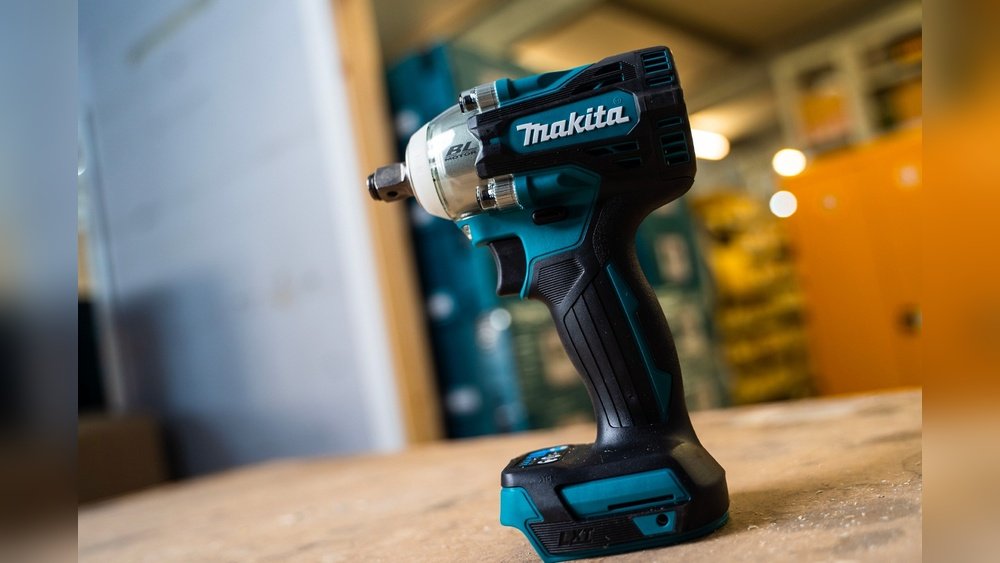
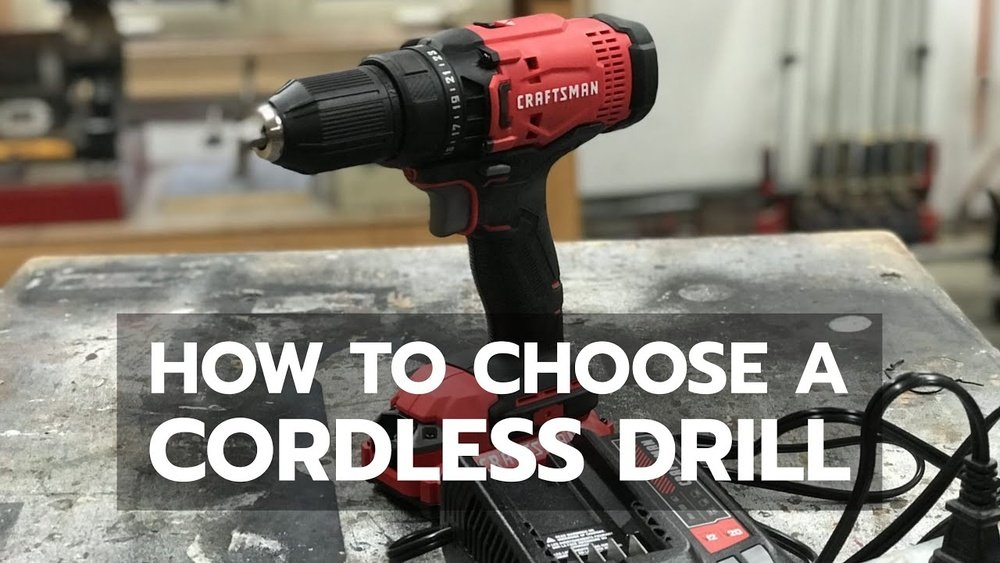
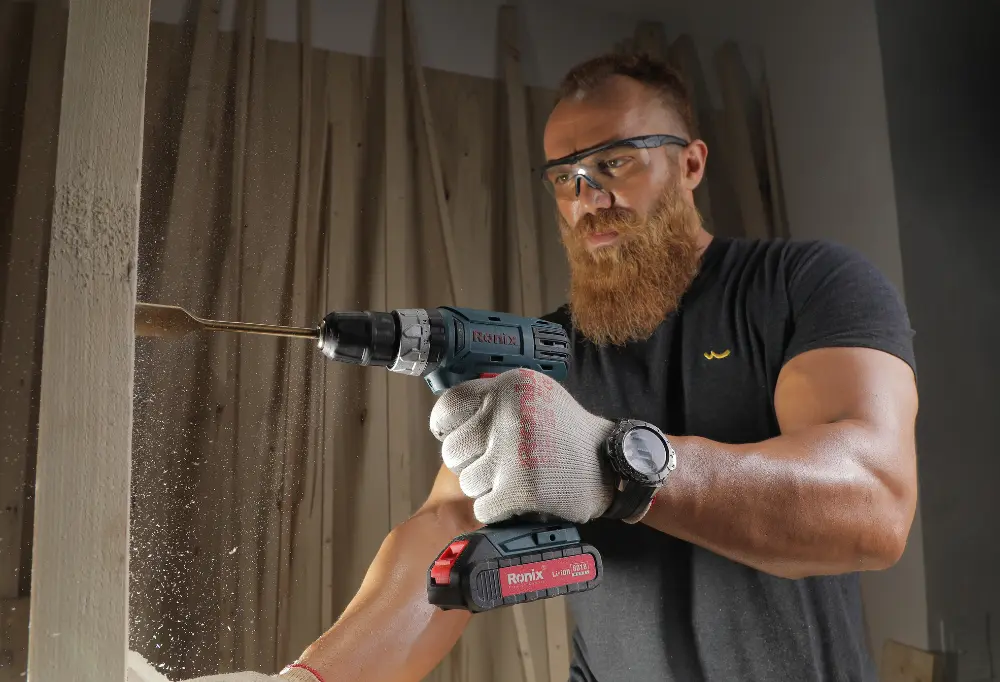
A cordless drill has several key parts. The chuck holds the drill bit firmly in place. The motor powers the drill and controls speed. The battery provides cordless convenience and mobility. The handle gives a comfortable grip to control the tool. The trigger starts and stops the drill. Some drills have a torque adjustment ring for different materials.
Using Variable Speed Triggers
The trigger controls the drill’s speed. Pressing it lightly runs the drill slowly. Pressing it fully makes the drill spin faster. This helps you start holes gently or drill quickly through soft materials. Variable speed control gives more precision and reduces mistakes. It is especially useful for delicate tasks and tough materials.
Locking And Releasing The Chuck
The chuck holds the drill bit securely. To change bits, turn the chuck counterclockwise to loosen it. Remove the old bit and insert the new one. Turn the chuck clockwise to tighten it. Some drills have a keyless chuck, allowing quick bit changes by hand. Always make sure the bit is tight before drilling to avoid accidents.
Led Lights And Indicators
Many cordless drills have built-in LED lights. These lights brighten the work area in dark places. LED indicators show battery life or charging status. Some drills beep or flash to signal low battery. These features help you work longer without interruptions. They improve safety and convenience during projects.

Credit: www.youtube.com
Credit: ronixtools.com
Frequently Asked Questions
What Should I Look For In A Cordless Drill?
Choose a cordless drill with suitable voltage, lithium-ion battery, adjustable torque, variable speed, lightweight design, ergonomic grip, and brand reliability. Features like LED lights and brushless motors enhance efficiency and durability. Consider battery life and comfort for your specific tasks.
How To Use A Cordless Drill Step By Step?
Familiarize yourself with the drill’s controls. Choose and insert the correct drill bit. Secure the bit tightly. Position the drill on the work surface. Start drilling at low speed. Increase speed as needed. Reverse to remove the bit. Inspect the hole for accuracy.
Is There A Big Difference Between 18v And 20v Drills?
The difference between 18V and 20V drills is minimal. Both use the same battery but measure voltage differently. Performance and power remain nearly identical. Choose based on brand, features, and battery capacity rather than voltage number alone.
Is It Really Worth It To But A Brushless Drill?
A brushless drill offers better power, efficiency, and longer battery life. It requires less maintenance and lasts longer. The higher price suits frequent or heavy users, making it worth the investment. Casual DIYers might manage with a brushed drill.
Conclusion
Choosing the right cordless drill makes tasks easier and faster. Focus on battery life, weight, and torque for best results. Practice using your drill safely to avoid mistakes. Remember, a good drill fits your needs and budget. With this guide, you can start drilling with confidence today.
Keep learning and improving your skills step by step.