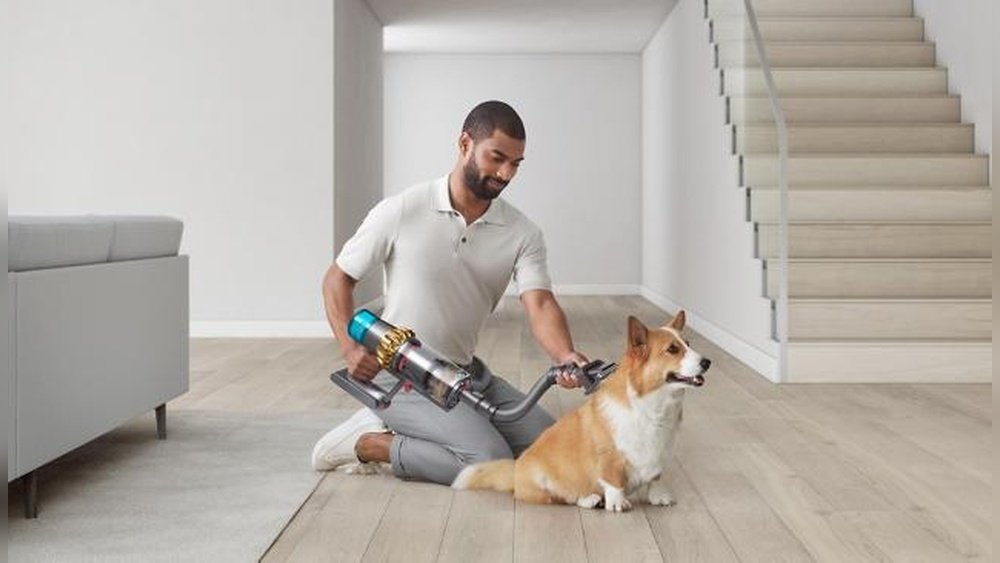
How to Choose the Right Vacuum for Pets: Ultimate Buying Guide
If you have pets, you know how quickly their hair and dander can take over your home. Choosing the right vacuum isn’t just about cleaning—it’s about making your life easier and keeping your space fresh.
But with so many options out there, how do you pick the one that truly fits your needs? You’ll discover simple tips to find a vacuum that handles pet messes effortlessly. By the end, you’ll feel confident that your choice will save you time, reduce allergens, and keep your home spotless—making both you and your furry friends happier.
Keep reading to find the perfect vacuum for your pet-filled life.

Credit: www.livemint.com
Pet Hair Challenges
Pet hair can be one of the toughest cleaning challenges in any home. Pets shed fur daily, spreading hair on floors, furniture, and carpets. This creates a constant need for cleaning and can be frustrating to manage. Choosing the right vacuum helps tackle this problem effectively.
Common Pet Hair Issues
Pet hair sticks to many surfaces. It clings to fabric, carpets, and hard floors. Regular vacuums may not pick up all the hair. Some hair gets tangled in brushes or stuck in filters. This makes cleaning slow and less effective. Homes with multiple pets face even more hair buildup.
Removing pet hair requires strong suction and specialized tools. A vacuum with a motorized brush can lift hair from deep carpets. A vacuum with good filtration stops hair from blowing back into the air. These features make hair removal easier and faster.
Allergies And Sensitivities
Pet hair often carries allergens like dander and dust mites. These tiny particles can cause sneezing, itching, or breathing problems. People with allergies need a vacuum that traps these allergens well.
Vacuum cleaners with HEPA filters capture small particles effectively. They prevent allergens from escaping back into the air. This keeps indoor air cleaner and reduces allergy symptoms.
Choosing a vacuum designed for pet owners helps maintain a healthier home. It reduces the spread of hair and allergens. This is key for families with sensitive members.
Vacuum Types For Pets
Choosing the right vacuum for pets depends on the type of vacuum you use. Different types offer unique features for handling pet hair and dander. Understanding these types helps pick the best vacuum for your home and pet needs.
Upright Vacuums
Upright vacuums are strong and cover large areas quickly. They have wide cleaning heads that work well on carpets and floors. Many come with pet hair attachments and powerful suction. These vacuums often have bags or bins to collect dirt and hair. They are good for homes with lots of carpet.
Canister Vacuums
Canister vacuums are lighter and easier to move around. The motor and dustbin are separate from the cleaning head. This design helps clean stairs, furniture, and tight spaces well. They often have special pet tools to remove hair from upholstery. Canister vacuums are quiet and offer strong suction.
Stick Vacuums
Stick vacuums are slim and lightweight. They are easy to carry and store. Many models run on batteries, giving freedom to clean anywhere. Stick vacuums work well for quick cleanups and small homes. Some include brushes and tools for pet hair on hard floors and carpets.
Robotic Vacuums
Robotic vacuums clean automatically without much effort. They move around the room on their own. These vacuums pick up pet hair from floors regularly. Some have sensors to avoid obstacles and stairs. Robotic vacuums are best for maintaining cleanliness between deep cleans.
Key Features To Look For
Choosing the right vacuum for pets means knowing what features matter most. These features help you clean pet hair and dander quickly and easily. Picking a vacuum with the right tools saves time and keeps your home fresh.
Suction Power
Suction power is the heart of any vacuum. Strong suction lifts pet hair from carpets and hard floors. Weak suction leaves hair behind. Check the vacuum’s wattage or air watts for good power. Adjustable suction is a plus for different floor types.
Brush Roll Design
The brush roll helps pick up hair and dirt. A tangle-free brush roll stops hair from wrapping around it. Soft bristles work well on delicate floors. Stiff bristles clean deep carpets better. Some vacuums let you turn the brush off for hard floors.
Filtration Systems
Pets shed dander that can cause allergies. A strong filtration system traps tiny particles. HEPA filters catch most allergens and dust. Washable filters save money and last longer. Good filters keep the air clean while you vacuum.
Noise Levels
Pets can get scared by loud vacuums. Quiet vacuums make cleaning less stressful for pets. Look for vacuums with noise ratings below 70 decibels. Some models have special noise-reducing features. A calm pet means easier cleaning sessions.
Ease Of Use
Lightweight vacuums are easier to carry and move around. Large dustbins mean fewer trips to empty. Long cords or cordless models give more freedom. Simple controls make vacuuming faster. Easy-to-clean parts save effort after cleaning.
Special Attachments And Tools
Special attachments and tools make cleaning pet hair easier and more effective. They help reach tight spots and remove stubborn fur. Choosing a vacuum with the right tools saves time and effort. These tools target pet hair on floors, furniture, and hard-to-reach areas.
Pet Hair Tools
Pet hair tools are designed to lift fur from carpets and rugs. They usually have rubber bristles or brushes. These bristles grab hair without scratching surfaces. Pet hair tools work well on both thick and thin fur. Using these tools reduces the need to clean multiple times.
Crevice And Upholstery Tools
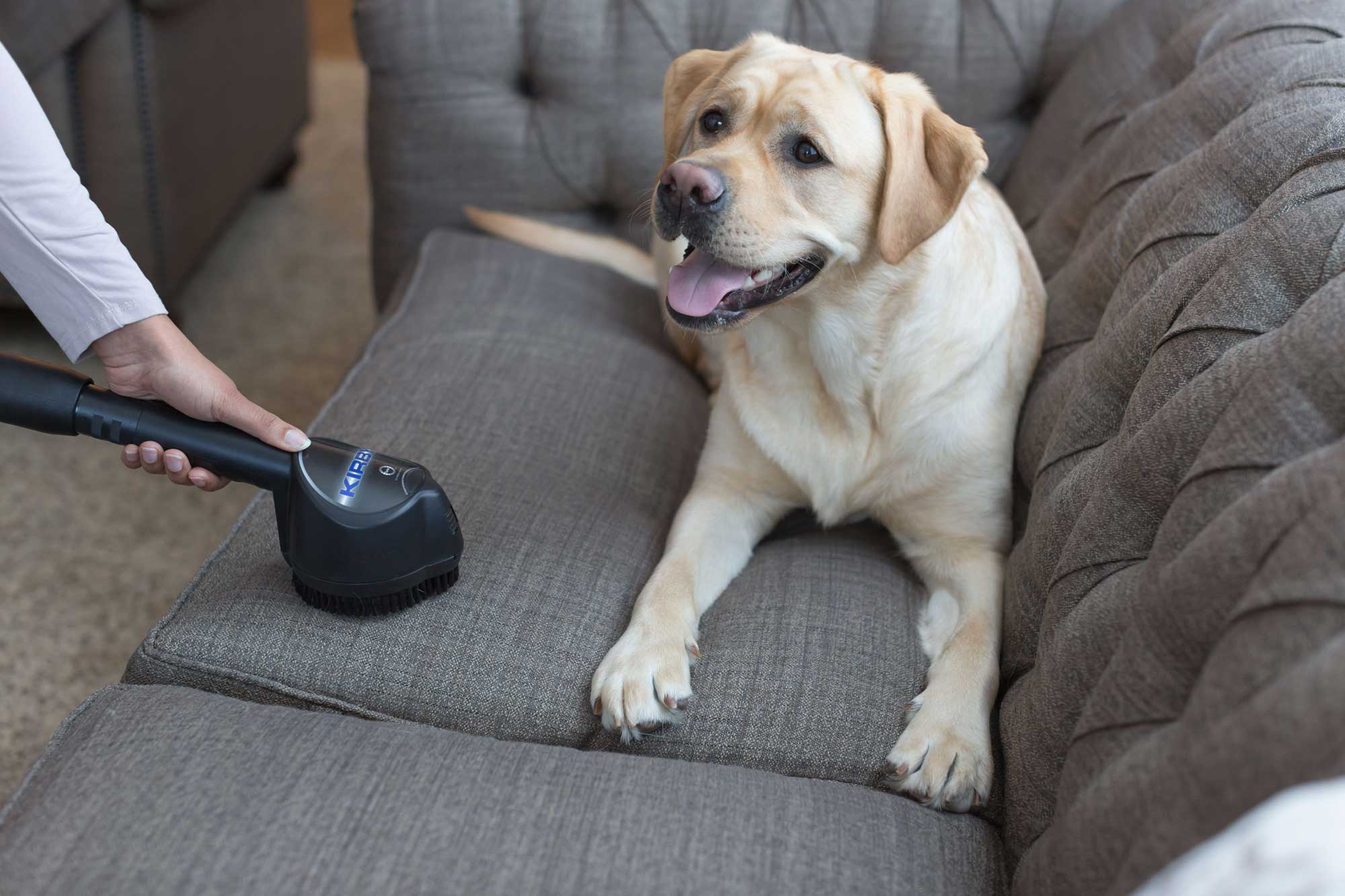
Crevice tools reach narrow spaces like corners and edges. They clean between couch cushions and under furniture. Upholstery tools have soft brushes to protect fabric. They pick up pet hair and dirt gently. These tools keep your home tidy and hair-free.
Tangle-free Brushes
Tangle-free brushes prevent hair from wrapping around the brush. This keeps the vacuum working smoothly. These brushes require less maintenance and cleaning. They work well on long-haired pets and thick carpets. Tangle-free brushes save time and avoid frustration.
Maintenance Tips
Maintaining your pet vacuum ensures it works well for a long time. Regular care keeps suction strong and prevents clogs. Simple steps can save money and time on repairs.
Cleaning Filters
Filters trap dust and pet hair. Clean them often to keep air flowing. Some filters need washing with water. Let them dry completely before putting them back. Replace filters as the manual suggests.
Emptying Dustbins
Empty the dustbin after each use. Full bins reduce suction power. Use a trash bag to avoid mess. Clean the bin with a damp cloth to remove residue. Dry it well before reattaching.
Brush Roll Care
Remove hair and threads wrapped around the brush roll. Use scissors carefully to cut tangled debris. Check the brush roll for damage or wear. Clean bearings and ends to keep it spinning freely. Replace the brush roll if it wears out.

Credit: www.youtube.com
Budget And Warranty
Choosing the right vacuum for pets means balancing cost and quality. Your budget sets limits on what you can spend. A good warranty protects your purchase. Both affect how satisfied you will be long term.
Understanding price ranges helps you pick a model that fits your money. Warranty coverage shows how much the maker trusts their product. Long-term value means getting the most use and support for your cash.
Price Ranges
Vacuum cleaners for pets come in many price ranges. Basic models start low but may lack strong suction or special pet tools. Mid-range options offer better power and features. High-end vacuums usually have strong motors, advanced filters, and more accessories. Decide how much you want to spend before choosing.
Warranty Coverage
Check the warranty length and what it covers. Some brands offer one year, others up to five years. Look for warranties that cover motor and parts. A longer warranty means less worry about repairs. It shows the manufacturer’s confidence in their vacuum.
Long-term Value
Think beyond the initial cost. A cheap vacuum may break quickly, costing more in repairs. A durable vacuum with a good warranty saves money over time. Consider energy use, filter replacements, and maintenance. Choose a vacuum that works well and lasts long for your pet’s needs.
Top Brands And Models
Choosing the right vacuum for pets means finding a tool that works well and lasts long. Many brands offer models designed for pet hair and dander. Some stand out for quality, ease of use, and strong suction. Understanding top brands helps narrow choices. Below are key insights on popular models, customer feedback, and expert advice.
Popular Choices
Brands like Dyson, Shark, and Bissell lead the pet vacuum market. Dyson models have strong suction and advanced filters. Shark vacuums offer good value and versatile features. Bissell focuses on pet-specific tools and easy cleaning. Each brand offers upright, canister, and cordless options. These models fit various budgets and home sizes.
Customer Reviews
Customers praise vacuums that pick up pet hair quickly and clean well. Easy-to-empty dustbins and washable filters get positive notes. Some users mention noise levels and weight as important factors. Reviews highlight durability and performance over time. Reading real user experiences helps set the right expectations.
Expert Recommendations
Experts suggest choosing vacuums with HEPA filters to trap allergens. Models with strong suction and brush rolls remove hair better. Cordless designs offer flexibility but check battery life. Lightweight vacuums reduce fatigue during cleaning. Experts also recommend checking warranty and service options.
Credit: news.kirby.com
Frequently Asked Questions
What Features Should A Pet Vacuum Have?
A pet vacuum should have strong suction, a HEPA filter, and specialized pet hair attachments. These features effectively remove pet hair and allergens, keeping your home clean and healthy.
How Important Is Suction Power For Pet Vacuums?
Suction power is crucial for picking up pet hair and dirt deeply embedded in carpets. Higher suction means better cleaning performance, especially for homes with shedding pets.
Are Cordless Vacuums Good For Pet Hair?
Yes, cordless vacuums offer convenience and mobility. However, ensure they have enough battery life and strong suction to handle pet hair efficiently.
How Often Should I Clean My Pet Vacuum?
Clean your pet vacuum after every few uses to maintain performance. Empty the dustbin, clean filters, and check brushes for hair clogs regularly.
Conclusion
Choosing the right vacuum for pets makes cleaning easier and faster. Focus on strong suction and good filters. Pick a vacuum that handles pet hair well. Consider your home’s size and floor type. A lightweight model helps move around quickly.
Regular vacuuming keeps your home fresh and clean. Remember, a good vacuum saves time and effort. Your pets will thank you for a cleaner space. Start with these tips to find the best fit. Clean floors, happy pets, and peace of mind.