How to Clean Kitchen Appliances: Easy Tips for a Sparkling Home
Your kitchen appliances work hard every day, but when was the last time you gave them a proper clean? Keeping your appliances spotless not only makes your kitchen look great but also helps them last longer and work better.
You might think cleaning them is complicated or time-consuming, but with the right tips and tricks, it can be quick and easy. In this guide, you’ll discover simple, effective ways to clean all your kitchen appliances—from your refrigerator to your oven—using safe and affordable methods.
Ready to make your kitchen shine and enjoy appliances that feel like new? Let’s get started!
:max_bytes(150000):strip_icc()/clean-small-kitchen-appliances-4153520-05-58415d047a2a49dd87b1e8a1bdb3d6ed.jpg)
Credit: www.thespruce.com
Essential Cleaning Supplies
Keeping kitchen appliances clean extends their life and keeps your kitchen safe. Choosing the right cleaning supplies makes the task easier. Cleaners and tools work together to remove dirt and grease fast. Prepare your supplies before starting to save time and effort.
Natural Cleaners
Natural cleaners use simple ingredients from your kitchen. Baking soda helps scrub without scratching surfaces. White vinegar cuts through grease and disinfects. Lemon juice adds fresh scent and breaks down stains. These cleaners are safe and eco-friendly. Use them on most appliance surfaces for gentle cleaning.
Commercial Products
Commercial products are made for tough kitchen messes. Look for ones labeled safe for your appliance type. Degreasers remove sticky build-up quickly. Stainless steel cleaners restore shine and prevent streaks. Use sprays, wipes, or gels depending on the job. Follow product instructions for best results and safety.
Tools And Accessories
Good tools improve cleaning speed and quality. Soft microfiber cloths avoid scratches and trap dust. Non-abrasive sponges help scrub without damage. Toothbrushes reach small crevices and corners. A spray bottle helps apply cleaners evenly. Keep a bucket for rinsing and a drying towel for finishing. Organize your tools for easy access.
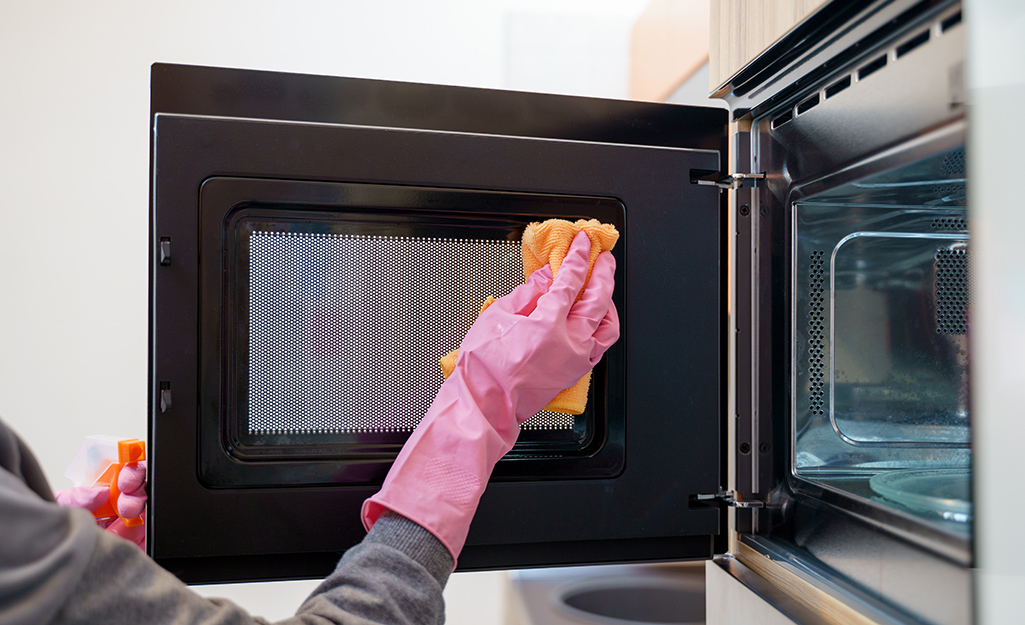
Credit: www.homedepot.com
Safety Tips Before Cleaning
Cleaning kitchen appliances keeps your space fresh and hygienic. Safety is the first step before starting any cleaning task. It protects you and your appliances from harm. Follow these simple safety tips to clean with confidence.
Unplug Appliances
Always unplug appliances before cleaning. This stops electricity flow and prevents shocks. It also avoids accidental starts that could cause injury. Double-check the plug to ensure it is fully disconnected.
Cool Down Period
Let hot appliances cool before cleaning. Surfaces like ovens and toasters stay hot after use. Touching them too soon can cause burns. Wait at least 30 minutes or until the appliance feels cool.
Avoiding Harsh Chemicals
Use gentle cleaners to protect appliance surfaces. Harsh chemicals can damage finishes and parts. Choose mild soap or special appliance cleaners. Test cleaners on a small area first to check for damage.
Cleaning Stainless Steel Appliances
Stainless steel appliances add a sleek and modern look to any kitchen. Keeping them clean enhances their shine and extends their life. Dirt, grease, and fingerprints can dull their surface quickly. Regular care makes a big difference. Follow simple steps to keep these appliances spotless and looking new.
Use easy methods and common household items for cleaning. Avoid harsh chemicals that can damage the finish. Focus on gentle, effective techniques for the best results.
Vinegar And Water Solution
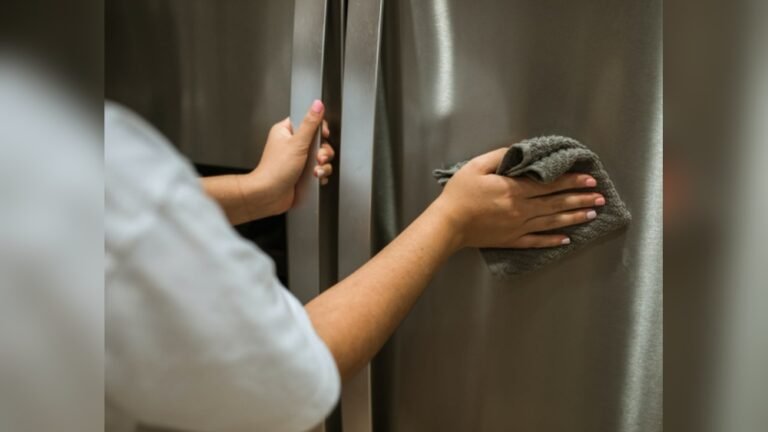
Mix equal parts of white vinegar and water in a spray bottle. Spray the solution onto the stainless steel surface. Let it sit for a few seconds to break down grease and grime. Wipe with a soft cloth in the direction of the grain. This method cleans without leaving streaks or residue. Vinegar naturally disinfects and shines stainless steel.
Microfiber Cloth Techniques
Use a clean microfiber cloth to wipe down appliances. These cloths trap dirt and oils effectively. Avoid using rough or abrasive materials that may scratch the surface. For best results, wipe gently in the direction of the metal grain. You can dampen the cloth slightly for sticky spots. Dry the surface with a dry microfiber cloth to prevent water spots.
Removing Fingerprints And Smudges
Fingerprints are common on stainless steel appliances. To remove them, spray a little vinegar and water solution. Wipe with a microfiber cloth until the marks disappear. For stubborn smudges, use a small amount of olive oil on a cloth. Rub it gently in the direction of the grain. This adds a protective layer and restores shine. Always finish by buffing with a dry cloth.
Deep Cleaning Your Oven
Deep cleaning your oven keeps it safe and efficient. Grease and burnt food build up inside. This can cause bad smells and smoke. Cleaning your oven deeply removes these residues. It also helps your food taste better. Regular deep cleaning extends your oven’s life.
Removing Racks And Trays
Start by taking out all racks and trays. These parts hold food and often get very dirty. Soak them in warm water mixed with dish soap. Let them sit for 20 to 30 minutes. Use a sponge or soft brush to scrub away grime. Rinse well and dry completely before placing them back.
Baking Soda Paste Method
Make a paste using baking soda and water. Spread this paste inside the oven, avoiding heating elements. Focus on areas with thick grease or burnt spots. Leave the paste on for at least 12 hours or overnight. Then, wipe it away using a damp cloth. Repeat if needed to remove all residue.
Cleaning Oven Doors And Handles
Use a glass cleaner or vinegar mixed with water. Spray on the oven door glass and handles. Wipe with a soft cloth or paper towel. Clean handles carefully, as they get touched often. Dry with a clean cloth to avoid streaks. This keeps your oven looking shiny and fresh.
Refreshing The Refrigerator
Refreshing the refrigerator keeps food fresh and extends appliance life. Regular cleaning stops odors and sticky spills. A clean fridge also saves energy by working efficiently.
Follow simple steps to make your refrigerator look and smell great again. This guide helps you clean every part with easy methods.
Emptying And Shelving
Start by taking all food out of the fridge. Check expiration dates and toss spoiled items. Remove all shelves and drawers carefully.
Wash shelves and drawers with warm, soapy water. Rinse well and dry completely before putting them back. Cleaning these parts separately removes hidden dirt and stains.
Wiping Down Surfaces
Use a soft cloth and mild cleaner to wipe inside walls. Focus on corners and door seals where grime builds up. Clean the fridge door inside and out to remove fingerprints and smudges.
Do not use harsh chemicals or abrasive pads that can damage surfaces. For stainless steel exteriors, use a special cleaner to avoid streaks.
Deodorizing Tips
Baking soda is a natural deodorizer. Place an open box inside to absorb bad smells. Replace it every three months for best results.
Alternatively, use activated charcoal or coffee grounds in a small container. These help neutralize odors effectively. Keep the fridge clean to prevent new smells from forming.
Cleaning Small Appliances
Small kitchen appliances often gather grime and food residue quickly. Regular cleaning keeps them working well and safe to use. Cleaning small appliances also prevents bad odors and extends their life.
Using simple tools and natural cleaners can make the process easy. Focus on parts that touch food and get dirty fast. Let’s explore cleaning tips for some common small appliances.
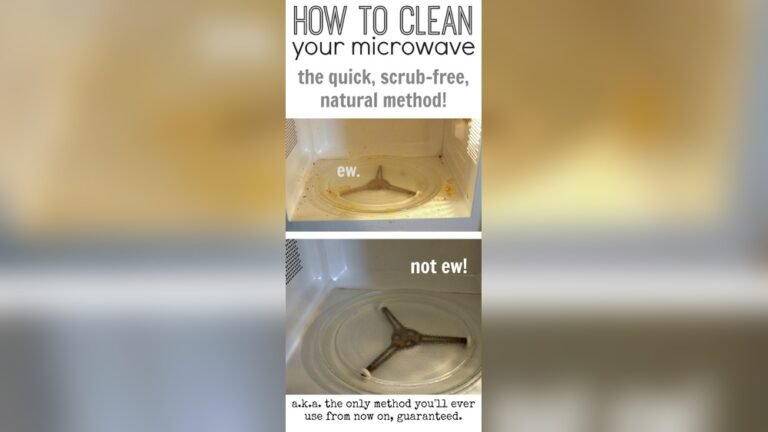
Microwave Cleaning Tricks
Fill a microwave-safe bowl with water and a few lemon slices. Heat it for 3-5 minutes until steam forms inside. Steam loosens food stains and softens grime.
Wipe the interior with a soft cloth or sponge. Use a baking soda paste for tough spots. Clean the turntable and door edges carefully. Avoid harsh chemicals that can damage the microwave.
Toaster And Coffee Maker Care
Unplug the toaster and shake out crumbs into the trash. Use a soft brush to clean inside the slots gently. Wipe the outside with a damp cloth and mild soap.
For coffee makers, clean the removable parts in warm soapy water. Run a cycle with equal parts water and vinegar to remove buildup. Rinse by running two more cycles with plain water.
Blender And Mixer Maintenance
Remove blades and jars from the blender. Wash these parts with warm, soapy water right after use. Use a brush to clean hard-to-reach spots.
For mixers, wipe the body with a damp cloth. Clean beaters or attachments in warm water. Dry all parts well before storing to prevent rust and mold.
Removing Yellowing And Stains
Yellowing and stains on kitchen appliances can make your space look old and dirty. Removing these marks restores the fresh, clean look you want. Many stains come from heat, food spills, or age. Treating them regularly keeps appliances bright and appealing.
Magic Eraser Uses
Magic erasers are great for tough stains and yellowing. They work like very fine sandpaper to lift grime. Dampen the eraser slightly before scrubbing. Test on a small area first to avoid damage. Use gentle pressure on plastic and painted surfaces. It removes stains from microwaves, refrigerators, and dishwashers well.
Baking Soda And Vinegar Treatments
Baking soda and vinegar create a natural cleaning mix. Sprinkle baking soda on the stained area. Spray or pour white vinegar over it. The fizz helps break down stains and discoloration. Let it sit for 10 to 15 minutes. Wipe with a damp cloth. This method is safe and effective on most appliance surfaces.
Bleach-based Cleaners
Bleach-based cleaners kill mold and tough stains quickly. Use them on white or light-colored appliances only. Dilute bleach with water according to instructions. Apply with a sponge or cloth, avoiding metal parts. Rinse thoroughly after cleaning to remove residue. Use gloves and ventilate the room well during use.

Credit: blog.service.works
Maintaining Appliance Shine
Keeping kitchen appliances shiny makes your kitchen look fresh and clean. Shiny appliances also last longer and work better. Regular care prevents dirt build-up and stains. Simple steps can keep your appliances sparkling every day.
Regular Wiping Habits
Wipe appliances with a soft cloth daily. Use a damp microfiber cloth for fingerprints and smudges. Avoid harsh scrubbing to protect the surface. Clean spills immediately to stop stains. Routine wiping removes dust and grease easily.
Polishing Techniques
Use a gentle polish made for your appliance’s material. Apply polish with a clean cloth in small circles. Buff the surface to bring out a bright shine. For stainless steel, polish along the grain for best results. Polishing refreshes the look and hides minor scratches.
Protecting Surfaces
Keep appliances away from harsh chemicals and heat. Use protective mats under heavy items to avoid dents. Avoid abrasive cleaners that can dull the finish. Regularly check seals and handles to prevent damage. Proper care protects your appliances from wear and tear.
Frequently Asked Questions
What Is The Best Thing To Clean Kitchen Appliances With?
Use a mixture of warm water and mild dish soap to clean kitchen appliances. For tough stains, apply baking soda paste or white vinegar. Always wipe surfaces with a soft cloth to avoid scratches and dry thoroughly to prevent water spots.
What Is The 50 50 Rule For Appliances?
The 50 50 rule for appliances means repair costs should not exceed 50% of the appliance’s replacement price. If repair costs are higher, replacement is better.
How To Deep Clean Appliances?
Remove all items and shelves. Scrub stains with a baking soda and water paste. Wipe doors, handles, and surfaces. Rinse and dry thoroughly before replacing shelves and food.
How To Make Kitchen Appliances White Again?
Wipe appliances with bleach-based cleaner. Scrub yellow stains using a magic eraser or baking soda paste. Use white vinegar for stubborn discoloration. Rinse and dry thoroughly. Repeat as needed to restore whiteness.
Conclusion
Cleaning kitchen appliances keeps them working well and looking fresh. Regular care prevents dirt buildup and bad smells. Use simple ingredients like baking soda and vinegar for safe cleaning. Wipe appliances gently to avoid scratches. Small steps add up to a cleaner kitchen space.
Keeping appliances clean also helps save money on repairs. Make cleaning a part of your routine for best results. A tidy kitchen feels welcoming and makes cooking more enjoyable. Start today and enjoy the benefits of clean appliances.