How to Maintain Home Tool Kit: Essential Tips for Lasting Durability
Your home tool kit is your secret weapon for tackling everyday repairs and projects. But have you ever wondered why some tools lose their edge, rust, or simply stop working when you need them most?
The truth is, without proper care, even the best tools won’t serve you well for long. You’ll discover simple, effective ways to maintain your home tool kit so your tools stay sharp, reliable, and ready whenever you are. Keep reading to unlock easy tips that will save you time, money, and frustration on your next DIY task.
Your tools deserve the best care—and so do you.
Tool Cleaning Techniques
Keeping your tools clean is key to making them last longer and work better. Dirt and rust can damage tools and make them unsafe to use. Cleaning your tools regularly removes grime and prevents corrosion. This simple care step saves money and effort over time.
Removing Dirt And Rust
Start by wiping tools with a dry cloth to remove loose dirt. Use a brush to scrub stubborn grime from hard-to-reach spots. For rust, apply a rust remover or soak tools in vinegar for a few hours. Scrub rust away with steel wool or a wire brush. Rinse tools with water and dry immediately to stop new rust forming.
Drying Tools Thoroughly
Always dry tools after cleaning to prevent moisture damage. Use a clean towel to wipe off water from every surface. Leave tools in a warm, dry place to air out completely. Avoid storing tools while damp to prevent rust and mold. Dry tools stay sharp and ready for the next job.
Sharpening And Calibration
Maintaining your home tool kit includes sharpening and calibration. These tasks keep tools precise and effective. Sharp blades cut cleanly and reduce effort. Proper calibration ensures accuracy and safety during use.
Sharpening Blades And Bits
Dull blades and bits slow your work and risk damage. Use a sharpening stone or file to restore edges. Hold the blade at the correct angle. Move the tool evenly across the sharpener. Check the edge by feeling or visually inspecting it. Repeat until the blade is sharp and smooth.
For drill bits, use a specialized sharpener or a bench grinder. Maintain the original angle of the bit tip. Avoid overheating the metal by cooling it often. Sharp bits drill faster and cleaner holes.
Checking And Adjusting Calibration
Calibration ensures tools measure and cut correctly. Use a ruler or gauge to check measurements on tools. Compare readings to a standard or new tool. Adjust settings on tools like levels, squares, or saws if needed. Follow the manufacturer’s instructions for calibration steps.
Regular calibration prevents mistakes and unsafe use. Mark the calibration date to track when to check again. Accurate tools save time and improve the quality of your work.
Lubrication And Moving Parts
Lubrication plays a key role in keeping your home tool kit in good shape. Moving parts in tools need smooth motion to work well. Without proper lubrication, parts wear out fast and tools may break. Simple care helps tools last longer and perform better. Focus on hinges, joints, and power tools to avoid damage.
Lubricating Hinges And Joints
Hinges and joints often get stiff or noisy over time. Use light machine oil or silicone spray to lubricate them. Apply a small amount on the moving parts and wipe off the extra. This prevents rust and keeps parts moving freely. Regular lubrication reduces friction and stops parts from wearing out quickly.
Check hinges on hand tools like pliers, scissors, and clamps. Also, oil the joints in garden tools such as shears and loppers. Lubrication makes handling easier and extends the tool’s life. Repeat this process every few months or after heavy use.
Preventing Overheating In Power Tools
Power tools have motors with moving parts that generate heat. Overheating can cause damage and shorten tool life. Clean dust and debris from vents and fan blades often. This helps cool the motor during use. Use the right lubricant for bearings and gears inside the tool as recommended by the manufacturer.
Do not run power tools continuously for long periods. Give them breaks to cool down. Store tools in a dry place to avoid moisture build-up, which can cause rust and heat problems. Proper lubrication and cooling keep power tools running smoothly and safely for years.
Cord And Battery Care
Proper care of cords and batteries is crucial for a reliable home tool kit. Damaged cords can cause shocks or stop tools from working. Poor battery care reduces runtime and shortens tool life. Focus on regular checks and simple maintenance steps to keep your tools safe and ready.
Inspecting Cords For Damage
Look over all power cords before use. Check for cuts, cracks, or exposed wires. Avoid using cords with any damage. Replace damaged cords immediately to prevent hazards. Keep cords away from heat and sharp edges. Coil cords loosely to avoid kinks and breaks. Clean cords with a dry cloth to remove dirt.
Maintaining Battery Health
Use the correct charger for each battery type. Charge batteries in a cool, dry place. Avoid overcharging by removing batteries promptly. Store batteries partially charged if not in use for long. Keep battery contacts clean with a soft cloth. Rotate batteries to ensure even usage. Replace batteries showing swelling or poor performance.
Proper Storage Solutions
Proper storage solutions keep your home tool kit safe and ready to use. Well-stored tools last longer and perform better. Organized storage saves time and reduces frustration. Protecting tools from damage is key to maintaining their quality.
Organizing Your Tool Kit
Start by sorting tools by type and size. Use small containers or trays for screws and nails. Label each section to find items quickly. Keep frequently used tools in easy reach. Store sharp tools separately to avoid injuries. Arrange tools so nothing overlaps or gets lost.
Protecting Tools From Moisture And Corrosion
Moisture causes rust and weakens metal tools. Store tools in a dry place away from humidity. Use silica gel packs or moisture absorbers inside toolboxes. Wipe tools clean and dry before storing. Apply a light coat of oil on metal parts to prevent corrosion. Avoid leaving tools outside or on damp surfaces.

Credit: www.semshred.com
Replacing Worn Parts
Replacing worn parts is key to keeping your home tool kit reliable. Tools wear out over time. Parts may break or lose their function. Fixing or swapping these parts saves money and keeps tools safe to use.
Regular checks help catch worn parts early. Changing parts on time stops bigger problems. It also extends the life of your tools. Follow simple steps to spot damage and find the right replacements.
Identifying Wear And Tear
Look closely at each tool before use. Check handles for cracks or splinters. Inspect blades for dullness or chips. Test moving parts to see if they work smoothly. Notice any rust or corrosion on metal parts. Listen for unusual noises during tool operation. These signs show parts need repair or replacement.
Sourcing Replacement Components
Use the tool’s brand and model number to find parts. Search online stores or visit local hardware shops. Buy genuine parts for best fit and safety. Compare prices to get the best deal. Keep old parts as references when shopping. Some parts may be universal, but always check compatibility. Having spare parts ready speeds up repairs.
Following Manufacturer Guidelines
Following manufacturer guidelines is key to keeping your home tool kit in good shape. These rules help tools work well and last longer. Ignoring them can cause damage or unsafe use. Each tool comes with specific instructions on care and use. Reading and following these directions protects your investment and ensures safety.
Reading Manuals Carefully
Every tool has a manual with important information. It explains how to use the tool right. The manual also shows how to clean and store the tool. Some tools need special care or parts. Reading the manual helps avoid mistakes that can break the tool. Keep the manual for future reference.
Scheduling Routine Maintenance
Tools need regular care to stay strong. The manual often suggests when to check or service the tool. Set a schedule to inspect parts and clean tools. Replace worn or broken parts quickly. Routine maintenance prevents big problems and saves money. A well-maintained tool kit is ready for any job.
Credit: twen.rs-online.com
Essential Tools For Home Kit
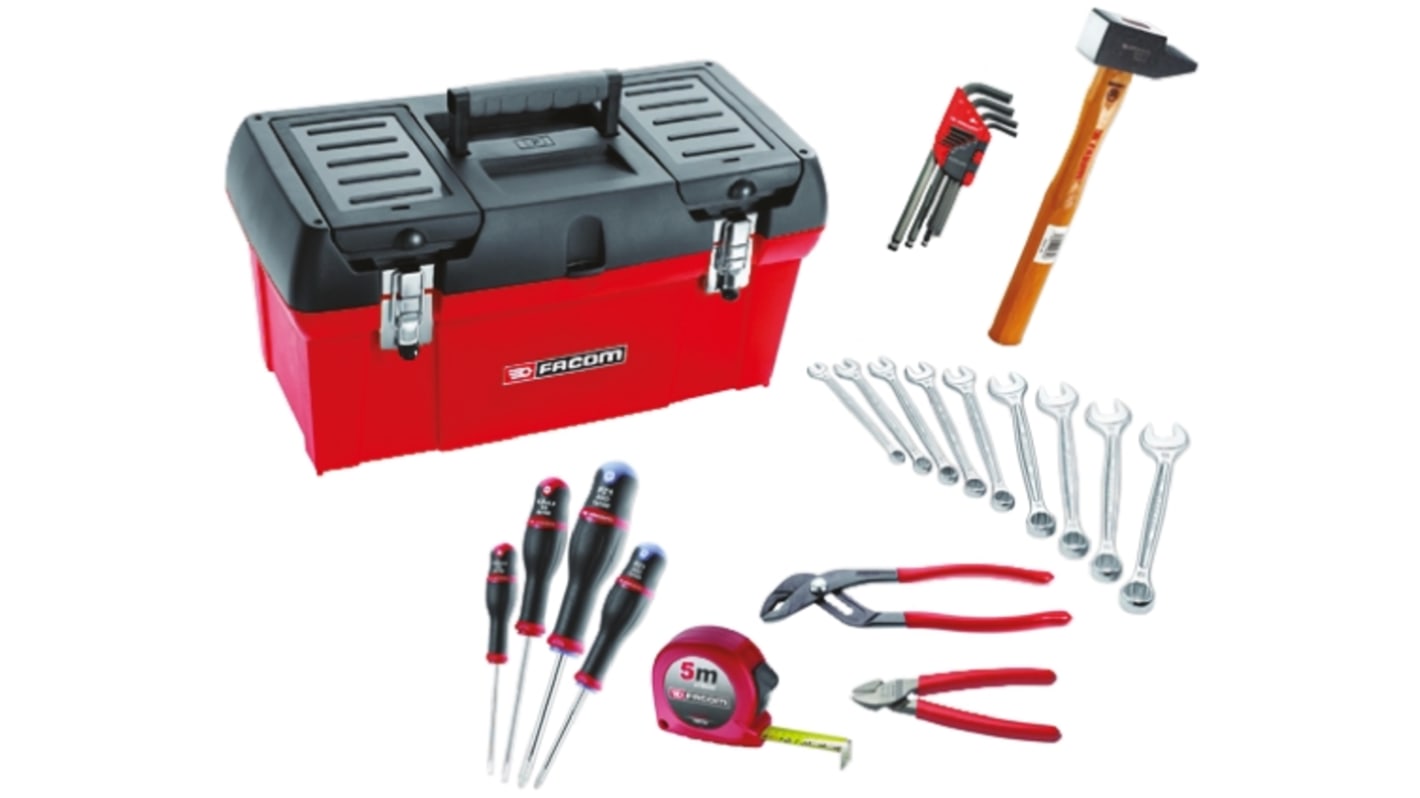
Having the right tools at home makes small repairs and projects easier and faster. A well-stocked home tool kit saves time and money. It also helps keep your home in good condition. Knowing which tools to include is the first step in building a useful tool kit.
Basic Hand Tools
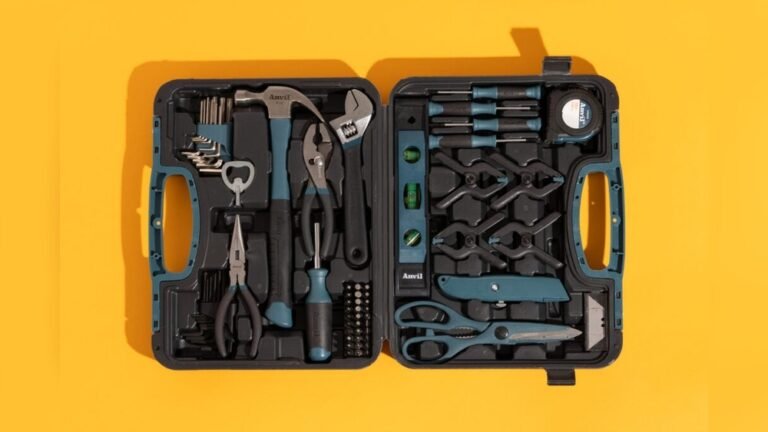
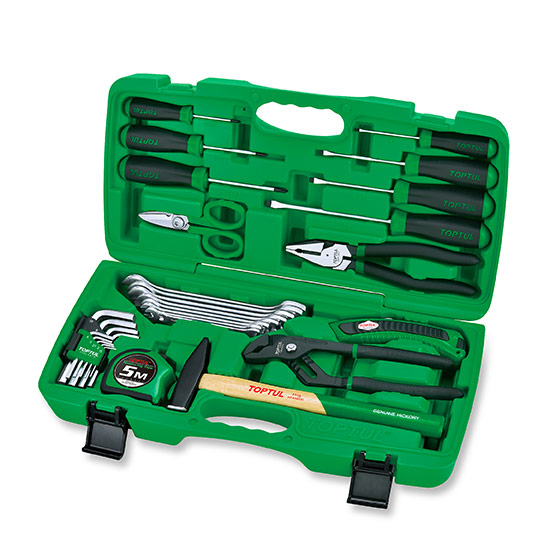
Basic hand tools are the foundation of any home tool kit. Start with a hammer for driving nails and small demolition jobs. A set of screwdrivers, both flathead and Phillips, helps with many household tasks. Pliers come in handy for gripping and bending wires. An adjustable wrench fits different sizes of nuts and bolts. A tape measure is essential for accurate measurements. A utility knife helps cut materials like cardboard or plastic. A level ensures pictures and shelves hang straight. These tools handle most everyday repairs and projects.
Power Tools To Include
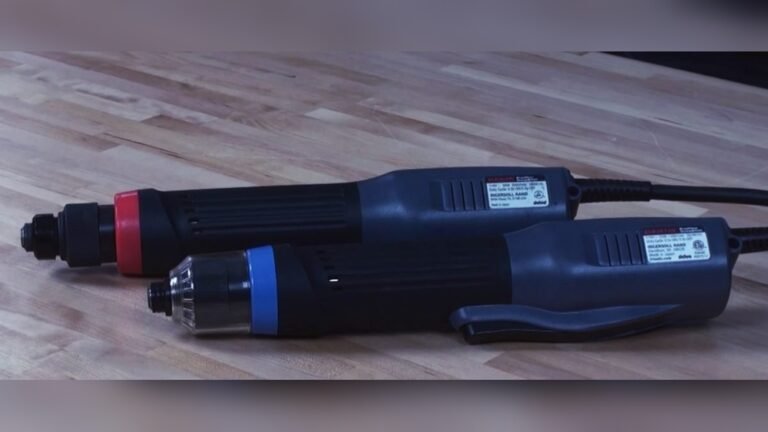
Power tools make tougher jobs easier and faster. A cordless drill is one of the most useful power tools. It drills holes and drives screws quickly. Choose a drill with a rechargeable battery for convenience. A jigsaw allows cutting curves and shapes in wood or plastic. A small circular saw handles straight cuts in larger boards. An electric sander smooths surfaces for painting or finishing. Always check tools for damage and keep batteries charged. These power tools expand your ability to complete more complex tasks at home.
Using Tools Correctly
Using tools correctly is essential to keep your home tool kit in good shape. Proper use prevents damage to tools and helps you finish tasks safely and efficiently. Understanding how to handle each tool will extend its life and improve your work quality.
Avoiding Misuse
Using a tool for the wrong job can break it quickly. For example, never use a screwdriver as a chisel. Each tool is designed for a specific purpose. Misusing tools can cause accidents and damage both the tool and the workpiece. Always choose the right tool for the task at hand.
Applying Proper Force
Applying too much force can damage tools and materials. For instance, tightening a screw too hard can strip the head. Use steady, controlled pressure to avoid breaking or wearing out tools. Let the tool do the work, and apply only the amount of force needed.
Credit: panther-pro.com
Frequently Asked Questions
How To Maintain Household Tools?
Clean tools after use, sharpen blades regularly, lubricate moving parts, inspect cords and batteries, store tools in a dry place. Replace worn parts promptly and follow manufacturer guidelines for best results.
What Are The Three Most Important Rules Of Tool Maintenance?
The three most important rules of tool maintenance are: clean tools regularly, lubricate moving parts timely, and replace worn components promptly.
What To Keep In A Tool Kit?
Keep screwdrivers, hammer, tape measure, pliers, utility knife with extra blades, adjustable wrench, and level in your tool kit.
How To Maintain A Tool Box?
Clean tools regularly and dry them thoroughly before storing. Inspect cords and batteries for damage. Lubricate moving parts as advised. Organize tools to prevent rust and wear. Replace worn parts promptly and follow manufacturer maintenance guidelines.
Conclusion
Maintaining your home tool kit keeps tools ready and safe to use. Clean tools after each job to prevent rust and damage. Sharpen blades and check batteries regularly for best performance. Store tools in a dry, organized place to avoid loss or wear.
Small efforts now save money and time later. A well-kept tool kit makes home repairs easier and faster. Stay consistent with simple care for lasting, reliable tools.