How to Set Up Smart Home Devices: Easy Steps for Instant Control
Imagine controlling your lights, security cameras, and even your thermostat with just a tap on your phone or a simple voice command. Setting up smart home devices might sound complicated, but it’s easier than you think—and once you get it right, your daily life can become smoother, safer, and more comfortable.
In this guide, you’ll discover clear, step-by-step instructions to help you connect your devices quickly and confidently. Whether you’re starting with a smart speaker or building a full home automation system, you’ll learn exactly what to do and what to expect.
Ready to turn your house into a smart home? Let’s dive in and make it happen together.
:max_bytes(150000):strip_icc()/smart-home.asp-final-5de0da3d6d8a474f9028d26c957255fe.png)
Credit: www.investopedia.com
Choose A Smart Home Platform
Choosing a smart home platform is the first step in building a connected home. This decision affects how well your devices work together. It also shapes your user experience and control options. Picking the right platform helps avoid frustration later.
Smart home platforms act as a central system. They let you control devices from one app or voice assistant. Popular options include Google Home, Apple HomeKit, and Amazon Alexa. Each platform has unique features and device support.
Compare Ecosystems
Each smart home platform has its own ecosystem. Google Home supports many popular brands and offers easy voice control with Google Assistant. Apple HomeKit focuses on privacy and tight integration with iPhones and iPads. Amazon Alexa has the largest device compatibility and many smart skills.
Consider your current devices and which platform fits your lifestyle. Think about the voice assistant you prefer. Also, check the user interface and app design. A platform that is easy to use will make daily tasks simpler.
Check Device Compatibility
Not all smart devices work with every platform. Before buying, check if your chosen platform supports the device. Look for the platform’s logo on product packaging or website. This ensures the device will connect smoothly.
Some devices may require a hub or bridge to connect. Others work over Wi-Fi or Bluetooth. Understanding device compatibility prevents wasted money and effort. It also helps create a seamless smart home experience.

Credit: www.youtube.com
Download The Right App
Downloading the right app is the first step in setting up smart home devices. The app controls your devices and connects them to your network. Choosing the correct app ensures smooth installation and easy management. Some devices come with their own apps, while others work with central hub apps. Knowing which app to download saves time and avoids confusion.
Official Device Apps
Each smart device usually has its own official app. These apps are designed by the manufacturer to support all features. They guide you through the setup process step-by-step. The app helps put the device in pairing mode and connect to Wi-Fi. It also lets you update the device software and control settings. Using the official app guarantees full access to device functions.
Central Hub Apps
Central hub apps control multiple smart devices from different brands. Examples include Google Home, Apple Home, and Amazon Alexa apps. These apps create a unified system for your smart home. You can manage lights, cameras, and speakers all in one place. Central hub apps also allow creating routines and automations easily. Downloading the right hub app depends on your smart home ecosystem choice.
Prepare Your Network
Preparing your network is a key step before setting up any smart home device. A stable and secure network ensures your devices work smoothly and respond quickly. Without a good network, devices may disconnect or run slowly. This section explains how to prepare your home Wi-Fi for smart devices.
Ensure Strong Wi-fi
Smart devices need a strong Wi-Fi signal to connect and perform well. Place your router in a central spot in your home. Avoid barriers like thick walls or metal objects between the router and devices. Use a Wi-Fi extender if your signal is weak in some areas. Check your internet speed; slow connections cause delays. Choose a router with dual-band support for better device handling.
Set Up Guest Networks
Setting up a guest network helps keep your main network secure. It creates a separate Wi-Fi channel for visitors or less trusted devices. This prevents outsiders from accessing your private data. Many routers offer easy guest network setup in their settings. Use a strong password for the guest network to avoid unwanted access. Keep your smart devices on the main network for better control.
Start With Basic Devices
Starting your smart home journey with basic devices makes the process simple and manageable. These devices are easy to install and provide immediate benefits. They help you get familiar with smart technology and build confidence before adding complex gadgets.
Basic devices improve daily life by offering convenience and security. They connect easily to your phone and often work with voice assistants. Focus on essential devices that offer the most value for your home.
Smart Lights
Smart lights are a great first step. They allow you to control brightness and color with an app or voice. Installation is simple; replace your regular bulbs with smart ones. You can set schedules and save energy by turning lights off remotely.
Many smart lights work with popular platforms like Alexa, Google Home, or Apple HomeKit. This makes controlling multiple lights easy. Smart lights also create moods for different times, such as relaxing evenings or focused work hours.
Speakers And Doorbells
Smart speakers add voice control to your home. They play music, answer questions, and control other devices. Setup involves connecting them to Wi-Fi and your chosen smart home platform. Many models include built-in voice assistants.
Smart doorbells increase home security and convenience. They show who is at your door via your phone. Installation usually replaces your old doorbell and connects to Wi-Fi. You can speak to visitors without opening the door.
Security Cameras
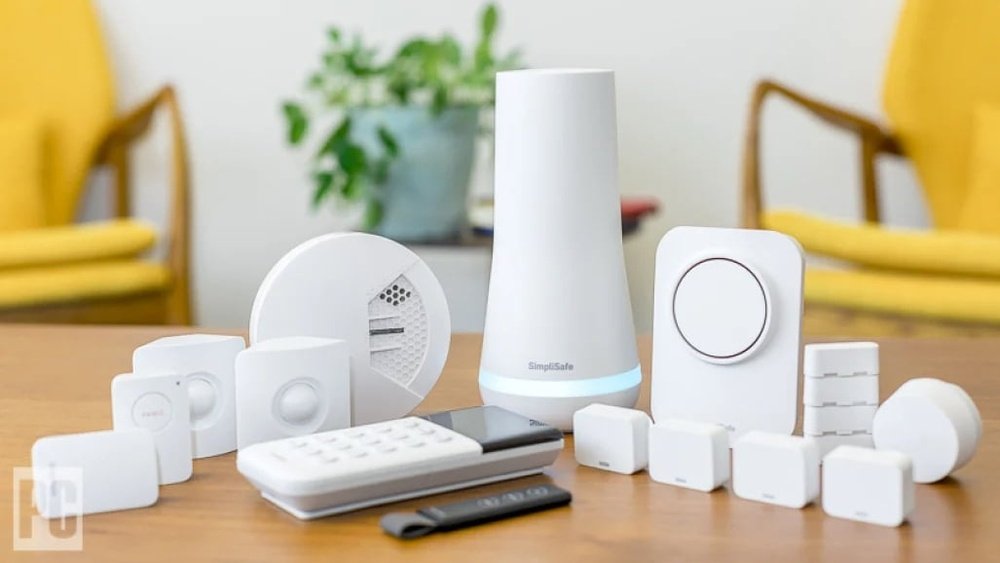
Security cameras keep your home safe and give peace of mind. Set them up to watch entrances, driveways, or common areas. Most cameras connect wirelessly to your Wi-Fi network. Use the app to view live video and receive alerts.
Choose cameras with motion detection and night vision for better coverage. Some models offer cloud storage or local recording options. Security cameras are a smart way to monitor your home from anywhere.
Pair Devices To Your Network
Pairing your smart home devices to your network is a key step in the setup process. It allows the devices to communicate with your phone and other smart gadgets. This connection makes it possible to control your devices remotely or through voice commands.
The process is simple if you follow the right steps. Each device has a pairing mode that lets it search for your home network. Once activated, the device can connect to your Wi-Fi through the app. This link ensures your smart home runs smoothly and stays connected.
Activate Pairing Mode
First, turn on your smart device and find the pairing mode option. Usually, this involves pressing a button or holding it down for a few seconds. Some devices blink a light to show they are ready to pair. This step makes your device visible to your phone or hub.
Check the device manual for specific instructions on entering pairing mode. Each brand may have a slightly different method. Make sure your device stays close to your Wi-Fi router during this step. Strong signal strength helps avoid connection issues.
Follow In-app Instructions
Open the device’s app on your smartphone or tablet. The app guides you through the pairing process with clear steps. Typically, you select your Wi-Fi network and enter the password. The app then connects the device to your home network.
Wait for confirmation in the app that pairing is successful. Some apps show a green check or a welcome message. After pairing, you can name the device and assign it to rooms. This organization helps you control devices easily later.
Configure Device Settings
Configuring your smart home device settings is a key step after connecting them to your network. It allows you to tailor the device behavior to fit your daily needs. Proper configuration improves the device’s performance and your overall experience. Use the mobile app linked to your smart device to access these settings. Spend a few minutes adjusting options to make the device truly yours.
Customize Preferences
Open the device app and look for the settings menu. Here, you can adjust preferences like notification alerts, brightness, volume, and schedules. Setting these options helps the device respond exactly how you want. For example, lower the brightness on smart lights for night use. Or set your smart speaker to a preferred language or voice. Customizing preferences saves time and effort later.
Some devices let you create automation routines. This means your device can act on its own at certain times or conditions. For instance, set your thermostat to lower temperature when you leave home. Try exploring all available options to get the best from your device.
Set Device Names
Assign clear and simple names to each device in your app. Use names that describe the device and its location, like “Living Room Light” or “Front Door Camera.” This makes it easier to control devices by voice or app commands. It also helps when you add more devices later.
Good naming avoids confusion and speeds up control. When you say “Turn off kitchen light,” the smart home system knows exactly which device to act on. Take a moment to rename default device names to something meaningful. This small step improves your smart home’s ease of use greatly.
Create Groups And Scenes
Creating groups and scenes is key to managing smart home devices easily. Grouping devices lets you control many gadgets at once. Scenes automate multiple devices to work together. This saves time and enhances comfort.
With groups and scenes, you can set your home to match your mood or schedule. Imagine turning off all lights and locking doors with one tap. Or setting a morning scene that opens blinds and starts coffee.
Group Multiple Devices
Grouping devices means linking similar gadgets in one place. For example, group all living room lights together. Control them with one command instead of each light separately. It works for lights, speakers, or smart plugs.
To create a group, open your smart home app. Select the devices you want to group. Give the group a name that is easy to remember. Now, control all grouped devices with a single tap or voice command.
Design Automation Scenes
Scenes combine multiple actions into one command. You can set devices to turn on or off, change colors, or adjust settings. Design scenes for different times of day or activities.
For example, create a “Movie Night” scene. It can dim the lights, close the blinds, and turn on the TV. Set a “Good Morning” scene to open blinds and play your favorite music.
Use your smart home app to build scenes. Choose the devices and actions you want. Save the scene and activate it anytime, with a tap or voice command.
Set Up Voice Control
Setting up voice control for your smart home devices makes everyday tasks easier. You can use simple spoken commands to control lights, locks, thermostats, and more. Voice control adds convenience and hands-free operation to your home.
It starts with connecting your devices to a digital assistant. Then, you train the system to understand your voice commands. This process is straightforward and quick.
Connect To Digital Assistants
Choose a digital assistant that fits your smart home setup. Popular options include Amazon Alexa, Google Assistant, and Apple Siri. Download the assistant’s app on your smartphone. Follow prompts to link your smart devices to the assistant.
Make sure all devices are on the same Wi-Fi network. This allows smooth communication between devices and the assistant. Once connected, you can control devices by speaking to your smart speaker or phone.
Train Voice Commands
Training voice commands helps the assistant recognize your speech better. Start by teaching it to recognize your voice. This improves accuracy and personalizes responses. Use the app’s voice training feature to repeat simple phrases.
Next, practice commands for common tasks like turning lights on or off. Speak clearly and use consistent phrases. The assistant learns your style and responds faster. Custom commands can also be created for specific routines.
Add Advanced Sensors
Adding advanced sensors enhances your smart home’s intelligence and responsiveness. These sensors detect environmental changes and trigger actions automatically. This step takes your smart home beyond basic controls.
Sensors monitor motion, temperature, humidity, and more. They provide real-time data for better automation. Let’s explore how to add these sensors effectively.
Motion And Temperature Sensors
Motion sensors detect movement to automate lighting and security. They turn lights on or off based on presence. This saves energy and improves safety.
Temperature sensors monitor room heat and adjust smart thermostats. They keep your home comfortable and energy-efficient. Place them in key rooms for accurate readings.
Integrate With Existing Devices
Connect sensors to your current smart home system for smooth operation. Use the app or hub that controls your devices. Integration allows sensors to trigger lights, alarms, or notifications.
Check device compatibility before buying sensors. Follow setup instructions to pair sensors with your ecosystem. This creates a unified smart home experience.
Maintain And Update Devices
Maintaining and updating smart home devices keeps them working well and secure. Devices need regular care to avoid glitches and stay compatible with new features. Simple steps can extend the life of your smart home system. Pay attention to updates and fix issues early.
Check For Firmware Updates
Firmware updates improve device performance and security. Check the app or device settings often for new updates. Installing updates is usually quick and easy. Updates can fix bugs and add new functions. Set your device to update automatically if possible. This saves time and keeps devices current without extra effort.
Troubleshoot Common Issues
Smart devices may sometimes lose connection or respond slowly. Restart the device or your Wi-Fi router to fix many problems. Check if the device is within range of your Wi-Fi signal. Make sure the app and device firmware are up to date. Reset the device to factory settings if issues persist. Contact customer support if problems continue after these steps.

Credit: www.theverge.com
Frequently Asked Questions
How Do I Connect My Smart Home Device?
Download the device’s app, enable pairing mode, and connect it to your Wi-Fi. Use the app to customize settings and create automations.
How To Set Up A Simple Smart Home?
Choose a smart home platform like Google Home or Alexa. Connect devices to Wi-Fi using their apps. Set up automation and routines for convenience. Start with basic devices like lights and speakers. Ensure stable internet for smooth operation.
What Is The One App For All Smart Home Devices?
The Google Home app serves as one app for most smart home devices. It controls lights, cameras, speakers, and more.
What Is Needed In A Smart Home To Connect?
A smart home needs a reliable Wi-Fi network, compatible devices, and a central app or hub to connect and control them seamlessly.
Conclusion
Setting up smart home devices can be simple and rewarding. Start with one device at a time. Follow the app instructions carefully. Connect devices to your Wi-Fi network securely. Group devices to work together smoothly. Create routines to automate daily tasks.
Keep your system updated for best performance. Enjoy the comfort and convenience smart technology brings. Take small steps and build your smart home confidently.