How to Use Home Tool Kit: Essential Tips for Every Beginner
Having a home tool kit is very helpful. It helps you fix many things in your house. You do not need to call a repairman for small jobs. Instead, you can do it yourself. This guide will show you how to use a home tool kit step by step.
Why Do You Need a Home Tool Kit?
A home tool kit has many tools. These tools help you fix or build things. You can hang pictures on the wall. You can fix a loose door or a chair. You can also do small repairs like tightening screws or measuring spaces.
When you have the right tools, jobs become easier. You save money and time. You feel good when you do things yourself. So, a tool kit is very important for every home.
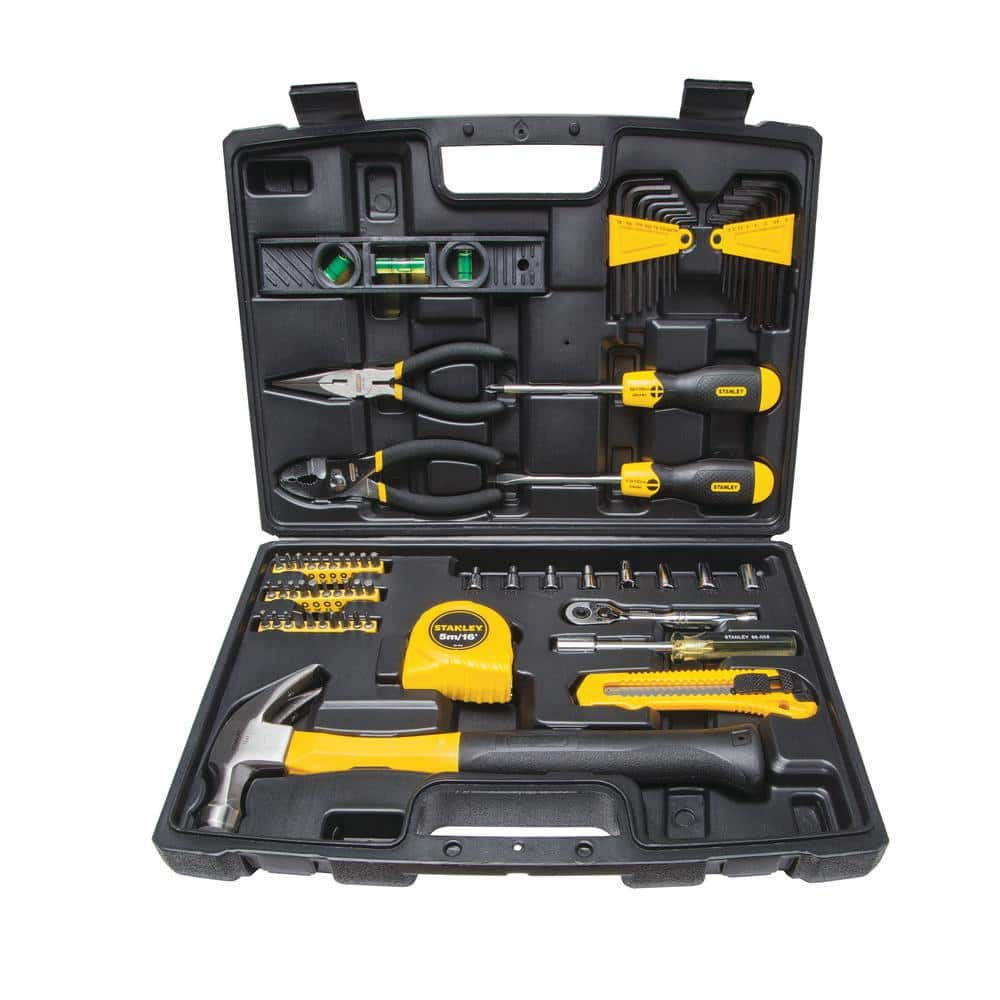
Credit: www.homedepot.com
What Are the Basic Tools in a Home Tool Kit?
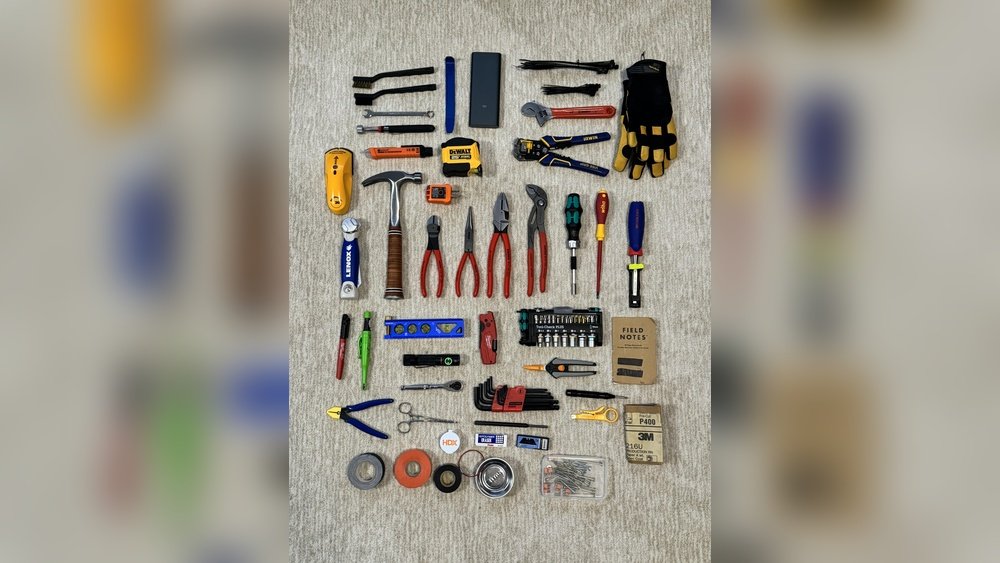
Before learning how to use the kit, know what tools you need. Here is a list of basic tools in a home tool kit:
| Tool | Use |
|---|---|
| Hammer | To hit nails or small objects. |
| Screwdrivers | To turn screws. Includes flat head and Phillips head. |
| Measuring Tape | To measure length, width, or height. |
| Wrench Set | To tighten or loosen nuts and bolts. |
| Pliers | To hold or bend small things. |
| Utility Knife | To cut papers, ropes, or boxes. |
| Level | To check if something is straight or flat. |
| Drill (Optional) | To make holes in walls or wood. |
How to Organize Your Tool Kit
Keeping tools in order helps you find them fast. A messy box wastes your time. Here is an easy way to organize your tool box:
- Top drawer: Put light tools here. Example: tape, sockets, small screwdrivers.
- Middle drawer: Put medium weight tools here. Example: hammer, pliers, wrenches.
- Bottom drawer: Put heavy tools here. Example: drills, saws.
This order keeps your box steady and tools easy to find.
Step-by-Step Guide to Using Your Home Tool Kit
1. Identify The Job
First, know what you want to fix or build. Is it hanging a picture? Fixing a door? Measure the problem carefully. This helps you pick the right tools.
2. Pick The Right Tools
For example, use a hammer for nails. Use a screwdriver for screws. If you do not know which to pick, ask someone or look online. Using wrong tools can hurt your work or you.
3. Use Tools Safely
Safety is very important. Always hold tools firmly. Work slowly and carefully. Wear safety glasses if you use a drill or hammer. Keep your fingers away from sharp edges. Never use broken tools.
4. Measure Twice, Cut Once
Use your measuring tape to get the right size. Measure two times to be sure. This saves time and avoids mistakes. If you cut or drill too much, you cannot fix it easily.
5. How To Use A Hammer
- Hold the hammer near the end of the handle.
- Put the nail where you want to fix something.
- Hit the nail gently at first, then harder.
- Keep your fingers away from the nail head.
6. How To Use Screwdrivers
- Find the right screwdriver. Flat head for flat screws, Phillips for cross-shaped screws.
- Place the screwdriver tip on the screw head.
- Turn the screwdriver clockwise to tighten, counterclockwise to loosen.
- Do not use too much force to avoid slipping.
7. How To Use Measuring Tape
- Pull out the tape to the length you want.
- Lock the tape if your tool has a lock.
- Read the number where the tape ends.
- Write down the size if needed.
8. How To Use A Wrench
- Choose the correct size wrench for the bolt or nut.
- Place the wrench on the bolt head.
- Turn the wrench clockwise to tighten, counterclockwise to loosen.
- Apply steady pressure.
9. How To Use Pliers
- Hold the handles firmly with one or both hands.
- Use the jaws to grip, bend, or cut wire or small objects.
- Do not use pliers for jobs needing hammers or wrenches.
10. How To Use A Utility Knife
- Open the blade carefully.
- Cut on a safe surface, away from your body.
- Use slow and steady pressure.
- Close the blade after use.
11. How To Use A Level
- Place the level on the object or surface.
- Look at the bubble inside the tube.
- When the bubble is between two lines, it is straight.
- Adjust the object until the bubble is centered.
12. How To Use A Drill
- Choose the right drill bit for your job.
- Insert the bit into the drill and tighten.
- Hold the drill firmly with two hands.
- Start drilling slowly, increase speed carefully.
- Stop if you feel too much resistance.

Credit: www.nytimes.com
Tips for Taking Care of Your Tools
- Keep tools clean and dry to stop rust.
- Store tools in the right place after use.
- Sharpen blades like knives or utility knives regularly.
- Check tools for damage before use.
- Do not force tools to work if they are stuck.
Simple Home Repairs You Can Do with Your Tool Kit
Here are easy tasks you can try:
- Hang pictures or shelves using a hammer and nails.
- Tighten loose screws on doors or furniture.
- Fix a leaky faucet with a wrench.
- Cut open boxes or packages with a utility knife.
- Measure window size before buying curtains.
- Assemble small furniture using screwdrivers.
When to Ask for Help
Some jobs need more skills or special tools. For example, fixing electrical wires or gas pipes. If you do not feel safe, call a professional. Do not risk your safety or your home.
Final Words
Using a home tool kit is useful for many small jobs. Start with a few basic tools. Learn how to use them well and safely. Keep your tools clean and organized. Over time, you will feel more confident fixing things at home.
Remember, practice helps you improve. Try small projects first. Enjoy your work and your home.
Frequently Asked Questions
What Should Be In A Basic Home Tool Kit?
A basic home tool kit should include a hammer, flathead and Phillips screwdrivers, adjustable wrench, measuring tape, pliers, and a utility knife. These tools cover most DIY repairs and maintenance tasks efficiently.
What Is The Best Tool Set For A First Time Homeowner?
The best tool set for first-time homeowners includes a hammer, screwdrivers (flat and Phillips), a tape measure, and a socket wrench set. These tools handle most basic repairs and DIY tasks efficiently and easily. Choose quality tools for durability and ease of use.
What Is The Purpose Of A Toolkit?
A toolkit provides essential tools for DIY tasks and home repairs. It helps users fix, build, and maintain items efficiently.
What To Put In The Top Drawer Of A Tool Box?
Put your lightest and most frequently used tools in the top drawer. Include screwdrivers, tape measures, sockets, and small wrenches. This keeps tools organized and easy to access quickly.