Are you tired of digging through a messy toolbox every time you need a tool? Imagine having every wrench, screwdriver, and drill bit right where you want it, easy to find and ready to use.
Using a tool organizer can transform your workspace, save you time, and reduce frustration. You’ll discover simple, effective ways to organize your tools so you can work smarter, not harder. Keep reading to unlock the secrets that professionals use to keep their tools neat, accessible, and always within reach.
Your toolbox makeover starts here!
Choosing The Right Tool Organizer
Choosing the right tool organizer is key to keeping your workspace tidy. The right organizer helps you find tools fast. It also protects your tools from damage. Consider what types fit your needs. Think about size and material. This guide helps you pick the best option.
Types Of Organizers
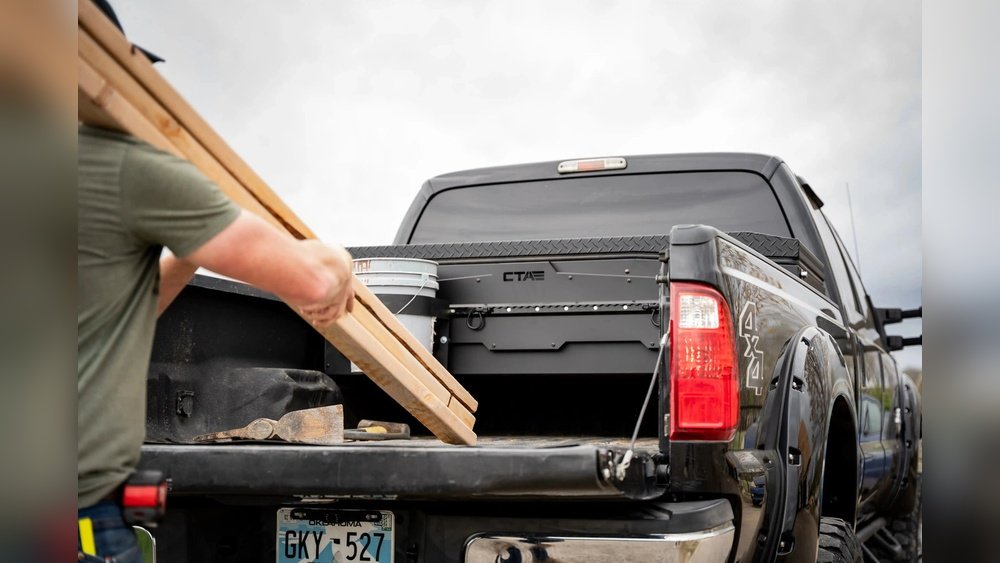
Tool organizers come in many styles. Toolboxes with drawers keep tools sorted. Pegboards let you hang tools on walls. Tool chests offer lots of storage space. Portable organizers fit in small spaces. Choose a type that suits your work style. Each type helps keep tools neat and ready.
Material And Durability
Materials affect how long an organizer lasts. Plastic organizers are lightweight and easy to carry. Metal organizers are strong and resist wear. Wood organizers add a classic look but need care. Pick a material that fits your environment. Durable materials protect tools better over time.
Size And Capacity Considerations
Size matters for storing all your tools. Small organizers fit basic hand tools. Larger organizers hold power tools and accessories. Check the organizer’s compartments and shelves. Make sure there is enough room for your tools. Avoid overcrowding to keep tools safe and easy to find.

Credit: www.amazon.com
Sorting Your Tools Efficiently
Sorting your tools efficiently is key to a neat and functional workspace. A well-organized tool organizer saves time and reduces frustration. Clear sorting methods help you find tools quickly and keep your area tidy. Follow these simple tips to arrange your tools smartly.
Categorizing By Function
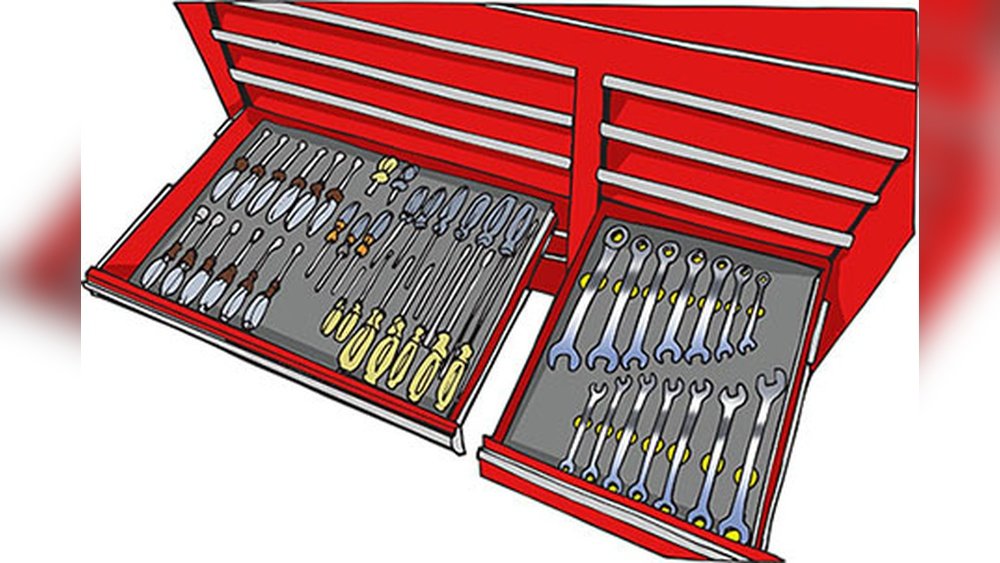
Group tools based on their use. Keep all measuring tools together. Place cutting tools in one section. This method makes it easy to grab the right tool fast. It also helps avoid clutter.
Prioritizing Frequently Used Tools
Put the tools you use most often in the easiest spots. Keep them at the front or top of your organizer. This saves time and effort during projects. Less used tools can go in lower or back areas.
Grouping By Size Or Type
Arrange tools by their size or type for better space use. Small tools like screwdrivers go in one place. Larger tools like hammers stay in another. This keeps your organizer balanced and neat.
Arranging Tools For Easy Access
Arranging tools for easy access is key to working efficiently. A well-organized tool organizer saves time and reduces frustration. Knowing where each tool lives helps you focus on the task, not on searching for tools. Simple methods can keep your workspace neat and tools ready to use.
Top Drawer Essentials
Keep your most used tools in the top drawer. Items like screwdrivers, pliers, and tape measures belong here. This placement lets you grab them quickly without opening many drawers. Use small containers or dividers to separate tools and prevent clutter. Clear organization in the top drawer boosts productivity.
Using Pegboards And Magnetic Holders
Pegboards allow you to hang tools for fast access. Hooks and holders keep tools visible and off surfaces. Magnetic strips are great for metal tools like wrenches and screwdrivers. This setup saves drawer space and shows you exactly where each tool is. Arrange tools by size or function for smooth workflow.
Customizing Drawer Layouts
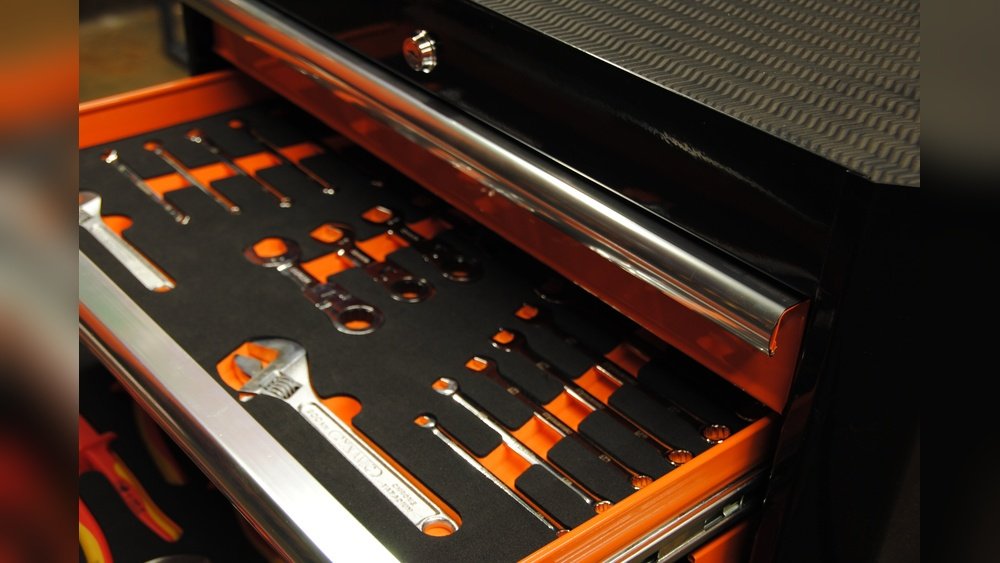
Customize drawer layouts to fit your tool collection. Use foam inserts or adjustable dividers to create spots for each tool. Group similar tools together, such as sockets, bits, or measuring devices. Tailoring drawers prevents tools from shifting and getting lost. A custom layout keeps your tools organized and ready.

Credit: eartheasy.com
Maximizing Space In Your Organizer
Maximizing space in your tool organizer helps keep your tools neat and easy to find. A well-arranged organizer saves time and reduces clutter. Small spaces can be used smartly to fit more tools. Simple methods can improve storage and keep your work area tidy.
Utilizing Vertical Storage
Use the height of your organizer by placing taller tools upright. Hang tools on hooks or pegboards attached to the sides. This method frees up drawer and shelf space. Vertical storage keeps tools visible and easy to grab.
Stacking And Compartmentalizing
Stack small containers or trays inside your organizer to separate tool types. Use dividers to create compartments for screws, nails, and drill bits. This keeps small items from mixing and getting lost. Organized compartments save space and improve tool access.
Removing Unnecessary Items
Check your tool organizer for tools you rarely use. Remove broken or duplicate tools to free up space. Keep only essential tools for your current projects. A clutter-free organizer makes it easier to find what you need quickly.
Maintaining Organization Over Time
Keeping your tool organizer neat and functional takes effort over time. Tools can get misplaced or cluttered without regular care. Staying organized helps you find items quickly and saves space. Simple habits can maintain order and extend the life of your tools.
Regular Tool Inventory
Check your tools often to see what you have. Remove broken or unused tools to avoid clutter. Group similar tools together for easy access. This habit prevents losing tools and keeps your organizer tidy.
Cleaning And Upkeep Tips
Wipe tools and organizer surfaces regularly to remove dust and dirt. Dry tools before storing to prevent rust. Use mild cleaners for plastic or metal parts. Cleanliness keeps tools in good shape and your workspace pleasant.
Adapting Layouts As Needs Change
Change your tool organizer layout based on your projects. Move frequently used tools to easy-to-reach spots. Add dividers or containers for new tools. Adjusting layouts keeps your system efficient and suits your current needs.
Advanced Tips And Hacks
Advanced tips and hacks enhance how you use a tool organizer. These ideas go beyond basic sorting. They help save time and keep tools in perfect order. Small changes can make a big difference in your workspace.
Labeling Systems
Labels make finding tools faster and easier. Use clear, simple labels on drawers and containers. Color-code labels by tool type or size to spot items quickly. Print labels with large fonts for better visibility. Use waterproof labels to avoid wear and tear. Labeling reduces the chance of misplacing tools.
Using Foam Inserts
Foam inserts hold tools firmly and protect them from damage. Cut foam to fit each tool's shape perfectly. This method stops tools from moving around during transport. Foam keeps tools visible and easy to grab. Choose durable foam that resists moisture and dirt. Foam inserts extend the life of your tools.
Incorporating Modular Components
Modular components let you customize your tool organizer. Use removable trays, dividers, and bins that fit your needs. Change your setup as your tool collection grows or shifts. Modular parts save space and keep tools neatly separated. They make organizing flexible and efficient. Modular design adapts to any project or job.

Credit: storeyourboard.com
Frequently Asked Questions
What Is The Best Way To Start Using A Tool Organizer?
Begin by sorting tools by type and frequency of use. Place frequently used tools in easily accessible spots. This method enhances efficiency and keeps your workspace tidy.
How Can A Tool Organizer Improve Tool Accessibility?
A tool organizer groups tools logically and visibly. It reduces time spent searching for tools. This leads to faster project completion and less frustration.
What Are Common Types Of Tool Organizers?
Common types include pegboards, drawer inserts, and portable cases. Each suits different needs and spaces. Choose based on your tool collection and workspace size.
How Do I Maintain My Tool Organizer Effectively?
Regularly clean and declutter your organizer. Return tools to designated spots after use. This habit prolongs the organizer’s life and keeps tools ready for use.
Conclusion
Using a tool organizer keeps your workspace neat and efficient. It saves time by making tools easy to find. Organize tools by type or how often you use them. Regularly check and tidy your organizer to maintain order. A well-arranged tool organizer helps complete tasks faster.
Start organizing today for a smoother, more productive experience.