Indoor Vs Outdoor Security Camera: Ultimate Guide to Smart Protection
Security cameras help keep homes and businesses safe. Choosing the right camera is important. There are two main types: indoor and outdoor cameras. Each has its own features. This article will explain the differences. It will help you decide which camera suits your needs.
What is an Indoor Security Camera?
Indoor security cameras are made to watch inside buildings. They help you see what happens in rooms, hallways, or entryways. These cameras are smaller and lighter. They often look nicer and blend well with home decor.
Indoor cameras can monitor pets, children, or valuables. Many of them have good video quality. They work well in smaller spaces. Most indoor cameras connect to Wi-Fi. This allows you to watch live video on your phone or computer.
Features Of Indoor Security Cameras
- Compact size: Small and easy to place anywhere.
- Good video quality: Clear images in well-lit rooms.
- Motion detection: Alerts when movement happens.
- Two-way audio: Talk and listen through the camera.
- Wi-Fi connectivity: Watch video remotely.
Credit: www.safewise.com
What is an Outdoor Security Camera?
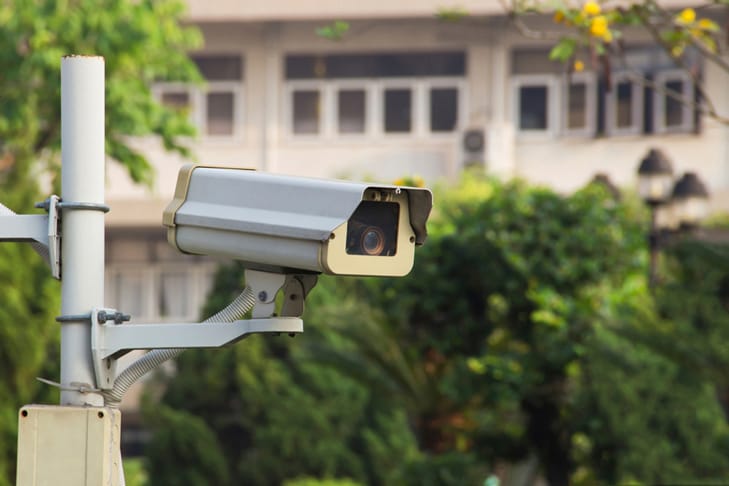
Outdoor security cameras are designed for outside use. They protect your home from burglars or unwanted visitors. These cameras are strong and can handle weather like rain, snow, or heat. They usually have bigger bodies and come with extra features for outdoor safety.
Outdoor cameras cover large areas. They often have night vision to see in the dark. Many include lights or alarms to scare away intruders. They might need wired power or strong batteries to work well.
Features Of Outdoor Security Cameras
- Weatherproof design: Works in rain, snow, and sun.
- Night vision: Clear images in darkness.
- Wide viewing angle: Covers large outdoor areas.
- Motion detection: Alerts for any movement near your home.
- Strong build: Durable and hard to break.
Key Differences Between Indoor and Outdoor Cameras
Indoor and outdoor cameras look similar but have big differences.
| Feature | Indoor Camera | Outdoor Camera |
|---|---|---|
| Weather Resistance | No, not made for weather | Yes, built to withstand rain and sun |
| Size | Small and light | Bigger and heavier |
| Night Vision | May have, but limited | Usually strong night vision |
| Field of View | Narrow, focused on rooms | Wide, covers yards and driveways |
| Durability | Less durable | Very durable and rugged |
| Price | Generally less expensive | Usually more costly |
Can You Use an Indoor Camera Outside?
Many people wonder if indoor cameras can work outside. The short answer: it is not recommended. Indoor cameras are not made for weather. Rain or dust can damage them quickly. Also, their motion sensors may not work well outside.
If you put an indoor camera outside, it may stop working fast. It also may not give clear images in dark or bright sunlight. Outdoor cameras are made with strong cases and special lenses to handle these problems.
Can You Use an Outdoor Camera Inside?
Outdoor cameras can work indoors. But they may look big and bulky inside the house. They also might have wider views than needed indoors. This means they can see more area but less detail.
Still, if you want strong video quality and good night vision inside, an outdoor camera can work. It is just a matter of style and size.

Credit: getsafeandsound.com
Which Camera is Better for Your Home?
The answer depends on what you want to watch and where.
Choose Indoor Cameras If:
- You want to watch pets or children inside.
- You need a small camera that blends with home style.
- You want easy setup with Wi-Fi.
- You do not need weatherproof features.
Choose Outdoor Cameras If:
- You want to watch outside areas like yard or driveway.
- You need a camera that works in rain, snow, or sun.
- You want night vision for dark outdoor areas.
- You want a strong, durable camera to scare off intruders.
Cost Differences Between Indoor and Outdoor Cameras
Indoor cameras usually cost less. They are smaller and have fewer rugged parts. Outdoor cameras cost more because they need extra protection. They have better night vision and stronger cases.
Here is a simple cost comparison:
| Type | Typical Price Range |
|---|---|
| Indoor Camera | $30 to $150 |
| Outdoor Camera | $70 to $250 |
Prices vary depending on brand and features. Always check for good reviews and warranty.
Placement Tips for Security Cameras
Where you put your camera is just as important as the type you choose. Here are some tips:
- Indoor cameras: Place near entry doors, hallways, or living rooms.
- Outdoor cameras: Place near front doors, backyards, garages, or driveways.
- Mount cameras high to avoid tampering.
- Make sure the camera view is not blocked by trees or walls.
- Test the camera view before final installation.
Frequently Asked Questions
Is It Better To Have Indoor Or Outdoor Security Cameras?
Outdoor cameras suit harsh weather and wide coverage, deterring intruders effectively. Indoor cameras fit smaller spaces, monitoring pets or valuables. Choose based on location needs; outdoor cameras offer durability, while indoor cameras provide focused, discreet surveillance. Both types complement overall home security.
Can Outdoor Security Cameras Be Used Indoors?
Outdoor security cameras can be used indoors but may be bulkier and less discreet. They offer durability but might lack indoor-focused features. Choose based on your specific monitoring needs and space.
Do Indoor Cameras Record All The Time?
Indoor cameras do not always record continuously. Many models record only when detecting motion or on scheduled times. Continuous recording depends on camera settings and storage capacity. Users can customize recording modes to save storage and extend device life, ensuring efficient indoor monitoring.
Which Is Better, A Dome Or Turret Camera?
Dome cameras suit indoor use with discreet design and vandal resistance. Turret cameras excel outdoors, offering better night vision and weatherproofing. Choose dome for sleek, low-profile needs; pick turret for durability and clearer images in harsh conditions. Your choice depends on location and security priorities.
Conclusion
Choosing between indoor and outdoor security cameras depends on your needs. Indoor cameras are best for watching inside. They are smaller and less expensive. Outdoor cameras protect your home from outside threats. They are stronger and work in all weather.
Do not use indoor cameras outside. They cannot handle weather and can break. Outdoor cameras can be used indoors but may be too big.
Think about what you want to protect. Then pick the right camera. This will help keep your home and family safe.