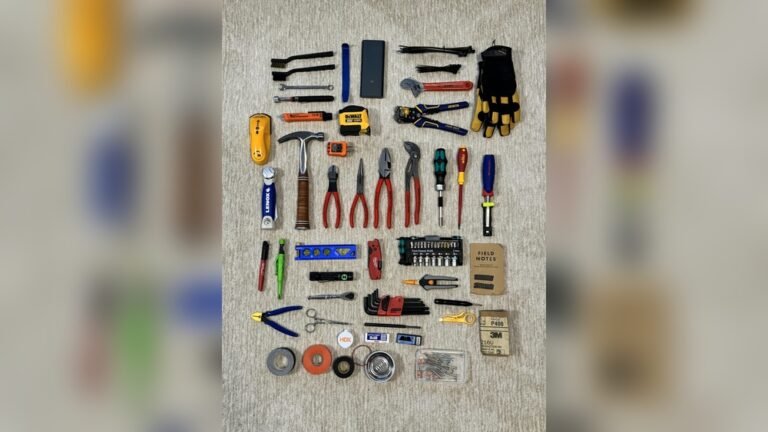
Safety Tips for Home Tool Kit: Essential Rules for Safe Use
When you reach for a tool in your home kit, do you ever pause to think about safety? Your home tool kit is a powerful resource for fixing, building, and improving—but without the right precautions, it can also be a source of accidents and injuries.
You want to protect yourself and your loved ones while getting the job done efficiently. That’s why knowing simple, effective safety tips for your home tool kit is essential. You’ll discover easy ways to keep your tools in top shape, use them correctly, and avoid common hazards.
Keep reading to make sure your next project is safe, smooth, and successful.
Tool Maintenance
Proper tool maintenance is essential for safety and efficiency. Well-maintained tools work better and reduce the risk of accidents. Regular care extends the life of your tools and keeps them ready for use.
Keep Tools Clean And Sharp
Cleaning tools after every use prevents rust and damage. Dirt and grime can cause tools to slip or break. Sharpen blades and cutting edges to ensure smooth and safe operation. Sharp tools require less force and reduce injury risks.
Inspect Tools Regularly
Check tools before each use for cracks, loose parts, or wear. Look closely at handles, blades, and moving parts. Early detection of problems stops accidents and tool failure. Use a flashlight for better visibility during inspection.
Repair Or Replace Damaged Tools
Fix minor problems like loose screws or worn handles immediately. Do not use tools with broken parts or severe damage. Replace tools that cannot be safely repaired. Using damaged tools increases the chance of injury and worsens the problem.

Credit: www.amazon.com
Choosing Tools
Choosing the right tools for your home tool kit is crucial for safety and efficiency. The right tool makes the job easier and reduces the risk of injury. Picking proper tools also helps you avoid damage to your materials and prolongs tool life.
Focus on tools that suit your tasks and skill level. Quality matters more than quantity. A few well-chosen tools can cover many jobs safely.
Use The Right Tool For The Job
Each task requires a specific tool. Using the correct tool prevents accidents and damage. For example, use a screwdriver for screws, not a knife. Wrong tools can slip and cause injuries. Always check the tool’s purpose before starting your work.
Select Proper Tool Size
Tools come in different sizes. Choose one that fits the job well. A wrench too big or small can slip and hurt you. A hammer too heavy or light makes control hard. Proper size ensures better grip and safer handling.
Avoid Using Improvised Tools
Improvised tools may seem handy but are risky. Using pliers instead of a proper wrench can damage bolts and hurt your hand. Avoid using broken or damaged tools as well. Always pick a tool designed for the task to stay safe.
Protective Gear
Protective gear is essential for safe tool use at home. It reduces injury risks. This gear shields your body from flying debris, sharp edges, and loud noises. Wearing the right protection keeps your hands, eyes, and ears safe during tasks.
Wear Eye Protection
Eye protection guards against dust, splinters, and sparks. Safety glasses or goggles fit snugly to prevent particles from entering. Clear lenses offer good visibility while blocking harmful fragments. Always wear eye protection before starting any tool work.
Use Gloves And Appropriate Clothing
Gloves protect your hands from cuts, scrapes, and chemicals. Choose gloves that match the task type and material handled. Avoid loose clothing that may get caught in moving parts. Wear long sleeves and sturdy shoes to cover exposed skin and avoid injuries.
Consider Hearing Protection
Loud tools can damage hearing over time. Earplugs or earmuffs lower noise levels and protect your ears. Use hearing protection during extended use of power tools or noisy equipment. Protect your hearing to maintain long-term ear health.

Credit: www.amazon.com
Safe Tool Use
Using tools safely is key to preventing accidents at home. Proper tool use protects your hands and body. It also helps tools last longer. Keep focus and follow clear steps for each tool you use. This makes your work easier and safer.
Follow Manufacturer Instructions
Read the manual before using any tool. Manuals explain how to use tools correctly. They include safety warnings and tips. Using tools as instructed lowers risk of injury. Always check if the tool needs special care.
Use Tools With Controlled Movements
Move tools slowly and carefully. Quick or rough actions can cause slips and cuts. Hold tools firmly but do not squeeze too hard. Controlled movements help keep balance and precision. This method reduces chances of accidents.
Avoid Distractions While Working
Focus fully on your task. Turn off phones or keep them away. Distractions can cause mistakes and injuries. Work in a quiet, well-lit place. Concentration improves your safety and the quality of work.
Storage And Transport
Creating a safe work environment is essential when using your home tool kit. A well-organized space reduces risks and helps you work more efficiently. Proper setup limits accidents and keeps tools in good condition.
Maintain A Clean Workspace
Keep your work area tidy and free of clutter. Remove scrap materials and debris regularly. A clean space prevents trips and falls. It also makes finding tools faster and easier.
Ensure Adequate Lighting
Good lighting lets you see clearly while working. Bright light reduces mistakes and injury risk. Use natural light or add lamps if the area is dark. Always check that bulbs work before starting a project.
Keep Area Free Of Hazards
Check for loose wires, wet floors, or uneven surfaces. Fix or remove any hazards immediately. Avoid storing heavy items where they might fall. Clear walkways to allow safe movement around your workspace.

Credit: www.youtube.com
Frequently Asked Questions
What Are 10 Safety Rules At Home?
1. Install smoke and carbon monoxide detectors. 2. Keep fire extinguishers accessible. 3. Store sharp tools safely. 4. Cover electrical outlets. 5. Keep floors clear of clutter. 6. Use non-slip mats in bathrooms. 7. Lock up medicines and chemicals. 8.
Supervise children near water. 9. Maintain proper lighting in all areas. 10. Test safety equipment regularly.
What Are The 5 Tips For Safe Handling Of Tools?
1. Always wear appropriate personal protective equipment. 2. Use the right tool for each specific job. 3. Inspect tools for damage before use. 4. Keep tools clean and well-maintained. 5. Follow manufacturer instructions carefully to avoid accidents.
What Should Be In A Basic Home Tool Kit?
A basic home tool kit should include a hammer, screwdrivers, pliers, adjustable wrench, tape measure, utility knife, level, and a set of nails and screws. Include safety gear like gloves and goggles for protection during use.
What Are The 4 C’s Of Safety?
The 4 C’s of safety are Care, Caution, Communication, and Compliance. They ensure a safe work environment and prevent accidents.
Conclusion
Keeping your home tool kit safe protects you and your family. Always inspect tools before use for damage or wear. Use the right tool for each task to avoid injuries. Store tools properly to prevent accidents and keep them in good shape.
Wear safety gear like gloves and eye protection every time. Teach everyone in your home about safe tool handling. Small habits make a big difference in preventing harm. Stay careful, stay safe, and enjoy your projects with confidence.