Disclosure

Mechanic tools: names, pictures and what each one is used for

A complete mechanic tools list with a picture of each one, all 76 grouped by job, from sockets and spanners through lifting, diagnostics and servicing, so the tools you reach for together sit together.

37 are marked essential, roughly a home mechanic's kit: enough to service a car, change brakes and diagnose most faults.

Sockets & ratchets 10

The core of any mechanic's kit. A socket grips all six flats of a fastener, which is why it is the first choice wherever there is room to get one on.

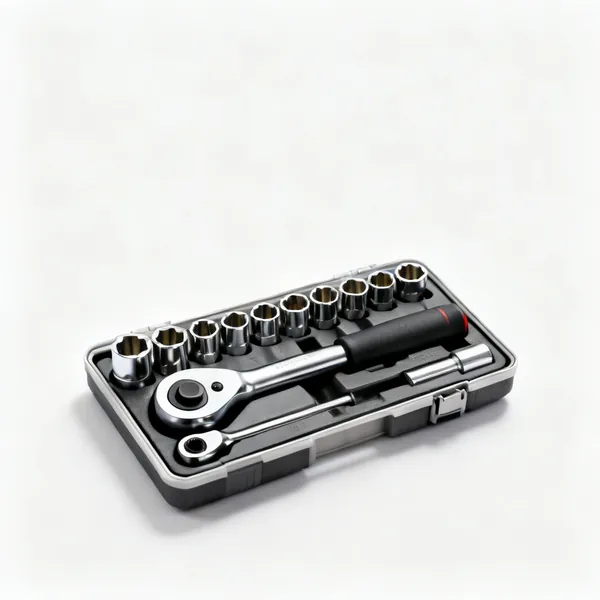
  • A socket set in a case with a ratchet handle and multiple socketsEssential

    Socket set

    Sockets in metric sizes on a ratchet handle. Six point where possible, since they grip the flats rather than the corners and will not round a tight nut.

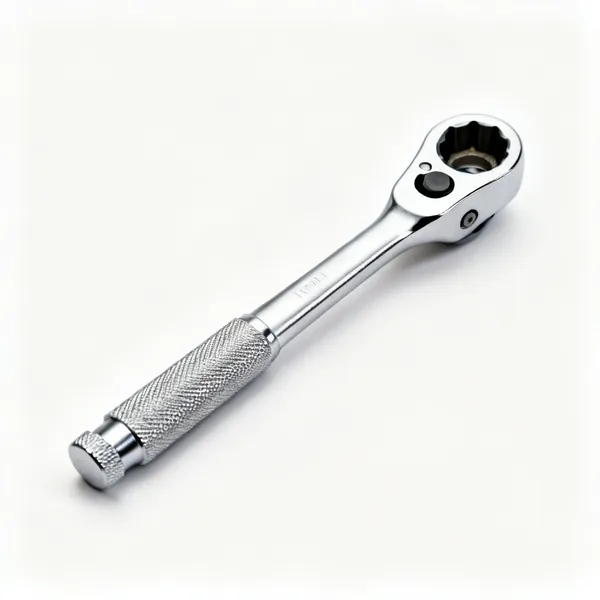
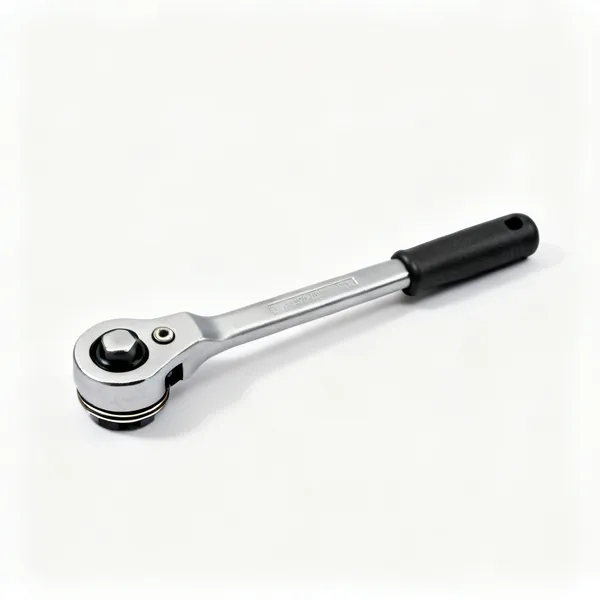
  • A chrome socket ratchet handle with a knurled gripEssential

    Ratchet handle

    Turns a socket without lifting it off. A fine tooth count means a smaller swing, which is what matters in a crowded engine bay.

  • A set of socket extension bars of graduated lengthsEssential

    Extension bars

    Reach a fastener set deep in the engine. Long extensions flex slightly and lose feel, so use the shortest that reaches.

  • A socket universal joint adaptor

    Universal joint

    A flexible link letting a socket work at an angle. Loses torque and feel, and gets to fasteners nothing straight can reach.

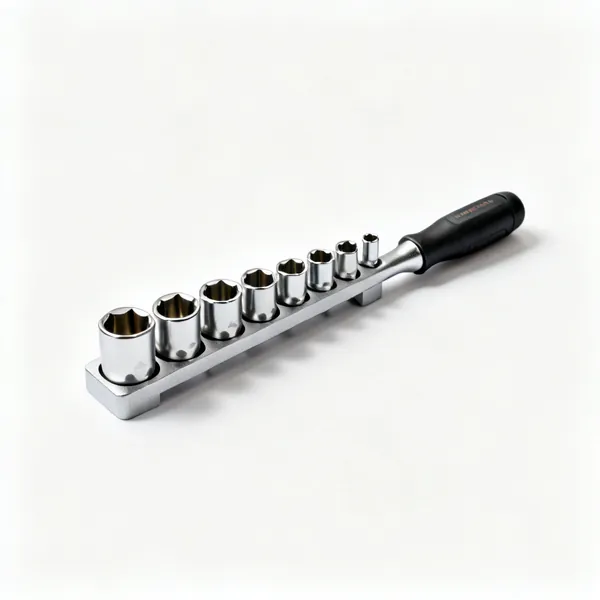
  • Deep sockets: A set of deep socket sizes in a railEssential

    Deep sockets

    Long enough to swallow a nut on a protruding stud, which a standard socket will not reach past. Half the fasteners on a car need these.

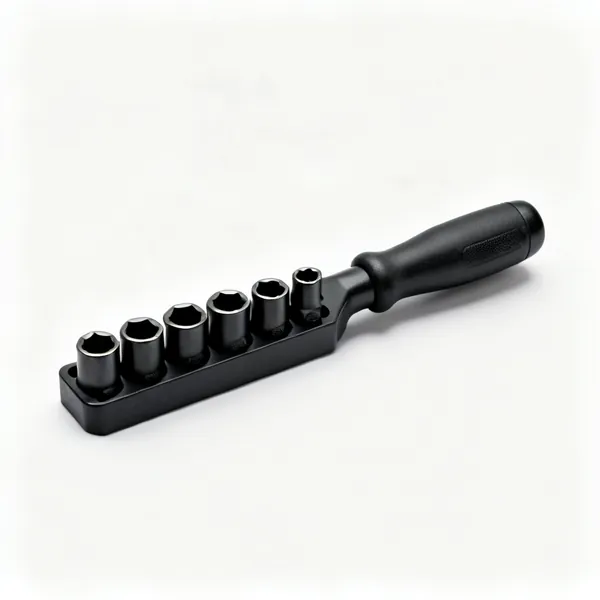
  • A set of black impact sockets in a rail

    Impact sockets

    Thicker walled and made from a tougher alloy for use with an impact wrench. Chrome sockets shatter under impact, which is why these are black.

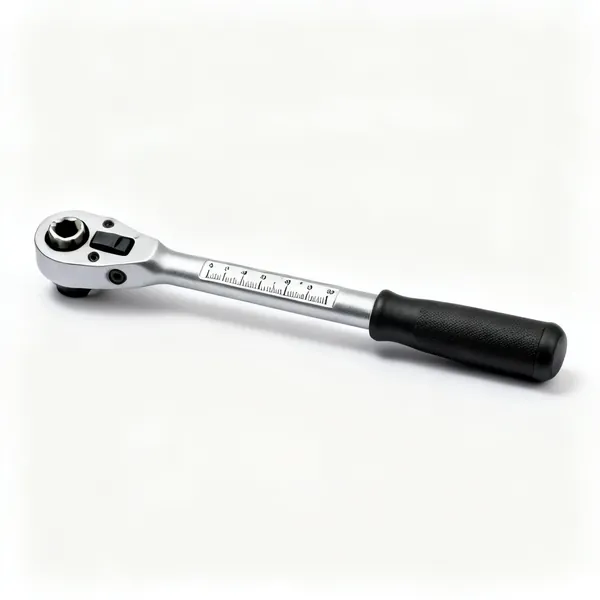
  • A click type torque wrench with a scale on the handleEssential

    Torque wrench

    Clicks at a set tightness. Safety equipment as much as a tool, because wheel nuts and brake bolts have specified figures for good reasons.

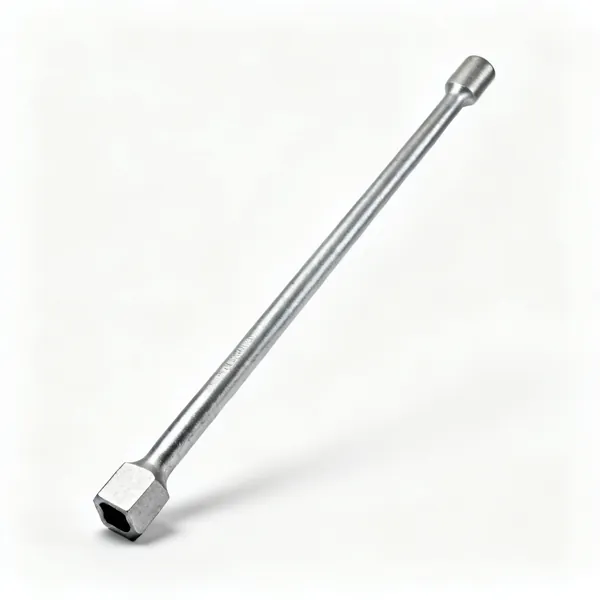
  • A long steel breaker bar with a square driveEssential

    Breaker bar

    A long non ratcheting handle for seized fasteners. The length gives leverage a ratchet mechanism cannot survive, and using a ratchet for this breaks ratchets.

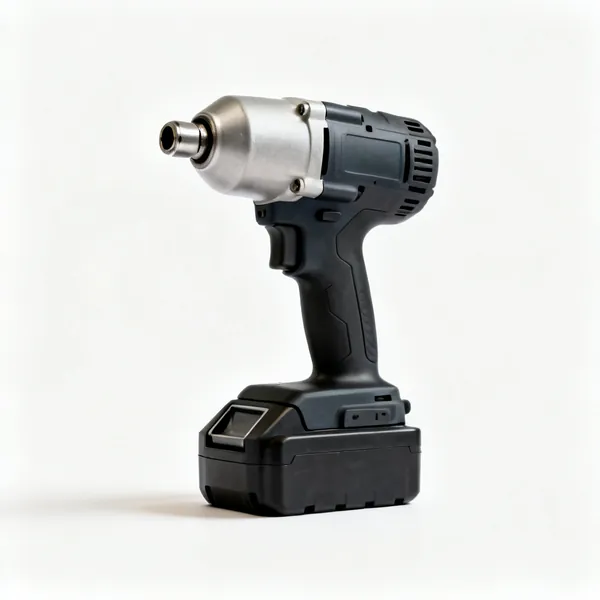
  • A cordless impact wrench with a square drive and battery

    Impact wrench

    Hammers as it turns, shifting wheel nuts and rusted bolts that defeat everything else. Use it to undo, and a torque wrench to tighten.

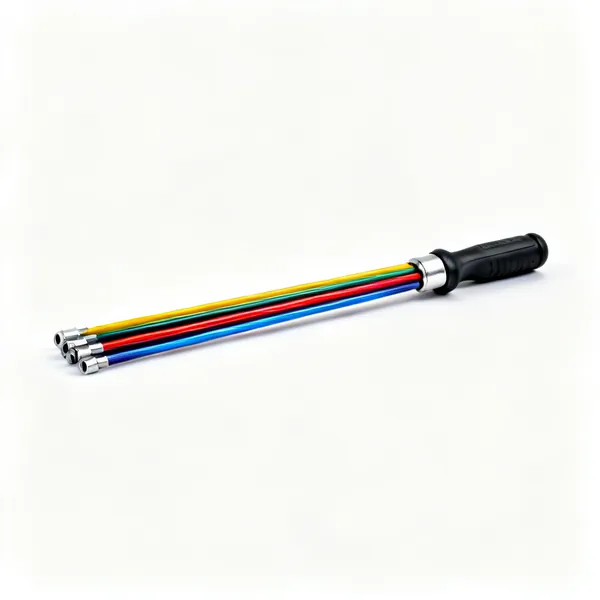
  • Torque sticks: A set of colour coded torque limiting extension sticks

    Torque sticks

    Extensions that flex at a set torque, limiting what an impact wrench applies. A tyre shop compromise, and not as accurate as a proper wrench.

Spanners 7

For the fasteners a socket cannot reach around. The important distinction here is that brake and fuel unions need their own kind of spanner.

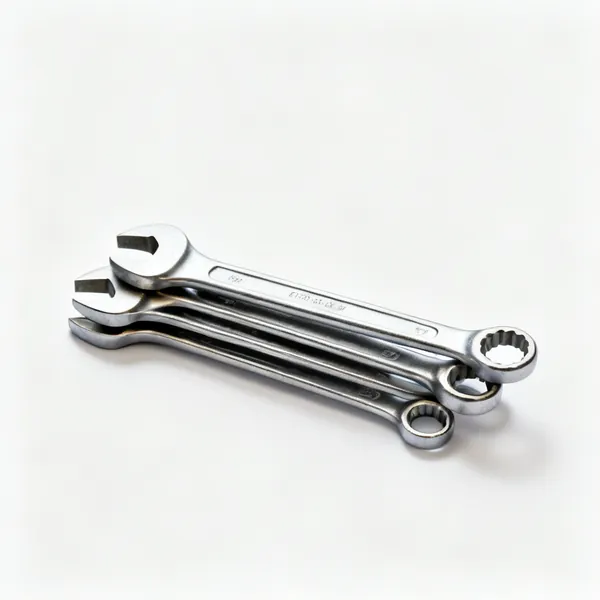
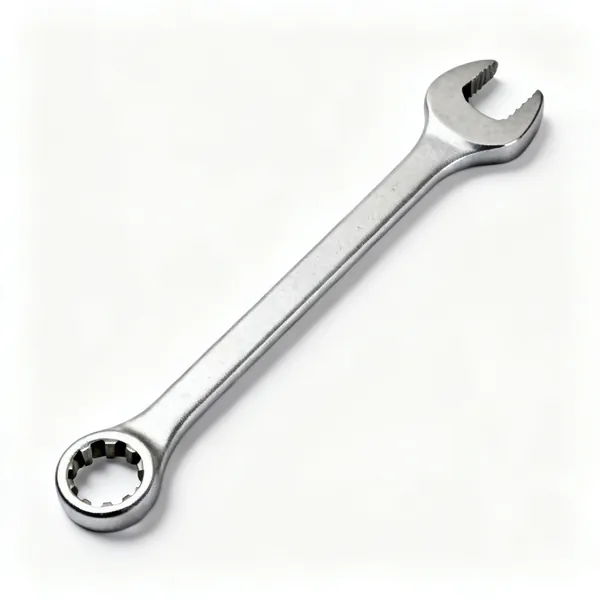
  • A set of combination spanners with open and ring endsEssential

    Combination spanners

    Open jaw at one end, ring at the other, in matched sizes. The ring end grips properly, the open end fits where the ring will not.

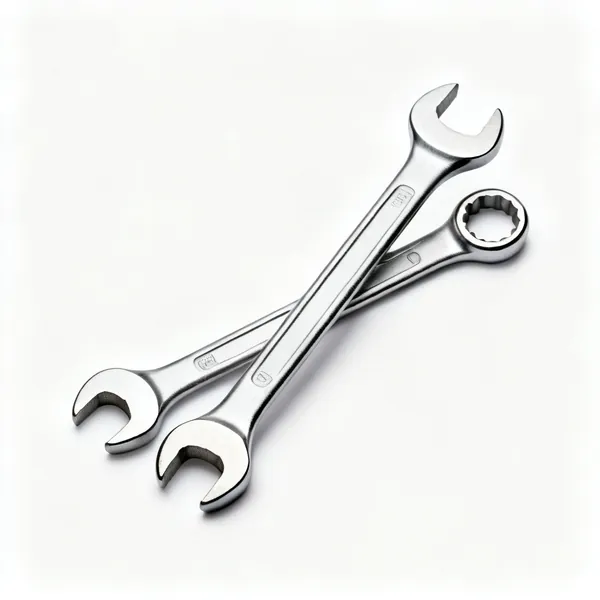
  • A set of offset double ended ring spanners

    Ring spanners

    Closed at both ends, often offset so your knuckles clear the work. Grips all six flats, so it is the choice on anything tight.

  • Flare nut spanners: A set of flare nut brake line spanners with slotted ring endsEssential

    Flare nut spanners

    A ring spanner with a slot, so it slides over a brake pipe and still wraps five of the six flats. An open spanner rounds a brake union almost instantly.

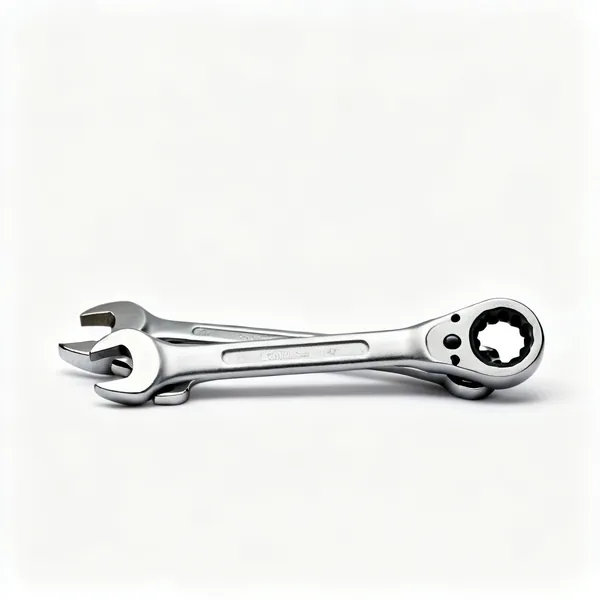
  • Ratcheting spanners: A set of ratcheting combination spanners

    Ratcheting spanners

    A ring end that ratchets, so you never reposition the spanner. Excellent in confined spaces and slightly bulkier than a plain ring.

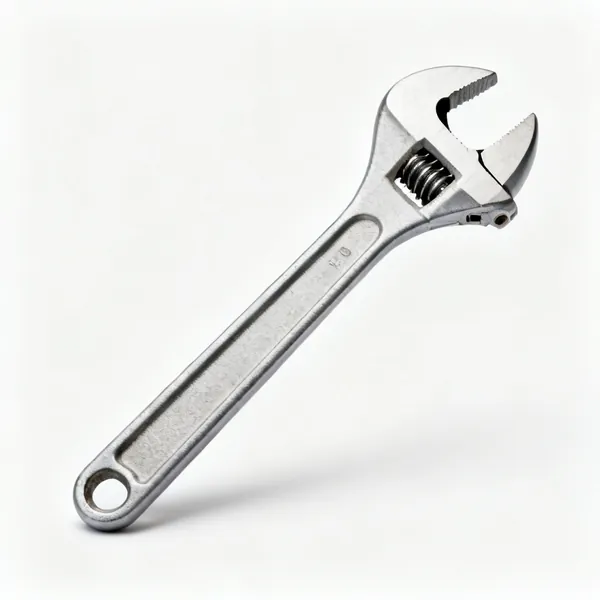
  • An adjustable spanner with a worm screw

    Adjustable spanner

    Covers many sizes with some slop. Fine on a soft large nut and the wrong tool on anything tight, where it will slip and round the corners.

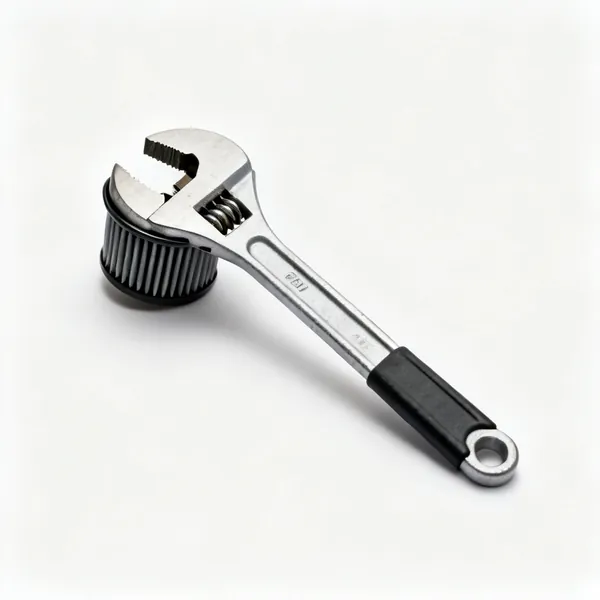
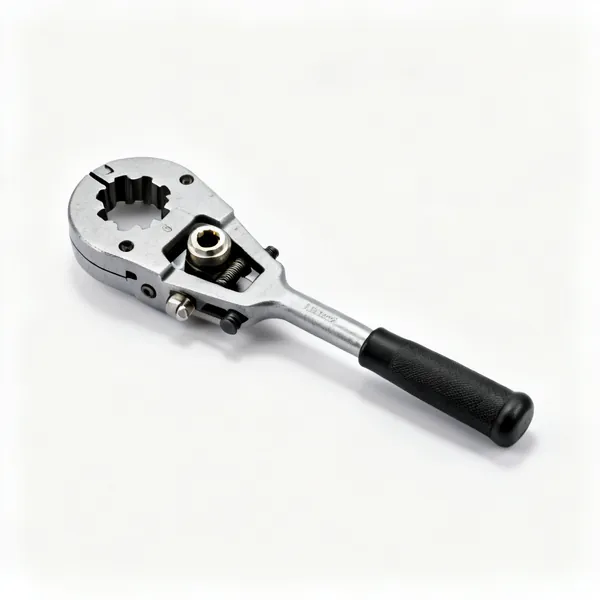
  • Oil filter wrench: An oil filter cup wrench and a strap wrenchEssential

    Oil filter wrench

    Grips a cylindrical spin on filter that nothing else can hold. Strap, chain and cup types exist, and the cup type is least likely to crush the filter.

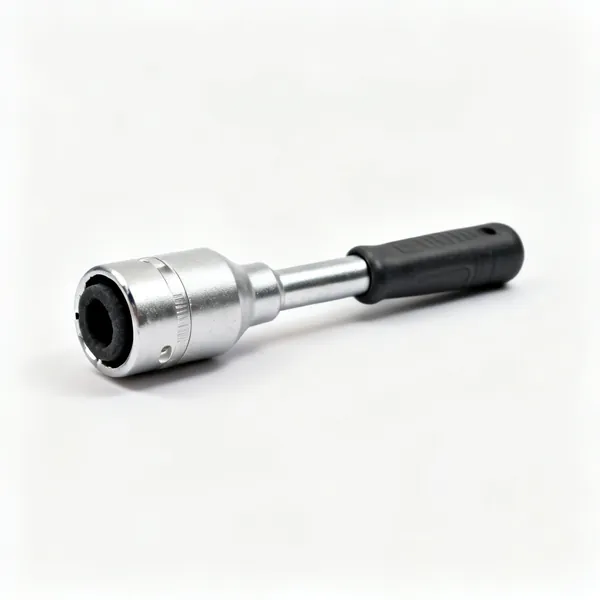
  • A spark plug socket with a rubber insertEssential

    Spark plug socket

    A deep socket with a rubber insert that grips the plug so it does not fall back into the bore. Dropping a plug into a cylinder is a very bad day.

Pliers & grips 7

Holding, cutting and the several specialised jaw shapes that exist because one particular fastener on a car is otherwise impossible.

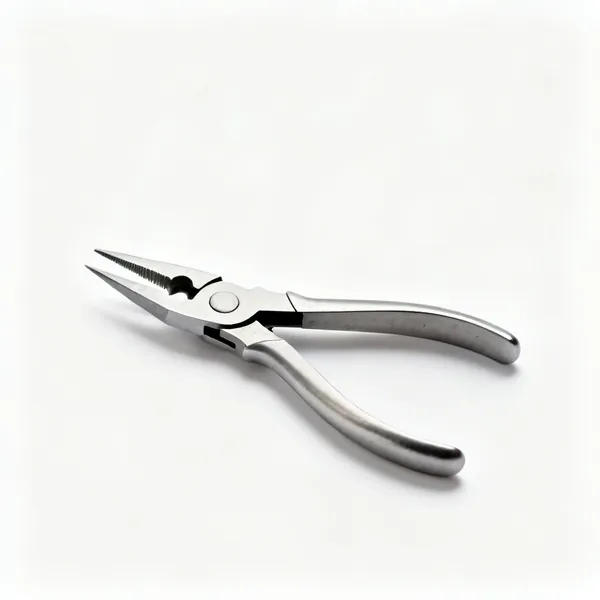
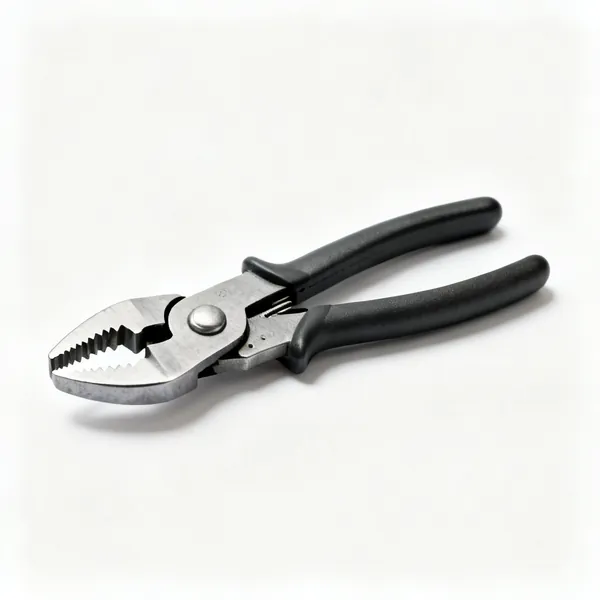
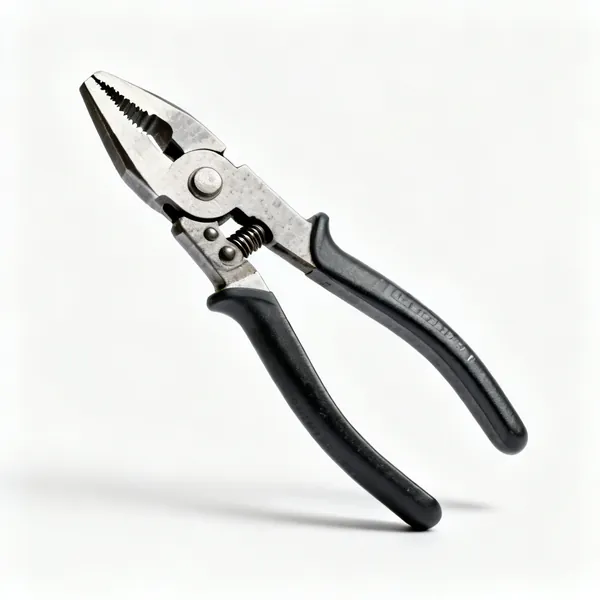
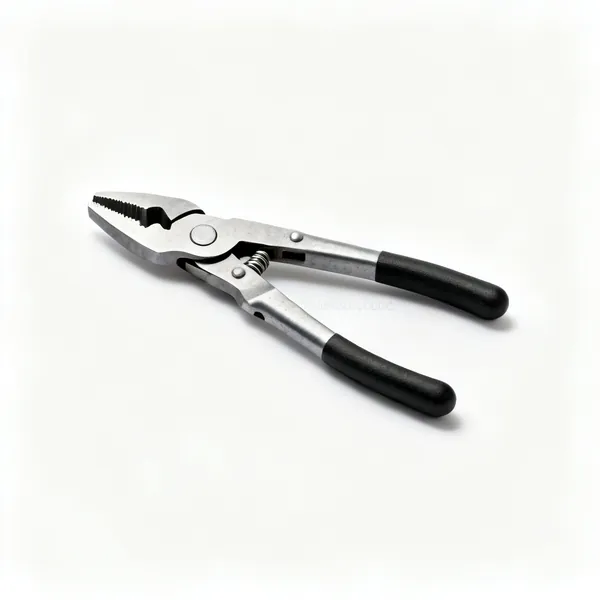
  • A pair of combination pliers with serrated jawsEssential

    Combination pliers

    General gripping and cutting. Keep them off nuts, since they round the corners and then nothing else will grip the fastener.

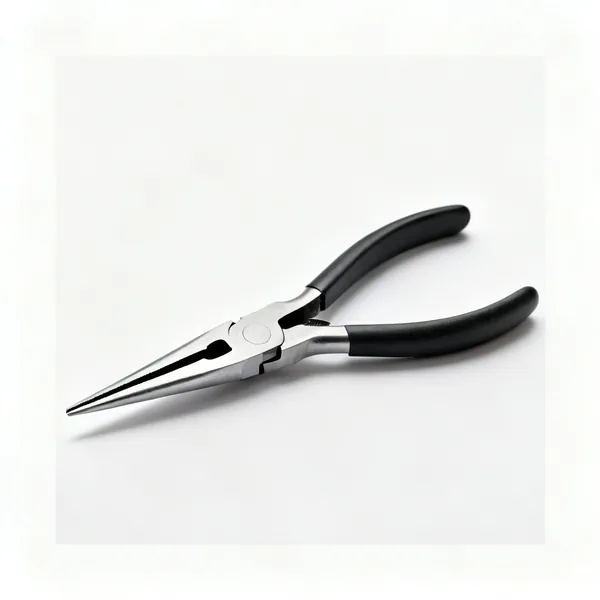
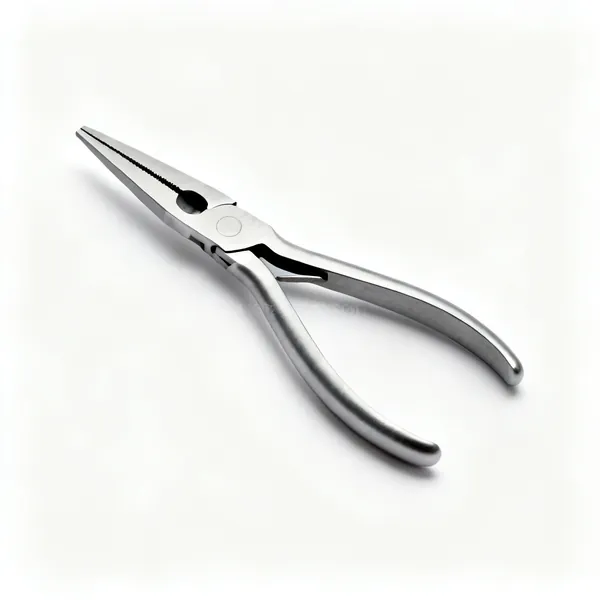
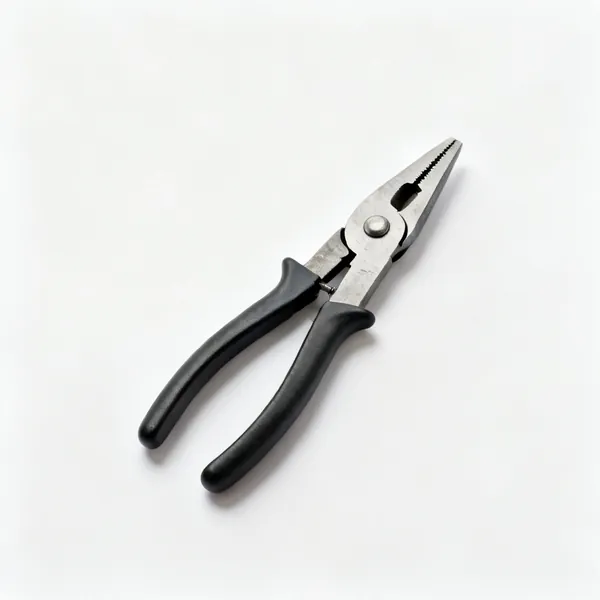
  • A pair of long nose pliers with slim tapered jawsEssential

    Long nose pliers

    Reaches into a loom or behind a bracket to retrieve, hold or form. Most used for whatever has just fallen into the engine bay.

  • Circlip pliers

    Circlip pliers

    Pointed tips that expand or compress retaining rings in grooves. Genuinely impossible to improvise safely, since a slipping circlip becomes a projectile.

  • A pair of hose clamp pliers with notched jaws

    Hose clamp pliers

    Grips and holds spring band clamps open, often on a cable so you can reach a clamp buried behind the engine. Nothing else holds them reliably.

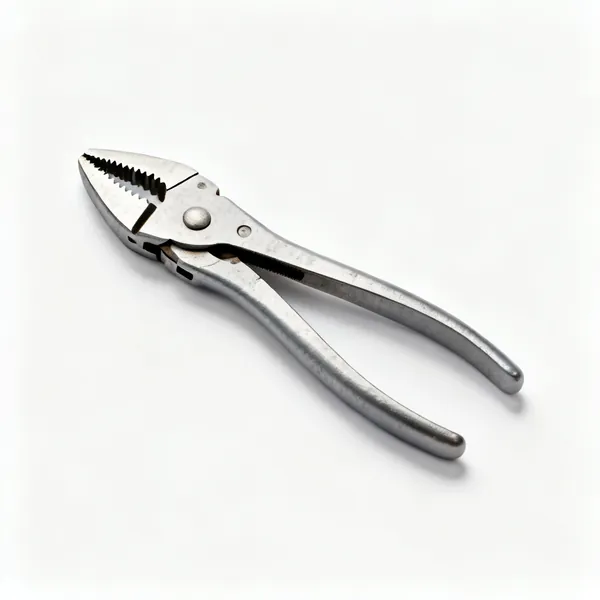
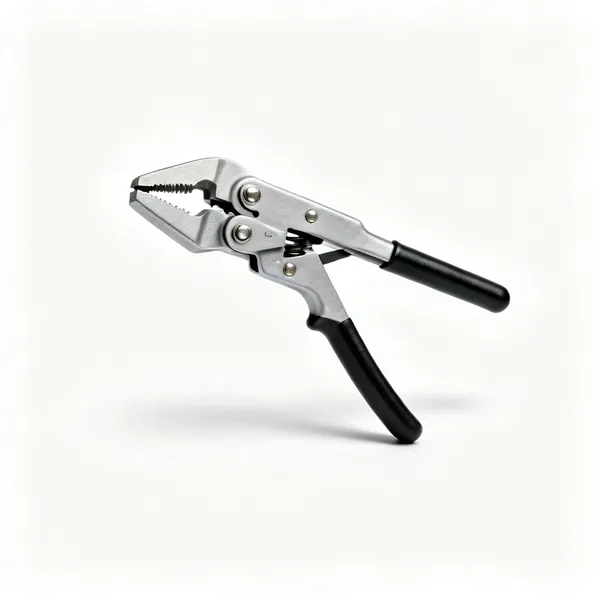
  • A pair of locking pliers with an adjusting screwEssential

    Locking pliers

    Clamp shut with real force, acting as a third hand or gripping a sheared stud. They mark whatever they hold, which on a stud you are removing is fine.

  • Trim clip pliers: A pair of trim clip removal pliers with wide flat jaws

    Trim clip pliers

    Wide flat jaws that pull plastic trim clips without snapping them. Every clip you break is a part order and a rattle.

  • A pair of diagonal wire cuttersEssential

    Wire cutters

    Cutting cable, ties and split pins flush. Hardened jaws, and used for cutting only, since using them as pliers destroys the edge.

Lifting & support 8

The group where cheap tools are dangerous rather than annoying. A jack lifts and a stand supports, and confusing the two is how people are killed.

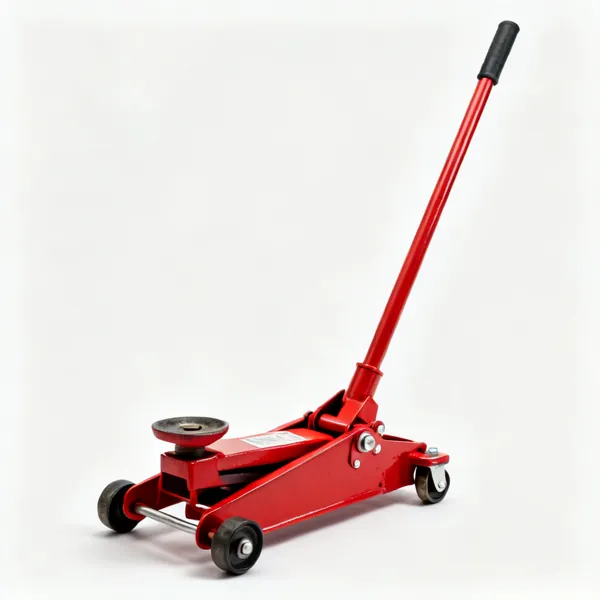
  • A red hydraulic trolley jack with a saddle and long handleEssential

    Trolley jack

    A hydraulic jack on wheels that lifts a corner quickly. It is a lifting device only, never a support, and a rating of two tonnes refers to one corner rather than the car.

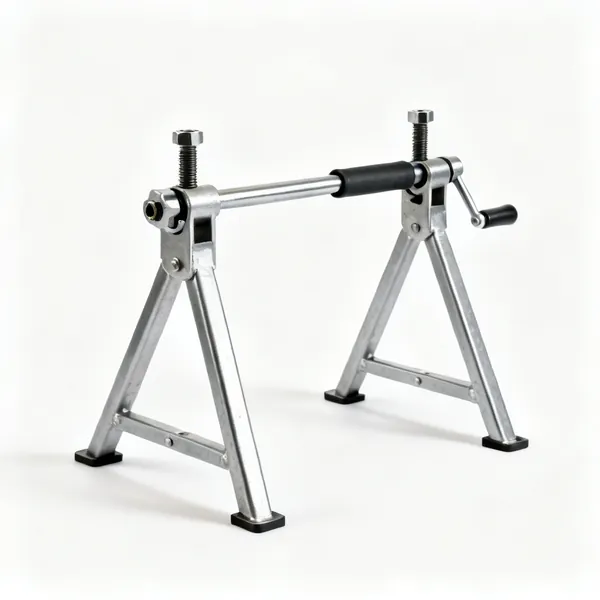
  • A pair of steel axle stands with ratchet postsEssential

    Axle stands

    What actually holds the car once it is lifted. Rated above the corner weight, in pairs, on level solid ground, and shaken before you go underneath.

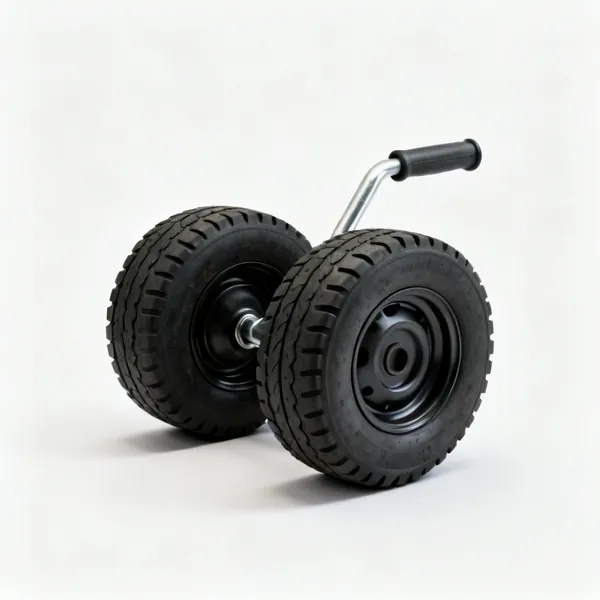
  • A pair of rubber wheel chocksEssential

    Wheel chocks

    Stop the wheels still on the ground from rolling. A car in gear with the handbrake on can still move once an axle is airborne.

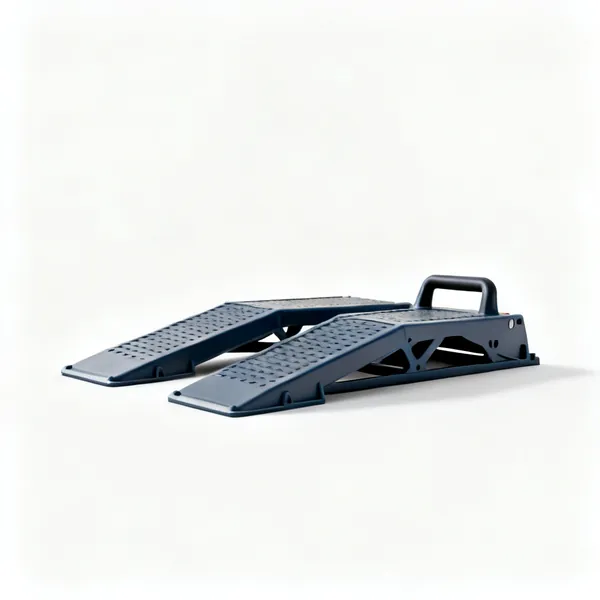
  • Car ramps: A pair of plastic car service ramps

    Car ramps

    Drive up ramps giving quick access for oil changes without jacking. Limited height, and only usable where the front end clears the approach angle.

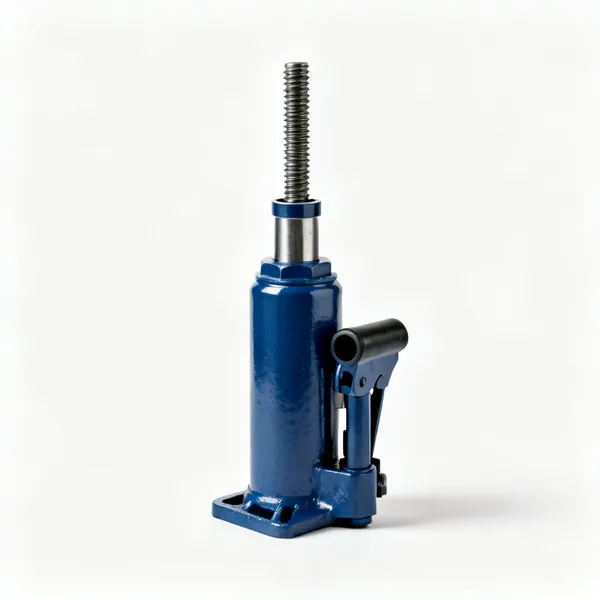
  • A hydraulic bottle jack with a screw extension

    Bottle jack

    Compact and very high capacity for its size, but with a small footprint and a narrow saddle. Good in a boot, less stable than a trolley jack.

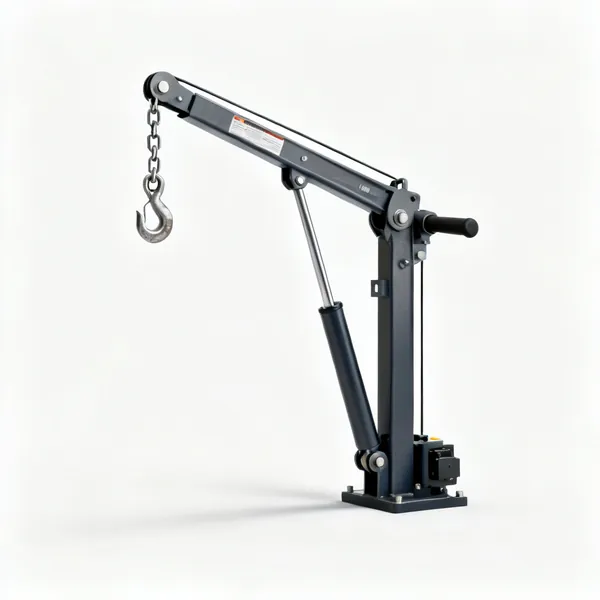
  • A folding hydraulic engine crane with a chain and hook

    Engine crane

    A folding hoist for lifting an engine or gearbox out. Capacity drops sharply as the jib extends, which is the specification people ignore.

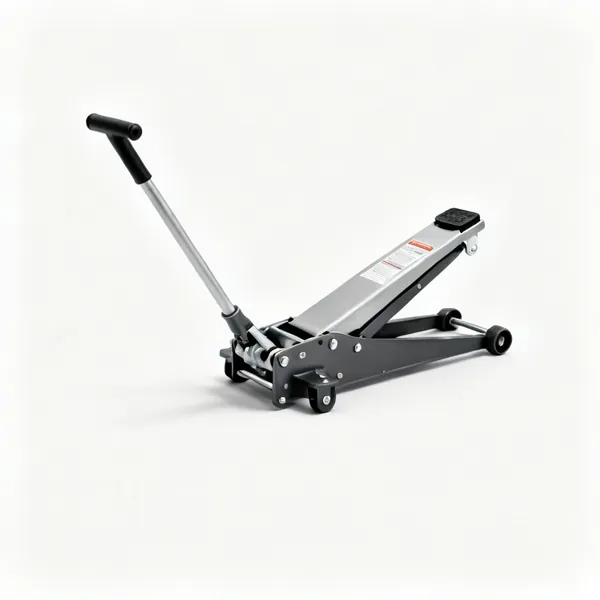
  • A low transmission jack with a tilting cradle

    Transmission jack

    A low jack with a cradle that tilts, for supporting and lowering a gearbox. Doing this on a trolley jack and a plank is how gearboxes get dropped.

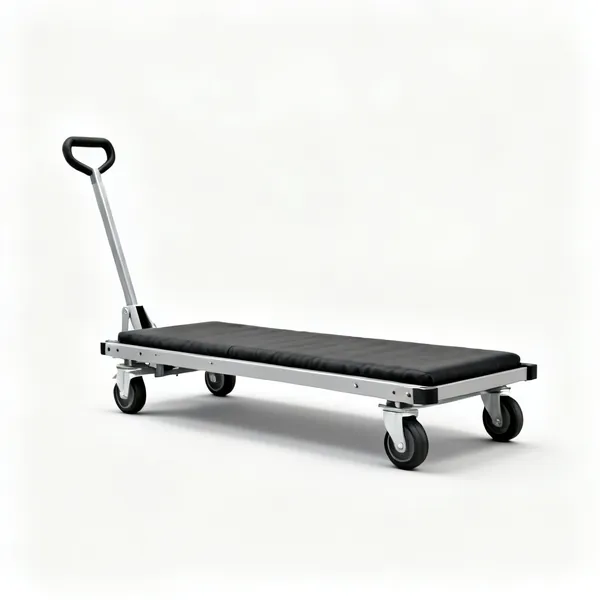
  • A low padded mechanic's creeper board on castors

    Creeper

    A padded board on castors for sliding under a car. Saves your back and keeps you off a cold floor, which matters more than it sounds.

Diagnostics & testing 8

Finding the fault before buying parts. This group costs less than one wrongly guessed component and usually points straight at the problem.

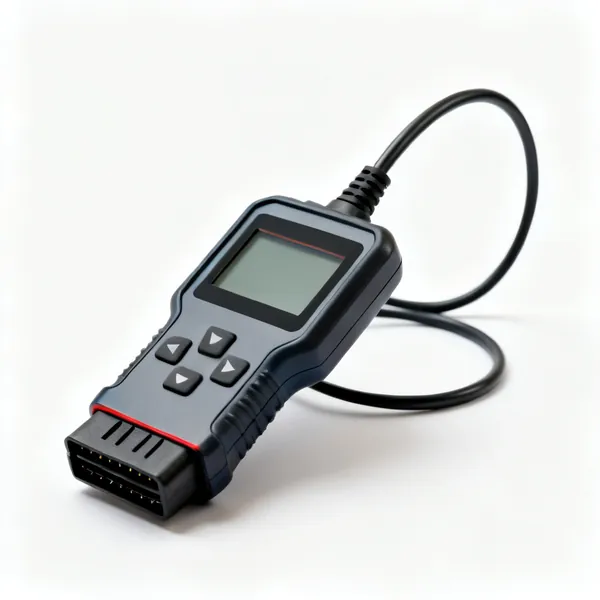
  • OBD scanner: A handheld OBD2 diagnostic scanner with a screen and cableEssential

    OBD scanner

    Reads and clears the fault codes the car has already stored. The best value tool here, and remember a code is a symptom rather than a diagnosis.

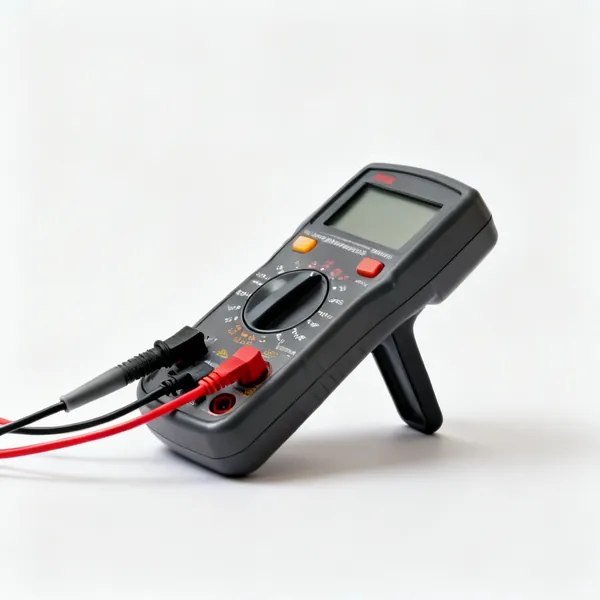
  • A digital multimeter with test leadsEssential

    Multimeter

    Measures voltage, resistance and continuity, which answers most electrical complaints. Test under load, since a bad connection reads perfectly at rest.

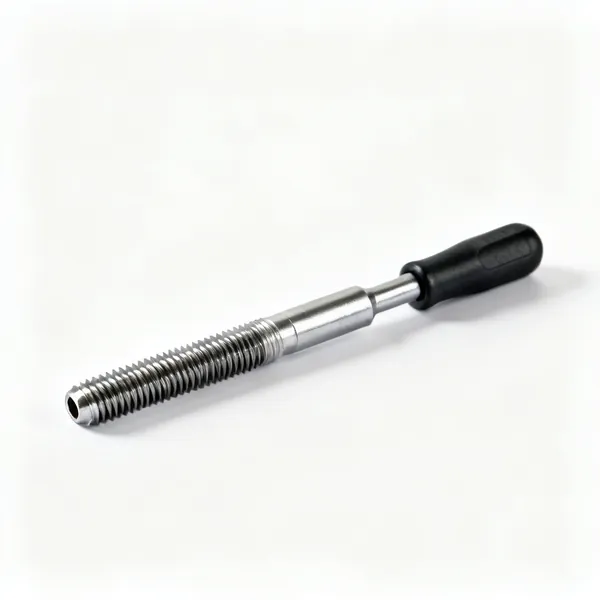
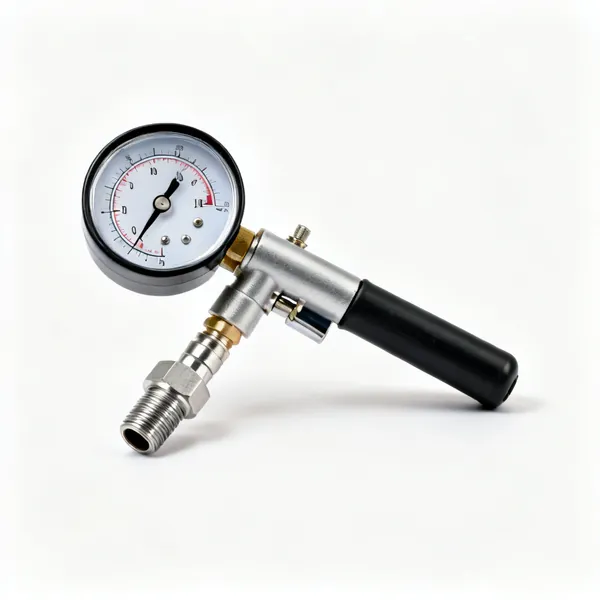
  • A compression tester gauge with a threaded hose adaptor

    Compression tester

    Screws into a plug hole and reads cylinder pressure while cranking. Tells you whether a misfire is mechanical before anything comes apart.
  • An engine vacuum gauge with a hose and dial

    Vacuum gauge

    Reads inlet manifold vacuum, which reveals leaks, valve problems and blocked exhausts from the pattern of the needle. Cheap and old fashioned and still useful.

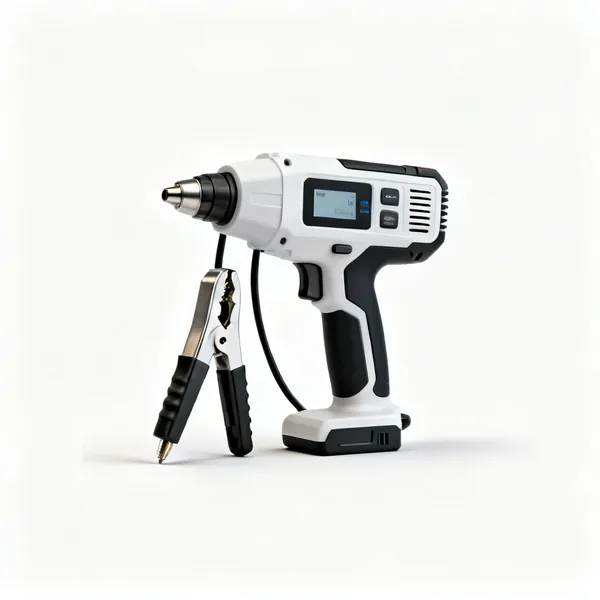
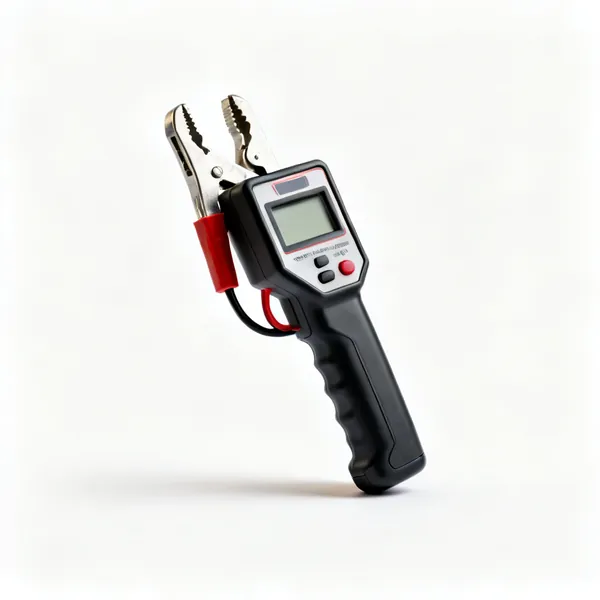
  • Battery tester: A handheld battery load tester with a display and clampsEssential

    Battery tester

    Load tests a battery rather than just reading its voltage. A failing battery shows 12.5 volts at rest and collapses the moment it is asked to crank.

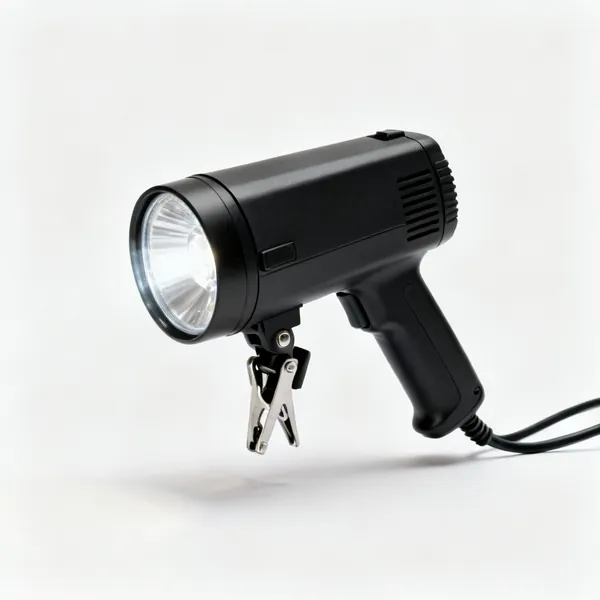
  • A timing light strobe gun with clamp leads

    Timing light

    A strobe that fires with the ignition so you can read timing marks on a running engine. Only relevant on older distributor engines, and essential on those.

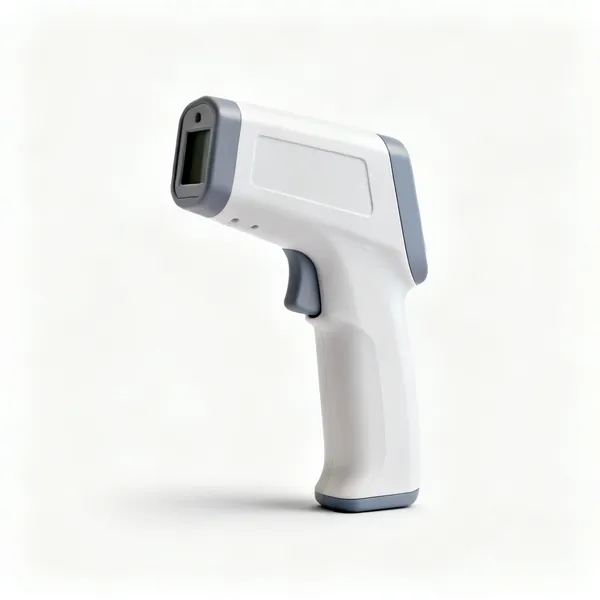
  • A handheld infrared thermometer gun

    Infrared thermometer

    Reads temperature without contact, comparing brake discs, radiator flow and exhaust manifolds. Differences between sides are what diagnose a sticking caliper.

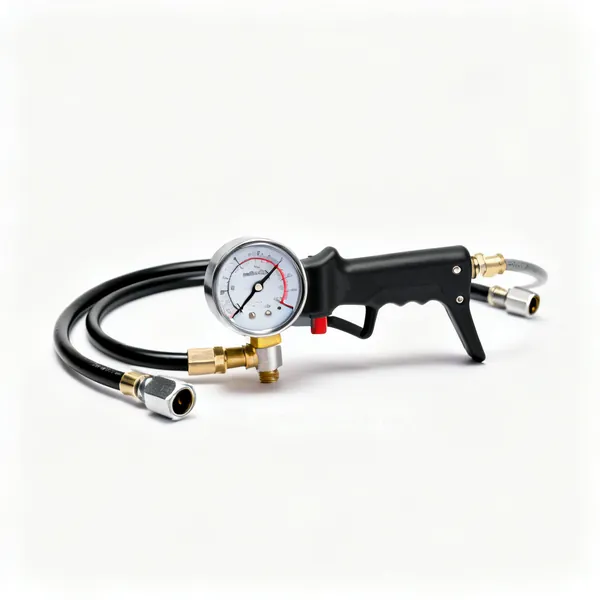
  • Fuel pressure tester: A fuel pressure test gauge with hoses and adaptors

    Fuel pressure tester

    Reads pressure at the rail, which separates a fuel delivery problem from an ignition one. That distinction saves buying parts on both sides.

Engine tools 8

Working inside the engine. Almost everything here is specific and precise, and several are engine specific rather than universal.

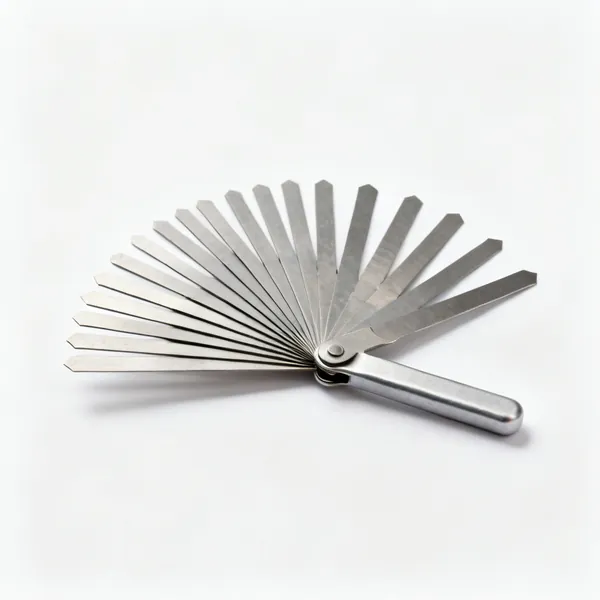
  • Feeler gauges: A fan of steel feeler gauge bladesEssential

    Feeler gauges

    Precisely ground blades for measuring small clearances by finding the one that just fits. Valve clearances, plug gaps and end float.

  • A valve spring compressor tool with a clamp

    Valve spring compressor

    Compresses a valve spring so the collets can be removed. Springs store real energy, so a purpose made tool matters rather than improvisation.

  • A piston ring compressor band with a ratchet

    Piston ring compressor

    Squeezes the rings into their grooves so a piston can enter the bore without snapping one. Doing it by hand breaks rings and scores bores.

  • Piston ring pliers: A pair of piston ring expander pliers

    Piston ring pliers

    Expands a ring just enough to slide over the piston without distorting it. A ring stretched by hand never seals properly again.

  • Timing tools: A set of engine timing locking tools and pins

    Timing tools

    Engine specific locking pins and plates that hold the cams and crank in position during a belt change. Never universal, and getting this wrong destroys the engine.

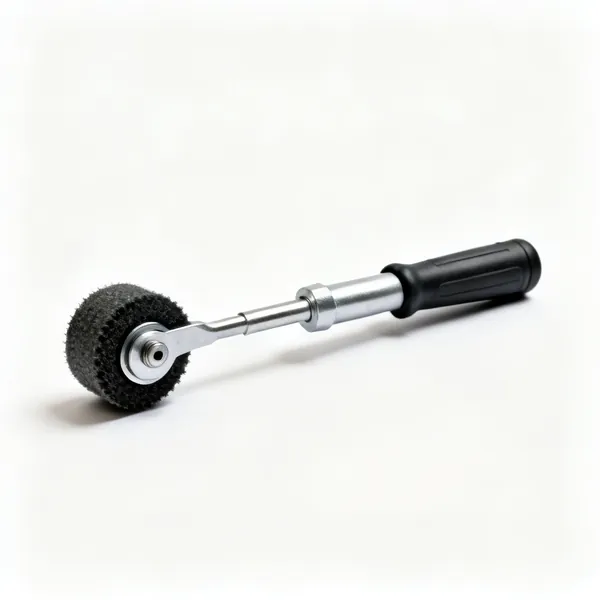
  • A stud extractor tool with an eccentric roller

    Stud extractor

    Grips a sheared stud so it can be turned out. The alternative is drilling and tapping, which is a much longer afternoon.

  • A thread repair kit with inserts, tap and installation tool

    Thread repair kit

    Cuts an oversize thread and fits an insert, rescuing a stripped hole in aluminium. Common on spark plug and sump threads, which strip easily.

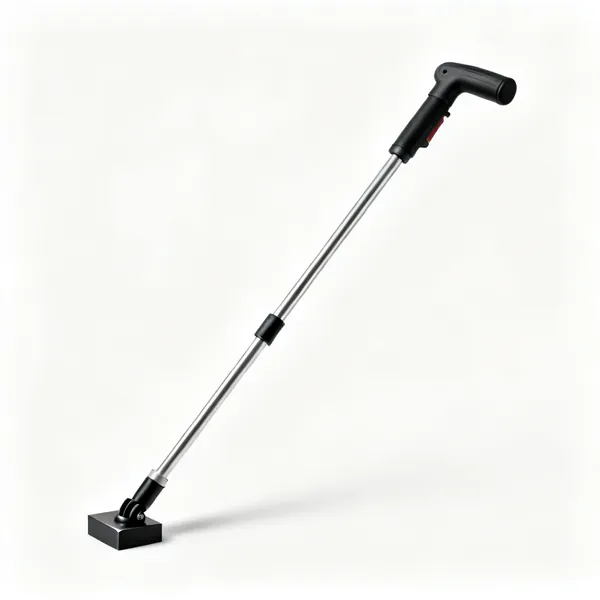
  • A telescopic magnetic pickup toolEssential

    Magnetic pickup tool

    A magnet on a telescopic wand for retrieving whatever has fallen into the engine bay. Used more often than most tools in this group.

Brakes & suspension 8

Safety critical work with several tools that exist because the alternative damages something expensive. Spring compressors deserve real respect.

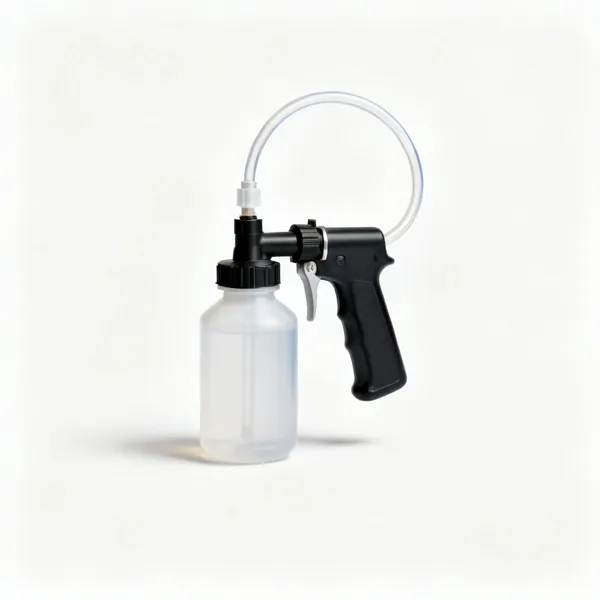
  • A brake bleeding kit with a bottle, tube and one way valveEssential

    Brake bleeding kit

    A one way valve and tube, or a vacuum unit, so you can bleed brakes alone. Air in the system is a soft pedal and a longer stopping distance.

  • Caliper wind back tool: A brake caliper piston wind back tool setEssential

    Caliper wind back tool

    Screws a rear piston back in against its handbrake mechanism, which does not simply push straight back. Forcing it with a clamp wrecks the seal.

  • A brake caliper piston clamp with a screw thread

    Piston clamp

    Pushes a front caliper piston straight back into its bore to fit thicker new pads. Simple, and using a screwdriver instead tears the dust boot.

  • A pair of coil spring compressor clamps with threaded rods

    Coil spring compressor

    Compresses a suspension spring so a strut can be dismantled. The most dangerous item here, since a slip releases all that energy at once. Caged types only.

  • A ball joint separator fork tool

    Ball joint separator

    Forces a tapered joint apart without damaging the boot or the arm. Hitting it with a hammer sometimes works and often ruins the joint.

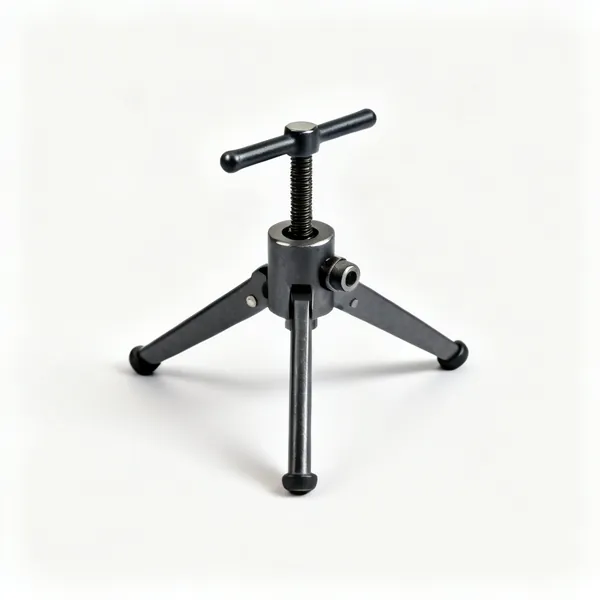
  • A three legged hub puller with a centre screw

    Hub puller

    Draws a seized hub or bearing off its shaft evenly. Levering unevenly bends the flange and ruins the disc mounting face.

  • A brake pipe flaring tool kit with dies

    Brake pipe flaring tool

    Forms the correct double or DIN flare on a new brake pipe end. A wrong flare leaks under pressure, which on brakes is not a small failure.

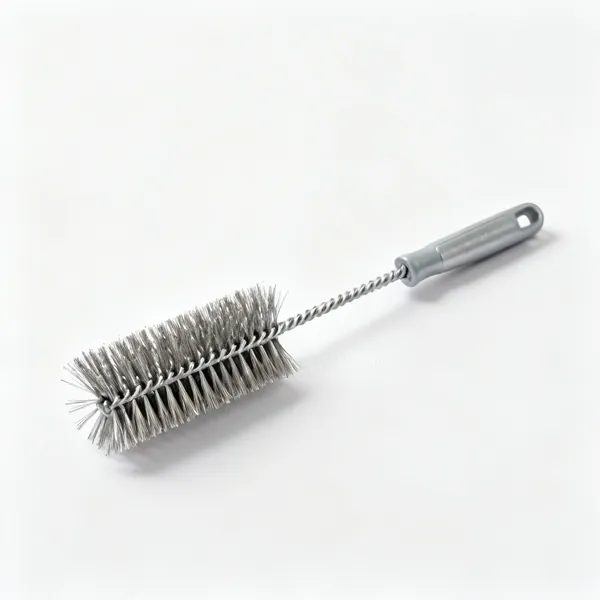
  • A wire brush with steel bristles and a handleEssential

    Wire brush

    Cleans corrosion off hub faces and caliper carriers. A disc mounted on a rusty hub sits at an angle and pulses under braking.

Body & trim 6

Panels, plastics and the clips that hold them. Most of these are about not breaking the part you are removing.

  • A set of plastic trim removal tools in various shapesEssential

    Trim removal tools

    Nylon wedges and forks that pop clips and lever panels without marking or cracking them. A screwdriver leaves a permanent scar every time.

  • Panel hammer: A panel beating hammer with a smooth round face

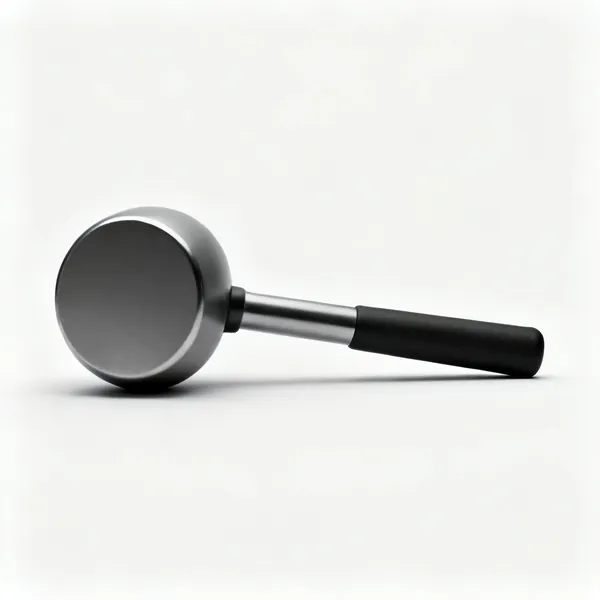
    Panel hammer

    A light hammer with a smooth face for working sheet metal back to shape, used against a dolly rather than against nothing.

  • A curved steel panel beating dolly block

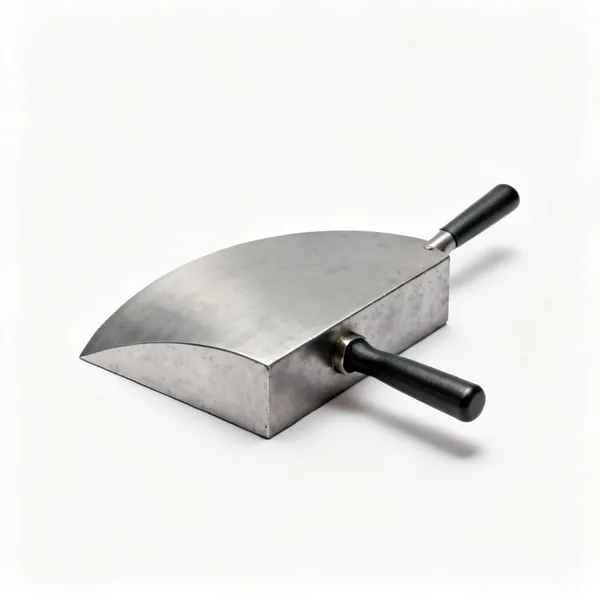
    Dolly

    A shaped steel block held behind the panel so the hammer works metal against it. Without a dolly you are stretching the panel rather than shaping it.

  • A dent puller with glue tabs and a bridge

    Dent puller

    Glue tabs or a suction cup that pull a shallow dent out from the front, with no paint damage. Only works where the paint is unbroken.

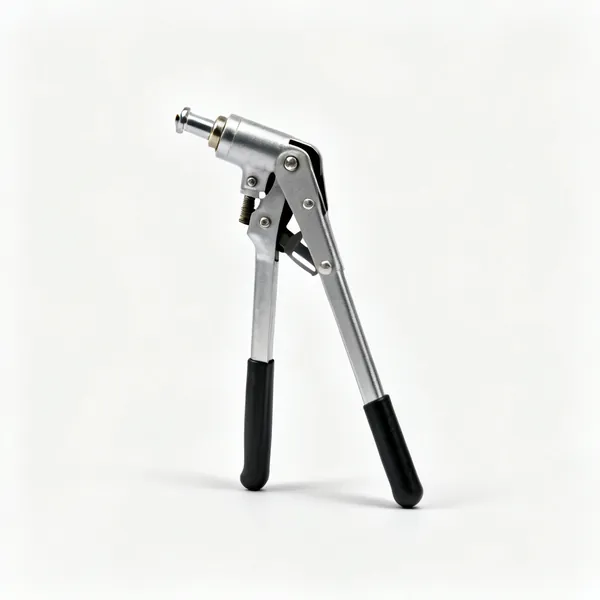
  • A hand pop rivet gun with long handles

    Rivet gun

    Sets blind rivets in panels and brackets from one side only. Common on repair panels and undertrays where nothing can reach behind.

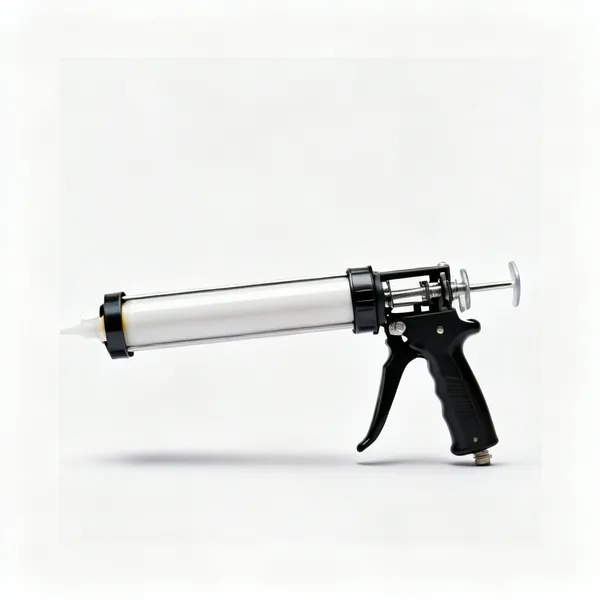
  • Seam sealer gun: A cartridge gun with body seam sealant

    Seam sealer gun

    Applies body seam sealant along joints to keep water out after a repair. Skipping it is why a repaired panel rusts from behind within two years.

Servicing & fluids 8

The routine jobs that make up most home mechanics. All cheap, and all of them stop a service becoming a mess.

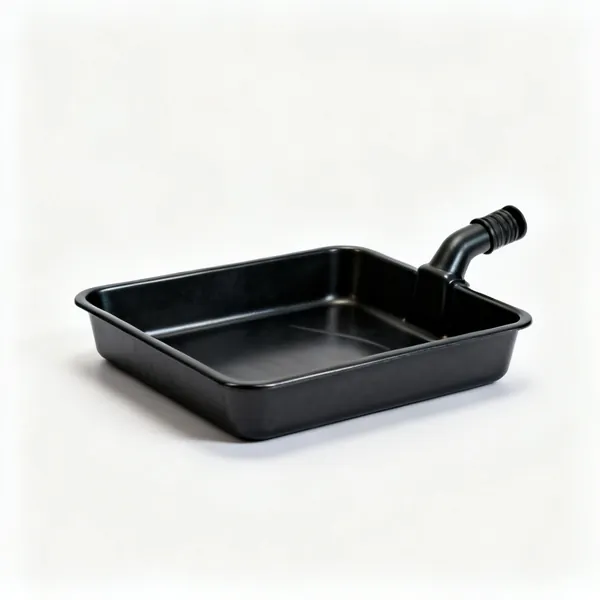
  • A low black plastic oil drain pan with a spoutEssential

    Oil drain pan

    A low wide pan that fits under a sump with the car on stands. Look for one with a sealed cap so you can carry the old oil to be recycled.

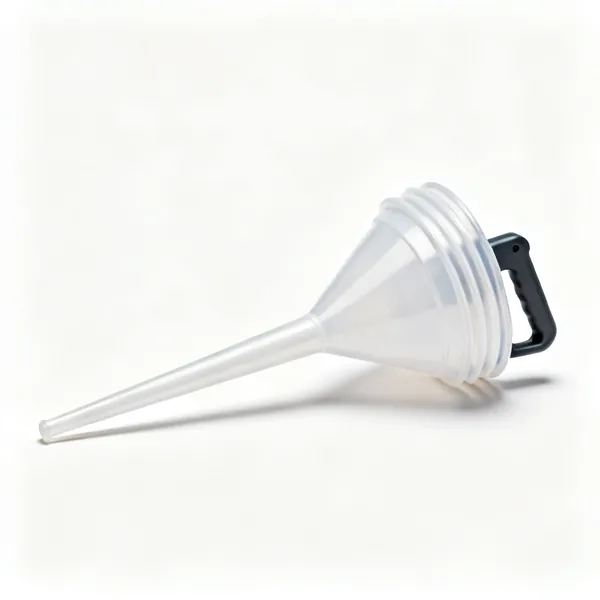
  • Funnel set: A set of plastic automotive funnels with long necksEssential

    Funnel set

    Long necked funnels for oil, coolant and gearbox fills where the opening is behind something. Cheap, and the alternative is oil down the engine.

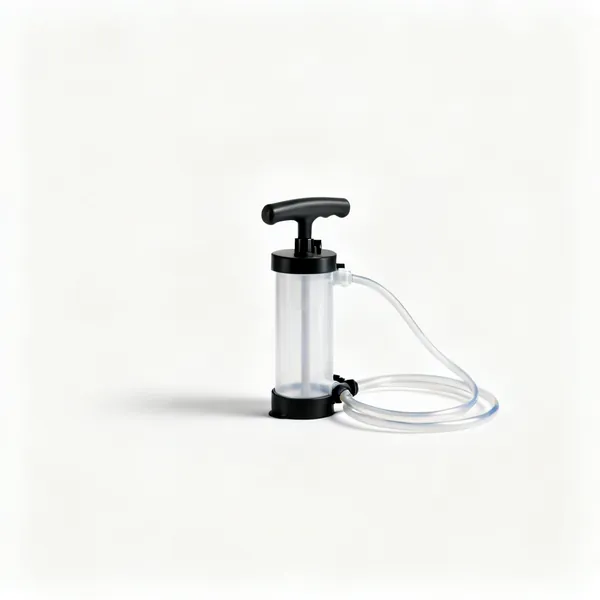
  • A manual vacuum fluid extractor pump with tubes

    Fluid extractor

    A hand pump that draws fluid out through the dipstick tube or filler, so you do not have to get underneath at all.

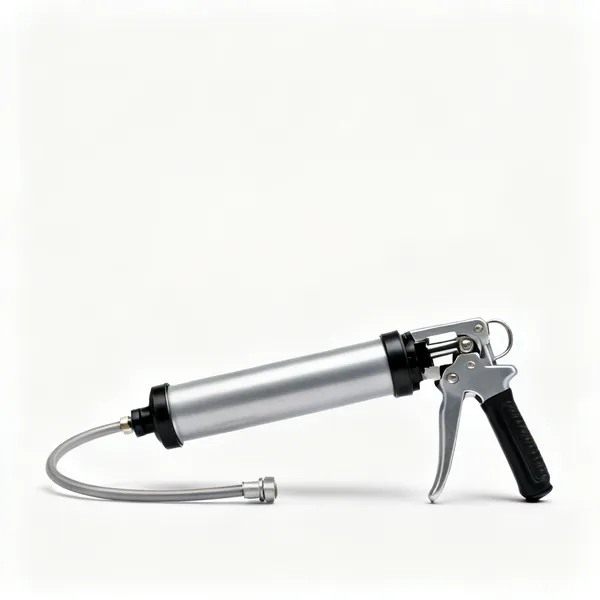
  • A lever action grease gun with a flexible hose

    Grease gun

    Forces grease into a fitting under pressure. Still relevant for trailers, older vehicles, prop shafts and workshop equipment.

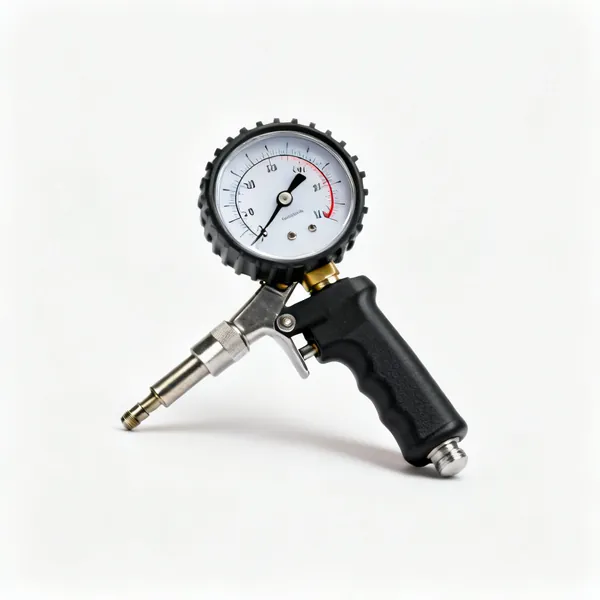
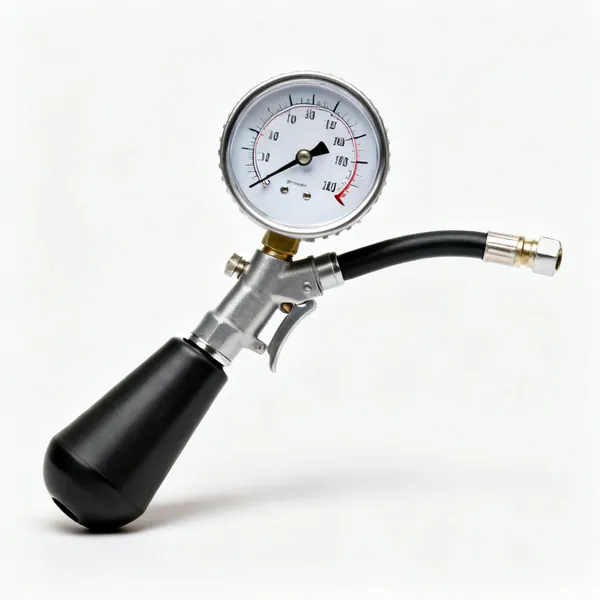
  • A dial tyre pressure gauge with a chuckEssential

    Tyre pressure gauge

    Forecourt gauges are frequently inaccurate, and pressure affects grip, wear and fuel use more than most people assume. Own one and check cold.

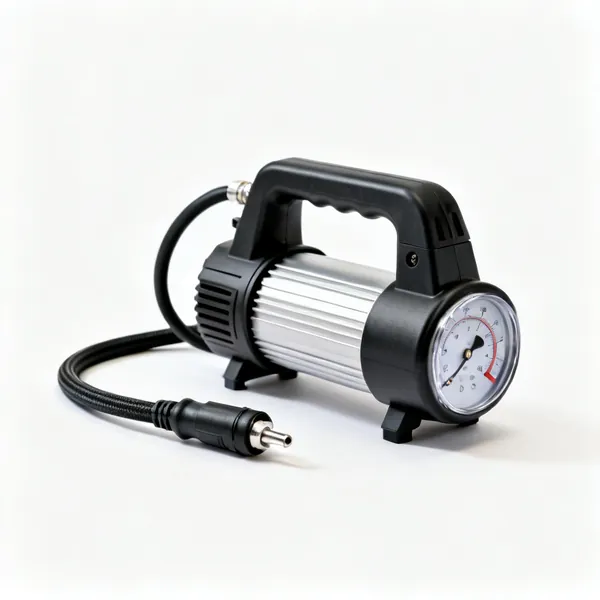
  • A portable 12V tyre inflator with a hose and gaugeEssential

    Tyre inflator

    A compressor that runs from the car or the mains. Also finds a slow puncture, because a tyre that needs weekly air has a leak rather than a habit.

  • A smart battery charger with clamps and a displayEssential

    Battery charger

    A smart charger that conditions rather than just pushes current. A car used for short trips never fully charges, and that is what kills batteries early.

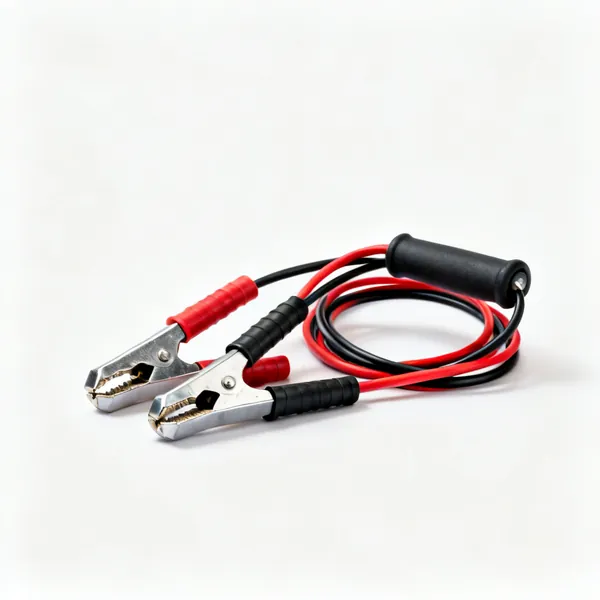
  • Jump leads or booster: A pair of heavy duty jump leads with clampsEssential

    Jump leads or booster

    Heavy leads or a lithium booster pack. Thin cheap leads have too much resistance to crank a cold engine, which is the moment you need them.

Safety & workshop 6

Cars are heavy, hot, sharp and full of things under pressure. Everything here addresses one of those.

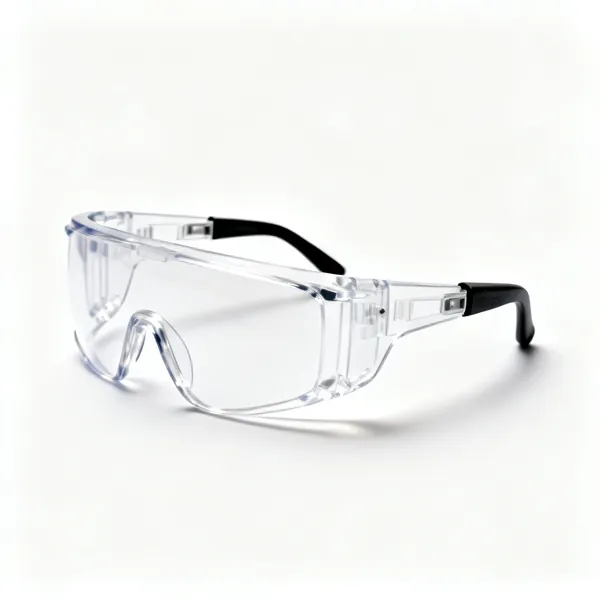
  • A pair of clear safety glasses with side shieldsEssential

    Safety glasses

    Rust, brake dust and released fluid all travel upwards when you are under a car. Also the only protection when a seized bolt finally lets go.

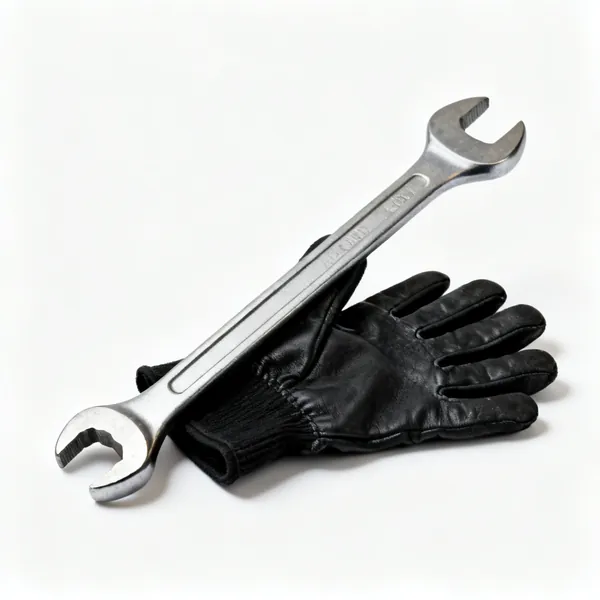
  • A pair of black mechanic's glovesEssential

    Mechanic's gloves

    Grip and protection from hot, sharp and filthy. Nitrile disposables for fluid work, since used engine oil is a genuine skin hazard rather than just dirty.

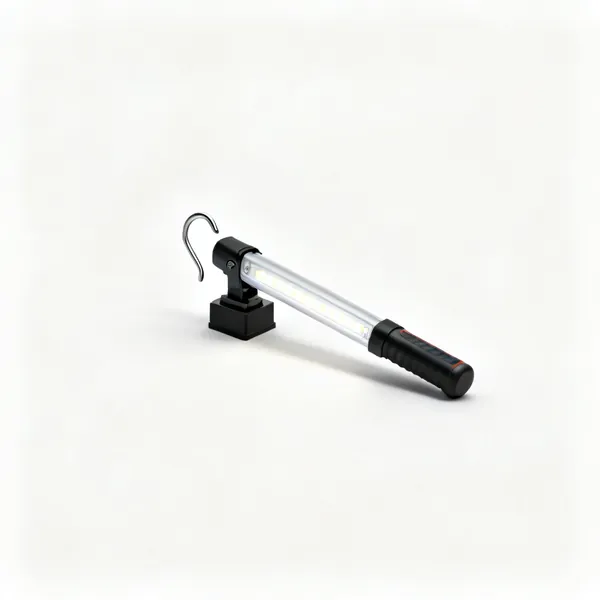
  • Inspection light: A slim LED inspection work light with a magnetic hookEssential

    Inspection light

    A slim rechargeable light that hooks or magnets where you need it. Under a bonnet or a car, light is the difference between diagnosing and guessing.

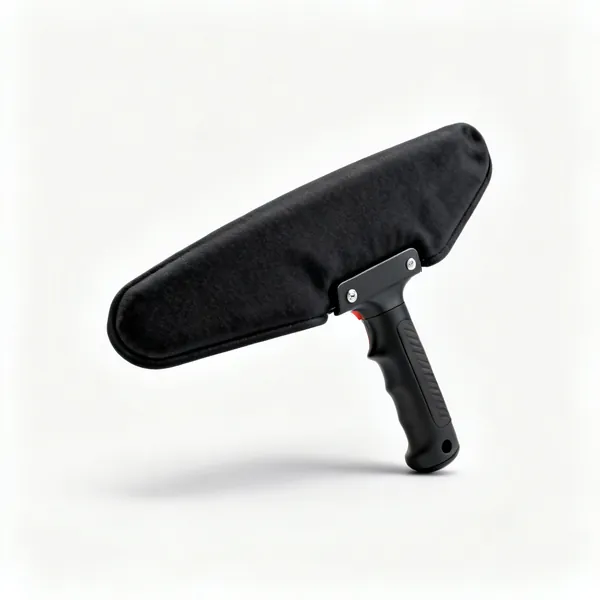
  • Wing cover: A padded magnetic fender wing protection cover

    Wing cover

    A padded magnetic mat over the wing so tools and belt buckles do not scratch the paint while you lean into the engine bay.

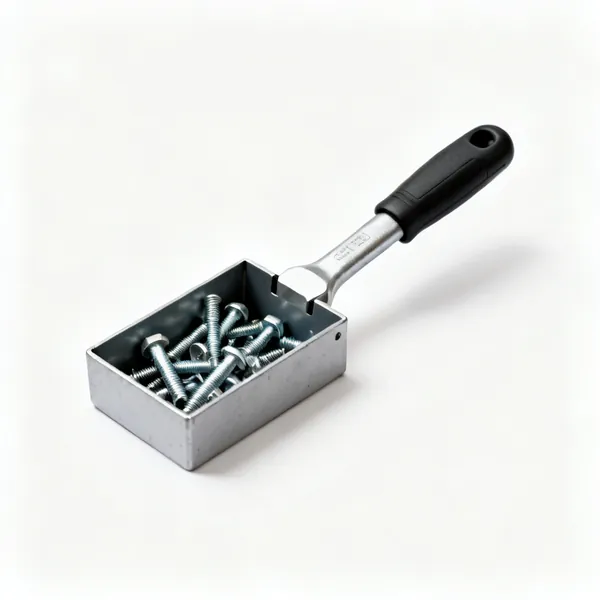
  • A magnetic parts tray with bolts in itEssential

    Magnetic parts tray

    Holds every bolt you remove where it cannot roll away. The cheapest item here and the one that saves the most time on reassembly.

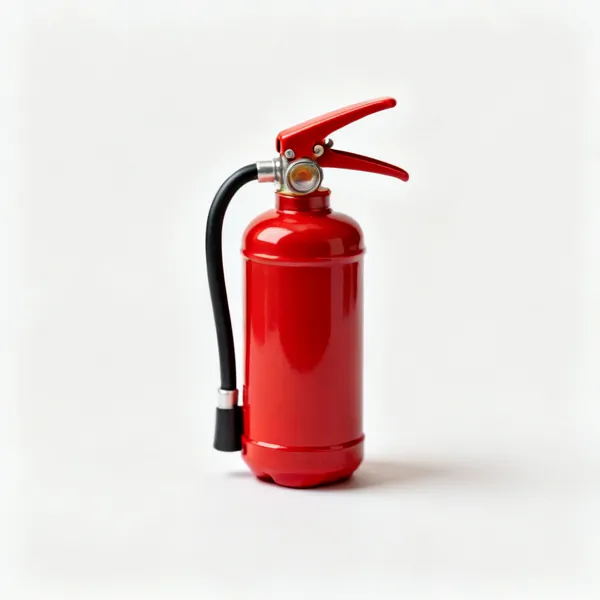
  • A small red fire extinguisherEssential

    Fire extinguisher

    Fuel, oil and electrical faults in one enclosed space. A dry powder or CO2 unit within reach whenever you work on fuel or wiring.

Choosing mechanic tools

The list above is what exists. This is what to buy first, and the two pieces of kit where buying cheap is genuinely dangerous rather than just annoying.

Where buying cheap is actually dangerous

Most tools on this page fail annoyingly. Two fail catastrophically, and they are the two that hold a car above you. A jack is a lifting device and not a supporting one: hydraulics leak, seals fail, and a jack that has held for an hour can drop in a second.

So the rule is absolute. Lift with the jack, then transfer the load onto axle stands rated above the weight, on level solid ground, with the wheels chocked. Never go under a car held only by a jack, and never trust a stand on tarmac in summer or on a slope.

Axle stands, always, in pairs
Rated well above the corner weight you are lifting. Set them on the manufacturer's jacking points, and shake the car before you go anywhere near it.
Chock the wheels still on the ground
A car in gear with the handbrake on can still roll once one axle is airborne. Chocks cost very little.
Check the jack's rating against the car
A two tonne jack is not lifting a whole car, it is lifting one corner. Loaded near its limit, a cheap jack creeps down.
Torque wrenches are safety kit too
Wheel nuts, brake calipers and suspension bolts all have specified torques. Guessing produces either a sheared bolt or a wheel that comes loose.

How to choose sockets and spanners

This is where most of the money goes and where quality is easiest to judge. The failure mode is always the same: the tool rounds the fastener, and then no tool will grip it.

Six point beats twelve point on tight fasteners
Six point sockets grip the flats. Twelve point grip nearer the corners and are far more likely to round a seized nut, in exchange for fitting at more angles.
Match the drive size to the job
Quarter inch for small fasteners and interior trim, three eighths for most engine work, half inch for suspension and wheels. Using a small drive on a big bolt breaks the ratchet.
Never use chrome sockets on an impact gun
Chrome vanadium is hardened to resist wear and shatters under impact. Impact sockets are softer, thicker and black for a reason.
Flare nut spanners for brake lines
An open spanner rounds a brake union almost immediately. A flare nut spanner wraps five of the six flats, and brake lines are not something to improvise on.
Buy a set, then buy singles
Unlike most trades, a socket set genuinely makes sense here because you need the whole range. Then replace the three sizes you use constantly with better ones.
Deep and shallow are not interchangeable
A shallow socket will not reach a nut on a long stud, and a deep one wobbles where clearance is tight. Sets that include both are worth the difference.

Diagnose before you dismantle

The single most expensive habit in home mechanics is replacing parts to see whether it helps. A basic diagnostic kit costs less than one wrongly guessed component and usually points straight at the fault.

An OBD reader tells you what the car has already noticed. A multimeter tells you whether a circuit is doing what the wiring diagram says. Between them they answer most electrical complaints without a single spanner.

Read the codes first, always
Even a cheap reader gives you a starting point and clears the guesswork. A stored code is the car telling you what it saw.
A code is a symptom, not a diagnosis
A sensor code frequently means a wiring or vacuum fault rather than a dead sensor. Replacing the named part is why people fit three sensors and still have the fault.
Test under load
Batteries, alternators and connections all read fine at rest and fail when asked for current. A clamp meter or a load test shows what a voltage reading hides.
Compression and vacuum before internals
Both are cheap and both tell you whether the problem is mechanical before anything comes apart.
What to buy first, in order

Stage one: service and wheels
A socket set with a ratchet and extensions, combination spanners, a torque wrench, a trolley jack, two axle stands and chocks. An oil filter wrench, a drain pan and a funnel. That covers a full service and a wheel change safely.
Stage two: brakes and diagnosis
An OBD reader and a multimeter. A brake bleeding kit and a caliper wind back tool. Flare nut spanners. Pliers, including circlip and hose clamp types. A breaker bar for whatever the last person overtightened.
Stage three: specialised and heavy
Impact wrench and impact sockets. Ball joint separator and hub puller. Spring compressors, which are the other genuinely dangerous item and often better hired. Timing tools for your specific engine, since they are never universal.

Mistakes that cost money

Going under a car on a jack
The mistake that kills people. Hydraulics fail without warning, and there is no second chance to reconsider.
Chrome sockets on an impact gun
They shatter, at speed, in your hand. Impact sockets exist specifically because the metallurgy has to be different.
Guessing torque on wheel nuts
Undertightened and a wheel works loose, overtightened and you stretch the stud or warp the disc. A torque wrench costs less than one wheel stud replacement.
Open spanners on brake unions
They round instantly, and then the line has to be cut and remade. A flare nut spanner is a few pounds.
Reusing stretch bolts
Torque to yield bolts on heads and big ends are designed to deform once. Reused, they fail, and the failure is expensive and sudden.
Replacing parts to diagnose
Cheaper to buy a reader and a multimeter once than to fit two sensors that were never the problem.

Looking after mechanic tools

Wipe oil off before storing
Old oil holds grit and water. A wiped socket set is a socket set you can still read the sizes on in five years.
Do not extend a torque wrench
A bar on the handle changes the reading completely, so the wrench is now lying to you. Use a breaker bar for undoing and the torque wrench only for tightening.
Wind torque wrenches back to zero
Storing one under spring tension slowly changes its calibration. Back it off after every use, and get it checked occasionally.
Keep sockets in a rail rather than a drawer
Loose sockets rolling in a drawer are how you lose the three sizes you use most.
Bleed and check the jack annually
Air in the hydraulics makes a jack spongy and unpredictable. If it creeps down under load, it is finished, not tired.

Frequently asked questions

What mechanic tools do I need to start?
A socket set with ratchet and extensions, combination spanners, a torque wrench, a trolley jack, two axle stands and wheel chocks, plus an oil filter wrench, drain pan and funnel. That covers a full service and a safe wheel change.
What is the difference between mechanic tools and automotive tools?
Nothing. They are two names for the same thing, and both terms are widely searched. Automotive is more common in the trade and in North America, mechanic more common in everyday use.
Can I use a jack to hold the car while I work under it?
No. A jack lifts, axle stands support. Hydraulic seals fail without warning and a jack that held for an hour can drop in a second. Lift, transfer the load to rated stands on level ground, chock the wheels, and shake the car before going near it.
Why can't I use normal sockets on an impact wrench?
Chrome sockets are hardened to resist wear, which makes them brittle under sudden impact, and they shatter. Impact sockets are made from a softer, tougher alloy with thicker walls, which is why they are black rather than chrome.
What is the difference between six point and twelve point sockets?
Six point sockets grip the flat faces of a fastener, so they are far less likely to round a tight or corroded one. Twelve point sockets fit on at twice as many angles, which helps in tight spaces, at the cost of gripping nearer the corners.
Do I really need a torque wrench?
Yes. Wheel nuts, brake components and suspension bolts all have specified torques, and both undertightening and overtightening cause failures that are dangerous rather than inconvenient. It is safety equipment as much as a tool.
What socket drive size should I buy?
Three eighths inch covers most engine and general work. Add quarter inch for small fasteners and interior trim, and half inch for suspension and wheel nuts. Using a small drive on a large bolt breaks the ratchet rather than the bolt.
Is a cheap OBD reader any good?
For reading and clearing fault codes, yes, and it is the single best value tool here. Cheap readers do not give live data or manufacturer specific codes, which is where a better one earns its money if you are diagnosing regularly.
Why did my brake union round off?
Almost certainly an open spanner. Brake unions are soft and thin walled, and an open jaw grips only two flats. A flare nut spanner wraps five of the six and is the correct tool for any brake or fuel line.
Can I reuse cylinder head bolts?
Usually not. Most modern heads use torque to yield bolts designed to stretch permanently once, so reusing them risks a failure under load. Check the manual for your engine, and if it specifies replacement, replace them.
What is a caliper wind back tool for?
Retracting the piston on a rear caliper that uses the handbrake mechanism, which screws in rather than pushing straight back. Forcing it with a clamp damages the mechanism and the seal.
Are spring compressors safe to use at home?
They are the other genuinely dangerous item here. A coil spring stores enormous energy and a slipping compressor releases all of it at once. Use proper caged compressors, or hire the job out. Many people who do their own suspension still do not do this part.