- What baking tools do I need to start?
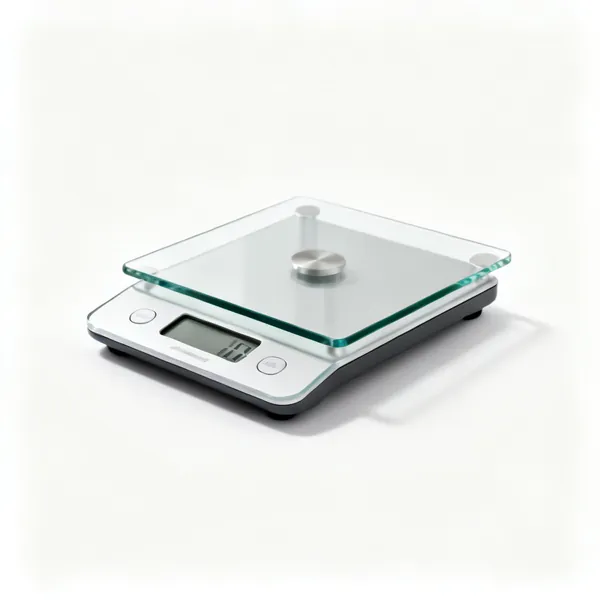
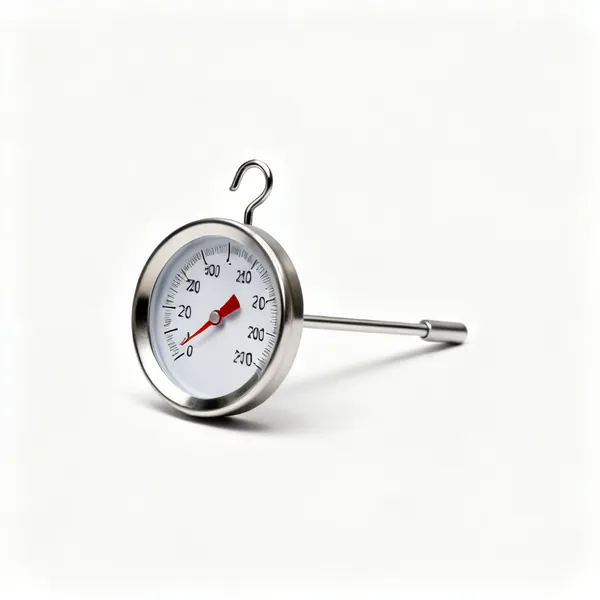
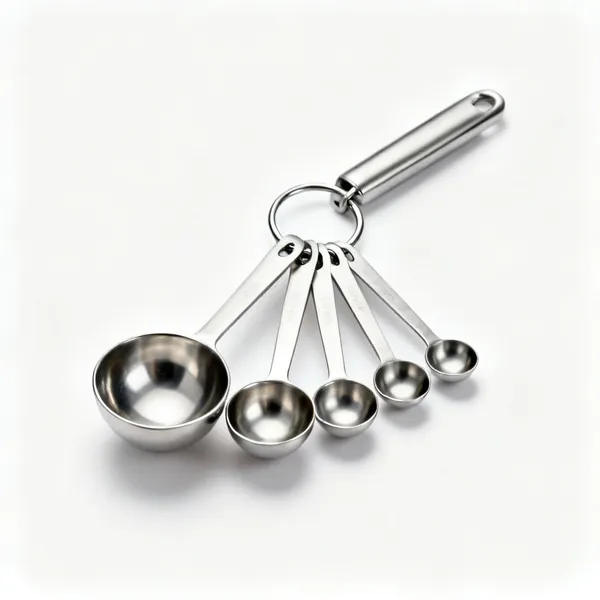
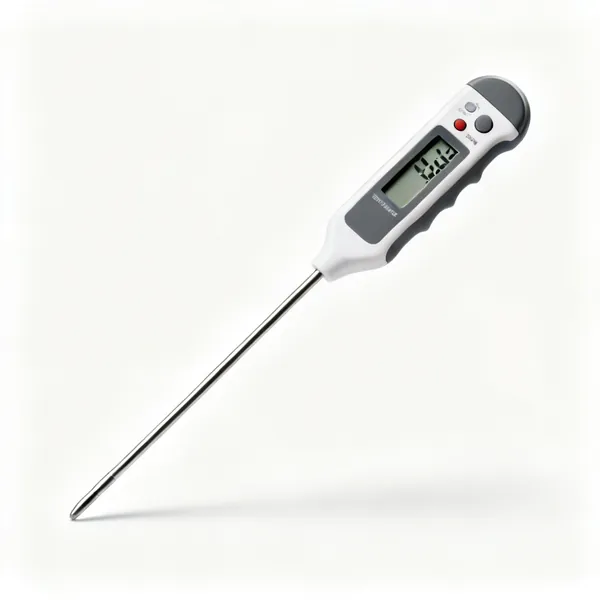
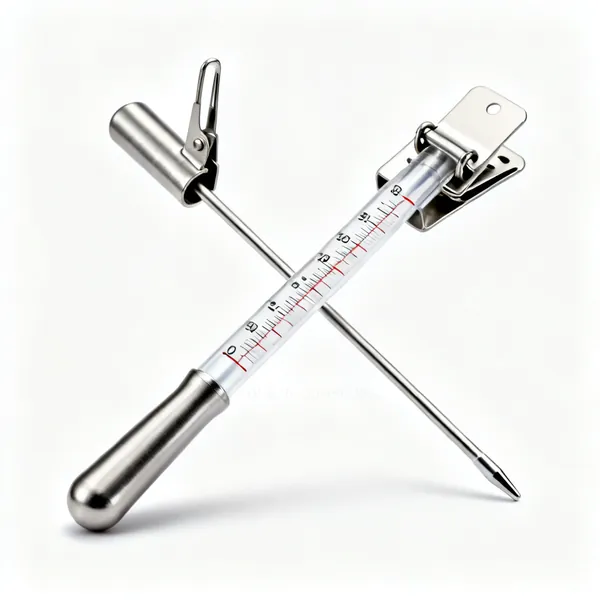
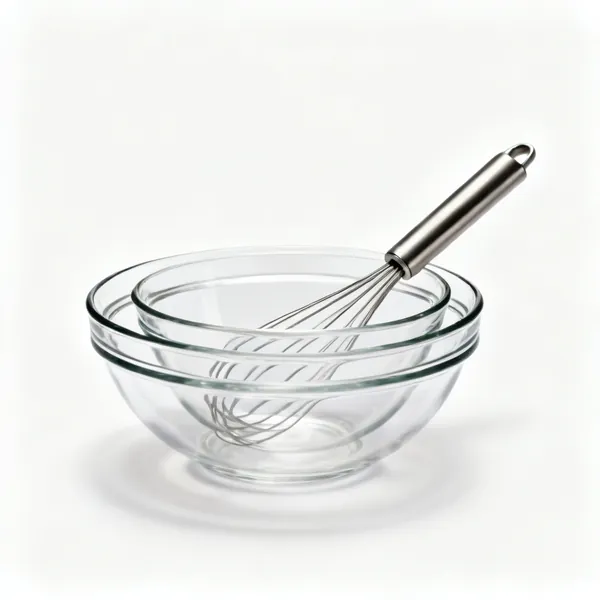
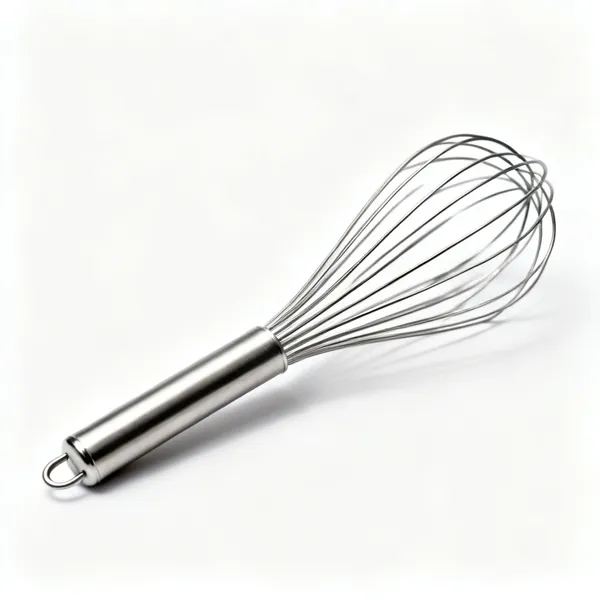
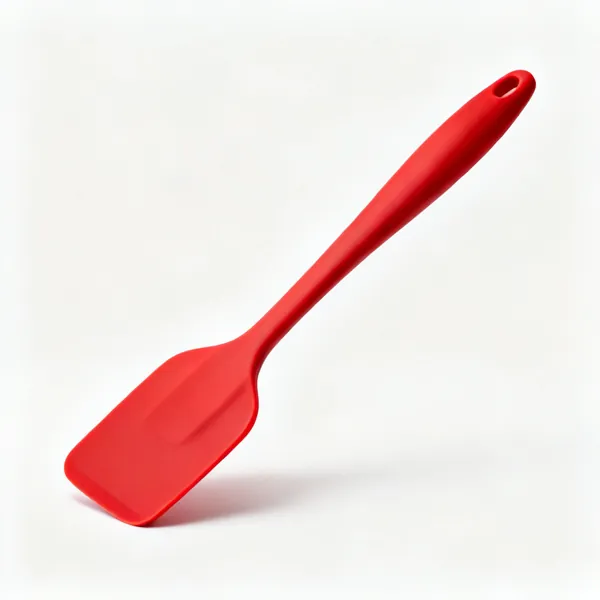
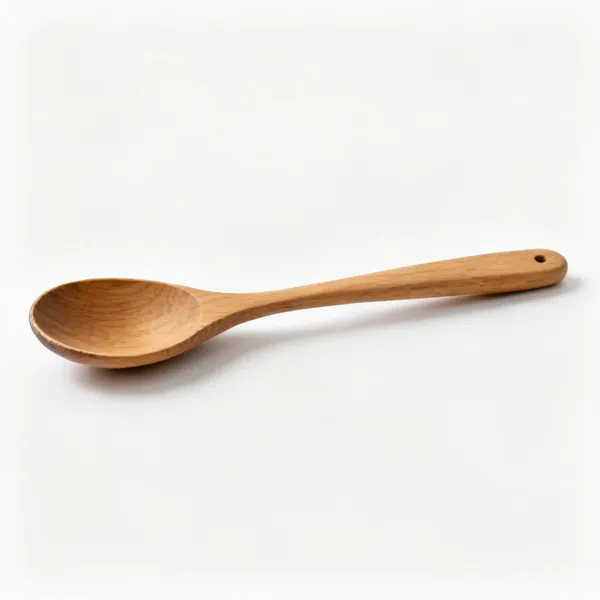
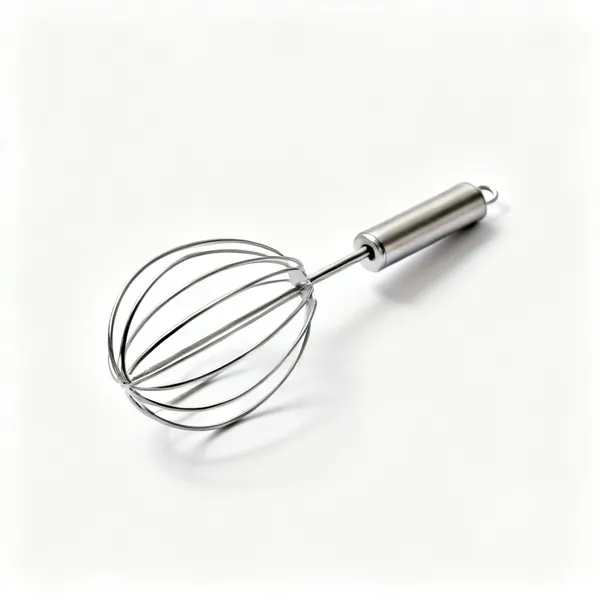
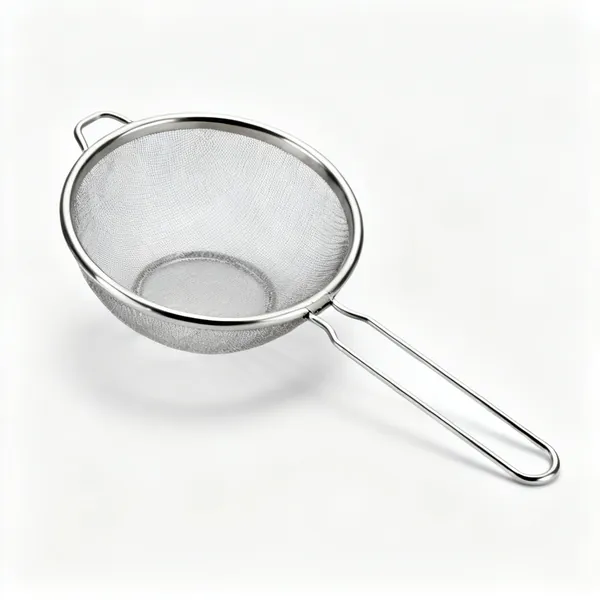
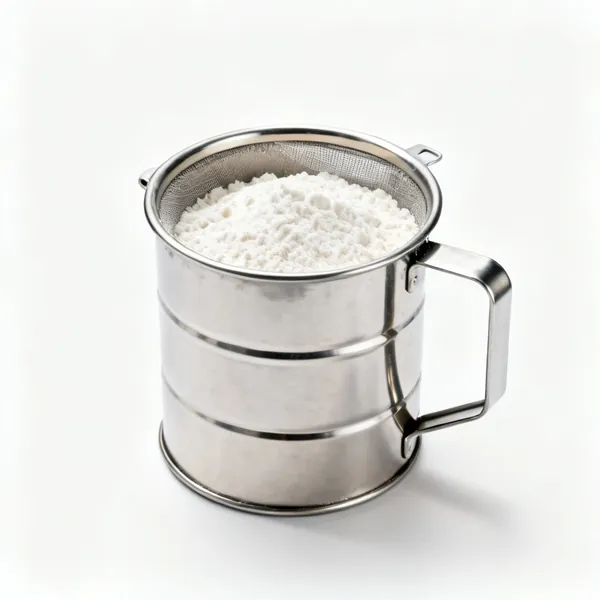
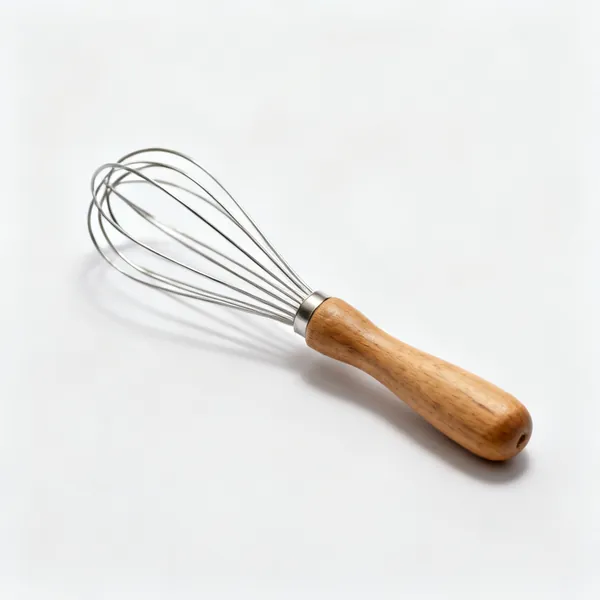
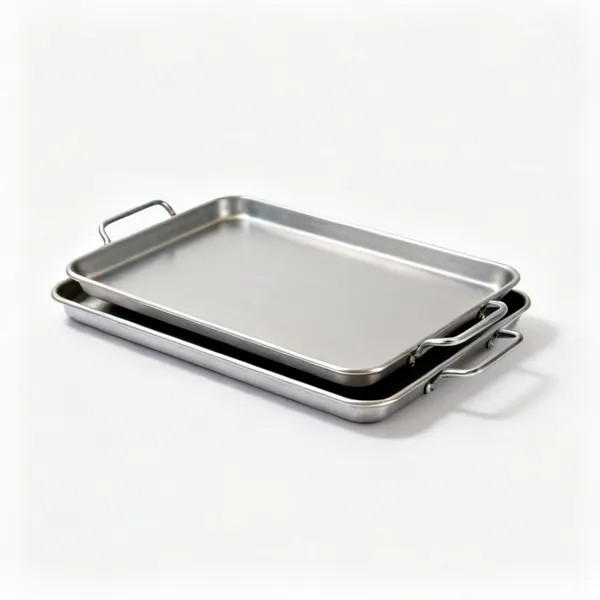
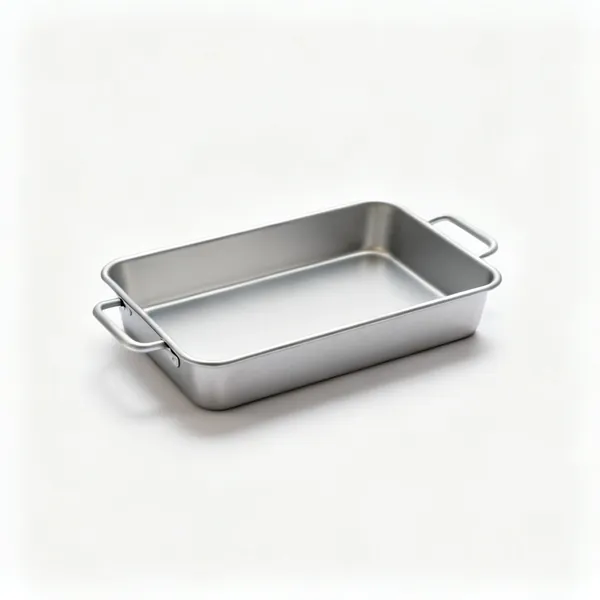
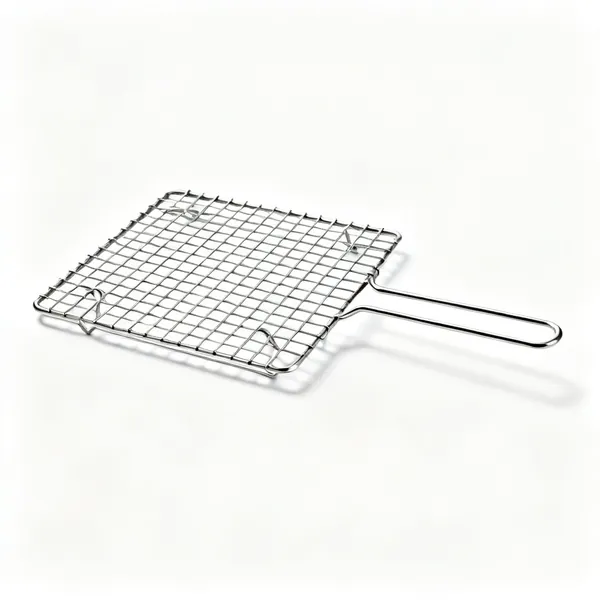
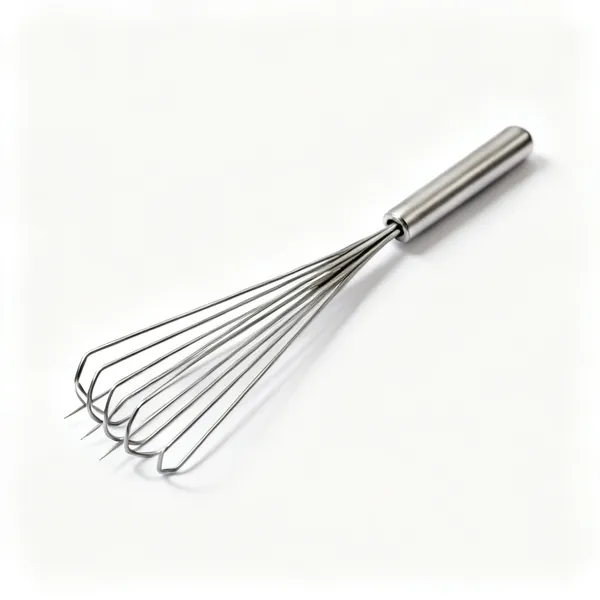
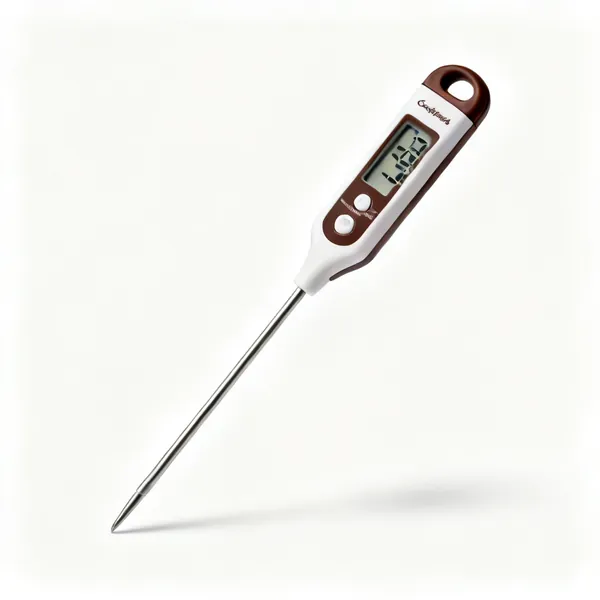
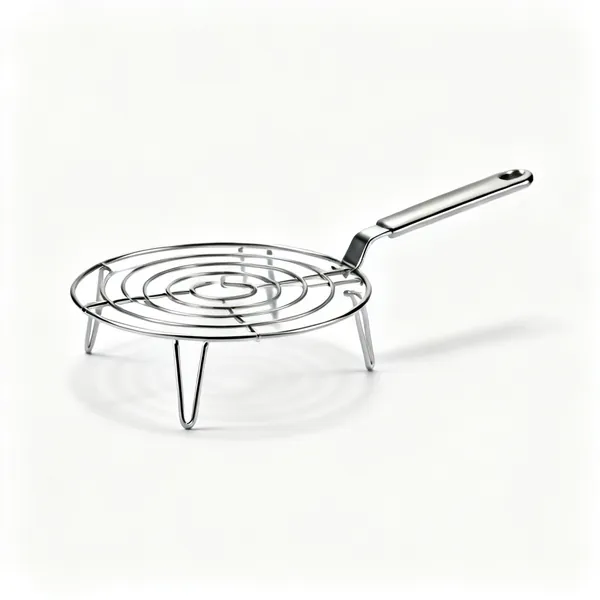
- Digital scales, a mixing bowl, a wooden spoon, a balloon whisk, a silicone spatula, a sieve, measuring spoons, two baking trays and a cooling rack. Add an oven thermometer, because it costs very little and fixes more problems than any other purchase.
- Are digital scales really better than cups?
- Yes, and it is the biggest single improvement you can make. Cups measure volume, and a cup of flour varies by up to a fifth depending on how it was filled. That difference is enough to turn a good cake dry.
- Do I need an oven thermometer?
- If your bakes come out consistently over or under done, almost certainly. Oven dials are frequently out by twenty or thirty degrees and drift as the oven ages. A thermometer left on the shelf tells you the real temperature.
- What is the difference between baking tools and general kitchen tools?
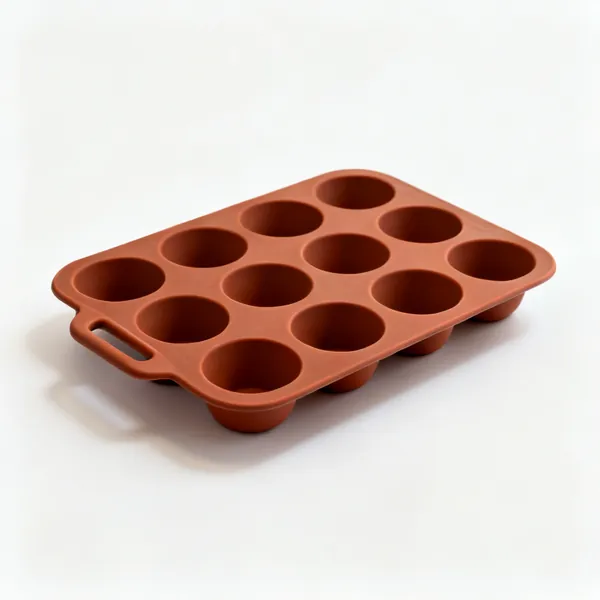
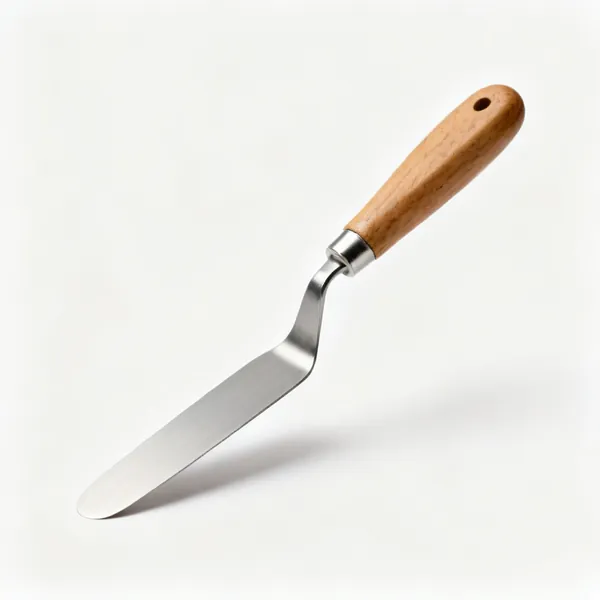
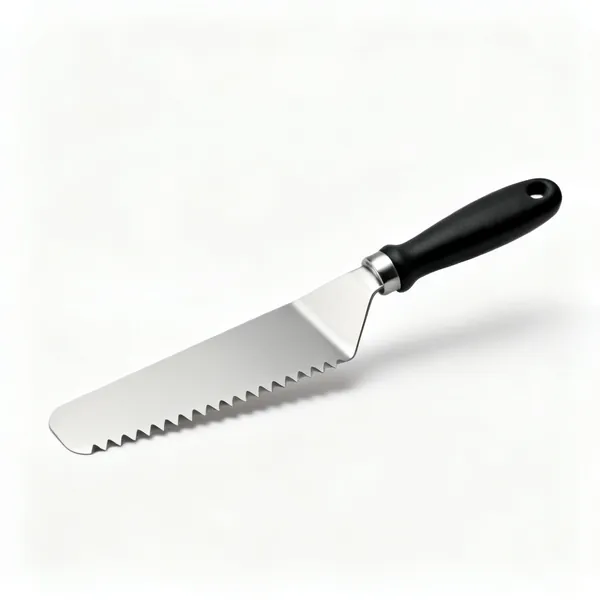
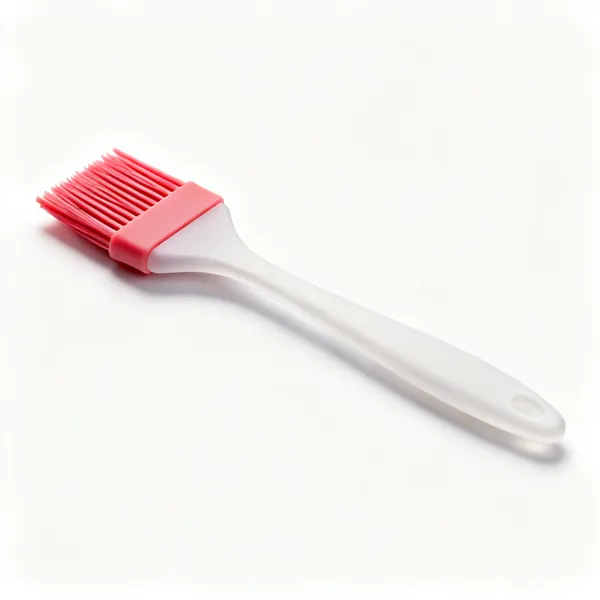
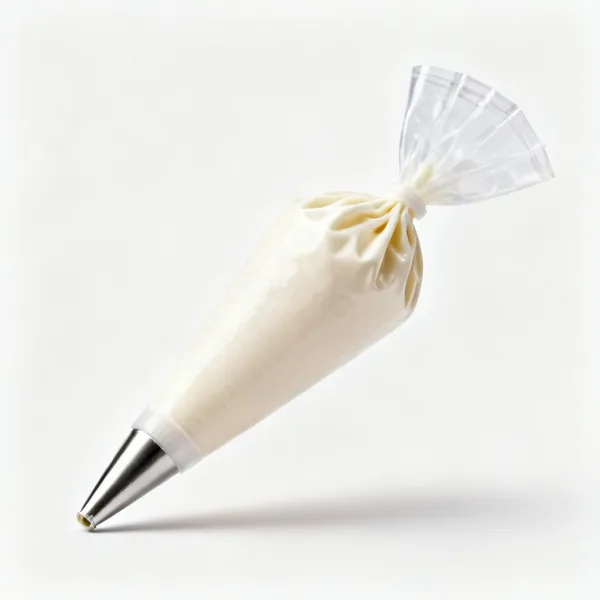
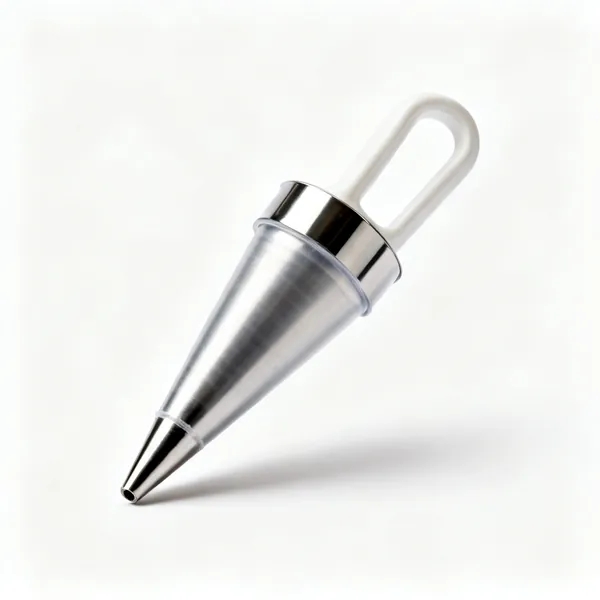
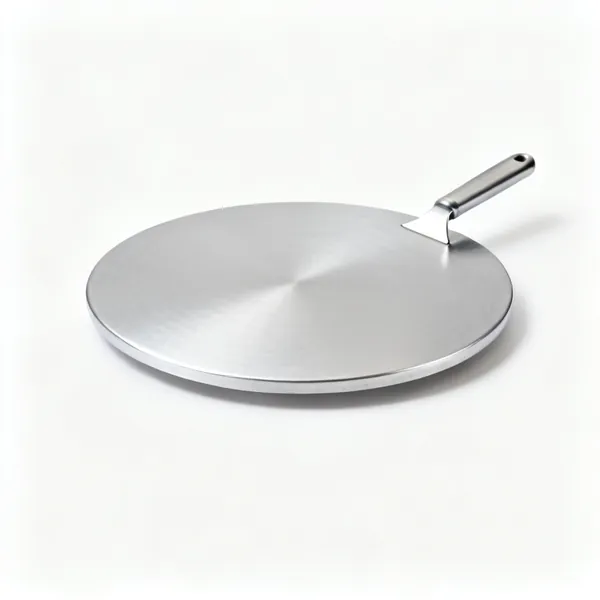
- Overlap exists, but baking tools lean towards accuracy and dough. Scales, tins, rolling pins, scrapers, piping and cooling racks have no real use in general cooking, while pans, knives and boards belong to the wider kitchen.
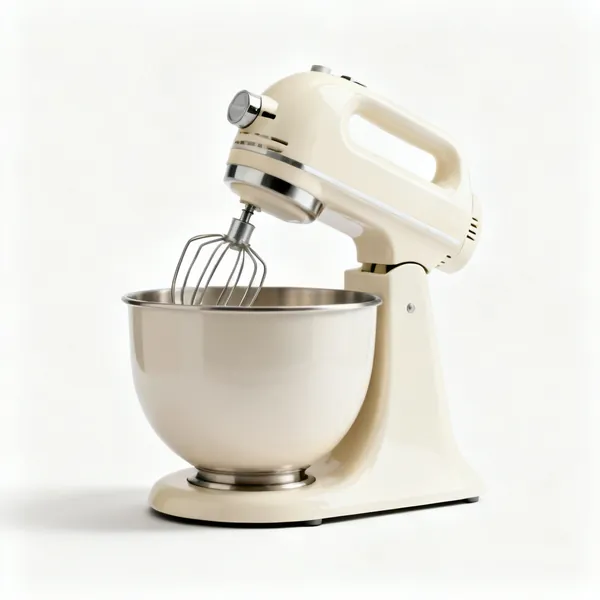
- Do I need a stand mixer?
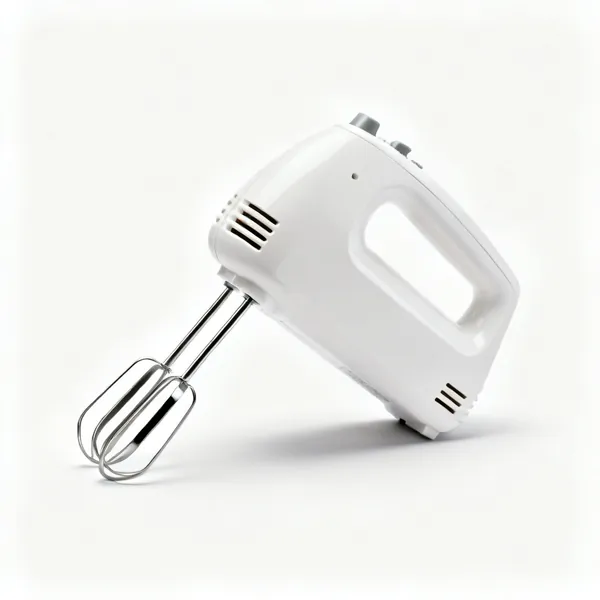
- Only for heavy or long jobs: bread dough, meringue, and large batches. For a single sponge, a bowl and a hand whisk are faster once you count cleaning the machine. It is a convenience rather than a requirement.
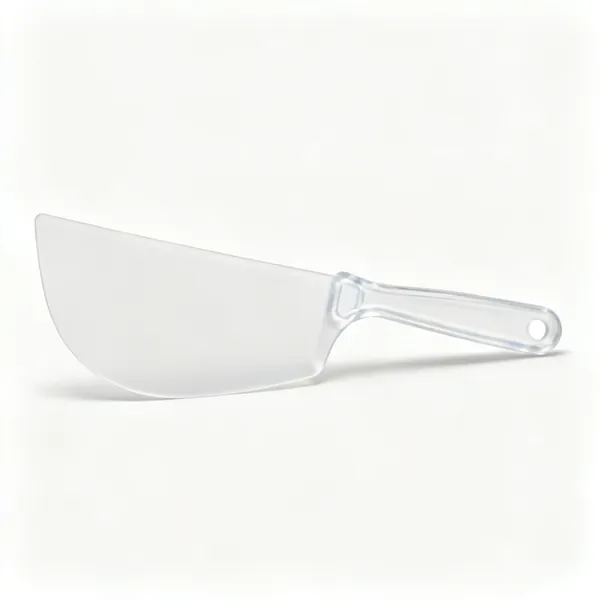
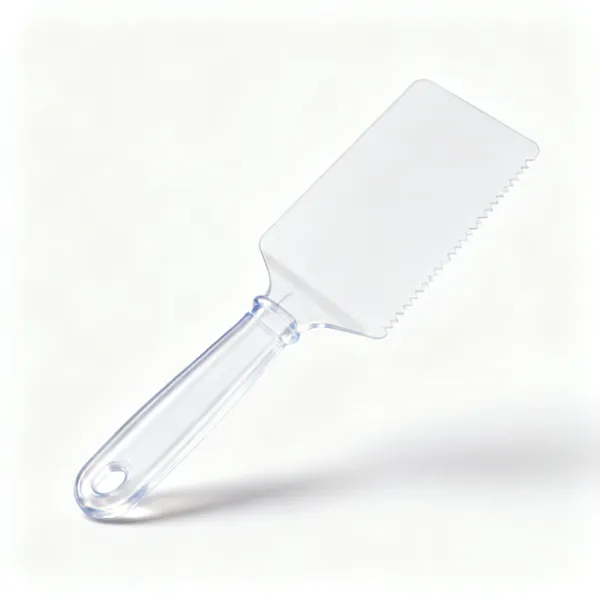
- What is a bench scraper for?
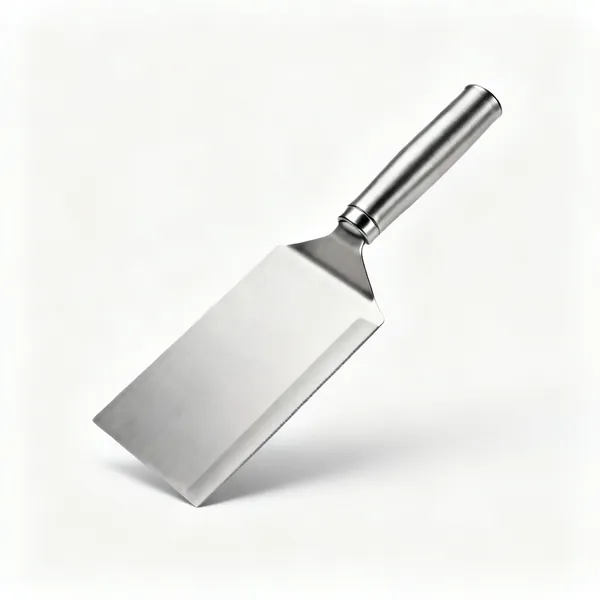
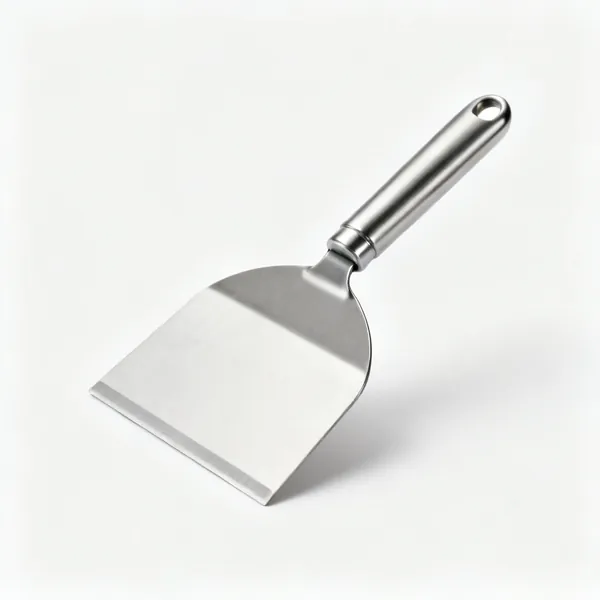
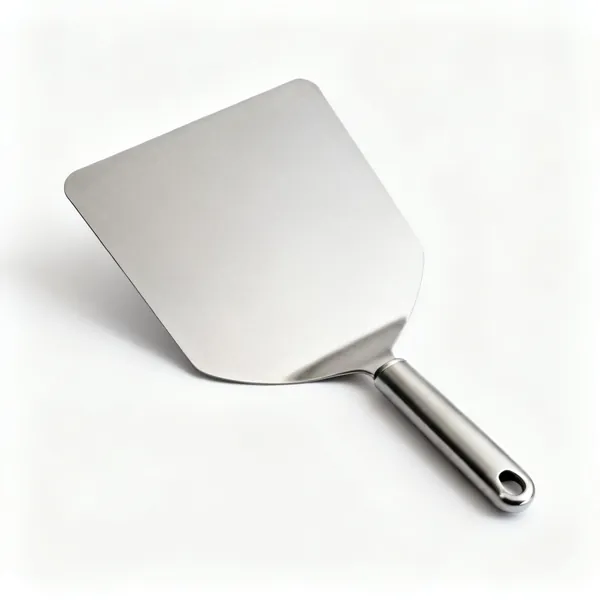
- Dividing dough, lifting it off the worktop cleanly, and scraping the surface down afterwards. It also squares up the sides of a cake when icing. Once you use one for bread you stop using your hands.
- Why does tin size matter so much?
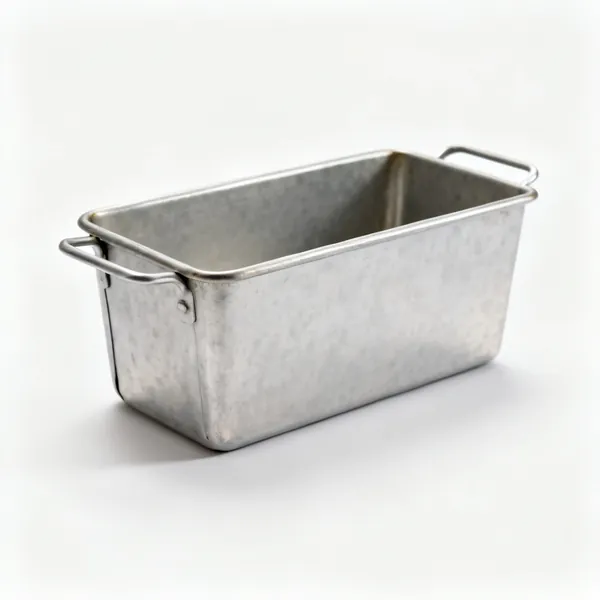
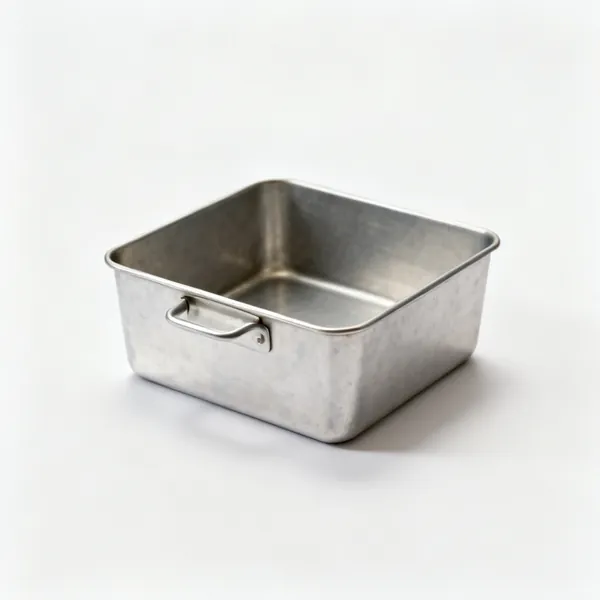
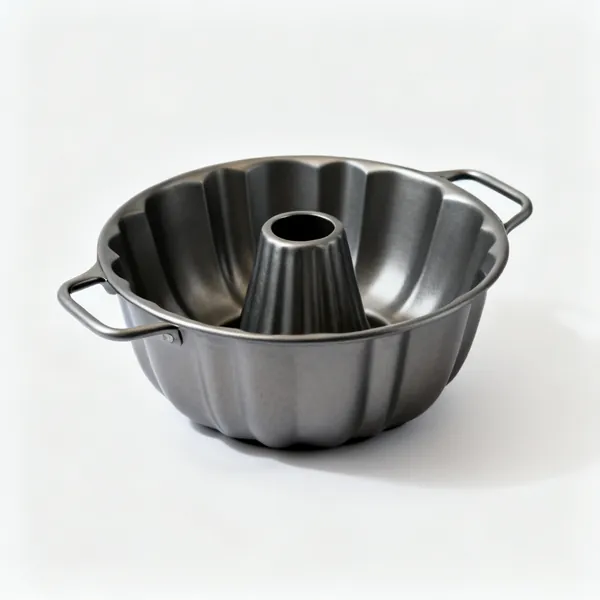
- The same mixture in a smaller tin sits deeper, so the outside sets long before heat reaches the middle. You get a dark crust and a raw centre. If you change tin size, lower the temperature and expect a different time.
- What is the difference between a springform tin and a loose bottomed one?
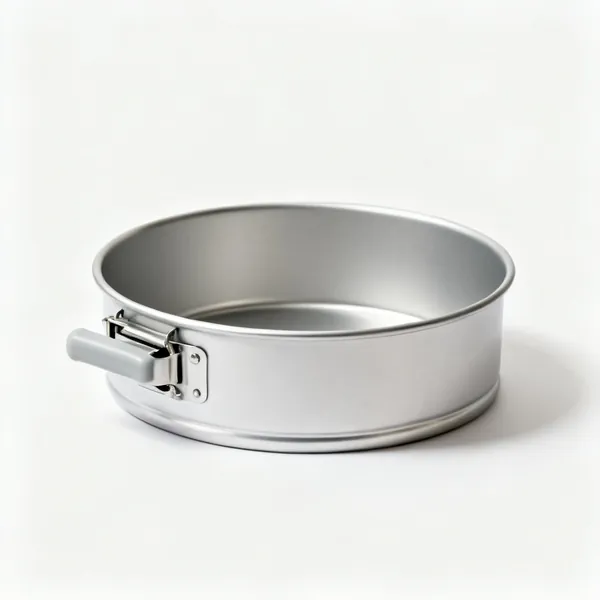
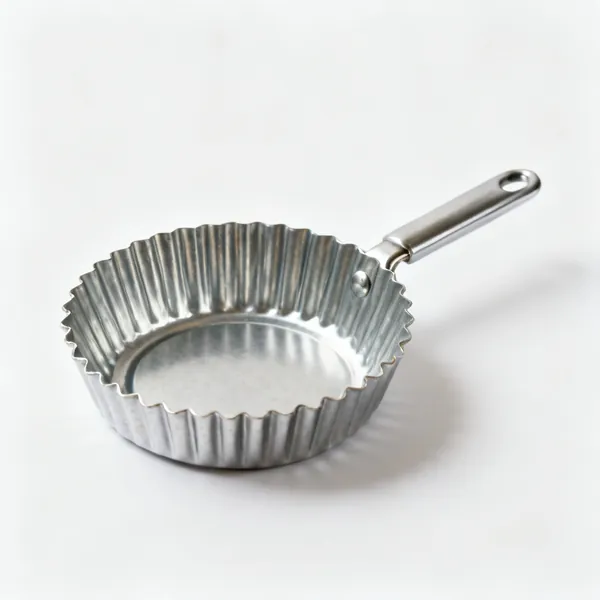
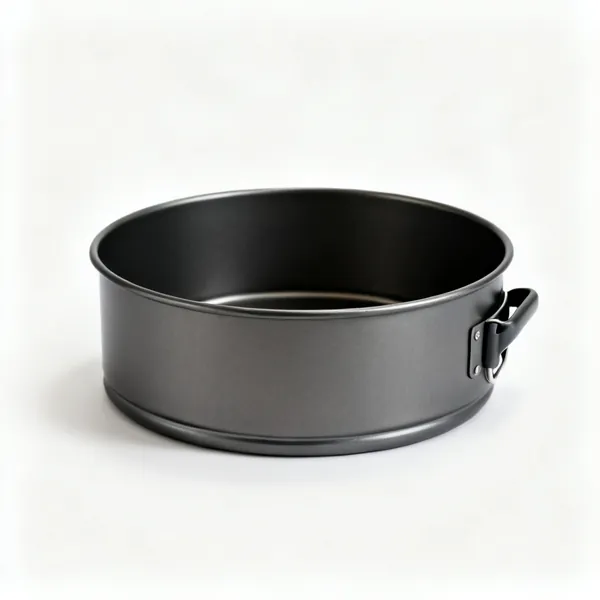
- A springform has a clip that releases the side completely, which suits cheesecakes and anything you cannot turn upside down. A loose bottomed tin has a removable base you push the contents up on, which suits tarts and quiches.
- Can I use greaseproof paper instead of baking parchment?
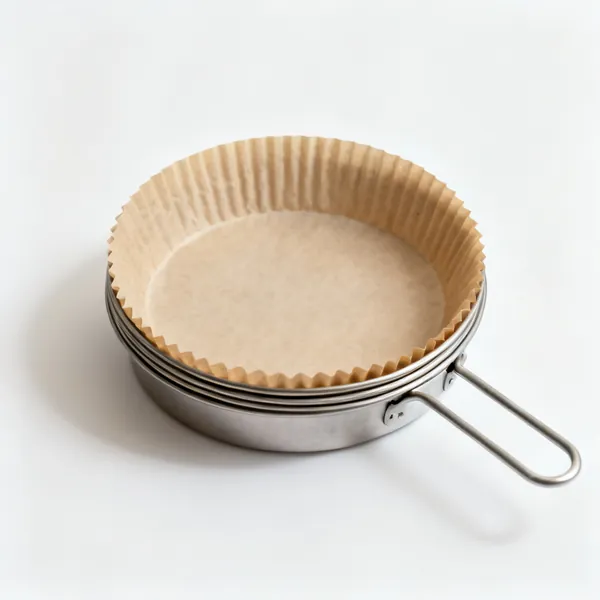
- Not interchangeably. Parchment is silicone coated and genuinely non stick, while greaseproof only resists grease and needs greasing itself. For anything sticky, use parchment.
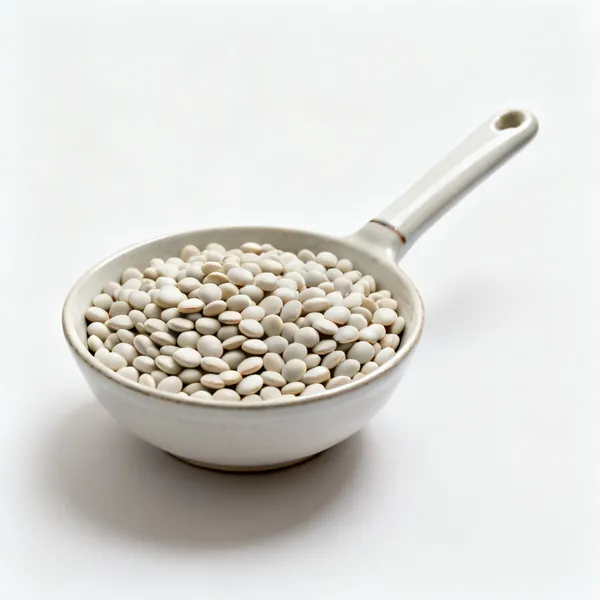
- What are baking beans for?
- Weighing down pastry while it blind bakes, so the base does not puff up and the sides do not slump. Ceramic beans, or dried pulses kept for the job, over a sheet of parchment.
- How do I know when a cake is done?
- A skewer into the centre comes out clean, the top springs back when pressed lightly, and the edges have started to pull away from the tin. Time is a guide, and those three together are the answer.
- Why do my cakes sink in the middle?
- Usually the oven door opened before the structure set, the oven was cooler than the dial claimed, or there was too much raising agent. All three are diagnosed by a thermometer and weighing properly.