Disclosure

Farm tools and equipment: names, pictures and uses

A complete list of farming tools and equipment with a picture of each one, all 75 grouped by the job they do, so tools that do similar work sit together and the difference between them is easy to see.

34 are marked essential: the kit that covers ground work, planting, cutting and carrying on a smallholding.

Spades, shovels & forks 8

Everything that moves soil. The distinction people miss is that a spade cuts into ground and a shovel lifts loose material, and using either for the other's job is twice the effort.

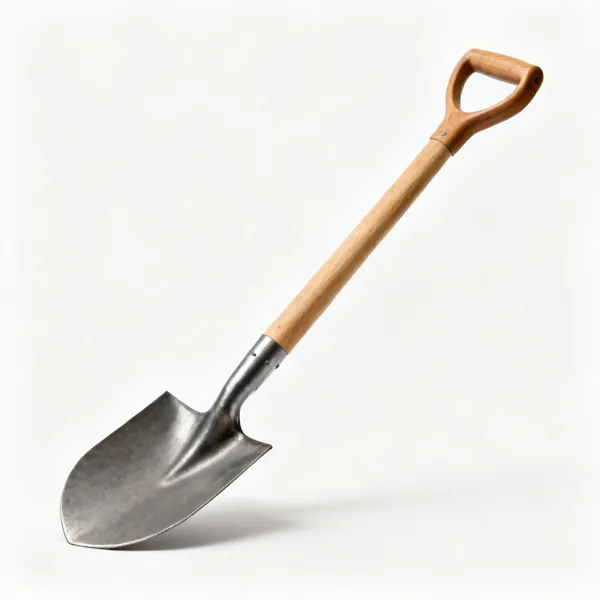
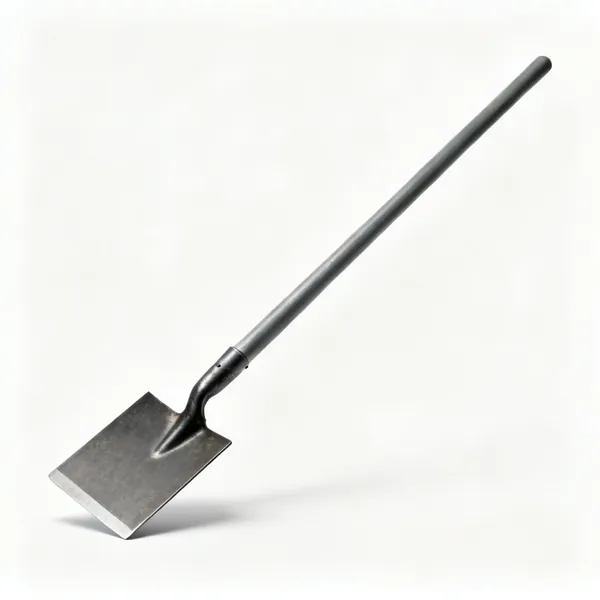
  • A digging spade with a flat steel blade and a wooden shaft with a D handleEssential

    Digging spade

    A flat straight blade for cutting into soil, slicing turf and edging. The tool nearly every job starts with, and worth buying forged with a solid socket because it takes the most abuse.

  • A small border spade with a narrow blade and wooden handle

    Border spade

    A smaller narrower spade for working between established plants without disturbing their roots. Lighter to use, and the wrong choice for breaking new ground.

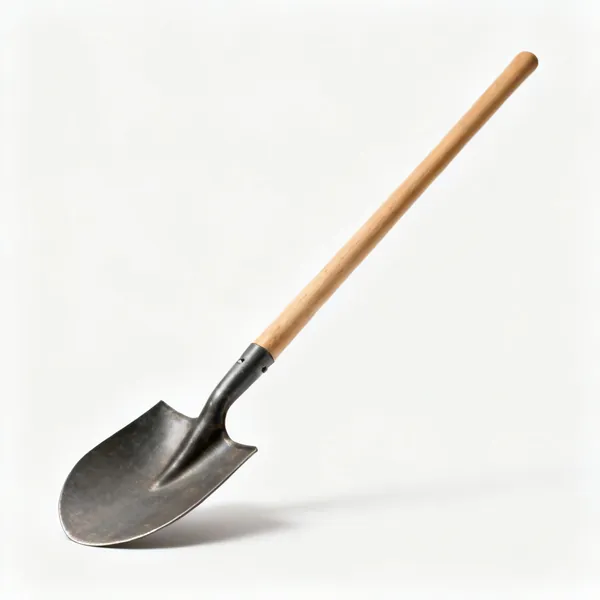
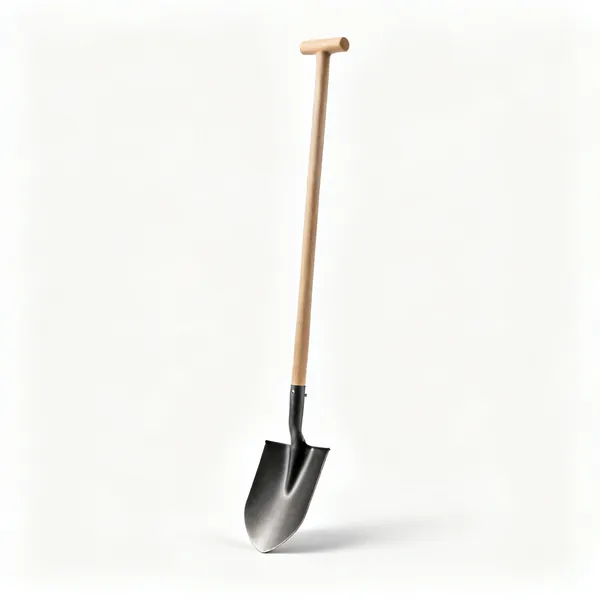
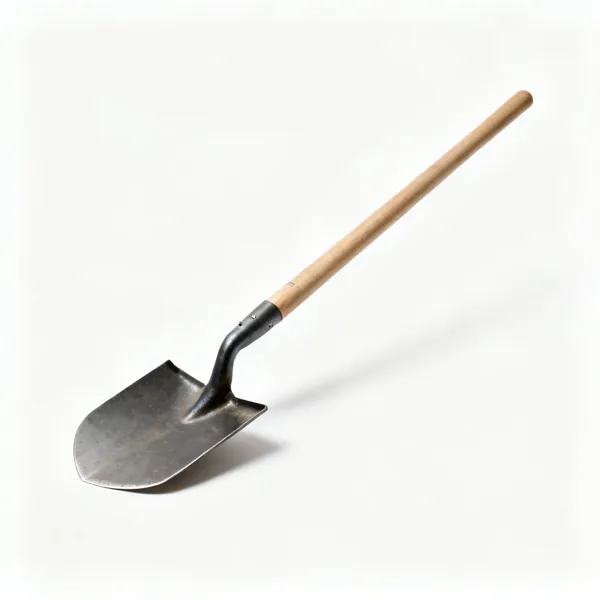
  • A shovel with a curved wide blade and a long wooden handleEssential

    Shovel

    A curved wide blade with raised sides, for scooping and moving loose material. Gravel, grain, sand and compost. It is not for digging, and it is exhausting if you try.

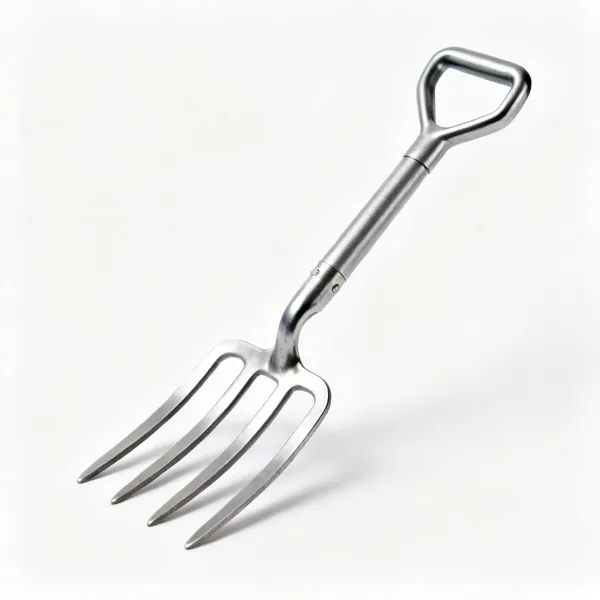
  • A garden fork with four flat steel tines and a D handleEssential

    Garden fork

    Four strong tines for turning soil, lifting root crops and moving manure. Gets through stony ground where a spade jams, and breaks clods without compacting the soil.

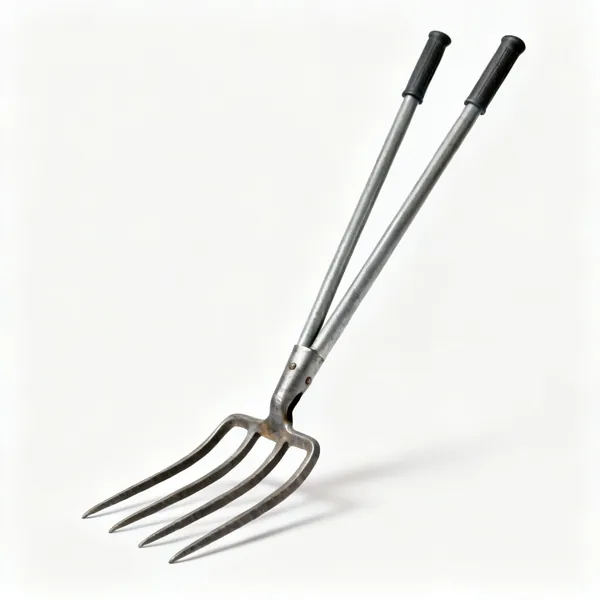
  • A broadfork with wide long tines and two tall handles

    Broadfork

    Very wide, with two long handles you stand on to loosen deep soil without turning it over. Keeps the soil structure and the life in it intact, which a spade destroys.

  • A hay fork with long thin curved tines and a wooden shaftEssential

    Hay fork

    Long thin curved tines for lifting hay, straw and light bedding. The curve holds the load, and the thin tines slide in where a garden fork would just push.

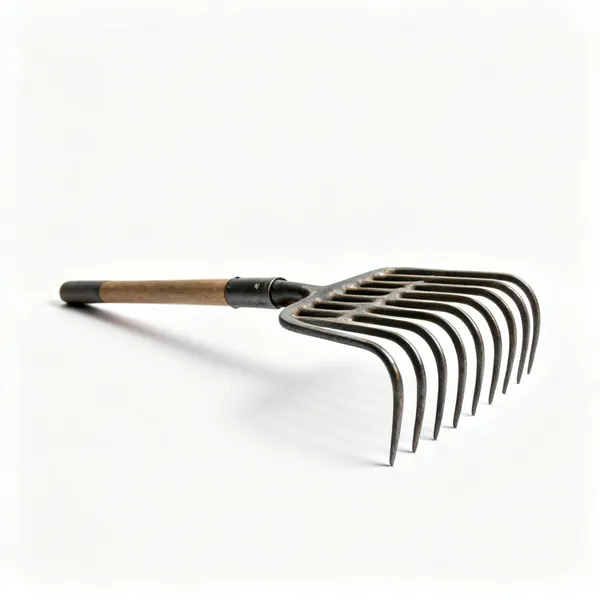
  • A manure fork with many closely spaced curved tines

    Manure fork

    More tines, set closer together, for mucking out. Holds wet bedding that would fall straight through a hay fork.

  • A long narrow post spade with a slim blade and long handle

    Post spade

    A long narrow blade for digging deep straight sided holes for posts. Keeps the hole tight, which is what makes a post stand firm without concrete.

Hoes & cultivators 7

Weeding and breaking ground. A hoe should be sharp and worked just under the surface: chopping deep brings new weed seed up and does more harm than good.

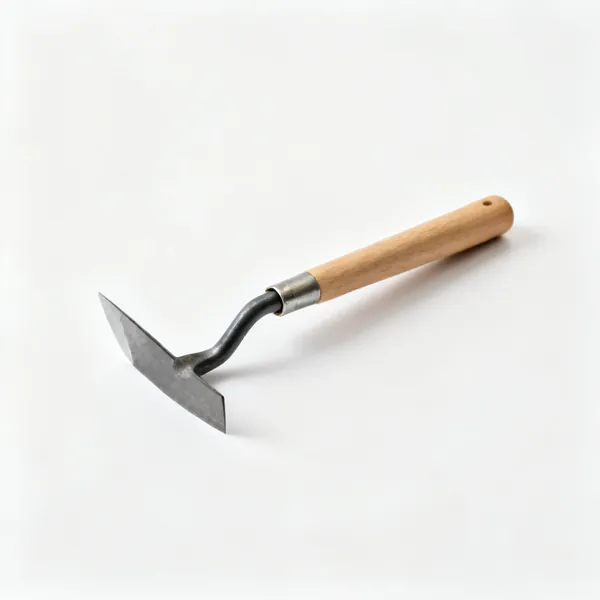
  • Draw hoeEssential

    Draw hoe

    A flat blade set at a right angle that you pull towards you, chopping weeds and drawing soil into ridges. The general purpose hoe and the one to own first.

  • A dutch hoe with a flat open push blade on a long handle

    Dutch hoe

    A flat open blade you push just below the surface, slicing weed roots as you walk forward. Faster than a draw hoe on clear ground and far less disturbing to the soil.

  • A short-handled onion hoe with a small blade

    Onion hoe

    A short handled hoe used kneeling, for weeding right up against seedlings where a long handle has no accuracy.

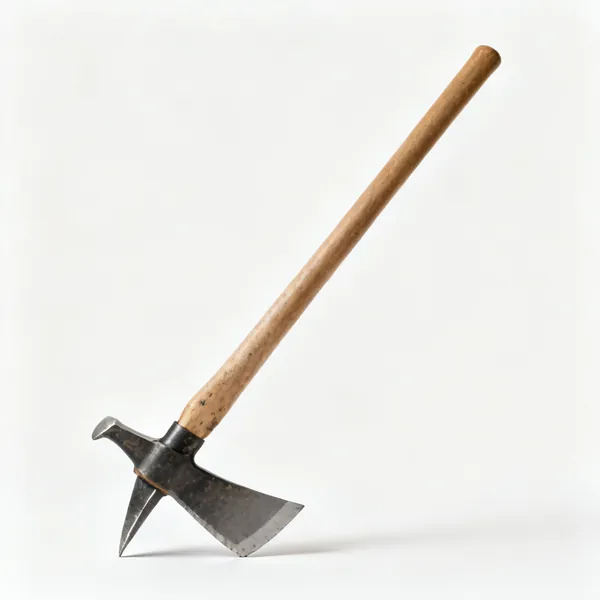
  • A mattock with a wide adze blade on one side and a pick on the otherEssential

    Mattock

    A heavy swung tool with a broad adze blade, and usually a pick or axe opposite. For breaking hard ground, grubbing out roots and cutting through compacted soil.

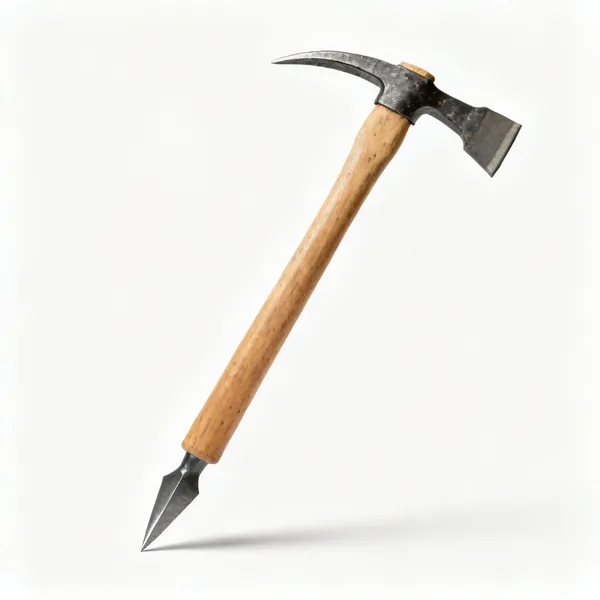
  • A pickaxe with a pointed end and a chisel end on a wooden handle

    Pickaxe

    A pointed end for splitting rock and frozen ground, a chisel end for prising. Where a mattock digs, this one breaks.

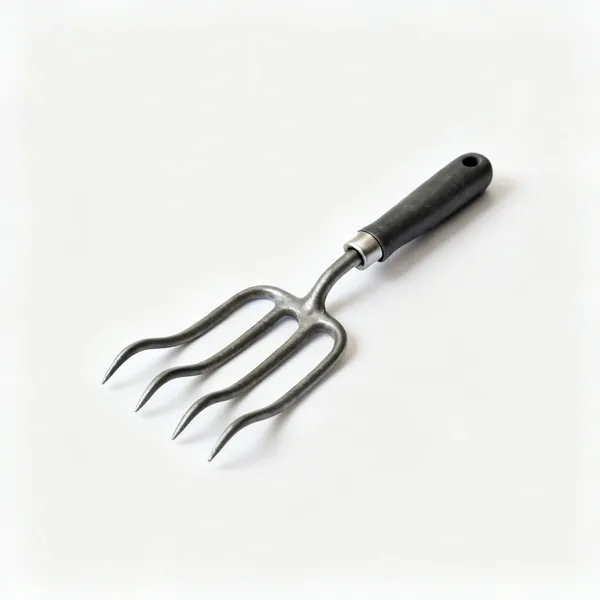
  • A three-tined hand cultivator with curved prongs and a short handleEssential

    Hand cultivator

    Three curved tines dragged through the surface to break crust and aerate around plants. Quick, and it does not bury the weeds you meant to remove.

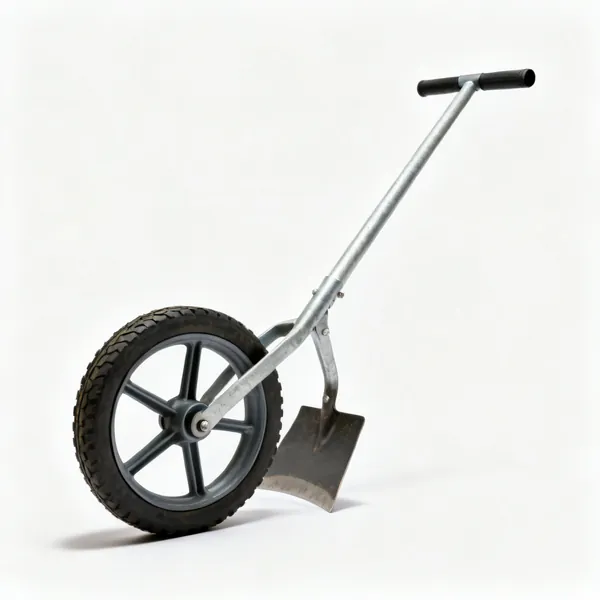
  • A wheel hoe with a single large wheel and a hoe blade behind it

    Wheel hoe

    A hoe blade on a wheel that you push down a row, weeding a whole bed at walking pace. The step between hand weeding and a machine.

Rakes 5

Levelling, gathering and clearing. Rigid tines move soil, springy ones gather what is lying on top, and swapping them makes both jobs harder.

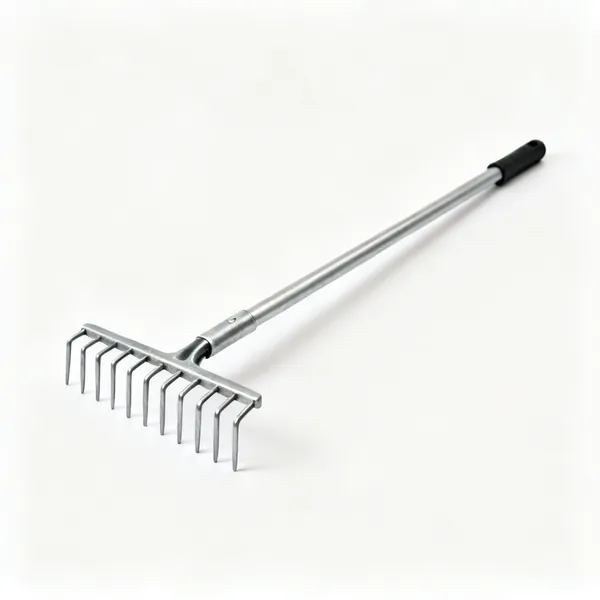
  • A garden rake with short rigid steel tines on a straight headEssential

    Garden rake

    Short rigid steel tines on a straight head, for levelling soil and breaking down clods into a seed bed. The back of the head is what you use to firm it flat.

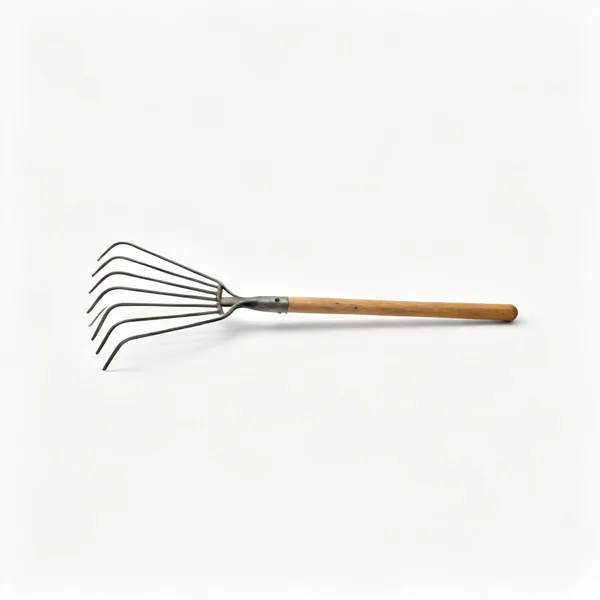
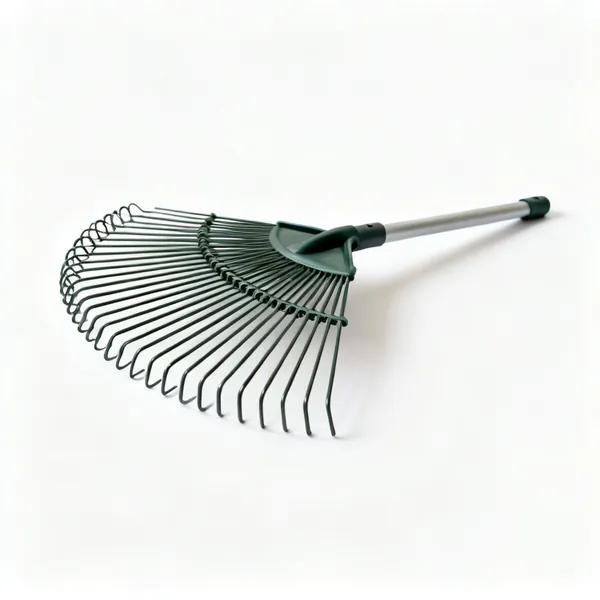
  • A leaf rake with a wide fan of springy tinesEssential

    Leaf rake

    A wide fan of springy tines that gathers leaves and cuttings without digging into soil. Plastic is light, metal lasts, and both are useless on wet ground.

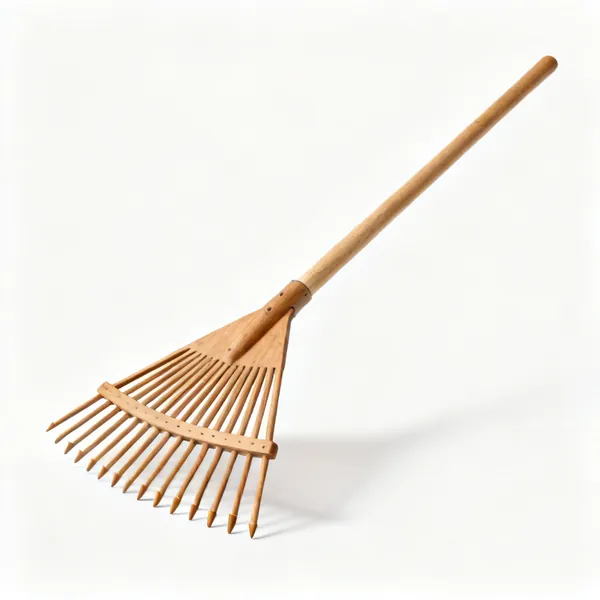
  • A wooden hay rake with a wide head and long wooden pegs

    Hay rake

    A wide wooden head with long pegs for turning cut grass to dry and drawing it into rows. Light, so you can work a whole field without wrecking your shoulders.

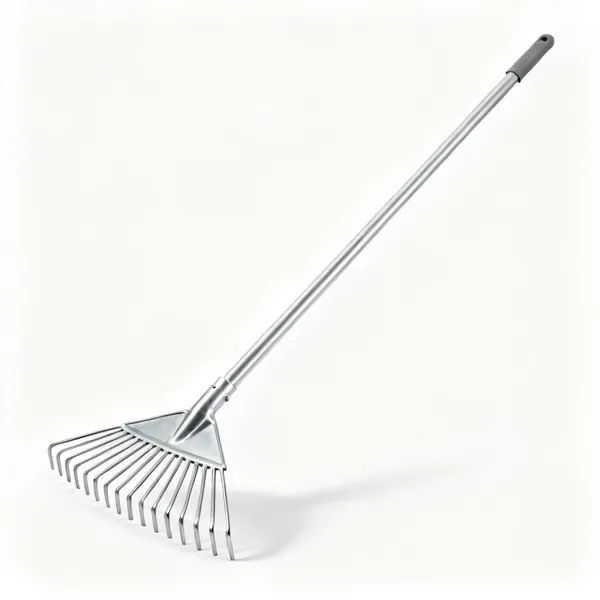
  • A wide aluminium landscape rake with a long straight head

    Landscape rake

    An extra wide rigid head for grading and levelling large areas fast. Overkill in a garden, the right tool for a paddock or a track.

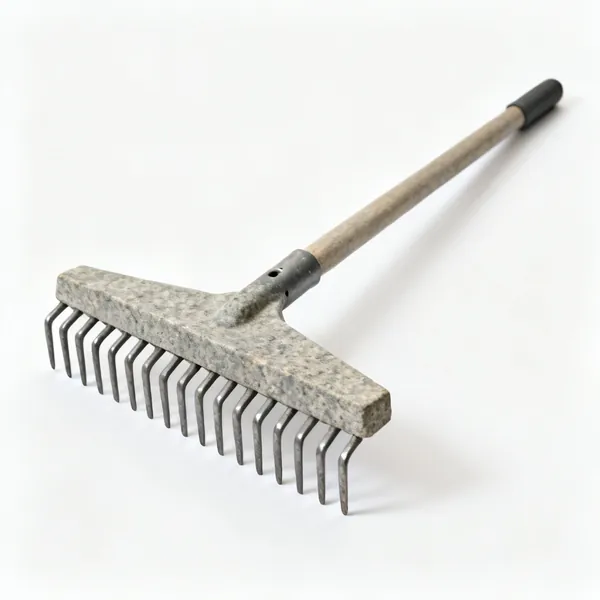
  • A stone rake with heavy widely spaced steel tines

    Stone rake

    Heavy widely spaced tines that pull stones out of soil while letting the fine material through. The tedious job before any seed bed on stony ground.

Sickles, scythes & machetes 6

Cutting grass and growth by hand. All of these are carbon steel for a reason, and all of them are near useless blunt, so a sharpening stone belongs with them.

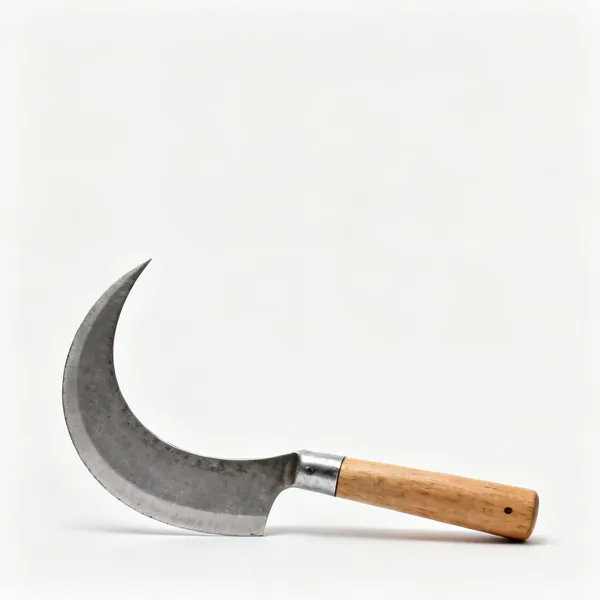
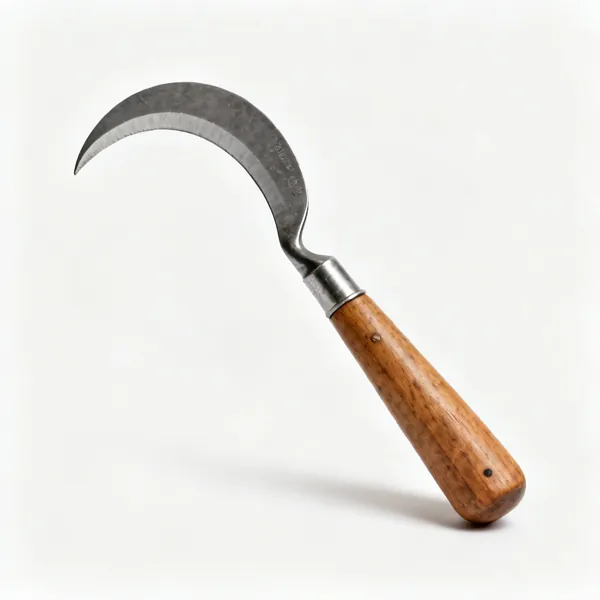
  • A sickle with a curved steel blade and a short wooden handleEssential

    Sickle

    A curved one handed blade for cutting grass, weeds and cereal close to the ground. You gather with one hand and cut with the other, which is faster than it looks.

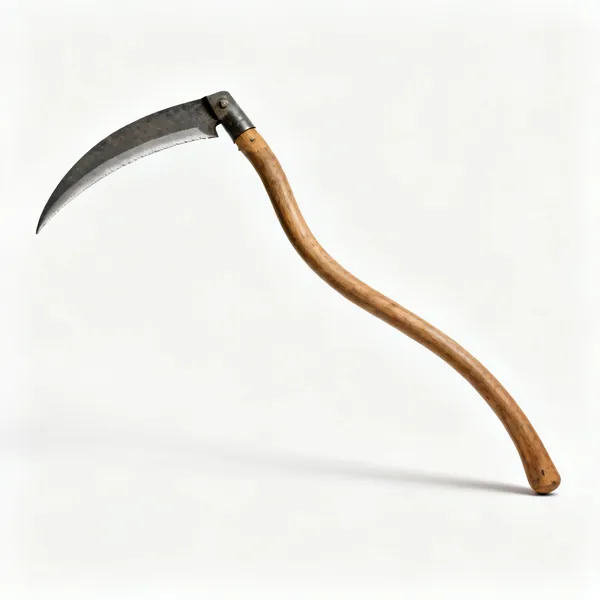
  • A scythe with a long curved blade and a long curved wooden shaft

    Scythe

    A long blade on a two handed shaft that cuts a wide swathe with a sweeping motion. Quiet, needs no fuel, and lays the grass in a row you can rake. Wants sharpening every few minutes.

  • A grass hook with a heavy short curved blade

    Grass hook

    A heavier shorter sickle for tougher growth and light brush. Swung rather than drawn, so it takes more force and copes with woody stems.

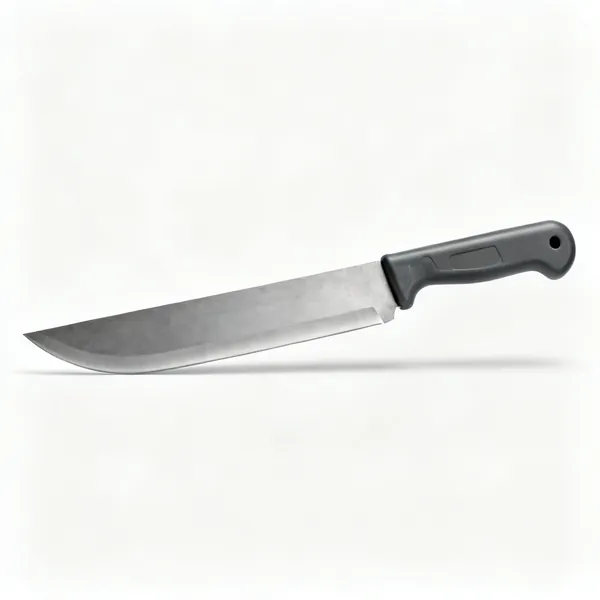
  • A machete with a long broad steel blade and a moulded handle

    Machete

    A long broad blade for clearing thick growth, cane and light branches. Chops rather than slices, and it is the standard clearing tool through most of the world.

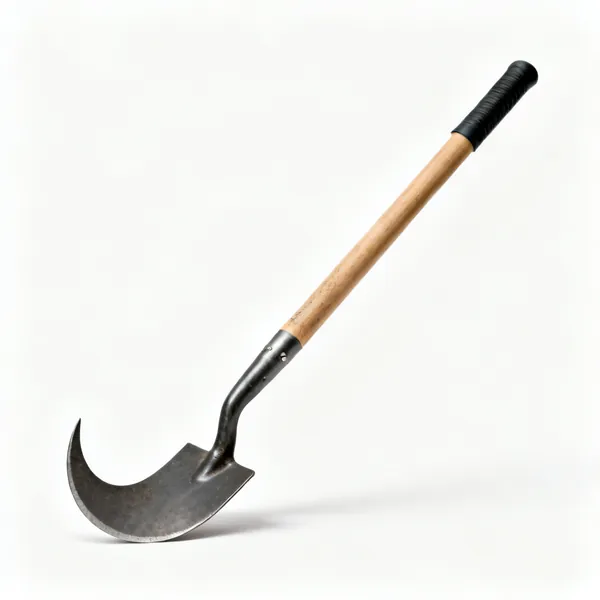
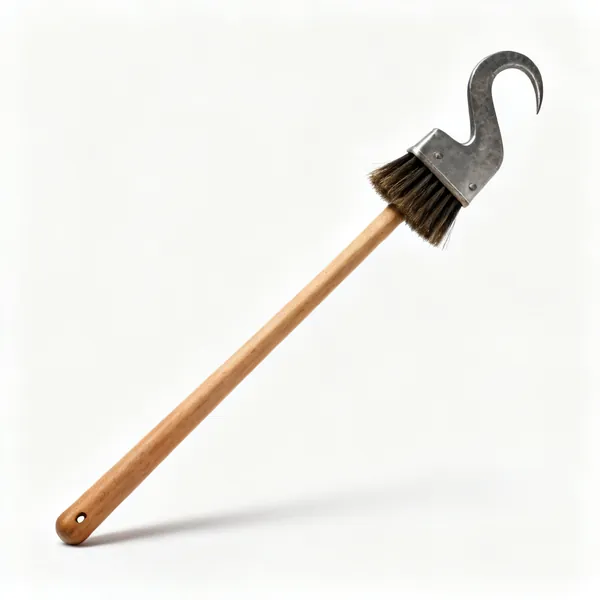
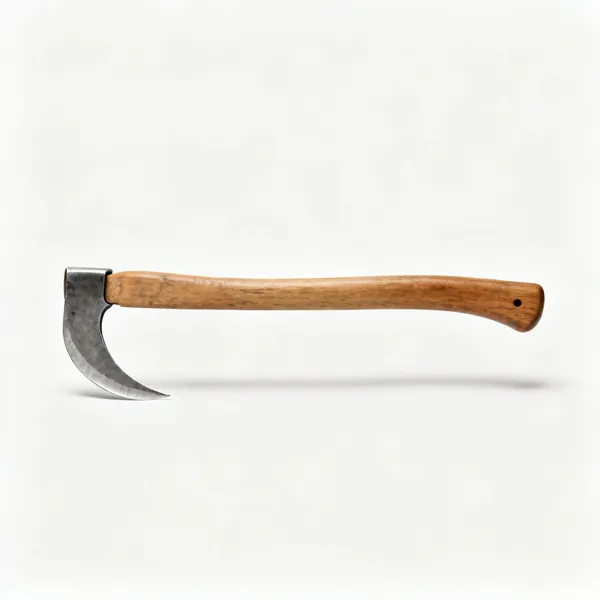
  • A brush hook with a heavy hooked blade on a long wooden handle

    Brush hook

    A heavy hooked blade on a long handle for scrub and saplings too thick for a machete and too small for a saw. Swung two handed, and it clears a hedge line fast.

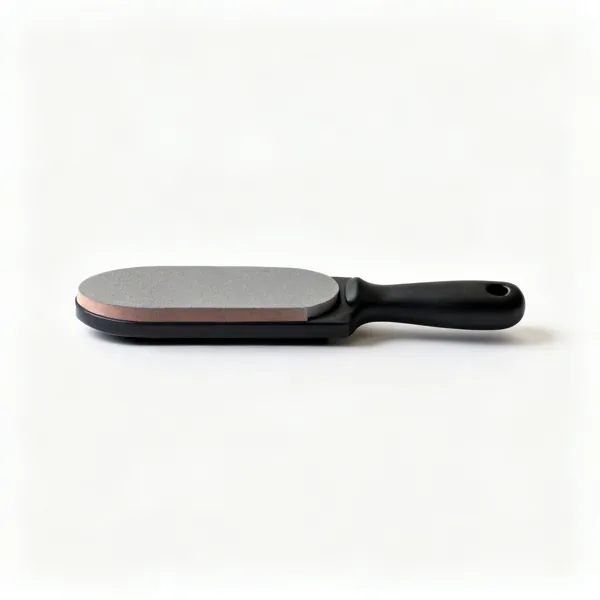
  • An oval sharpening stone for field useEssential

    Sharpening stone

    A pocket stone for putting the edge back on sickles, scythes and knives in the field. Without one, everything above becomes a blunt instrument within an hour.

Pruning tools 6

Cutting living wood cleanly, because a torn cut is where disease enters. Match the tool to the diameter and never force a blade through something too thick for it.

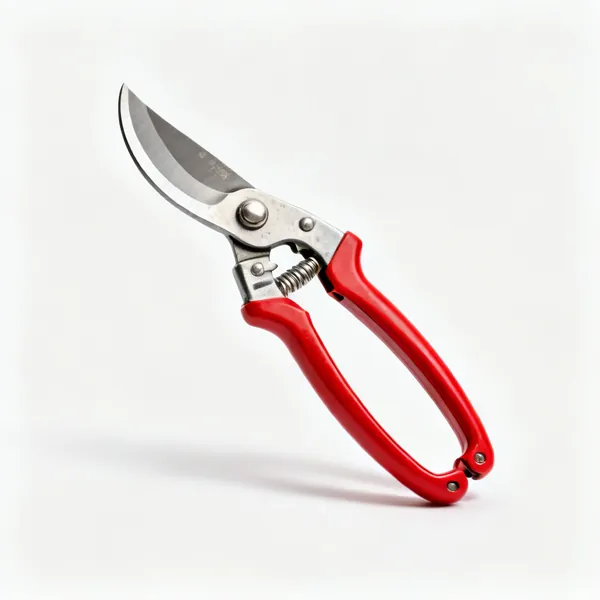
  • A pair of bypass secateurs with red handles and a curved bladeEssential

    Secateurs

    One handed pruners for stems up to roughly finger thickness. Bypass blades cut living wood cleanly, anvil types crush, so bypass is what you want for anything you expect to survive.

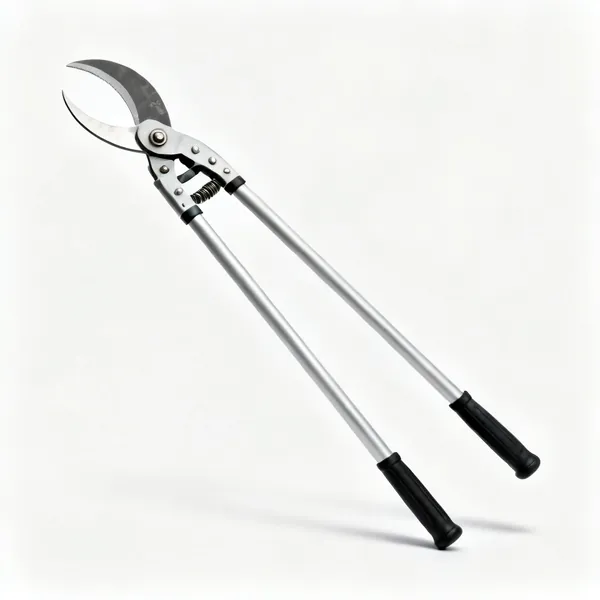
  • A pair of long-handled loppers with curved cutting bladesEssential

    Loppers

    Long handled pruners for branches up to about 40mm. The handles give the leverage your wrists cannot, and reach into a bush without you climbing into it.

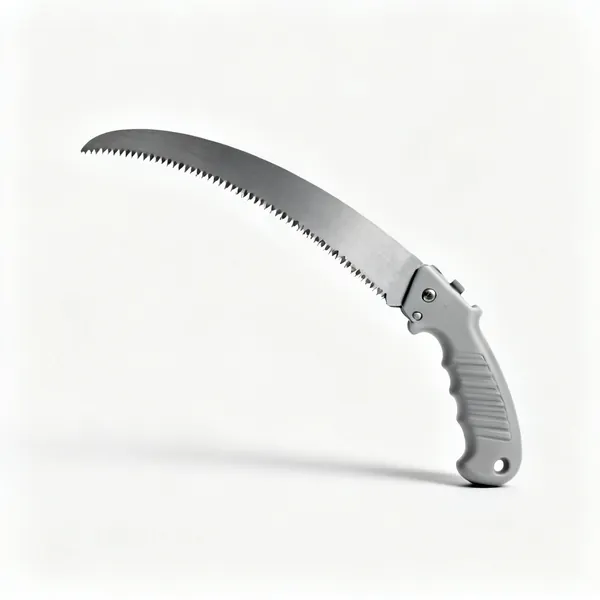
  • A curved pruning saw with a coarse-toothed blade and a plastic handleEssential

    Pruning saw

    A curved blade cutting on the pull stroke, which is what lets it work in a confined space among branches. Goes through wood far thicker than loppers will manage.

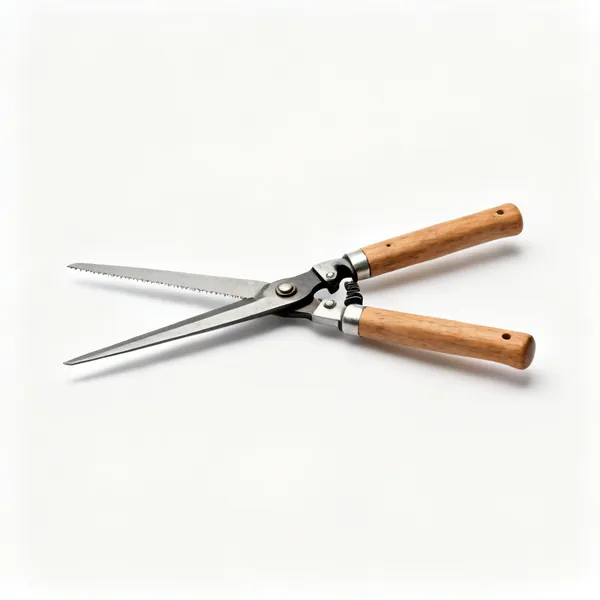
  • A pair of hedge shears with long straight blades and wooden handles

    Hedge shears

    Long scissor blades for shaping hedges by hand. Slower than a trimmer and much more controlled, which matters on a formal hedge or near wildlife.

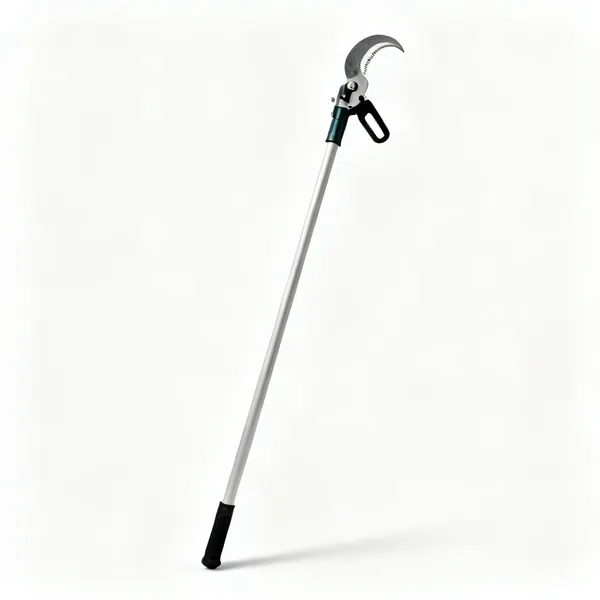
  • A pole pruner with a long shaft and a hooked cutting head

    Pole pruner

    A cutting head on a long pole, worked by a rope or a rod, for branches above head height. Keeps you off a ladder, which is the point.

  • A billhook with a hooked steel blade and a wooden handle

    Billhook

    A hooked blade for laying hedges, cutting stakes and trimming brash. The traditional hedging tool, still unmatched for splitting and bending a living stem.

Planting tools 8

Getting seed and plants into the ground at the right depth and spacing. Depth is what most failures come down to, which is why several of these are just a marked stick.

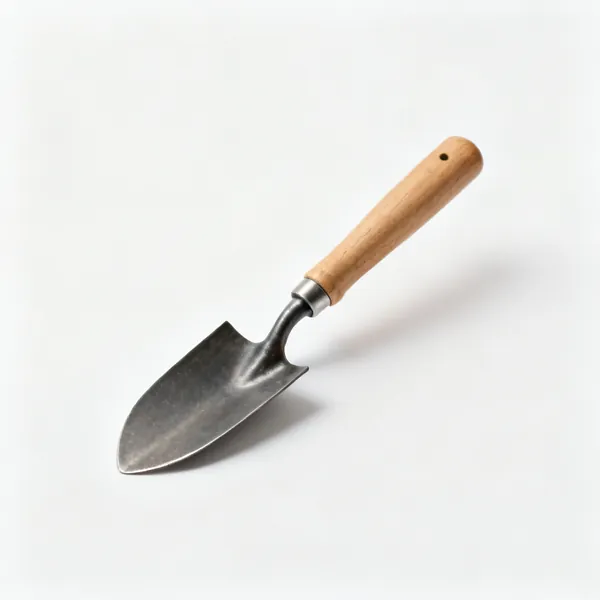
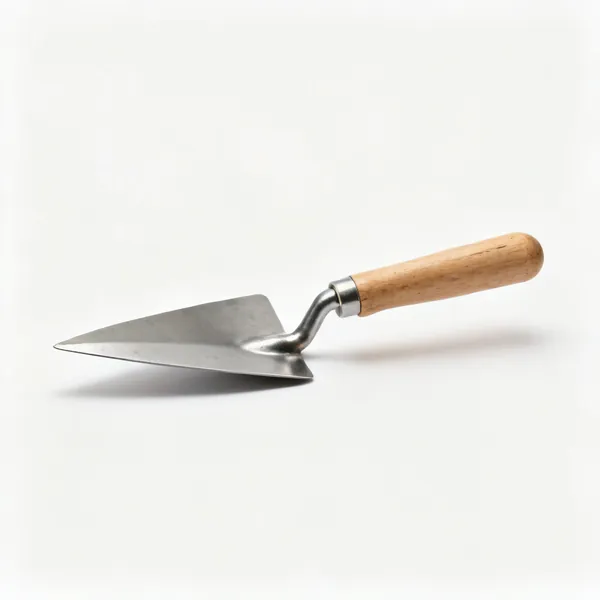
  • A hand trowel with a pointed metal blade and a wooden handleEssential

    Hand trowel

    A small scoop blade for planting out, potting and close weeding. Buy one forged from a single piece, because the joint between blade and handle is where cheap ones break.

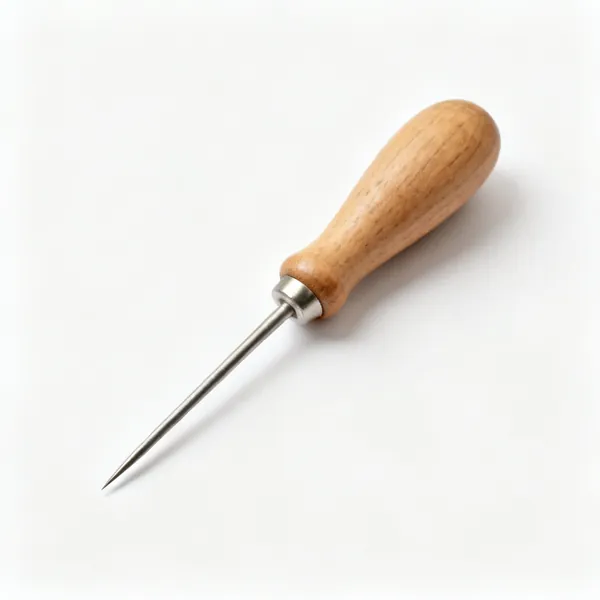
  • A wooden dibber with a pointed tip and a rounded handleEssential

    Dibber

    A pointed stick, often marked with depths, that makes a clean hole for seed, bulbs or leeks. Simple to the point of looking silly, and far faster than a trowel.
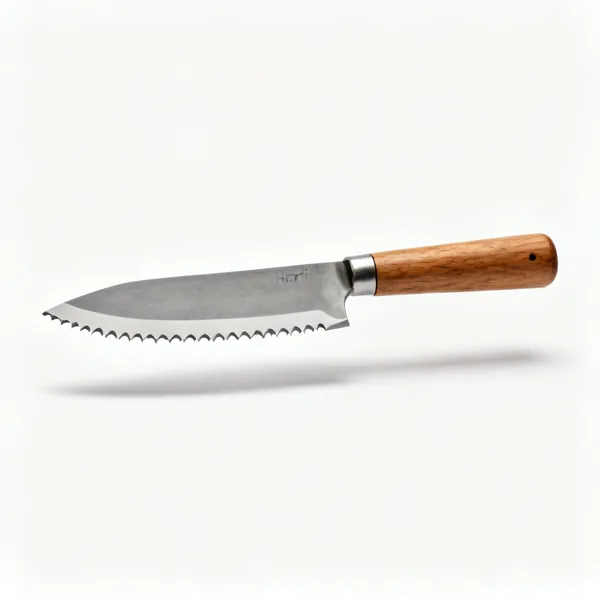
  • A hori hori digging knife with a concave serrated blade and wooden handleEssential

    Hori hori

    A Japanese digging knife with a sharpened, often serrated blade and depth marks. Plants, weeds, divides clumps, saws roots and cuts twine, which is why growers carry one everywhere.

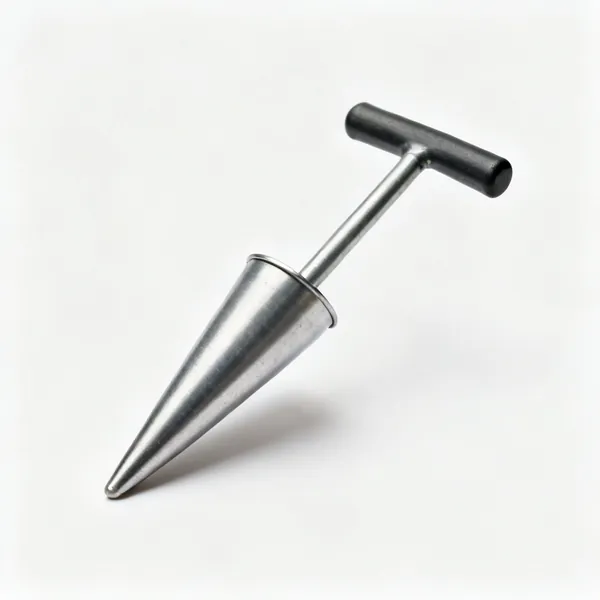
  • A bulb planter with a tapered steel tube and a T handle

    Bulb planter

    A tube that pulls a plug of soil out, leaving a hole at a consistent depth for bulbs, then drops the plug back on top. Turns a hundred bulbs from an afternoon into an hour.

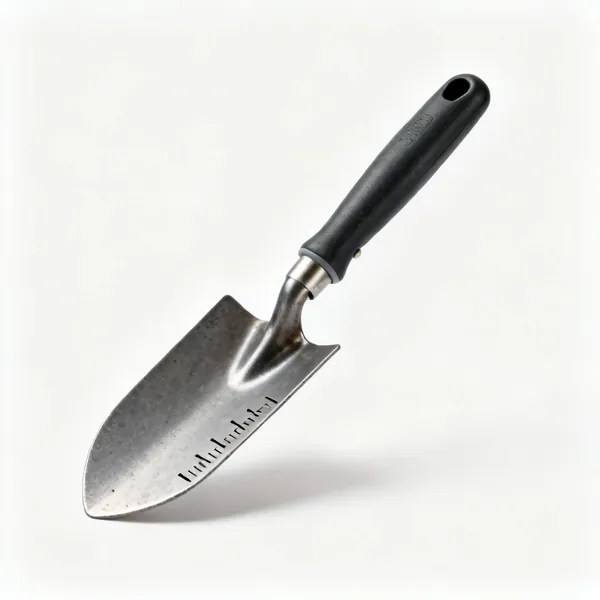
  • Transplanter: A narrow transplanting trowel with depth markings on the blade

    Transplanter

    A narrow scooped blade with depth markings for lifting and setting seedlings without disturbing the root ball. Narrower than a trowel so it goes in between plants.
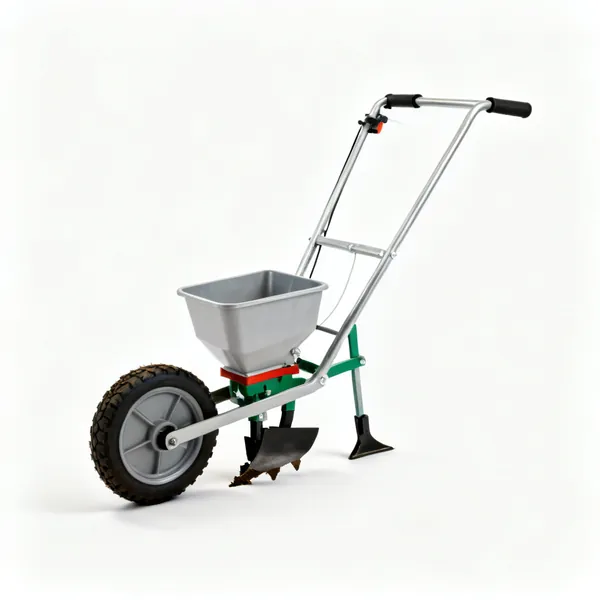
  • A push seed drill with a wheel, hopper and furrow opener

    Seed drill

    A push along hopper that opens a furrow, drops seed at a set spacing and covers it. For long rows it is the difference between an afternoon and a morning.

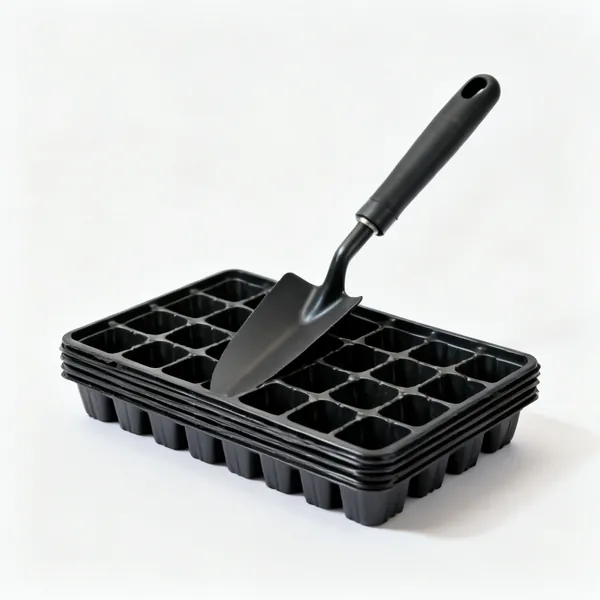
  • A stack of black plastic seed trays with cell divisions

    Seed trays

    Shallow modular trays for raising plants before they go out. Cell trays mean each seedling lifts with its roots intact, which open trays do not.

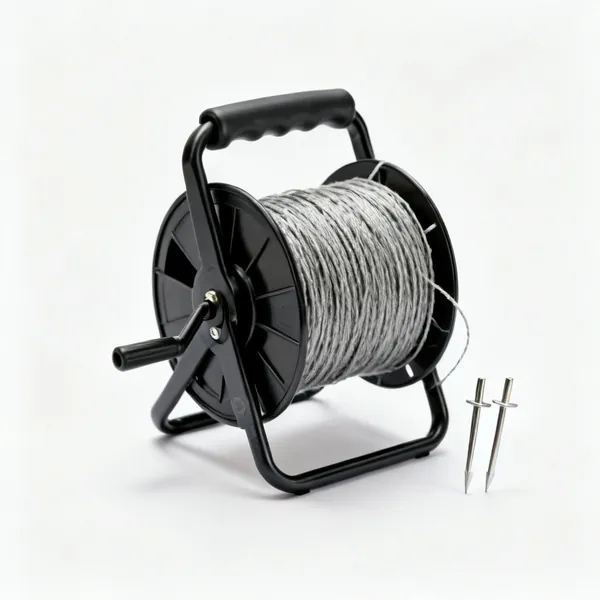
  • A garden line reel with string wound on it and two metal pegs

    Garden line

    String between two pegs, giving a straight row to plant or hoe along. Trivial, and the reason some plots look deliberate and others do not.

Watering & spraying 6

Getting water and treatments where they are needed. Watering at the root and at the right time of day matters more than the volume you put on.

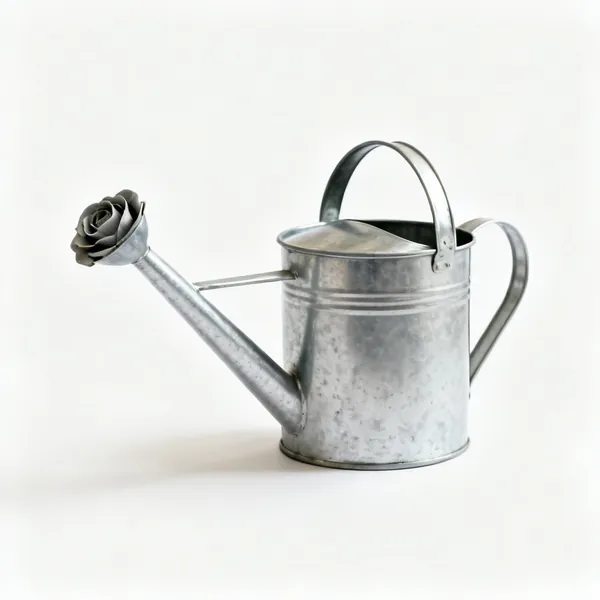
  • A metal watering can with a long spout and a detachable roseEssential

    Watering can

    A can with a long spout and a removable rose. The rose breaks the flow into a fine spray for seedlings, the bare spout delivers water at the root without wetting the leaves.

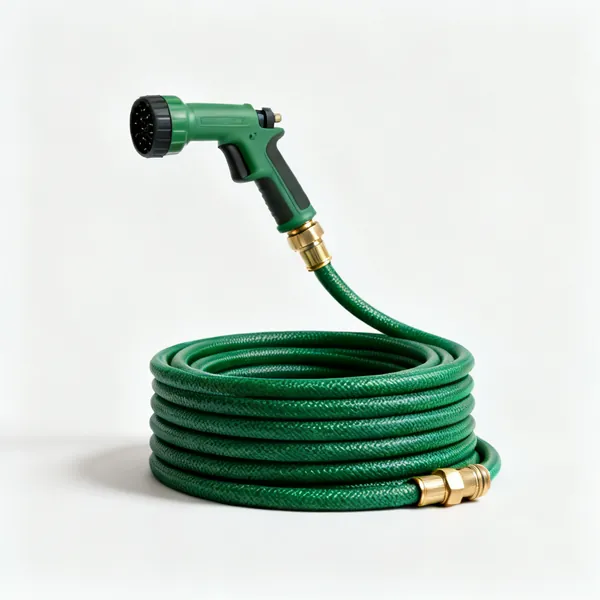
  • A coiled green garden hose with brass fittingsEssential

    Garden hose

    Reach, so you are not carrying water. Kink resistant is worth paying for, since a hose that folds shut every time you move it will make you stop using it.

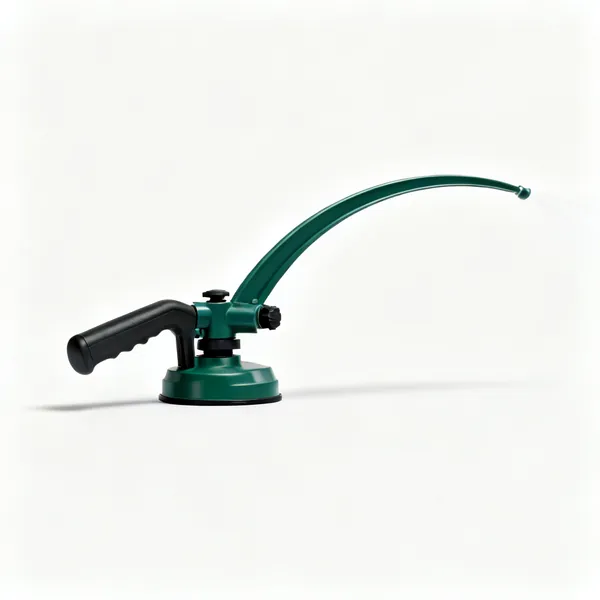
  • An oscillating lawn sprinkler with a curved spray bar

    Sprinkler

    Waters a set area unattended. Wasteful compared with drip irrigation because much of it evaporates, but the only practical way to water a lawn or a large bed.

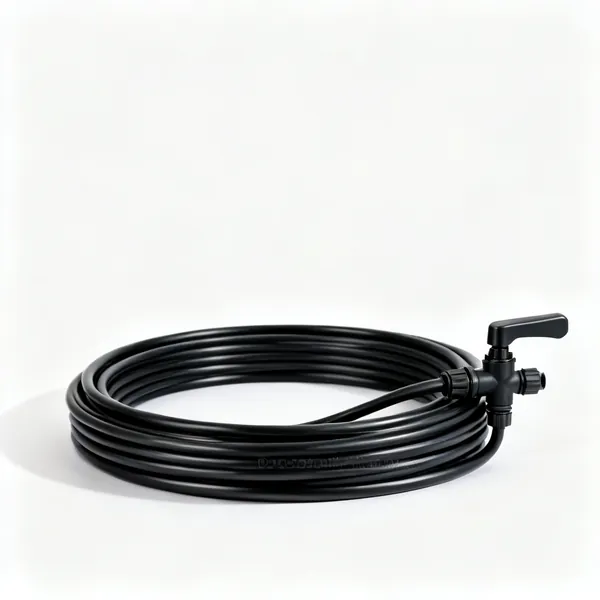
  • A length of black drip irrigation pipe with emitters

    Drip irrigation

    Perforated pipe laid along rows that delivers water slowly at the root. Uses a fraction of the water of a sprinkler and keeps foliage dry, which reduces disease.

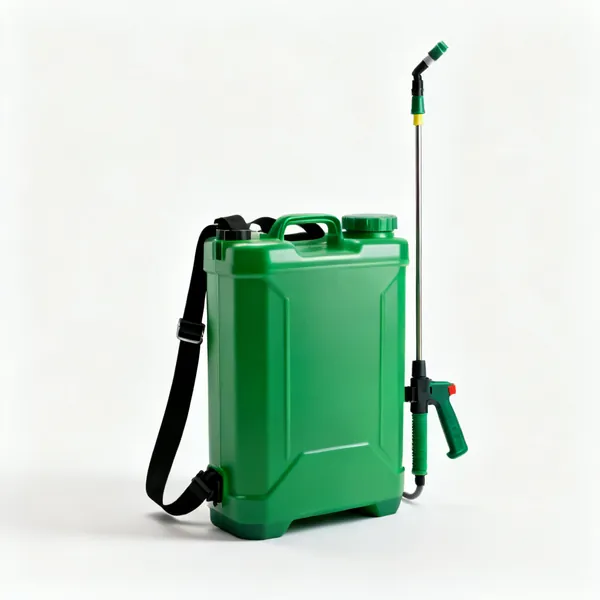
  • A green knapsack sprayer with shoulder straps, a pump handle and a lance

    Knapsack sprayer

    A pressurised tank worn on the back with a lance, for feeding and treating crops. Rinse it out properly, because residue from one treatment will damage the next crop.

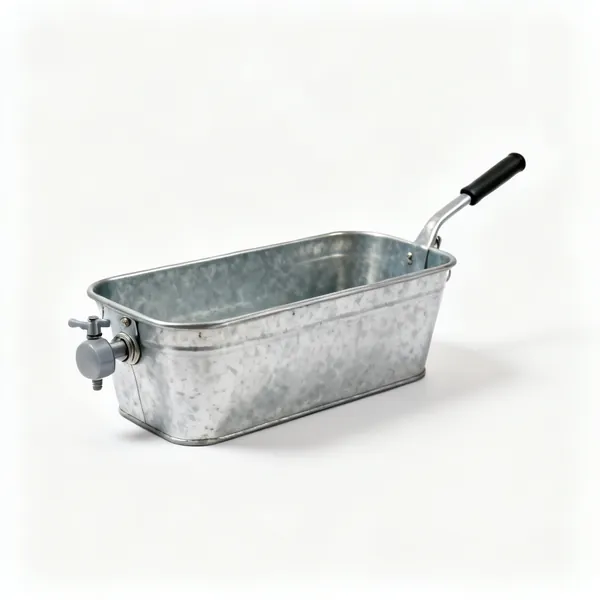
  • A galvanised metal water trough with a float valve

    Water trough

    Stock drinking water, usually with a float valve that refills automatically. Check it daily in frost, because a frozen trough is the fastest way to lose animals.

Wheelbarrows & carrying 6

Moving what you have dug, cut or fed. Most farm injuries come from carrying badly rather than from tools, so this group is worth getting right.

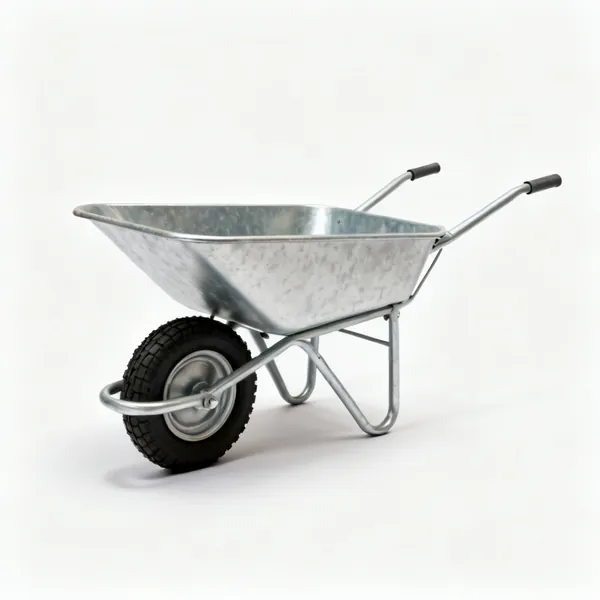
  • A metal wheelbarrow with a single pneumatic wheel and two handlesEssential

    Wheelbarrow

    One wheel and two handles, which is what lets it go where nothing wider will. A pneumatic tyre rolls over rough ground that a solid one fights, and it can be punctured.

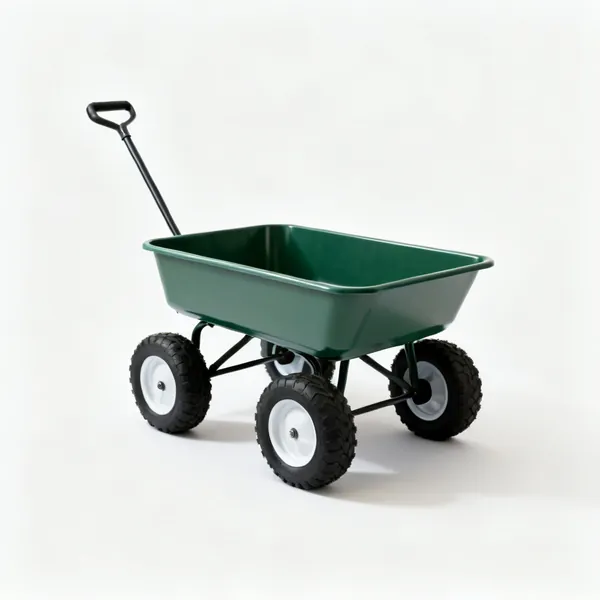
  • A four-wheeled garden cart with a deep tray and a pull handle

    Garden cart

    Two or four wheels, so it balances itself and carries far more. Easier on flat ground and far worse on a narrow path or a slope.

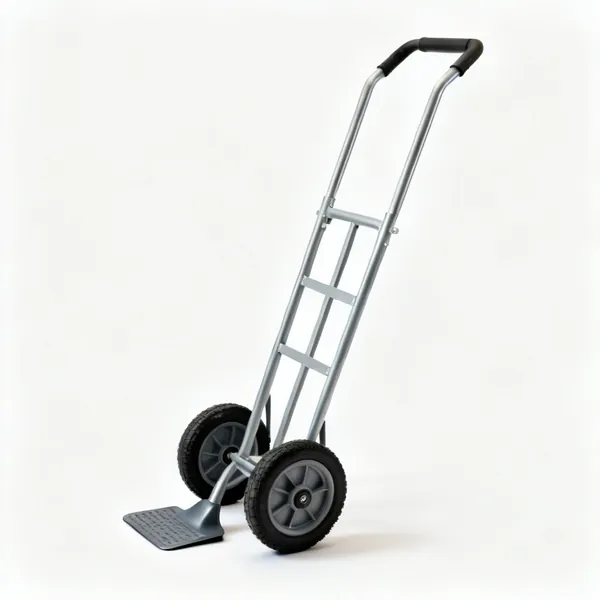
  • Sack barrow

    Sack barrow

    An upright frame on two wheels for moving feed sacks, drums and anything heavy that can be tipped back and rolled rather than lifted.

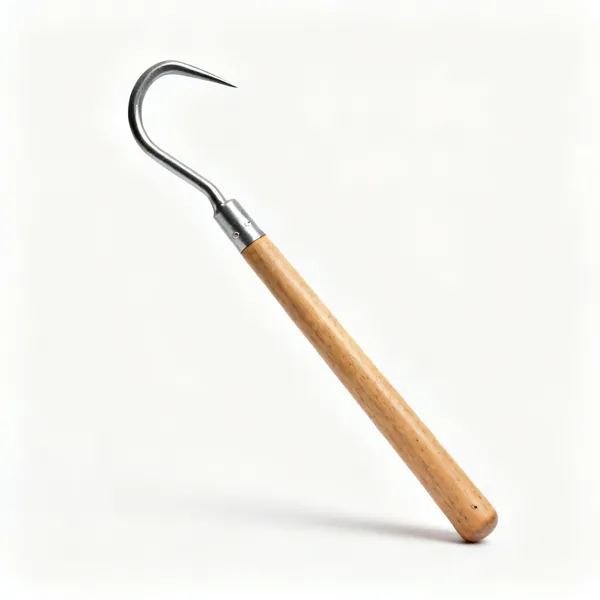
  • A bale hook with a curved steel point and a wooden handleEssential

    Bale hook

    A short hook on a handle for dragging bales without shredding your hands. Two hooks and a bale moves easily; without them it barely moves at all.

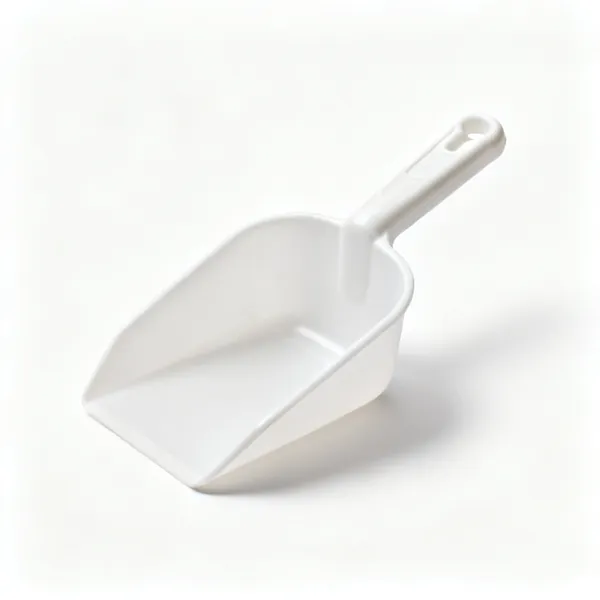
  • A plastic feed scoop with a moulded handleEssential

    Feed scoop

    A moulded scoop, usually marked by volume, so rations are consistent. Guessing feed by eye is how animals get too much or too little without anyone noticing.

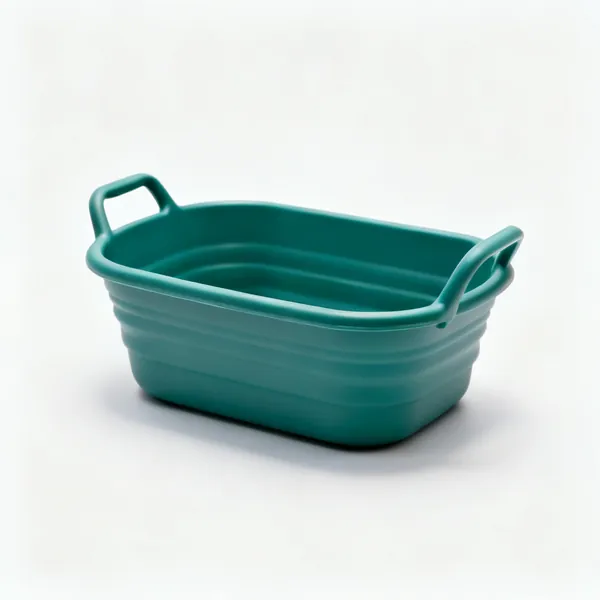
  • A flexible rubber trug tub with two handlesEssential

    Trug

    A flexible tub with two handles for carrying weeds, produce, feed or water. Light, unbreakable and the most used container on any holding.

Fencing tools 7

Putting up and repairing stock fencing. Wire under tension stores real energy, so these are the tools on the page most likely to hurt you if they slip.

  • A two-handled post hole digger with hinged clamshell bladesEssential

    Post hole digger

    Two hinged blades that bite into soil and lift a plug out, giving a narrow hole a post sits tight in. Far better than a spade, which makes a hole too wide to hold.

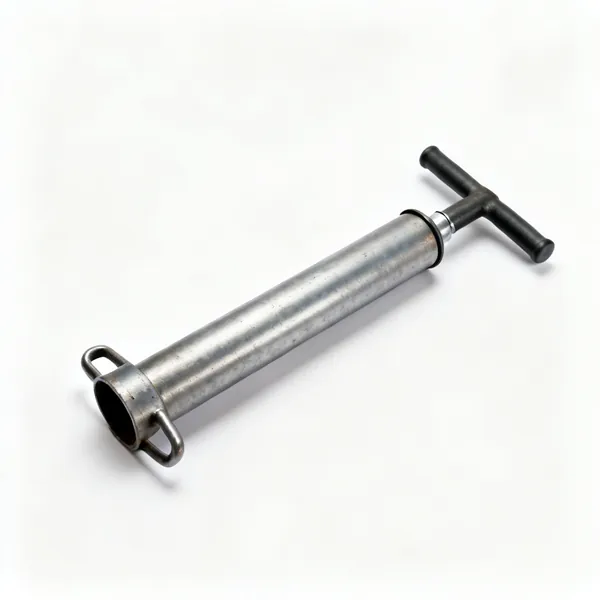
  • A heavy metal post rammer tube with two side handlesEssential

    Post rammer

    A heavy weighted tube with handles that you drop over a post to drive it in. Uses the weight rather than your back, and keeps the post from splitting.

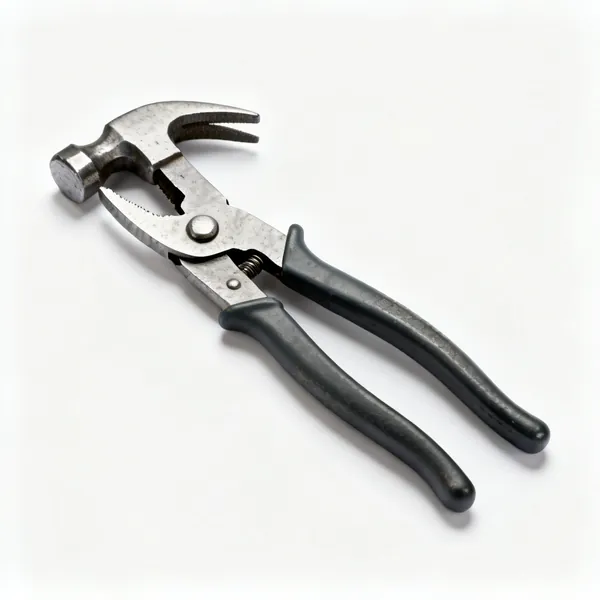
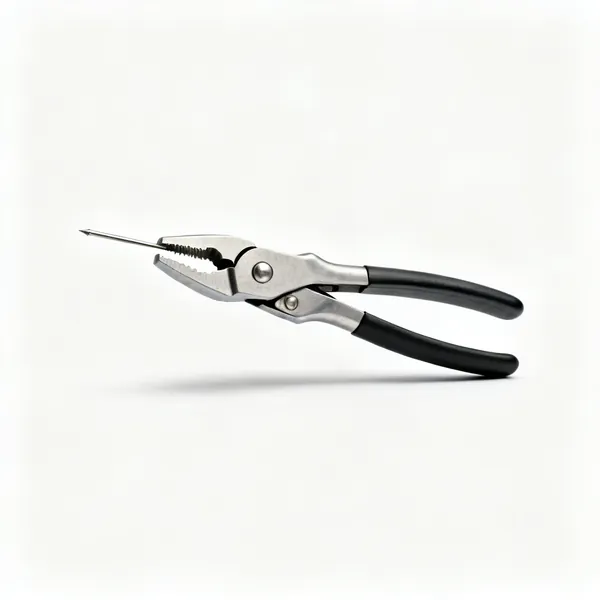
  • A pair of fencing pliers with a hammer head and cutting jawsEssential

    Fencing pliers

    Hammer, staple puller, wire cutter and gripping jaws in one tool. Buy these properly: a cheap pair slipping off a strained wire is the real injury risk in fencing.

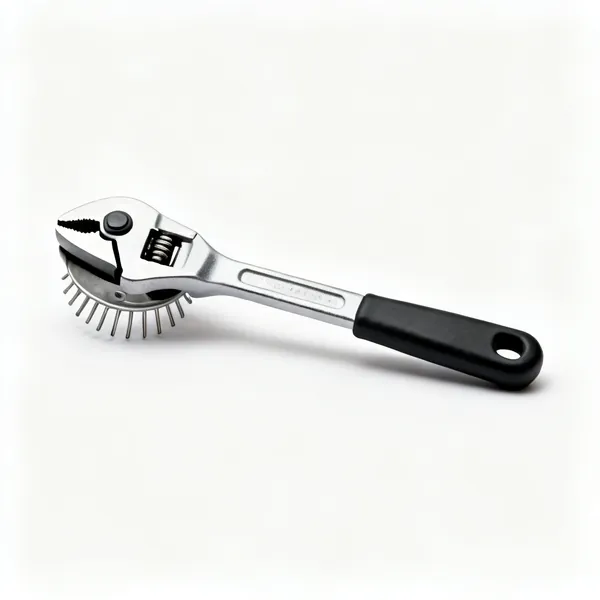
  • A ratchet wire strainer with a handle and gripping jawsEssential

    Wire strainer

    A ratchet that pulls fencing wire tight and holds it while you fix it off. A fence is only as good as its tension, and hands alone cannot get close.

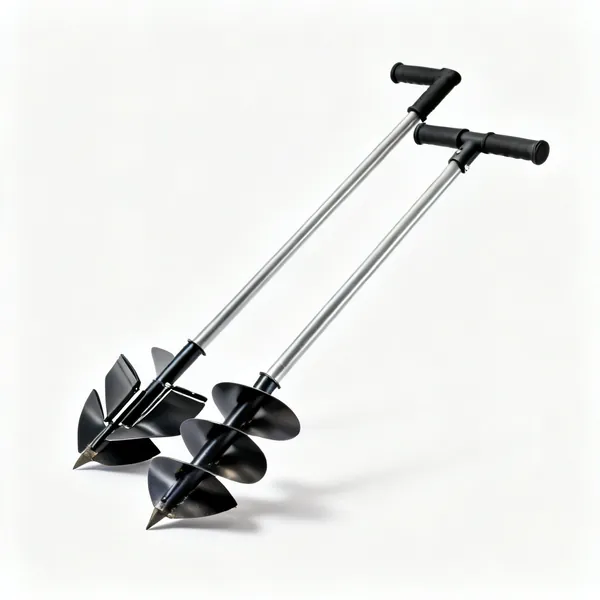
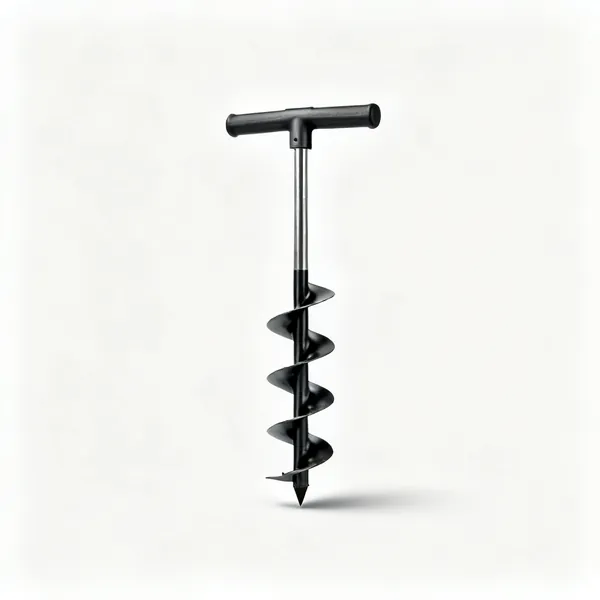
  • A manual earth auger with a corkscrew bit and a T handle

    Earth auger

    A corkscrew bit turned into the ground to bore a clean hole. Much faster than a digger in soft soil and hopeless once it meets stone.

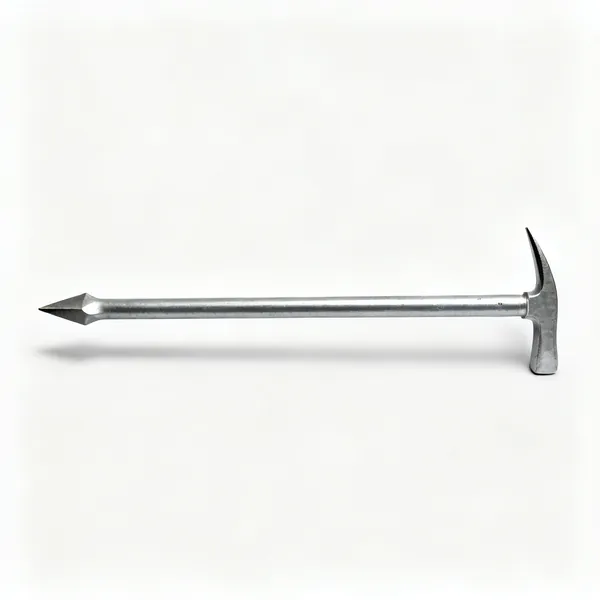
  • A long steel crowbar with a chisel end and a pointed endEssential

    Crowbar

    A long heavy steel bar for levering out old posts, breaking stone in a hole and starting a hole where the ground is hard. Nothing subtle and often the only thing that works.

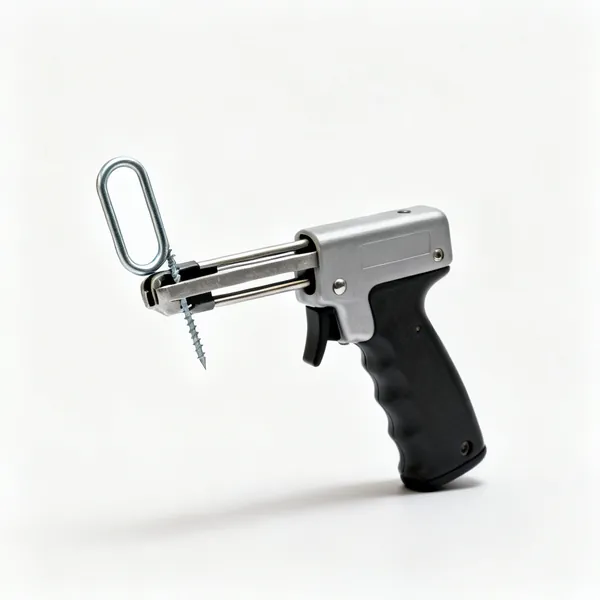
  • A fencing staple driver tool holding a U-shaped staple

    Fencing staple driver

    Holds and drives fencing staples one handed, so the other hand keeps the wire in place. Saves hitting your fingers, which with a hammer and a staple is otherwise routine.

Livestock tools 6

Routine animal care. All of these are about doing a small job often, because that is what stops a small problem becoming a vet bill.

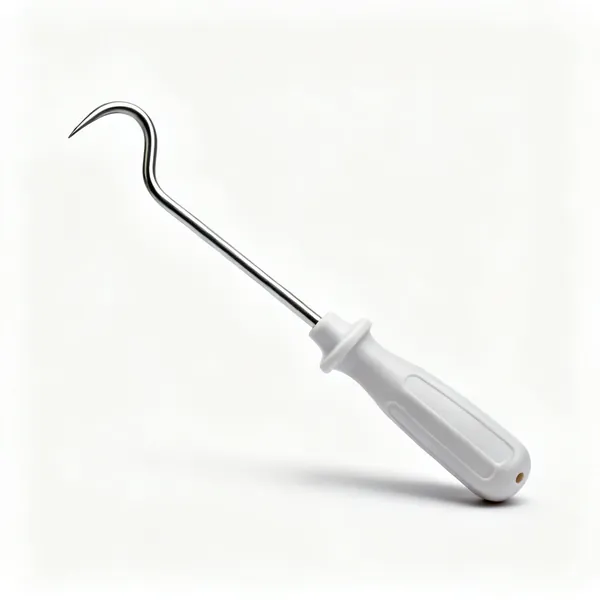
  • A hoof pick with a curved steel hook and a plastic handleEssential

    Hoof pick

    A hooked pick for clearing stones and packed dirt out of hooves. The single most frequent job with any hoofed animal, and neglecting it causes lameness.

  • A hoof knife with a hooked curved blade and a wooden handle

    Hoof knife

    A curved blade for trimming and paring hoof horn. Sharp, specialised and genuinely worth being shown how to use before you try it.

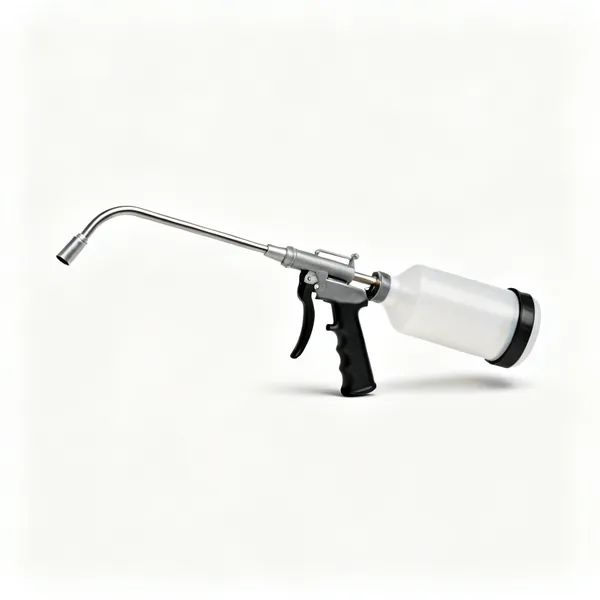
  • A livestock drenching gun with a curved nozzle and a dosing barrel

    Drenching gun

    Delivers a measured dose of liquid medicine to the back of the throat. The measurement is the point, since guessing a dose either wastes it or does not work.

  • Ear tagger: An ear tagging applicator plier with a pin and jaw

    Ear tagger

    Applies identification tags in one squeeze. Legally required for most livestock, and a clean fast application is what stops the site becoming infected.

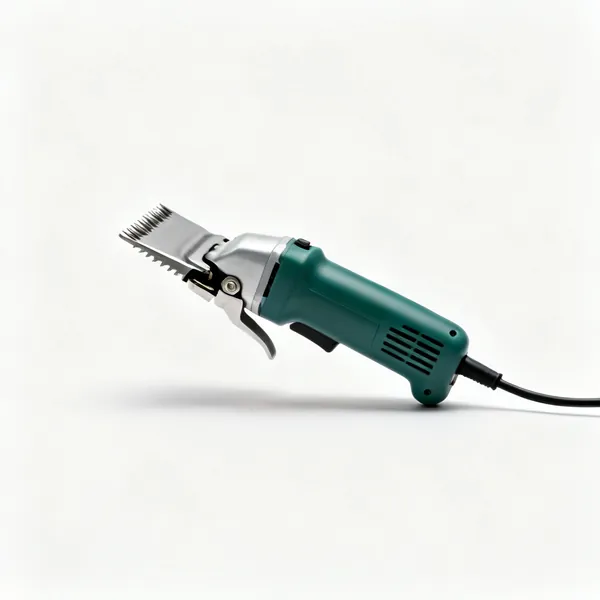
  • Electric livestock clippers with a wide blade head and a cable

    Livestock clippers

    Powered clippers for shearing and trimming. Blades need oiling constantly and sharpening often, and a blunt blade pulls the wool rather than cutting it.

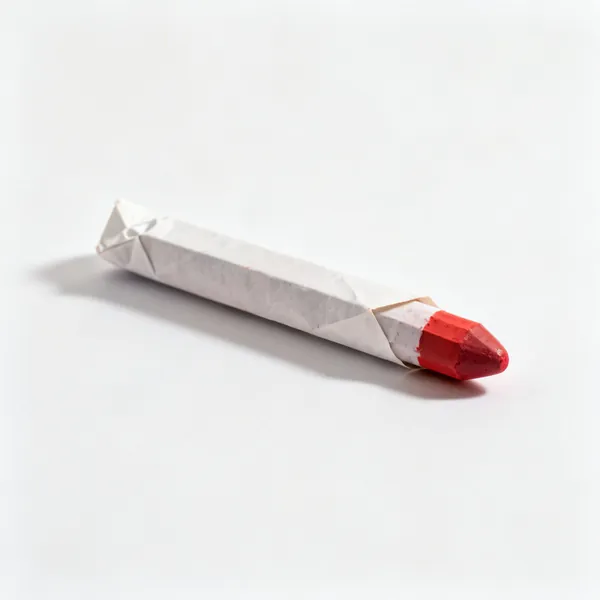
  • Stock marker: A livestock marking crayon stick in a paper wrapper

    Stock marker

    A crayon or aerosol for marking animals that have been treated, served or need attention. Simple, and the reason nobody has to remember which was which.

Soil testing & measuring 5

Knowing rather than guessing. Every one of these is cheap relative to a wasted season, which is what a wrong assumption about soil actually costs.

  • A soil pH meter with a metal probe and a dial displayEssential

    Soil pH meter

    Reads how acid or alkaline your soil is, which decides what will grow and what lime or feed it needs. Guessing this wastes a whole growing season.

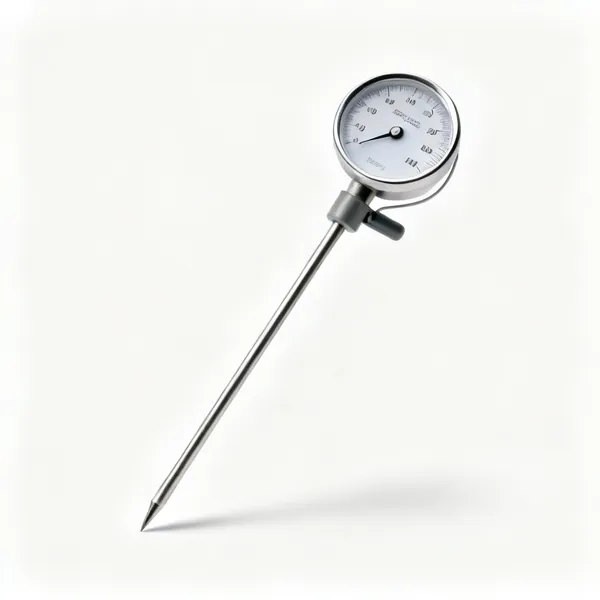
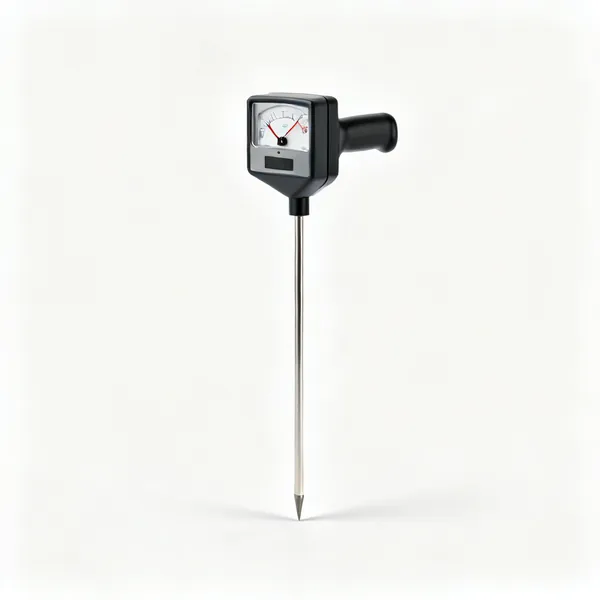
  • A soil thermometer with a long metal probe and a round dial

    Soil thermometer

    Soil temperature, not air temperature, is what determines whether seed germinates. It is why sowing by calendar fails in a cold spring.

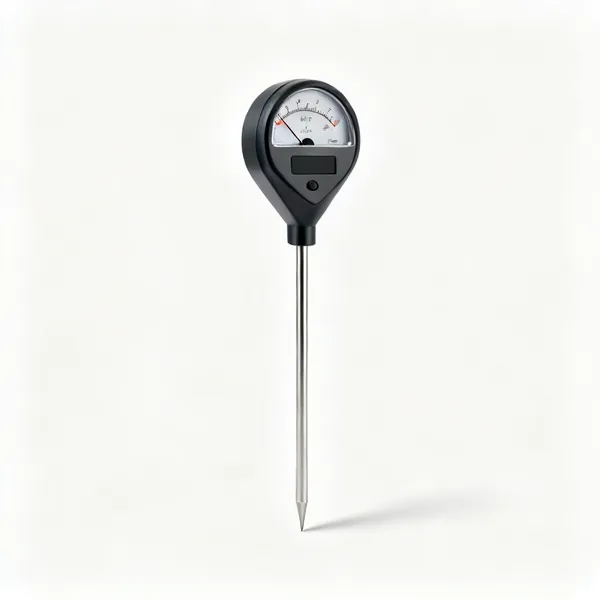
  • A soil moisture meter with a probe and a small gauge

    Soil moisture meter

    Tells you how wet the soil is below the surface, where a dry top inch often hides plenty of water. Prevents the most common mistake, which is overwatering.

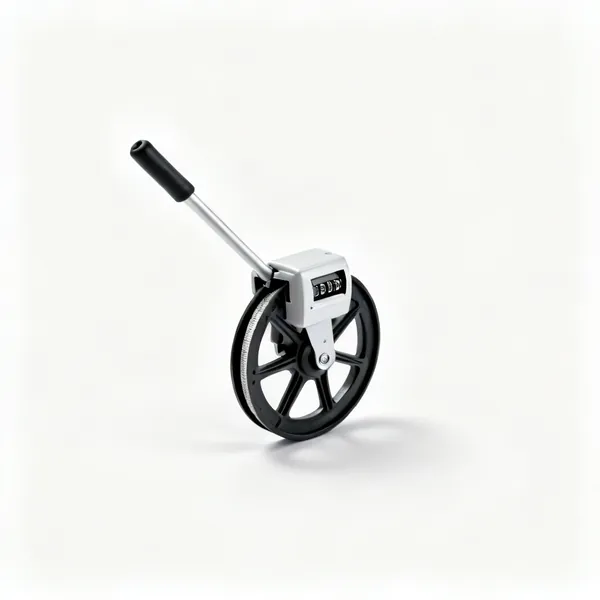
  • A measuring wheel with a counter and a long handle

    Measuring wheel

    A wheel on a handle that counts distance as you walk. For fencing runs, field lengths and spacing rows, where a tape measure is impractical.

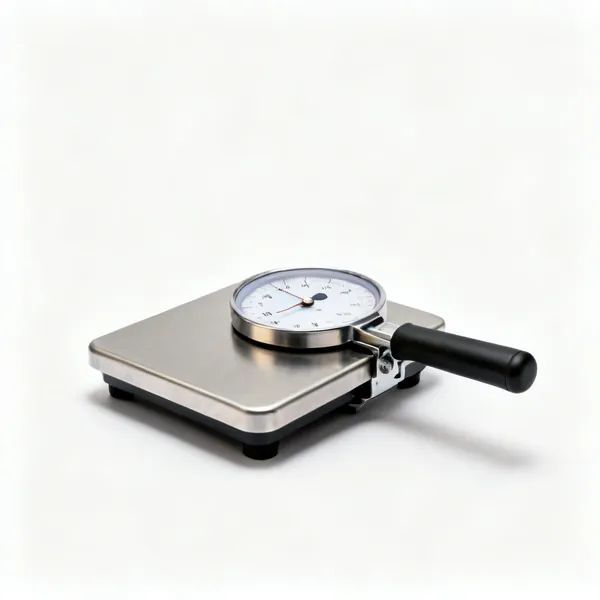
  • Platform scale: A metal platform weighing scale with a dial display

    Platform scale

    Weighs feed, produce and stock. Weight is how you track whether animals are thriving and whether a crop is worth what you spent on it.

Safety gear 5

Farm work is one of the more dangerous occupations there is, and most of it is preventable with these. None of it is optional.

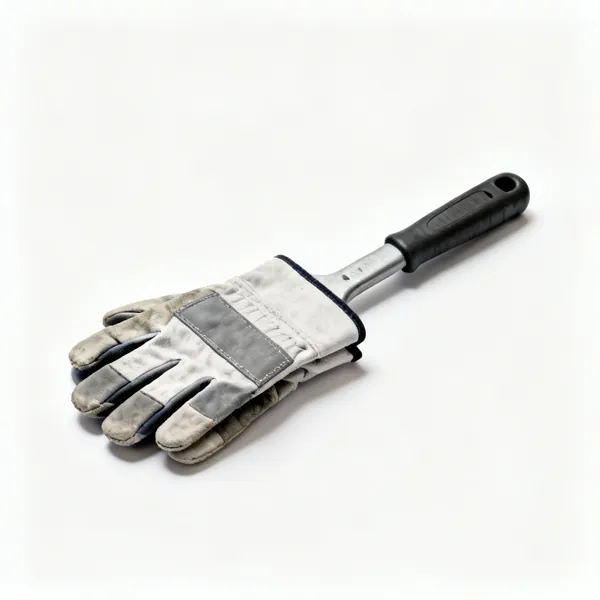
  • A pair of heavy-duty work gloves with reinforced palmsEssential

    Work gloves

    Thorn proof for hedging, waterproof for stock, grippy for wire. One pair for everything means you either destroy them or stop wearing them, so keep two or three types.

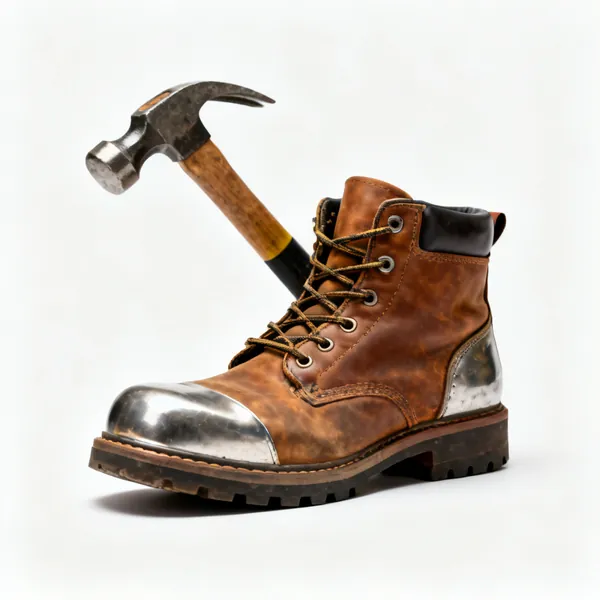
  • Steel toe boots: A pair of steel toe capped work bootsEssential

    Steel toe boots

    Protection from dropped tools, trodden feet and standing on something sharp. Waterproof matters as much as the toe cap, because wet feet all day ends work early.

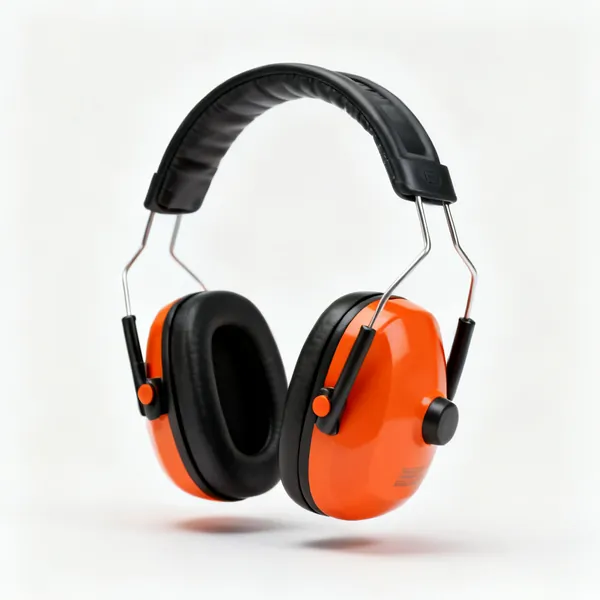
  • A pair of over-ear protective ear defendersEssential

    Ear defenders

    Tractors, chainsaws and grinders all cause permanent cumulative hearing loss. Damage does not announce itself, which is why people only notice years later.

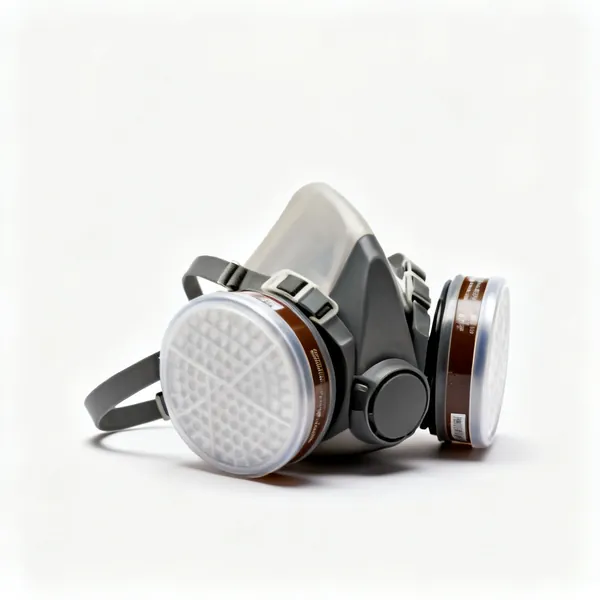
  • A half-face respirator mask with twin filter cartridgesEssential

    Respirator

    For grain and hay dust, mouldy bedding and spraying. Farmer's lung is a real and irreversible occupational disease, and a rated mask prevents it.

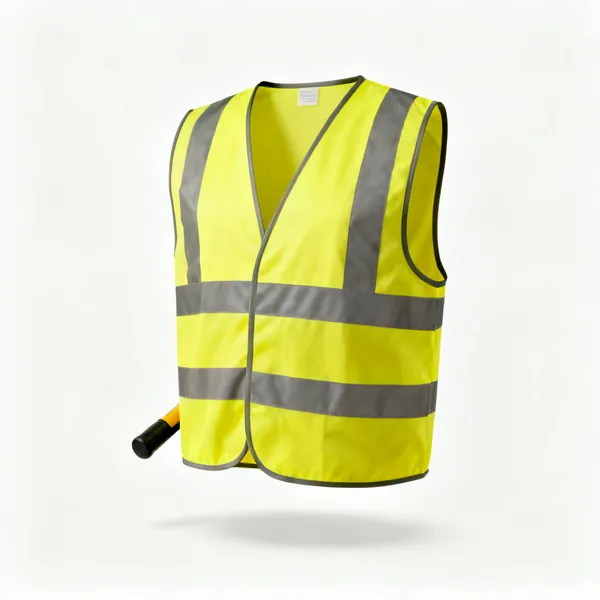
  • Hi vis vest: A yellow high visibility vest with reflective strips

    Hi vis vest

    Being seen by whoever is driving the tractor or the quad. Cheap, and the accidents it prevents are the ones that do not leave you the chance to learn from them.

Choosing farm tools

The list above is what exists. This is how to pick tools that survive outdoor work, which is a harder test than anything a workshop asks of them.

Why farm tools fail

Almost nothing here fails from cutting or digging. It fails at the join between the handle and the head, because that joint takes every bit of leverage you apply and spends its life getting wet. A tool that survives ten years on a farm is one where that joint was made properly.

The second cause is being left where it was used. A spade in long grass over a winter is a rusted spade with a swollen handle, and a hay fork left in a bale is a hay fork nobody can find. More farm tools are lost to habit than to work.

How to tell a good one from a bad one

You can judge most of this in the shop, by looking at how the tool is put together rather than what it costs.

Look at the socket, not the blade
A solid socket, where the head wraps fully around the handle, outlasts a tanged one held by a single rivet. On a digging tool this is the difference between a decade and a season.
Ash handles for anything you lever with
Ash flexes and absorbs shock instead of shattering. Fibreglass is fine and lighter, cheap softwood splits the first time you use the tool as a lever, which you will.
Forged beats pressed
A forged head has been beaten into shape and is denser. A pressed one is stamped from sheet and bends when it meets a stone, which in most soil is immediately.
Length is fitted to you, not the job
A handle that makes you stoop will hurt your back within an hour. Long handled tools should reach roughly to your chin when stood upright.
Stainless is easier, carbon steel cuts better
Stainless resists rust and slides through soil cleanly. Carbon steel takes and holds a far better edge on anything that cuts, which is why scythes and sickles are still made from it.
Buy the boring brand
Farm tools are one of the few areas where old designs are already optimal. A plain forged spade from an unglamorous maker will outlive anything with a marketing story.

When a hand tool still wins

Machines have taken over most of the heavy work, and there is no romance in pretending otherwise. But hand tools are still the right answer more often than people expect.

In tight and awkward ground
Between established plants, along a fence line, on a slope. Anywhere a machine cannot reach or would do damage getting there.
When the job is smaller than the setup
For twenty metres of edge, a sickle is finished before a strimmer is fuelled, started and put away again.
When you need to feel what you are doing
Lifting seedlings, splitting clumps, working around roots. A blade you control by hand does not tear what you meant to keep.
When nothing else is running
No fuel, no charge, no starter motor and nothing to service. On a wet morning that is not a small advantage.

What to buy first, in order

For a smallholding or a large plot, this order gets you working soonest and wastes least.

Stage one: ground and carrying
A digging spade, a garden fork, a shovel, a draw hoe, a garden rake and a wheelbarrow. Add stout gloves and boots, because everything here punishes bare hands. That set moves soil, clears ground and carries what you cut.
Stage two: planting and cutting
A hand trowel, a dibber, secateurs, a sickle or grass hook, loppers and a watering can. This is where the work turns from clearing land into growing on it.
Stage three: fencing, livestock and the rest
Post hole digger and rammer, fencing pliers and a wire strainer if you are keeping anything in. Hoof pick and drenching gun if that anything has feet. A knapsack sprayer, a scythe, a soil test kit, as the work demands them.

Mistakes that cost money

Buying a border spade for real digging
The smaller blade looks manageable and simply takes more passes. Match the tool to the ground, not to what feels light in the shop.
Using a fork as a lever on stone
Tines bend and never come back true. A crowbar or a mattock is the tool for anything immovable.
Leaving cutting tools blunt
A blunt sickle or scythe tears grass and doubles the effort. Ten minutes with a stone restores more performance than any new tool would.
Cheap fencing pliers
They round off, then slip, then let go of a strained wire under tension. That is the one failure here with a real chance of injuring you.
Storing tools in the ground
A spade left standing in soil wicks water into the handle. It swells, then shrinks, then the head is loose and the tool is finished.
One size of glove
Thorn work, wire work and handling stock all need different gloves. A single pair means you either shred them or stop wearing them.

Making them last

Farm tools live outdoors and still last decades, provided two habits are kept.

Clean the soil off before putting it away
Soil holds moisture against steel and that is where rust starts. A scrape and a wipe takes seconds and prevents almost all of it.
Oil the steel and the joint
An oily rag over the blade and into the socket keeps water out of the one place that actually fails.
Sharpen digging tools too
A spade with an edge cuts roots instead of bouncing off them. Most people never sharpen one, and it is the single easiest improvement to make.
Keep handles out of the sun
Wood dries and cracks in strong sun as surely as it rots in wet. A shed wall is better than a fence post.
Hang them up
Tools stood on their blades or piled in a corner damage each other, and a hung tool is one you can find in the dark.

Frequently asked questions

What are the basic farm tools every smallholding needs?
A digging spade, a garden fork, a shovel, a draw hoe, a garden rake and a wheelbarrow, plus proper gloves and boots. That handles moving soil, clearing ground and carrying. Planting and cutting tools come next, and fencing kit only when you are keeping stock.
What is the difference between a spade and a shovel?
A spade has a flat, straighter blade for cutting into soil and slicing turf. A shovel has a curved, wider blade with raised sides for scooping and moving loose material. Digging with a shovel is hard work, and moving gravel with a spade spills most of it.
What is the difference between a hoe and a mattock?
A hoe has a light blade for slicing weeds at or just below the surface. A mattock is heavy and swung, with an adze blade for breaking hard ground and often a pick or axe on the other side. One weeds, the other excavates.
What are the main types of farming tools?
They fall into groups by task: ground breaking and digging, weeding and cultivating, raking and levelling, cutting and harvesting, pruning, planting, watering, carrying, fencing, livestock handling, and soil testing. This page is organised in that order.
Do I need a scythe if I have a strimmer?
For small areas or awkward corners, a scythe is often finished before a strimmer is fuelled and started, it makes no noise, and it lays the grass down neatly enough to gather. For large areas repeatedly, the machine wins comfortably.
What is a hori hori used for?
It is a Japanese digging knife with a sharpened, often serrated blade and depth markings. It plants, weeds, divides clumps, saws small roots and cuts twine, which is why many growers carry one instead of a trowel.
How do I stop farm tools rusting?
Clean the soil off before storing, wipe the steel and the socket with an oily rag, and keep the tool under cover rather than standing in the ground. Soil against steel holds water, and that is where nearly all rust begins.
Should farm tool handles be wood or fibreglass?
Ash is the traditional choice because it flexes and absorbs shock, and it can be replaced. Fibreglass is lighter, does not rot and does not need oiling, but when it does fail it fails suddenly. Avoid cheap softwood handles on anything you lever with.
What fencing tools do I actually need?
A post hole digger or an auger, a post rammer, fencing pliers and a wire strainer. The pliers are the one place not to save money, since a cheap pair slipping off strained wire is the most likely way to get hurt on this list.
How often should I sharpen a sickle or scythe?
A scythe wants a few strokes with a stone every ten minutes of mowing, which sounds excessive until you try it. A sickle needs it far less often. Both tear rather than cut once dull, which doubles the work and damages the grass.
What is the difference between a garden fork and a broadfork?
A garden fork is used one handed to lift and turn soil and manure. A broadfork is much wider with two long handles, and you stand on it to loosen deep soil without turning it over, which keeps the soil structure intact.
Are stainless steel farm tools better?
Easier, not better. Stainless resists rust and slides through soil cleanly, which matters on digging tools. For anything that cuts, carbon steel takes and keeps a sharper edge, which is why quality scythes and sickles are still carbon steel.