Disclosure

HVAC tools: names, pictures and what each one is used for

A complete HVAC tools list with a picture of every one, all 79 grouped by the job, from refrigerant handling and brazing through ductwork, electrical testing and measuring airflow. This is the most regulated trade on the site, and the page says where certification is legally required.

43 are marked essential: a working service kit of gauges, a vacuum pump, scales, electrical test gear and hand tools.

Refrigerant & charging 12

Certified work. Handling refrigerant requires certification almost everywhere, and suppliers will not sell the gas without it.

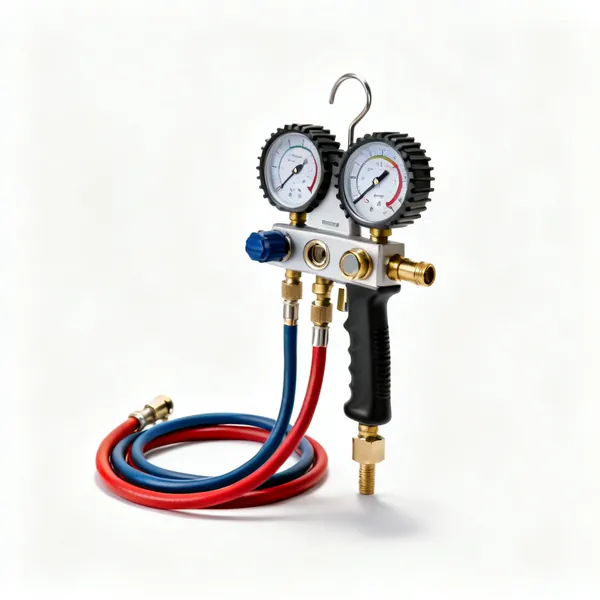
  • A refrigeration manifold gauge set with hosesEssential

    Manifold gauge set

    Reads high and low side pressures and connects the pump, cylinder and system. The core instrument of refrigerant work.

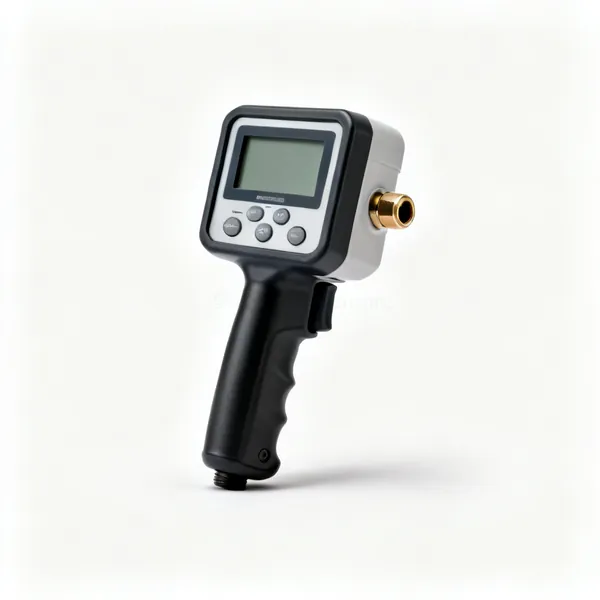
  • Digital manifold: A digital refrigeration manifold gauge with a screen

    Digital manifold

    Reads pressure and temperature and calculates superheat and subcooling directly, which is what the charge is actually judged on.

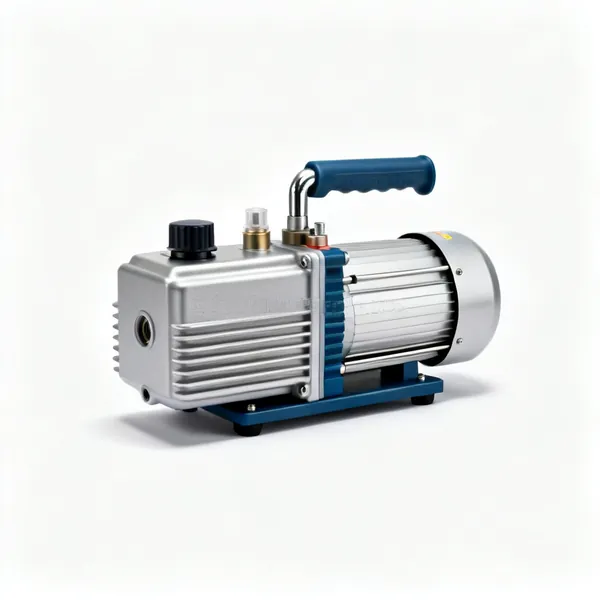
  • A two stage refrigeration vacuum pumpEssential

    Vacuum pump

    Pulls air and moisture out before charging. Two stage, and the oil must be fresh or it cannot reach a deep vacuum.

  • Micron gauge: A digital micron vacuum gaugeEssential

    Micron gauge

    Measures deep vacuum accurately, which a manifold cannot. The only way to know an evacuation actually worked.

  • Digital refrigerant charging scales with a platformEssential

    Charging scales

    Weighs refrigerant in to the manufacturer's figure. Judging a charge by pressure gets close, and close is not correct.

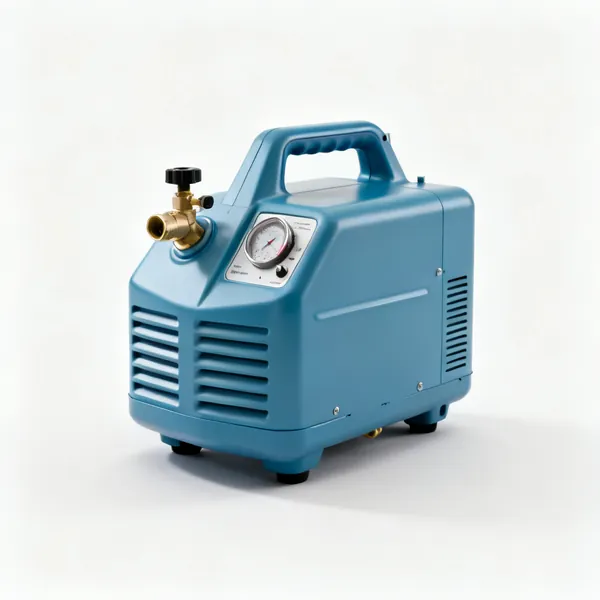
  • A refrigerant recovery machine unit

    Recovery machine

    Pumps refrigerant out of a system into a cylinder. Venting is an offence, so this is how a system is legally opened.

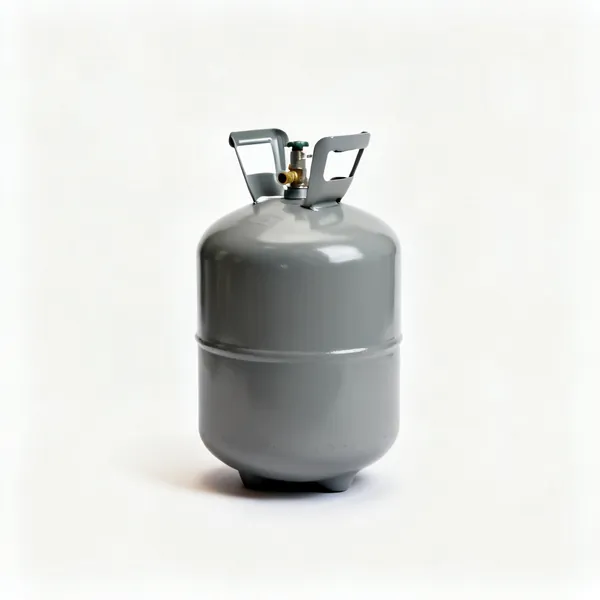
  • A grey refrigerant recovery cylinder

    Recovery cylinder

    A rated cylinder for recovered gas. Never filled past its limit, since liquid refrigerant expands and has nowhere to go.

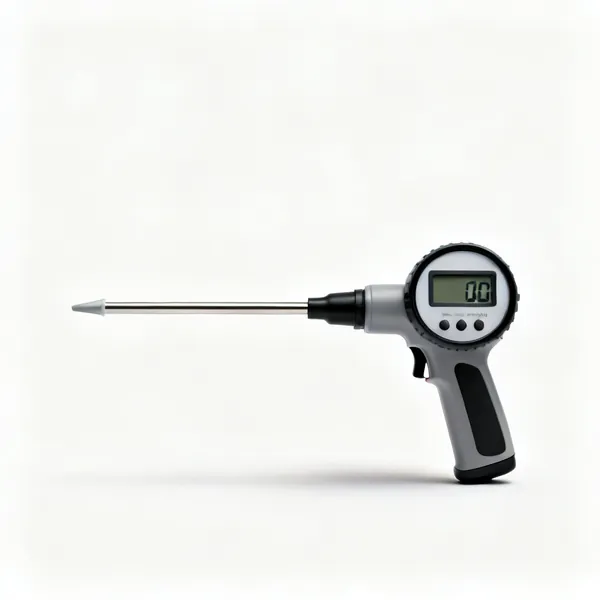
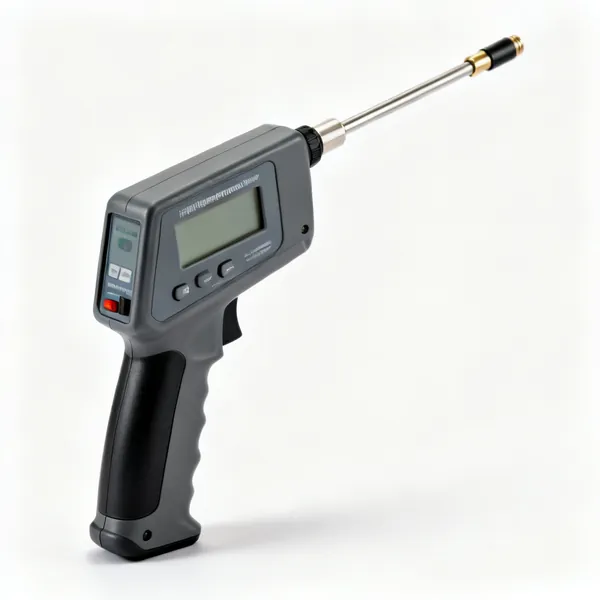
  • Electronic leak detector: A handheld electronic refrigerant leak detectorEssential

    Electronic leak detector

    Sniffs out escaping refrigerant. A system low on charge has a leak, and topping it up without finding it is not a repair.

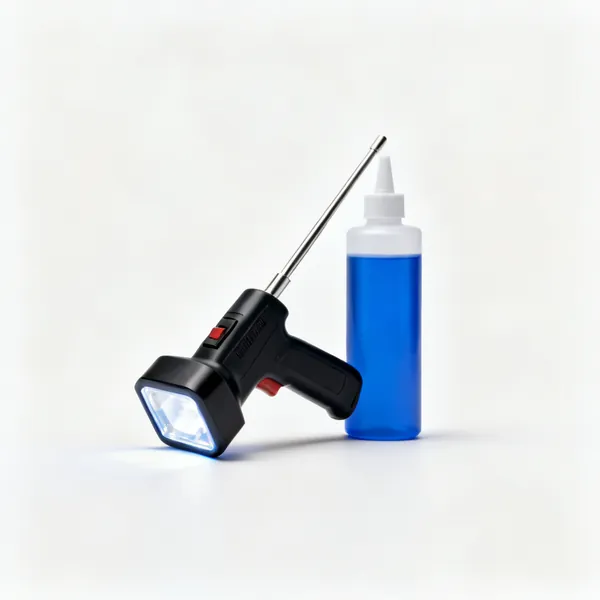
  • UV dye & lamp: A UV leak detection lamp with dye bottle

    UV dye & lamp

    Dye circulated with the refrigerant glows at the leak under ultraviolet light. Finds the slow leaks a sniffer misses.

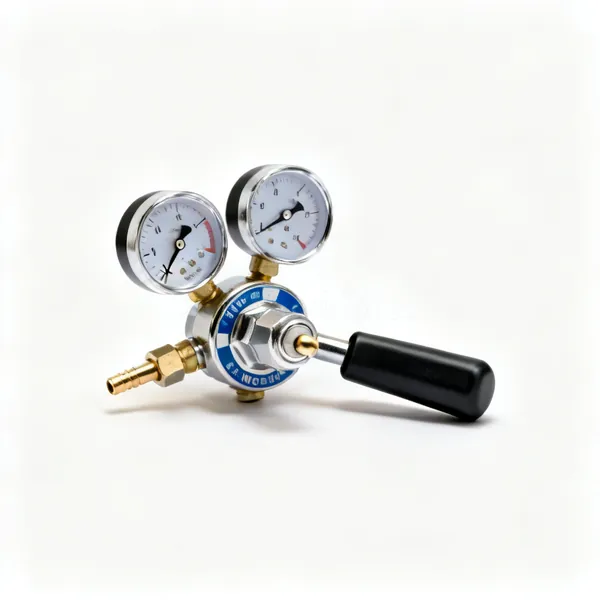
  • A nitrogen regulator with two gaugesEssential

    Nitrogen regulator

    Controls dry nitrogen for pressure testing and purging while brazing. Oxygen must never be used for either.

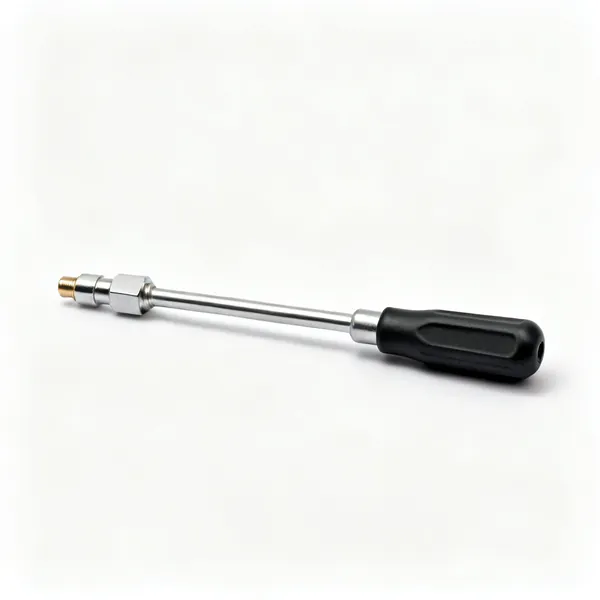
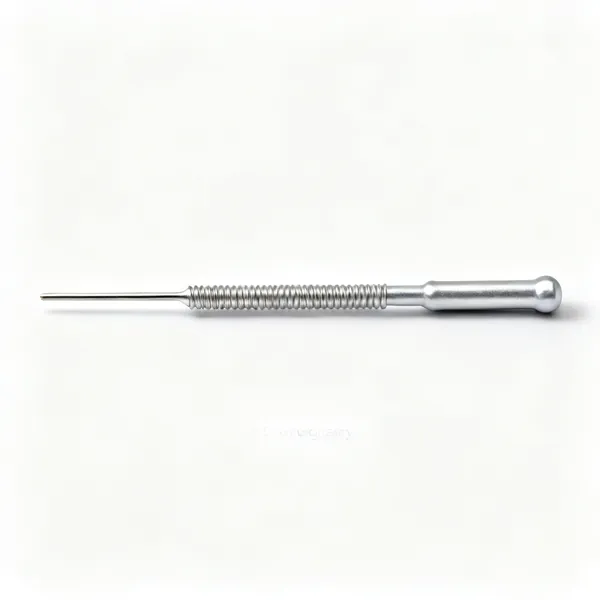
  • A valve core removal tool for refrigeration

    Core removal tool

    Takes the schrader valve core out so evacuation is not throttled through a tiny port. It can double evacuation speed.

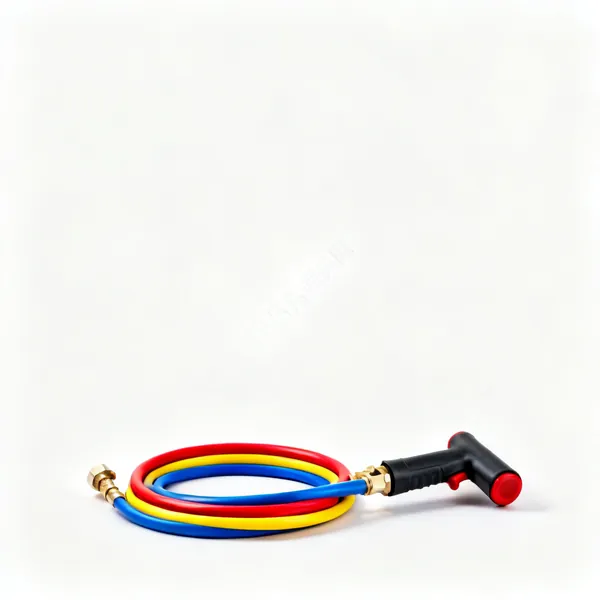
  • Refrigeration charging hoses in red blue and yellowEssential

    Charging hoses

    Short and wide for evacuation, since a long thin hose makes a good pump behave like a cheap one. Capped when stored.

Brazing & pipework 11

Joining copper refrigerant lines. Also certified work on a sealed system, and it has to be done with a nitrogen purge.

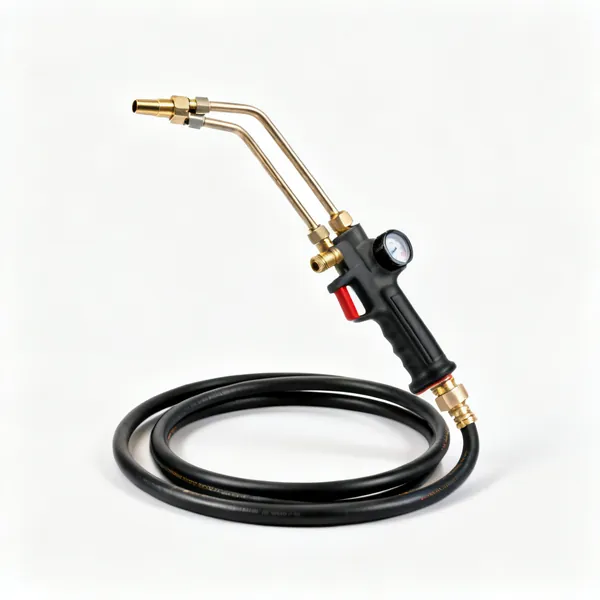
  • An oxy acetylene brazing torch with hoses

    Brazing torch

    Oxy acetylene or oxy propane, hot enough to flow brazing alloy into a copper joint. A plumbing torch will not reach it.

  • Silver brazing rods with flux

    Brazing rods

    Silver or phos copper alloy that flows into the joint by capillary action. Copper to copper needs no flux, brass does.

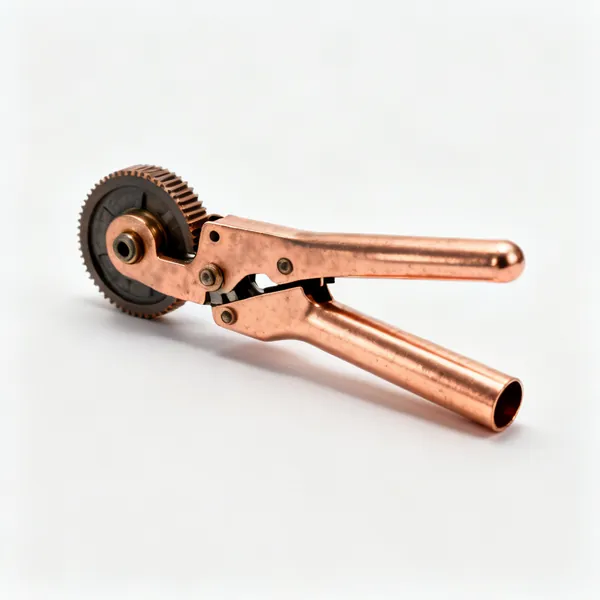
  • A copper tube cutter with a rolling wheelEssential

    Tube cutter

    Cuts copper square with no swarf inside. A hacksaw drops filings into the line, and they end up in the compressor.

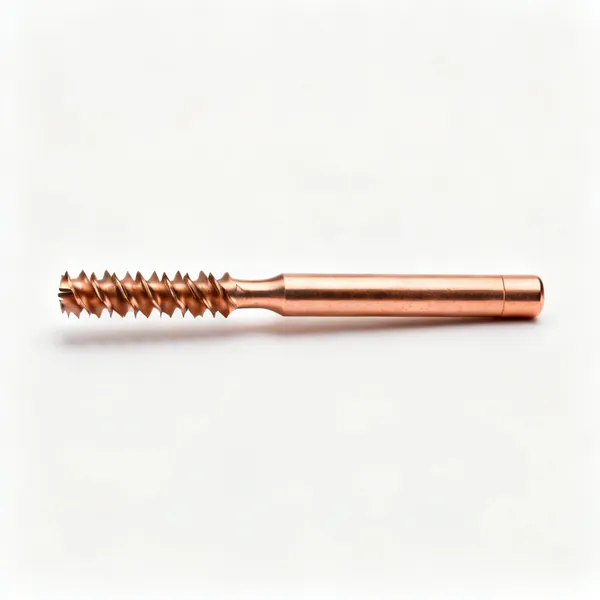
  • Deburring tool: A copper tube deburring reamer toolEssential

    Deburring tool

    Removes the internal burr a cutter leaves. That burr disturbs flow and can shed into the system.

  • A copper tube flaring tool with a yokeEssential

    Flaring tool

    Forms the 45 degree flare that seals a split system connection. A poor flare is the most common leak on a new install.

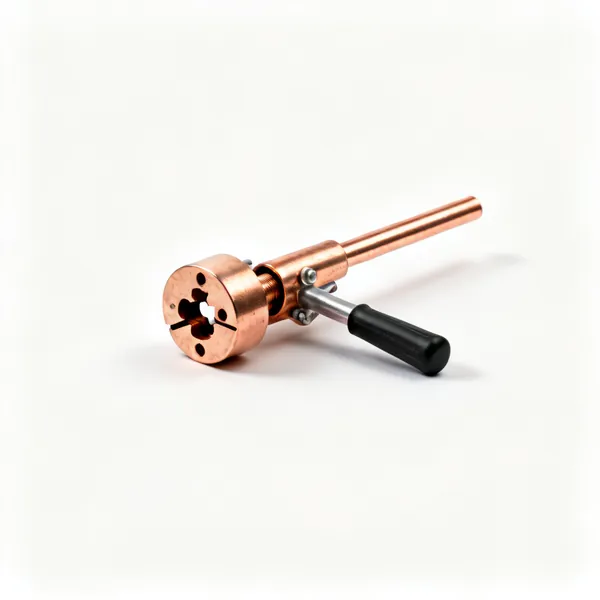
  • A copper tube swaging tool set

    Swaging tool

    Expands one tube end so another fits inside, making a brazed joint without a fitting. Fewer joints means fewer leaks.

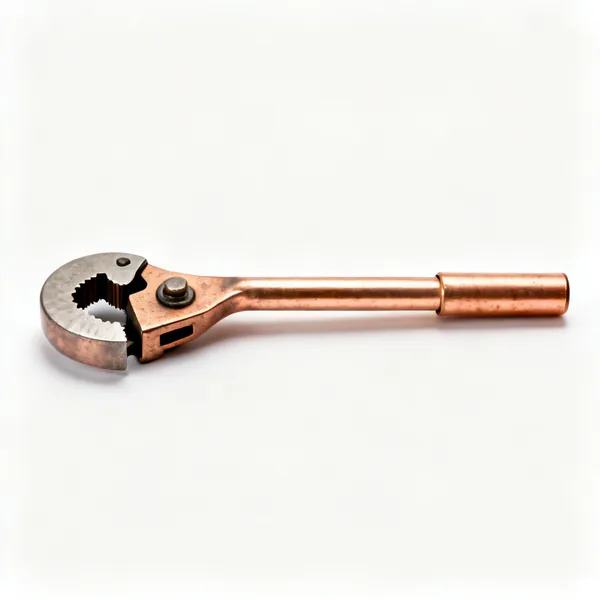
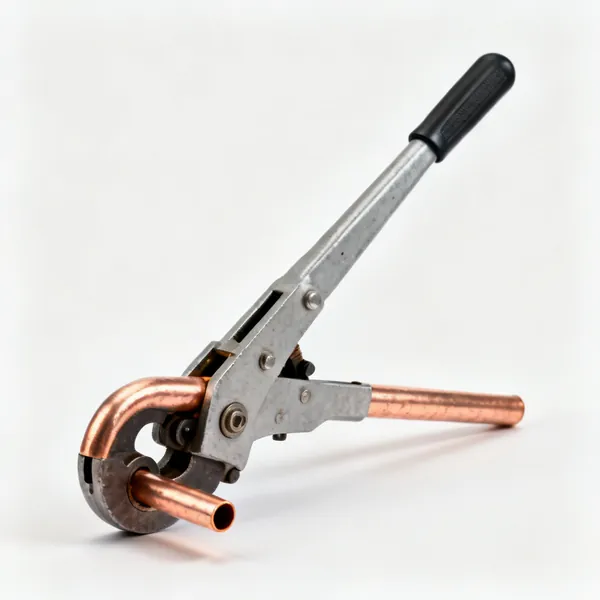
  • A lever type copper tube benderEssential

    Tube bender

    Bends soft copper to a radius without kinking it. A kinked line restricts flow permanently and cannot be straightened.

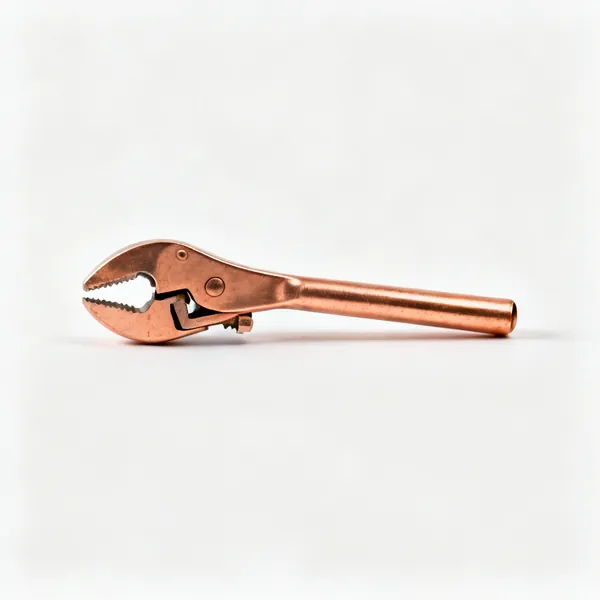
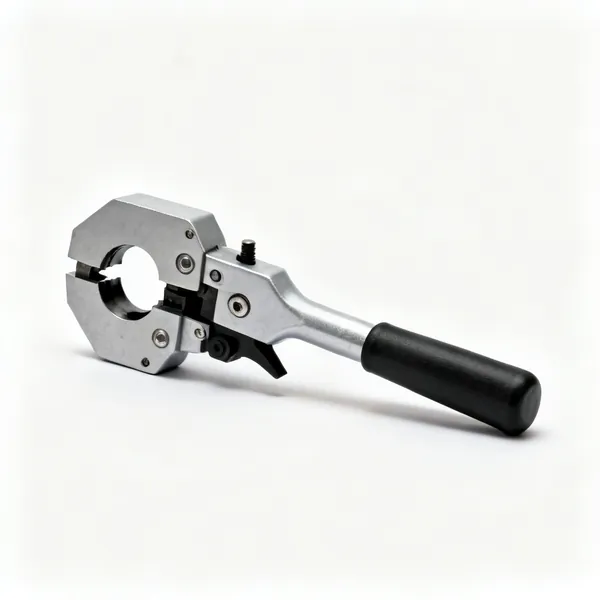
  • Pinch off tool: A copper tube pinch off clamp tool

    Pinch off tool

    Crimps a tube closed to seal it temporarily. Used on process tubes and for isolating during a repair.

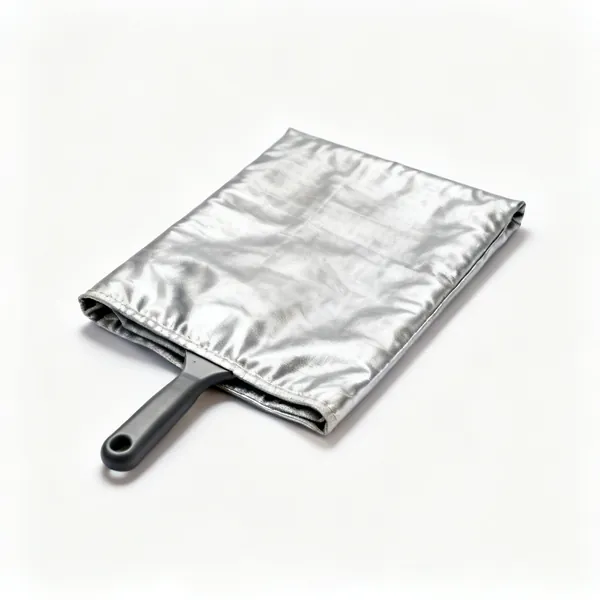
  • A fireproof brazing heat shield blanket

    Heat shield

    A fireproof pad between the joint and whatever is behind it. Brazing indoors sets fire to things you did not consider.

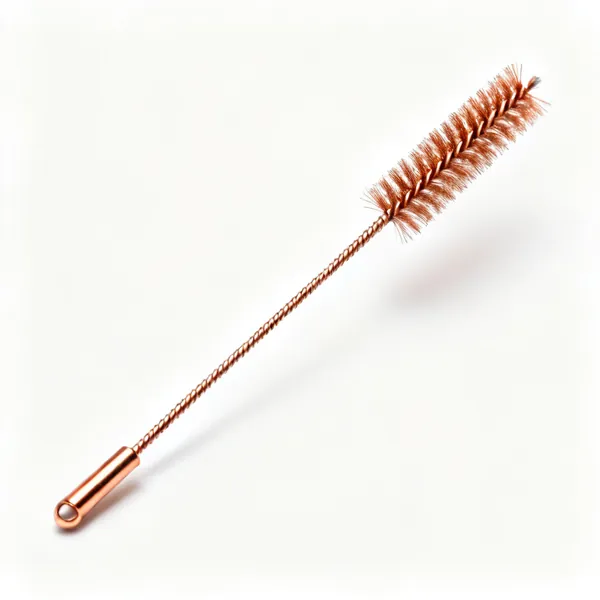
  • Tube brush: Copper tube cleaning brushes

    Tube brush

    Cleans the copper inside and out before brazing. The alloy will not flow into a dirty or oxidised joint.

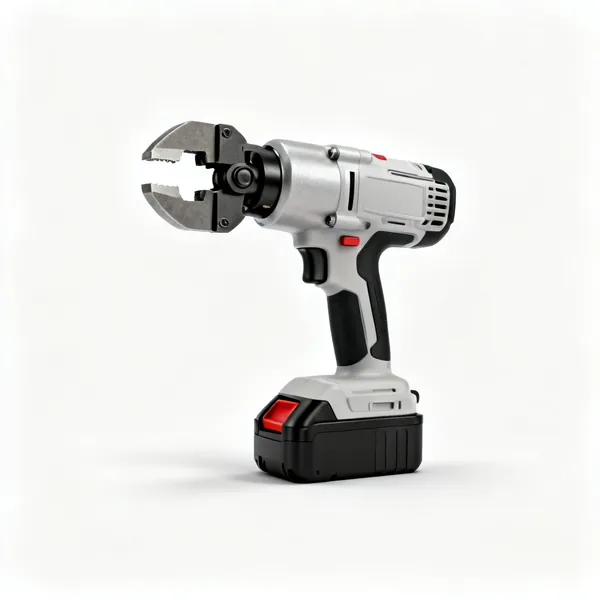
  • A battery powered press fitting tool with jaws

    Press fitting tool

    Crimps a mechanical fitting instead of brazing, with no flame at all. Increasingly used where hot works are restricted.

Electrical & controls 11

Most HVAC faults are electrical rather than mechanical. This group needs no refrigerant certification and finds most problems.

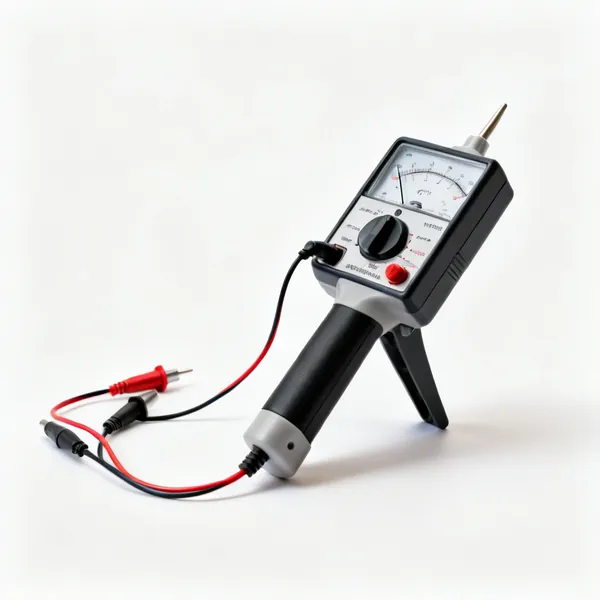
  • A digital multimeter with test leadsEssential

    Multimeter

    Voltage, resistance and continuity, which answers most control faults. The first tool out of the bag on a no start call.

  • A clamp meter with jaws openEssential

    Clamp meter

    Reads current without breaking the circuit, so you can see whether a compressor or fan is drawing what it should.

  • A capacitor tester meter with leadsEssential

    Capacitor tester

    Measures capacitance. A weak run capacitor is one of the most common failures and a cheap part to replace.

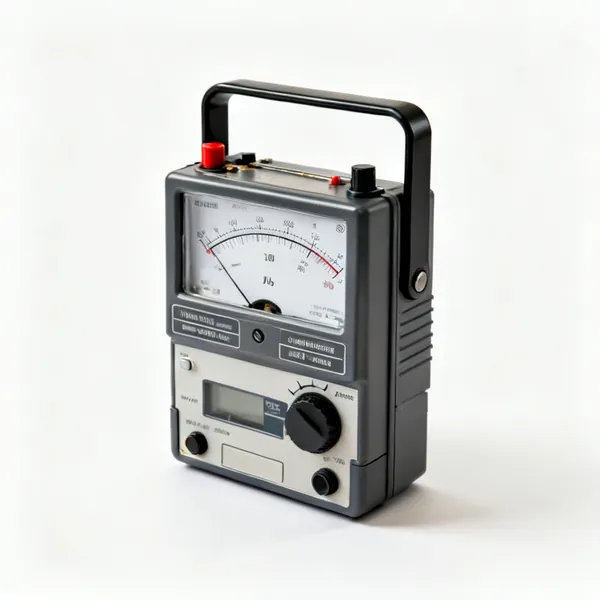
  • Insulation tester: An insulation resistance tester megohmmeter

    Insulation tester

    Tests motor winding insulation to earth, showing a compressor going down before it fails outright.

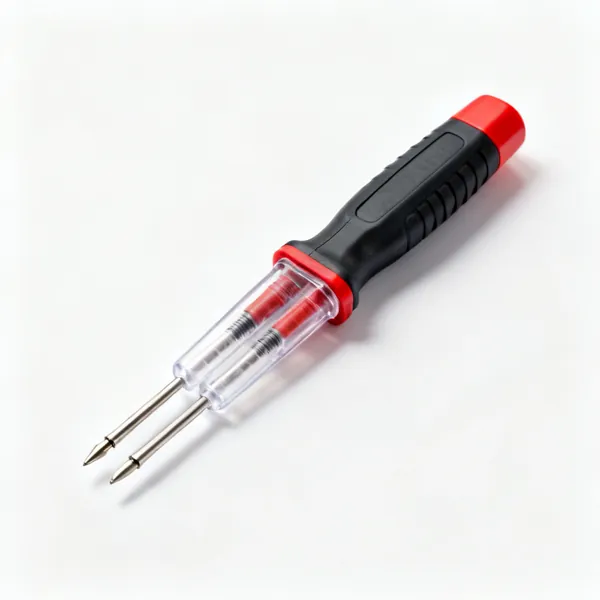
  • A two pole voltage tester with probesEssential

    Voltage tester

    Confirms dead before you touch anything, and confirms live when you expect it. Prove the tester itself works too.

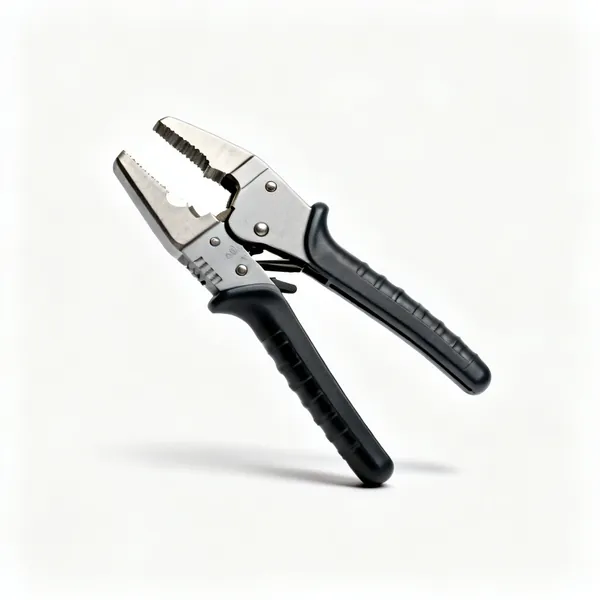
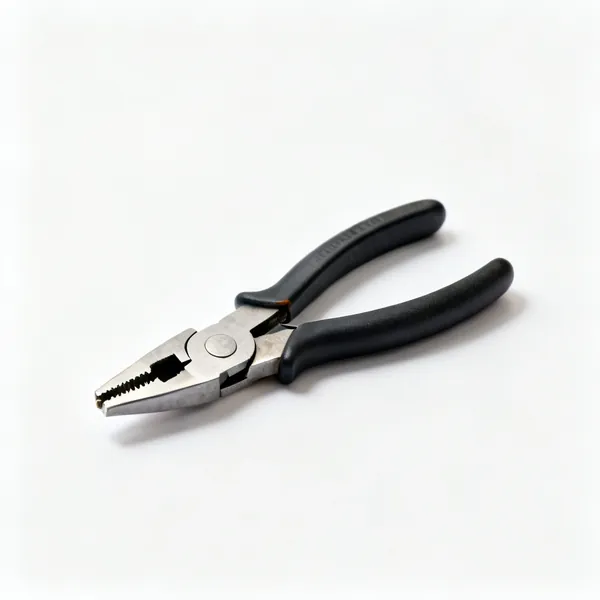
  • A pair of wire strippersEssential

    Wire strippers

    Strips insulation without nicking the conductor. A nicked strand breaks later, and it breaks somewhere inaccessible.

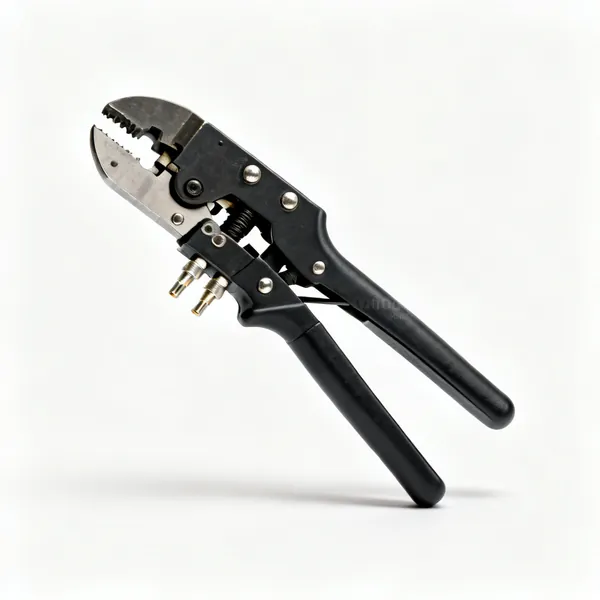
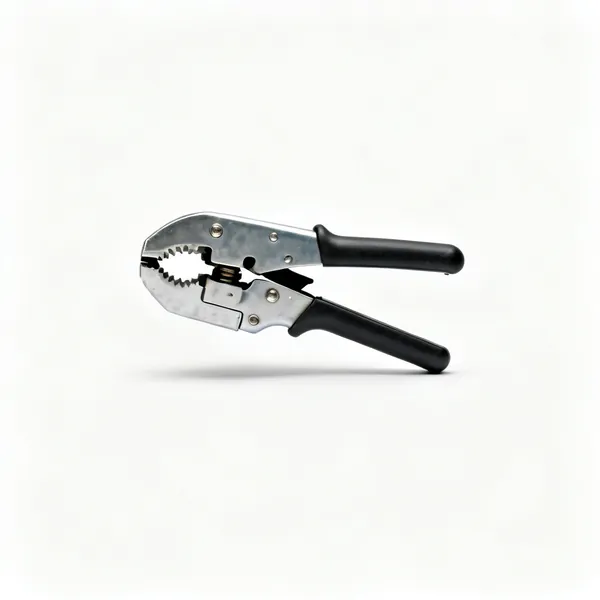
  • A ratchet crimping tool with terminalsEssential

    Crimping tool

    Makes a proper mechanical connection on terminals. A crimp done with pliers works loose and then arcs.

  • A set of coloured handled nut driversEssential

    Nut drivers

    Hex drivers for the sheet metal screws every panel and cabinet uses. Used more than any other hand tool in the trade.

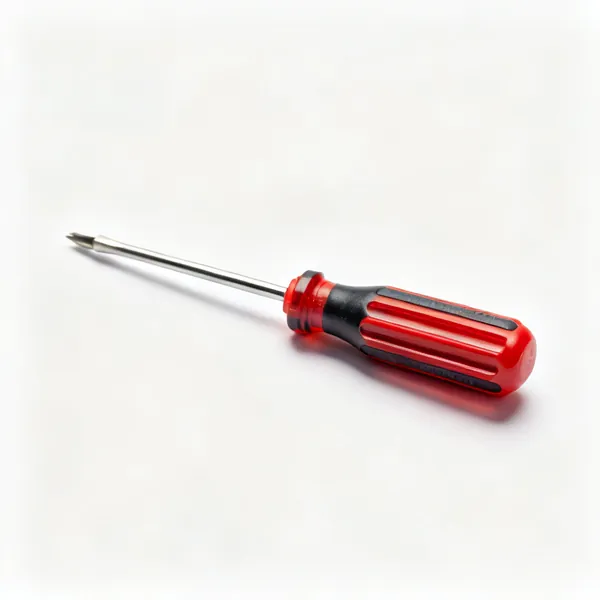
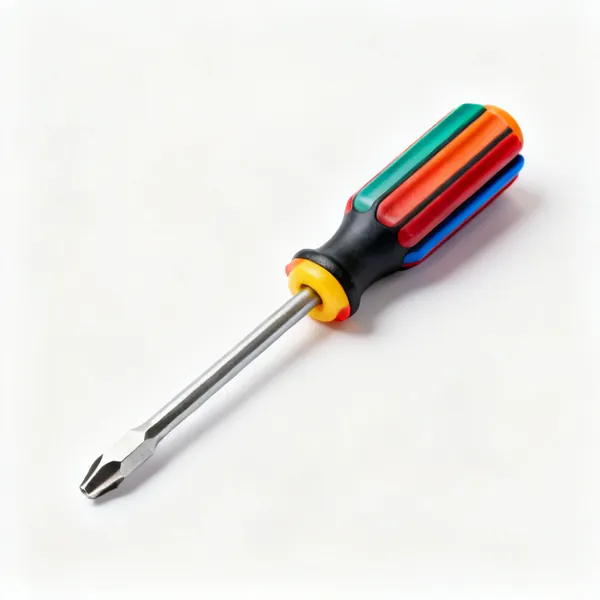
  • Control screwdrivers: A set of small insulated electrical screwdriversEssential

    Control screwdrivers

    Small insulated drivers for terminal blocks and thermostats. A big driver damages the small screws in a control board.

  • A wire tracer tone generator and probe

    Wire tracer

    Follows a cable through a wall or a bundle to find where it goes. Saves a great deal of guessing on old installations.

  • A digital psychrometer humidity meter

    Psychrometer

    Reads wet and dry bulb temperature to give humidity, which is how you judge latent capacity rather than just cooling.

Airflow & measurement 11

Where most performance complaints turn out to live. All of it is unrestricted work and most of it is cheap.

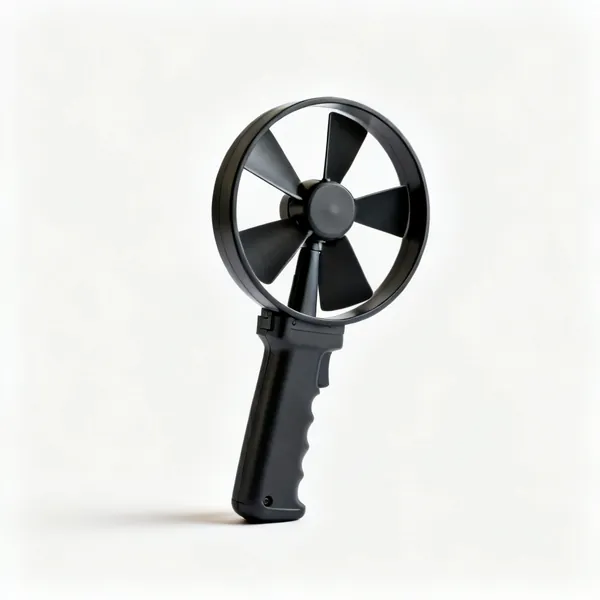
  • A handheld vane anemometer air flow meterEssential

    Anemometer

    Measures air velocity at a grille or in a duct, which converts to volume. A hand held to a vent tells you almost nothing.

  • A digital manometer with two hose portsEssential

    Manometer

    Reads static pressure across a filter, coil or fan. High static is a duct problem rather than an equipment problem.

  • A balometer air flow capture hood

    Balometer

    A hood over a grille reading total volume directly. More accurate than velocity readings for balancing a system.

  • Two probe thermometer: A dual probe digital thermometerEssential

    Two probe thermometer

    Reads supply and return simultaneously, and the difference across a coil is the fastest performance check there is.

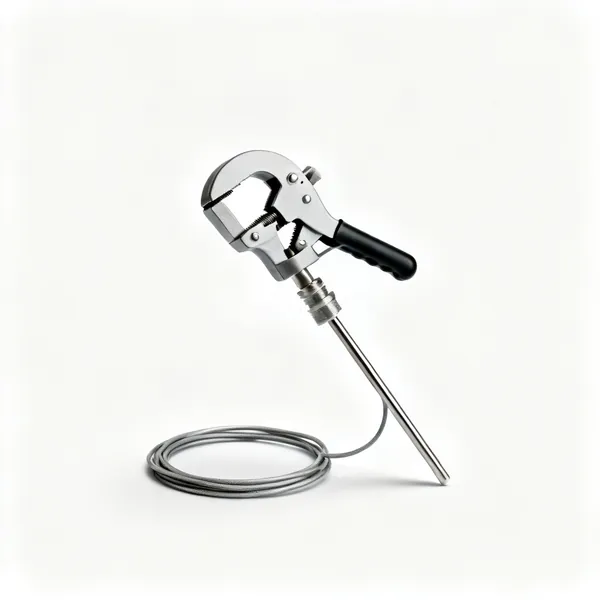
  • Pipe clamp probe: A pipe clamp temperature probe with a leadEssential

    Pipe clamp probe

    Clamps to a line to read its temperature, which is how superheat and subcooling are measured without opening anything.

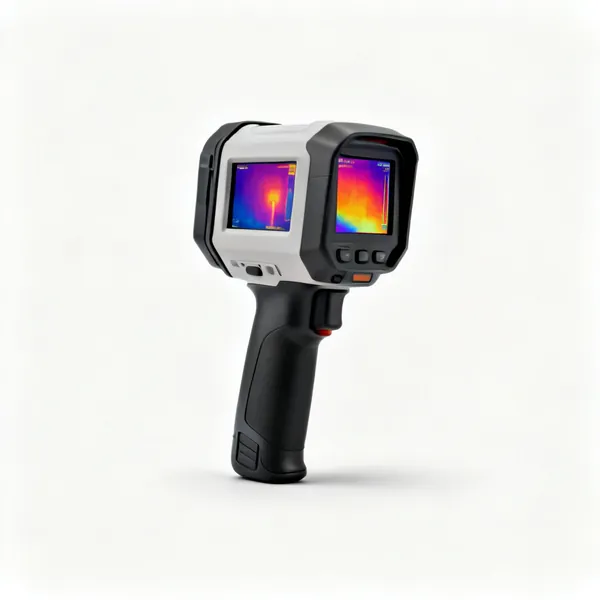
  • Thermal camera

    Thermal camera

    Shows temperature across a surface, revealing duct leaks, missing insulation and blocked coils at a glance.

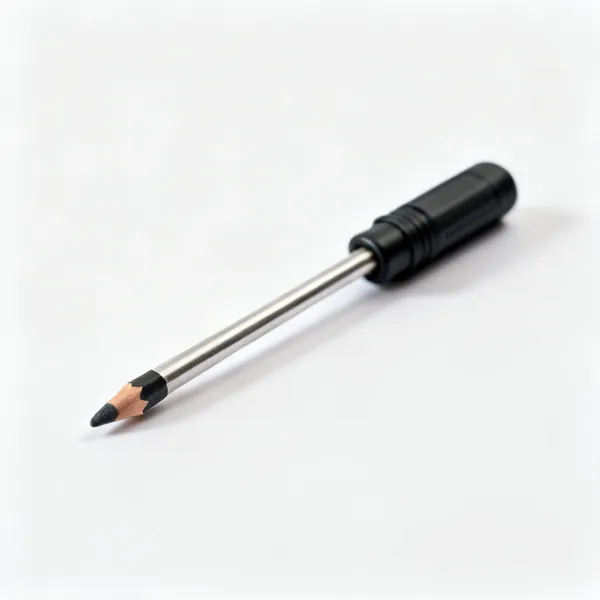
  • A smoke pencil air leak detector

    Smoke pencil

    Visualises air movement, showing leaks and which way air is actually going. Sometimes the answer is simply backwards.

  • Carbon monoxide meter: A handheld carbon monoxide detector meterEssential

    Carbon monoxide meter

    Measures CO around a combustion appliance. This is the instrument that finds the fault that kills people.

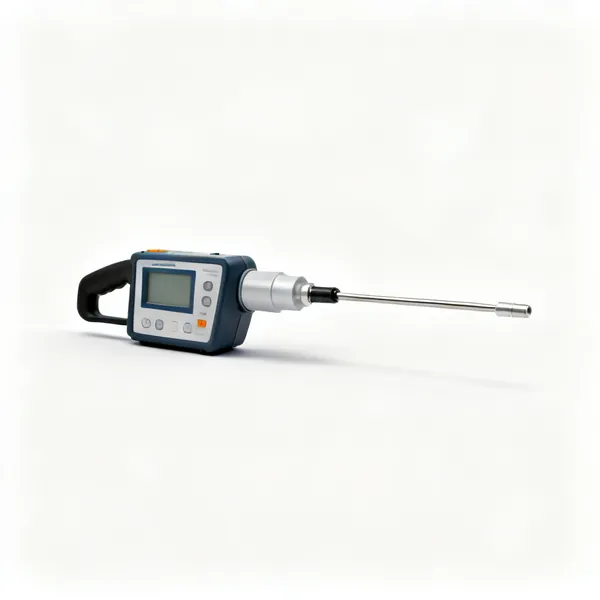
  • A flue gas combustion analyser with a probe

    Combustion analyser

    Reads flue gases to check a burner is running correctly. Registered gas work, and the instrument that proves it.

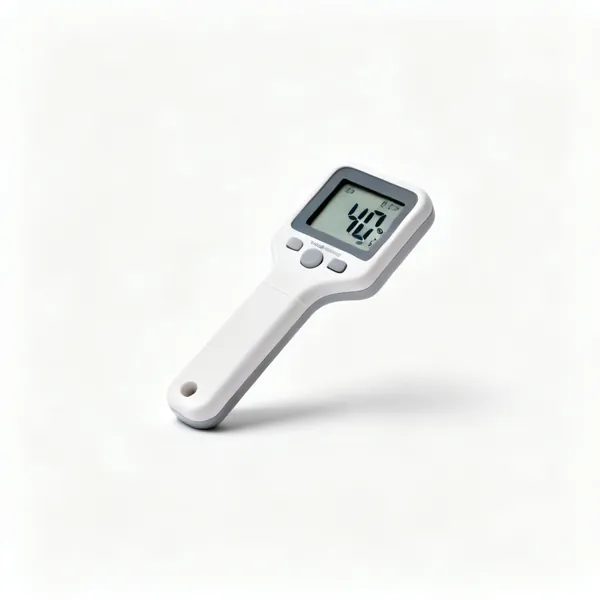
  • A digital hygrometer humidity gauge

    Hygrometer

    Reads relative humidity. Comfort complaints in summer are frequently humidity rather than temperature.

  • Static pressure tips: Static pressure test tips with tubing

    Static pressure tips

    Probes that seal into a small drilled hole in the duct for a clean reading. A hole held over with a thumb reads nonsense.

Ductwork & sheet metal 12

Cutting, forming and sealing duct. Sheet metal work, with sharp edges as the main hazard.

  • Three pairs of red green and yellow tin snipsEssential

    Tin snips

    Straight, left and right cutting patterns. The pattern matters more than people expect once you are cutting a curve.

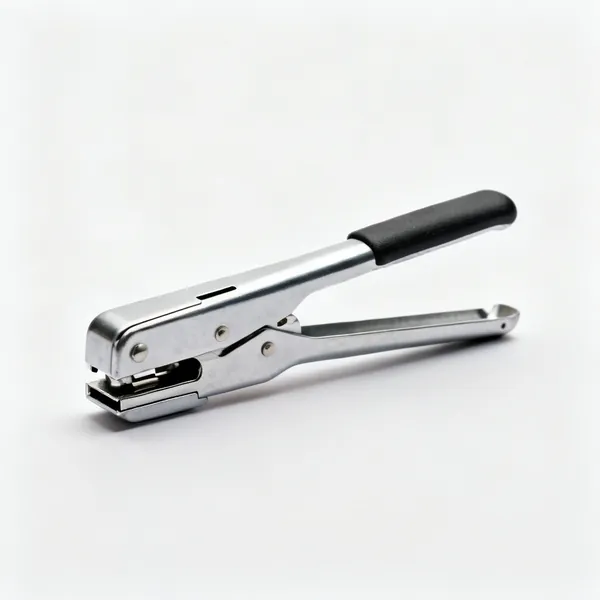
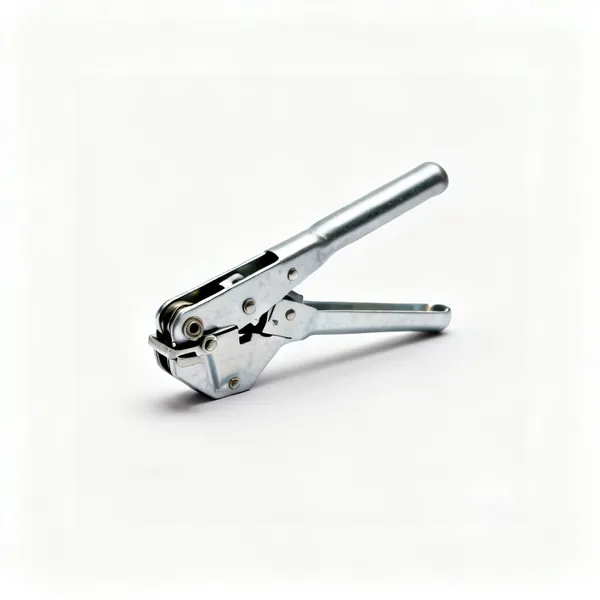
  • Crimper: A sheet metal duct crimping toolEssential

    Crimper

    Forms the crimped end that lets one duct section slide into the next. Without it, sections will not join.

  • A sheet metal hand seamer toolEssential

    Hand seamer

    Bends and flattens a sheet metal edge and closes a seam. Also the tool for straightening a bent flange.

  • Duct knife: A duct board cutting knifeEssential

    Duct knife

    Cuts flexible duct, insulation and duct board cleanly. A torn liner sheds fibres into the airstream.

  • Flex duct stretcher: A flexible duct stretching tool

    Flex duct stretcher

    Pulls flexible duct taut before fixing, since a sagging run costs airflow at every bend and never recovers it.

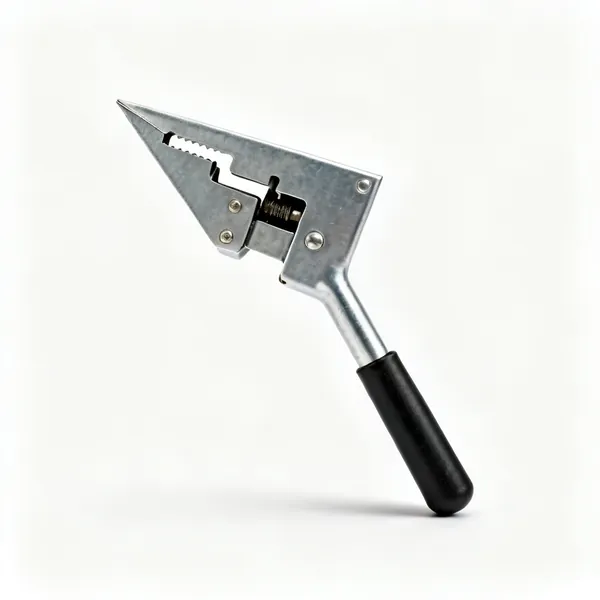
  • Sheet metal notcher: A sheet metal corner notcher tool

    Sheet metal notcher

    Cuts a clean notch at a corner so a flange folds without buckling. Snipping it freehand leaves a gap that leaks air.

  • Duct hole cutter: An adjustable sheet metal hole cutter

    Duct hole cutter

    Cuts a round hole in duct for a take off or a grille, faster and rounder than snips ever manage.

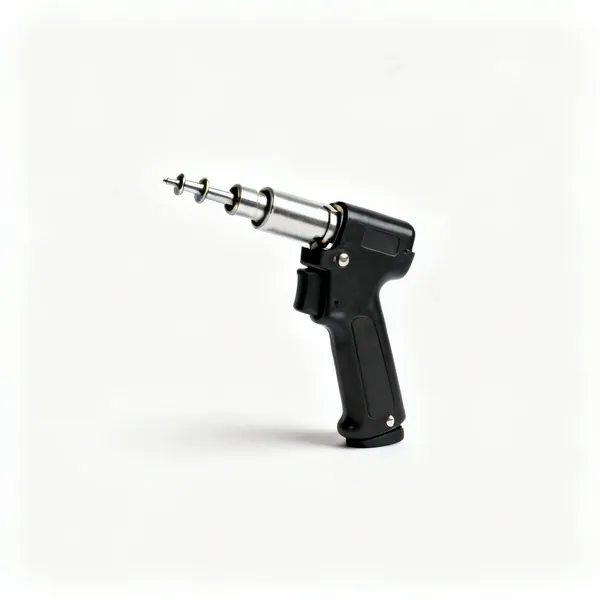
  • A hand pop rivet gun with rivetsEssential

    Rivet gun

    Joins duct sections and fixes straps from one side only, where nothing can reach behind.

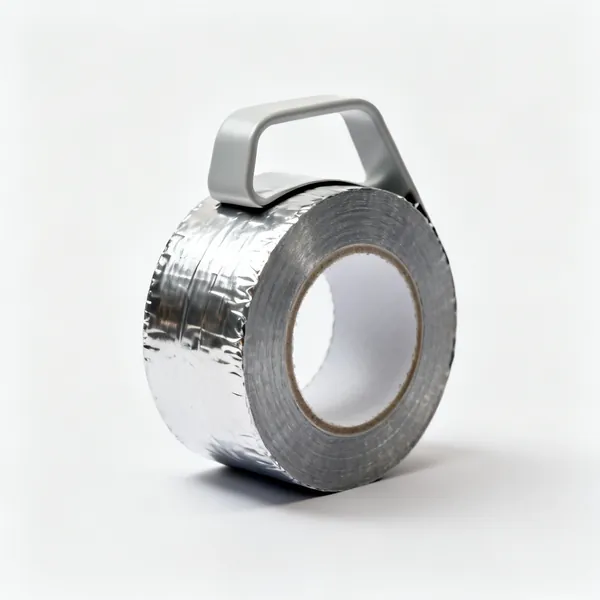
  • Foil tape: A roll of aluminium foil duct tapeEssential

    Foil tape

    Seals duct joints. Proper foil tape rather than cloth duct tape, which dries out and falls off within a couple of years.

  • Duct mastic: A tub of duct sealing mastic with a brushEssential

    Duct mastic

    Brushed over joints for a permanent airtight seal. Duct leakage is invisible and it wastes a large share of the airflow.

  • Banding & strap tool: Metal duct strapping with a tensioning tool

    Banding & strap tool

    Tensions metal banding that supports duct runs. Sagging duct restricts airflow and eventually pulls a joint apart.

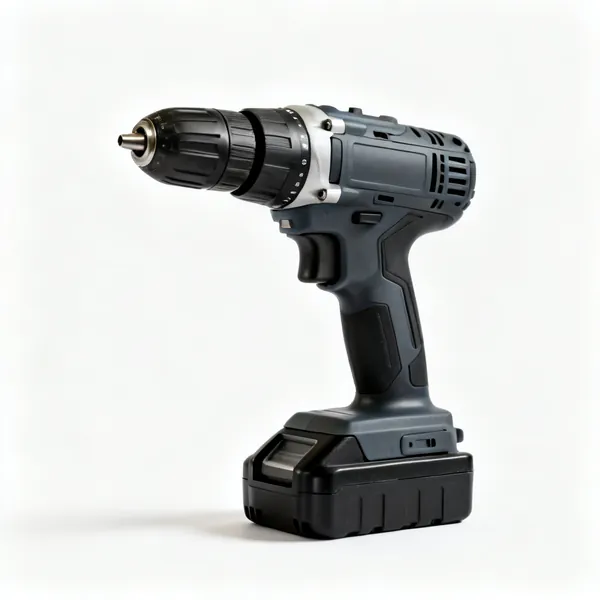
  • A cordless drill driver with a batteryEssential

    Cordless drill driver

    Drives self tapping screws into duct and cabinet all day. Clutch set low, since sheet metal strips instantly.

Service & cleaning 11

The routine maintenance that prevents most call outs. None of it is restricted and most of it is cheap.

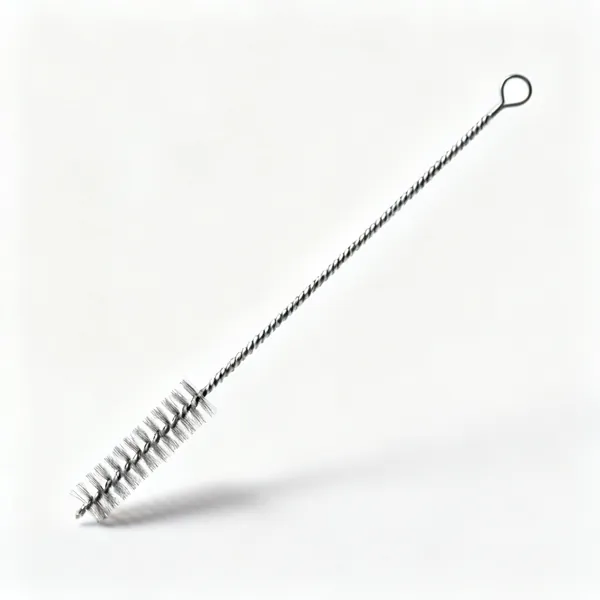
  • Coil brush: A thin coil cleaning brushEssential

    Coil brush

    A thin stiff brush that reaches between fins without bending them. Bent fins block the airflow you just cleared.

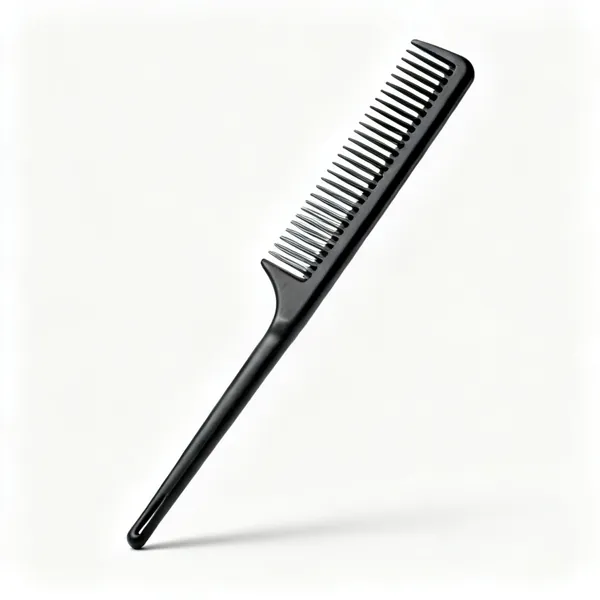
  • Fin comb: A fin straightening comb toolEssential

    Fin comb

    Straightens bent condenser fins back to parallel. A flattened patch is a dead patch of coil.

  • Coil cleaner & sprayer: A pump sprayer with coil cleaning solutionEssential

    Coil cleaner & sprayer

    Foaming cleaner that lifts dirt out from between fins. Rinsed properly, or the residue holds more dirt than before.

  • Condensate pump: A small condensate removal pump

    Condensate pump

    Lifts condensate where there is no gravity fall available. A common retrofit and a common thing to find failed.

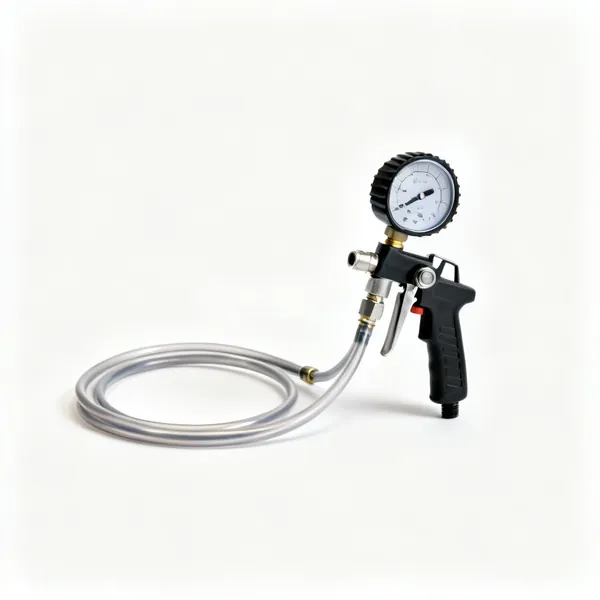
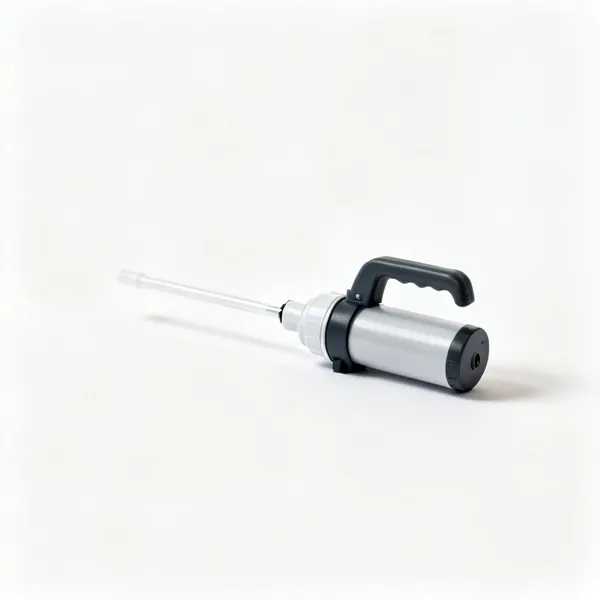
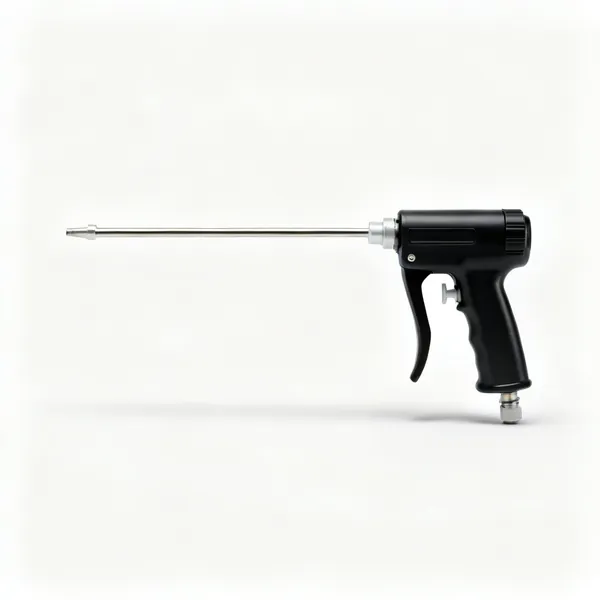
  • A condensate drain clearing gun

    Drain clearing gun

    Blasts a blocked condensate line clear with air or CO2. A blocked drain floods a ceiling, so this earns its place fast.

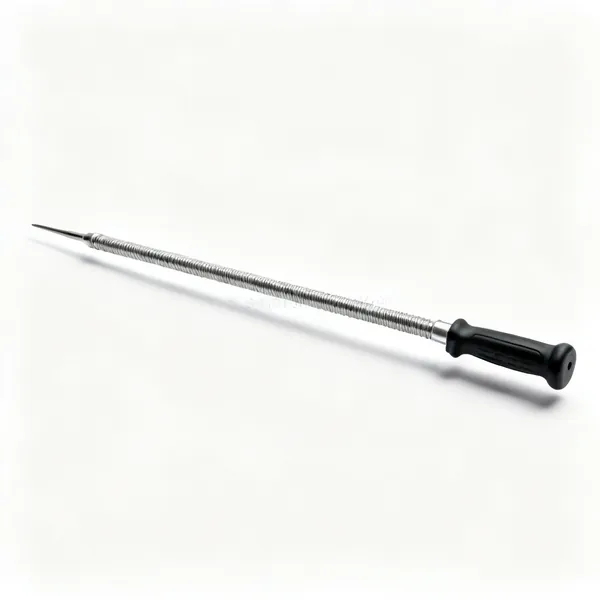
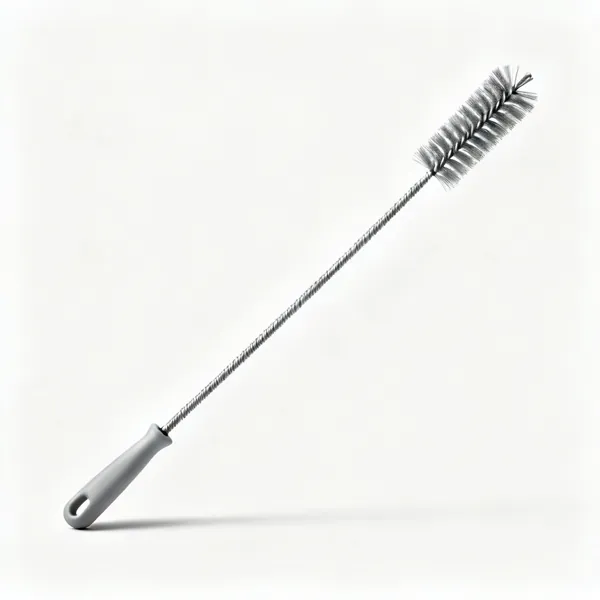
  • Drain brush: A long flexible drain cleaning brush

    Drain brush

    A long flexible brush for scrubbing biofilm out of a condensate trap, which is what blocks it in the first place.

  • Wet vacuum: A wet and dry vacuum cleanerEssential

    Wet vacuum

    Pulls water and sludge out of a drain pan and clears a blocked line from the outlet end. Also the flood response tool.

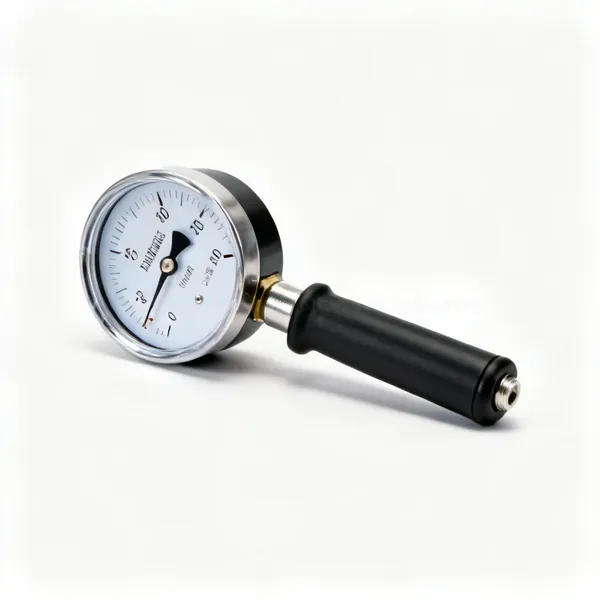
  • Filter gauge: A filter pressure differential gauge

    Filter gauge

    Shows filter loading as a pressure drop, so filters get changed when they need it rather than on a guessed schedule.

  • Inspection camera

    Inspection camera

    Looks inside duct and behind panels without dismantling them. Confirms a suspicion before anything comes apart.

  • A rotary duct cleaning brush on a rod

    Duct cleaning brush

    A rotating brush on a flexible rod for cleaning duct runs. Paired with a vacuum, or you just redistribute the dust.

  • UV coil lamp: A UV air handler sterilisation lamp

    UV coil lamp

    An ultraviolet lamp in the airstream to keep the coil and drain pan from growing biofilm. Prevention rather than a cure.

Access & handling 11

Plant is heavy, and it lives in loft spaces, on roofs and on brackets. Getting to it safely is half the job.

  • An aluminium platform step ladderEssential

    Step ladder

    Most indoor units are at ceiling height. A platform step with a top rail beats a leaning ladder for working with both hands.

  • An aluminium extension ladderEssential

    Extension ladder

    Access to roof plant and high level condensers. For access rather than working from, tied at the top.

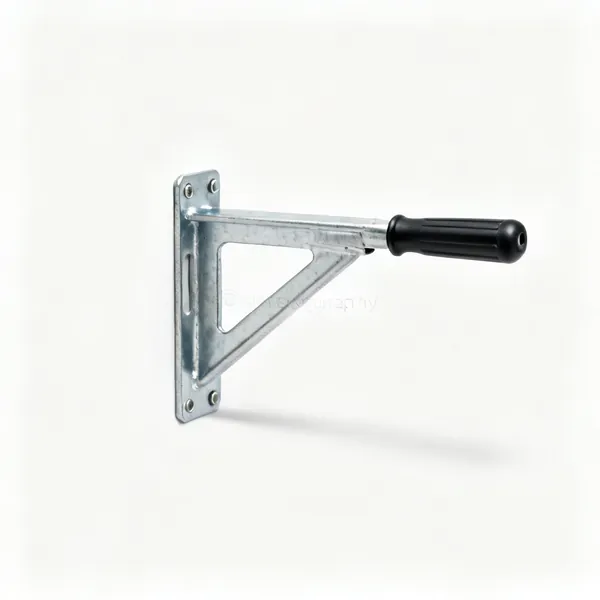
  • Wall bracket kit: A galvanised air conditioner wall mounting bracket

    Wall bracket kit

    Brackets and fixings for a condenser on a wall. The fixing has to suit the substrate, and a resin anchor into brick is not optional.

  • A steel sack truck

    Sack truck

    Moves a condenser or air handler without lifting it. Plant is heavier than it looks and awkward with it.

  • A pair of lifting straps for two person carrying

    Lifting straps

    Shares an awkward load between two people with a proper grip. Most HVAC back injuries happen on the carry, not the install.

  • A magnetic LED work lightEssential

    Work light

    Plant rooms, lofts and cupboards are all dark. A magnetic rechargeable light that sticks to the cabinet you are working in.

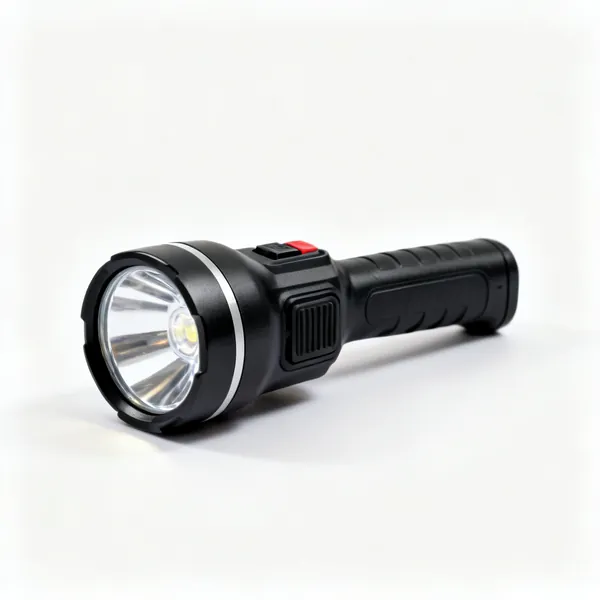
  • An LED head torchEssential

    Head torch

    Light where you are looking with both hands free. In a loft crawl it is the only light that works.

  • Cut resistant gloves: A pair of cut resistant work glovesEssential

    Cut resistant gloves

    Sheet metal edges are the main injury in this trade. Cut resistant rather than general purpose, since duct edges are like blades.

  • A pair of clear safety glassesEssential

    Safety glasses

    Refrigerant under pressure, coil cleaner and sheet metal swarf. Any of the three reaches an eye.

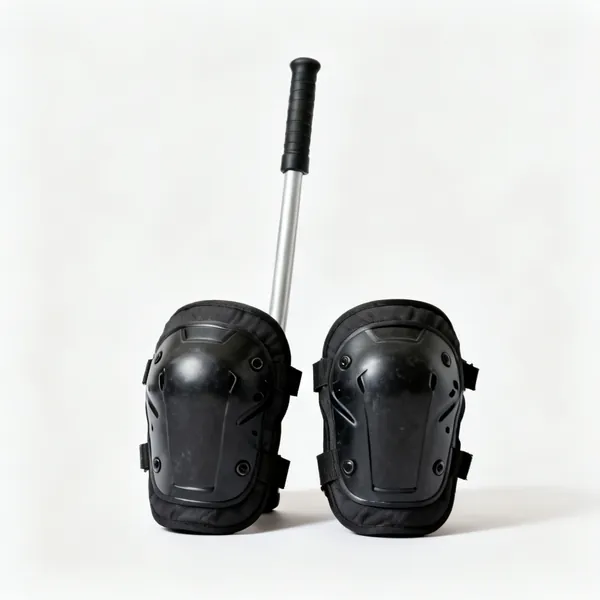
  • A pair of work knee pads

    Knee pads

    Loft joists and plant room floors. Half of this work is done kneeling in the worst possible places.

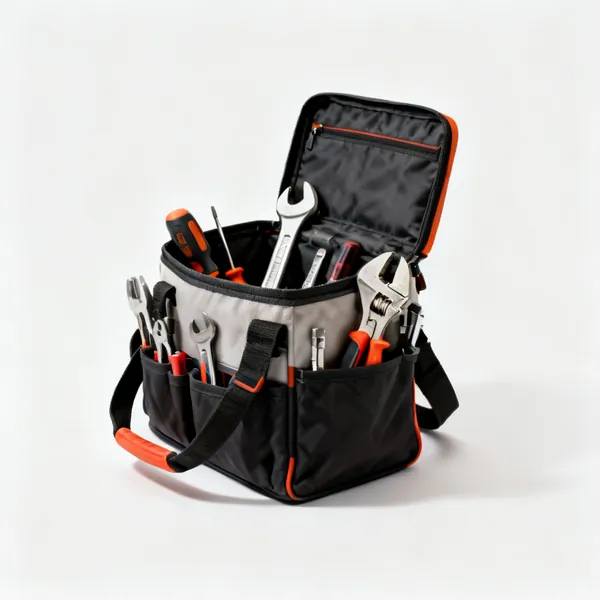
  • An open mouth tool bag with toolsEssential

    Tool bag

    An open mouth bag or a rucksack that goes up a ladder on your back with both hands free.

Choosing HVAC tools

Two things decide this list: which systems you work on, and what you are certified to do. The second one is not optional.

The work that is not DIY, and why

Most trades on this site have jobs you should leave alone for safety reasons. HVAC has jobs you are not permitted to do, which is a different thing.

Handling refrigerant requires certification almost everywhere, because the gases are potent greenhouse gases and venting them is an offence. Suppliers will not sell you refrigerant without proof of certification, so the barrier is practical as well as legal. Gas fired heating is the same story: working on a gas appliance without registration is illegal, and the reason is carbon monoxide.

What you can do without any of that is real and useful: filters, airflow, duct, drains, thermostats, cleaning coils and diagnosing faults. Most call outs are one of those.

Refrigerant handling needs certification
Recovering, charging and brazing on a sealed system. Venting refrigerant is an offence, and suppliers check before selling.
Gas appliances need registration
Not a grey area and not about competence. Working on gas without registration is illegal, and carbon monoxide is why.
Electrical work has its own rules
Testing and fault finding is one thing, altering fixed wiring is another. Know which side of that line you are on.
Plenty is unrestricted
Filters, duct cleaning, condensate drains, thermostats, coil cleaning and diagnosis. That is most of what actually goes wrong.
Recover, never vent
Even with certification, refrigerant goes into a recovery cylinder. Releasing it is both illegal and pointless.

Vacuum and moisture, the thing that kills systems

The single most common cause of a premature compressor failure is moisture and air left inside the system. Water in a refrigerant circuit forms acid, which attacks the compressor windings and the oil, and the system dies a year later for reasons nobody connects to the install.

That is why evacuation is not a formality. A proper vacuum boils the moisture out and removes non condensables, and the only way to know it worked is to pull down, isolate the pump and watch whether the reading holds. A gauge that creeps back up means either moisture still boiling off or a leak, and both need finding before any refrigerant goes in.

Use a micron gauge, not the compound gauge
The needle on a manifold cannot show the difference between a decent vacuum and a useless one. Microns can.
Pull down, isolate, then watch
A vacuum that holds is a system that is dry and tight. A rising reading is moisture or a leak, and you must know which.
Short fat hoses, not long thin ones
Evacuation speed is limited by the hose, so a quarter inch line makes an expensive pump behave like a cheap one.
Change the pump oil
Pump oil absorbs the moisture it pulls out, and saturated oil cannot reach a deep vacuum. It is the cheapest part of the job.
Nitrogen for pressure testing, never oxygen
Oxygen with compressor oil is an explosion. Dry nitrogen for testing and purging, always.
Weigh the charge in
Guessing by pressure gets you close and close is not right. Scales and the manufacturer's figure.

Airflow is where most complaints actually live

A system that is not heating or cooling properly is far more often an airflow problem than a refrigerant problem. Blocked filters, crushed flexible duct, closed dampers, dirty coils and undersized returns all present as poor performance, and all of them are cheap to fix.

So measure before you assume. A dirty filter drops airflow enough to freeze a coil, and a frozen coil looks exactly like a refrigerant fault to anyone reading pressures without checking air first.

Check the filter before anything else
It is free, and it explains a surprising share of complaints. A restricted filter can freeze an evaporator solid.
Measure static pressure
It tells you whether the duct system can move the air the unit needs. High static is a duct problem, not a unit problem.
Flexible duct is not free
Every bend and every compressed run costs airflow. A kinked flexible connection undoes a well designed system.
Clean the coils both sides
A blocked condenser raises head pressure and a dirty evaporator drops capacity. Neither shows without looking.
Balance with readings, not by feel
A hand at a grille tells you almost nothing. An anemometer or a balometer tells you the actual volume.

What to buy first, in order

Stage one: diagnosis, no certification needed
A multimeter, a clamp meter, a thermometer with two probes, a manometer, an anemometer and a decent torch. This diagnoses most faults without opening a sealed system.
Stage two: hand tools and duct
Nut drivers, a cordless drill, tin snips in three patterns, a crimper, a hand seamer, a duct knife, foil tape and a mastic gun.
Stage three: refrigerant work, once certified
A manifold set, a micron gauge, a two stage vacuum pump, charging scales, a recovery machine and cylinder, a leak detector and a tubing kit.
Stage four: brazing and finishing
A brazing torch, rods and flux, a nitrogen regulator, a swage and expander set, a flaring tool and a tube bender.

Mistakes that cost a compressor

Skipping or shortening the evacuation
Moisture forms acid, acid attacks the windings, and the compressor fails a year later. The most expensive shortcut in the trade.
Judging the charge by pressure
Pressures depend on ambient, airflow and load. Weigh the charge, or use superheat and subcooling properly.
Brazing without a nitrogen purge
Heating copper with air inside forms scale that circulates and blocks the metering device. Purge, every time.
Using oxygen to pressure test
Oxygen and compressor oil under pressure is an explosion. Dry nitrogen only, and it is not a preference.
Reading pressures before checking air
A dirty filter or a blocked coil mimics a refrigerant fault convincingly. Air first, gauges second.
Ignoring the condensate
A blocked drain floods a ceiling, and the damage costs far more than the call out. Check the trap and the fall.
Leaving flexible duct kinked
It undoes the design on the day of install, and the complaint arrives months later as poor performance.

Looking after HVAC tools

Change vacuum pump oil often
It absorbs moisture and then cannot pull a deep vacuum. Fresh oil before an important evacuation, not after.
Cap manifold hoses
Open hose ends take in air and moisture, and then you pump that into the next system you work on.
Calibrate the scales
A charge is only as accurate as the scale. Check it against a known weight occasionally rather than trusting it forever.
Keep the leak detector tip clean
Oil and dust on the sensor gives false positives, and chasing a leak that is not there wastes a whole visit.
Dry your gauges and meters
Condensate, rain and roof plant. Electronics and water are why test gear dies in this trade.
Store torch and cylinders properly
Upright, secured, valves protected, and away from anything that could fall on them.

Frequently asked questions

What HVAC tools do I need to start?
For diagnosis, which needs no certification: a multimeter, a clamp meter, a two probe thermometer, a manometer, an anemometer and a good torch. Add nut drivers, tin snips, a crimper and foil tape for duct work. Refrigerant tools come later and require certification.
Do I need certification to work on air conditioning?
To handle refrigerant, yes, almost everywhere. Recovering, charging and brazing on a sealed system requires certification because the gases are potent greenhouse gases and venting them is an offence. Suppliers will not sell refrigerant without proof of it.

What HVAC work can I legally do myself?
Plenty. Changing filters, cleaning coils, clearing condensate drains, replacing thermostats, checking and balancing airflow, cleaning and sealing duct, and diagnosing faults. That covers a large share of what actually goes wrong with a system.
Why does a system need to be evacuated before charging?
To remove air and moisture. Water inside a refrigerant circuit forms acid, which attacks the compressor windings and breaks down the oil, and the compressor then fails months later. Evacuation is the step that prevents it.

What is a micron gauge and why not just use the manifold?
A micron gauge measures deep vacuum accurately. The compound gauge on a manifold cannot distinguish between a good vacuum and a useless one, because the whole useful range sits in the last needle width at the bottom of the dial.
Can I use oxygen to pressure test a system?
Never. Oxygen under pressure in contact with compressor oil can explode. Use dry nitrogen for pressure testing and for purging while brazing. This is one of the few absolute rules in the trade.
Why braze with a nitrogen purge?
Heating copper with air inside forms copper oxide scale on the inner wall. That scale breaks loose, circulates with the refrigerant and blocks the metering device or damages the compressor. A low nitrogen flow displaces the air.
How do I know if a system is low on refrigerant?
Check airflow first, because a dirty filter or blocked coil mimics low charge convincingly. Then measure superheat and subcooling rather than reading pressures alone, since pressures shift with ambient and load. A low charge means a leak, which should be found rather than topped up.
What is static pressure and why measure it?
The resistance the duct system presents to the fan, measured with a manometer. High static means the duct cannot move the air the unit needs, so performance suffers. It tells you the problem is the ductwork rather than the equipment.
What is the difference between an anemometer and a balometer?
An anemometer measures air velocity at a point, which you convert to volume using the duct area. A balometer, or flow hood, sits over a grille and reads the total volume directly, which is more accurate for balancing a system.
Why is my air conditioner freezing up?
Almost always restricted airflow, so check the filter, the evaporator coil and for crushed flexible duct first. Low refrigerant charge also causes it. Both reduce heat reaching the coil, so the surface drops below freezing and ice builds.
What causes water leaking from an indoor unit?
A blocked condensate drain or trap, in most cases, or a drain with insufficient fall. It is a cheap fix and an expensive thing to ignore, because a flooded ceiling costs far more than the visit.