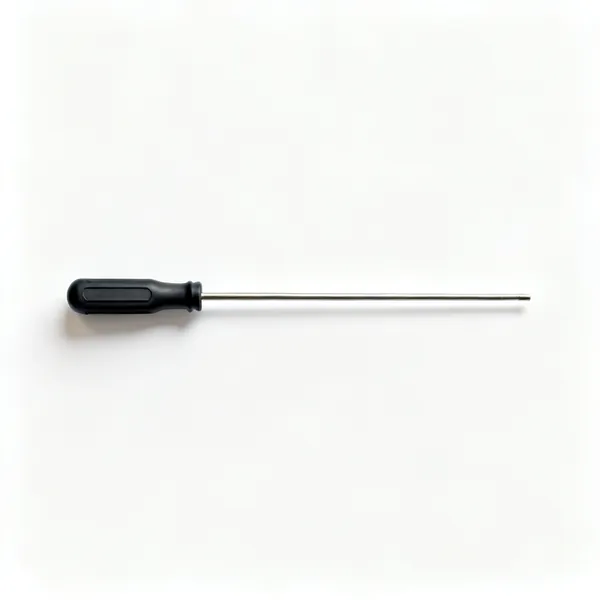
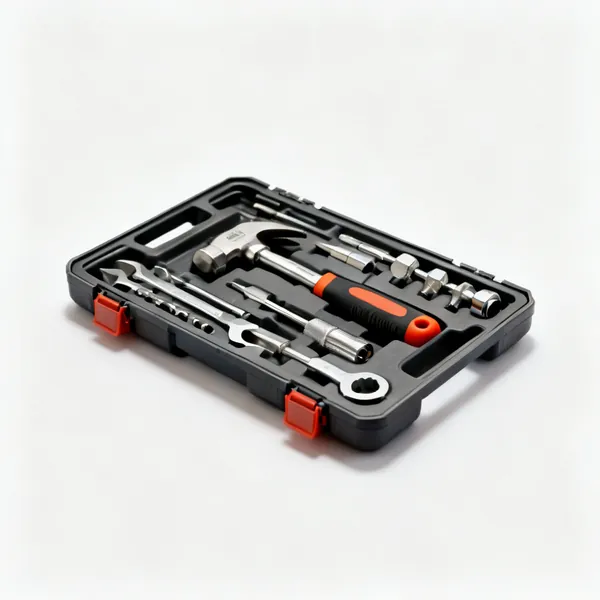
- What locksmith tools do I need to start?
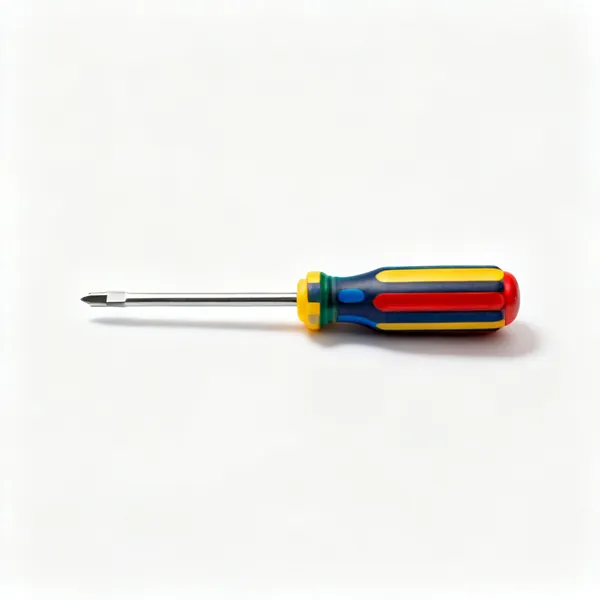
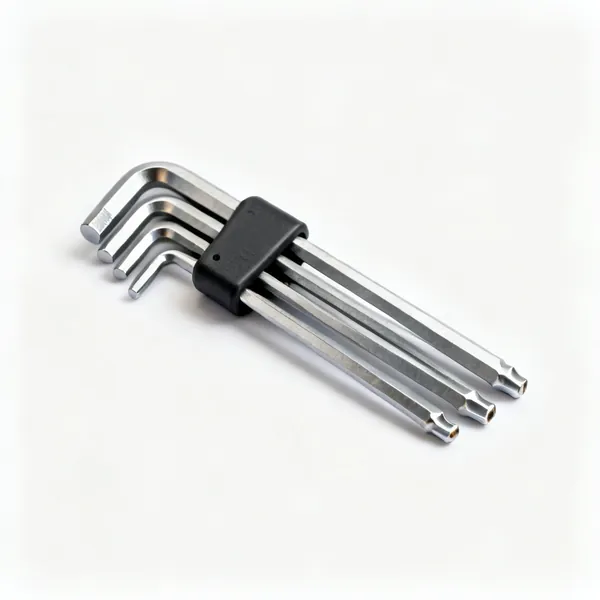
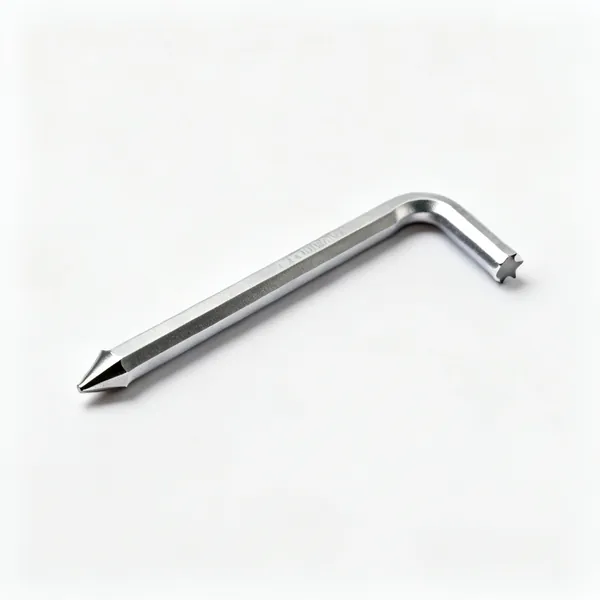
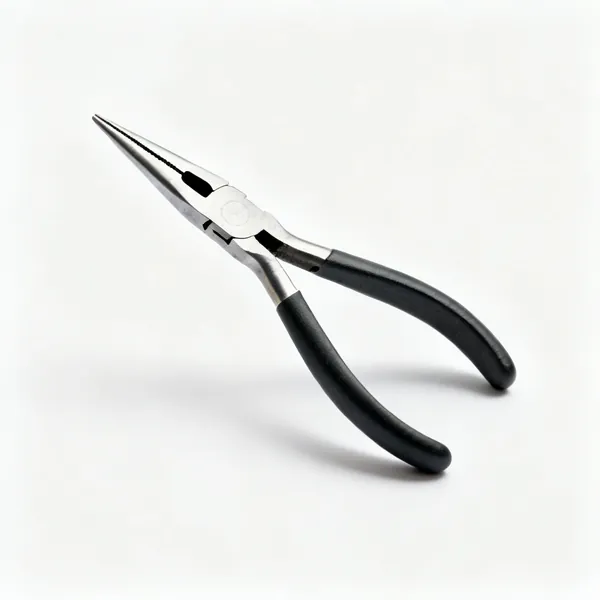
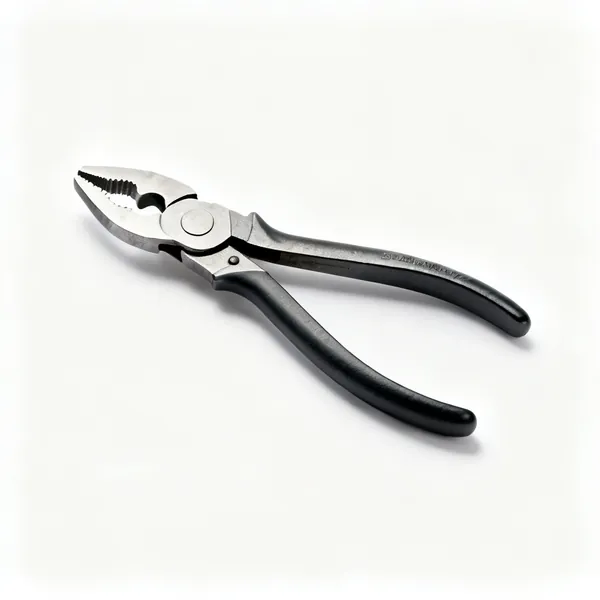
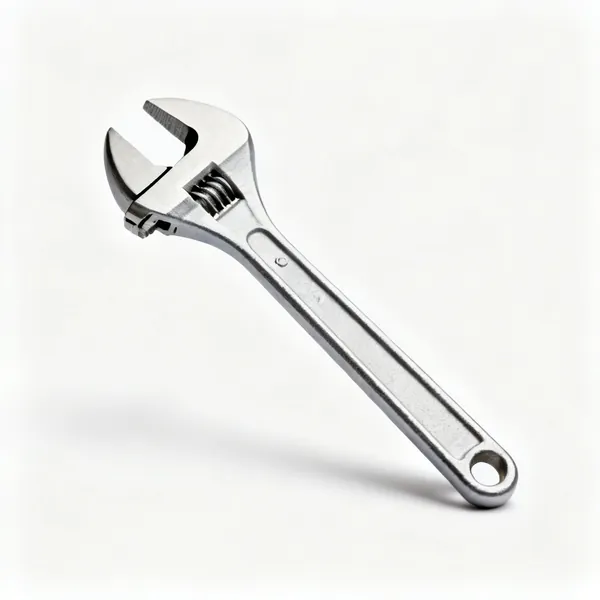
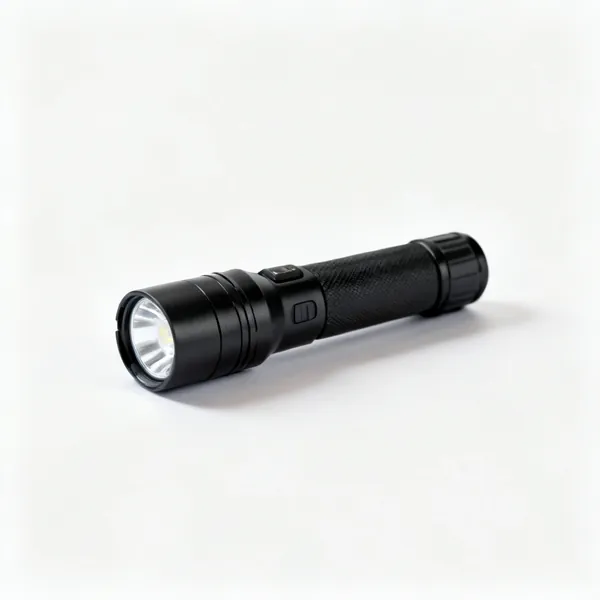
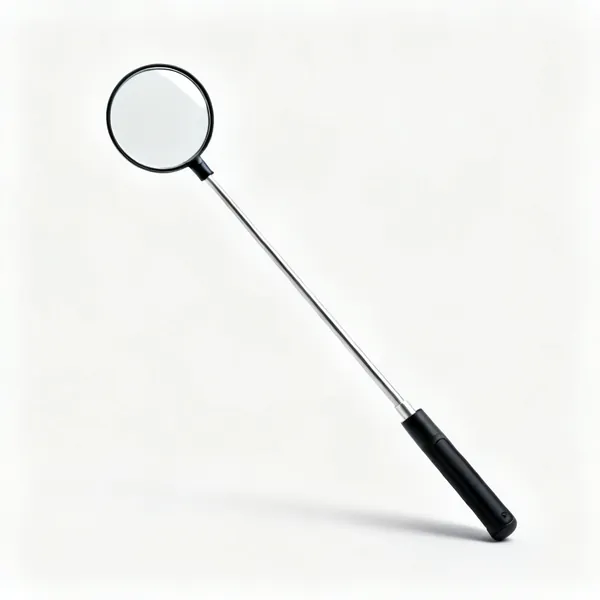
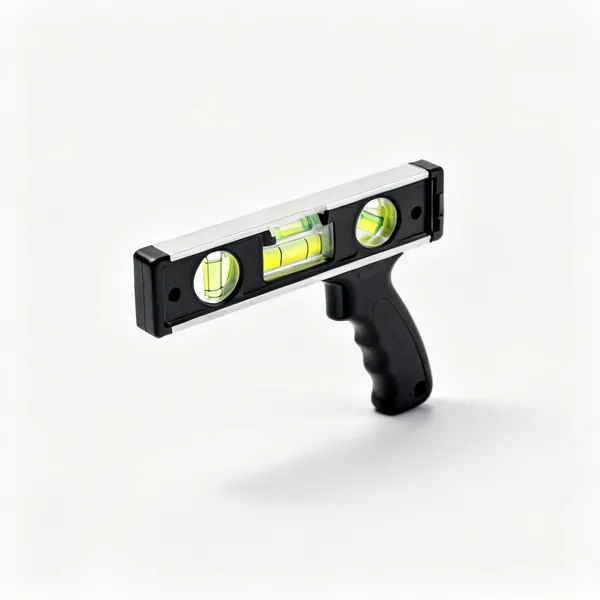
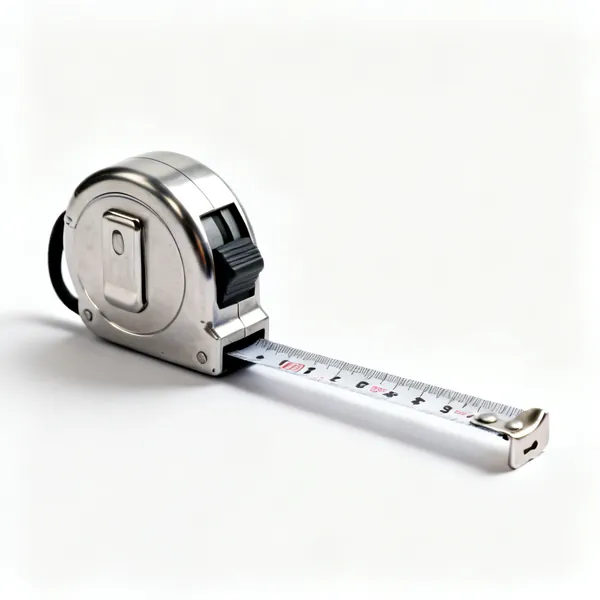
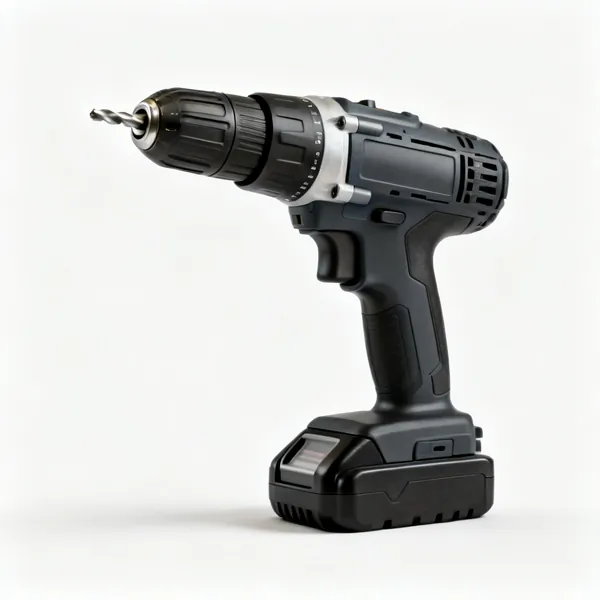
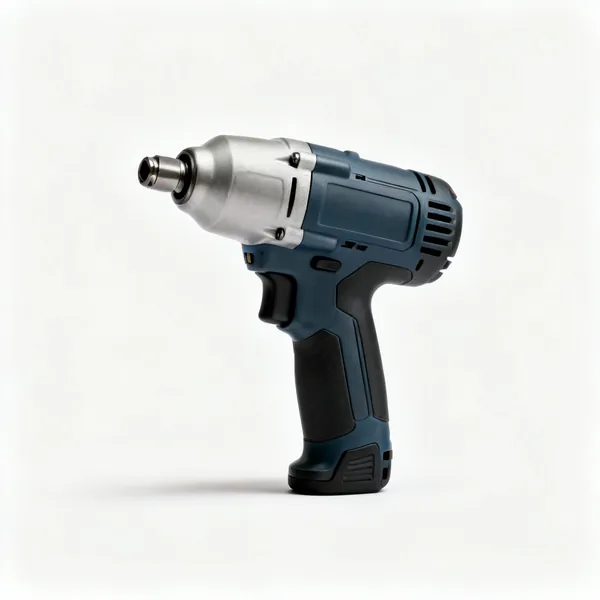
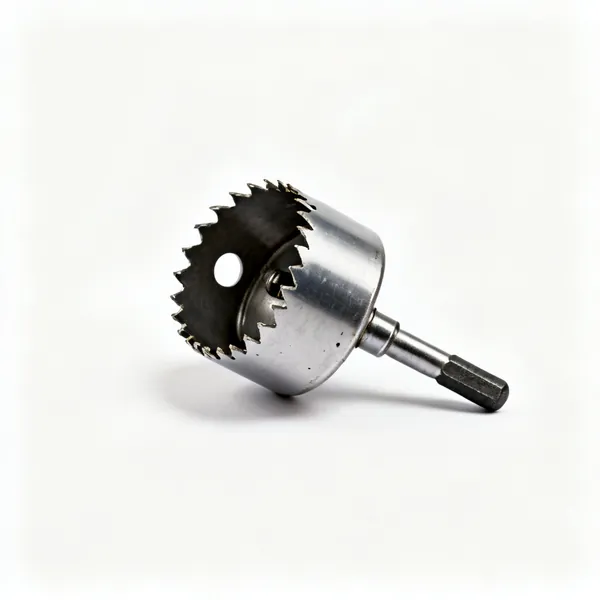
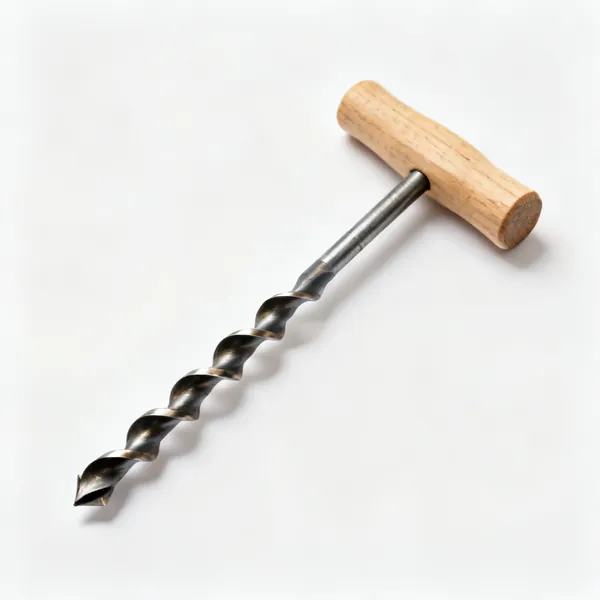
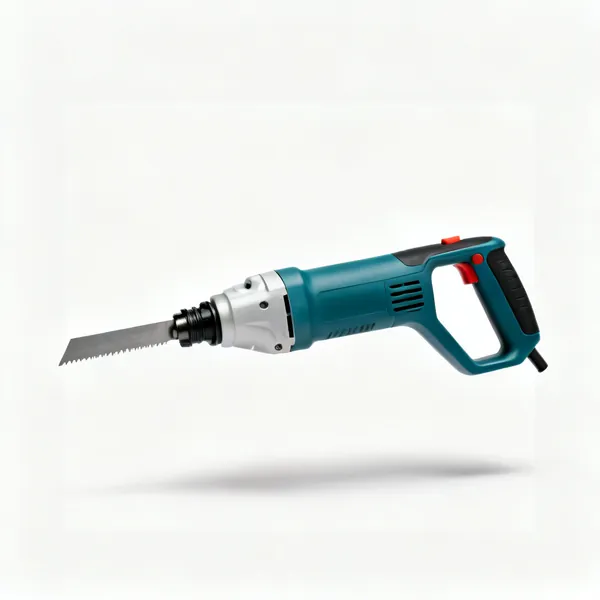
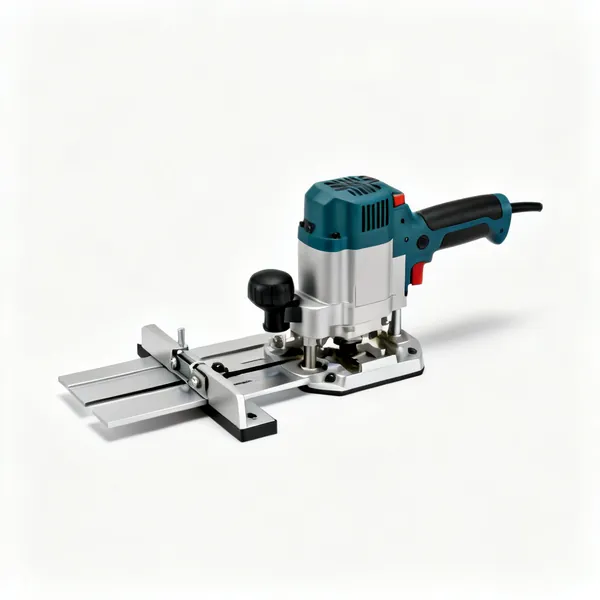
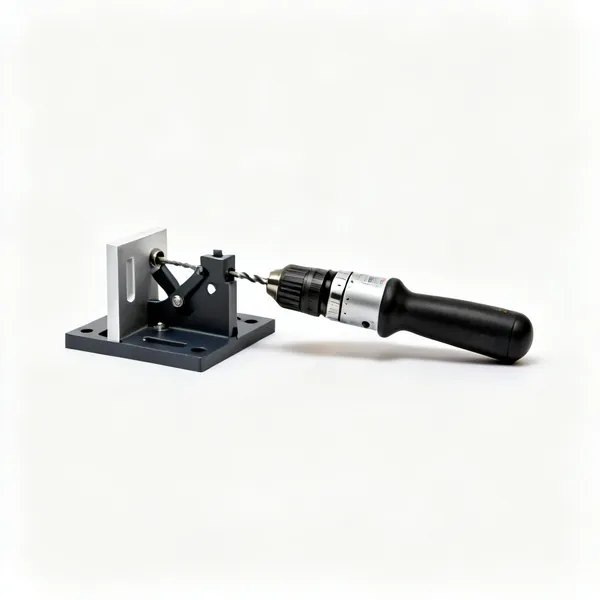
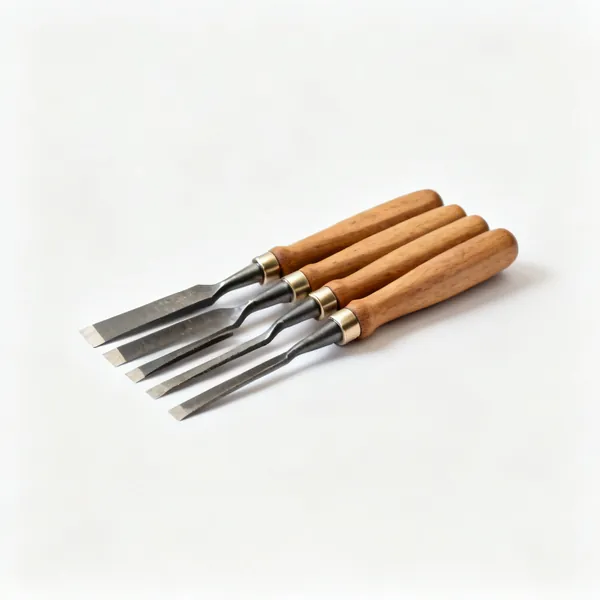
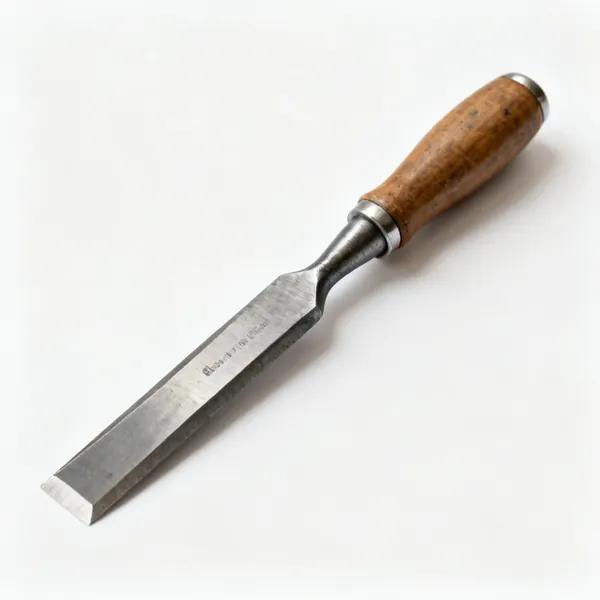
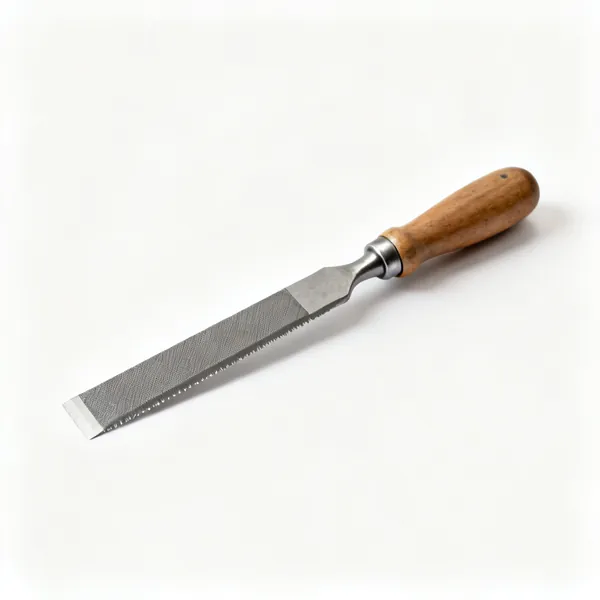
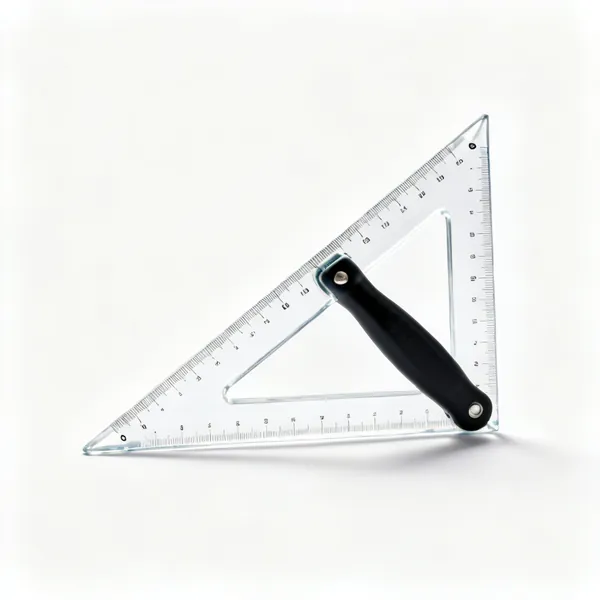
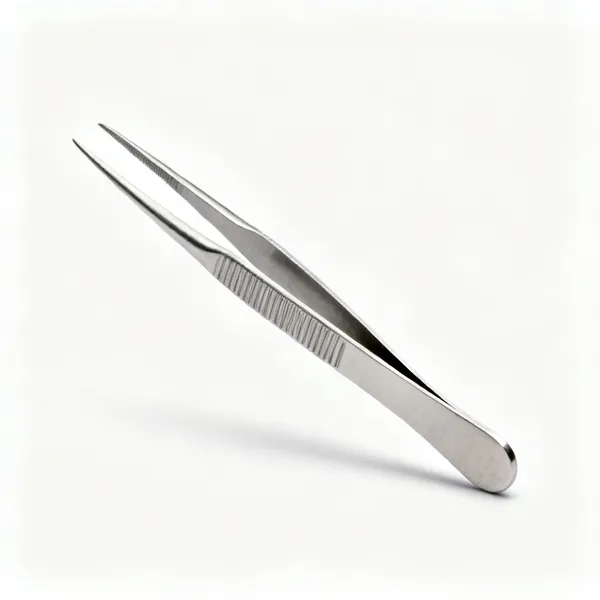
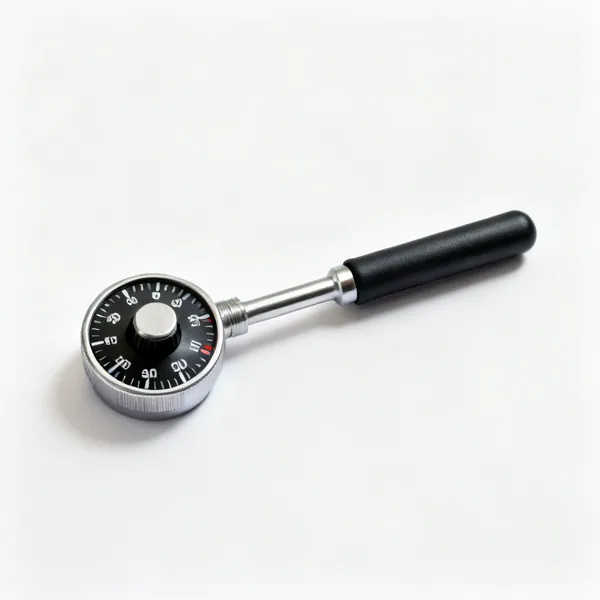
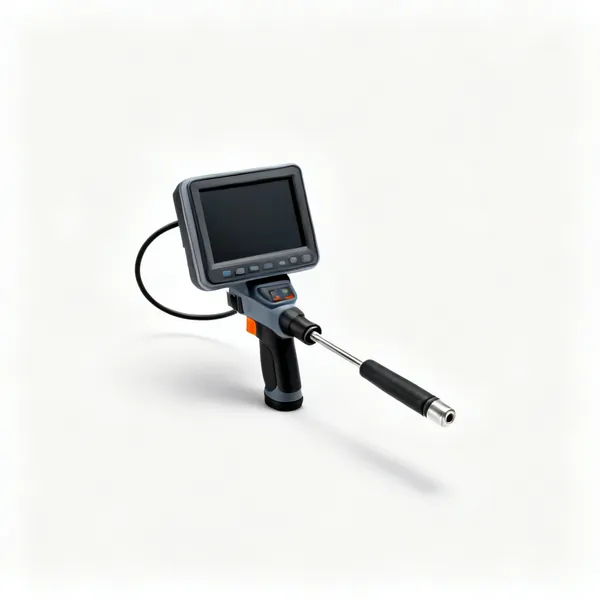
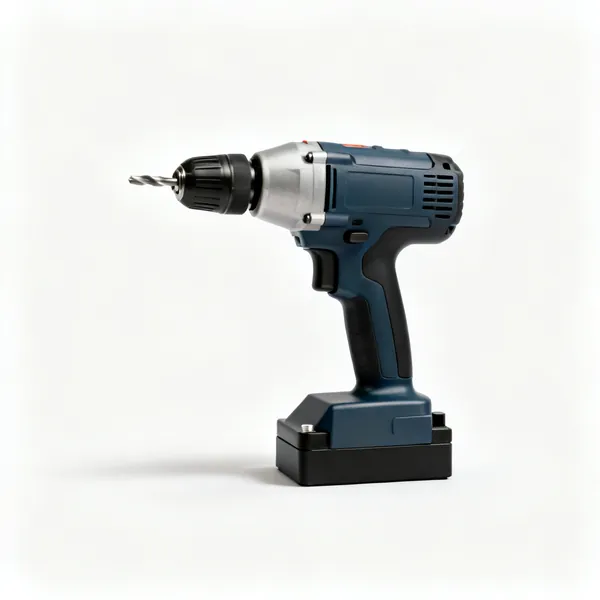
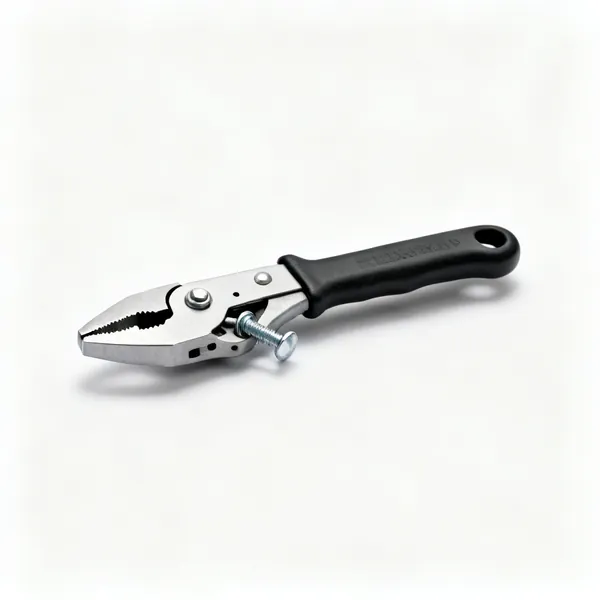
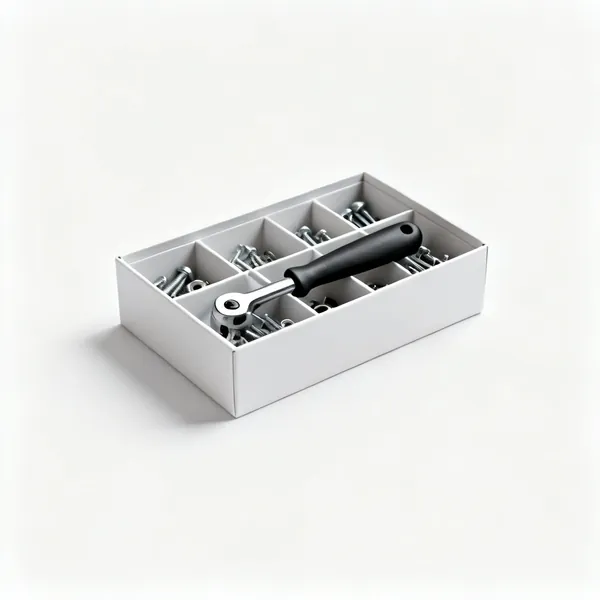
- For diagnosis and adjustment, which covers most problems: screwdrivers, hex and torx keys, a tape measure, a marker, a spirit level, a dry PTFE lubricant and a torch. Add a drill, hole saws and chisels for fitting and replacing locks.
- Is it legal to own locksmith tools?
- Fitting and repair tools, yes. Tools designed for bypassing locks are treated differently, and possession without lawful reason is an offence in many places. The rules vary by jurisdiction, so check locally if you are unsure.
- Why is my door suddenly hard to lock?
- Usually the door has moved rather than the lock failing. Test it by operating the lock with the door open: if it works smoothly there and sticks when closed, the problem is alignment, and often just a hinge adjustment or a keep moved a couple of millimetres.
- How do I measure a euro cylinder?
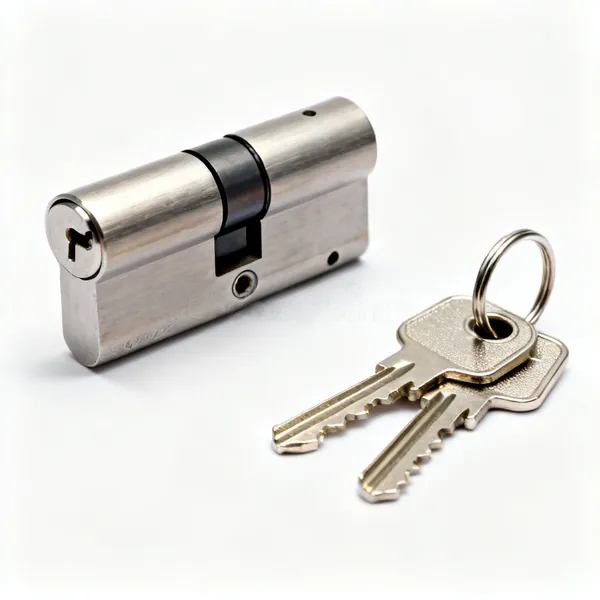
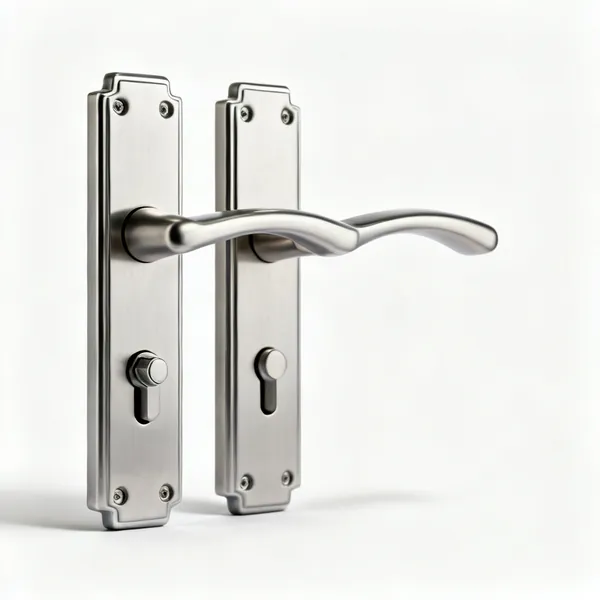
- From the centre of the fixing screw hole to each end, because the two halves are frequently different lengths. Note both measurements, and make sure the cylinder sits flush rather than projecting past the handle plate.
- Why should a cylinder not stick out past the handle?
- Because a projecting cylinder can be gripped and snapped, which is a known method of forced entry. It should sit flush or very slightly under, and on an external door an anti snap cylinder is worth the difference.
- What lubricant should I use on a lock?
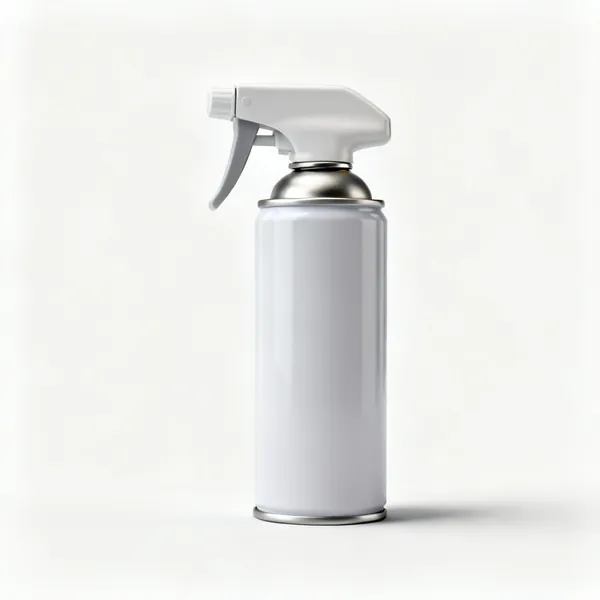
- A dry PTFE or graphite based lubricant. Oil and grease attract dust, which forms a paste and eventually stops the pins moving altogether, so a lock that was merely stiff becomes a lock that has failed.
- What is the difference between a mortice lock and a cylinder lock?
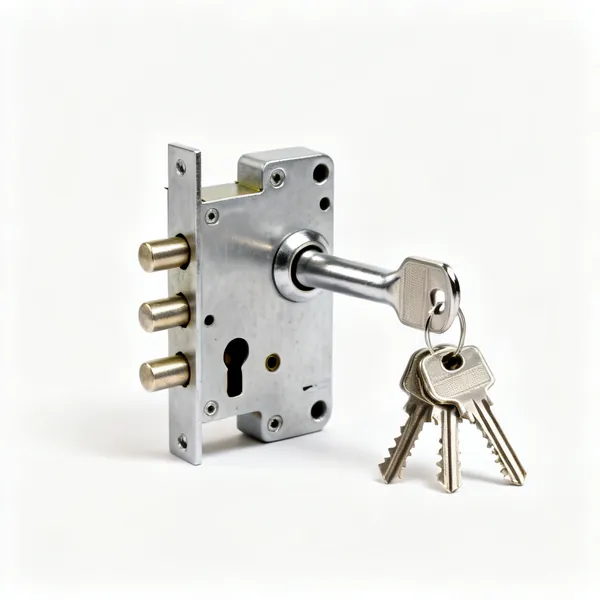
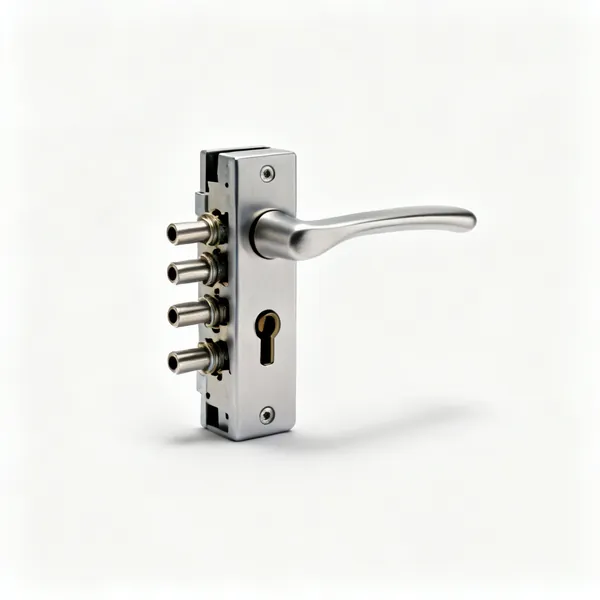
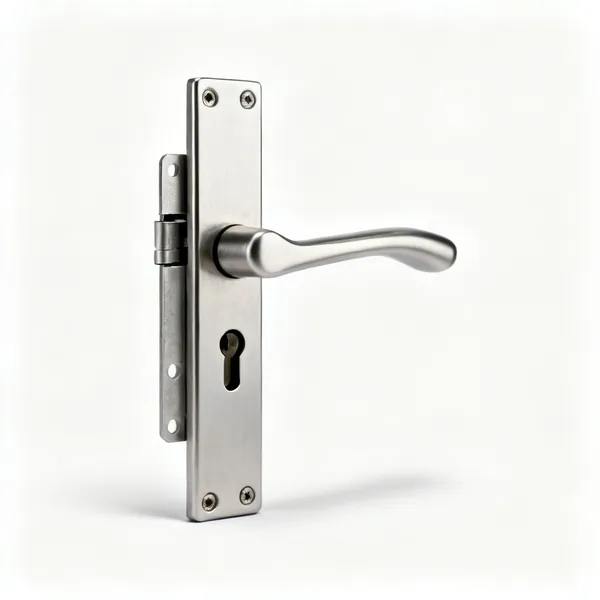
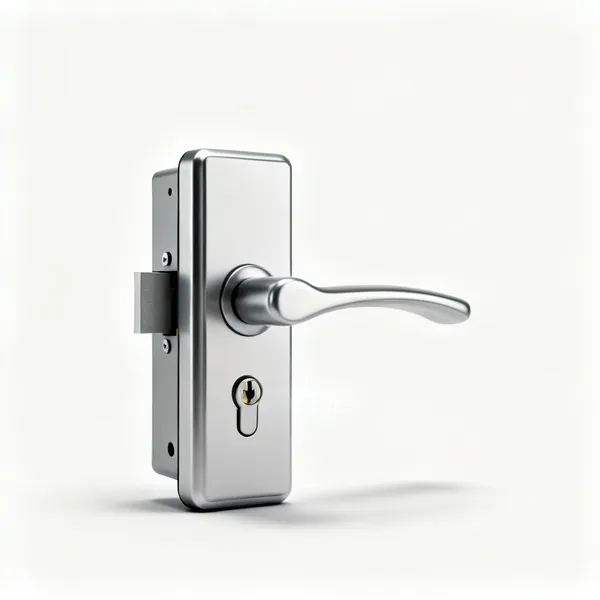
- A mortice lock sits in a pocket cut into the edge of the door. A cylinder lock, such as a nightlatch, mounts on the face of the door with the cylinder passing through it. Mortice locks are generally more secure and more work to fit.
- Can I fit a lock myself?
- A like for like replacement is usually straightforward. Cutting a new mortice is a woodworking job needing sharp chisels and accurate marking, and it is easy to cut oversize. Check the insurance standard for external doors before choosing a lock.
- What is rekeying and how is it different from replacing a lock?
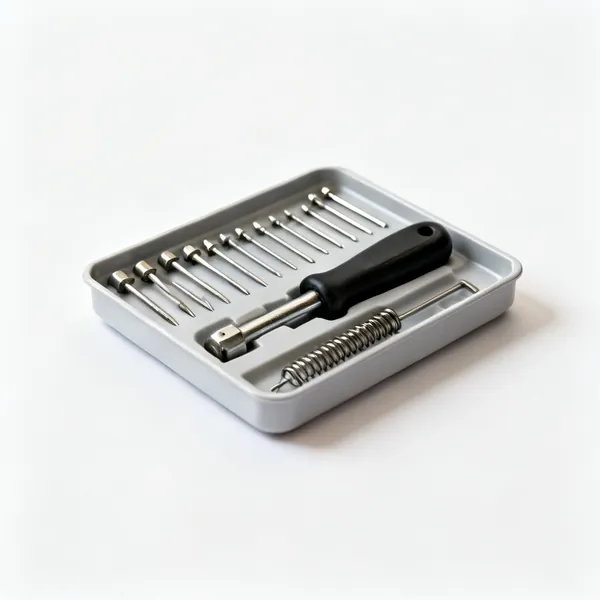
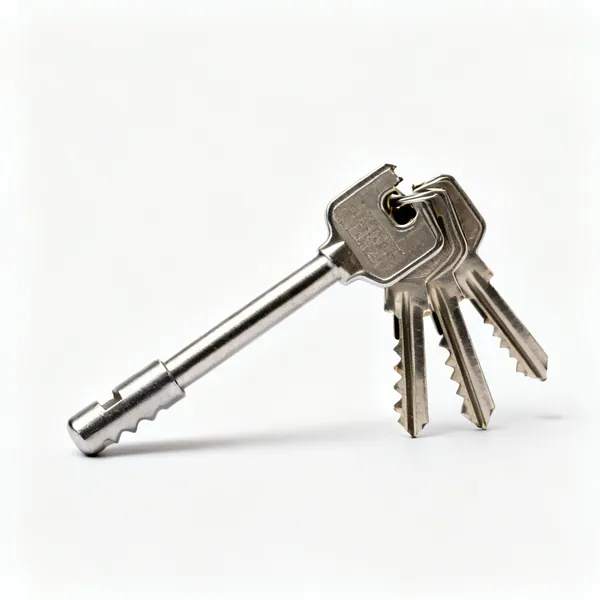
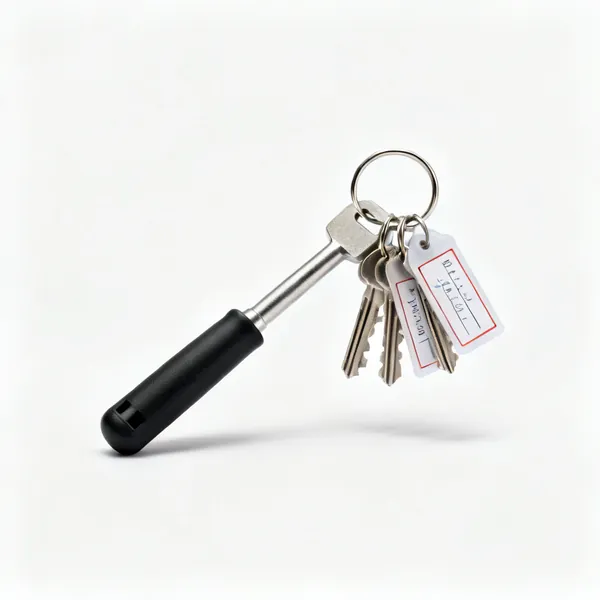
- Rekeying changes the pins inside an existing cylinder so it works with a different key, keeping the hardware. Replacing swaps the whole cylinder. Rekeying is cheaper across several matching locks and needs a pin kit and a follower.
- Why did my key snap in the lock?
- Almost always because it was stiff and got forced. Cylinders give warning before they fail, and a key that needs lifting, jiggling or real pressure is telling you something. Stop and find out why rather than pushing harder.
- What is a door drop and how do I fix it?
- The door sagging on its hinges so the lock no longer aligns with the keep. On uPVC and composite doors the hinges are adjustable in two or three directions with a hex key. On timber doors it may mean packing or repositioning a hinge.
- Do I need a key cutting machine?
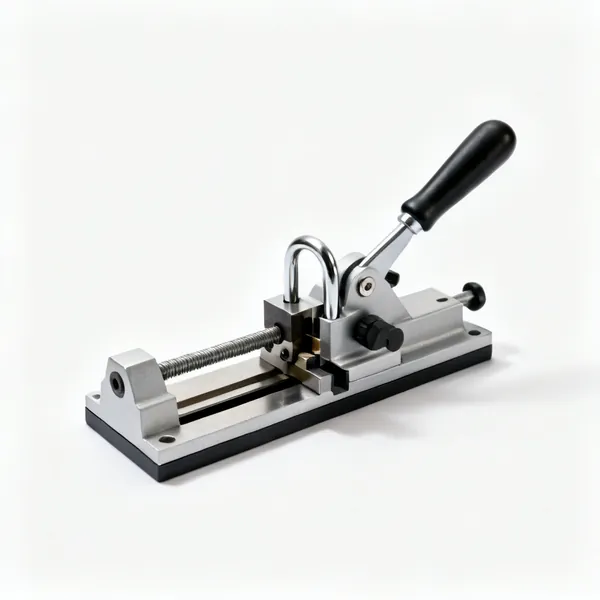
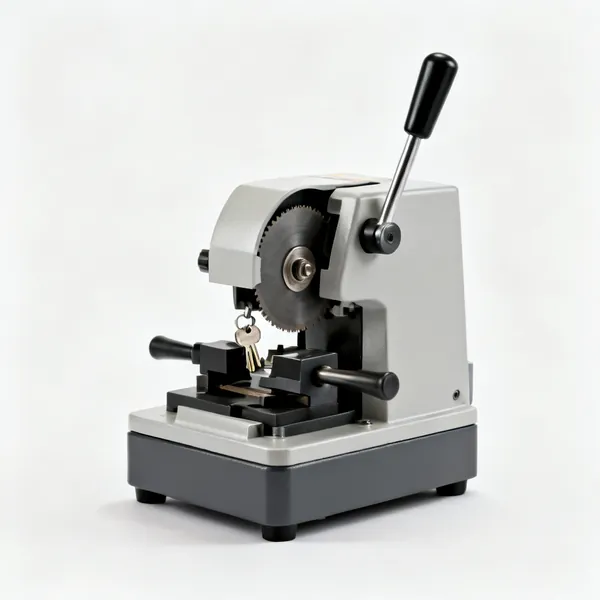
- Only if you cut keys regularly. They are a real investment and they need the cutter and clamps kept in good order, since a worn machine produces keys that almost work, which causes more trouble than keys that clearly do not.