




Disclosure

Metalworking tools: names, pictures and what each one is used for

A complete metalworking tools list with a picture of every one, all 104 grouped by the job, from marking out through cutting, filing, drilling, threading, turning, milling and finishing. This trade works to the smallest tolerances here, and most of its tools exist to hold or measure precisely.

51 are marked essential: enough to mark out, cut, file, drill and thread by hand.

Measuring & inspection 13

Metalwork is measured, never judged by eye. These read to hundredths of a millimetre and must be looked after to keep doing it.

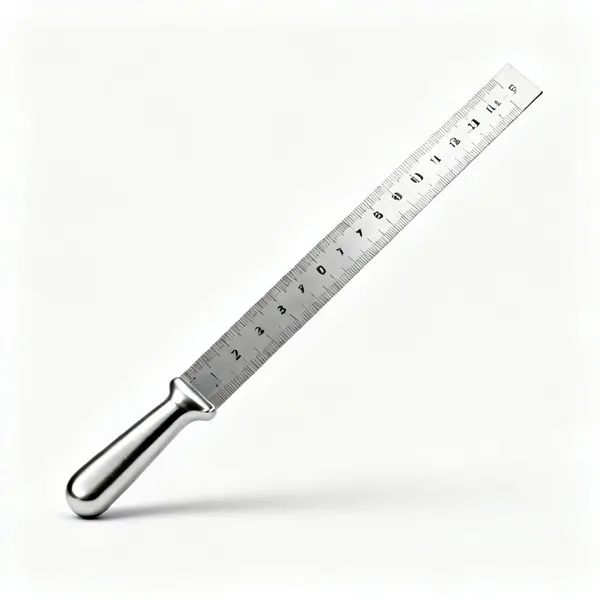
  • Steel rule: A stainless steel engineer's ruleEssential

    Steel rule

    A rigid graduated rule that survives a workshop. The end can wear, so measure from a line rather than the end.

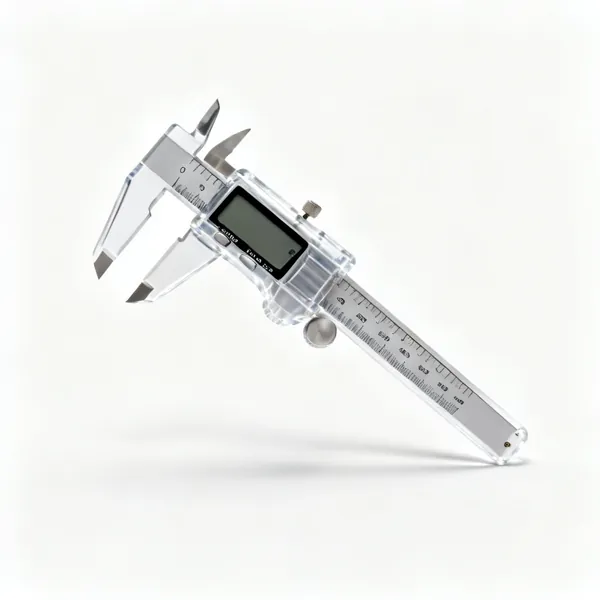
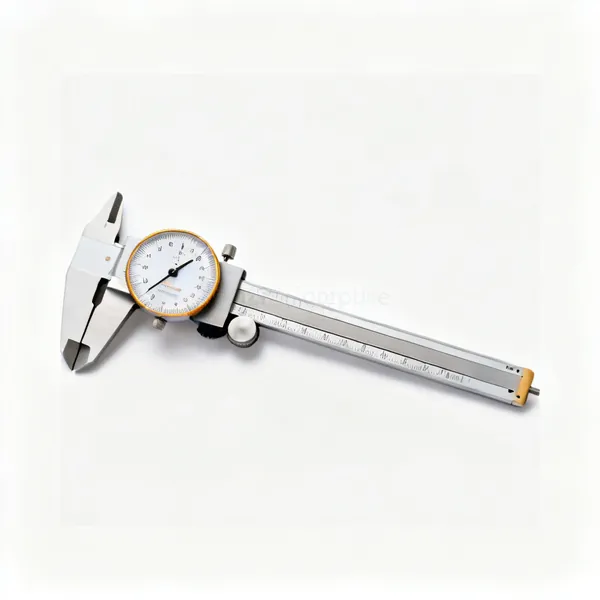
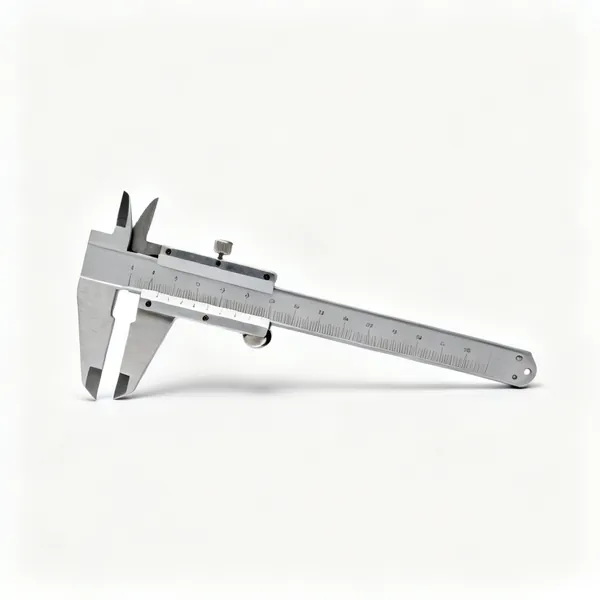
  • A pair of digital vernier calipersEssential

    Vernier calipers

    Measures outside, inside and depth to a hundredth of a millimetre. Closed and zeroed before every use.

  • An outside micrometer

    Micrometer

    More accurate again than calipers over a small range, reading to a thousandth. Used with a ratchet so pressure is consistent.

  • A depth gauge measuring tool

    Depth gauge

    Measures the depth of a hole, slot or step against a flat reference face, which a caliper does awkwardly.

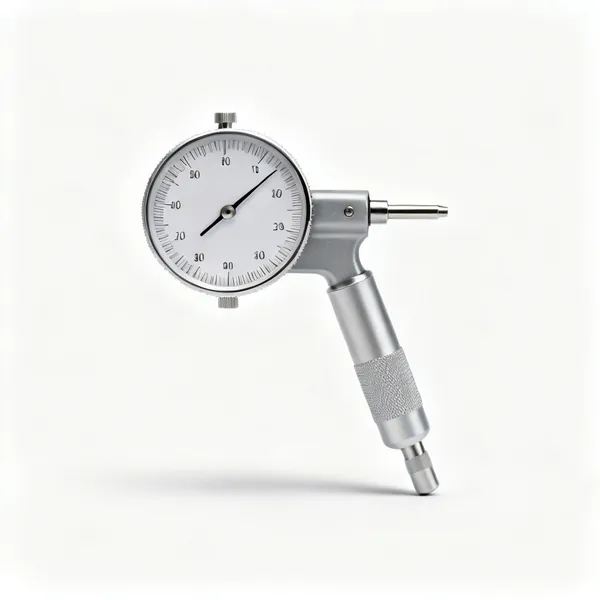
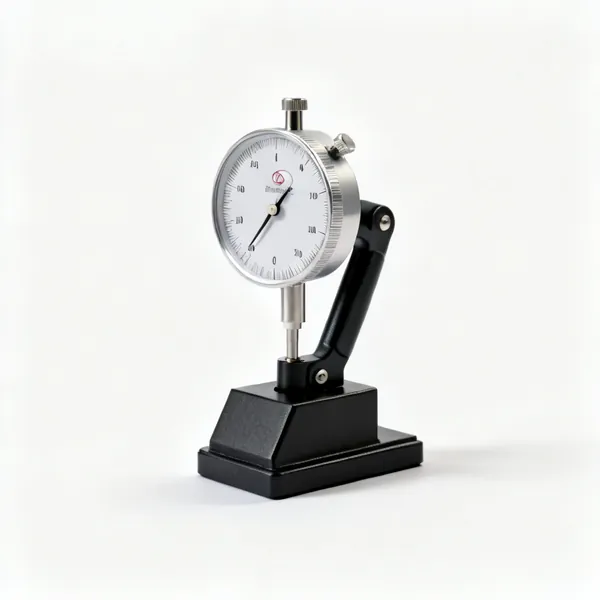
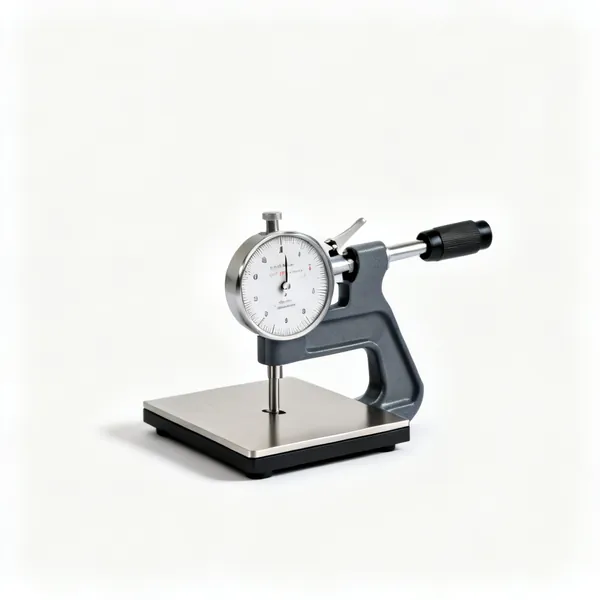
  • A dial indicator gauge with a magnetic base

    Dial indicator

    Reads movement rather than size, for checking runout and trueness, and for setting work up on a machine.

  • Engineer's square: An engineer's try square with a steel bladeEssential

    Engineer's square

    A precision right angle. The reference for whether anything is square, since metal offers nothing to judge by eye.

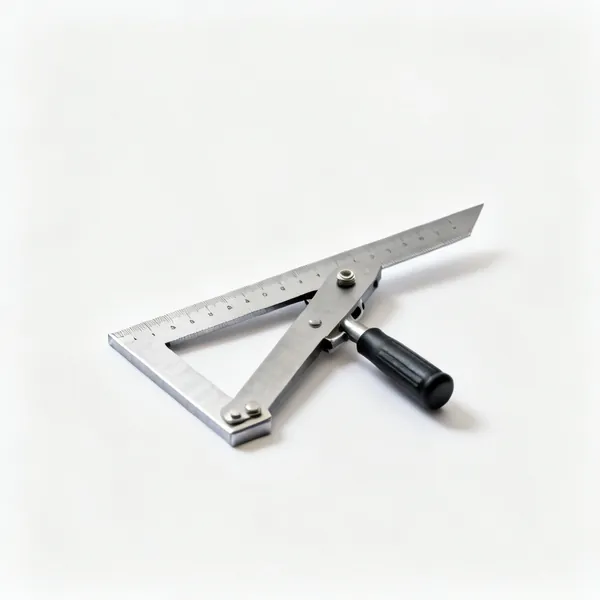
  • Combination set: A combination square set with interchangeable heads

    Combination set

    A rule with square, protractor and centre heads, doing four setting out jobs with one instrument.

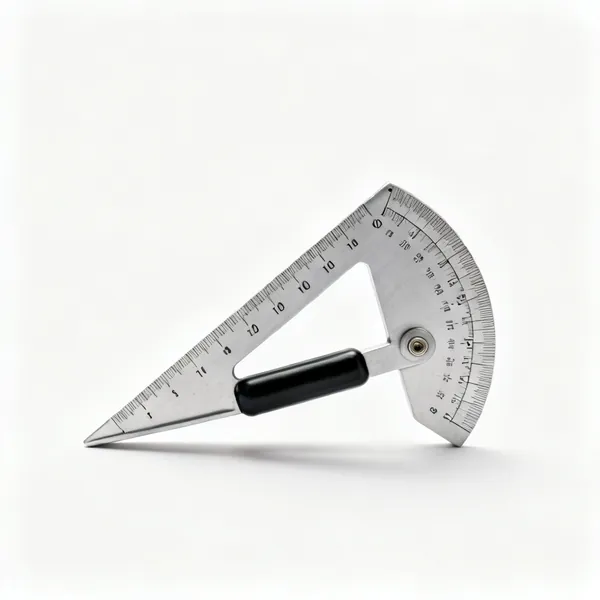
  • Bevel protractor

    Bevel protractor

    Measures and sets any angle precisely, which matters as soon as a job stops being all right angles.

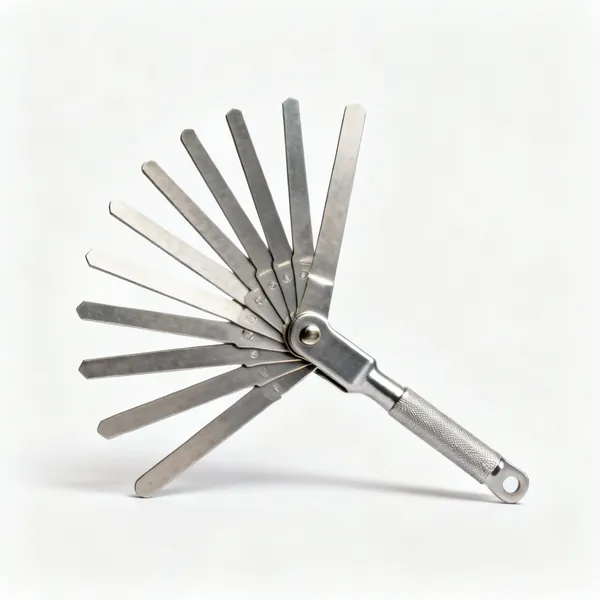
  • Feeler gauges: A fan of steel feeler gauge bladesEssential

    Feeler gauges

    Ground blades for measuring a small gap by finding the one that just slides in. Clearances and setting up.

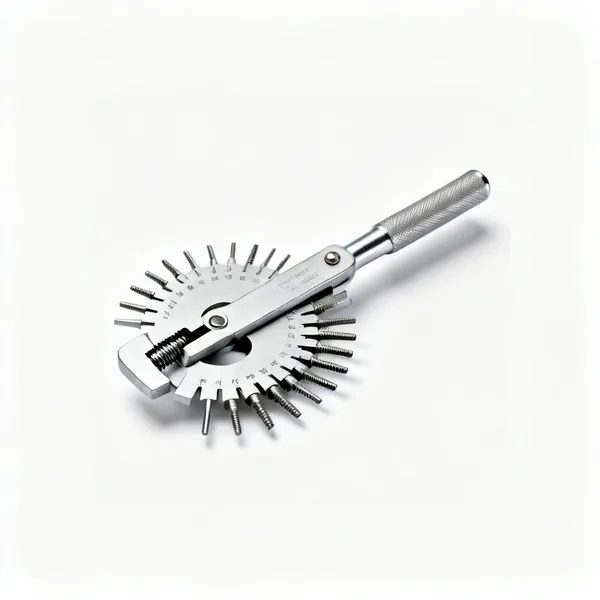
  • Thread gauge: A screw thread pitch gauge setEssential

    Thread gauge

    Identifies a thread pitch by matching a profile to it, so you fit the right tap, die or fastener.

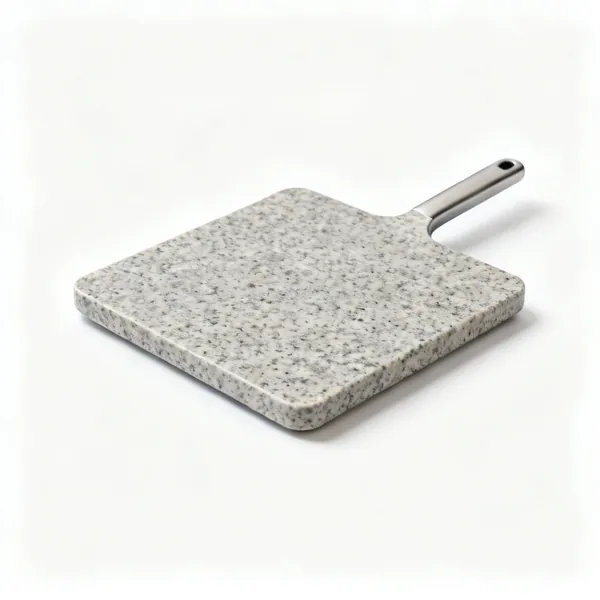
  • A granite surface plate

    Surface plate

    A precision flat reference to measure and scribe from. Everything accurate is ultimately referenced to a flat surface.

  • A vernier height gauge on a surface plate

    Height gauge

    Scribes and measures precise heights from a surface plate, which is how accurate layout is actually done.

  • Radius gauges: A set of radius gauge blades

    Radius gauges

    Blades of known radii for checking an internal or external curve against a specification.

Marking out 10

Transferring a dimension onto metal so it can be cut to. Scribed lines and punched dents rather than pencil.

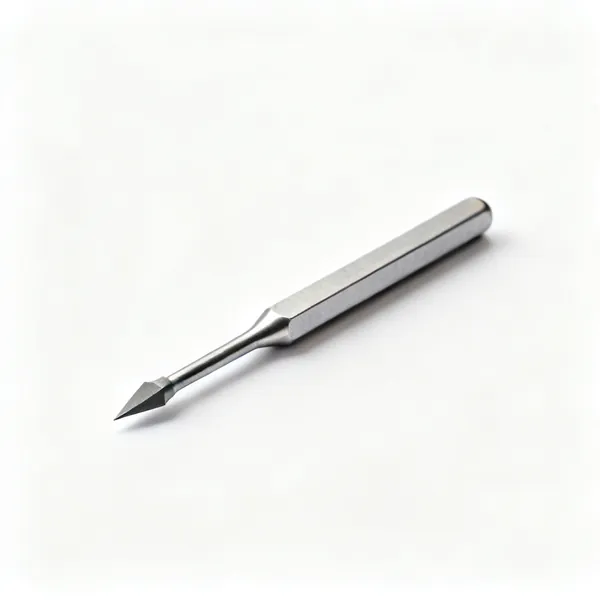
  • A steel scriber with a carbide pointEssential

    Scriber

    A hardened point that scratches a fine permanent line. Precise enough to cut exactly to, unlike a pencil mark.

  • Layout fluid: A bottle of blue layout marking fluidEssential

    Layout fluid

    Blue dye brushed on so a scribed line shows as bright metal. On shiny stock you cannot see marks without it.

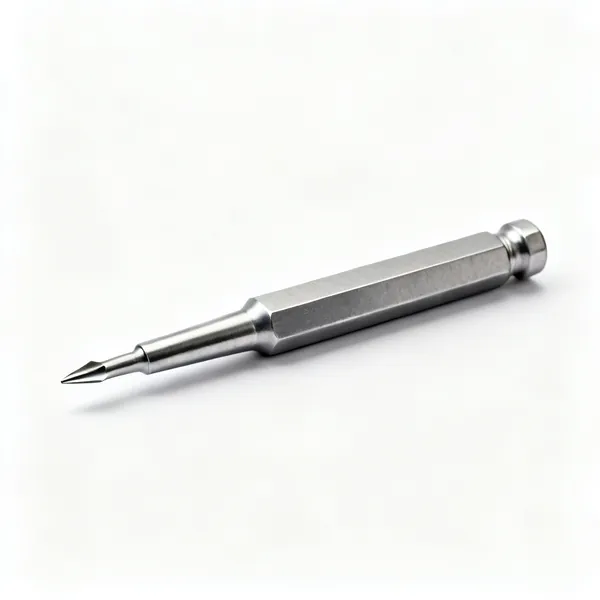
  • A steel centre punchEssential

    Centre punch

    Dents the metal so a drill starts on position. The most important cheap tool on this page.

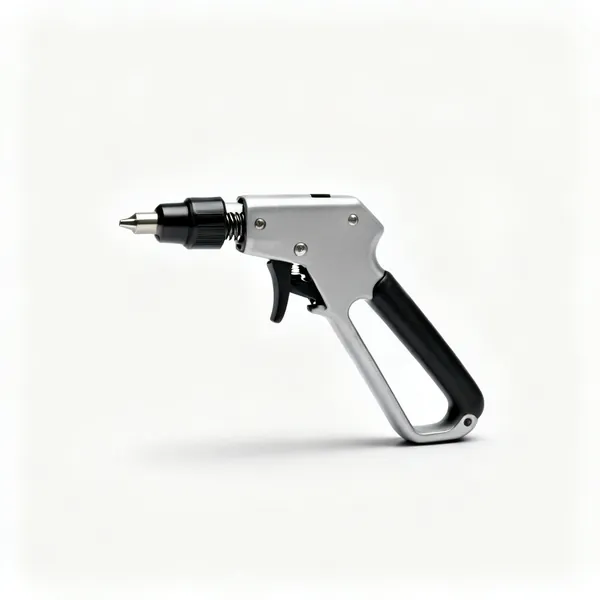
  • Automatic centre punch: An automatic spring loaded centre punch

    Automatic centre punch

    Fires with hand pressure alone, so no hammer is needed and it can be used one handed in awkward places.

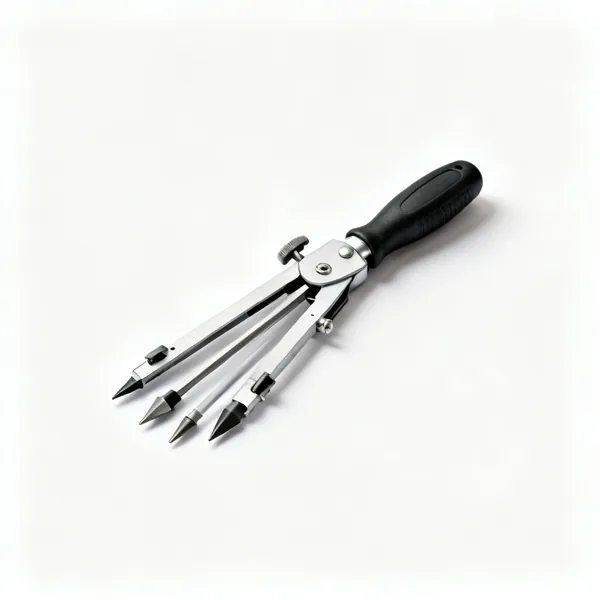
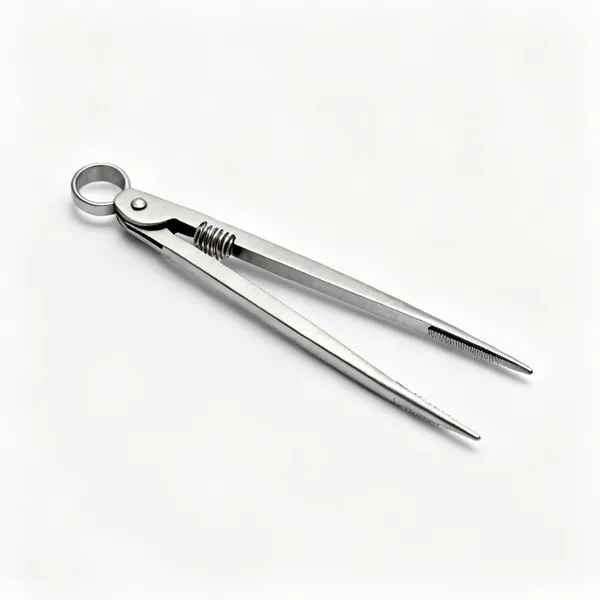
  • A pair of steel spring dividersEssential

    Dividers

    Scribes arcs and circles and steps off equal distances, which is how repeated features end up evenly spaced.

  • Odd leg calipers: A pair of odd leg jenny calipers

    Odd leg calipers

    One leg hooks the edge while the other scribes, giving a line parallel to that edge at a set distance.

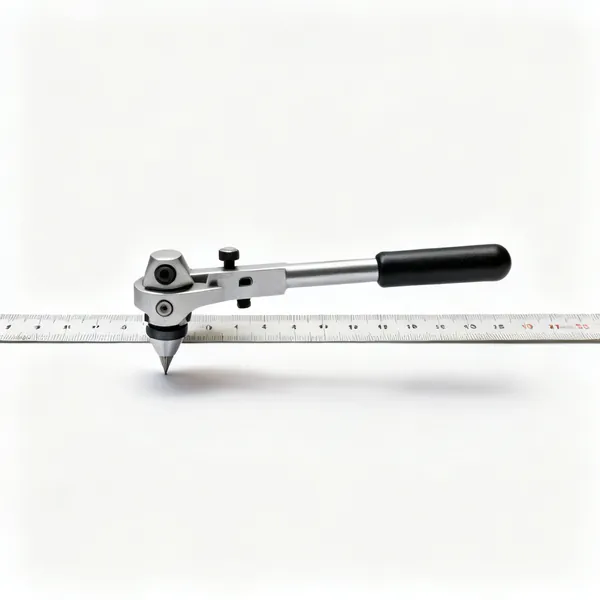
  • A centre finder head on a rule

    Centre finder

    Locates the centre of round stock, so a hole is drilled on the axis rather than somewhere near it.

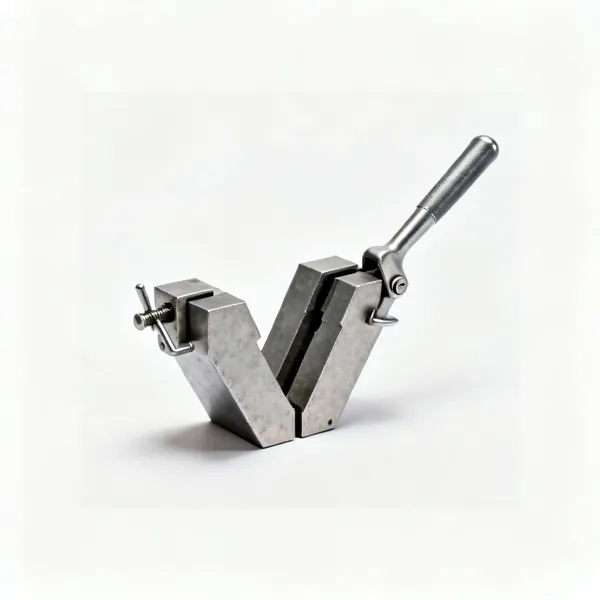
  • A pair of steel vee blocks with clamps

    Vee blocks

    Cradle round stock so it cannot roll while being marked or drilled, and hold it centred while you do.

  • Angle plate

    Angle plate

    A precision right angle to clamp work against, so a face can be machined square to another one.

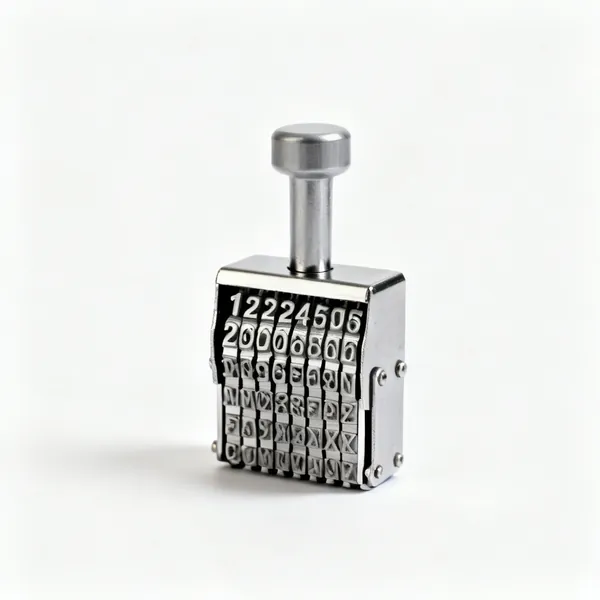
  • Letter & number punches: A set of steel number and letter stamping punches

    Letter & number punches

    Stamps permanent identification into metal. How parts are numbered so an assembly goes back together.

Cutting & sawing 13

Separating metal. The blade or disc has to suit the material and the thickness, and heat is always the enemy.

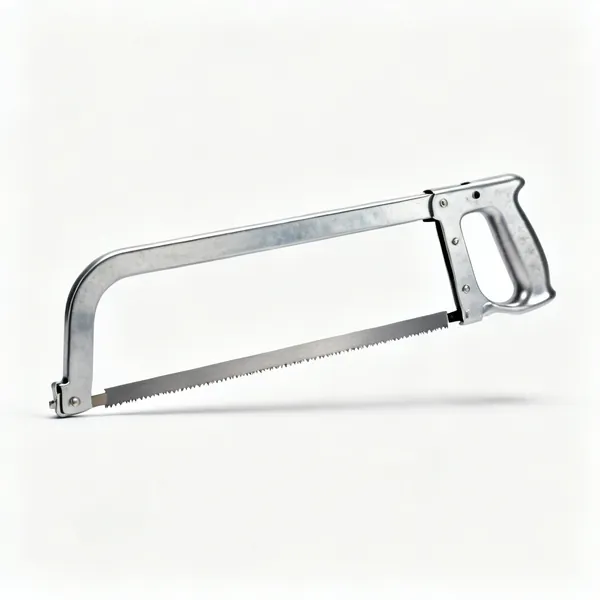
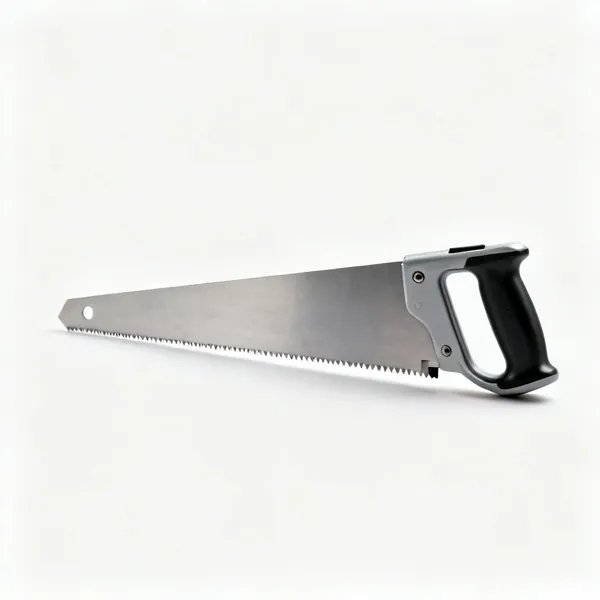
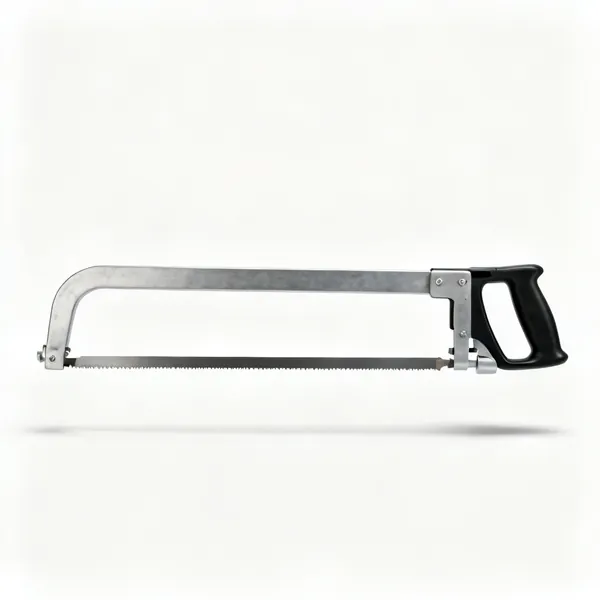
  • HacksawEssential

    Hacksaw

    Hand cutting bar and section. Teeth forward, and at least three teeth in contact or it snags and strips them.

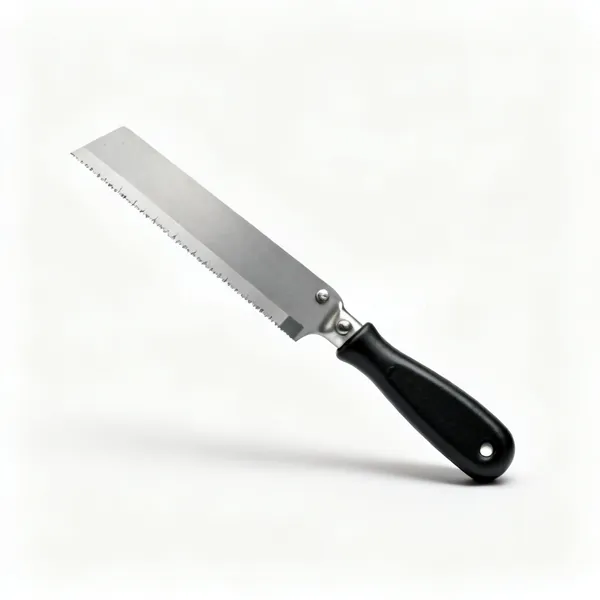
  • A junior hacksawEssential

    Junior hacksaw

    A small frame for thin stock and tight spaces, where a full hacksaw cannot reach or is too coarse.

  • Metal bandsaw: A horizontal metal cutting bandsaw

    Metal bandsaw

    Slow blade speed with coolant, giving a square accurate cut with no sparks. The quality upgrade over an abrasive saw.

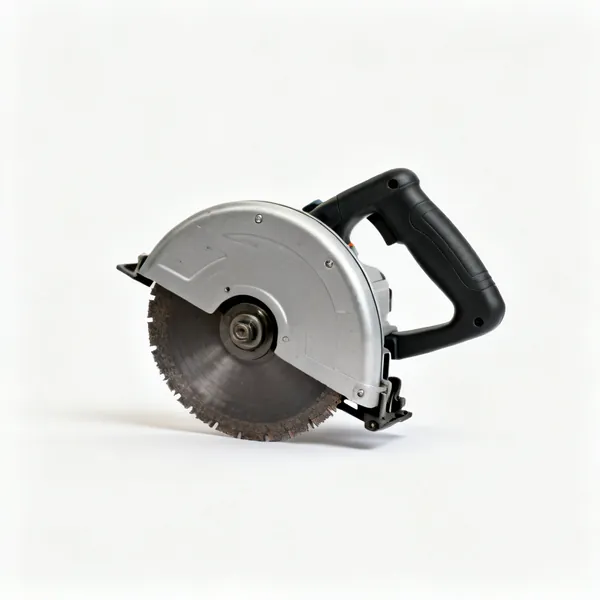
  • Abrasive chop saw: An abrasive metal cutting chop saw

    Abrasive chop saw

    Fast repeatable cuts with an abrasive disc. Loud, sparky and it leaves a heat affected edge.

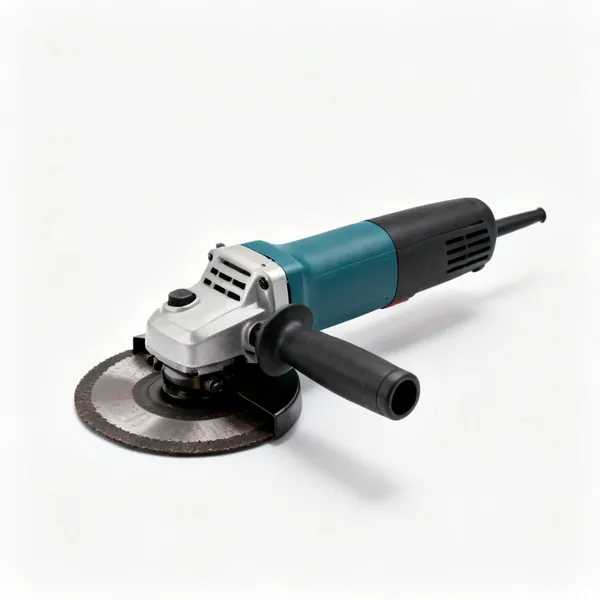
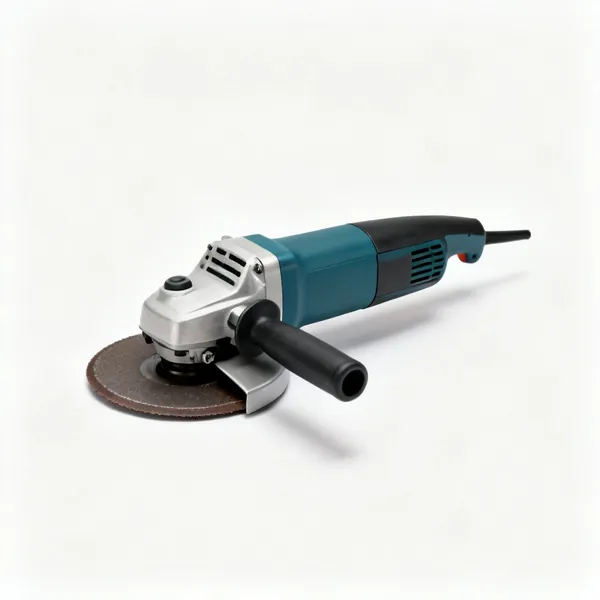
  • Angle grinderEssential

    Angle grinder

    Cuts and grinds anywhere. The most useful and least forgiving power tool in a metal shop, so guard on.

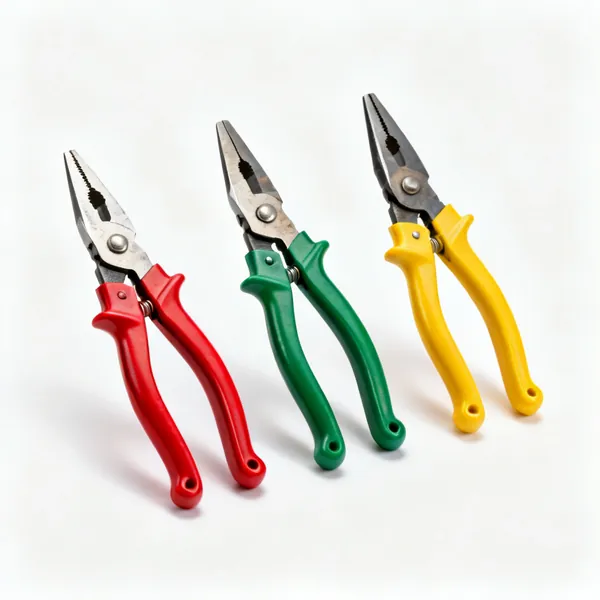
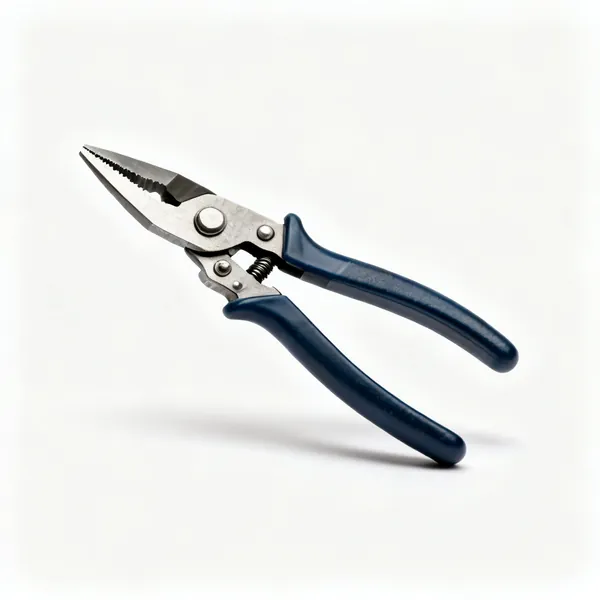
  • Three pairs of tin snips in red green and yellowEssential

    Tin snips

    Hand shears for sheet, in left, right and straight patterns. The pattern matters more than expected on a curve.

  • A pair of compound aviation snips

    Aviation snips

    Compound leverage so thicker sheet cuts with less effort, and they follow a tight curve cleanly.

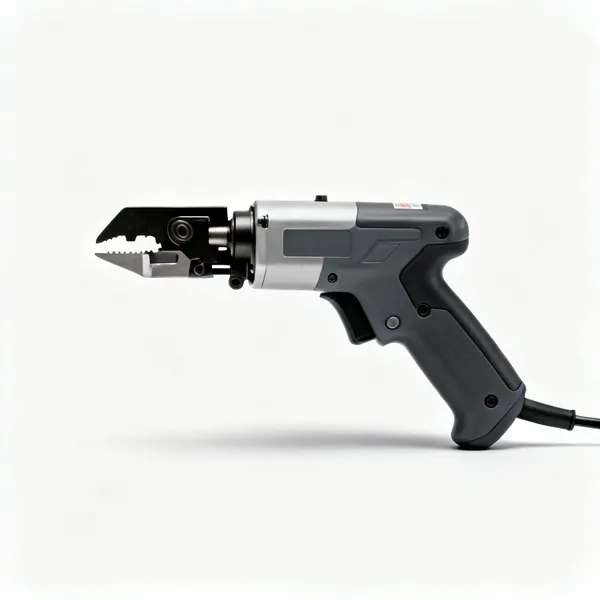
  • Sheet nibbler: An electric sheet metal nibbler

    Sheet nibbler

    Punches through sheet leaving a clean cool edge, so no heat distortion and no sparks near glass or paint.

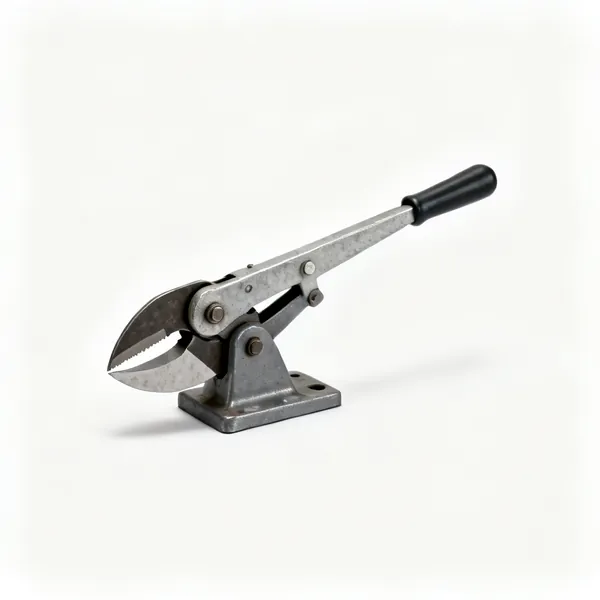
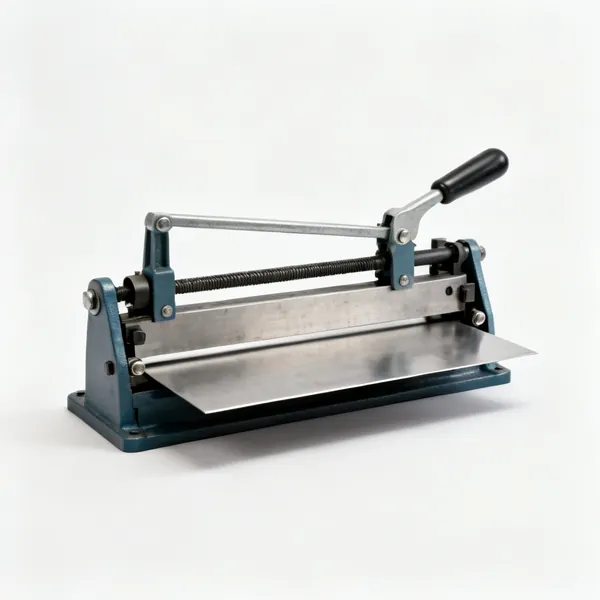
  • Bench shear: A bench mounted lever metal shear

    Bench shear

    A lever shear cutting bar and flat stock square in one motion, cold and with no waste kerf.

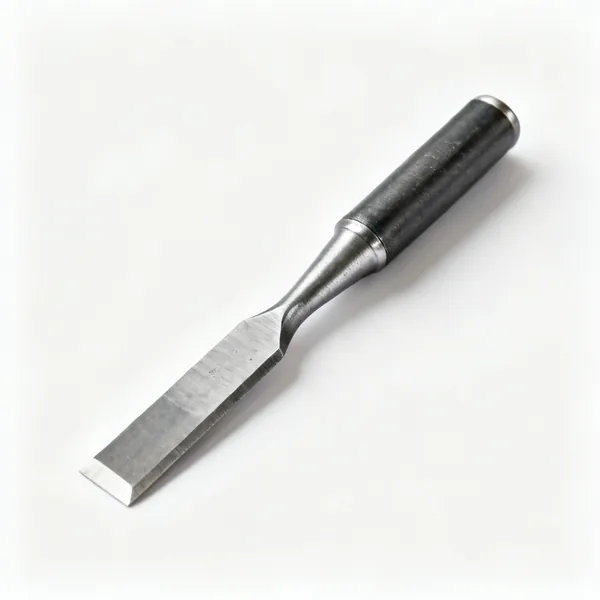
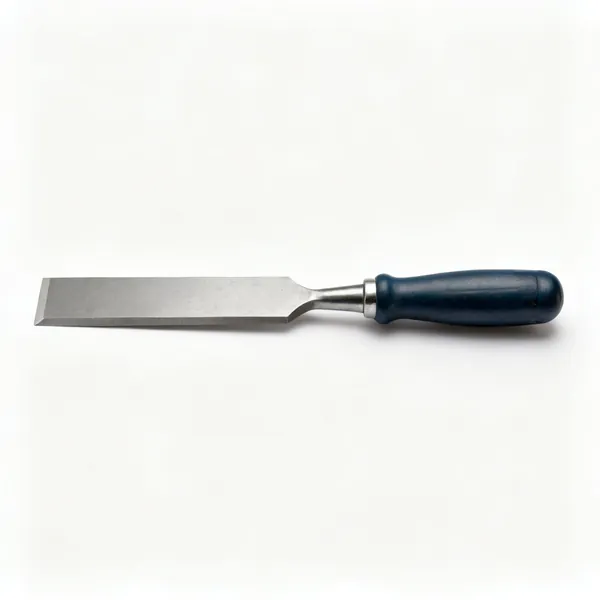
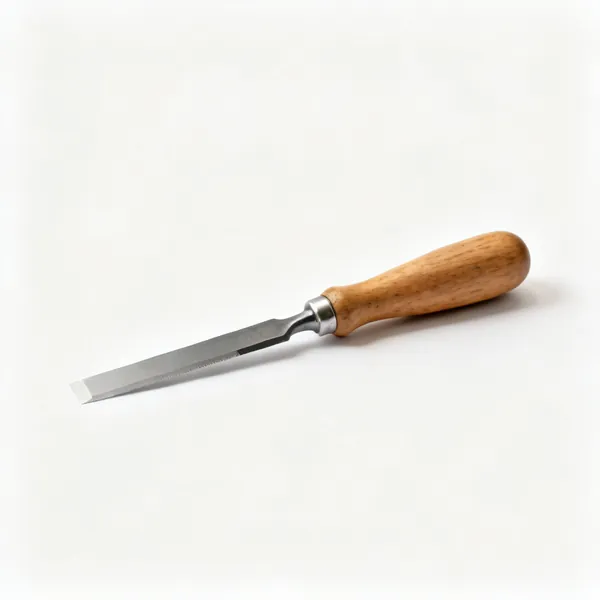
  • A set of steel cold chiselsEssential

    Cold chisel

    Cuts, splits and shears cold metal when struck. Dress the head before it mushrooms and throws fragments.

  • A pair of long handled bolt cutters

    Bolt cutters

    Long handles and short jaws for cutting bar, mesh and chain. Leverage does the work, so length is the specification.

  • A rotary pipe cutter tool

    Pipe cutter

    A rolling wheel that cuts tube square with no swarf inside, which a hacksaw cannot manage.

  • A plasma cutter with a torch

    Plasma cutter

    Cuts conductive metal with an ionised jet, fast and with a narrow heat affected zone. Follows curves freely.

Filing & hand shaping 11

Removing metal precisely by hand. Slower than any machine and the only way to hit a line exactly.

  • A flat engineer's hand file with a handleEssential

    Hand file

    A flat file for general shaping and flattening. Cuts on the push stroke, so lift it on the return.

  • File set: A set of engineer's files in several profilesEssential

    File set

    Flat, half round, round, square and triangular. The profile is chosen for the shape you are cutting into.

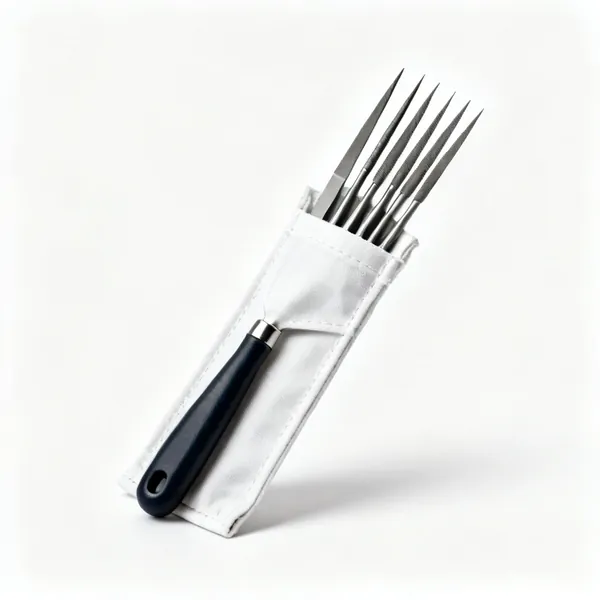
  • A set of needle files in a pouchEssential

    Needle files

    Small files for detail, tight corners and inside small holes, where a full size file cannot enter.

  • Wooden file handlesEssential

    File handles

    A bare tang goes through a palm if the file catches. They cost almost nothing and there is no reason not to fit them.

  • File card: A file cleaning card brushEssential

    File card

    Clears metal from the teeth. A clogged file burnishes and scratches rather than cutting.

  • A flat file held sideways for draw filing

    Draw filing

    A flat file held sideways and drawn along, which produces a much smoother truer surface than normal filing.

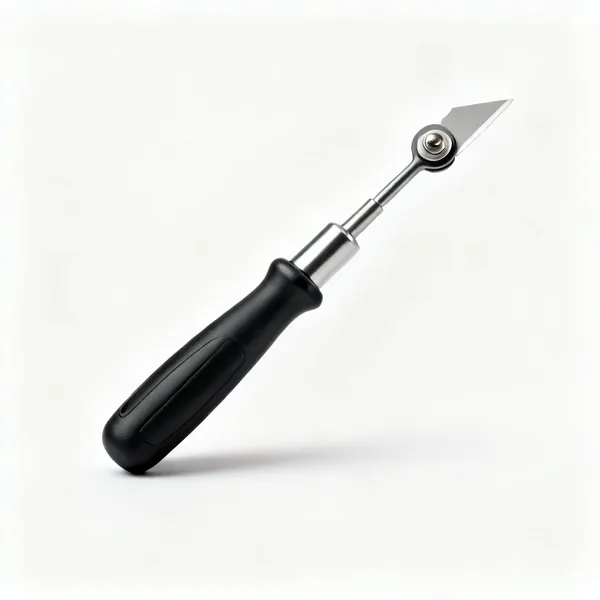
  • A handheld deburring tool with a swivel bladeEssential

    Deburring tool

    A swivelling blade that takes the burr off an edge or a hole in one pass. Also stops a caliper reading over.

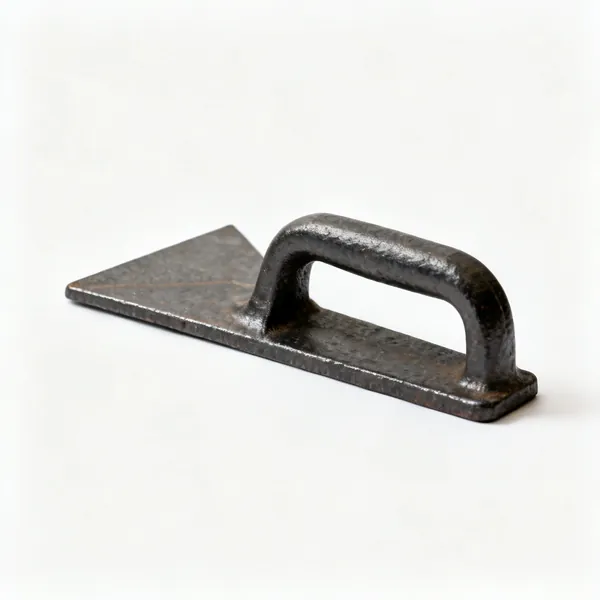
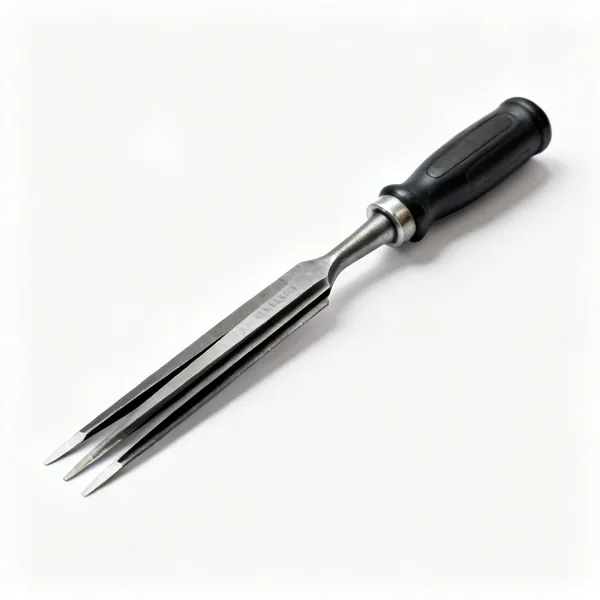
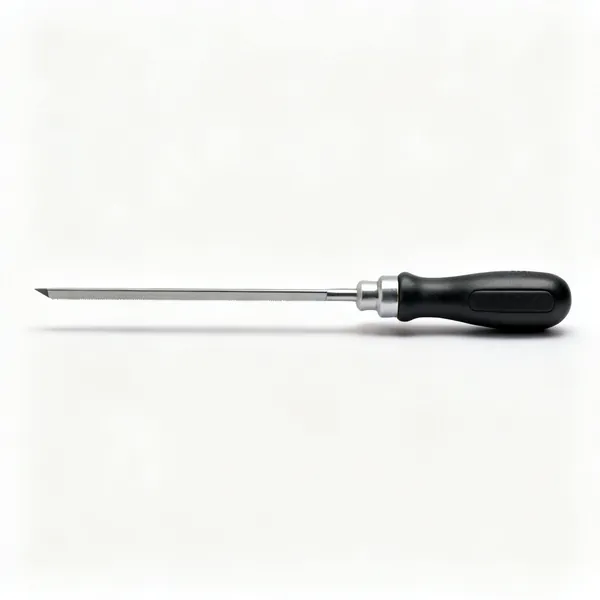
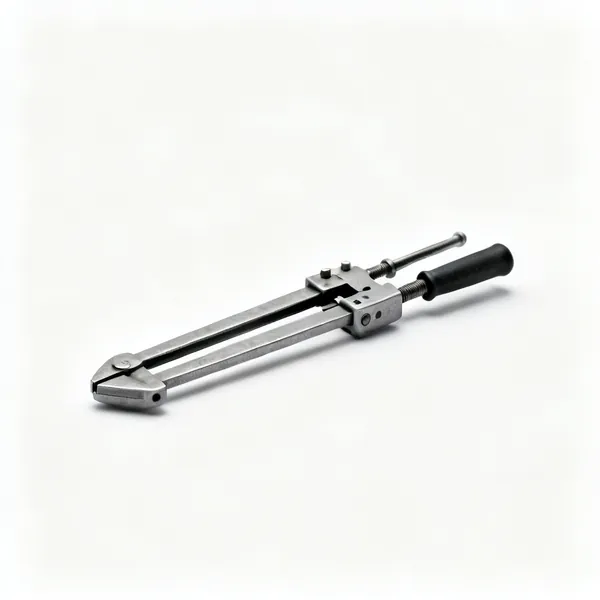
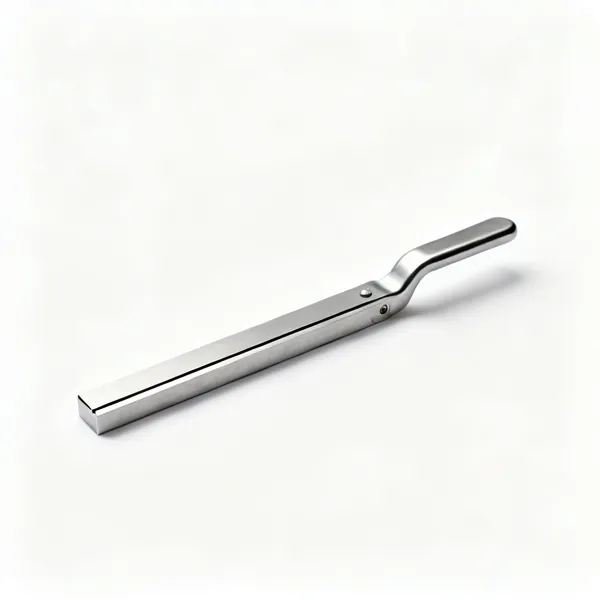
  • Bearing scraper: A metalworking flat scraper tool

    Bearing scraper

    Removes microscopic high spots to make a surface truly flat, which is how machine ways are finished.

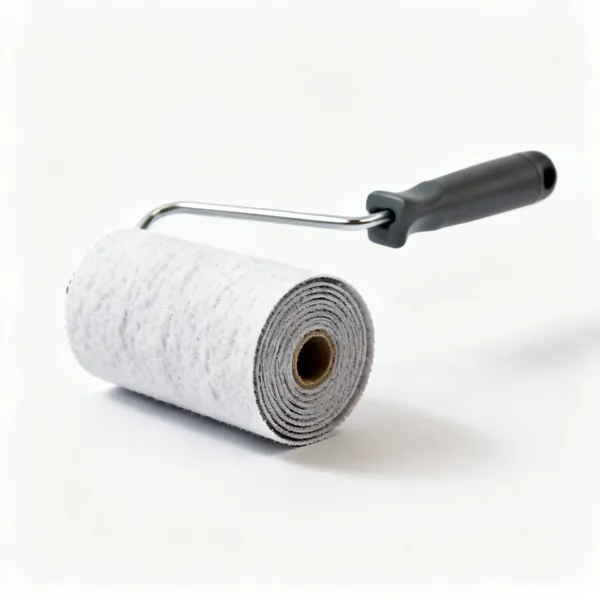
  • Emery cloth: Rolls of emery abrasive clothEssential

    Emery cloth

    Abrasive on cloth backing for finishing and polishing metal, worked through the grades in order.

  • A set of hand reamers

    Hand reamer

    Brings a drilled hole to an exact size and finish, turned slowly by hand with a tap wrench.

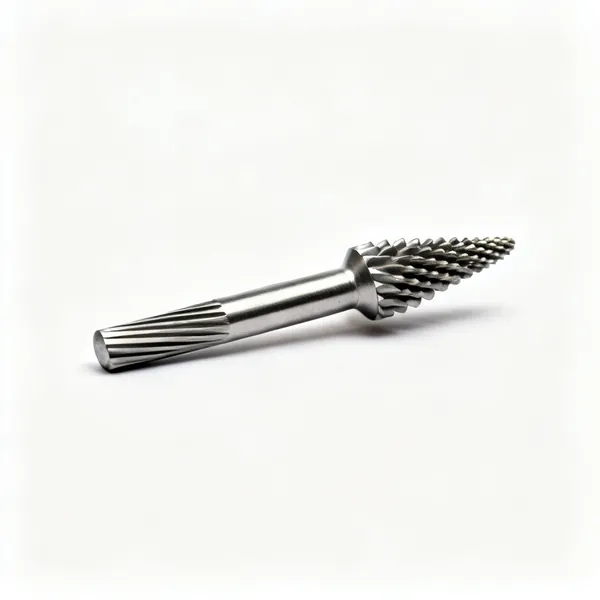
  • Carbide burrs: A set of carbide burr bits

    Carbide burrs

    Shaped cutters in a die grinder that carve metal precisely, for openings and blending in awkward places.

Drilling & threading 13

Holes and threads. Speed, pressure and cutting fluid decide whether the tool survives the job.

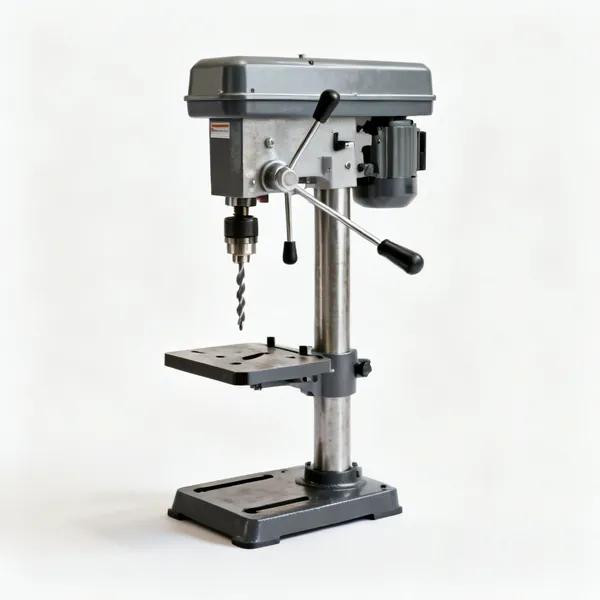
  • A bench mounted metalworking drill pressEssential

    Drill press

    A bench machine drilling square, at a set speed and depth. Far more accurate than any handheld drill in metal.

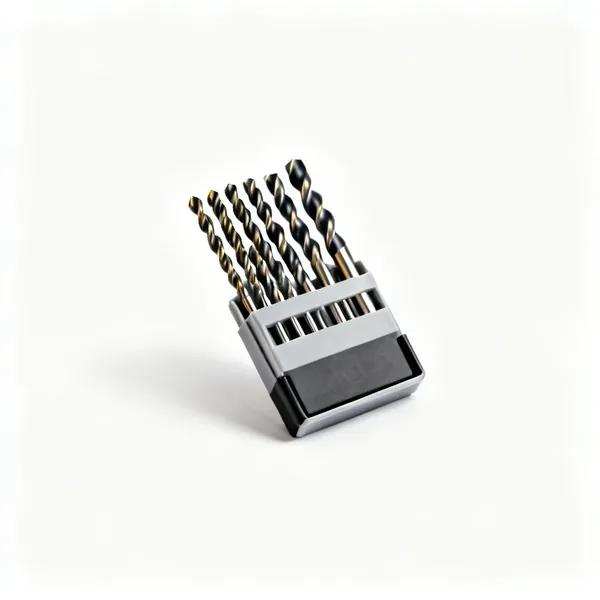
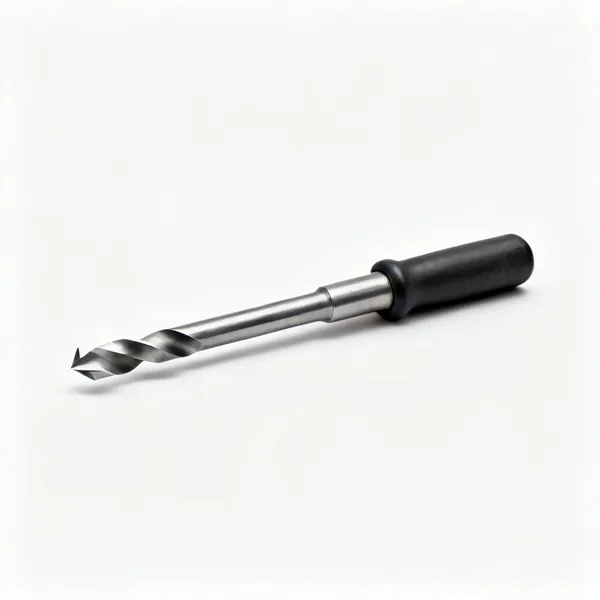
  • HSS drill bits: A set of HSS twist drill bits in a caseEssential

    HSS drill bits

    High speed steel bits for metal. Cobalt for stainless and tougher alloys, since HSS burns out in them.

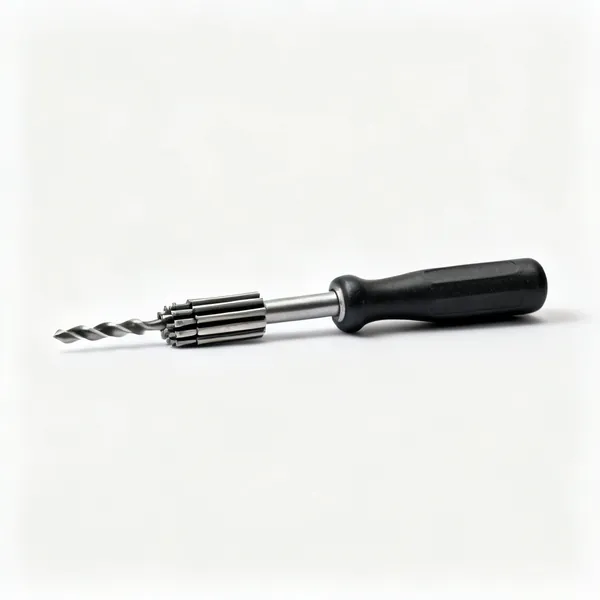
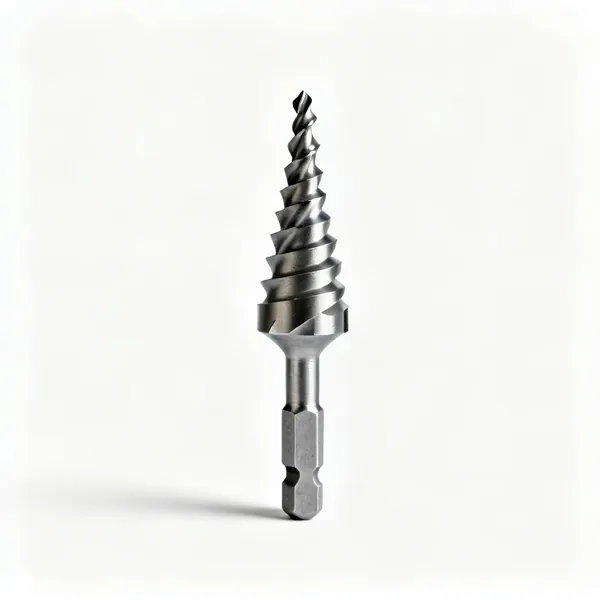
  • A step drill cone bit

    Step drill

    Cuts and enlarges holes in sheet without grabbing and tearing, which is exactly what a twist bit does in thin metal.

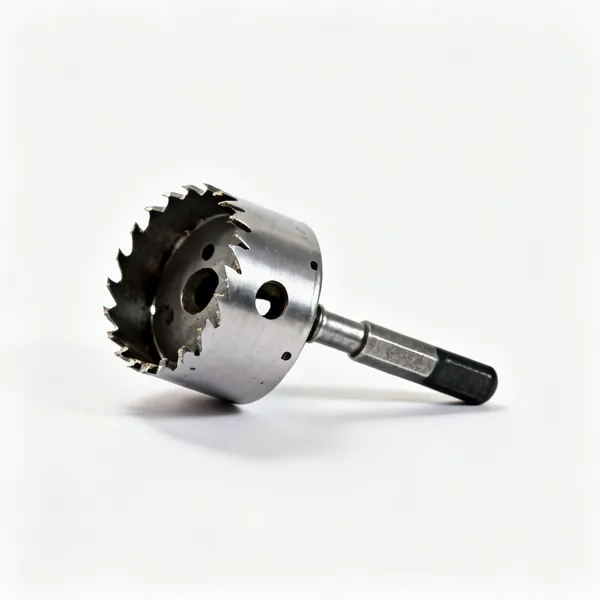
  • A set of bi metal hole saws

    Hole saw

    Cuts a large hole in plate and tube. Slow speed and cutting fluid, since heat is what kills a hole saw.

  • A countersink bit for metalEssential

    Countersink

    Cuts a tapered recess so a screw head sits flush. Also the fastest way to deburr a drilled hole.

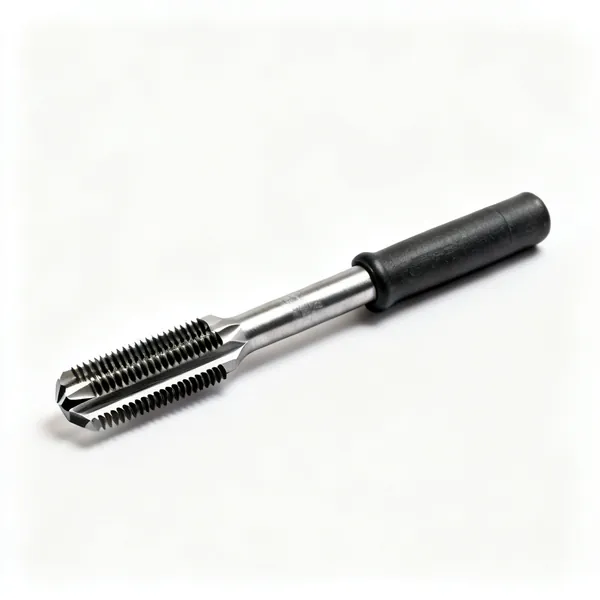
  • Tap set: A set of taper second and plug tapsEssential

    Tap set

    Cuts an internal thread. Taper to start, second to continue and plug to reach the bottom of a blind hole.

  • A tap wrench holding a tapEssential

    Tap wrench

    Holds a tap square and lets you feel the resistance, which is how you know to back off before it binds.

  • Dies & die holder: A thread cutting die in a die holderEssential

    Dies & die holder

    Cuts an external thread onto a rod. The holder keeps it square, since a die started crooked cuts a crooked thread.

  • A bottle of metal cutting fluidEssential

    Cutting fluid

    Cools and lubricates the cutting edge. It transforms tool life and finish and it costs very little.

  • Tapping drill chart: A tapping drill size chart cardEssential

    Tapping drill chart

    The correct hole size for each thread. Too large gives no thread depth, too small binds and snaps the tap.

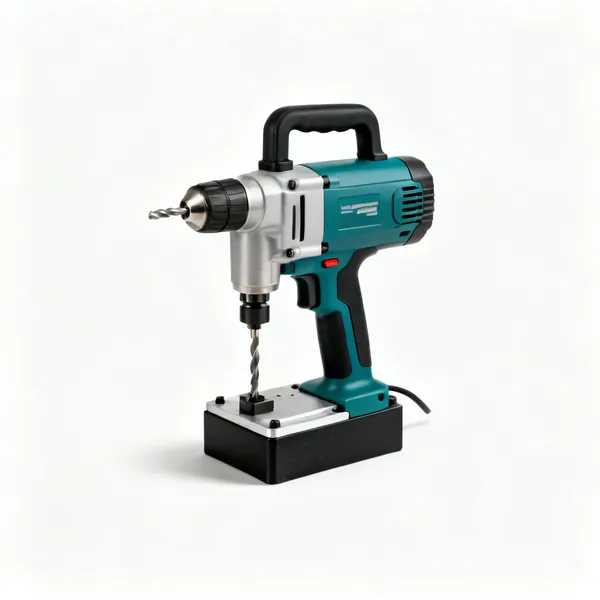
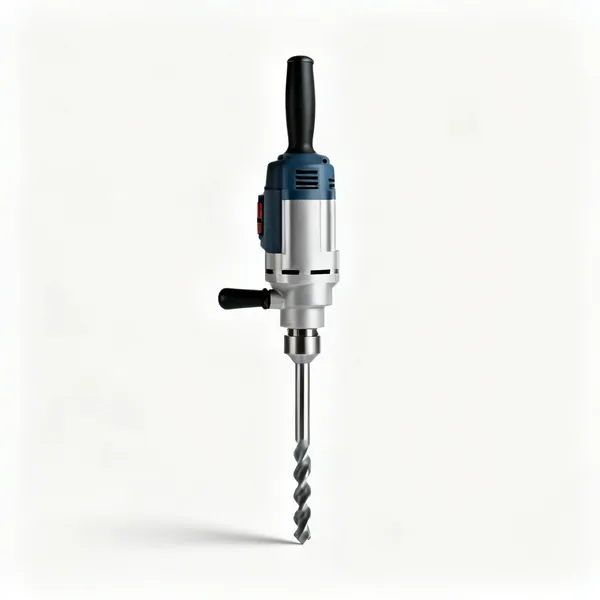
  • Magnetic drill: A magnetic base drilling machine

    Magnetic drill

    Clamps itself to steel with a magnet and drills a large accurate hole in place, on structures that cannot be moved.

  • A broken tap extractor tool

    Tap extractor

    Fingers that engage the flutes of a broken tap to wind it out. The rescue tool for the classic disaster.

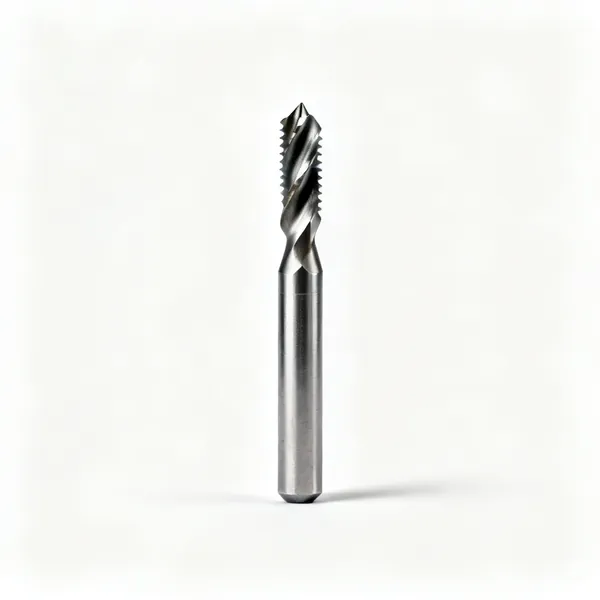
  • Thread repair kit: A thread repair insert kit with a tap

    Thread repair kit

    Cuts an oversize thread and fits an insert, rescuing a stripped hole. Common in aluminium, which strips easily.

Machine tools 14

Where accuracy becomes repeatable. Each of these is a large step in capability and in what you must learn to use it safely.

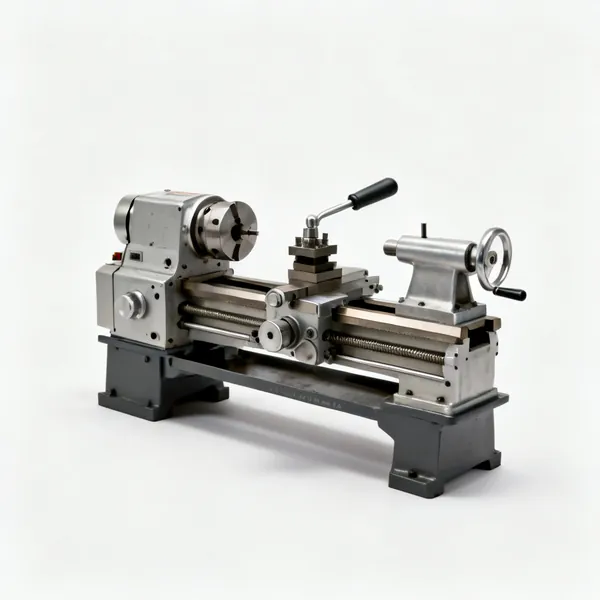
  • Metal lathe: A metalworking lathe machine

    Metal lathe

    The work rotates and the tool moves, producing round parts, threads and bores. The first real machine tool.

  • Lathe tooling: A set of lathe cutting tools

    Lathe tooling

    Turning, facing, boring and threading tools, ground or indexable. Set on centre height or the geometry is wrong.

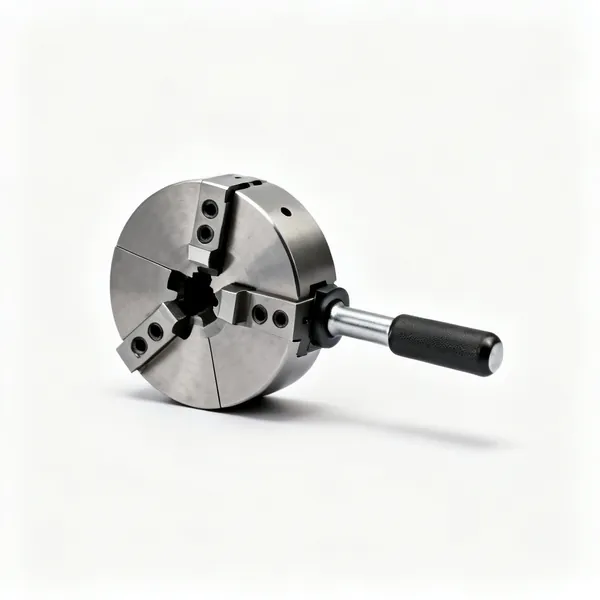
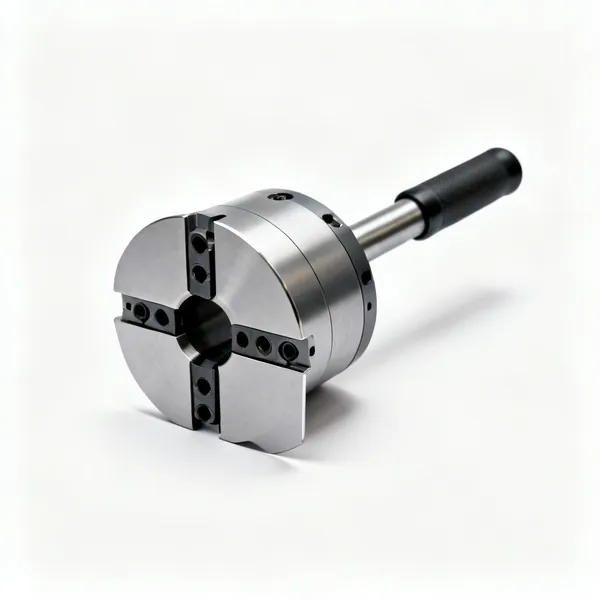
  • A three jaw lathe chuck

    Lathe chuck

    Holds the work. Three jaw self centres for round stock, four jaw independent for accuracy and odd shapes.

  • A vertical milling machine

    Milling machine

    The cutter rotates and the work moves, producing flat faces, slots and pockets. Complementary to a lathe.

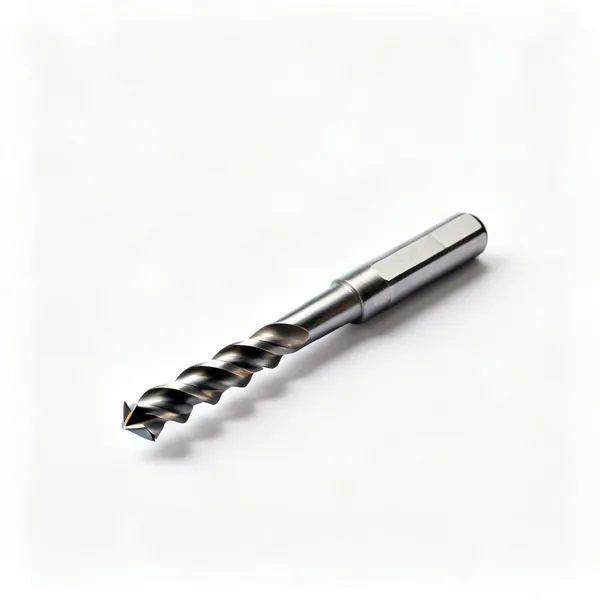
  • End mills: A set of end mill cutters

    End mills

    Cutters that machine on the end and the sides. Number of flutes and coating are chosen for the material.

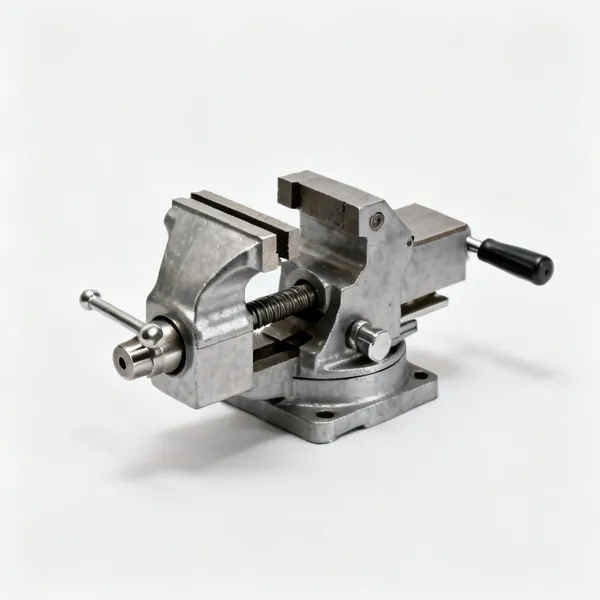
  • A steel machine vice for a drill pressEssential

    Machine vice

    Bolts to a drill or mill table and holds work square. On a drill press this is what makes accuracy possible at all.

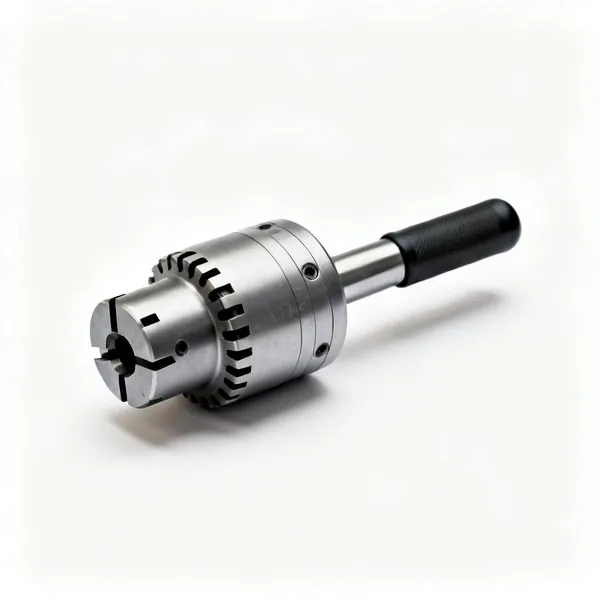
  • A set of machine collets

    Collets

    Grip a cutter or bar concentrically and far more accurately than a drill chuck, which is why machines use them.

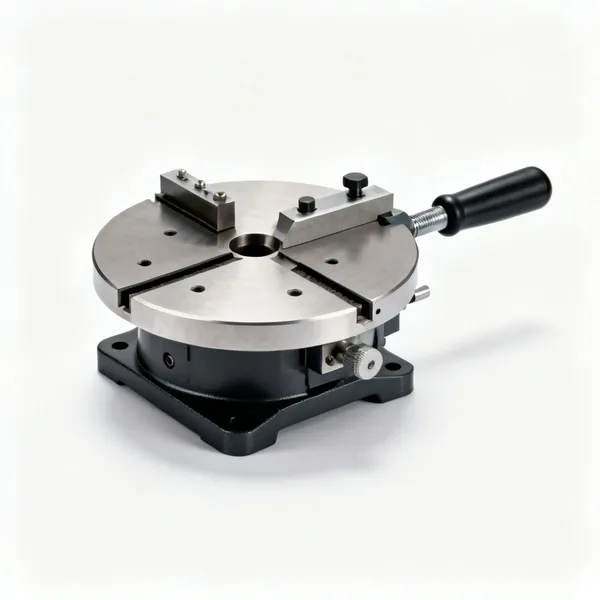
  • A rotary table for a milling machine

    Rotary table

    Turns work through a measured angle on a mill, for circular features and evenly spaced holes.

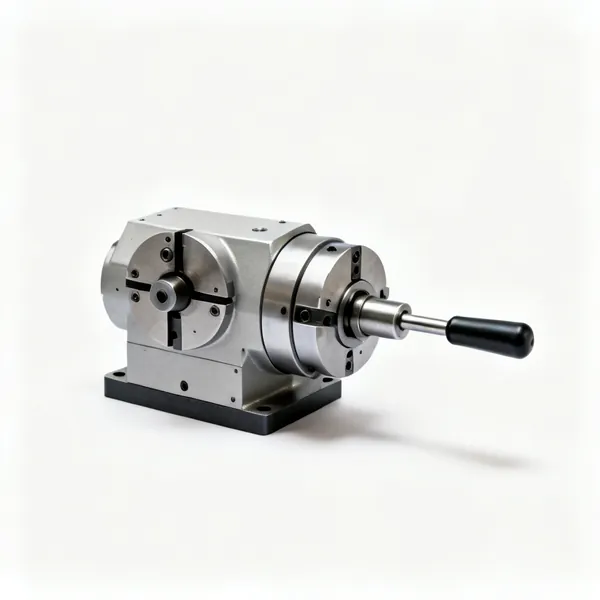
  • A dividing head for a milling machine

    Dividing head

    Indexes work to precise fractions of a rotation, which is how gears and splines are cut.

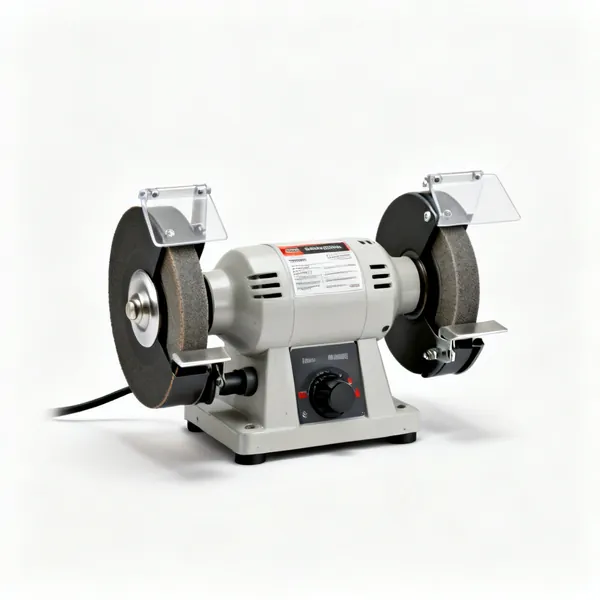
  • A bench grinder with two wheelsEssential

    Bench grinder

    Sharpens tools and dresses metal. Dip in water often, since letting steel turn blue destroys its temper.

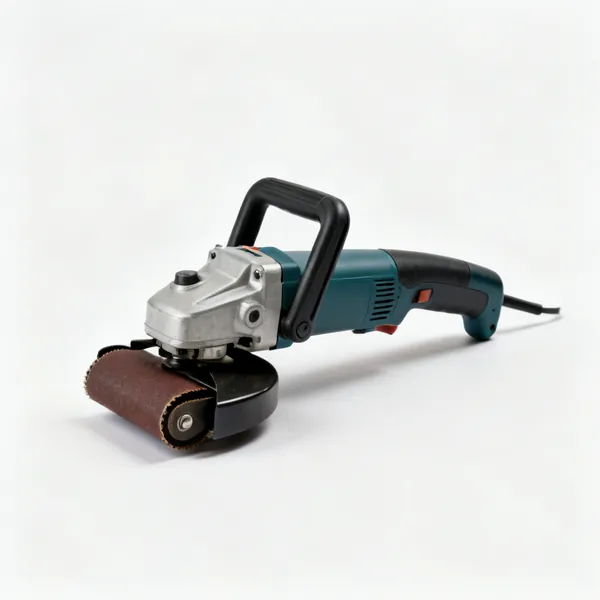
  • A belt grinder for metalwork

    Belt grinder

    Shapes and finishes fast on a moving abrasive belt, and it removes metal far quicker than a file.

  • Surface grinder: A surface grinding machine

    Surface grinder

    Grinds a face flat and parallel to a very close tolerance, which is how hardened parts are finished.

  • Sheet metal brake: A sheet metal bending brake

    Sheet metal brake

    Folds sheet to a crisp accurate angle along a line, which cannot be done neatly by hand.

  • A set of sheet metal slip rolls

    Slip rolls

    Rolls sheet into a cylinder or a curve of set radius, evenly and without kinking it.

Holding & clamping 10

Work that moves cannot be cut accurately and is dangerous. Nearly every metalworking accident starts here.

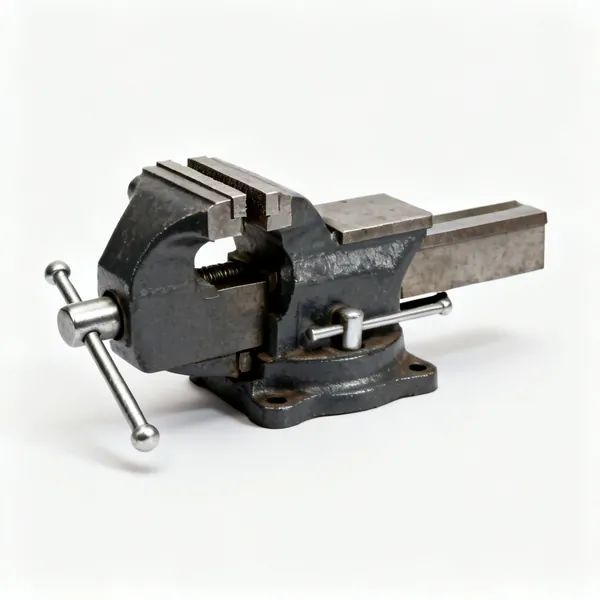
  • A heavy engineer's bench viceEssential

    Bench vice

    The centre of a metal shop. Heavy, solidly mounted, and the single most useful thing on the bench.

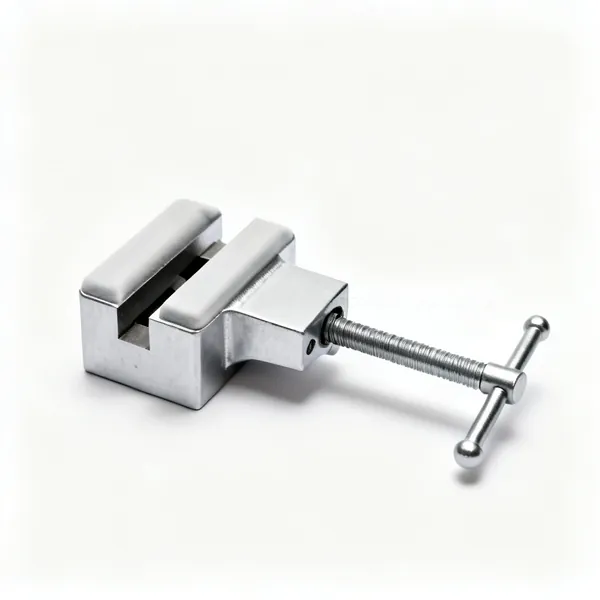
  • Soft jaws: Aluminium soft jaw covers for a viceEssential

    Soft jaws

    Aluminium or fibre covers over hardened serrated jaws, so a finished surface is not printed with serrations.

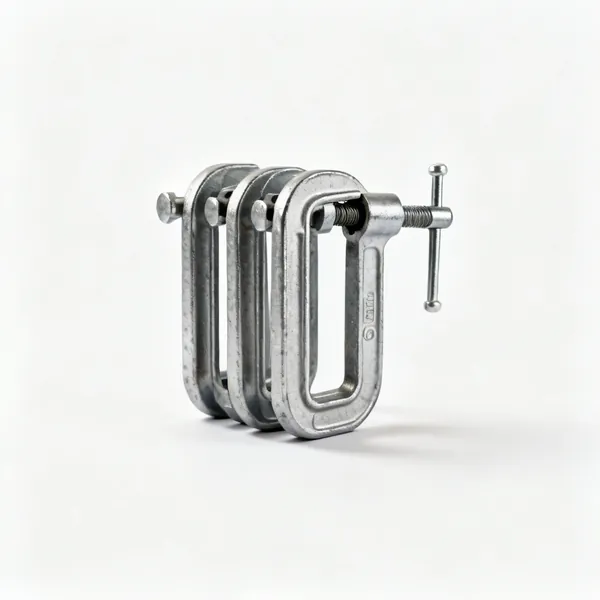
  • A set of steel G clampsEssential

    G clamps

    Deep reach and real force for holding work to a bench or table. All steel, since heat destroys anything plastic.

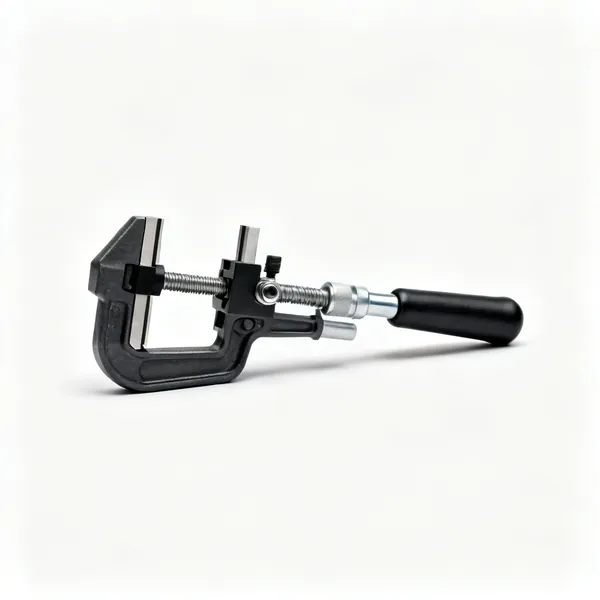
  • Toolmaker's clamps: A pair of toolmaker's parallel clamps

    Toolmaker's clamps

    Parallel jaws tightened by two screws, clamping small precise work without racking out of parallel.

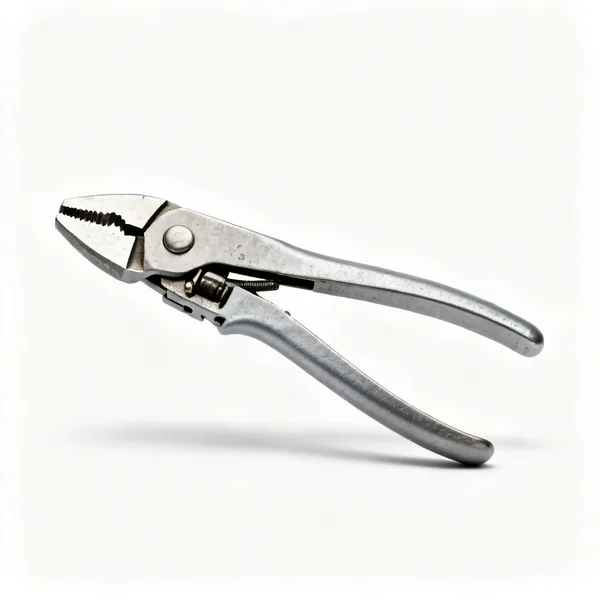
  • A pair of locking pliersEssential

    Locking pliers

    Clamp shut with force to act as a third hand or a temporary handle on a hot or awkward piece.

  • A set of steel machining parallels

    Parallels

    Precision ground bars that raise work in a vice while keeping it parallel to the base. Essential on a mill.

  • T slot clamping kit: A T slot machine clamping kit

    T slot clamping kit

    Studs, nuts and step blocks for bolting work directly to a machine table when it will not fit a vice.

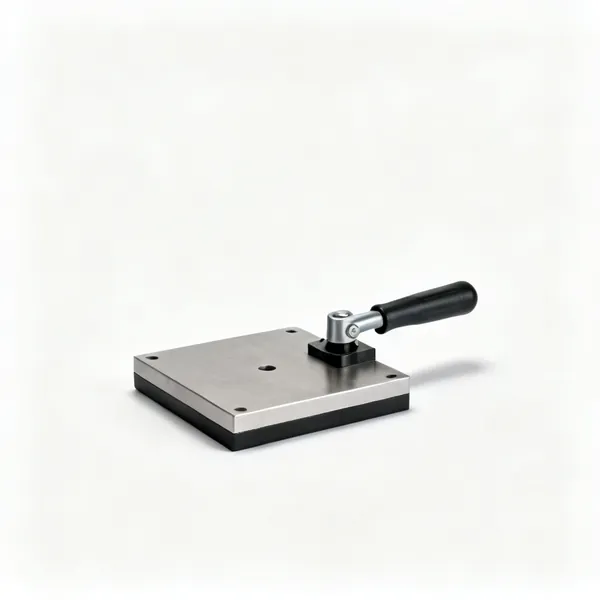
  • A magnetic chuck work holding plate

    Magnetic chuck

    Holds ferrous work flat with no clamps in the way, which is how a surface grinder holds a thin part.

  • Roller stand: An adjustable roller support standEssential

    Roller stand

    Supports long stock feeding through a saw. Unsupported weight bends the work and pulls the cut off line.

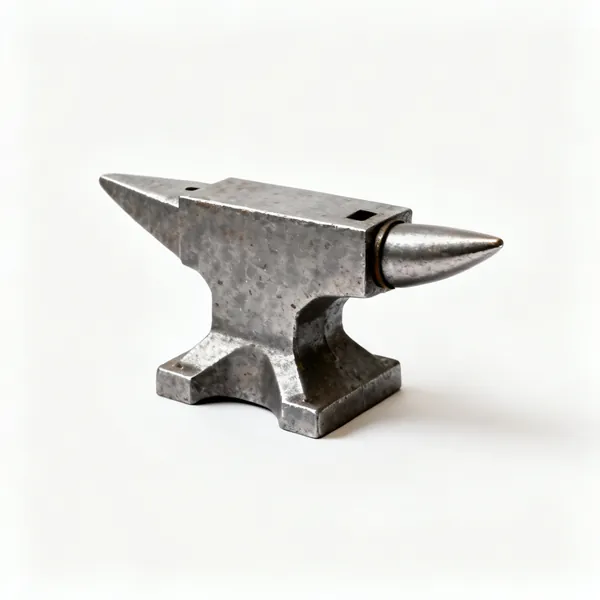
  • Bench block: A steel bench anvil blockEssential

    Bench block

    A solid steel surface to hammer, punch and rivet against. Mass under the blow is what does the work.

Finishing & protection 10

Bare machined steel starts rusting within hours. Finishing is both appearance and protection.

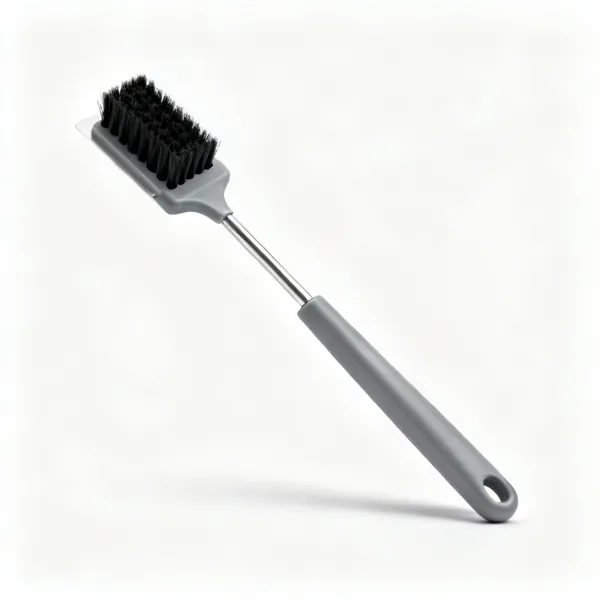
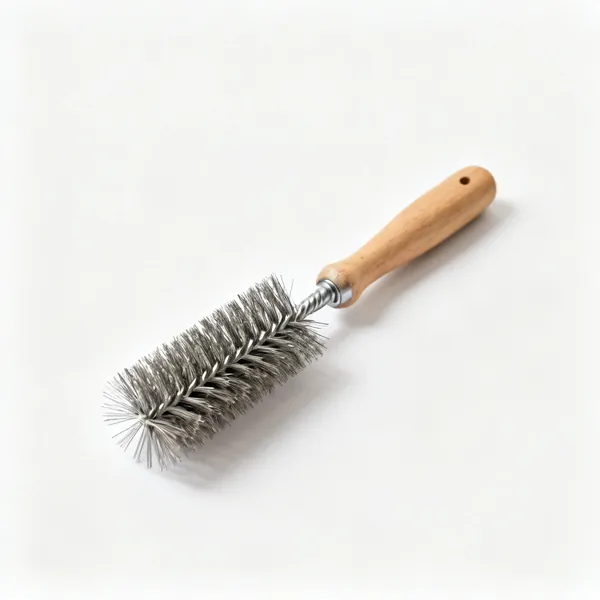
  • Wire brushes: A wire brush with a wooden handleEssential

    Wire brushes

    Cleans scale, rust and swarf off metal. Separate brushes for steel and stainless, since carbon contamination rusts stainless.

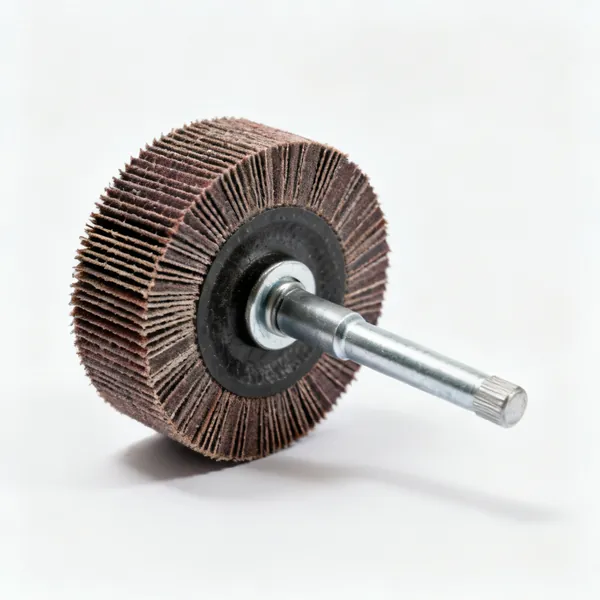
  • Flap discs: An abrasive flap discEssential

    Flap discs

    Blends and finishes without gouging, unlike a hard grinding disc. What you finish a weld or an edge with.

  • Polishing mops: A cloth polishing mop with compound

    Polishing mops

    Cloth wheels with compound bring steel, stainless and aluminium to a shine, after all abrasive work is done.

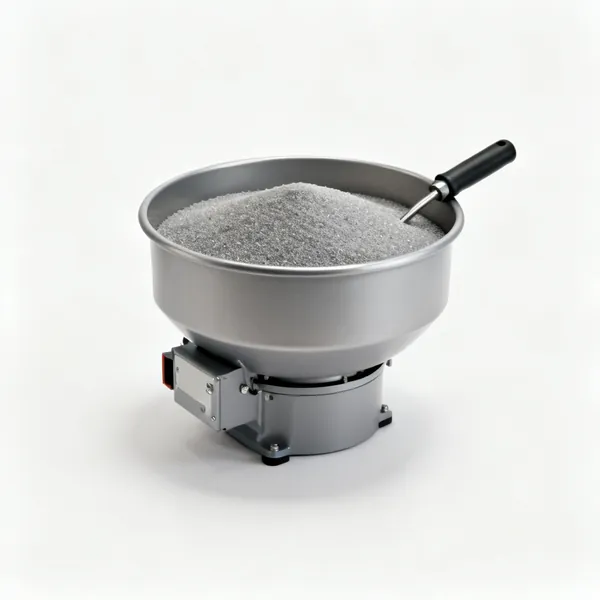
  • Vibratory tumbler: A vibratory parts tumbler with media

    Vibratory tumbler

    Deburrs and polishes many small parts at once in media, doing overnight what would take hours by hand.

  • Blast cabinet: A small abrasive blasting cabinet

    Blast cabinet

    Strips rust and paint back to clean metal with abrasive, reaching into shapes no brush can.

  • Cold bluing: A bottle of cold gun bluing solution

    Cold bluing

    Chemically blackens steel for a traditional protective finish, common on tools and firearm parts.

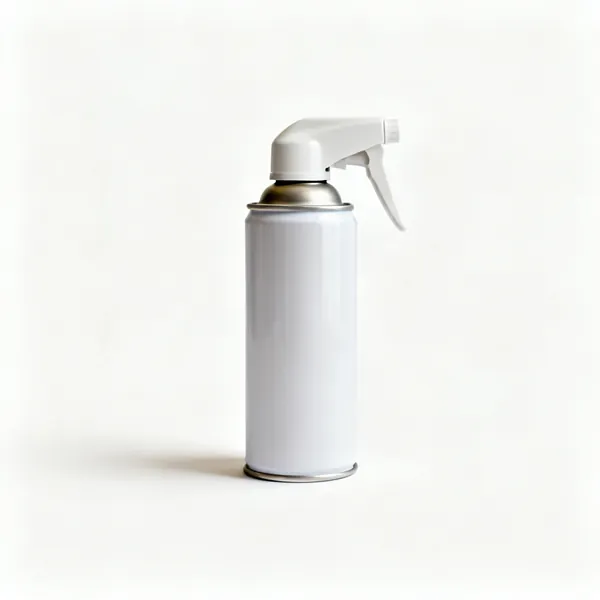
  • An aerosol can of etch primerEssential

    Etch primer

    Bites into bare metal chemically for adhesion no ordinary primer gives. First coat on any bare steel.

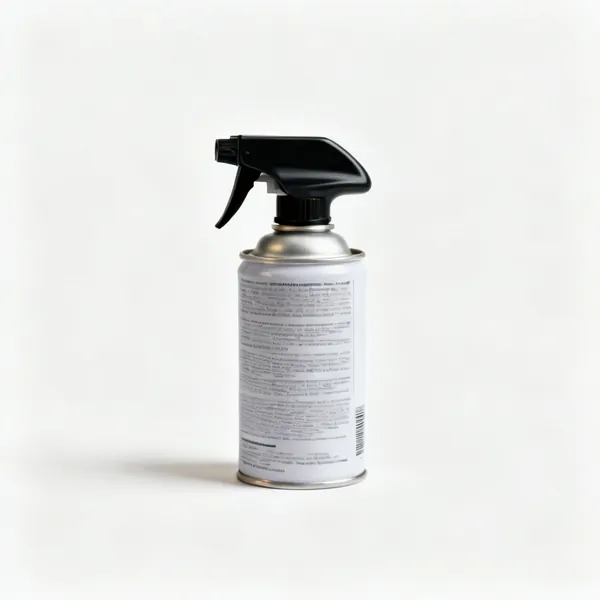
  • A spray can of rust preventative oilEssential

    Rust preventative

    Oil or wax film on machined surfaces and machine tables. Bare steel rusts overnight in a damp shop.

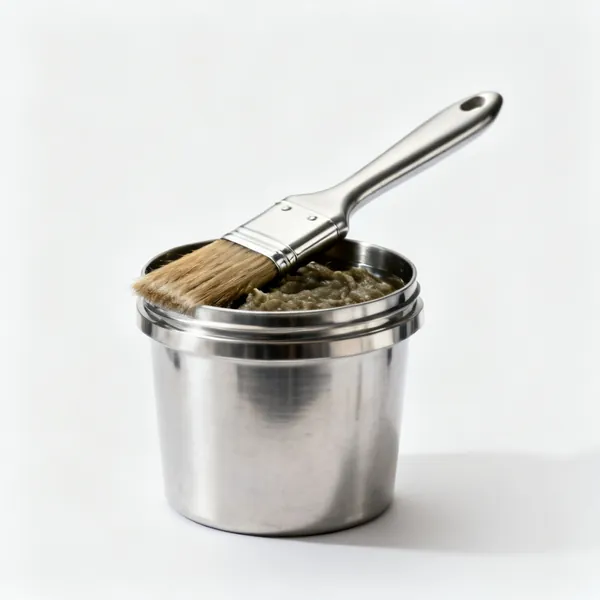
  • A tub of stainless pickling paste with a brush

    Pickling paste

    Removes heat tint and restores corrosion resistance on stainless. Without it a stainless weld eventually rusts.

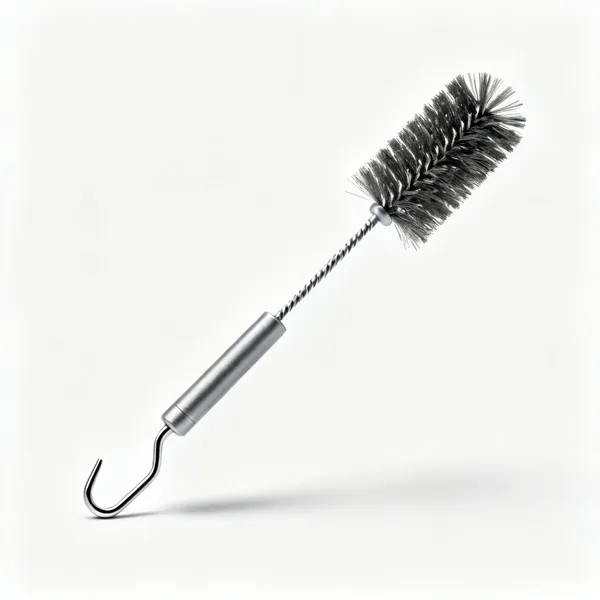
  • Swarf brush & hook: A swarf brush and chip hookEssential

    Swarf brush & hook

    Clears chips from a machine without using fingers or a rag. Swarf is sharp and it holds coolant against steel.

Safety 10

Rotating machinery, hot sharp swarf and grinding dust. The injuries here are fast and the protection is simple.

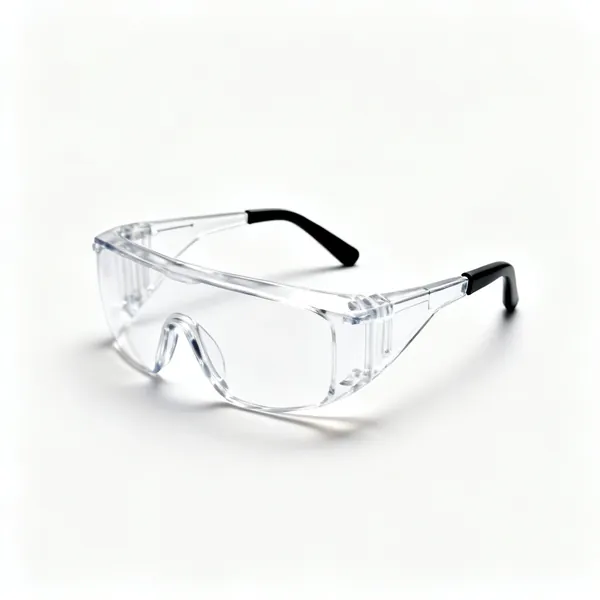
  • A pair of clear safety glassesEssential

    Safety glasses

    Swarf comes off a machine at speed and a grinder throws it further. Worn from the moment anything is switched on.

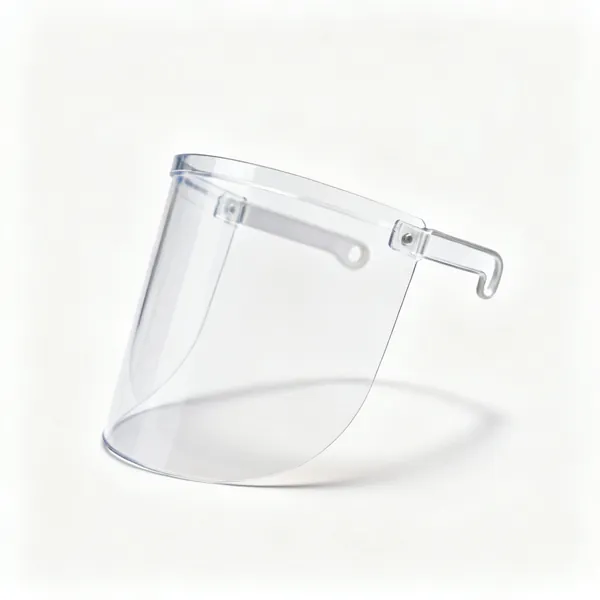
  • A clear face shield visorEssential

    Face shield

    For grinding and wire wheeling, where fragments arrive at the whole face rather than just the eyes.

  • A pair of ear defendersEssential

    Ear defenders

    Grinders, chop saws and hammering all pass safe noise levels quickly. The damage is cumulative and permanent.

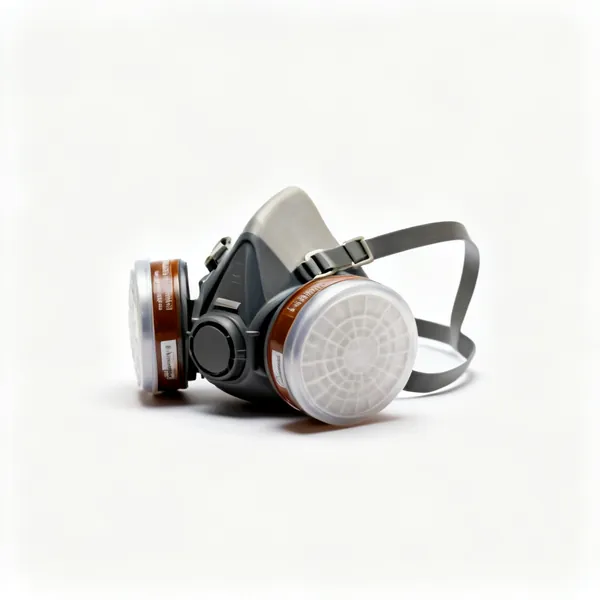
  • A respirator mask with cartridgesEssential

    Respirator

    Grinding dust, and metal fume from any coating on the steel. Never grind galvanised or plated metal without one.

  • Leather apron: A leather workshop apron

    Leather apron

    Stops hot swarf and sparks reaching clothing, and gives you something to brush debris off.

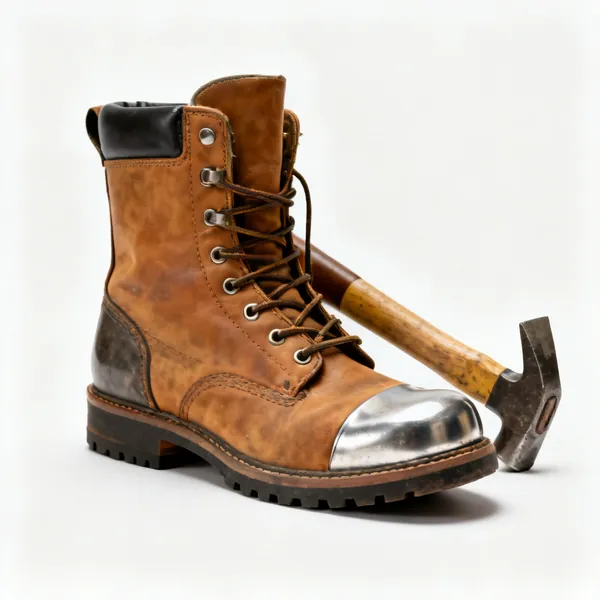
  • A pair of steel toe cap safety bootsEssential

    Safety boots

    Metal stock is heavy and lands on feet. A toe cap is the difference between a bruise and a break.

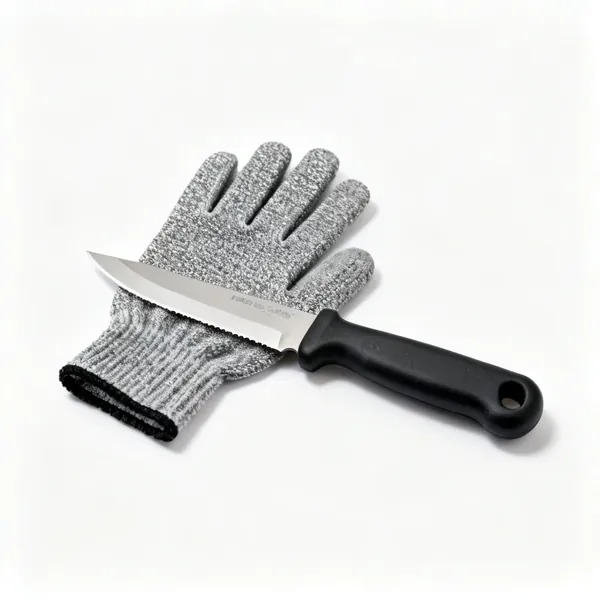
  • A pair of cut resistant glovesEssential

    Cut resistant gloves

    For handling sheet and swarf, which cut like blades. Taken off before any machine is started.

  • Machine guards: A machine chuck guard shieldEssential

    Machine guards

    Chuck guards and shields that stay fitted. They are removed for convenience and that is when hands get caught.

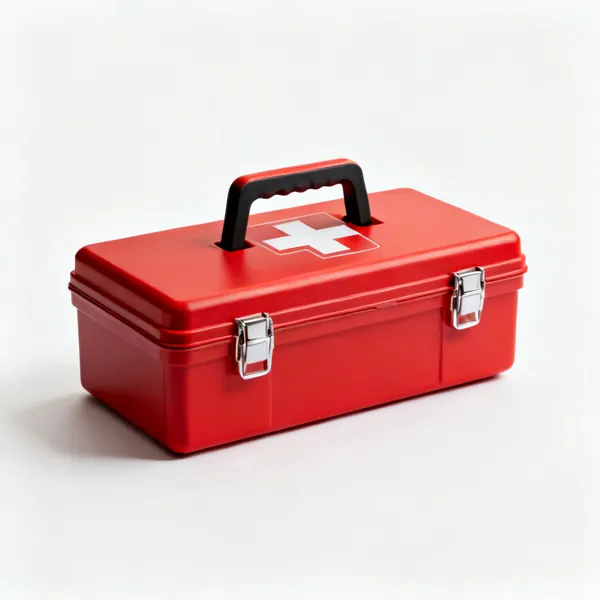
  • A workshop first aid kit boxEssential

    First aid kit

    Cuts and burns, stocked accordingly. Metal cuts are deep and clean and they bleed freely.

  • A red fire extinguisherEssential

    Fire extinguisher

    Sparks, oil and swarf together. A grinder throws sparks a surprising distance into places you had forgotten about.

Choosing metalworking tools

Two things separate metalwork from woodwork: you cannot force it, and you cannot judge it by eye. Everything here follows from those.

Measure, mark, then cut, in that order

Metal does not forgive. A cut in the wrong place cannot be glued back or filled, and a hole drilled off centre stays off centre. So the discipline is that measuring and marking out are a stage of the work rather than a preliminary to it.

This is also why metalworkers scribe rather than pencil. A scribed line is a fine permanent scratch you can cut precisely to, where a pencil line is wide, vague and rubs off. On a dark or shiny surface, layout fluid is painted on first so the scribed line shows as bright metal.

And a hole is always centre punched before drilling. Without that dent the drill bit skates across the surface and starts its own hole somewhere near where you wanted it.

Scribe, do not pencil
A scribed line is fine and permanent, so you can cut exactly to it. Pencil is too wide to work from.
Layout fluid on shiny metal
Blue marking fluid makes a scribed line show as bright metal. Without it you cannot see your own marks.
Centre punch before every hole
The dent gives the drill somewhere to start. Skip it and the bit wanders and the hole ends up off position.
Work from one datum edge
Measure everything from the same edge and face. Chains of measurements accumulate error that cannot be undone.
Check with a square, not by eye
Metal offers no grain or shadow to judge by. If it needs to be square, a square tells you and your eye does not.
Deburr before measuring
A burr on the edge holds a caliper jaw off the surface, so every reading from that edge is a fraction over.

Speed, feed and cutting fluid

The single most common reason a drill bit, tap or cutter fails is running it too fast. Metal cutting generates heat at the cutting edge, and above a certain temperature the tool loses its hardness permanently. Once that happens no amount of pressure will make it cut again.

The general rule is opposite to what feels natural: harder material and larger diameter both mean slower speed. A large hole in stainless wants a very slow drill and firm steady pressure. A small hole in aluminium can run fast.

Cutting fluid is the other half. It carries heat away and lubricates the edge, and it makes a visible difference to both finish and tool life. Working dry is what wears tools out.

Slower for harder and bigger
Stainless and large diameters want low speed. High speed in tough material burns the edge off in seconds.
Steady firm pressure, not fast
A bit that is rubbing rather than cutting generates heat and work hardens the surface, and then it will not cut at all.
Use cutting fluid
It cools and lubricates. It transforms tool life and surface finish, and it costs very little.
Watch the chips
Good curled chips mean it is cutting. Dust, blue chips or a squeal mean stop and change something.
Peck deep holes
Withdraw to clear the chips. A packed flute stops cutting, overheats and snaps the bit in the hole.
Never let a tap bind
Turn forward, then back to break the chip. Forcing a bound tap snaps it off inside the hole, which is very hard to remove.

Holding the work is half the job

Almost every accident and most bad results in metalwork come from work that moved. Metal is heavy, slippery and sharp, and a drill bit grabbing a loose piece of sheet turns it into a spinning blade.

So the rule is that the work is clamped, not held. This is not caution for its own sake: a piece held by hand cannot be cut accurately either, because it moves under the tool and the cut wanders.

The corollary is that vices, clamps and jigs are not accessories. On a drill press or a mill they are what makes the machine capable of accuracy at all.

Clamp it, never hold it
Especially thin sheet on a drill press, where a grab spins the piece into a blade at hand height.
Soft jaws on finished surfaces
A vice with hardened serrated jaws prints those serrations permanently into anything soft or finished.
Support the far side when drilling
A bit breaking through unsupported material grabs, tears and distorts the exit hole.
Use a machine vice on a drill press
Bolted down, so a grab cannot spin the vice as well. A hand held vice is no better than a hand.
Stop the machine to clear chips
Never with fingers or a rag while it turns. Hot swarf is sharp, and a rag caught in a cutter takes the hand with it.
No gloves near rotating machinery
A caught glove pulls the hand in. Gloves for handling stock, off for the machine.

What to buy first, in order

Stage one: marking out and hand cutting
A steel rule, an engineer's square, a scriber, a centre punch, layout fluid, dividers, a hacksaw, a file set with a file card and a bench vice.
Stage two: measuring and drilling
Vernier or digital calipers, a set of HSS drill bits, a countersink, a deburring tool, cutting fluid, and a drill press with a machine vice.
Stage three: threading and shaping
A tap and die set with a wrench and holder, a thread gauge, a reamer set, tin snips, a cold chisel and an angle grinder.
Stage four: machines
A metal cutting bandsaw, a bench grinder, a lathe, then a mill. Each is a large step in capability and in cost.

Mistakes that ruin work or tools

Drilling too fast
The most common fault. It burns the edge off the bit permanently and work hardens the surface so nothing else will cut it.
No centre punch
The bit skates and starts a hole where it likes. Position error you cannot correct afterwards.
Forcing a tap that has bound
It snaps off inside the hole. Extracting a broken tap is one of the worst jobs in the shop.
Working dry
Heat destroys cutting edges and spoils the finish. Cutting fluid is cheap and it doubles tool life.
Holding sheet metal by hand to drill it
It grabs and spins into a blade. This is the classic serious injury in a home metal shop.
Using a file without a handle
The bare tang goes through a palm if the file catches. A handle costs almost nothing.
Measuring over a burr
The caliper jaw sits on the burr rather than the surface, so every reading from that edge is over.
Serrated vice jaws on a finished part
They print into the surface permanently. Soft jaws or packing, on anything that will be seen.

Looking after metalworking tools

Brush files with a file card
A clogged file burnishes instead of cutting, and the trapped metal scratches the next piece.
Never store precision instruments loose
Calipers and micrometers in a drawer with files come out inaccurate. Cases, always.
Oil bare steel
Machined surfaces rust overnight in a damp shop, and a rusty machine table marks everything on it.
Dip when grinding, do not let it colour
If the steel turns blue on a grinder, the temper is gone at that spot and the edge is soft forever.
Zero and check measuring tools
Close a caliper and confirm it reads zero. An instrument you have not checked is a guess with a decimal point.
Clear swarf off machines every time
Swarf holds coolant against the metal and rusts a table, and it gets into slides and ways where it does real damage.

Frequently asked questions

What metalworking tools do I need to start?
A bench vice, a steel rule, an engineer's square, a scriber, a centre punch, layout fluid, a hacksaw, a file set and calipers. Add a drill press with a machine vice and a tap and die set, and you can make a great deal.
What is the difference between metalworking and blacksmithing?
Metalworking here means working metal cold, by cutting, filing, drilling, turning and milling to a measured dimension. Blacksmithing works it hot, moving and shaping it under a hammer. The toolkits barely overlap.
Why do I keep breaking drill bits in metal?
Almost always too much speed, not enough pressure, no cutting fluid, or a packed flute in a deep hole. Slower speed with firm steady feed and fluid is the answer, and withdraw regularly to clear the chips.
What is layout fluid and do I need it?
A blue dye painted onto metal so a scribed line shows as bright metal against it. On any shiny or dark surface you genuinely cannot see your own marks without it, so yes for accurate work.
Why must I centre punch before drilling?
The dent gives the drill point somewhere to start. Without it, the bit skates across the surface and begins its own hole wherever it happens to bite, and that position error cannot be corrected later.
What is the difference between a tap and a die?
A tap cuts an internal thread inside a drilled hole. A die cuts an external thread onto a rod or bar. Taps come in sets of taper, second and plug for starting, continuing and reaching the bottom of a hole.
Why did my tap snap in the hole?
It bound and was forced. Taps cut a chip that has to be broken by turning back a quarter turn every half turn or so, and the tapping hole must be the right size. A snapped tap is hardened steel and very hard to remove.
What size hole do I drill before tapping?
The tapping drill size for that thread, which is smaller than the thread diameter and listed on any tapping chart or on the set itself. Too large and the thread has no depth, too small and the tap binds and snaps.
What is the difference between a reamer and a drill?
A drill makes a hole roughly to size. A reamer follows it and brings it to an exact diameter with a good surface finish. Anything that needs a precise fit, like a dowel or a bearing, is drilled undersize then reamed.
Do I need cutting fluid?
For anything beyond the occasional hole, yes. It carries heat away from the cutting edge and lubricates it, which markedly improves both tool life and surface finish. Working dry is the main reason tools wear out early.
What is the difference between a lathe and a mill?
On a lathe the work rotates and the tool moves, producing round parts. On a mill the cutter rotates and the work moves, producing flat faces, slots and pockets. They are complementary rather than alternatives.
Why should I not wear gloves at a machine?
Because a glove caught by a rotating cutter or chuck pulls your hand in with it, where bare skin would tear free. Wear gloves to handle sharp stock, and take them off before starting the machine.