- What outdoor tools do I need?
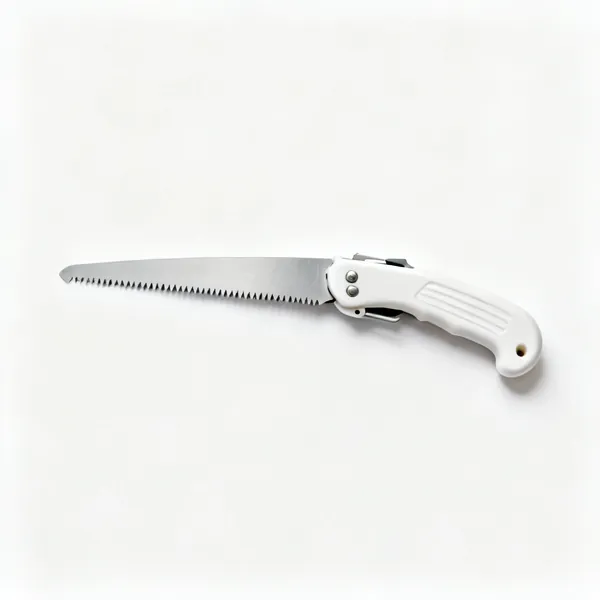
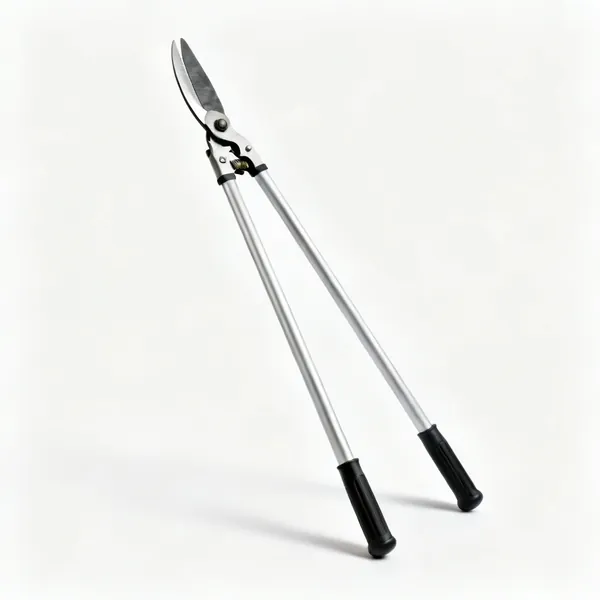
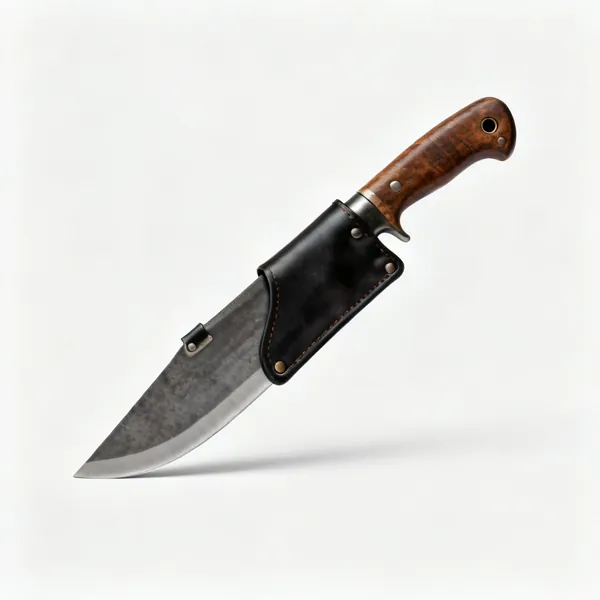
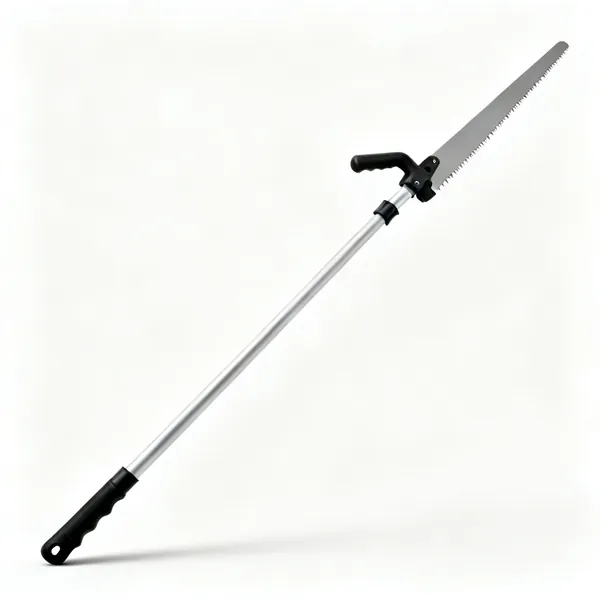
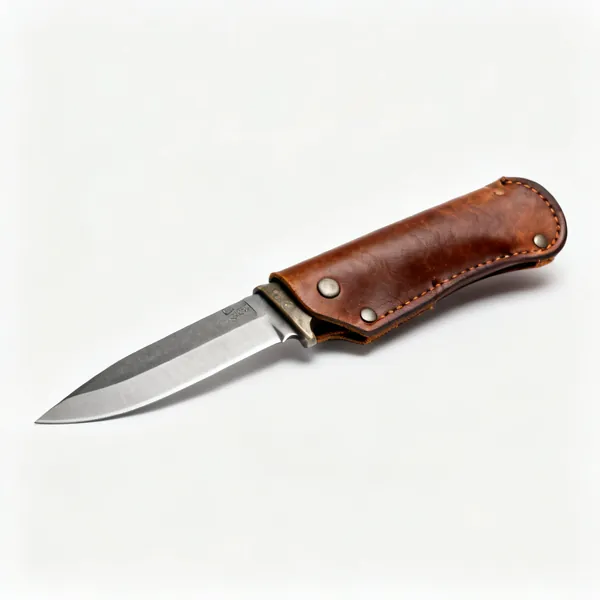
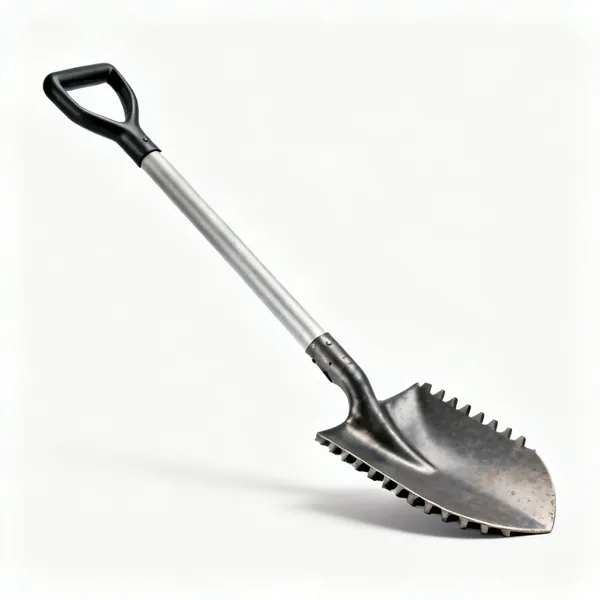
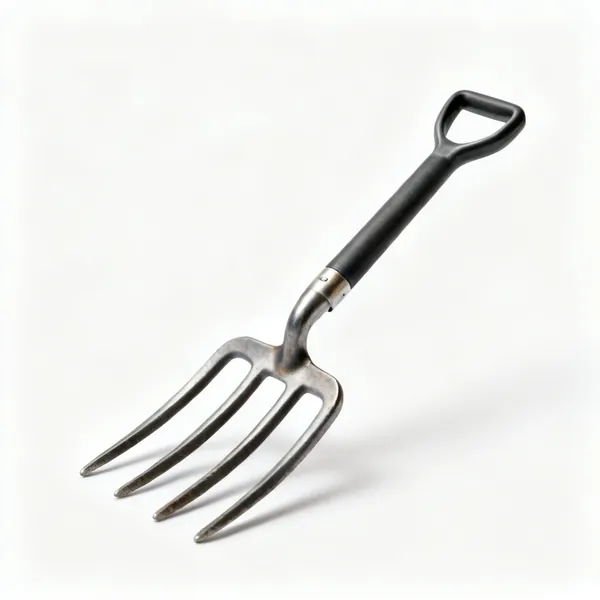
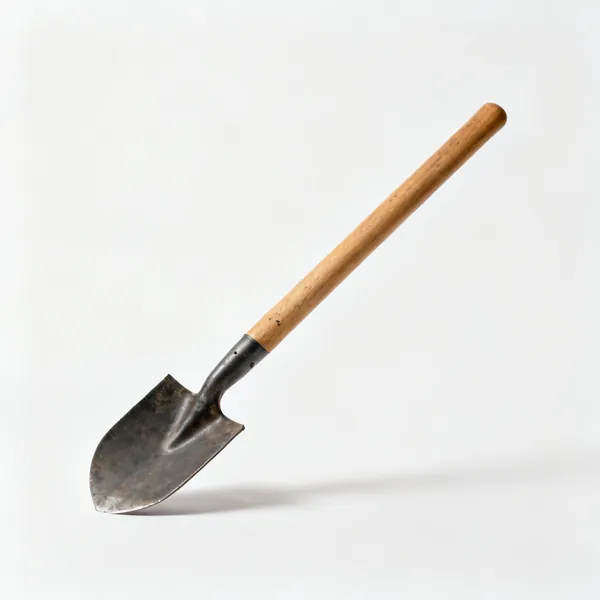
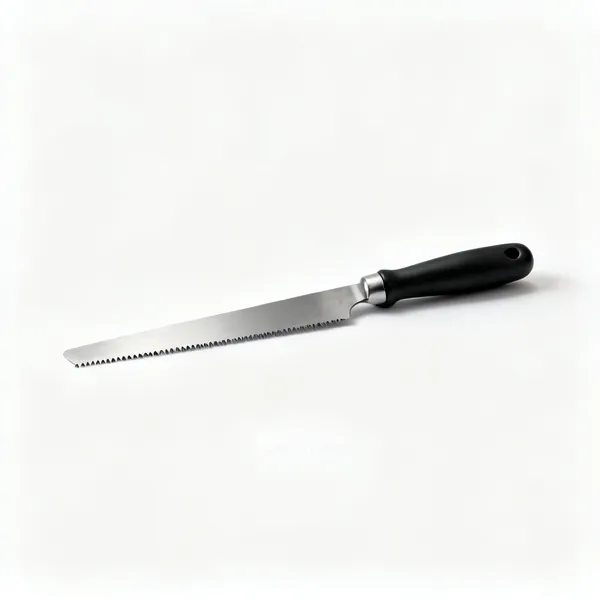
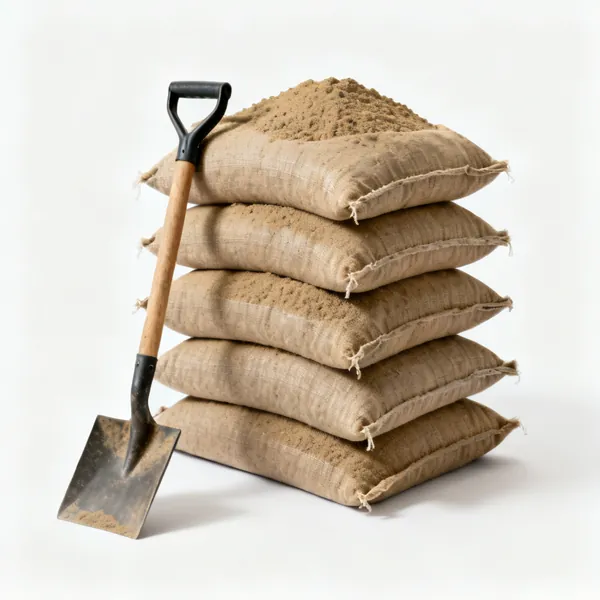
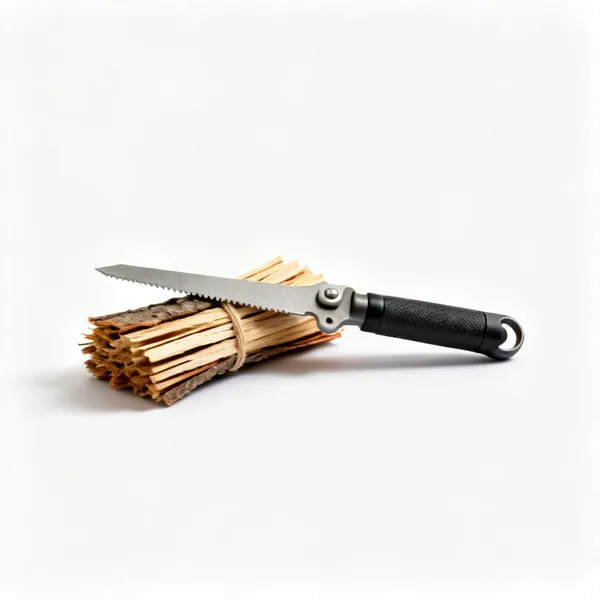
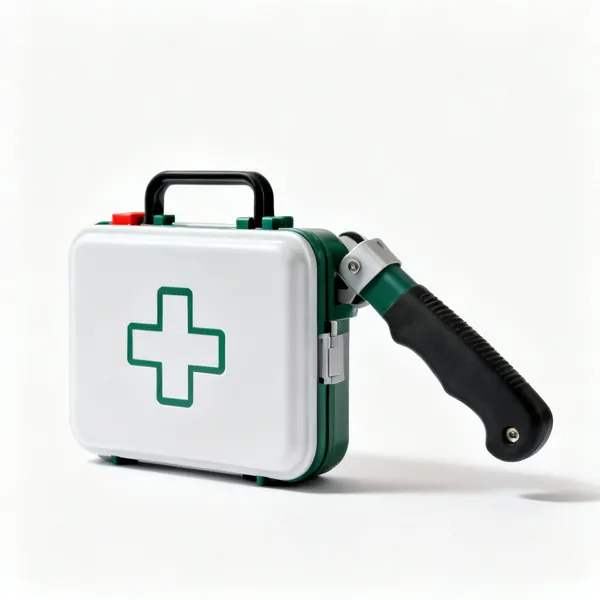
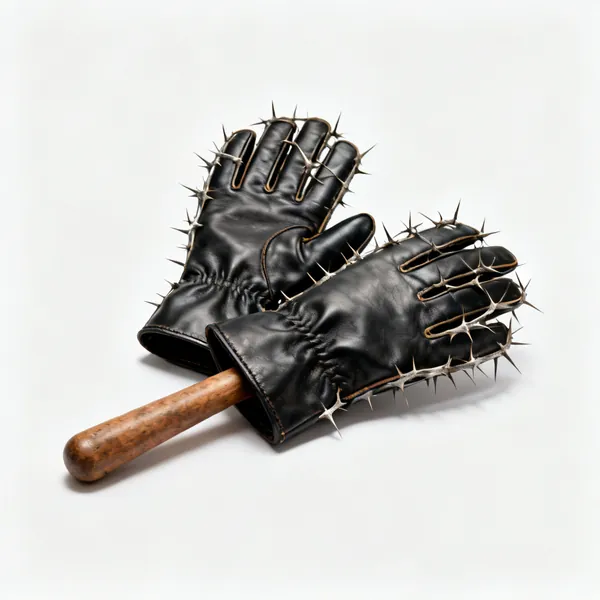
- A folding pruning saw, secateurs, loppers, a strong fixed blade knife, work gloves, a head torch, cord and a first aid kit. Add a spade, a fork, a bow saw and an axe once you are clearing ground rather than maintaining it.
- What is the difference between outdoor tools and garden tools?
- Garden tools are for cultivating a garden: planting, pruning, lawns and beds. Outdoor tools are for working away from a bench and away from power, which brings in felling, fencing, water, snow and camp work. There is overlap in the cutting tools.
- Do I need a chainsaw or will a bow saw do?
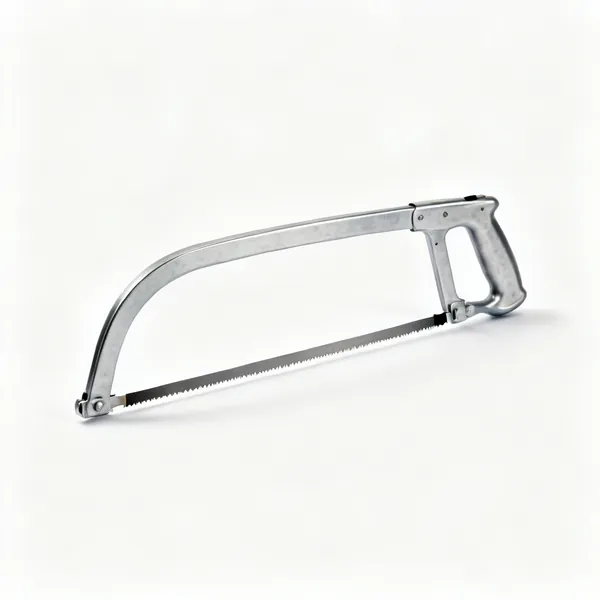
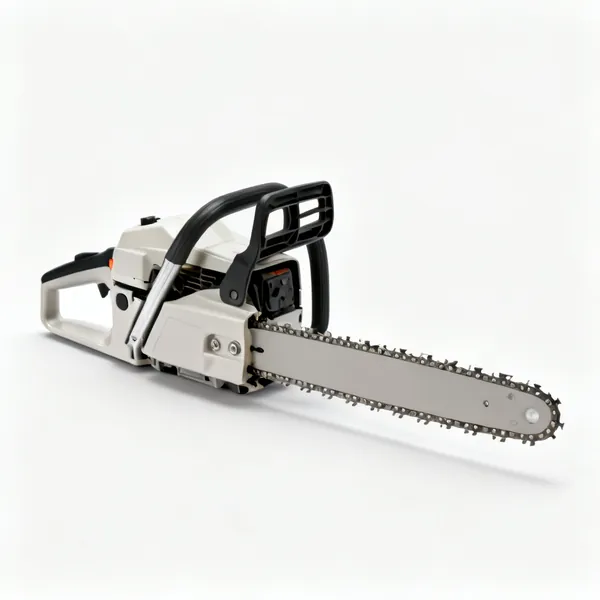
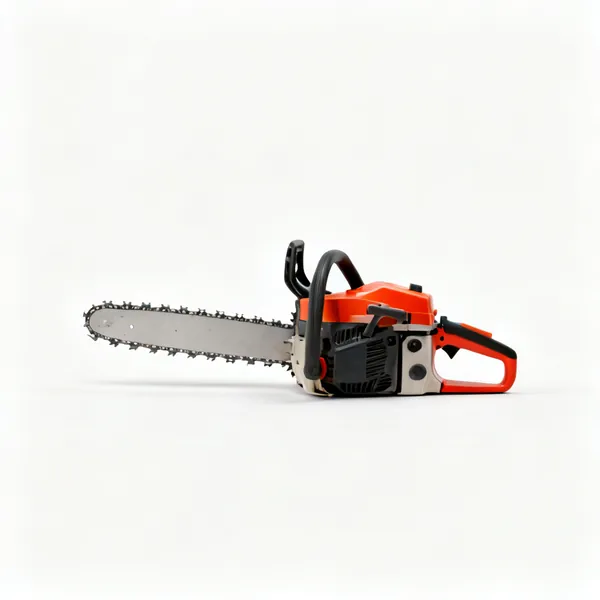
- For logs and branches a bow saw or a pruning saw handles more than people expect, and safely. A chainsaw is for felling and volume, and it needs training and full protective kit, because its injury profile is severe by default.
- What protective equipment does a chainsaw need?
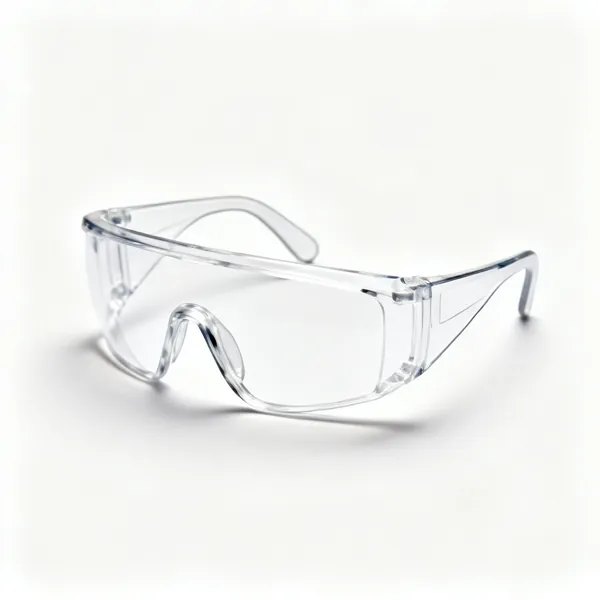
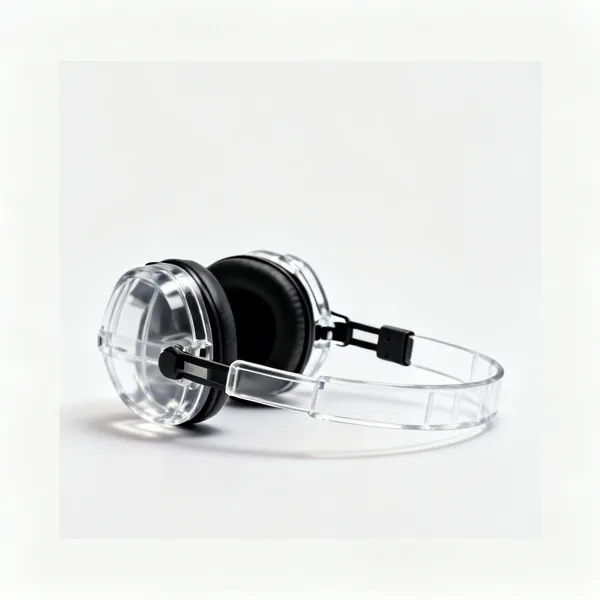
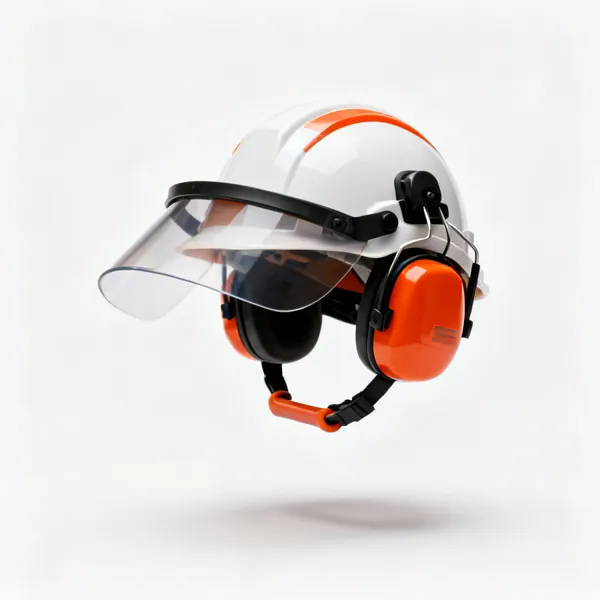
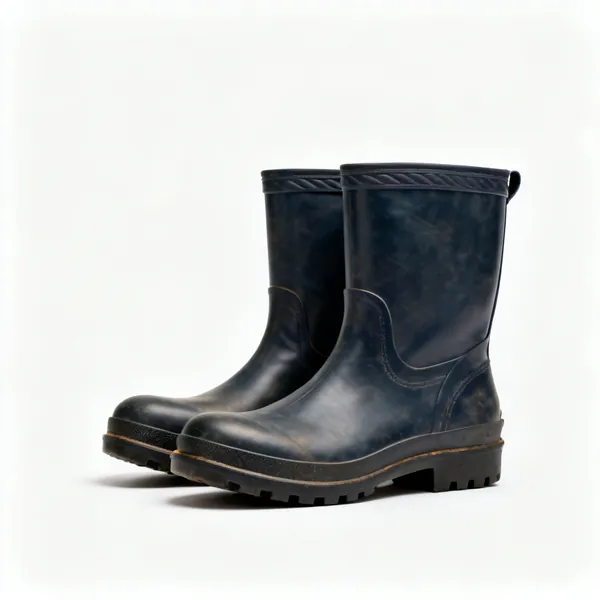
- A helmet with a mesh visor and ear defenders, cut resistant trousers or chaps, gloves and steel toe boots. This is the minimum rather than the thorough version, and it is not a tool to learn to use unsupervised.
- What is the difference between an axe and a splitting maul?
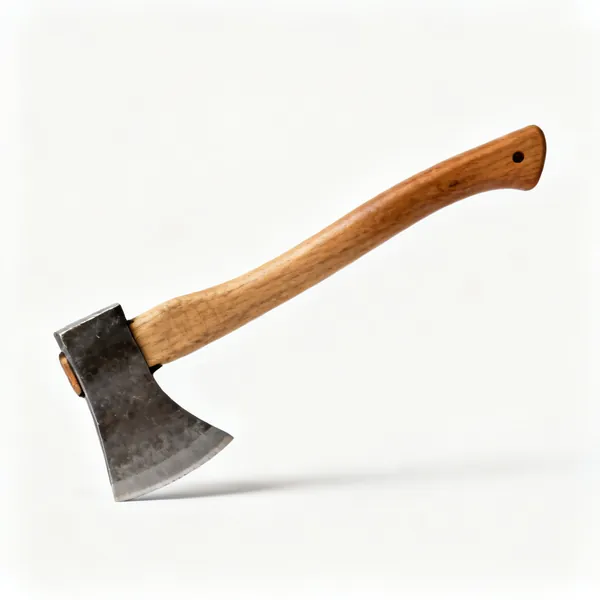
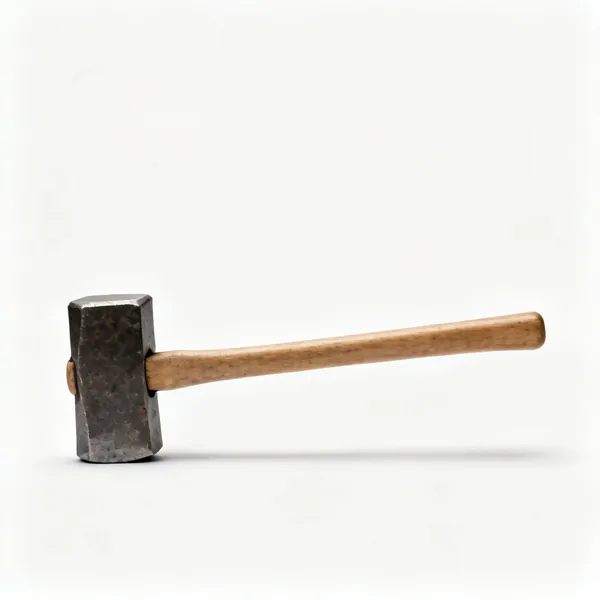
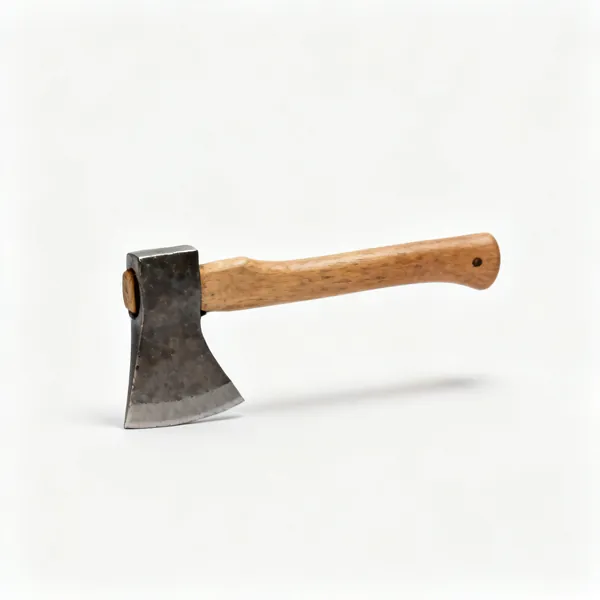
- A felling axe has a thin blade that cuts across the grain to fell and limb. A splitting maul has a heavy wedge shaped head that splits along the grain. Using a felling axe to split gets it stuck, and a maul cuts poorly.
- What is a billhook used for?
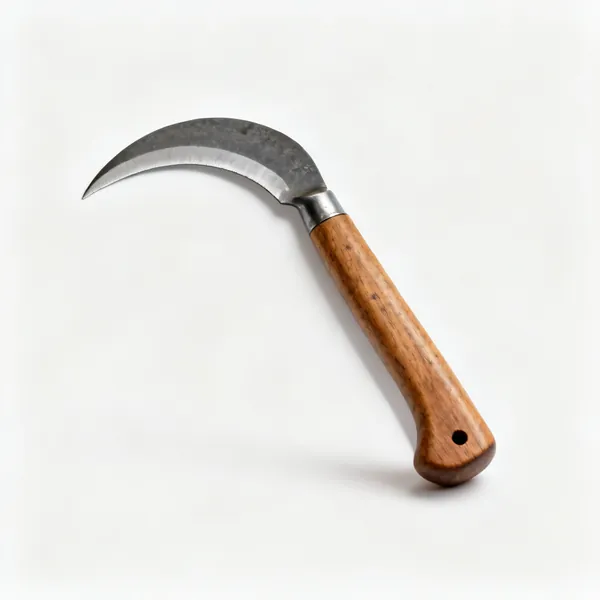
- A curved heavy blade for clearing brambles, cutting scrub and laying hedges. It hooks the growth and cuts it in one movement, which is far faster than a saw on anything springy and tangled.
- How do I stop outdoor tools rusting?
- Clean the soil off before storing, since soil holds moisture against steel, then wipe metal with an oily rag. Treat wooden handles with linseed oil, and never store tools standing on bare earth or a concrete floor.
- Why should I sharpen a spade?
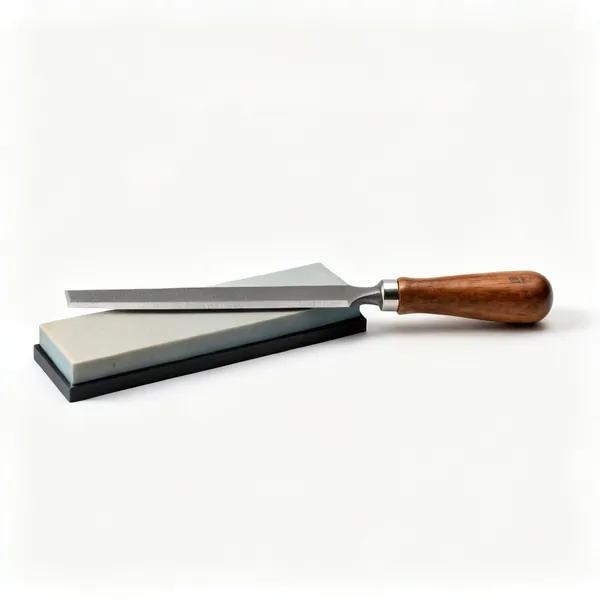
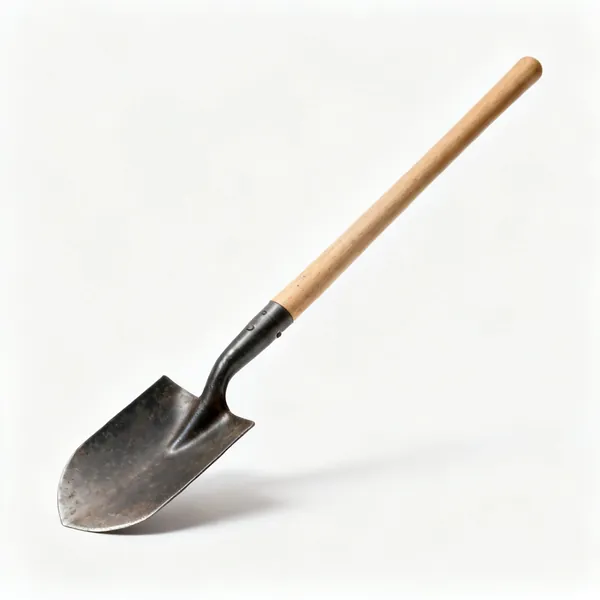
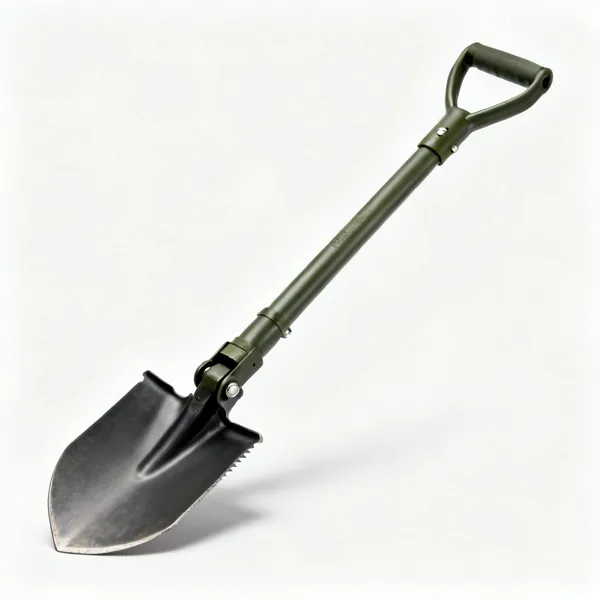
- Because a spade is a cutting tool. A file along the leading edge takes a few minutes and makes cutting through turf and roots dramatically easier, which also means less force and better control.
- What should I do about batteries in cold weather?
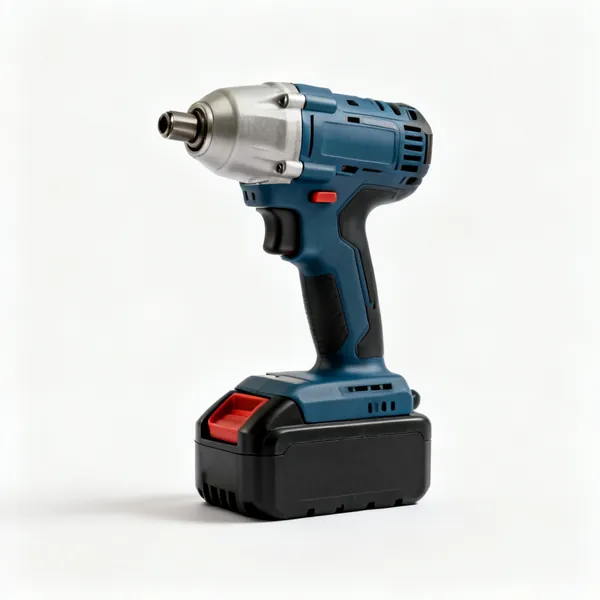
- Bring them indoors. Lithium cells lose a significant part of their capacity in the cold, and charging a frozen battery damages it permanently. Store them at a moderate charge rather than full or empty.
- Do I need to worry about buried services in a field or garden?
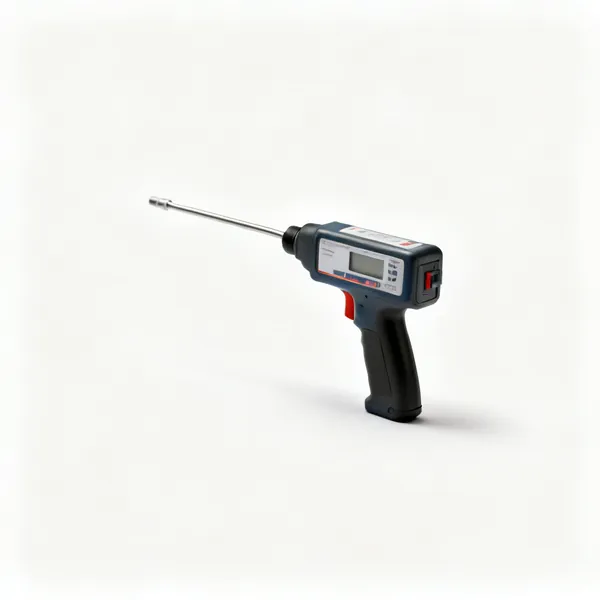
- Yes. Water, electricity, gas and telecoms all run through gardens and fields, and they are frequently shallower than expected. A cable detector before digging or driving a post is cheap insurance.
- What is the most useful outdoor tool people forget?
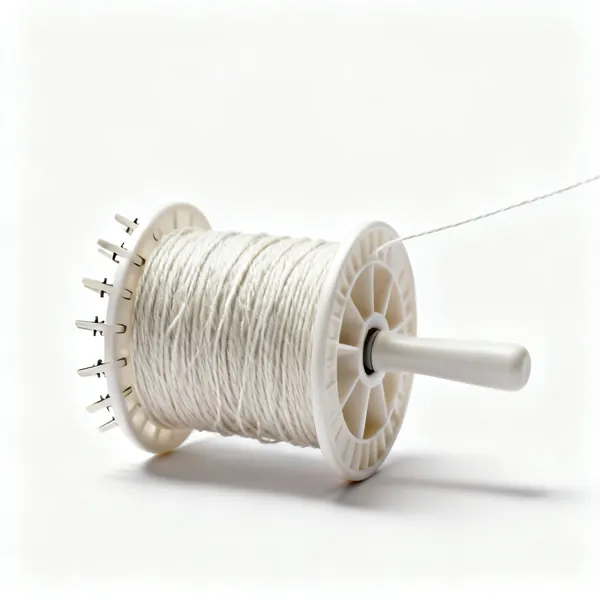
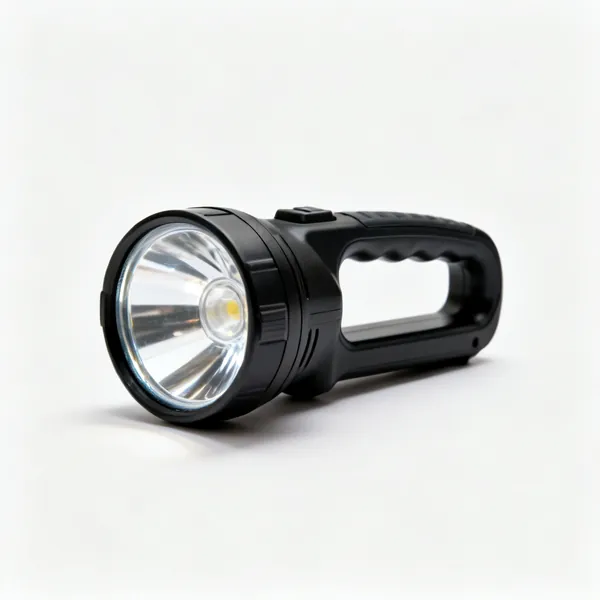
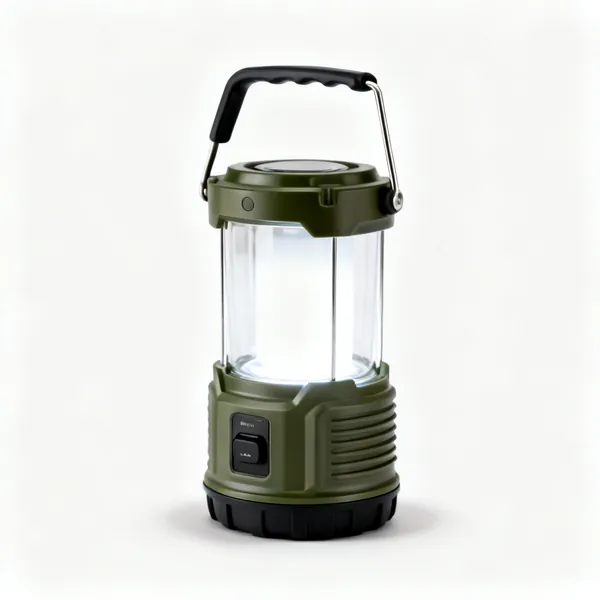
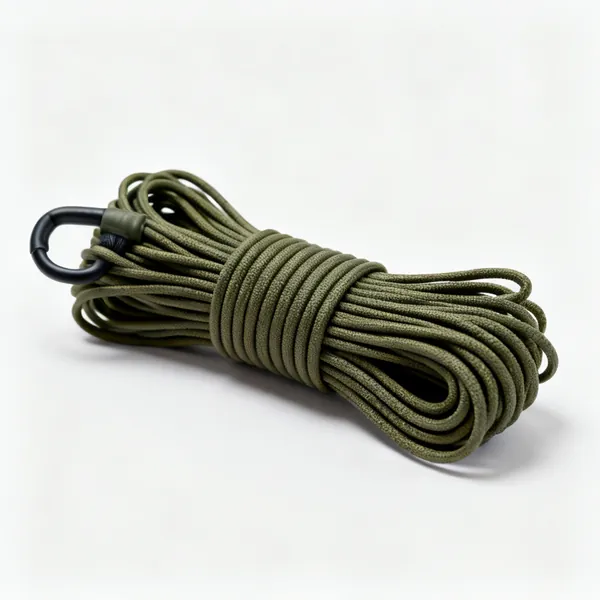
- A head torch, and after that a length of cord. Every outdoor job overruns into dusk, and cord solves an extraordinary number of problems from tying a load to making a temporary handle.
- How should I store petrol tools over winter?
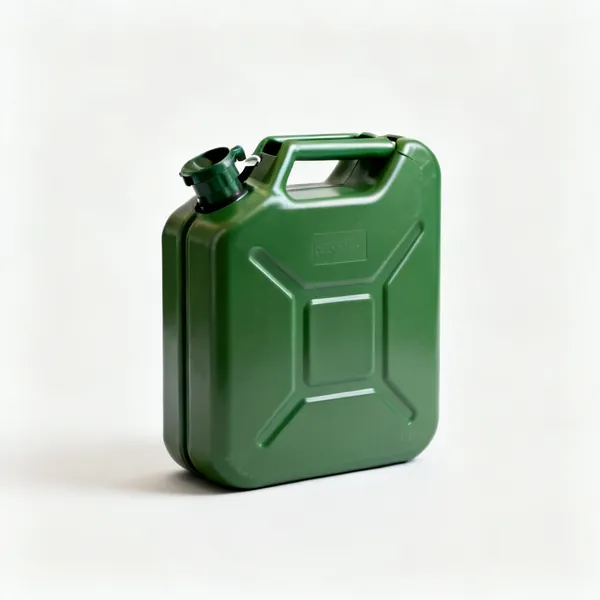
- Either drain the fuel or run the tool dry, because petrol goes stale in a few months and gums up a carburettor. Clean it, sharpen it, and store it dry and off the floor rather than in the corner of a damp shed.