Disclosure

Safety tools: names, pictures and what each one is used for

A complete safety tools list with a picture of every one, all 93 grouped by the hazard they address, from eyes, lungs and hearing through hands, feet, falls, electricity and fire. Ratings matter more than brand: an FFP2 and an FFP3 mask look identical and protect very differently.

43 are marked essential: the hazards almost every job presents. The rest depend on whether that risk is actually there.

Eye & face protection 10

Eye injuries are common, immediate and frequently permanent. The impact rating on the lens is what decides whether it helps.

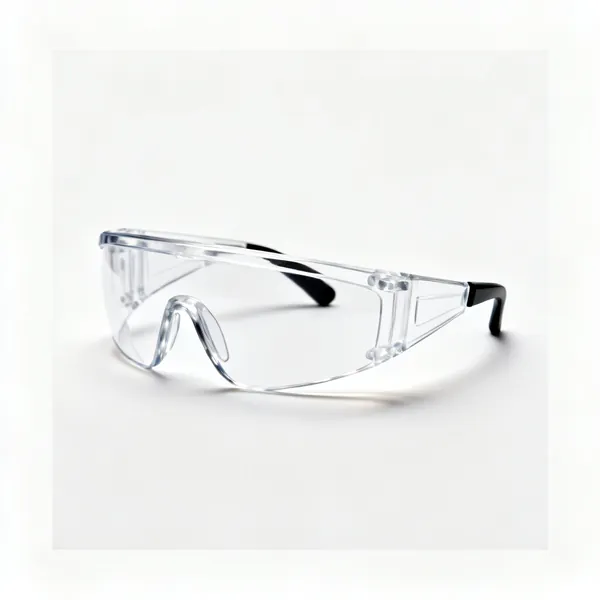
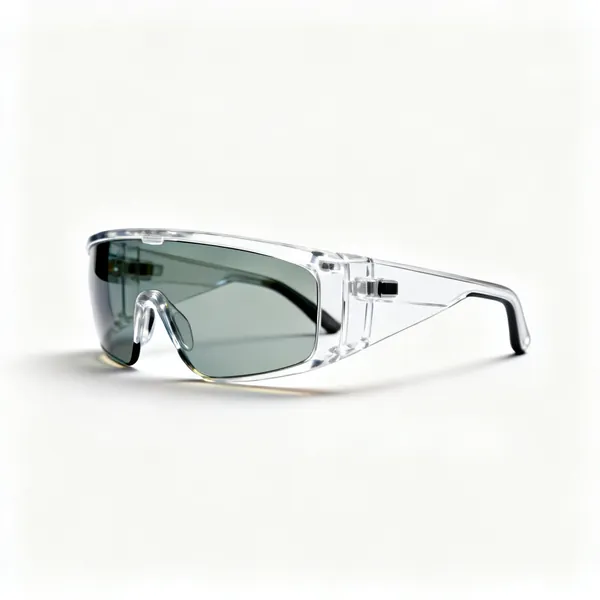
  • A pair of clear wraparound safety glassesEssential

    Safety glasses

    Impact rated lenses for general work. Wraparound, since most fragments arrive from the side rather than the front.

  • A pair of enclosed safety gogglesEssential

    Safety goggles

    Fully enclosed against dust and splash, which glasses cannot stop because they have open sides.

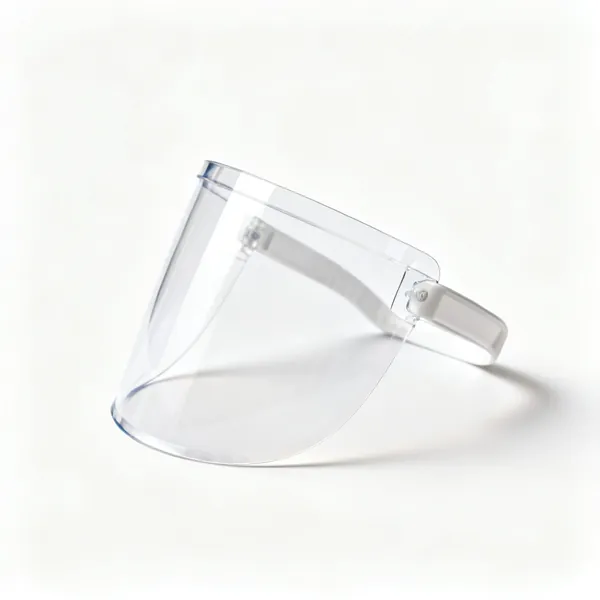
  • A clear full face shield visorEssential

    Face shield

    Protects the whole face from grinding fragments and splash. Worn over glasses, since a shield alone has gaps.

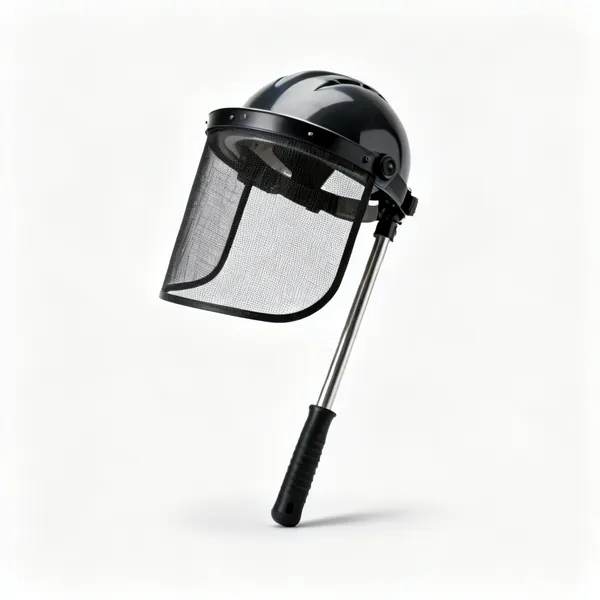
  • Mesh visor: A mesh safety visor on a helmet

    Mesh visor

    For strimming and chainsaw work, where a clear screen mists up. It stops debris and lets air through.

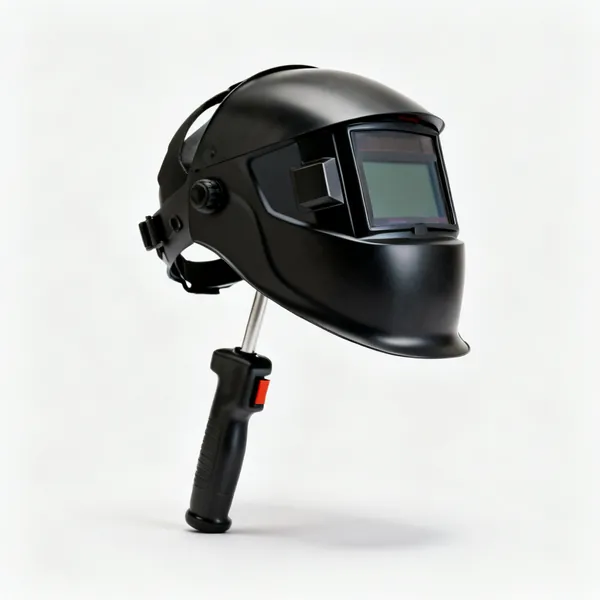
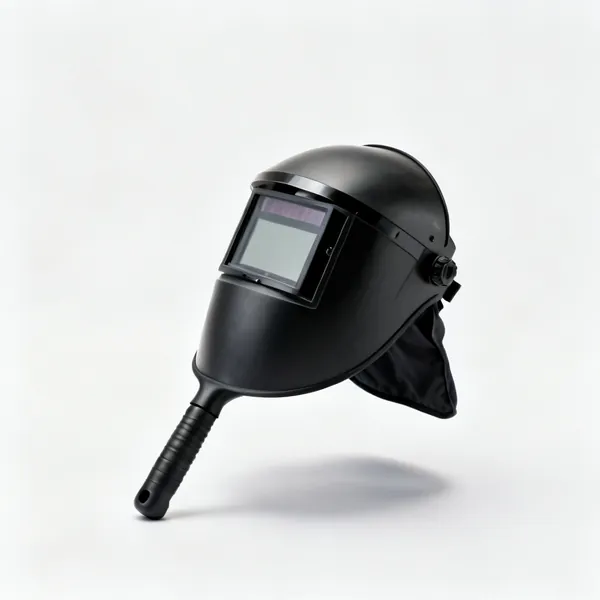
  • An auto darkening welding helmet

    Welding helmet

    An auto darkening filter against the arc's ultraviolet, which causes arc eye within seconds of exposure.

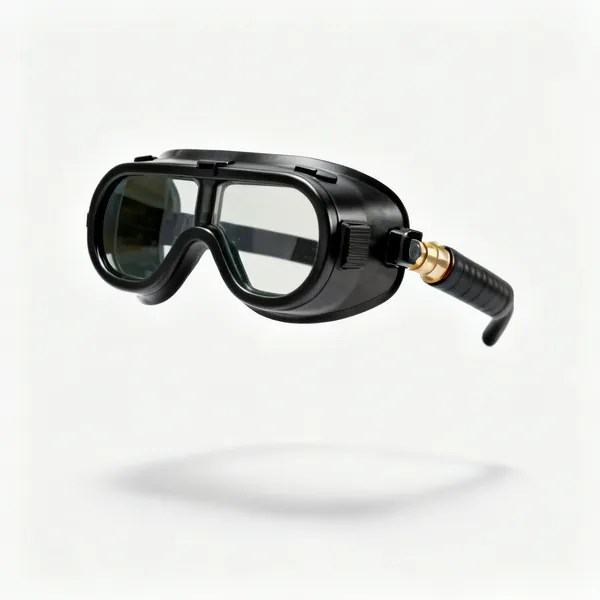
  • A pair of shaded gas welding goggles

    Gas welding goggles

    Shaded lenses for brazing and gas cutting, where the light is intense but not an electric arc.

  • Laser glasses: A pair of tinted laser safety glasses

    Laser glasses

    Filter a specific wavelength, so they must match the laser. Also make a level line far easier to see outdoors.

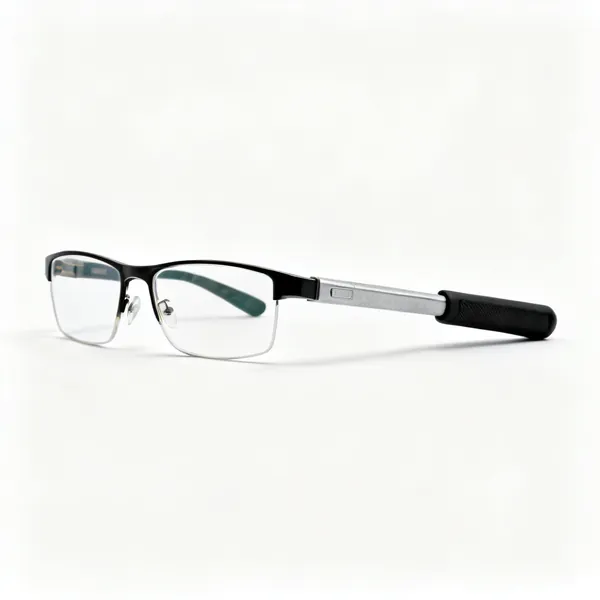
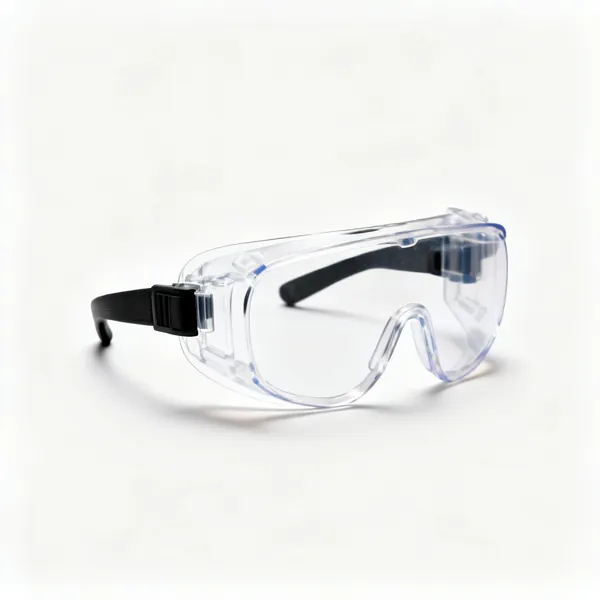
  • Safety over glasses worn over prescription glasses

    Over glasses

    Safety glasses sized to fit over prescription spectacles, rather than forcing a choice between seeing and protection.

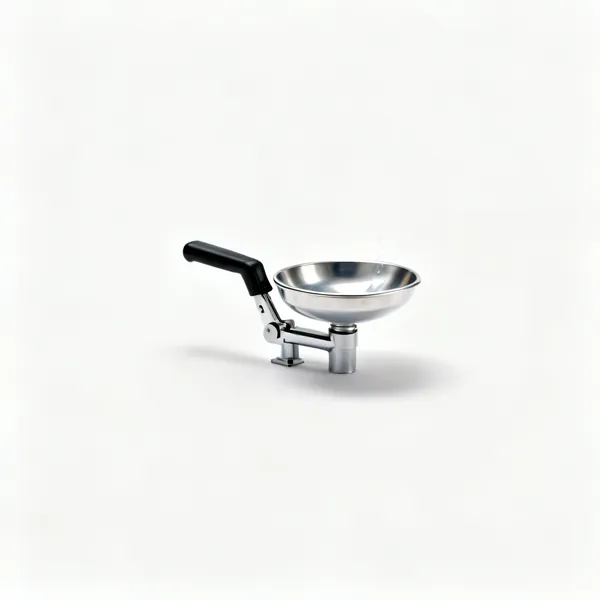
  • An emergency eyewash stationEssential

    Eyewash

    Sterile solution or a plumbed station to flush a splash out for several minutes. Location known before it is needed.

  • Lens wipes: A packet of lens cleaning wipes

    Lens wipes

    A scratched or smeared lens gets pushed up onto the forehead, and that is when eye injuries happen.

Respiratory protection 13

The hazard that does nothing at the time and everything over decades. Rating and fit both have to be right.

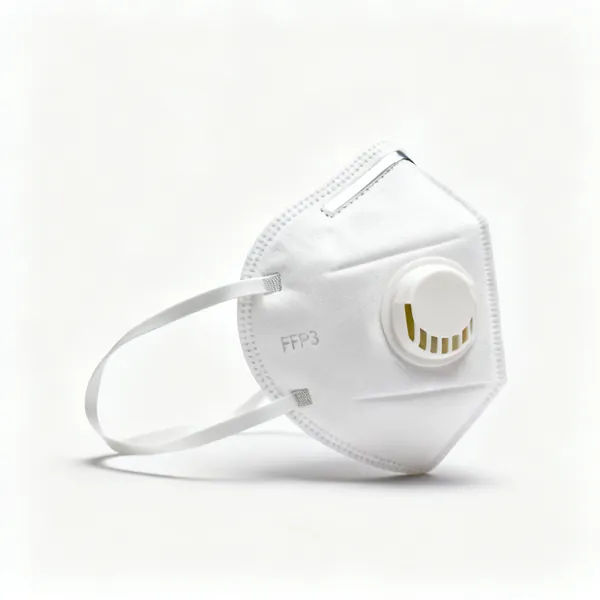
  • FFP3 disposable mask: An FFP3 respirator dust maskEssential

    FFP3 disposable mask

    Filters fine respirable dust including silica and hardwood. The rating that actually matters, and it must seal.

  • FFP2 mask: An FFP2 disposable dust mask

    FFP2 mask

    Lower filtration than FFP3 and not a substitute for it. Adequate for coarser nuisance dust only.

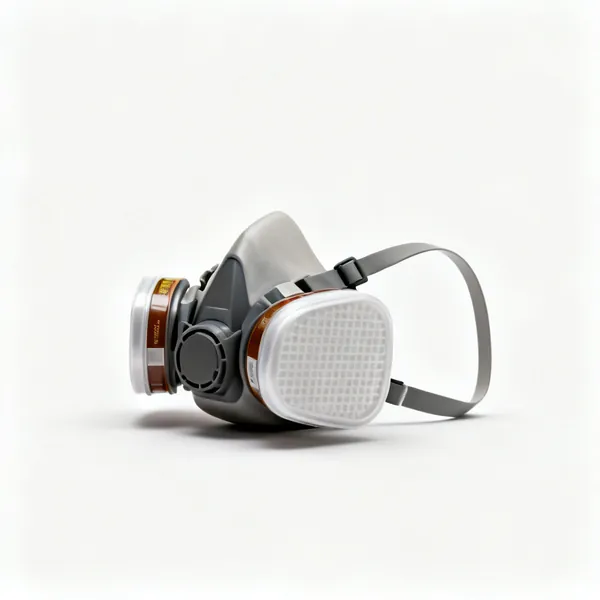
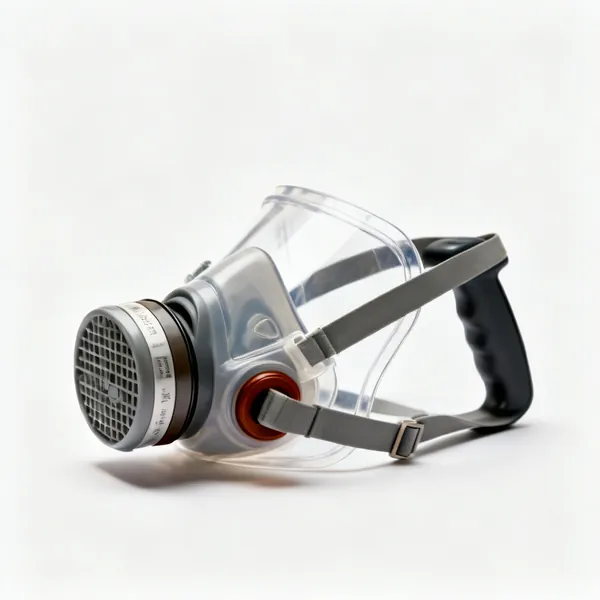
  • A reusable half mask respirator with filtersEssential

    Half mask respirator

    A reusable rubber mask taking replaceable filters, which seals far better than a disposable and costs less over time.

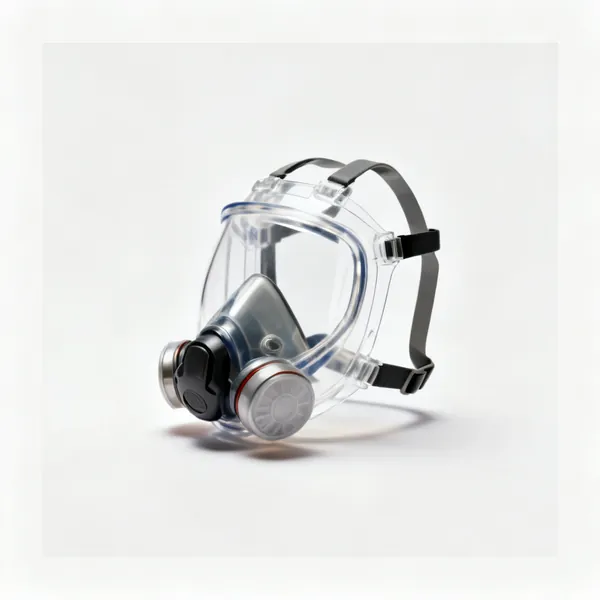
  • A full face respirator mask

    Full face respirator

    Protects eyes and lungs together with a better seal, for spraying and heavy dust or vapour.

  • Replacement filters: Respirator replacement filter cartridgesEssential

    Replacement filters

    Particulate, organic vapour or combined, matched to the hazard. Changed on a schedule rather than when they look dirty.

  • Powered respirator: A powered air purifying respirator hood

    Powered respirator

    A fan feeds filtered air to a hood, so no face seal is needed. The answer for beards and long sessions.

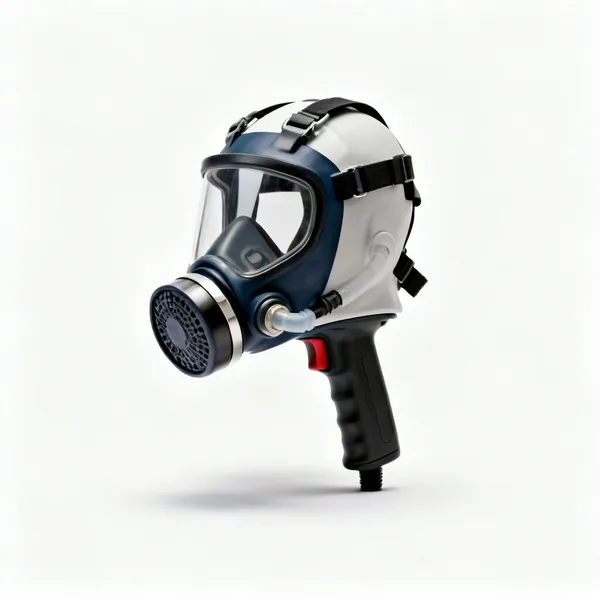
  • Air fed respirator: An air fed spray painting respirator

    Air fed respirator

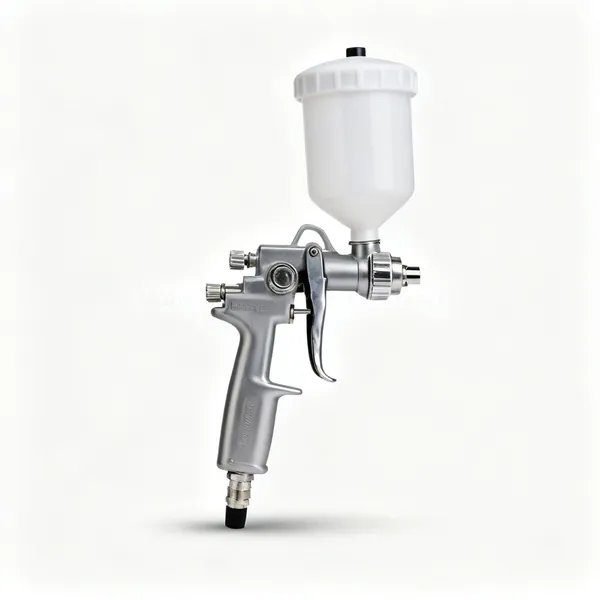
    Supplies breathing air piped from outside the work area, so nothing in the room is inhaled at all. Required for two pack spraying.

  • Fit test kit: A respirator fit testing kit

    Fit test kit

    Confirms a mask actually seals on your face. A mask that leaks feels like protection and provides very little.

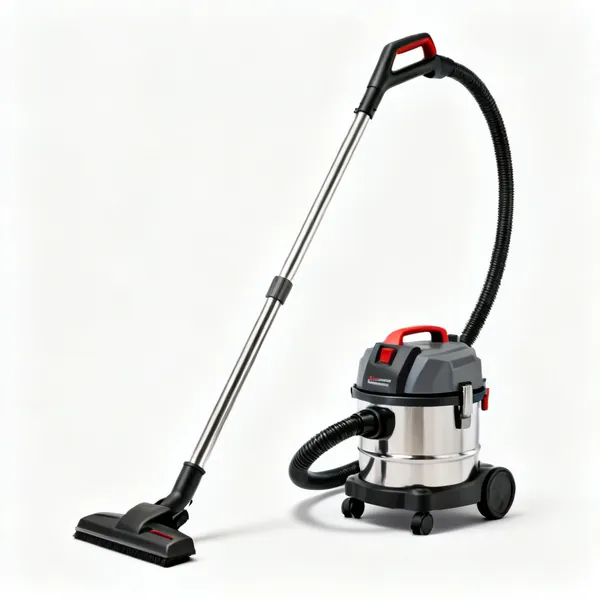
  • An M class dust extractor vacuumEssential

    Dust extractor

    M or H class extraction at the tool, capturing dust before it is airborne. Far more effective than any mask.

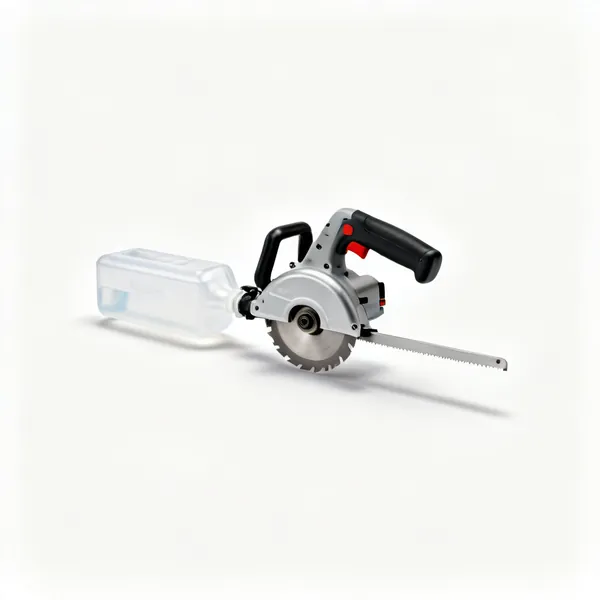
  • A water suppression kit for a cutting saw

    Water suppression kit

    Feeds water to a cutting blade so the dust never becomes airborne. The best control for masonry cutting.

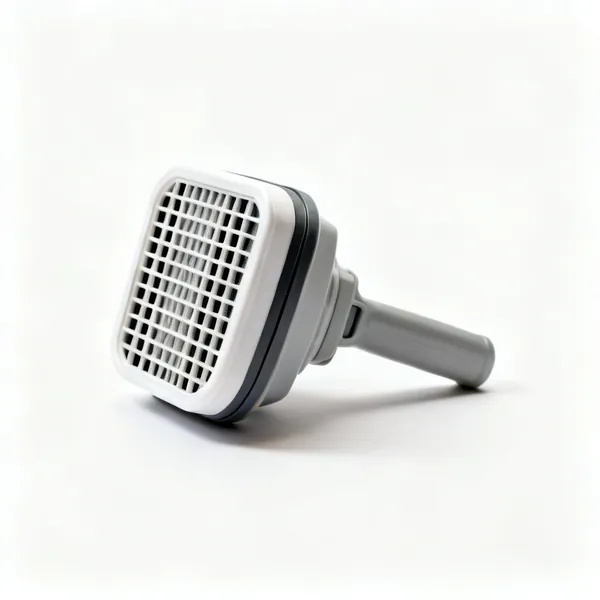
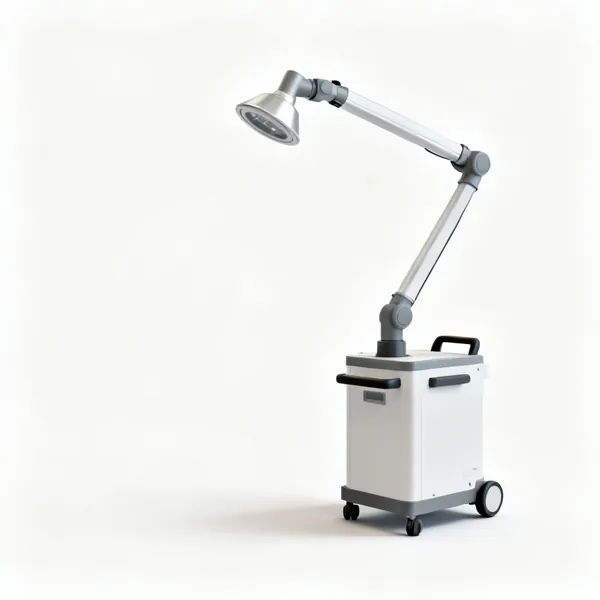
  • A portable fume extractor with an arm

    Fume extractor

    Draws welding or solder fume away at the source. Welding fume is a carcinogen and an open door is not ventilation.

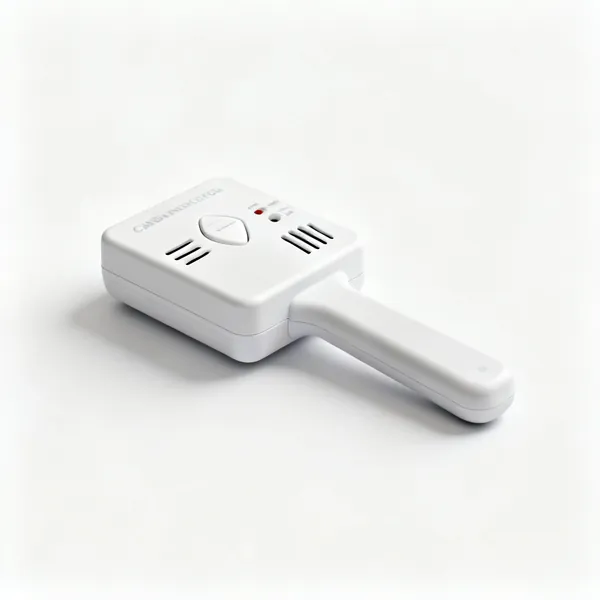
  • A carbon monoxide alarm detectorEssential

    Carbon monoxide alarm

    The hazard you cannot see, smell or taste. Anywhere with combustion: heaters, engines, forges, gas appliances.

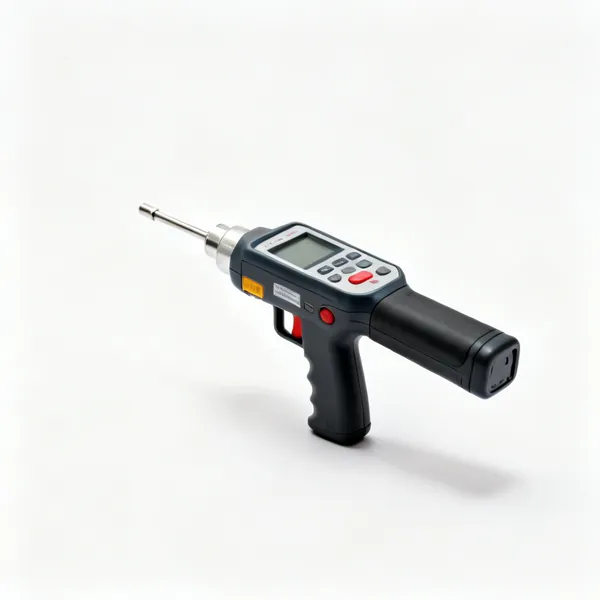
  • A portable multi gas detector

    Gas detector

    Monitors oxygen and flammable or toxic gas. Required before entering any confined space, where air can be lethal.

Hearing protection 7

Cumulative, painless and permanent. By the time you notice hearing loss, it cannot be recovered.

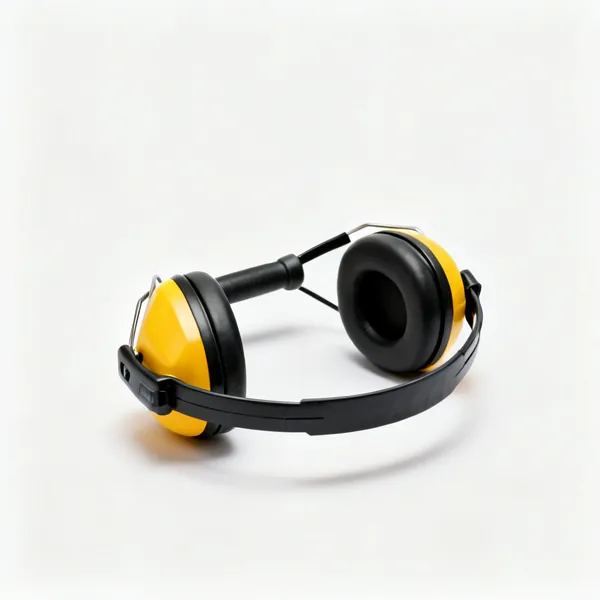
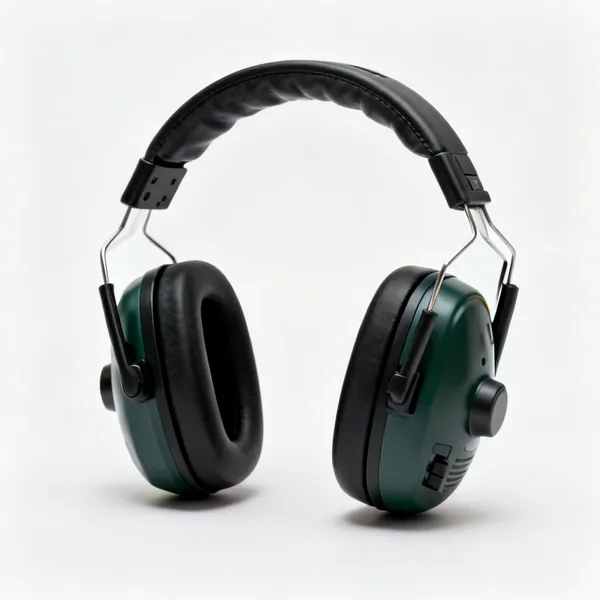
  • A pair of over ear safety ear defendersEssential

    Ear defenders

    Over ear cups giving good attenuation and easy to put on and take off, which is why they get used.

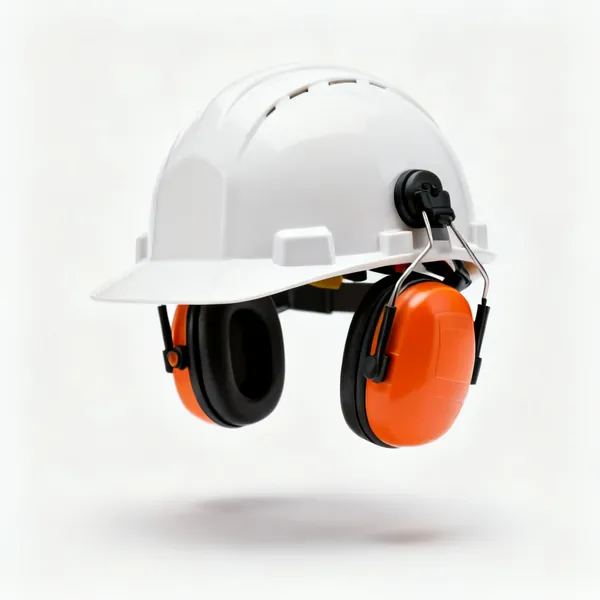
  • Helmet mounted defenders: Hard hat mounted ear defenders

    Helmet mounted defenders

    Clip to a hard hat so they are always with you and swing down in a second. No decision to make.

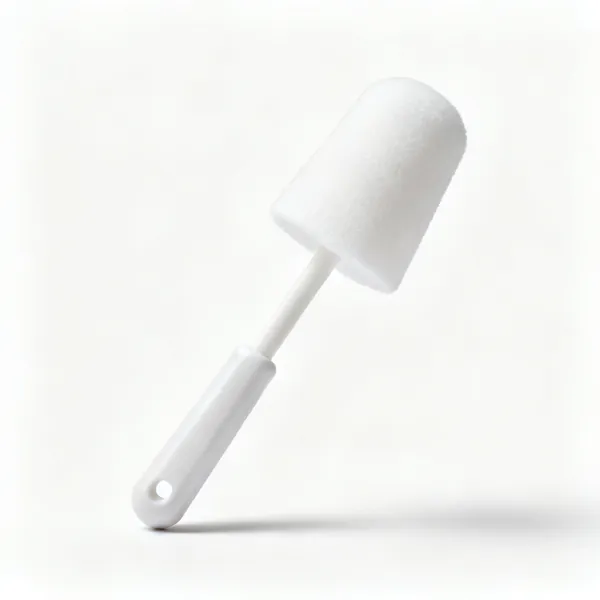
  • Foam ear plugsEssential

    Ear plugs

    Foam plugs, disposable and pocketable. Only work when inserted properly, which most people do not do.

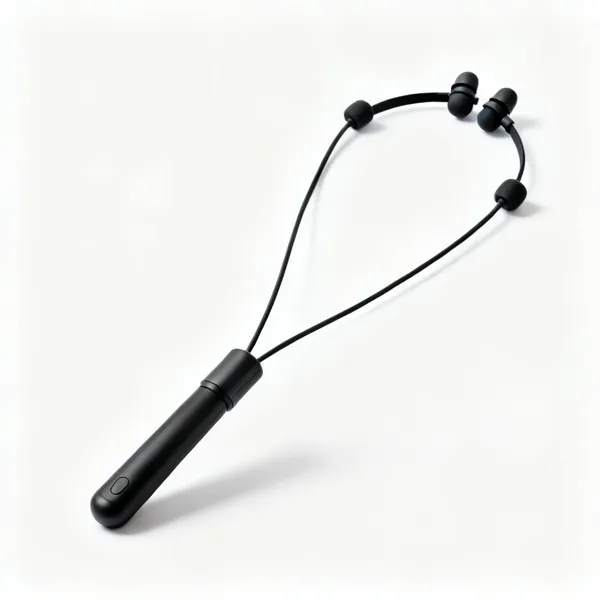
  • Banded ear plugs on a neck band

    Banded ear plugs

    Plugs on a band so they hang round the neck between uses rather than being lost or put down dirty.

  • Custom moulded ear plugs

    Moulded ear plugs

    Custom moulded to your ears, comfortable enough to wear all day, which is what makes them effective.

  • Electronic defenders: Electronic noise cancelling ear defenders

    Electronic defenders

    Cut loud noise while passing speech through, so you can hear a warning without removing them.

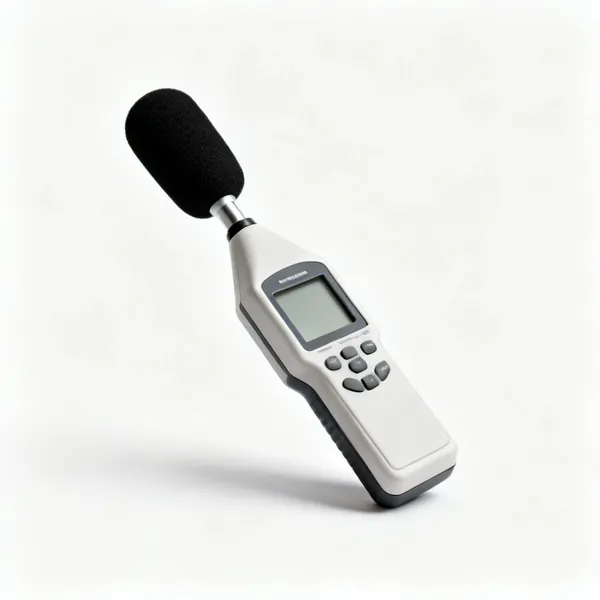
  • A handheld sound level meter

    Sound level meter

    Measures actual noise level, which tells you whether protection is needed rather than leaving it to guesswork.

Hand & body protection 12

The most frequently injured part of the body, and the category where the wrong choice makes things worse.

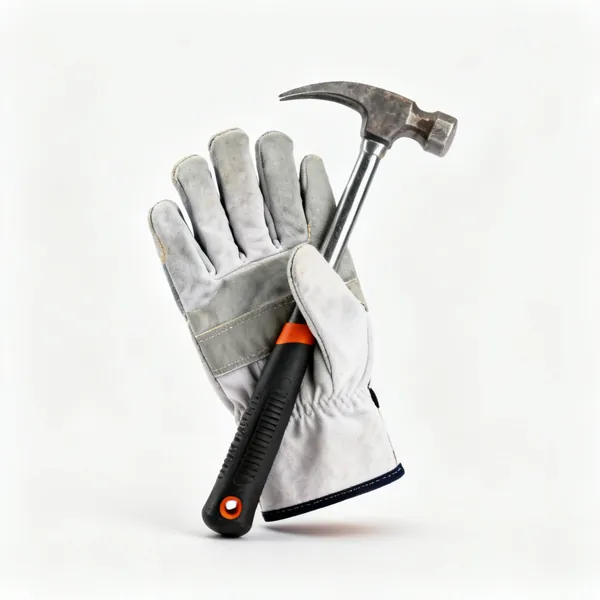
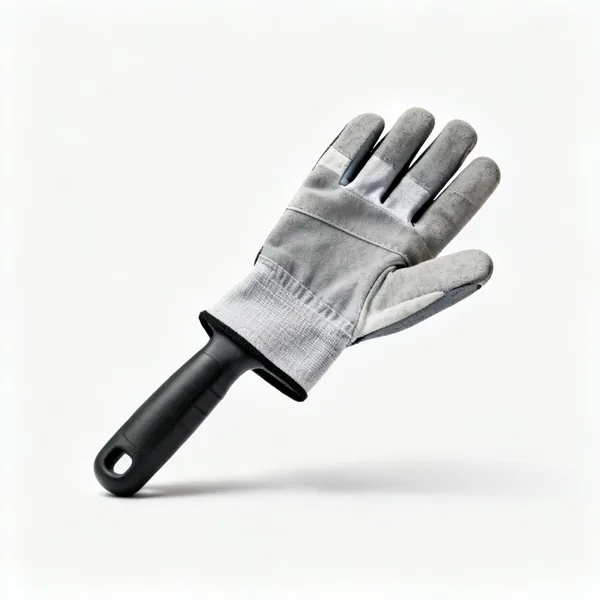
  • General work gloves: A pair of general purpose work glovesEssential

    General work gloves

    Grip and abrasion protection for handling materials. Removed before any rotating machine, without exception.

  • A pair of cut resistant glovesEssential

    Cut resistant gloves

    Rated against cutting, for sheet metal, glass and blades. Rating levels differ, so check what you are buying.

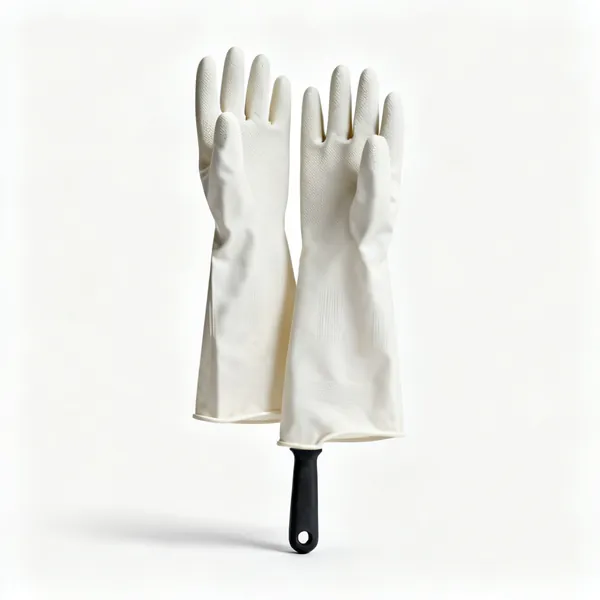
  • Chemical gloves: A pair of long chemical resistant glovesEssential

    Chemical gloves

    Matched to the specific chemical, since some solvents pass straight through nitrile in minutes.

  • A box of blue disposable nitrile glovesEssential

    Disposable nitrile gloves

    Short contact protection and better than latex for allergies. Not a barrier against solvents.

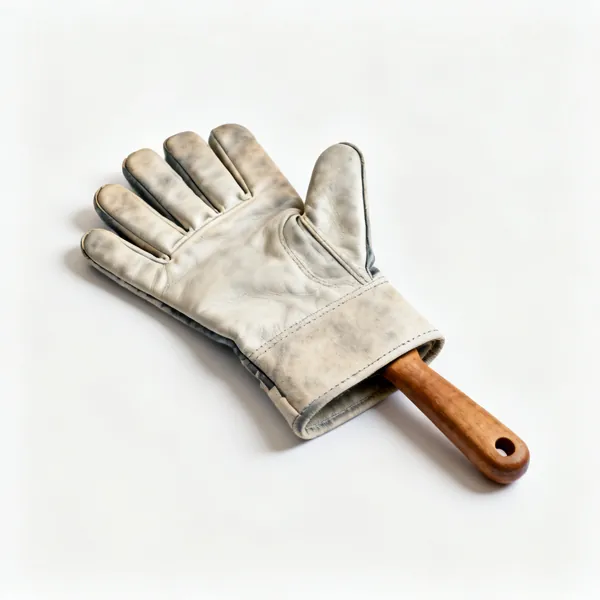
  • Heat resistant gloves: A pair of heat resistant leather gauntlets

    Heat resistant gloves

    Leather or aramid for hot work, welding and handling anything from a kiln or forge.

  • Anti vibration gloves: A pair of anti vibration work gloves

    Anti vibration gloves

    Padding that reduces transmitted vibration from breakers and grinders. Part of managing a daily exposure limit.

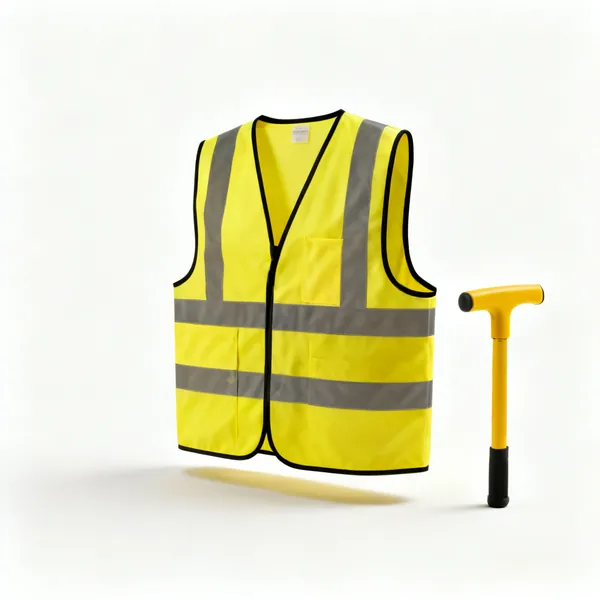
  • Hi vis clothing: A yellow hi vis safety vestEssential

    Hi vis clothing

    Being seen by plant operators and traffic. On any site with vehicles it is the difference between visible and a hazard.

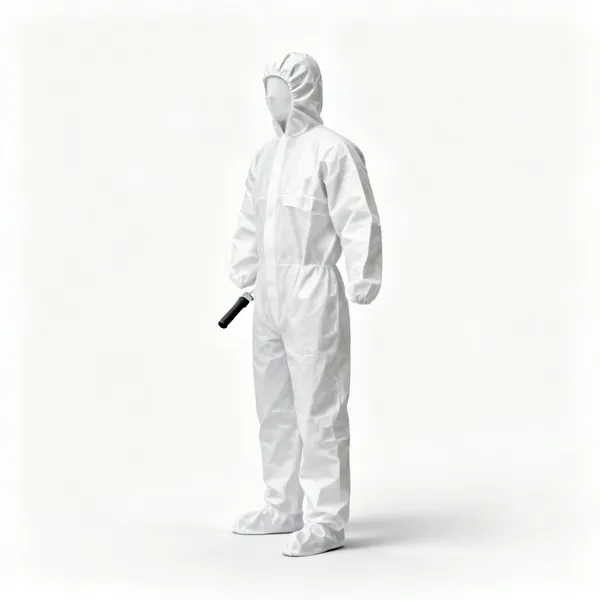
  • Coveralls: A white disposable coverall suit

    Coveralls

    A barrier between you and dust, spray or contamination, and removable at the end of the job rather than worn home.

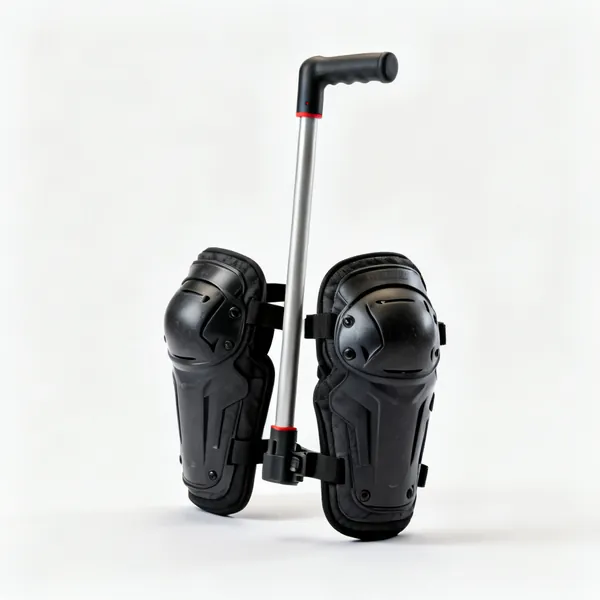
  • A pair of work knee padsEssential

    Knee pads

    Kneeling on hard gritty surfaces causes damage that does not reverse. Trouser pockets rather than straps.

  • Leather apron: A leather workshop apron

    Leather apron

    Stops sparks and hot debris reaching clothing. Leather because synthetic fabric melts onto skin.

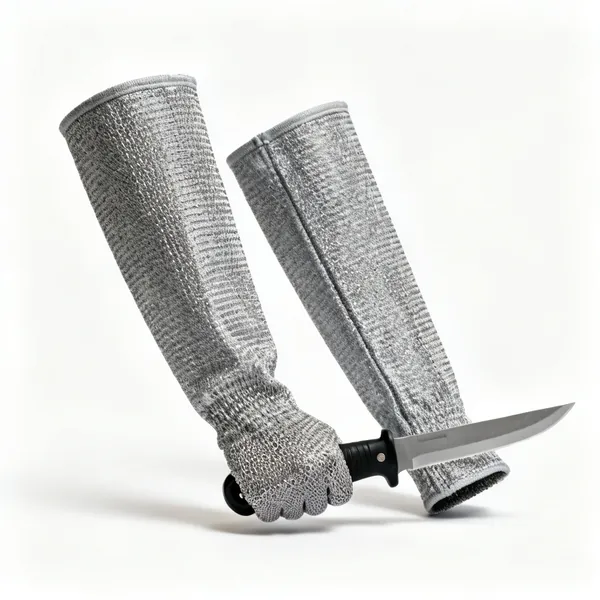
  • Arm guards: A pair of cut resistant arm guard sleeves

    Arm guards

    Cut and heat protection for the forearms, which are exposed in most work and rarely protected.

  • A tub of skin barrier cream

    Barrier cream

    Reduces what skin absorbs and makes washing off easier. Useful where gloves cannot be worn for dexterity.

Head & foot protection 8

Against dropped objects and what is underfoot. Both have ratings that mean specific things.

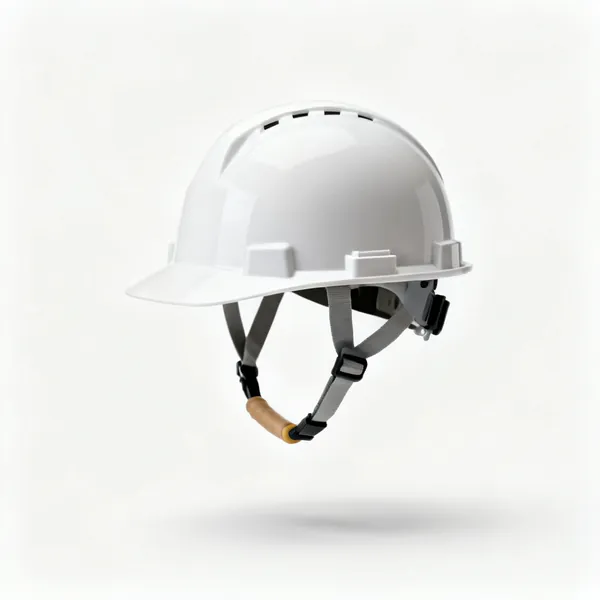
  • A white hard hat safety helmetEssential

    Hard hat

    Against falling objects. Has a stated life and must be replaced after any real impact, even if it looks fine.

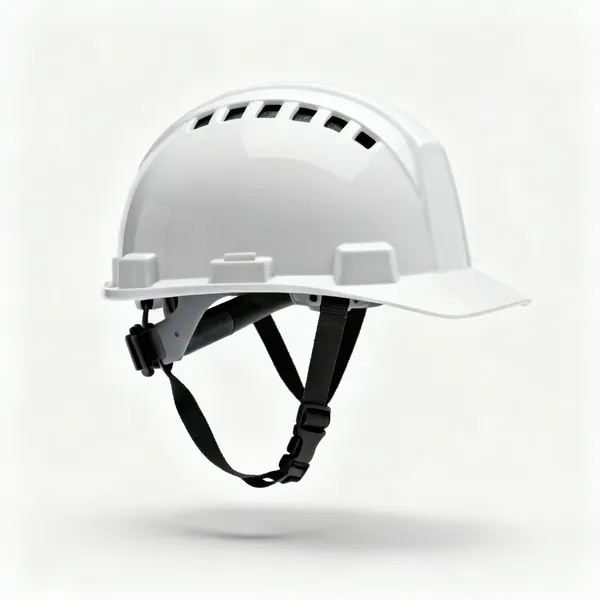
  • A vented safety helmet with a chin strap

    Vented safety helmet

    A chin strap so it stays on in a fall or while leaning, which a standard hard hat does not.

  • A bump cap safety hat

    Bump cap

    For low headroom and lofts, protecting against knocks rather than falling objects. Not a hard hat substitute.

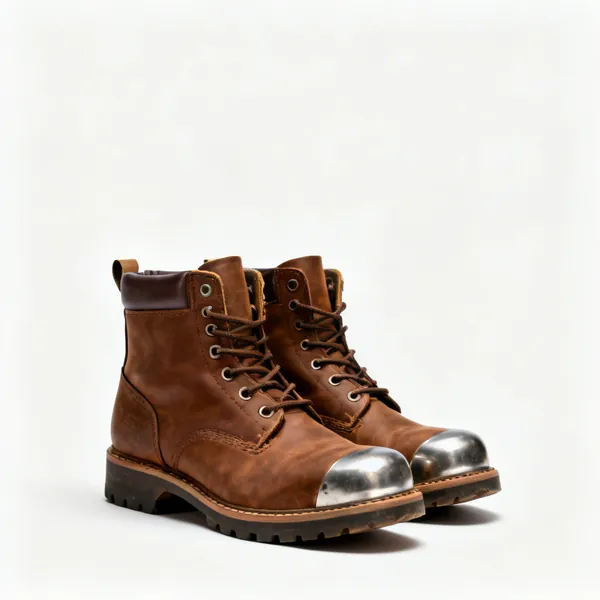
  • A pair of brown steel toe cap safety bootsEssential

    Safety boots

    Toe cap against dropped weight and a midplate against nails through the sole, which is the more common injury.

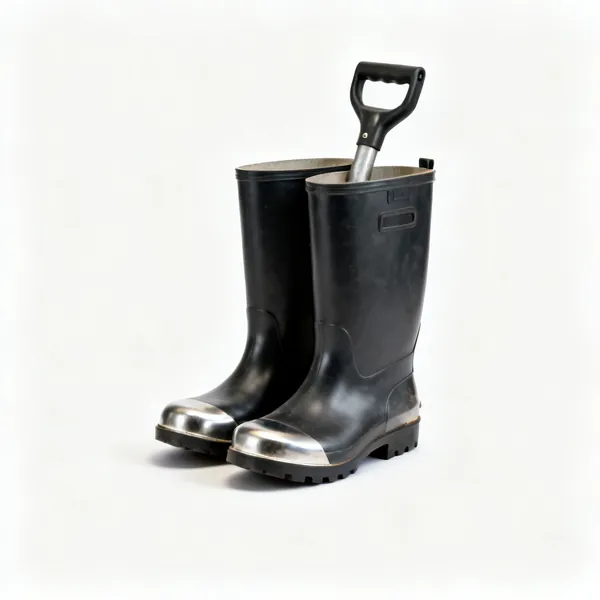
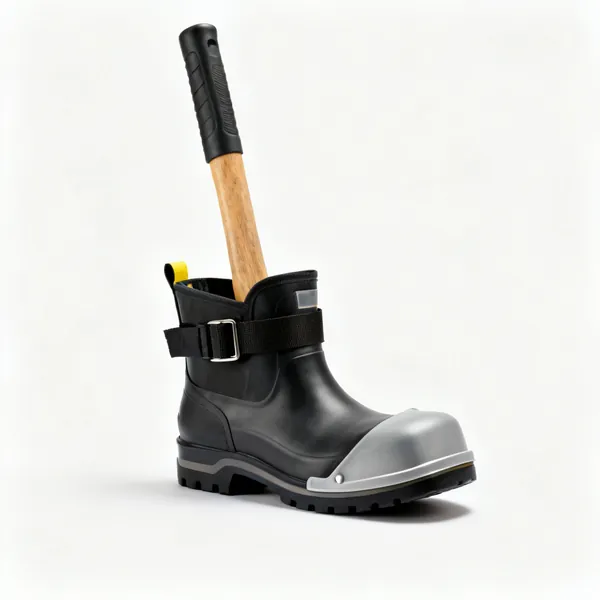
  • Safety wellingtons: A pair of steel toe safety wellington boots

    Safety wellingtons

    Toe cap protection with waterproofing, for groundwork, concrete and anywhere permanently wet.

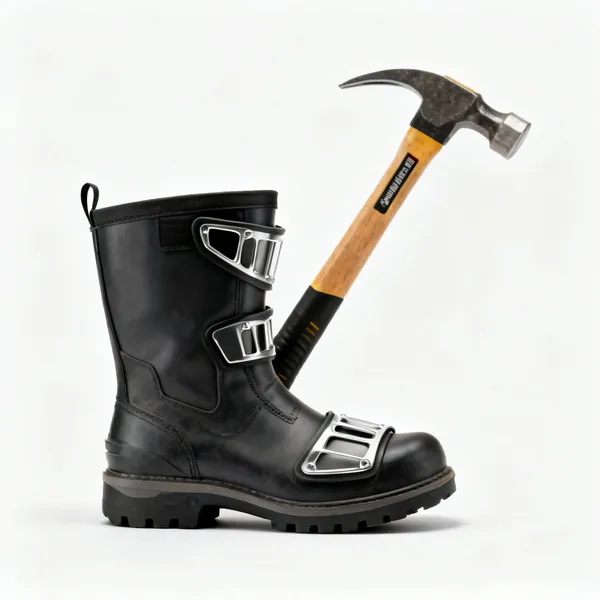
  • Metatarsal boots: Safety boots with metatarsal guards

    Metatarsal boots

    Extend protection over the top of the foot, for handling heavy items where a toe cap alone is not enough.

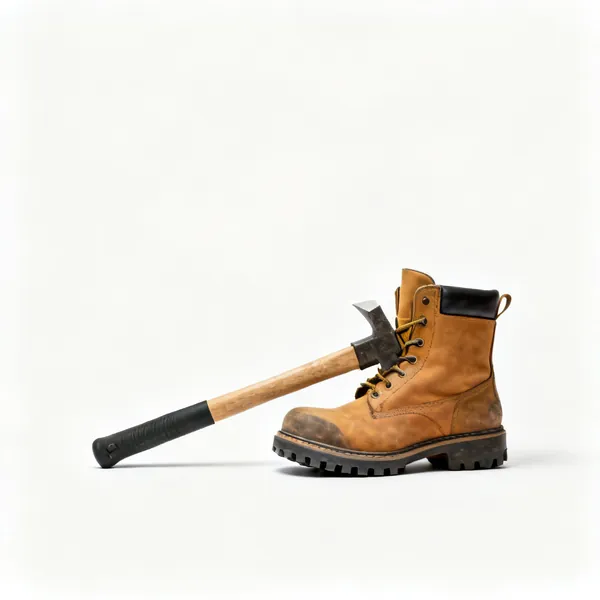
  • Slip resistant soles: A work boot showing a slip resistant soleEssential

    Slip resistant soles

    Slips are among the commonest workplace injuries. Sole rating matters more than most people assume.

  • Overshoe toe caps: Strap on overshoe safety toe caps

    Overshoe toe caps

    Strap over ordinary shoes for a short visit to a site, where changing footwear is impractical.

Working at height 12

The hazard that causes the most serious injuries. A platform always beats arresting a fall.

  • Roof edge protection guardrailEssential

    Edge protection

    A guardrail that turns a slip into a stumble. The most effective control available at height, by a distance.

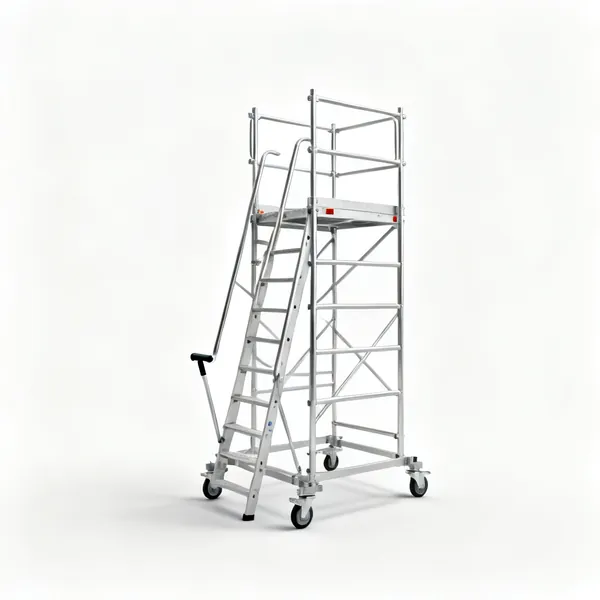
  • An aluminium mobile scaffold tower with guardrailsEssential

    Scaffold tower

    A guarded working platform with both hands free. Assembled to the instructions, with the stabilisers fitted.

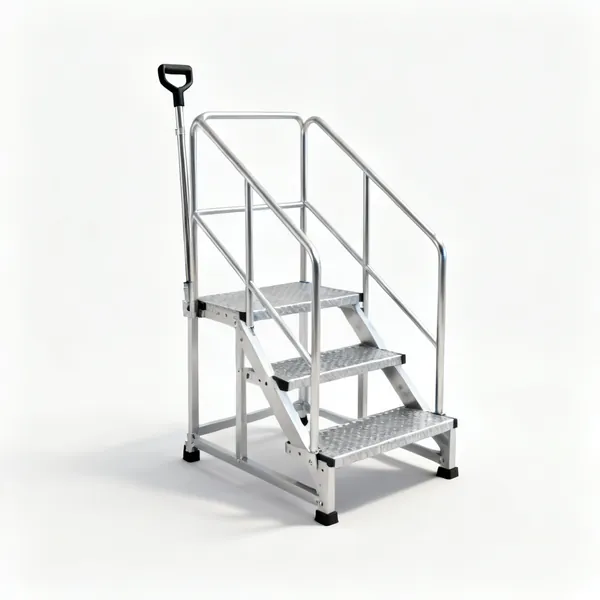
  • Podium steps: An aluminium podium step platform with guardrails

    Podium steps

    A small platform with a full guardrail for ceiling height work, replacing the step ladder people fall off.

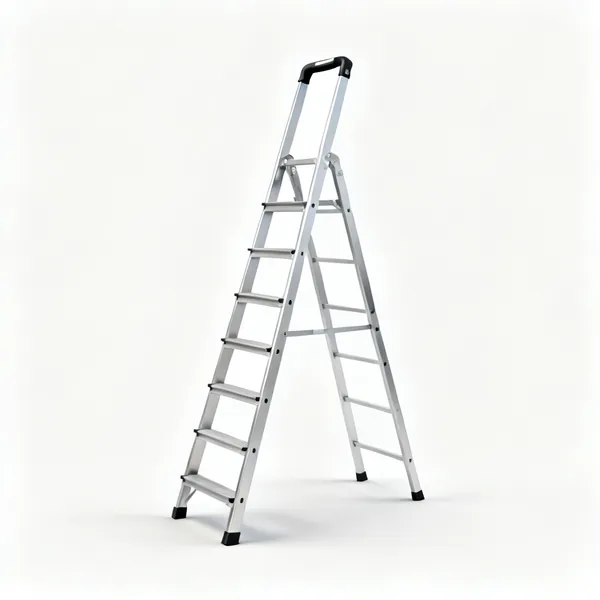
  • An aluminium extension ladderEssential

    Ladder

    For access, not for working from. Tied at the top, one in four angle, and a metre past the landing point.

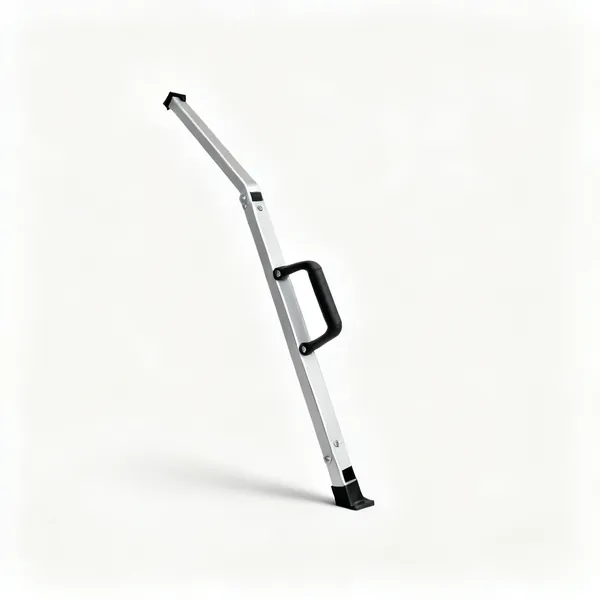
  • A ladder stabiliser bar

    Ladder stabiliser

    A wide foot that stops a ladder twisting or sliding sideways, which is how most ladder falls actually happen.

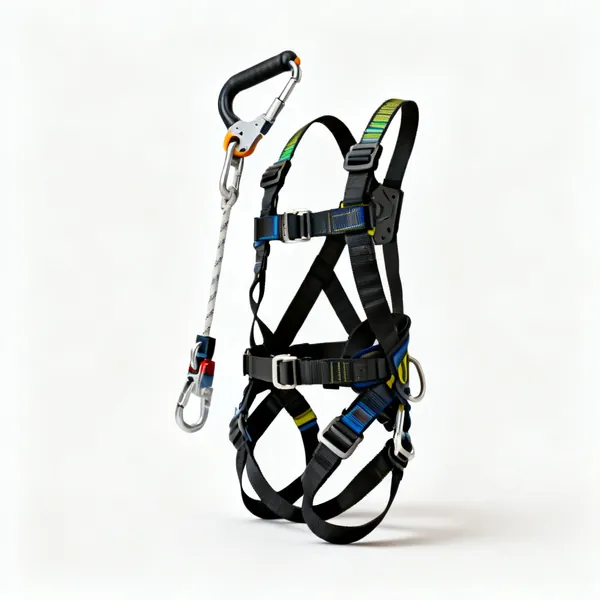
  • Full body harness: A full body safety harness

    Full body harness

    A last line where edge protection is impossible. Needs a rated anchor and a rescue plan to be any use.

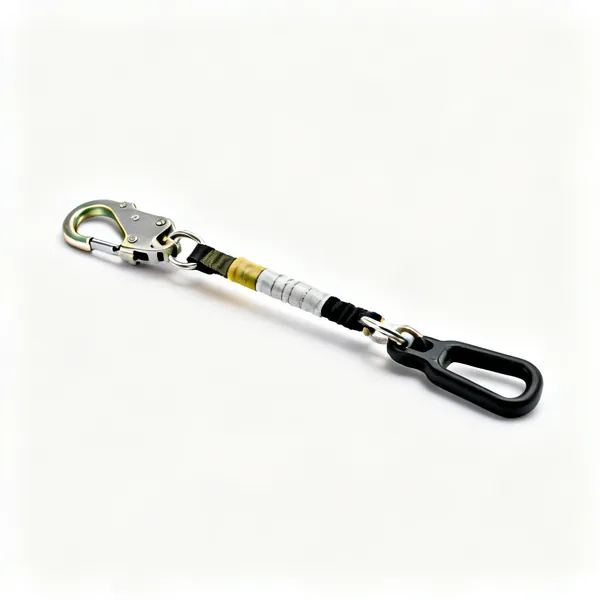
  • Shock absorbing lanyard: A shock absorbing fall arrest lanyard

    Shock absorbing lanyard

    Limits the force on the body during a fall arrest. Length matters, since a long lanyard means a longer fall.

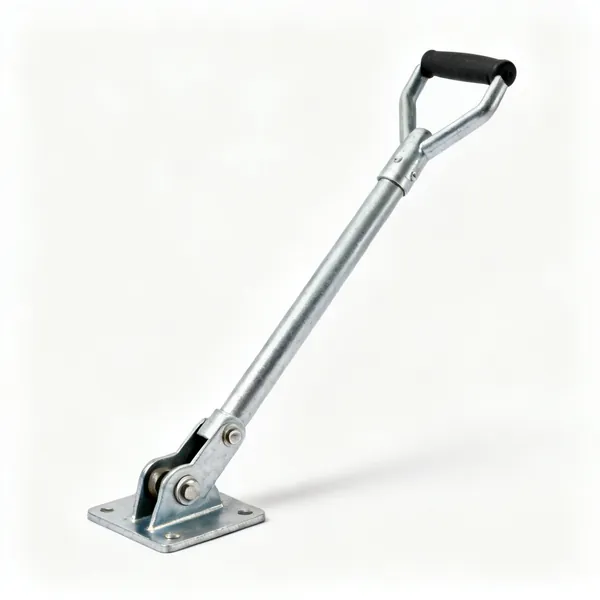
  • A steel roof safety anchor point

    Anchor point

    A rated fixing the lanyard connects to. An unrated anchor is a guess with somebody's life attached to it.

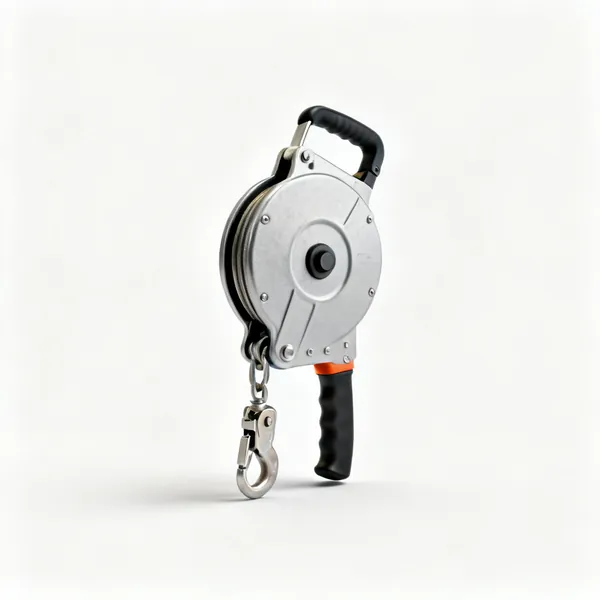
  • A self retracting inertia reel fall arrest block

    Inertia reel

    A retracting line that locks under sudden load, keeping the fall distance short while allowing movement.

  • Crawl boards: A roofing crawl boardEssential

    Crawl boards

    Spread weight across a fragile or sheeted roof. On anything brittle, care is not a control measure.

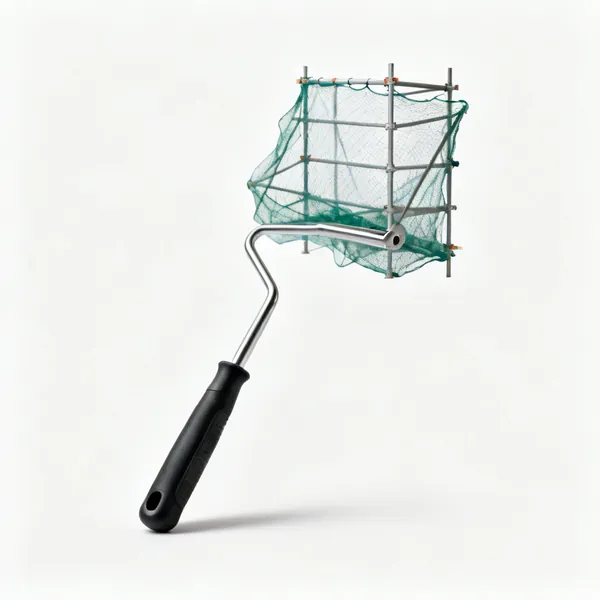
  • Safety netting on scaffolding

    Safety netting

    Catches a person or debris below the work. Protection for people who never chose to be exposed.

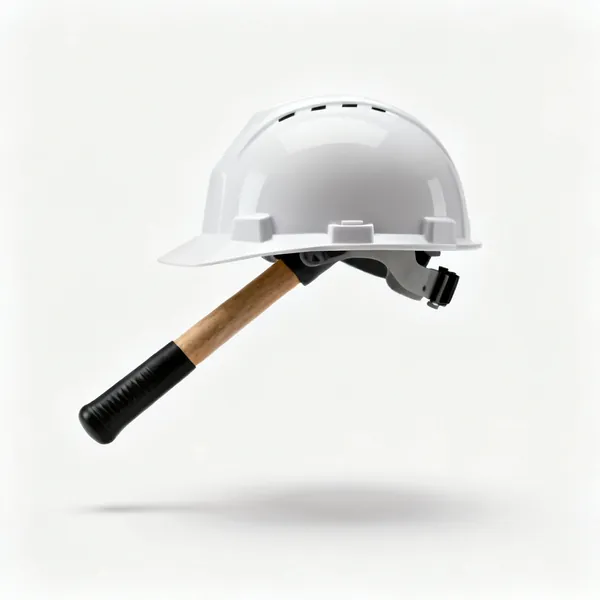
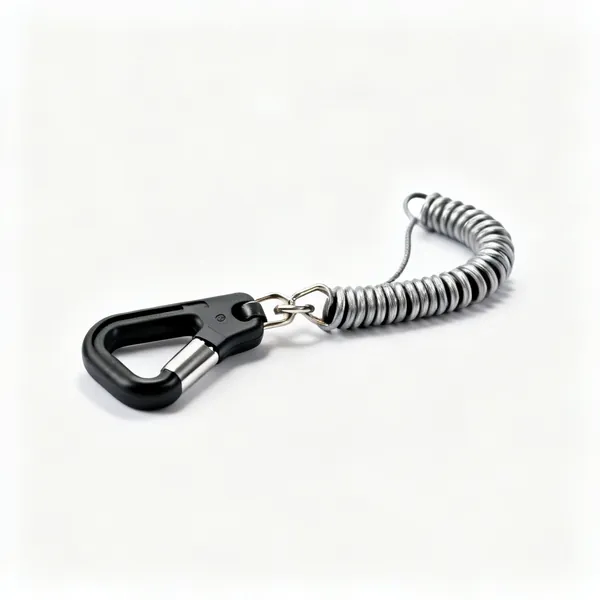
  • Tool lanyards: A coiled tool safety lanyardEssential

    Tool lanyards

    Tethers tools so nothing can be dropped on anyone below. A dropped hammer from two storeys is lethal.

Electrical safety 9

Invisible, silent and immediately dangerous. Testing before touching is the whole discipline.

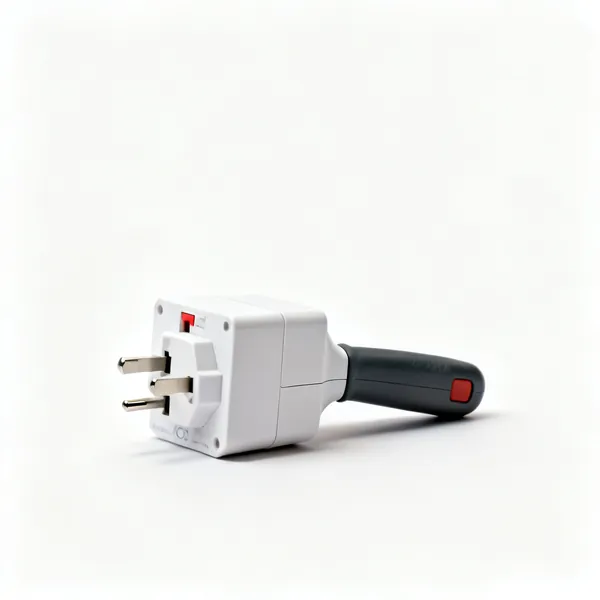
  • A plug in RCD residual current deviceEssential

    RCD

    Cuts power within milliseconds when current leaks to earth. On any power tool, and always outdoors or anywhere damp.

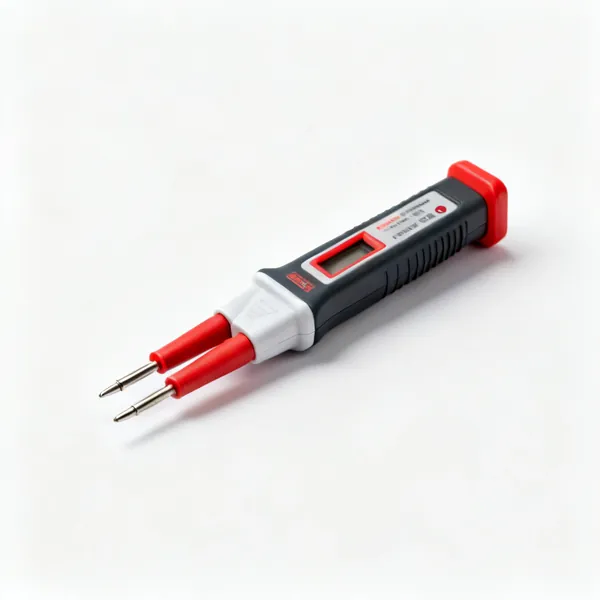
  • A two pole voltage tester with probesEssential

    Two pole voltage tester

    Proves dead before you touch anything. Prove the tester works first, since a dead tester also reads dead.

  • A voltage tester proving unit

    Proving unit

    Confirms a voltage tester is working. This is what turns proving dead from an assumption into a test.

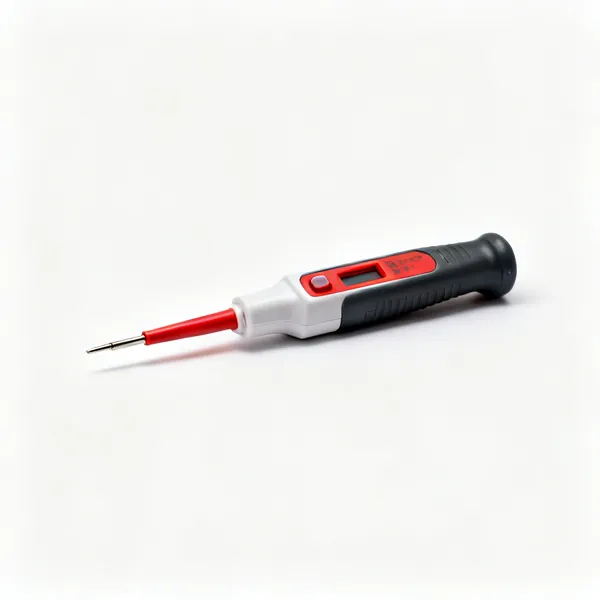
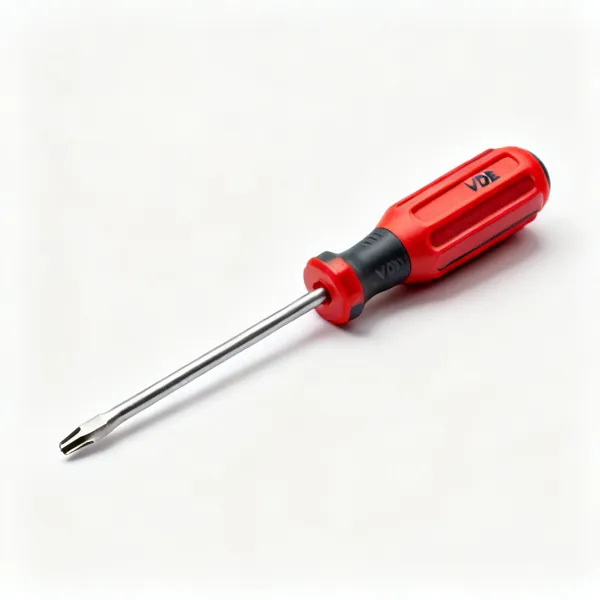
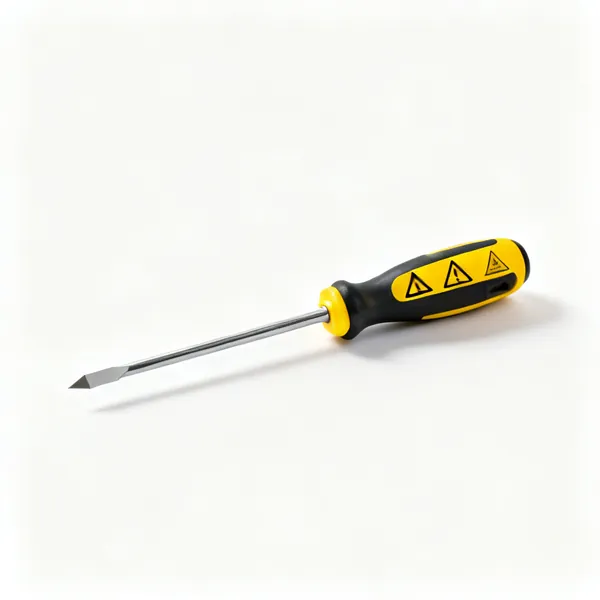
  • Insulated tools: A set of VDE insulated electrical screwdriversEssential

    Insulated tools

    Rated to 1000 volts, so a slip does not bridge a live conductor. The rating is marked on the handle.

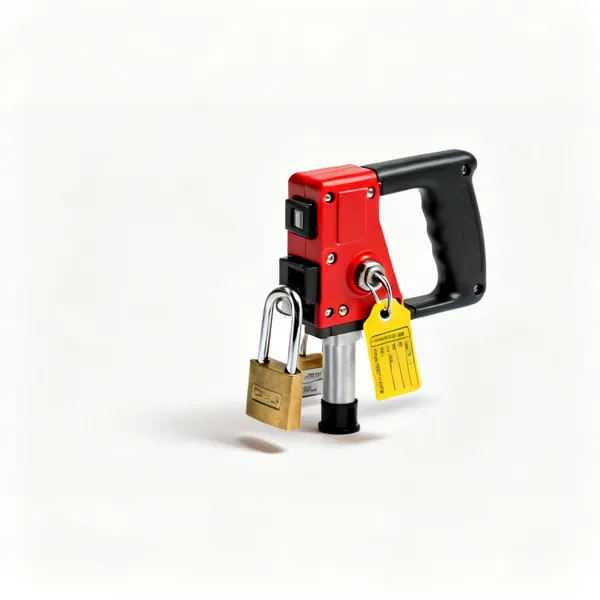
  • An electrical lock off kit with padlocks and tagsEssential

    Lock off kit

    Locks an isolator off with your own padlock and a tag, so nobody can restore power while you work.

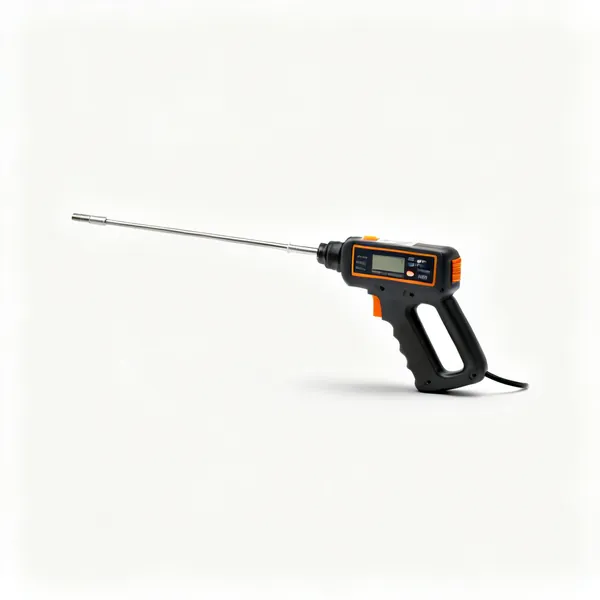
  • Cable detector: A handheld cable and pipe detectorEssential

    Cable detector

    Scans a wall before you drill. The cheapest tool here measured against drilling into a live cable.

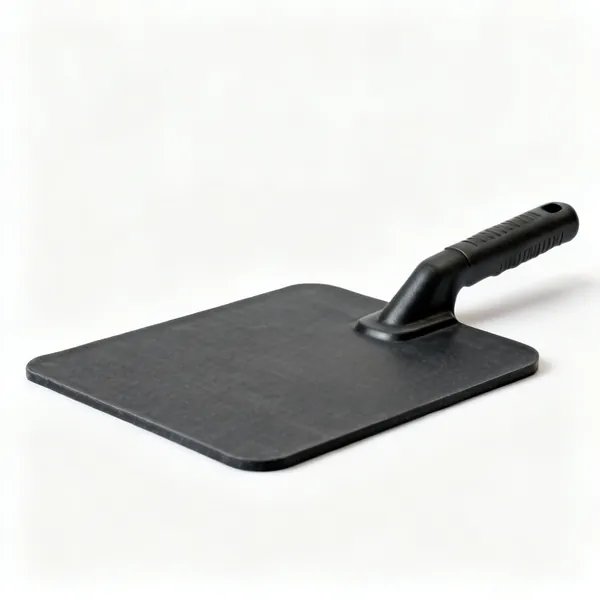
  • A rubber electrical insulating mat

    Insulating mat

    Stands you on an insulated surface when working near live equipment, breaking the path to earth through you.

  • An arc flash protection face shield and hood

    Arc flash protection

    Face shield and rated clothing for switching high energy equipment, where a fault can produce an arc flash.

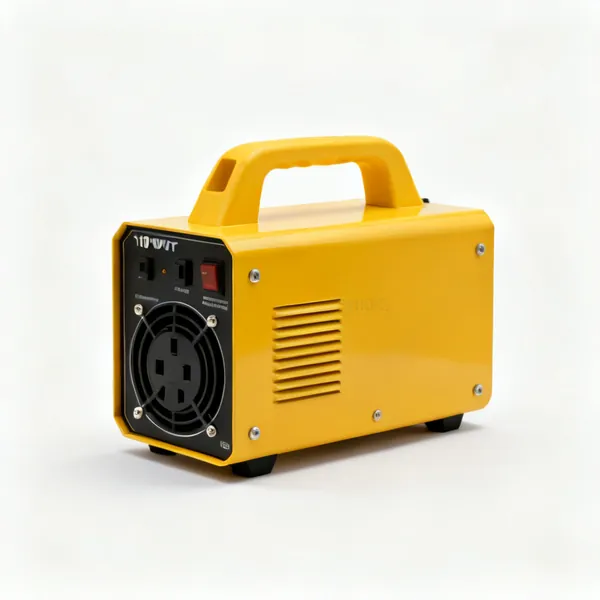
  • 110 volt transformer: A yellow 110 volt site transformer

    110 volt transformer

    Reduces site voltage so a fault is far less likely to be fatal. Required on many commercial sites.

Fire & emergency 12

Response equipment. Its value is entirely in being present, in date, and in a place everyone knows.

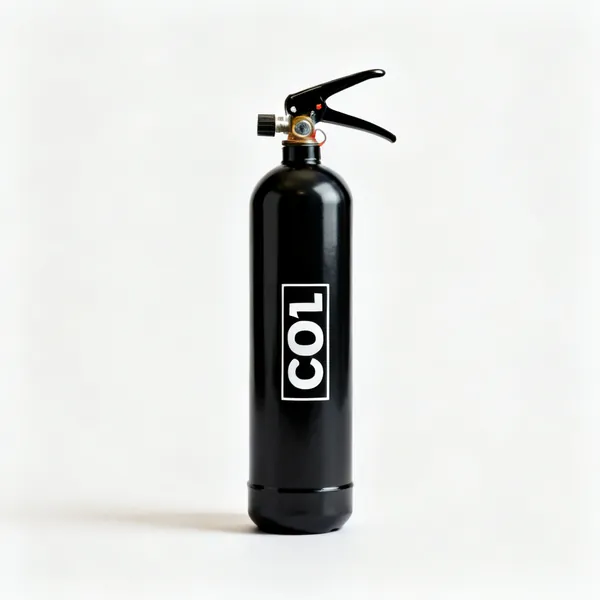
  • CO2 extinguisher: A black labelled CO2 fire extinguisherEssential

    CO2 extinguisher

    For electrical and flammable liquid fires, leaving no residue. The usual first choice in a workshop.

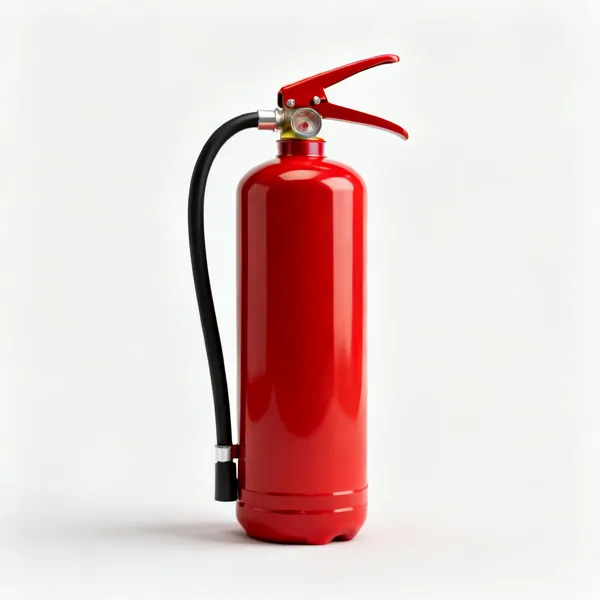
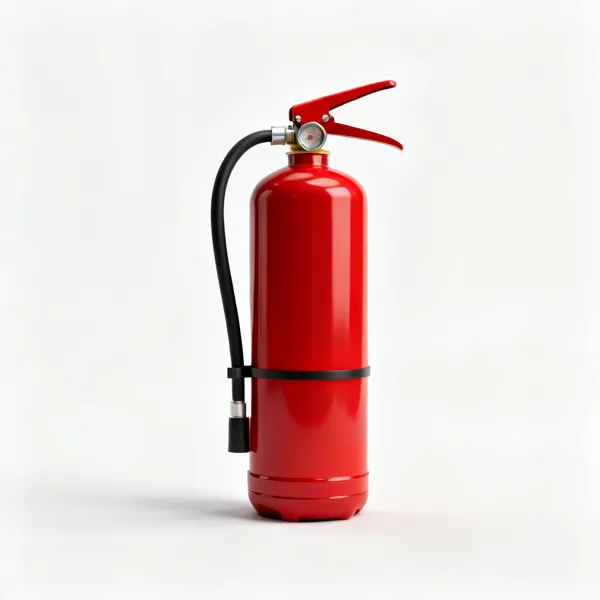
  • Dry powder extinguisher: A red dry powder fire extinguisherEssential

    Dry powder extinguisher

    Broad coverage including flammable liquids. Makes an enormous mess, which is a fair trade against a fire.

  • Water extinguisher: A red water fire extinguisher

    Water extinguisher

    For ordinary combustibles only. Never on live electrics or burning oil, where it makes things worse.

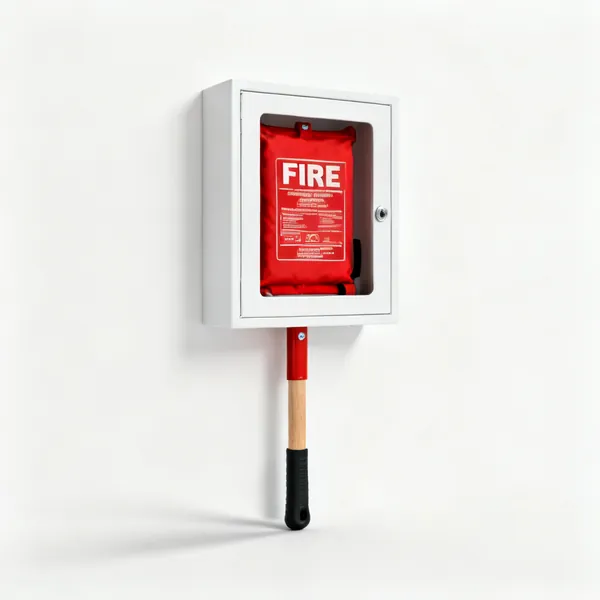
  • A fire blanket in a wall caseEssential

    Fire blanket

    Smothers a small fire including clothing. Mounted by the door, on the way out rather than past the fire.

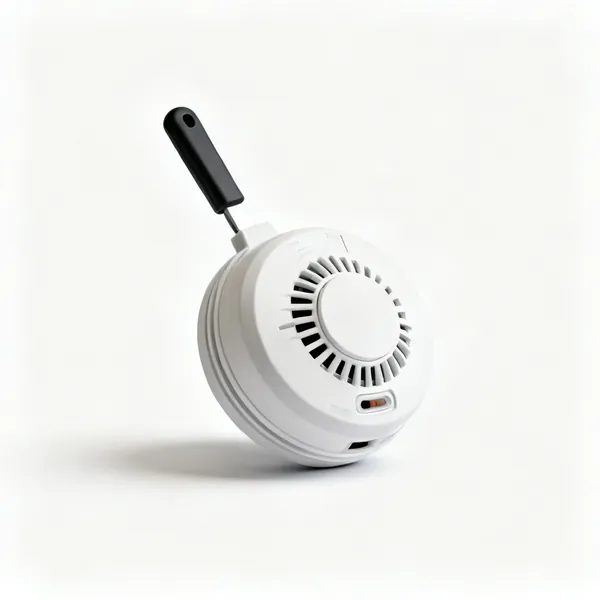
  • A ceiling smoke alarm detectorEssential

    Smoke alarm

    Detection is what makes a response possible. A workshop or garage is exactly the place people forget one.

  • Fire watch kit: A red fire bucket with sand

    Fire watch kit

    For after hot works. Most workshop fires are found an hour after the torch or grinder was put down.

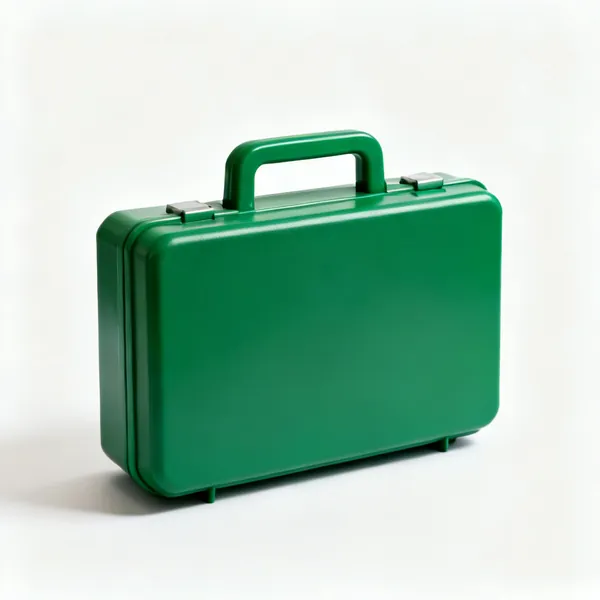
  • A green first aid kit boxEssential

    First aid kit

    Stocked for the actual hazards: cuts, burns and eye splash. Restocked after use, which is the usual failure.

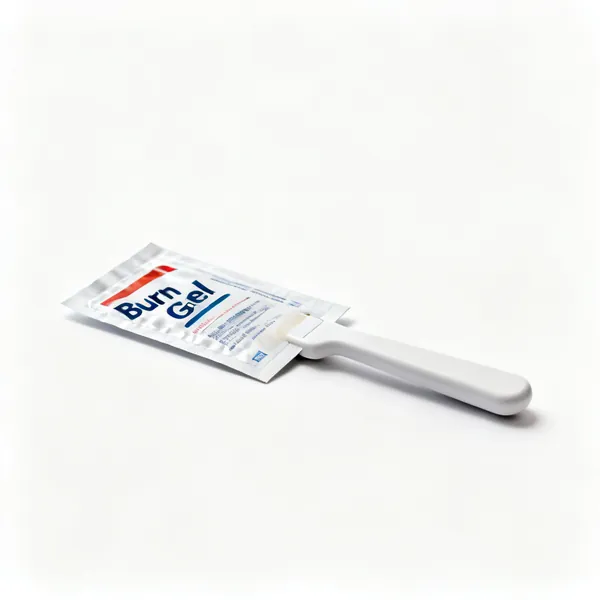
  • Burn dressings: Burn gel dressings in a packEssential

    Burn dressings

    Gel dressings for a burn, which is time critical. Anywhere with heat, flame or hot metal.

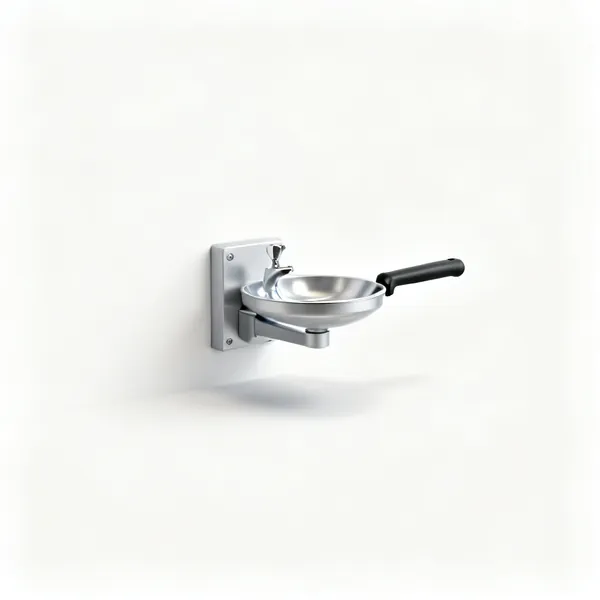
  • A wall mounted eyewash stationEssential

    Eyewash station

    Flushes a splash for several minutes. There is no time to look for it, so its location has to be known.

  • A chemical spill kit with absorbents

    Spill kit

    Absorbents and instructions so a chemical or fuel spill is contained rather than spread around.

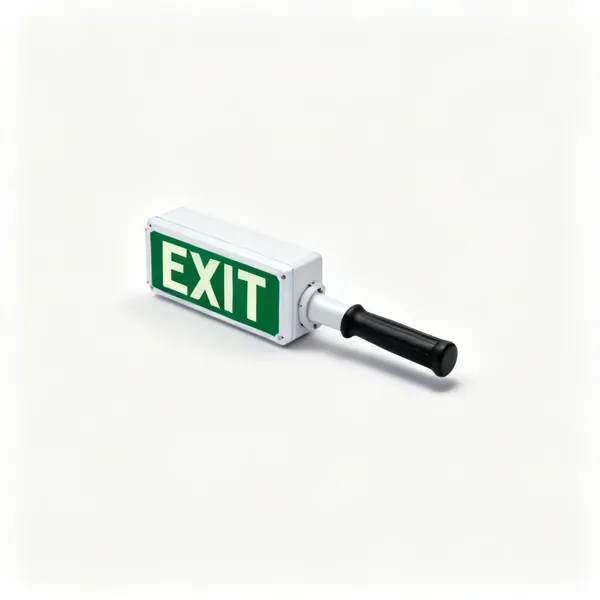
  • Emergency lighting: An emergency exit light unit

    Emergency lighting

    A battery light that comes on when power fails, so an unlit workshop can still be left safely.

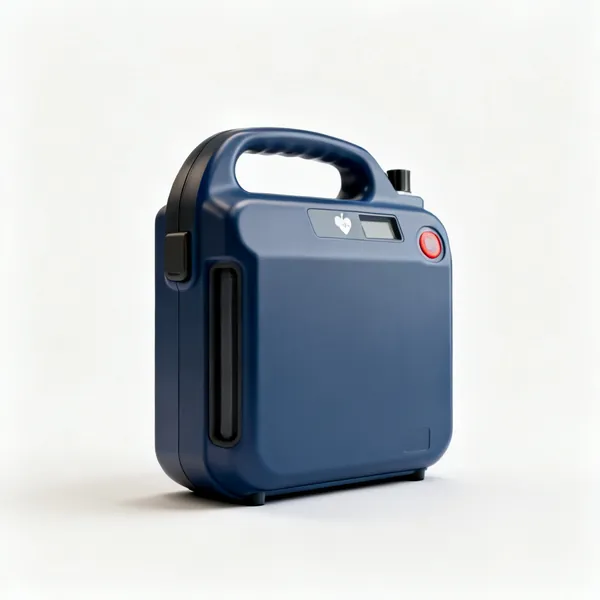
  • An automated external defibrillator unit

    Defibrillator

    For workplaces with people on site. Designed to be used by anyone, and the instructions are spoken aloud.

Site & area control 10

Protecting people who did not choose to be exposed. Often the most effective thing on the whole page.

  • Plastic site safety barriersEssential

    Barriers

    Keeps people out of the dangerous area, which is most of site safety in one sentence.

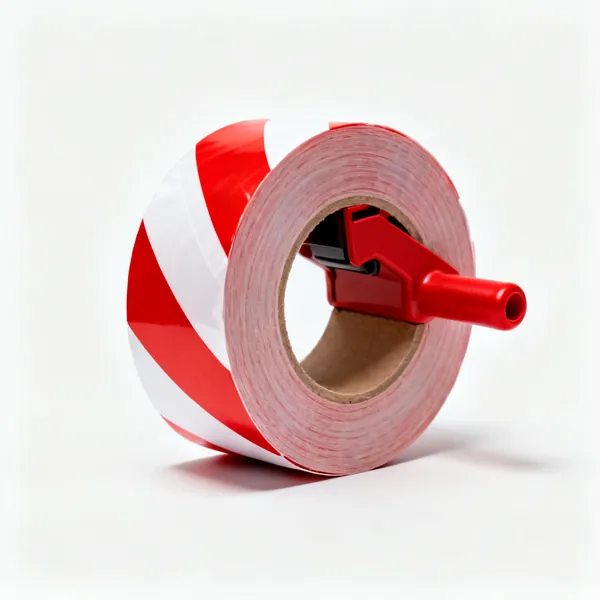
  • A roll of red and white hazard tapeEssential

    Hazard tape

    Marks off an area quickly. Not a physical barrier, and enough to stop somebody walking into an open trench.

  • Warning signs: Yellow warning safety signsEssential

    Warning signs

    Tells people what the hazard is and what is required. Also a legal expectation on most work premises.

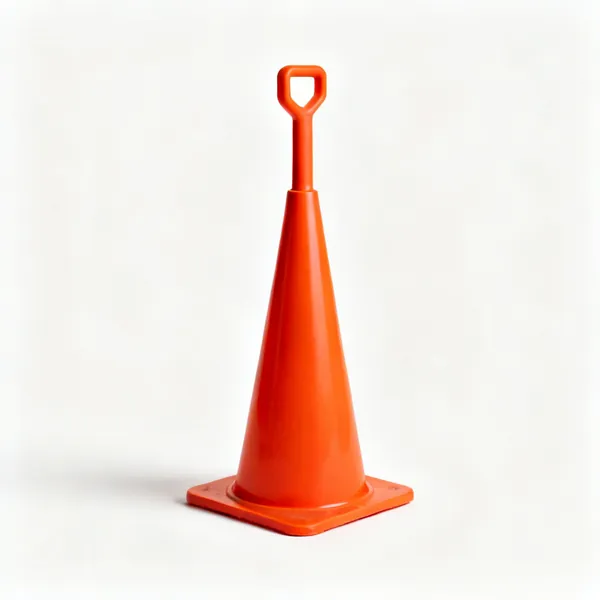
  • Orange traffic safety cones

    Cones

    Directs traffic and marks a zone. Visible from a distance, which tape at ground level is not.

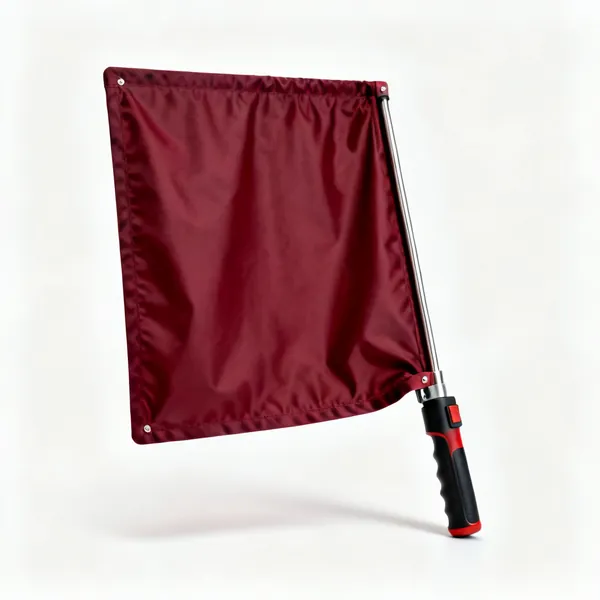
  • A dark red welding screen curtain

    Welding screen

    Stops anyone else getting arc eye. They cannot protect themselves from an arc they only glanced at.

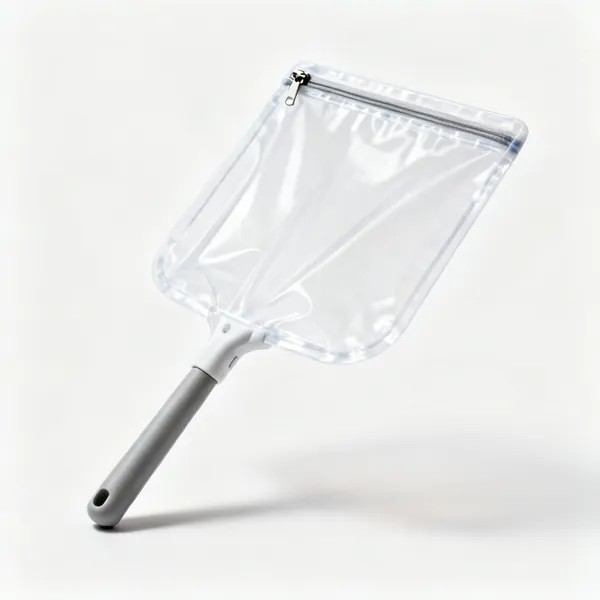
  • A plastic dust barrier screen with a zipEssential

    Dust barrier

    Seals a work area so dust does not reach the rest of a building, including people who are not working.

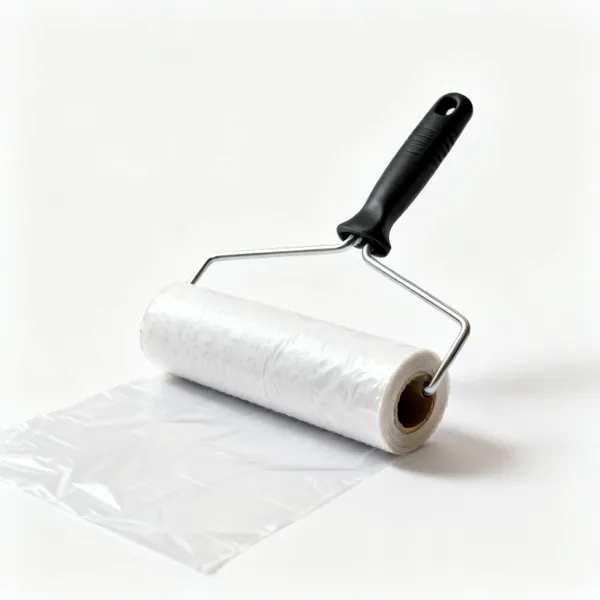
  • A roll of floor protection sheetingEssential

    Floor protection

    Prevents slips and protects the surface. A dusty smooth floor is genuinely slippery.

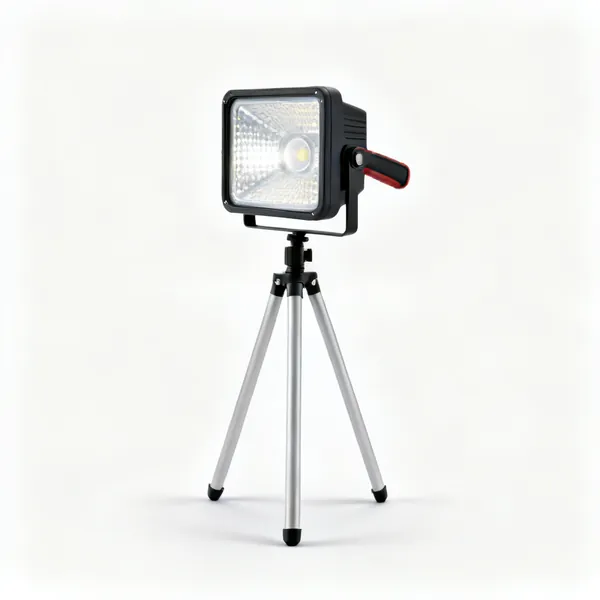
  • Task lighting: An LED work light on a tripod standEssential

    Task lighting

    You cannot avoid what you cannot see, and poor light causes both mistakes and trips.

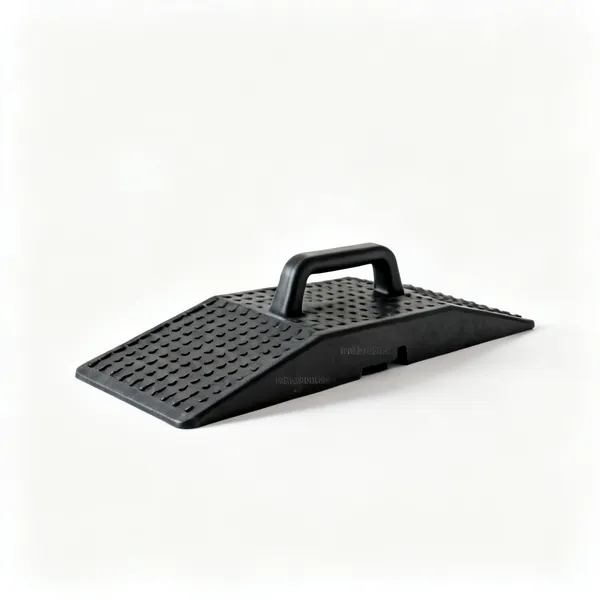
  • Cable ramp: A rubber cable protection floor ramp

    Cable ramp

    Covers a lead crossing a walkway, since trailing cables are one of the most common trip hazards.

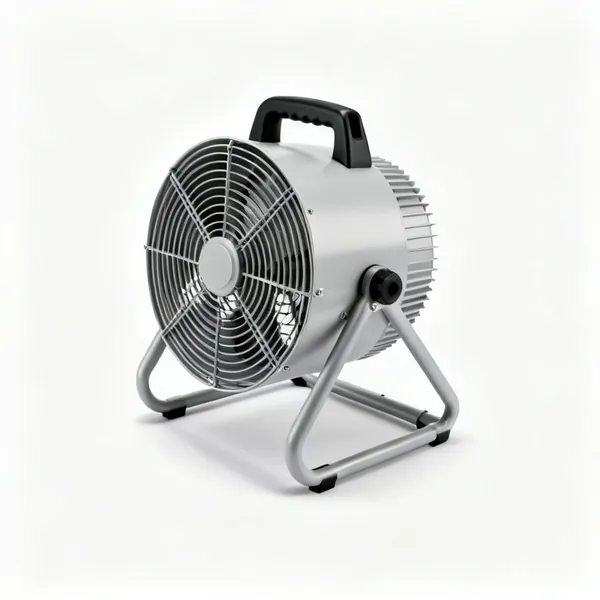
  • A portable workshop ventilation fan

    Ventilation fan

    Moves air out of an enclosed space, for solvent vapour, dust and combustion products.

Choosing safety equipment

Equipment is the last line, never the first. Removing a hazard beats protecting against it, and understanding that order is what makes the rest of this list useful.

Equipment is the last line, not the first

This is the part that gets skipped, and it is the part that actually keeps people safe. Protective equipment is the weakest control available, because it only works if it is present, correct, fitted properly and worn every single time. Every one of those is a chance to fail.

The order that works is: remove the hazard if you can, substitute something safer if you cannot, control it at the source with guarding or extraction, then change how the work is done, and only then reach for equipment.

In practice that means the most effective safety decision on a job is usually not a purchase. Cutting outside instead of in a closed room, hiring a tower instead of using a ladder, or choosing a water fed saw instead of a mask does more than any amount of kit.

Remove the hazard first
A job that does not need the dangerous step is safer than any equipment. This is always the best available answer.
Then substitute something safer
A water fed cutter instead of dry cutting, a cordless tool instead of a lead across a wet floor.
Then control at the source
Guards, on tool extraction, screens and barriers. These work whether or not somebody remembers them.
Then change the method
Fewer people exposed, shorter exposure, different sequence. Costs nothing and it genuinely reduces risk.
Equipment last, and it must fit
It only protects when worn correctly every time, which is why it is the weakest control rather than the first one.
Never let equipment justify the hazard
A mask is not a reason to cut dry indoors. That reasoning is how people end up with permanent damage.

The ratings, and why they are the whole product

Two masks that look the same can protect very differently, and the same is true of gloves, glasses and boots. The rating is the specification, and it is usually printed somewhere small.

With masks, FFP1 handles nuisance dust, FFP2 is better, and FFP3 is what silica, hardwood dust and fume actually require. With gloves, the material decides which chemicals pass straight through, and nitrile is not a universal answer. With eye protection, impact ratings differ, and safety glasses rated for dust will not stop a grinder fragment.

The other half is fit. An FFP3 mask against a beard or the wrong face shape leaks around the edge, and unfiltered air takes the easiest route in. A leaking mask offers close to no protection while feeling like full protection, which is the most dangerous combination on this page.

FFP3 for silica, wood dust and fume
FFP1 and FFP2 are not equivalent. If the hazard is respirable dust or metal fume, the rating has to be FFP3.
Fit is the whole product on a mask
A leak around the edge bypasses the filter entirely. Facial hair and the wrong shape both break the seal.
Match glove material to the chemical
Some solvents pass through nitrile in minutes. The wrong glove holds the chemical against your skin.
Check the impact rating on eye protection
Glasses rated for dust will not stop a fragment from a grinder. The marking on the lens tells you which it is.
Boots: toe cap and midplate are different
A toe cap stops a dropped weight. A midplate stops a nail through the sole, which is the more common injury.
Check the date on anything that degrades
Harnesses, lanyards, filters and extinguishers all have a service life whether used or not.

The hazards that do not hurt at the time

The injuries people actually retire with are rarely the dramatic ones. They are hearing loss, lung disease and vibration damage, and all three share a property that makes them dangerous: nothing hurts while the damage is being done.

Silica dust from cutting masonry, tile and concrete causes permanent lung scarring and is a known cause of cancer. Noise from a breaker or a cut off saw exceeds safe levels within seconds. Vibration from a breaker or a grinder causes irreversible nerve and circulation damage over years.

Because none of them announce themselves, the protection has to be habitual rather than reactive. You cannot wait until it feels necessary.

Silica dust: the big one
Cutting or grinding masonry, tile, concrete and stone. Water suppression or on tool extraction, plus FFP3.
Noise damage is cumulative and silent
Defenders on the hard hat so there is no decision to make. By the time you notice, it is permanent.
Vibration has a daily exposure limit
Breakers and grinders. Rotate the task, use anti vibration gloves, and take the limits seriously.
Welding fume is a carcinogen
Extract at the source. Galvanised steel additionally releases zinc, which causes metal fume fever.
Solvent vapour accumulates in a closed space
You stop noticing the smell long before it stops being harmful. Ventilate rather than acclimatise.
Two pack paint needs air fed protection
Isocyanates cause permanent occupational asthma, and a cartridge mask is not adequate for it.

What to buy first, in order

Stage one: on every job
Safety glasses, a fitted FFP3 mask, ear defenders, gloves suited to the work, and boots with a toe cap and midplate.
Stage two: the space and the people in it
A fire extinguisher, a first aid kit, a work light, dust sheets, barriers or tape, and a residual current device for any power tool.
Stage three: specific hazards
A face shield for grinding, a proper working platform instead of a ladder, extraction for dust, and a CO alarm anywhere with combustion.
Stage four: higher risk work
A harness with a rated anchor and a rescue plan, an air fed respirator for two pack paint, gas detection, and a confined space plan.

Mistakes that undo the protection

A mask that does not seal
It feels like full protection and provides almost none. Facial hair and the wrong face shape both break the seal.
Using equipment to justify the hazard
A mask is not a reason to cut dry indoors. Control the dust, then wear the mask as well.
Gloves at a rotating machine
A caught glove pulls the hand in where bare skin would tear free. Gloves for handling, off for machines.
Removing a guard for convenience
Guards are removed because they are in the way, and that is exactly when hands reach into the cutter.
A harness with no rescue plan
Suspension in a harness is itself dangerous. Arresting a fall is only half of the arrangement.
Wrong extinguisher for the fire
Water on burning oil or live electrics makes it worse. Know which type is on the wall and what it is for.
Protecting only yourself
Screens, barriers and extraction protect people who never chose to be exposed, including anyone downstairs.
Working alone on higher risk tasks
Falls, electricity and confined spaces all need somebody able to raise the alarm.
Assuming old equipment still works
Filters saturate, webbing degrades in sunlight, extinguishers lose pressure. Check dates rather than appearance.
Looking after safety equipment

Replace filters on a schedule
A saturated filter stops filtering. If breathing gets harder or you can smell through it, it is finished.
Store masks and respirators sealed
Cartridges keep absorbing from the air in a dusty van, so they are partly used before you put them on.
Inspect harnesses and lanyards before every use
Look for cuts, fraying and heat damage, and check the date. Webbing degrades in sunlight whether used or not.
Keep eye protection scratch free
A scratched lens is hard to see through, so it gets pushed up onto the head. That is how eyes get injured.
Check extinguisher pressure gauges
A monthly glance at the needle. An extinguisher that has lost pressure looks entirely normal.
Restock the first aid kit after using it
The commonest fault in any kit is that the thing you need was used and never replaced.
Replace a hard hat after any real impact
The shell absorbs energy by deforming, and it may look fine while no longer offering protection.

Frequently asked questions

What safety tools do I need?
On almost any job: safety glasses, a fitted FFP3 mask, ear defenders, gloves suited to the work, and boots with a toe cap and midplate. Then a fire extinguisher, a first aid kit and a residual current device for power tools.
What is PPE and how is it different from safety equipment?
Personal protective equipment is what you wear: glasses, masks, gloves, boots, harnesses. Safety equipment more broadly includes things that protect the space rather than the person, like guards, extraction, barriers, alarms and extinguishers.
What is the hierarchy of control?
The order that actually reduces risk: eliminate the hazard, substitute something safer, control it at the source with guarding or extraction, change how the work is done, and only then use protective equipment. Equipment is the weakest control, not the first.
What is the difference between FFP1, FFP2 and FFP3 masks?
Filtering efficiency. FFP1 handles coarse nuisance dust, FFP2 is better, and FFP3 filters the fine respirable particles that matter, including silica, hardwood dust and metal fume. They look nearly identical, so read the marking.
Does a dust mask work if I have a beard?
A tight fitting mask will not seal against facial hair, so unfiltered air comes in around the edge and the filter is largely bypassed. For a proper seal you need to be clean shaven at the seal, or use a powered hood instead.
Why is silica dust so dangerous?
Cutting or grinding concrete, brick, stone and tile releases fine crystalline silica, which scars lung tissue permanently and is a known cause of cancer. You cannot feel the damage occurring, which is why water suppression and extraction matter.
Which gloves should I use?
It depends entirely on the hazard. Cut resistant for sheet metal and glass, chemical gloves matched to the specific chemical since some solvents pass through nitrile, and thin gloves for grip. Never gloves at a rotating machine.
Do I need a face shield as well as safety glasses?
For grinding, wire wheeling and anything that throws fragments at the whole face, yes, and wear glasses underneath. A shield alone leaves gaps at the sides, and glasses alone leave the rest of your face exposed.
What fire extinguisher do I need in a workshop?
Usually CO2 or dry powder, since those suit electrical and flammable liquid fires, which is what a workshop presents. Water on burning oil or live electrics makes the situation worse rather than better.
What is an RCD and why do I need one?
A residual current device cuts the power within milliseconds when it detects current leaking to earth, such as through a person. On any power tool, and particularly outdoors or anywhere damp, it is the difference between a shock and an electrocution.
Is a safety harness enough for working at height?
No, on its own. A harness needs a rated anchor point and a rescue plan, because suspension in a harness is itself dangerous. Edge protection or a proper working platform is always better than arresting a fall after it happens.
How often should safety equipment be replaced?
Filters when breathing gets harder or you can smell through them. Hard hats after any real impact and at their stated life. Harnesses and lanyards by date, since webbing degrades in sunlight whether used or not. Check dates rather than appearance.