Disclosure

Storage tools: names, pictures and what each one is used for

A complete tool storage list with a picture of every one, all 86 types grouped by the job, from portable boxes and bags through chests, cabinets, wall systems, small parts organisers, shelving and van racking. The wrong storage costs more time than a missing tool does.

35 are marked essential: enough to organise a normal household or a working van.

Tool boxes & portable cases 10

What you carry to the job. Weight is the real constraint here rather than capacity, and people always overload them.

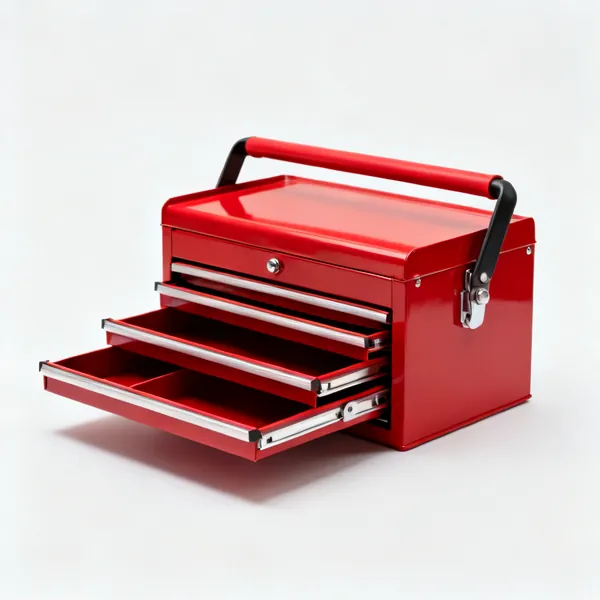
  • A red cantilever toolbox with the trays openEssential

    Cantilever toolbox

    Trays that swing out as it opens, so everything is visible at once. The best value general household box.

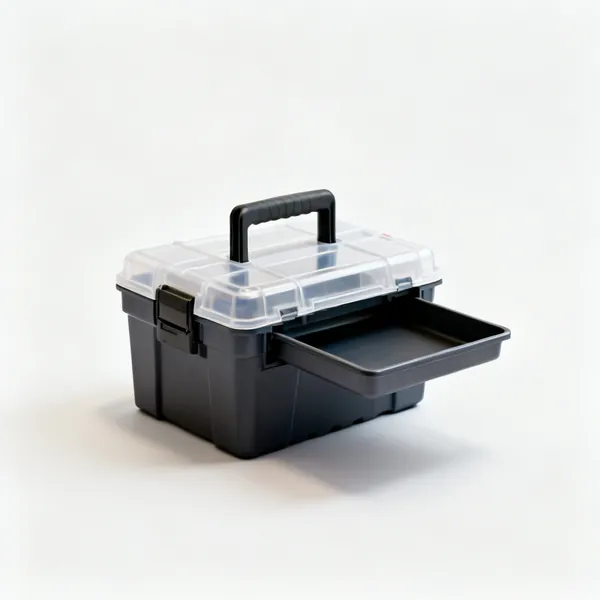
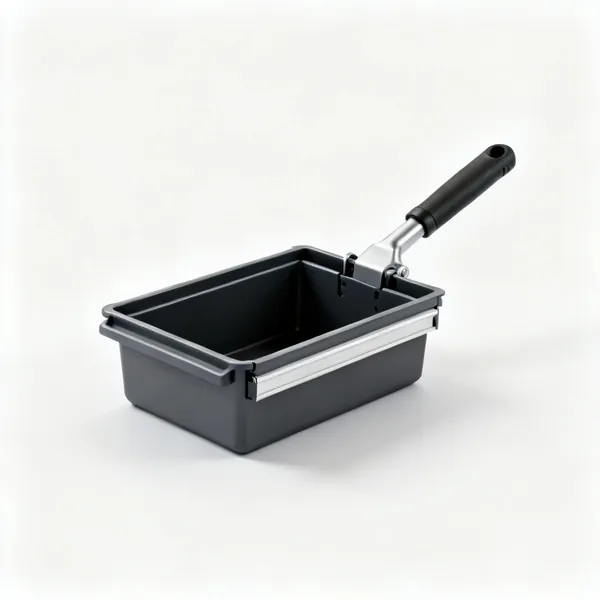
  • Tote tray box: A plastic tote toolbox with a lift out trayEssential

    Tote tray box

    A simple deep box with a lift out tray and a handle. Cheap, tough and it holds a full household kit.

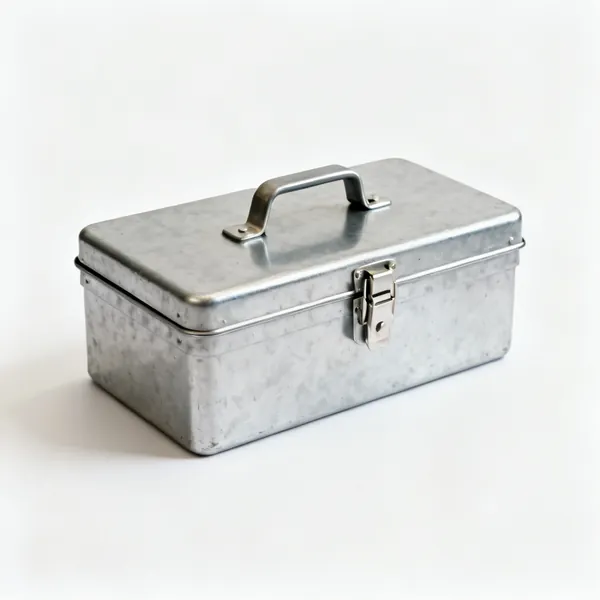
  • A steel toolbox with a lid and clasp

    Steel toolbox

    Heavier than plastic and it survives being stood on, dropped and thrown in a van. Lockable, usually.

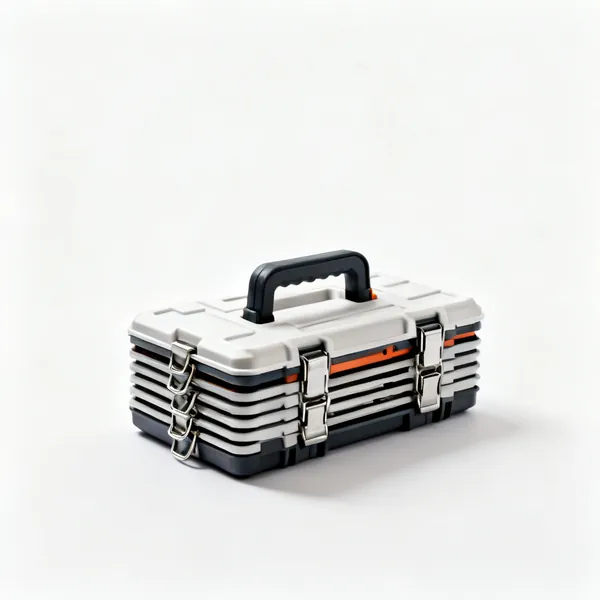
  • Stacking case system: A stack of clipped together modular tool cases

    Stacking case system

    Cases that clip together into one stack and onto a trolley, so a whole kit moves in a single trip.

  • A clear lidded organiser case with compartmentsEssential

    Organiser case

    A shallow case with removable compartment bins for fixings, bits and small parts. Clear lid, so you can see in.

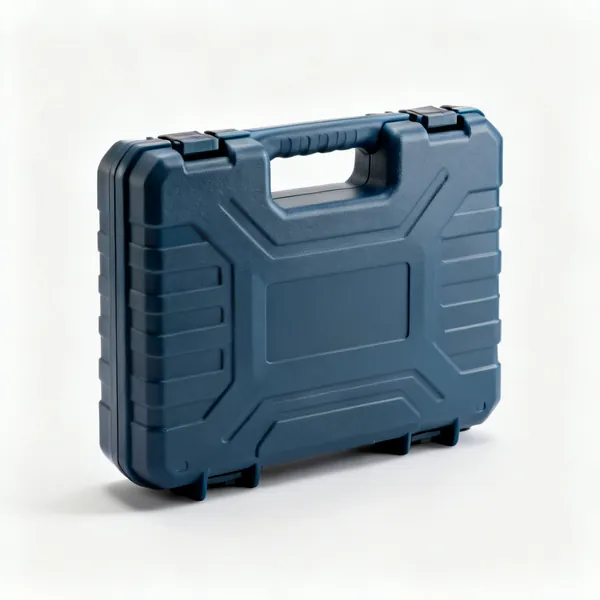
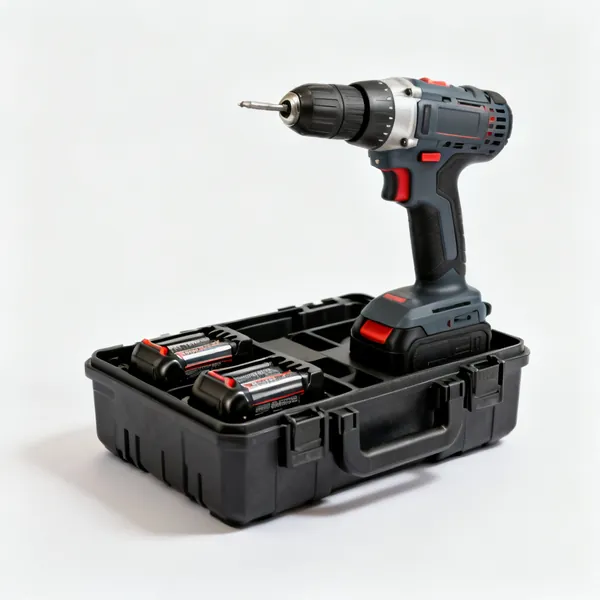
  • Power tool case: A moulded plastic power tool carry case

    Power tool case

    The moulded case a tool came in. Bulky and worth keeping, since it protects the tool and holds its accessories.

  • A rolling toolbox with wheels and a handle

    Rolling toolbox

    A box on wheels with a pull handle, for moving a heavy kit across a smooth floor without carrying it.

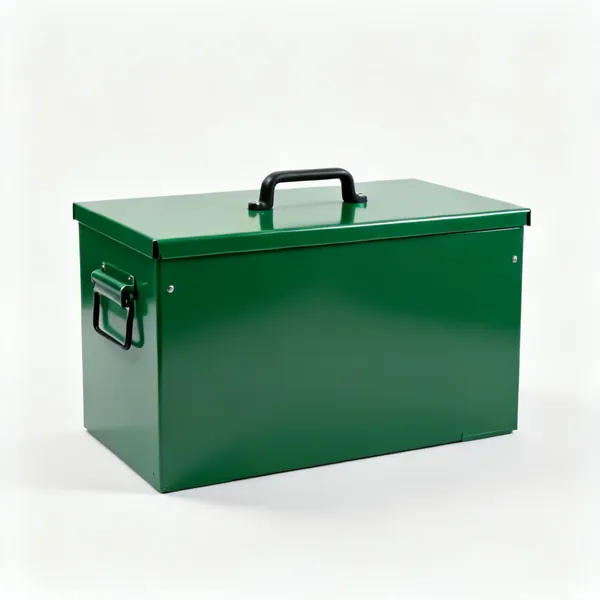
  • A large green steel lockable site box

    Site box

    A large lockable steel chest that stays on site. Heavy enough to be awkward to steal, which is the point.

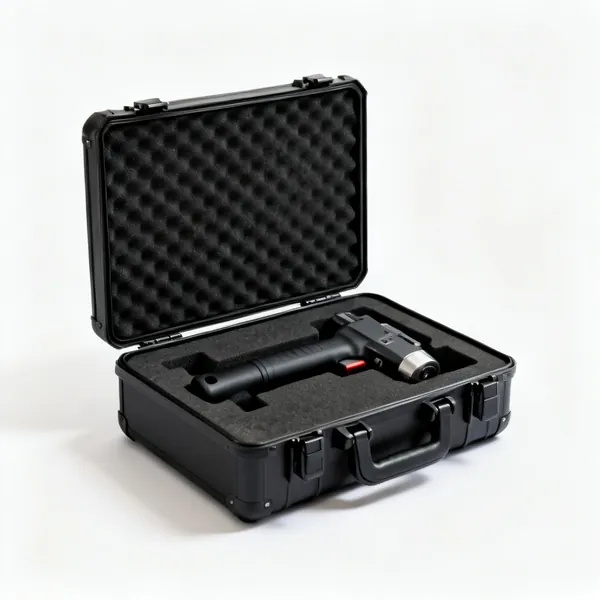
  • A black foam lined flight case

    Flight case

    Rigid foam lined case for anything delicate: instruments, levels, lasers and cameras. Protection over capacity.

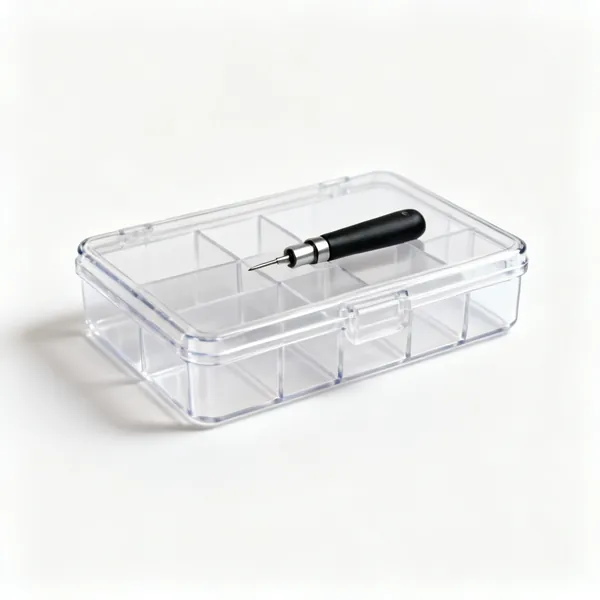
  • Small parts box: A small plastic parts box with compartmentsEssential

    Small parts box

    A pocket sized compartment box for the handful of fixings a specific job needs, rather than carrying the whole stock.

Chests, cabinets & drawers 11

Fixed storage for the bulk of a kit. Shallow drawers you can see into beat deep ones you have to dig through.

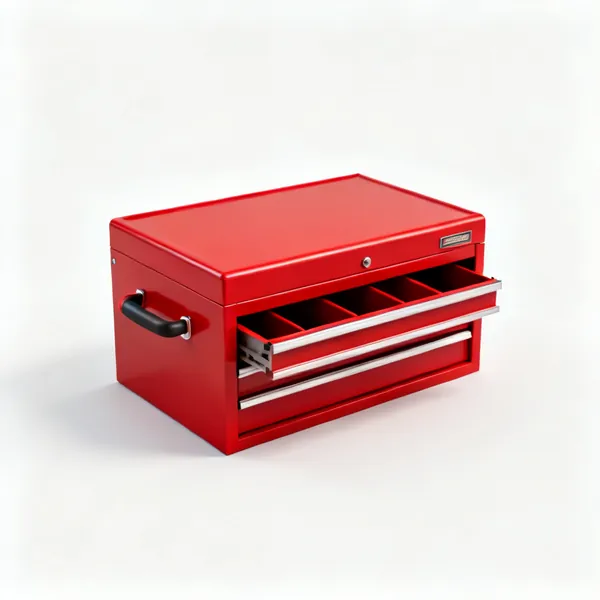
  • A red tool chest with several shallow drawers

    Tool chest

    The top box with shallow drawers, sitting on a bench or a roll cab. Shallow is the whole point of it.

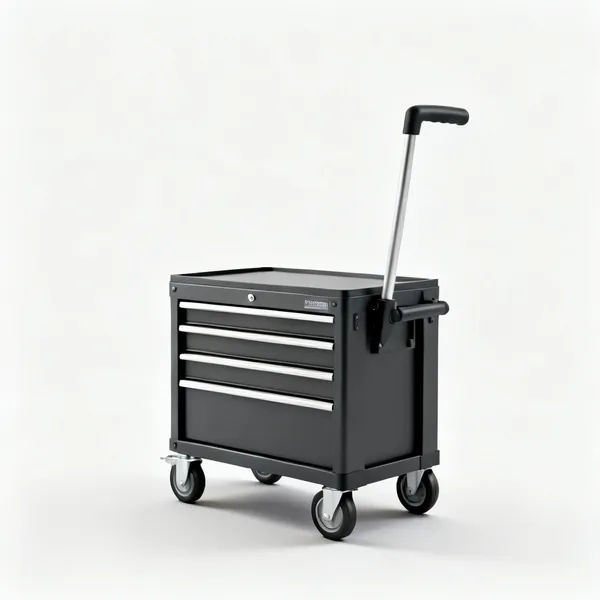
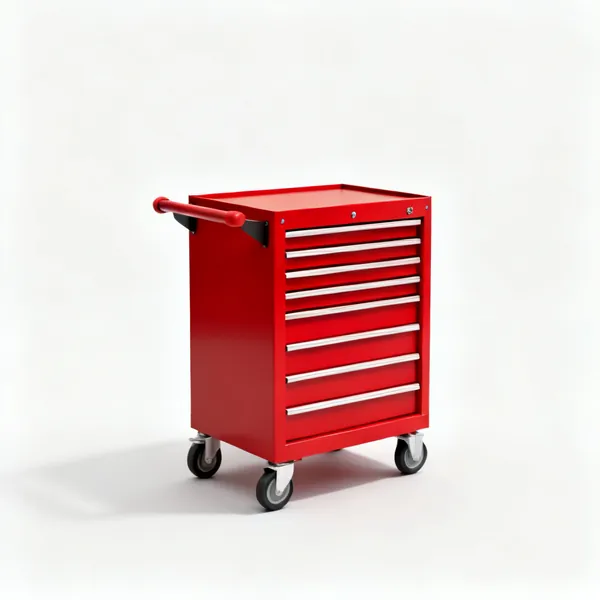
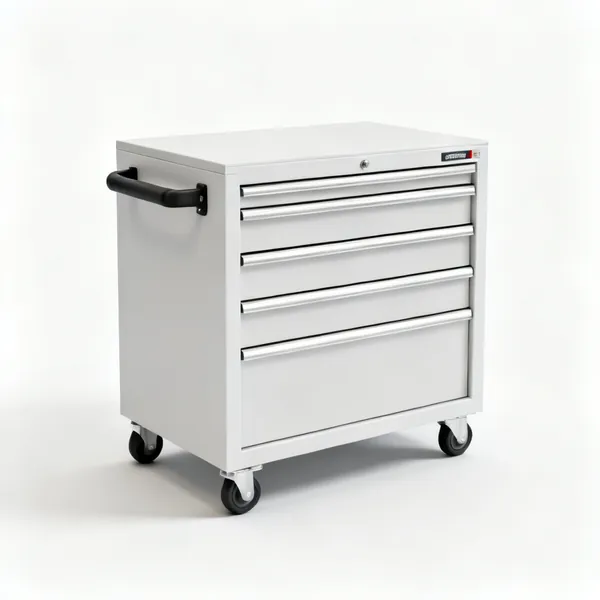
  • A red roll cabinet tool trolley with drawers

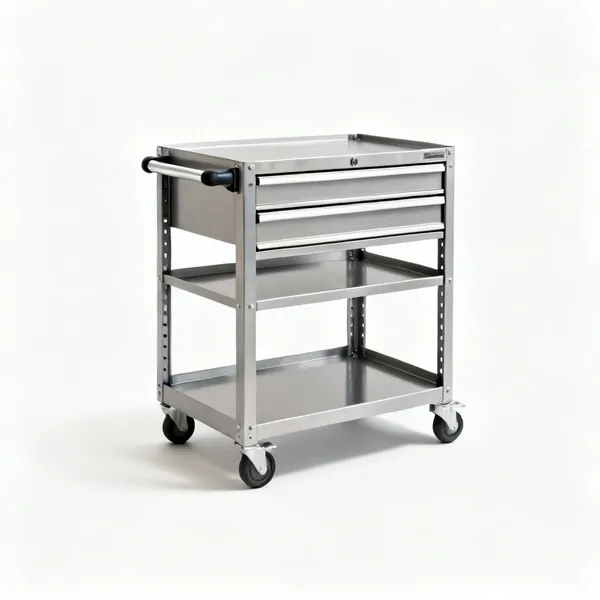
    Roll cabinet

    The wheeled base with deeper drawers, and a worktop. Superb on a smooth floor and useless on gravel.

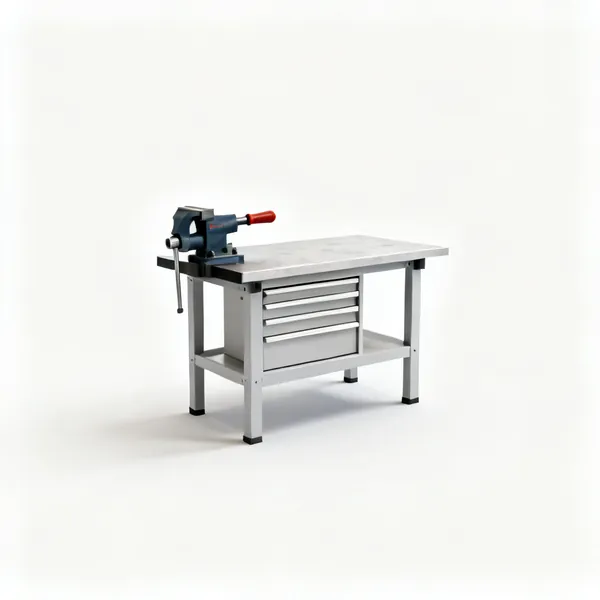
  • Workbench with drawers: A workbench with a drawer unit underneath

    Workbench with drawers

    Storage under the work surface, which is the most valuable real estate in any workshop.

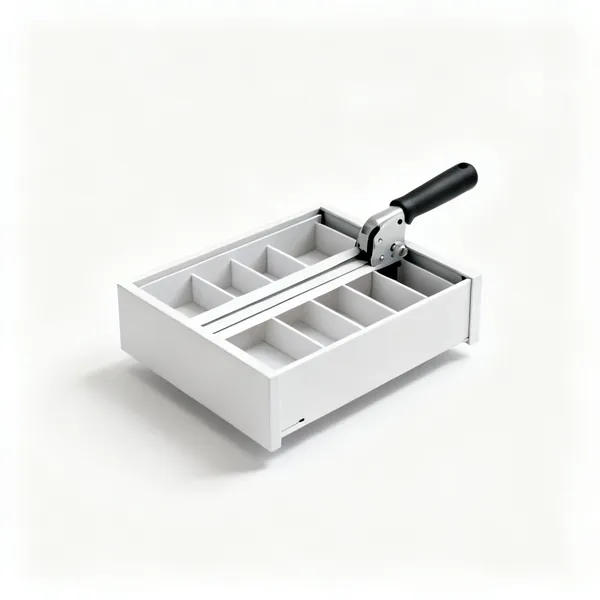
  • Drawer dividers: Adjustable drawer divider strips in a drawerEssential

    Drawer dividers

    Splits a drawer into compartments so contents stop sliding into one pile every time it is opened.

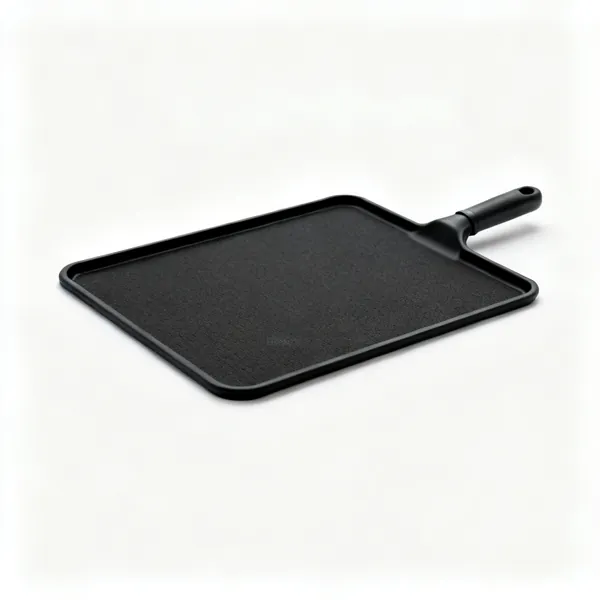
  • A black rubber drawer liner matEssential

    Drawer liner

    A rubber mat that stops tools sliding and rattling, and keeps steel off a painted steel drawer base.

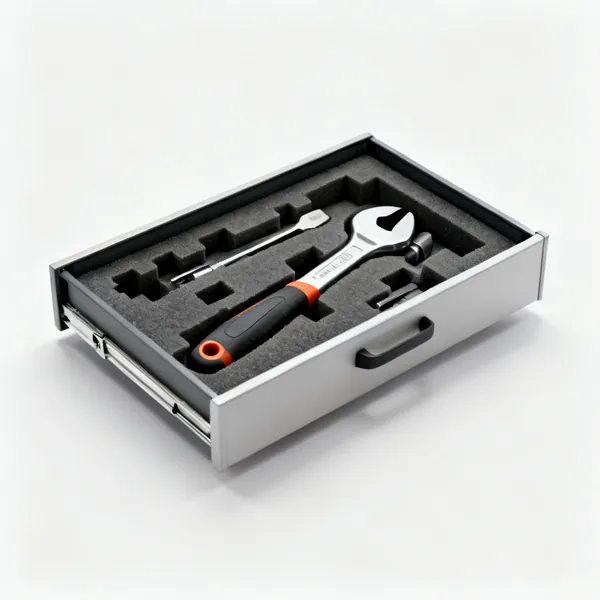
  • A tool drawer with cut foam inserts holding tools

    Cut foam inserts

    Foam cut to each tool's shape, so a gap is instantly visible. Best in a dry space, since foam holds moisture.

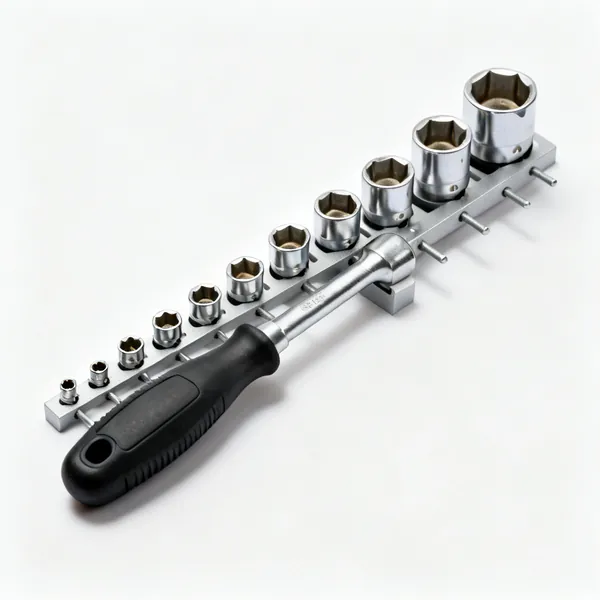
  • Socket rails & trays: Sockets held in size order on socket railsEssential

    Socket rails & trays

    Holds sockets in size order rather than loose in a drawer, which is how you lose the three you use most.

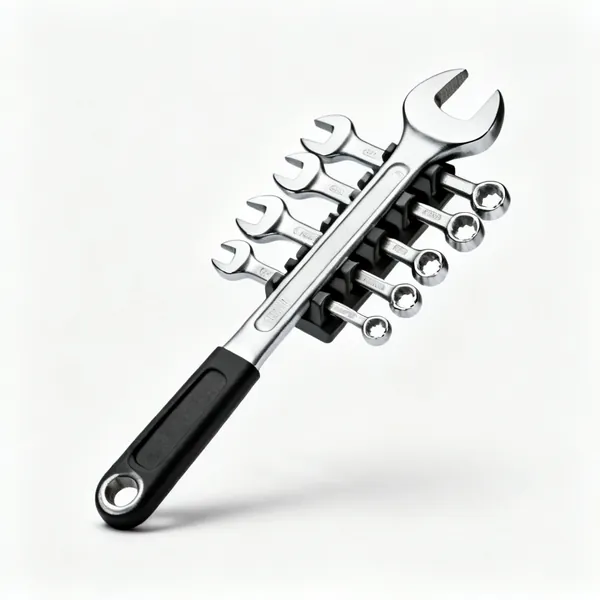
  • Spanners held in order on a spanner rack

    Spanner rack

    A clip rail holding spanners in order and visible. Also lifts them out as a set for a job.

  • Modular cabinet: A modular workshop storage cabinet unit

    Modular cabinet

    Standard sized units that combine into a run, so a workshop can be extended without starting again.

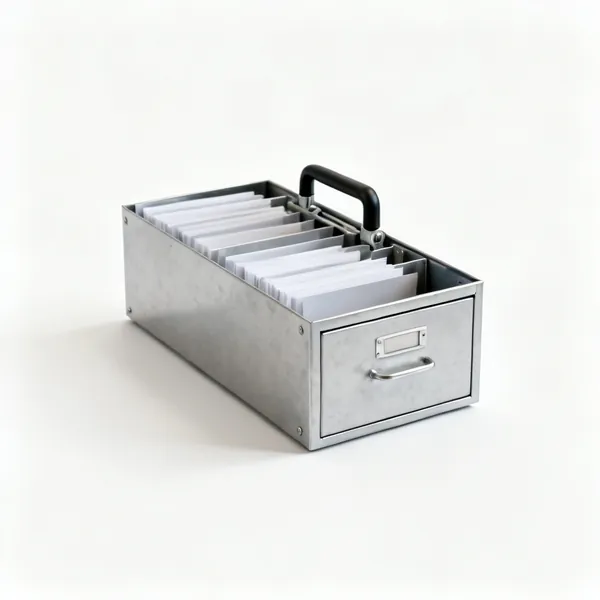
  • Repurposed cabinet: A metal filing cabinet used for tool storage

    Repurposed cabinet

    A second hand office filing cabinet holds a remarkable amount of heavy hand tools for almost nothing.

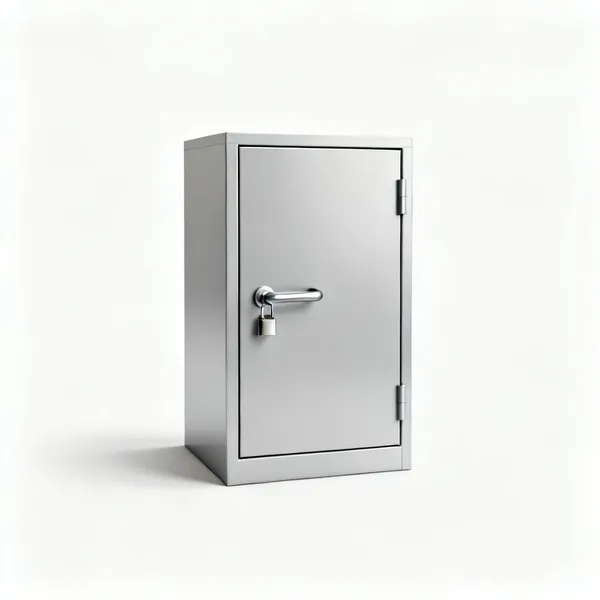
  • Lockable cabinet: A lockable metal storage cabinet

    Lockable cabinet

    For sharp, powered or hazardous items where children have access, and for anything valuable in a shared space.

Tool bags & pouches 10

Soft storage for what actually goes to the door. Lighter than a box and much easier to get into.

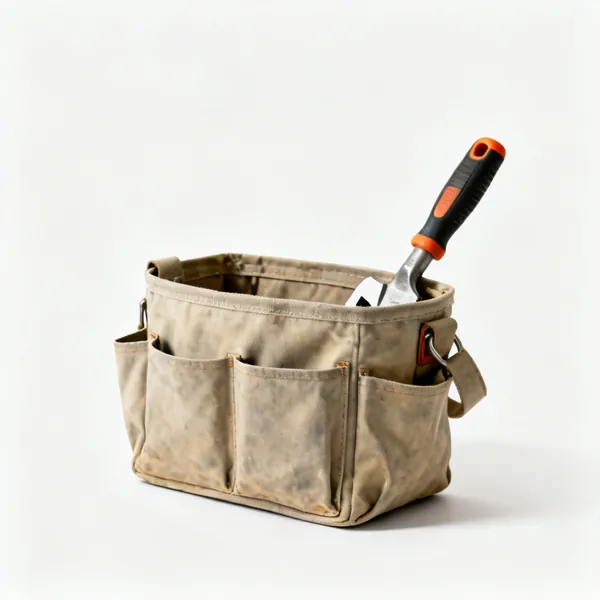
  • Open mouth tool bag: An open mouth canvas tool bag with pocketsEssential

    Open mouth tool bag

    Stays open so you can see and reach everything, with pockets round the sides. The bag most tradespeople carry.

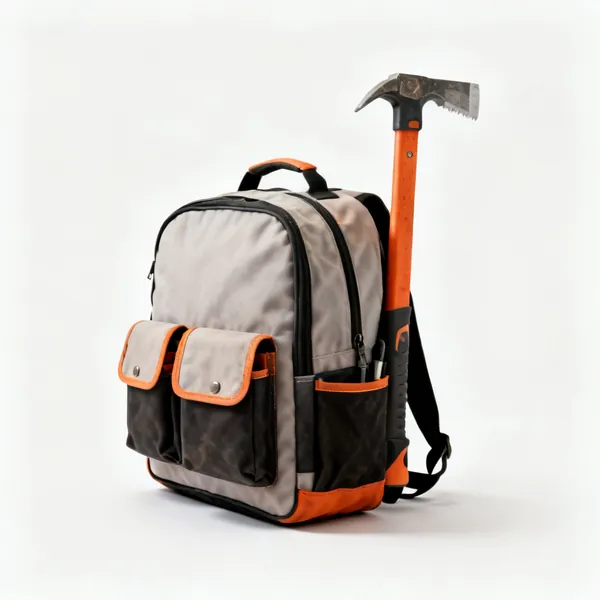
  • A tool backpack with pockets

    Tool backpack

    Both hands free, which matters going up a ladder or through a building. Limited capacity and much safer.

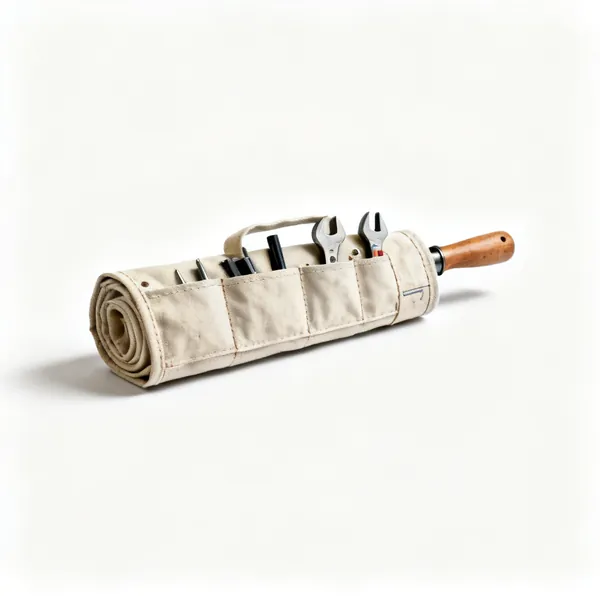
  • A canvas tool roll with tools in pocketsEssential

    Tool roll

    A fabric roll with individual pockets, keeping edges apart and rolling into almost nothing. Ideal for chisels and files.

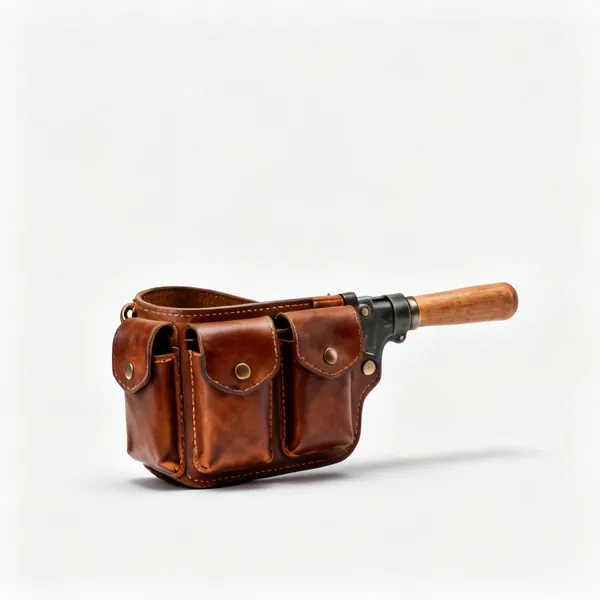
  • A leather tool belt with pouchesEssential

    Tool belt

    The tools you use every few minutes, on you. Weight on the hips rather than dragging on your waist.

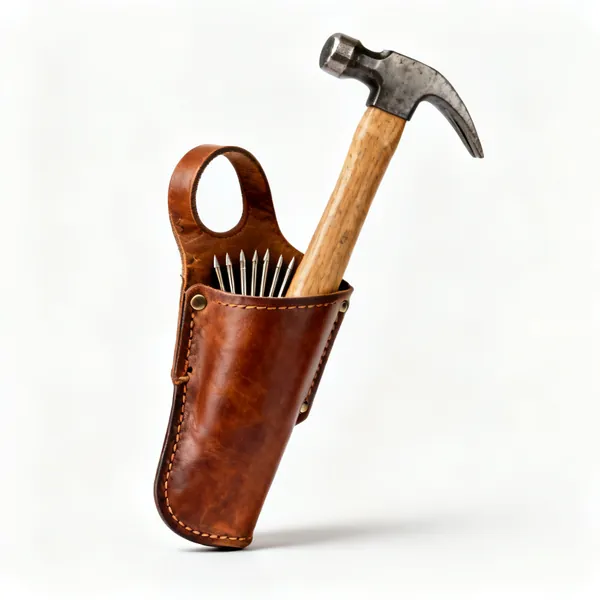
  • A leather nail pouch with a hammer loop

    Nail pouch

    A deep open pouch for fixings and a hammer loop. What framers and roofers work out of all day.

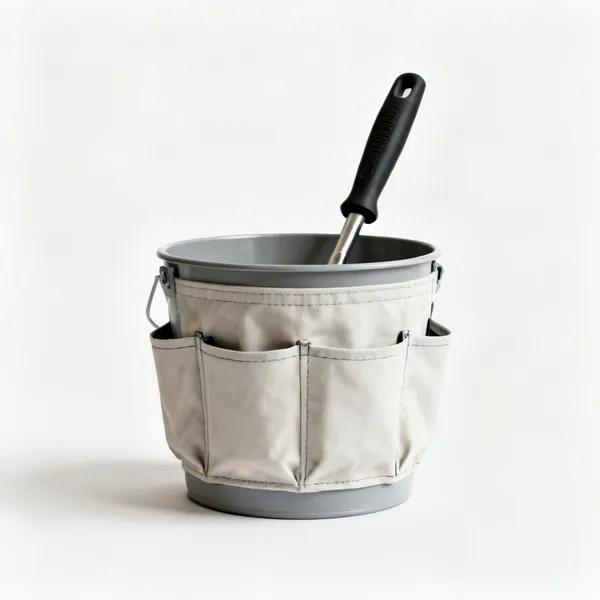
  • Bucket organiser: A bucket with a pocketed tool organiser sleeve

    Bucket organiser

    A pocketed sleeve around a bucket, turning it into a tool caddy with a bin in the middle. Cheap and effective.

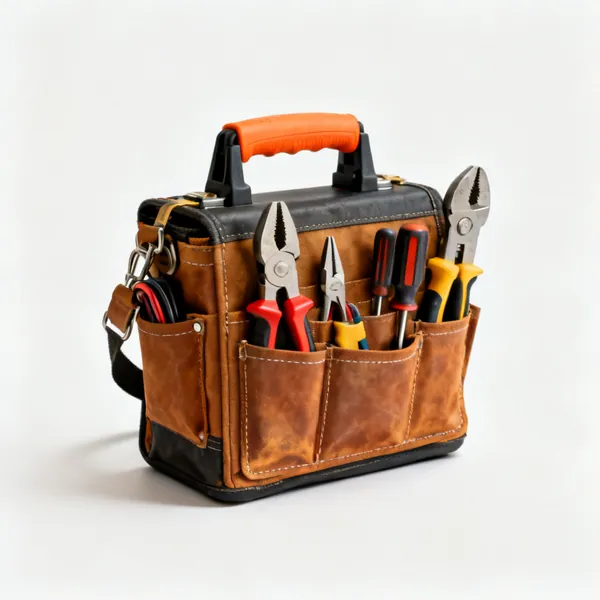
  • Trade pouch: An electrician's tool pouch with tools

    Trade pouch

    A small pouch laid out for one trade's core tools, so the kit for a job is a single grab.

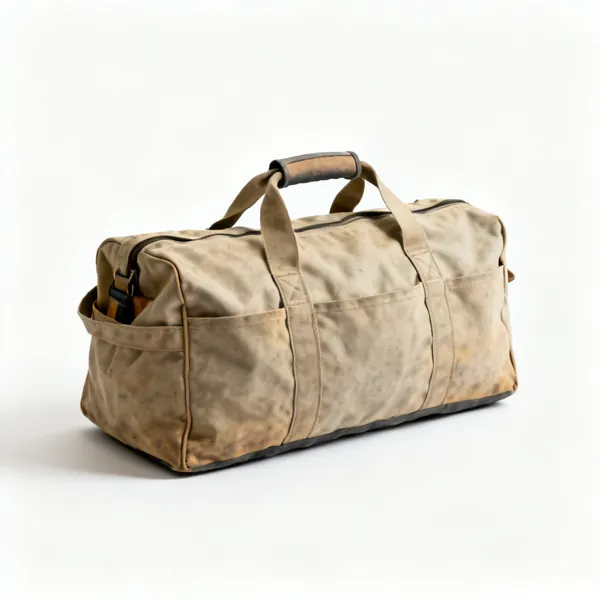
  • A large canvas duffel tool bag

    Duffel tool bag

    Big soft capacity for bulky and awkward items. No structure, so heavy tools end up in a heap at the bottom.

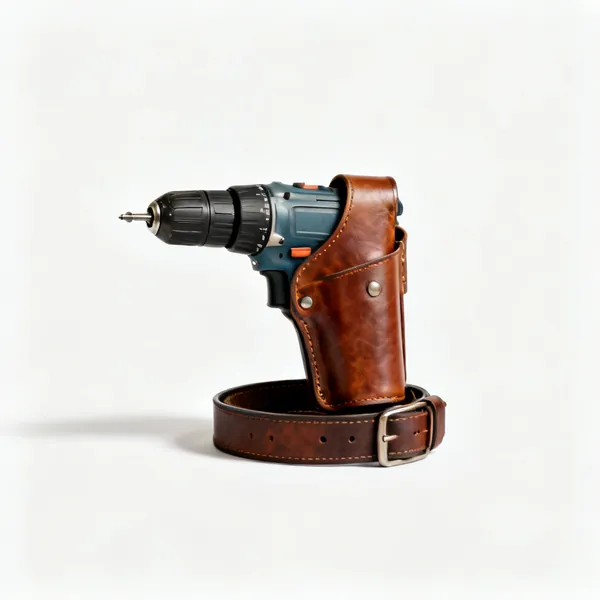
  • A leather drill holster on a belt

    Drill holster

    Hangs a cordless drill on the belt, so it is not put down on a windowsill and left behind.

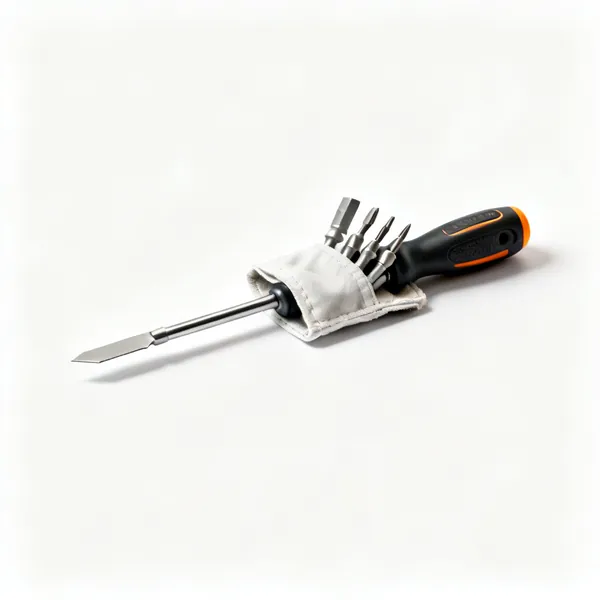
  • Bit & blade pouch: A small pouch holding driver bits and bladesEssential

    Bit & blade pouch

    Keeps driver bits, blades and small consumables together, since these are what actually go missing.

Wall & panel storage 12

The cheapest capacity you can buy, and everything is visible. This is where a workshop should start.

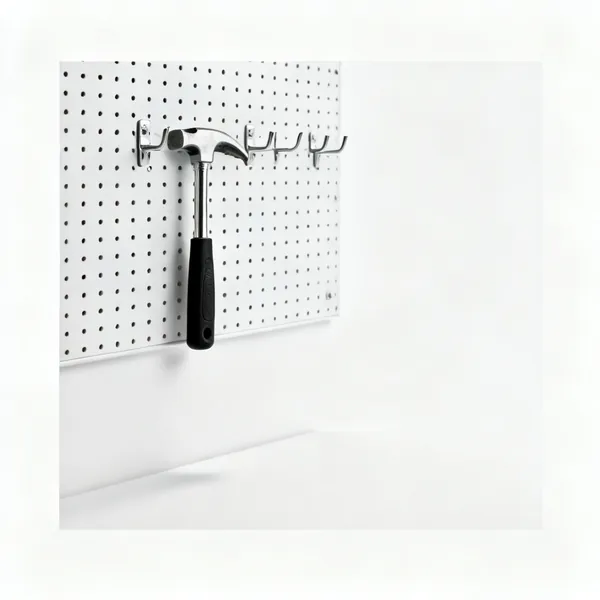
  • A pegboard wall with tool hooksEssential

    Pegboard

    A perforated panel taking hooks and holders that can be rearranged freely. Cheap, flexible and endlessly adjustable.

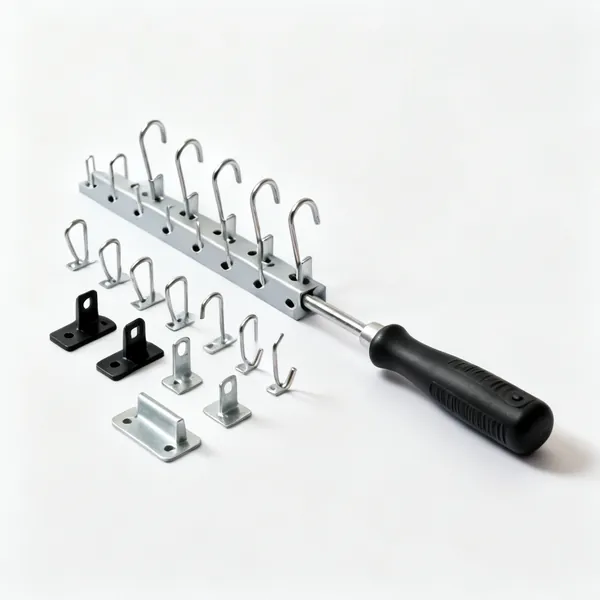
  • An assortment of pegboard hooks and holdersEssential

    Pegboard hooks

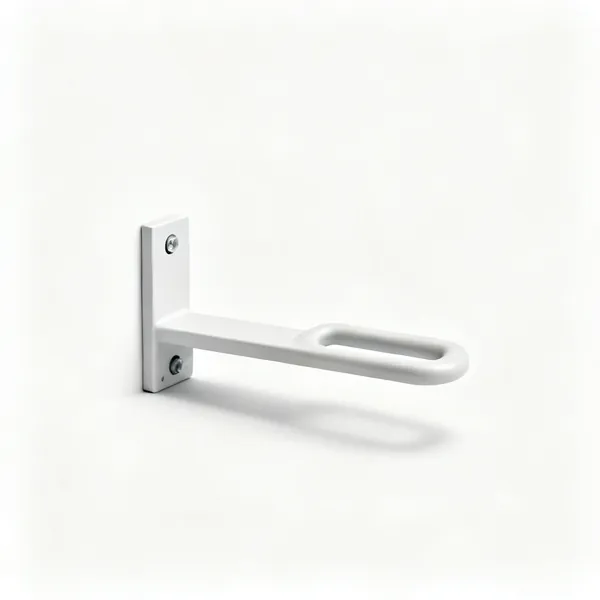
    Hooks, loops and shelves in shapes to suit each tool. Locking types stop them lifting out with the tool.

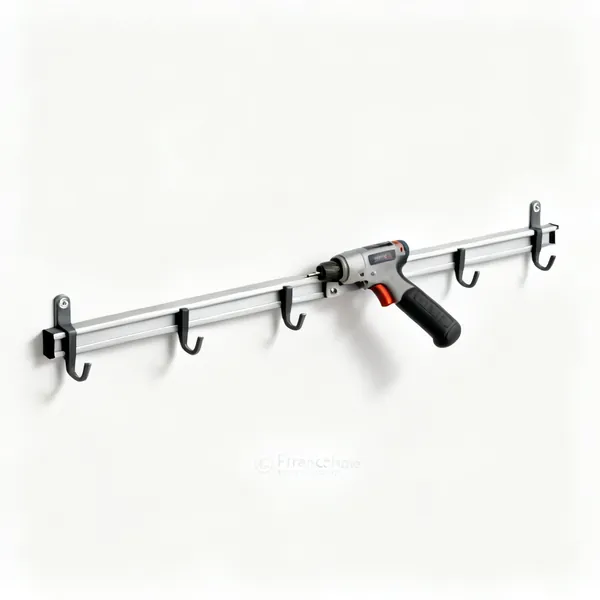
  • French cleat rail: A French cleat wall rail system with tool holders

    French cleat rail

    Angled rails that holders hook onto, so anything can be moved without drilling again. Ideal for an evolving workshop.

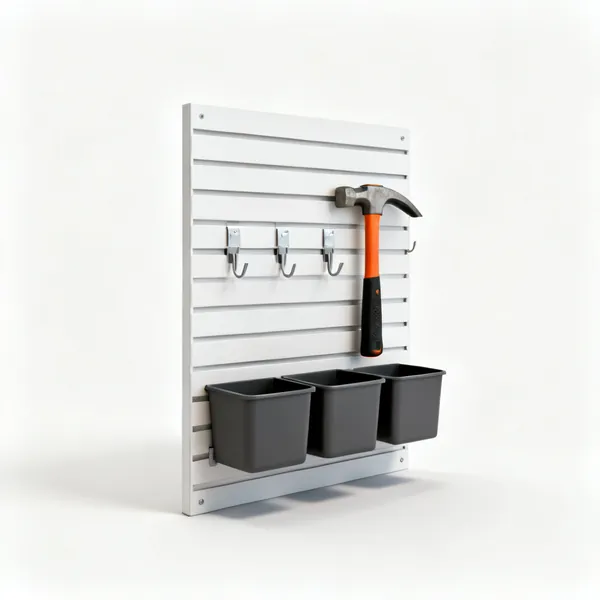
  • Slatwall panel: A slatwall storage panel with hooks and bins

    Slatwall panel

    Horizontal channels taking proprietary hooks and bins. Tidier than pegboard and takes far more weight.

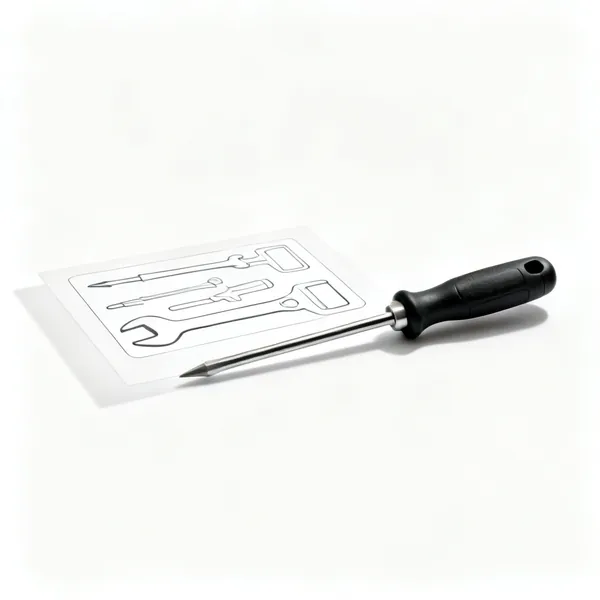
  • A shadow board with tool outlines and tools

    Shadow board

    Outlines marked or cut for each tool, so a gap is obvious at a glance. The fastest way to spot a missing tool.

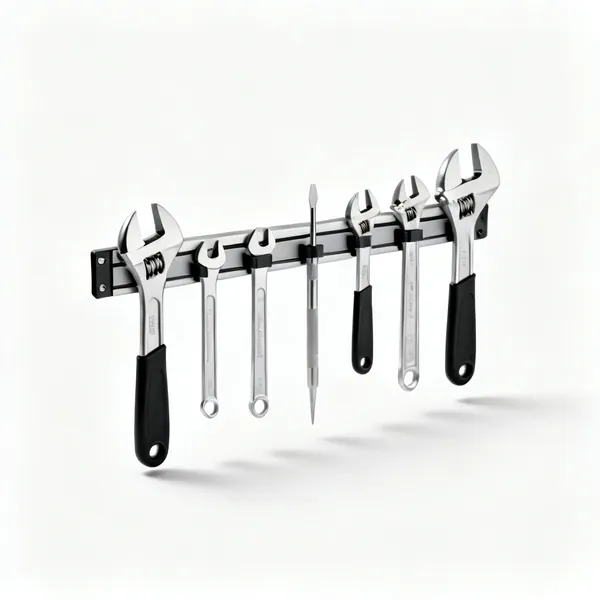
  • Magnetic tool strip: A magnetic tool holder strip with tools on itEssential

    Magnetic tool strip

    Holds steel tools flat on a wall, visible and instantly available. Excellent for pliers, drivers and spanners.

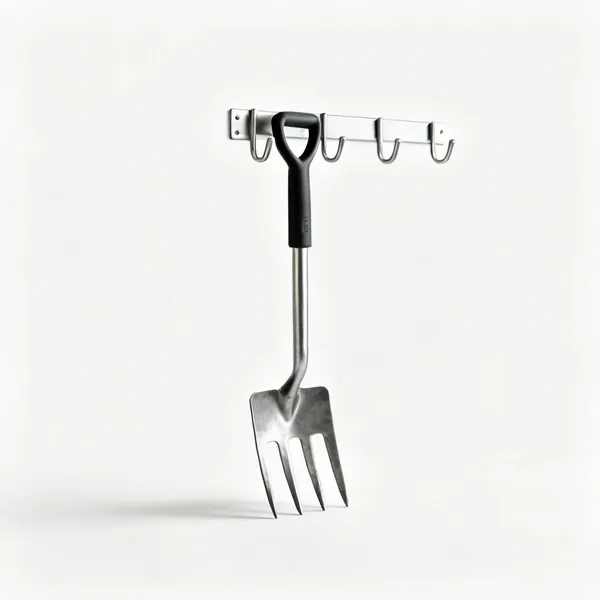
  • Utility hooks: Steel utility wall hooks holding garden toolsEssential

    Utility hooks

    Screwed straight into studwork for long handled tools. Cheapest storage there is, and it works.

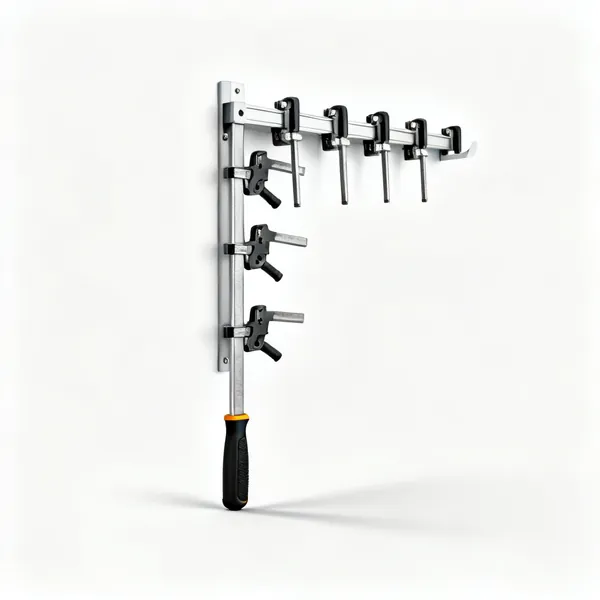
  • Clamp rack: A wall rack holding several clamps

    Clamp rack

    A rail carrying clamps by their bars. Clamps are heavy and awkward and they need their own place.

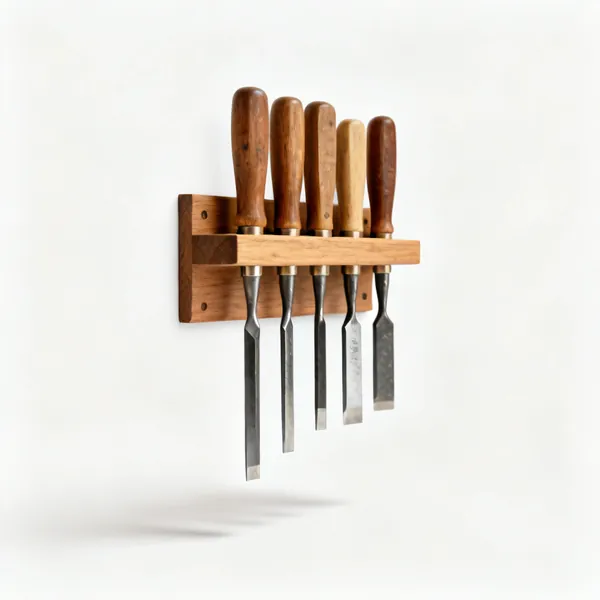
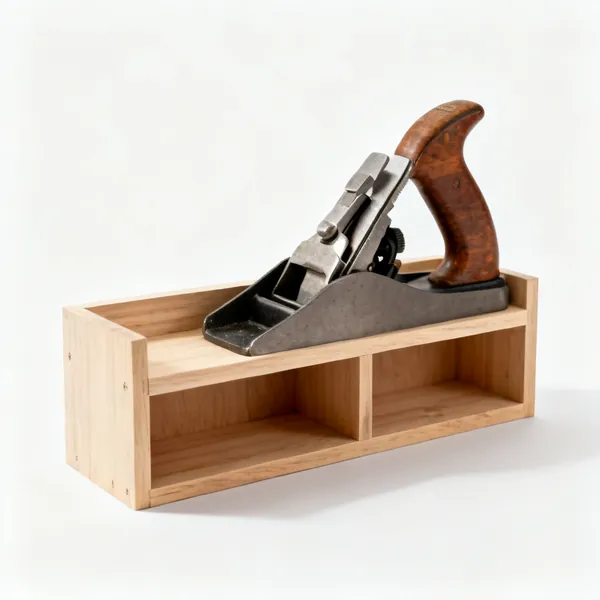
  • Chisel & plane rack: A wooden wall rack holding chisels

    Chisel & plane rack

    Holds edge tools apart and edge down so they cannot touch each other. Edges are ruined by contact in a drawer.

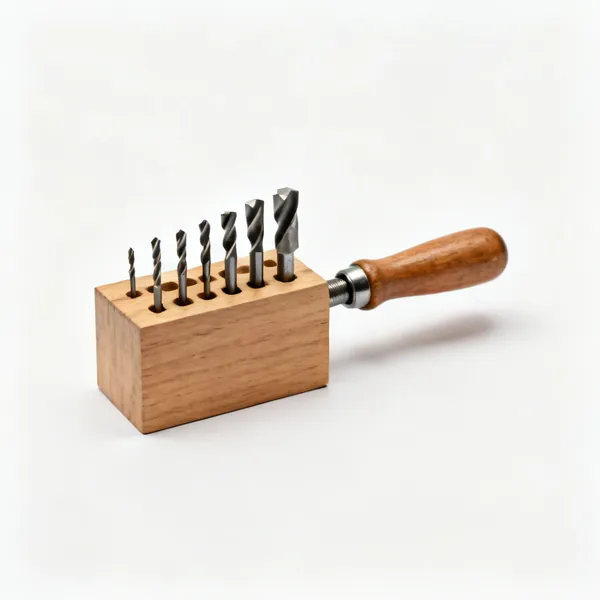
  • A wooden drill bit holder block with bitsEssential

    Drill bit holder

    A block or stand holding bits in size order and visible, so you stop buying sizes you already own.

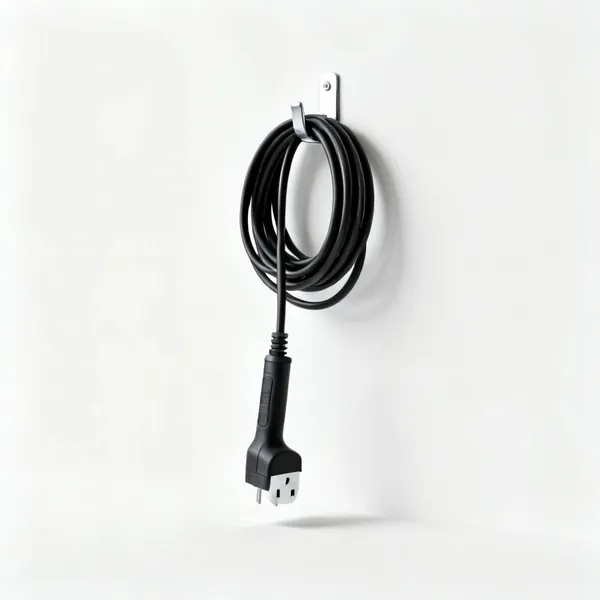
  • Cable & hose hooks: A coiled extension lead hanging on a wall hookEssential

    Cable & hose hooks

    Coiled extension leads and hoses hung rather than piled. A tangled lead is what gets damaged and thrown away.

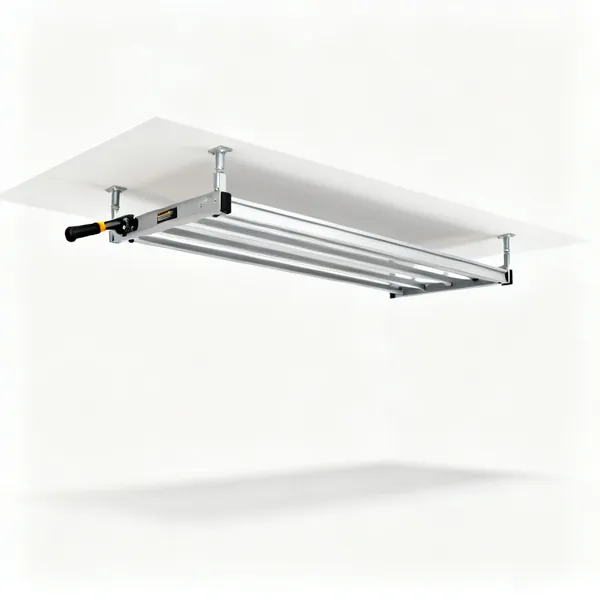
  • Overhead rack: An overhead ceiling storage rack

    Overhead rack

    Ceiling mounted platforms for light bulky seasonal items. Fixed into joists, since the load is above your head.

Small parts & fixings 10

Screws, nails, fittings and consumables. The category that quietly consumes a workshop if it is not sorted.

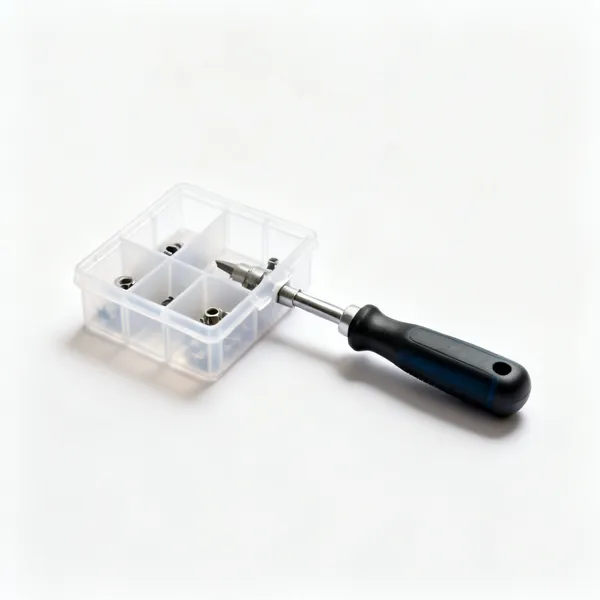
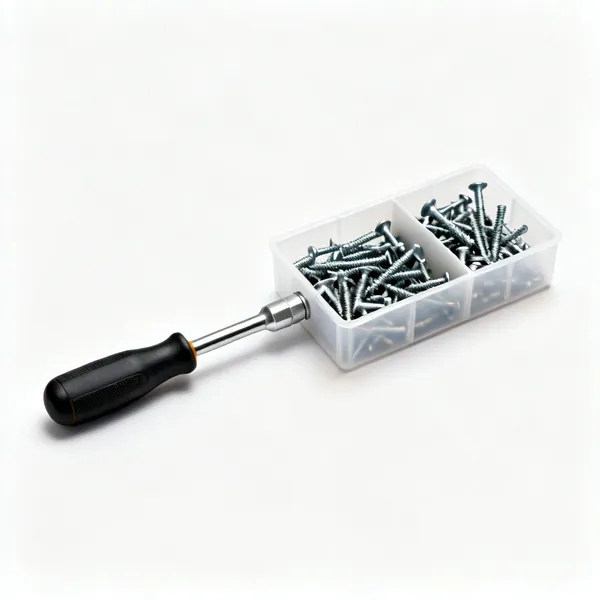
  • A compartment organiser box filled with screwsEssential

    Compartment organiser

    A case of adjustable compartments for fixings by type and size. The workhorse of small parts storage.

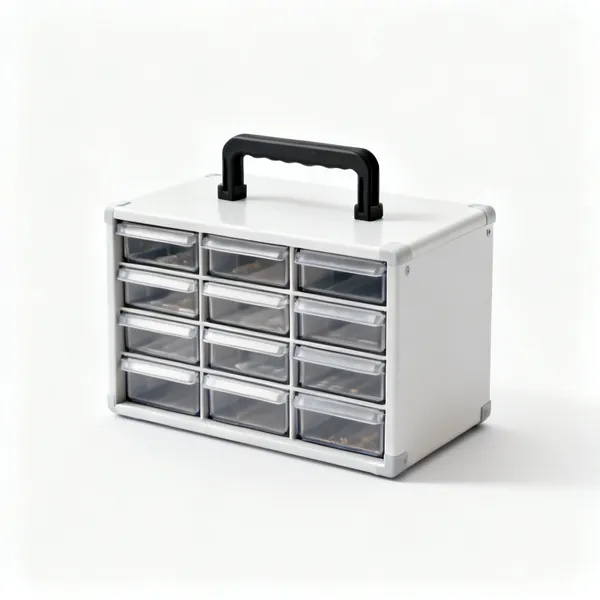
  • Small drawer unit: A multi drawer small parts storage unitEssential

    Small drawer unit

    A cabinet of many small clear drawers, labelled. Better than a case, since you open only the one you need.

  • Stacking bins: Open fronted plastic stacking parts bins

    Stacking bins

    Open fronted bins on a rail or a wall for parts you reach into constantly, where a lid is a hindrance.

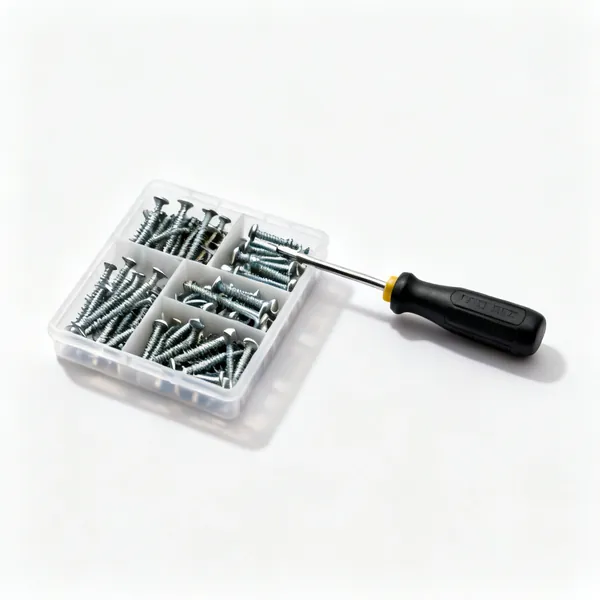
  • A screw assortment case with sorted screwsEssential

    Assortment case

    A pre sorted set of common screws or fittings in a case. The discipline is putting the leftovers back correctly.

  • Jars & lid mounts: A glass jar of screws with a metal lid

    Jars & lid mounts

    Glass jars with lids screwed under a shelf, so contents are visible and cost nothing. Old and still good.

  • Labels & marker: A label maker with labelled parts drawersEssential

    Labels & marker

    The difference between storage and a search. Size and type on the outside of anything you cannot see into.

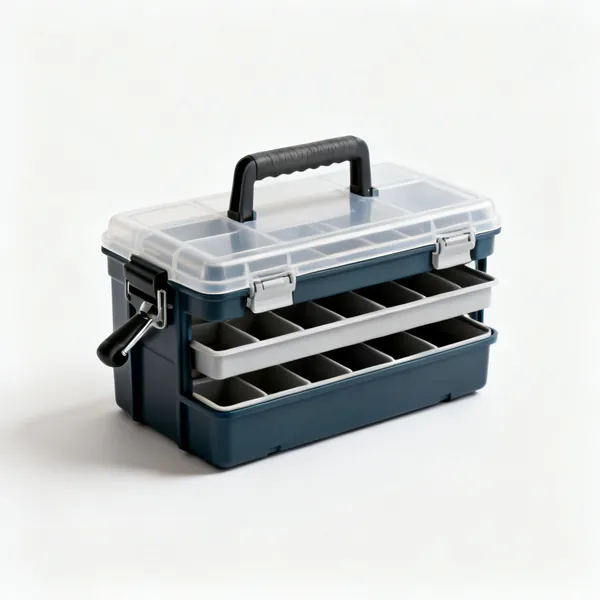
  • A tiered tackle box with trays

    Tiered tackle box

    Lift out trays over a deep base, giving small parts above and bulk below in one carry.

  • Micro parts case: A small compartment case holding tiny parts

    Micro parts case

    Tiny compartments for grub screws, springs, clips and electronics. Anything small enough to vanish in a drawer.

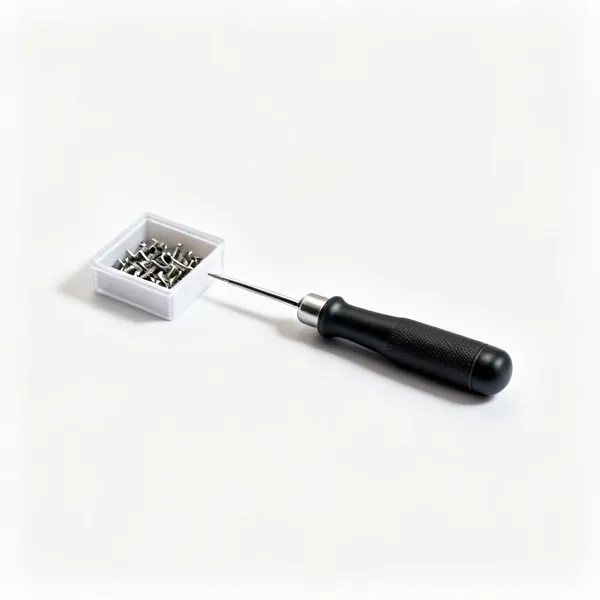
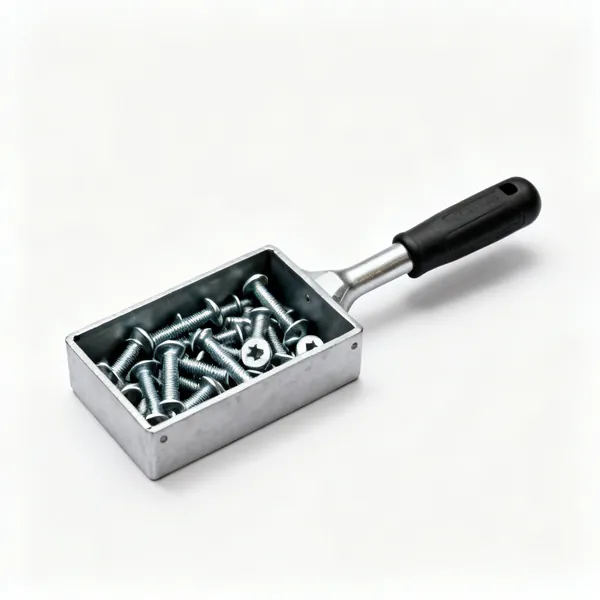
  • A magnetic parts tray with bolts in itEssential

    Magnetic parts tray

    Holds every fastener you remove where it cannot roll away. The cheapest time saver in any workshop.

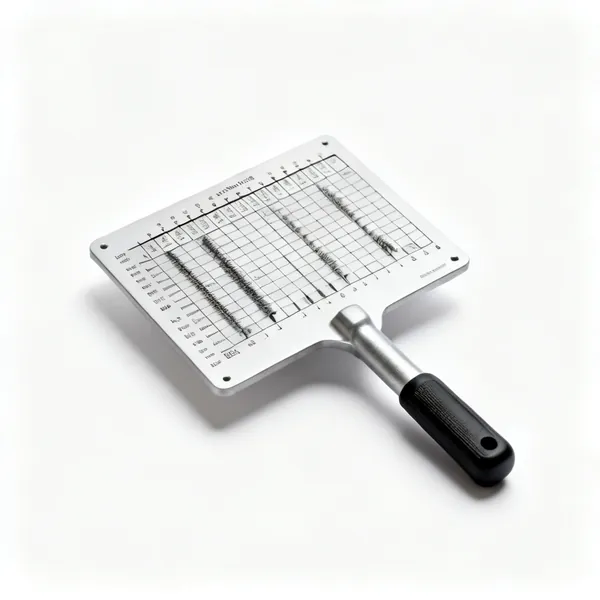
  • Fastener gauge board: A fastener thread identification gauge board

    Fastener gauge board

    A plate of threaded holes and slots that identifies a screw or bolt size instantly, so it is stored in the right place.

Shelving & racking 10

Bulk storage for cased tools, materials and everything too big for a drawer. Load rating is the specification.

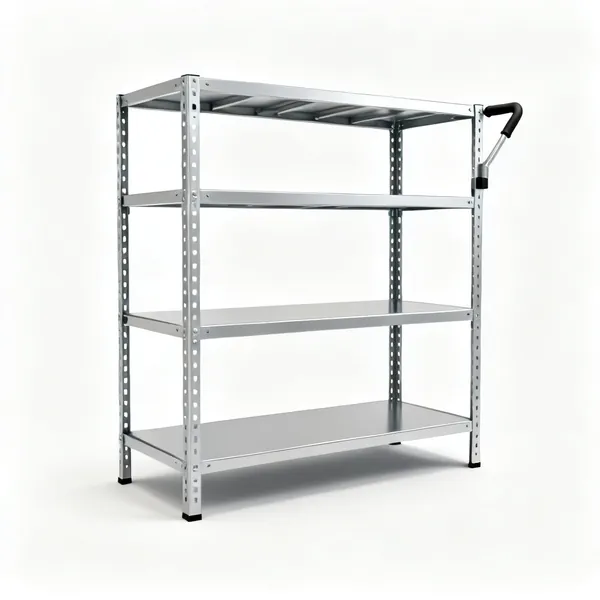
  • A boltless steel shelving unitEssential

    Boltless steel shelving

    Adjustable shelves on a steel frame, assembled with no fixings. The default workshop shelving for good reason.

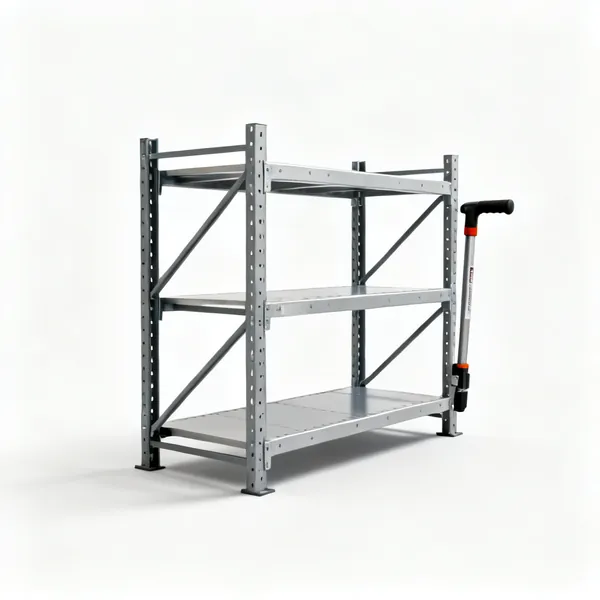
  • Heavy duty racking: Heavy duty industrial storage racking

    Heavy duty racking

    Rated for hundreds of kilos a shelf, for materials and machinery. Check the stated load per shelf, not the total.

  • Timber shelving: Built in timber workshop shelving

    Timber shelving

    Built to fit an awkward space exactly, which bought shelving never does. Cheap if you already have the tools.

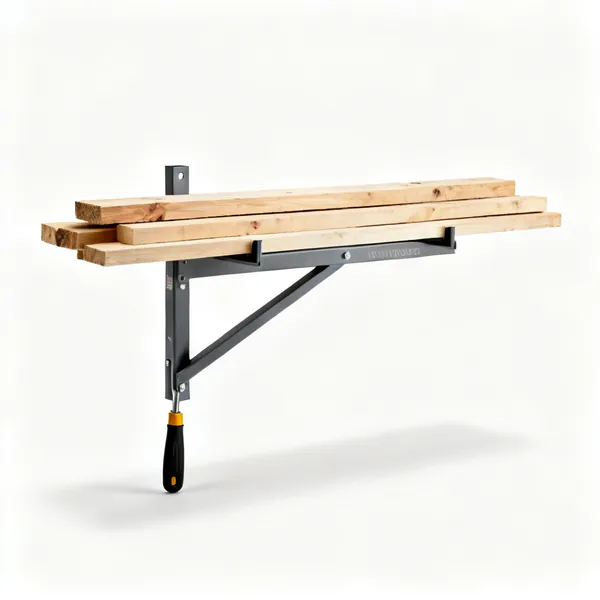
  • A cantilever rack holding lengths of timber

    Cantilever rack

    Arms off a post with no front upright, for long stock like timber, tube and pipe that will not go on a shelf.

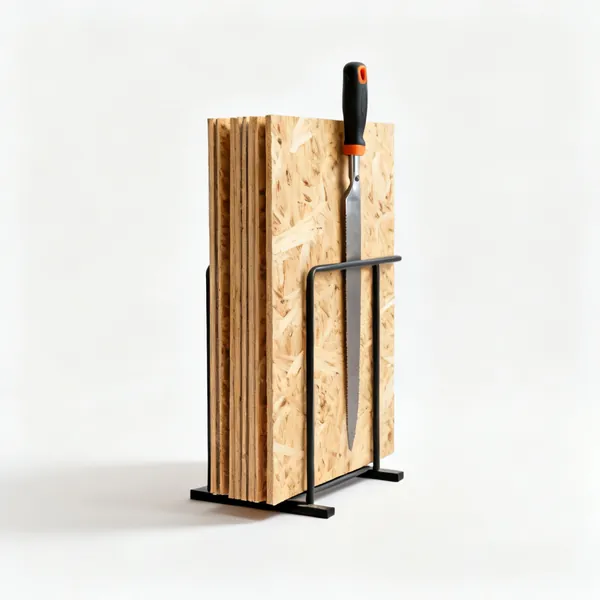
  • Sheet material rack: A vertical rack holding sheets of plywood

    Sheet material rack

    Holds sheets upright and supported. Sheets stacked flat get damaged and cannot be lifted out alone.

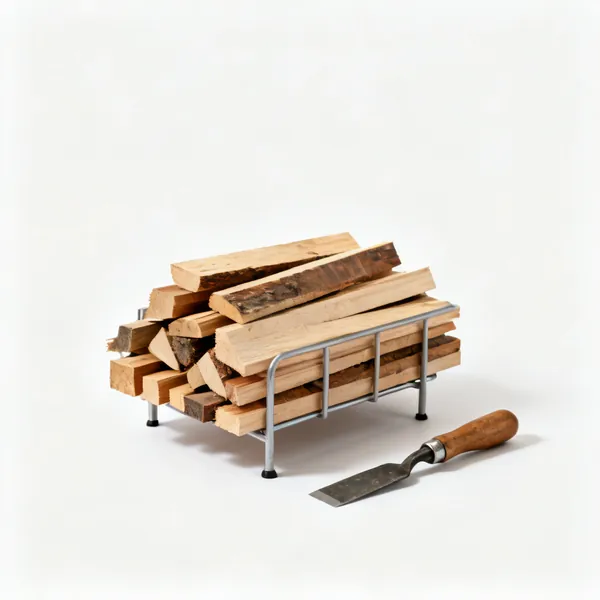
  • Offcut rack: A rack of sorted timber offcuts

    Offcut rack

    Sorted by length or section, because the next job always needs a short piece of something you already have.

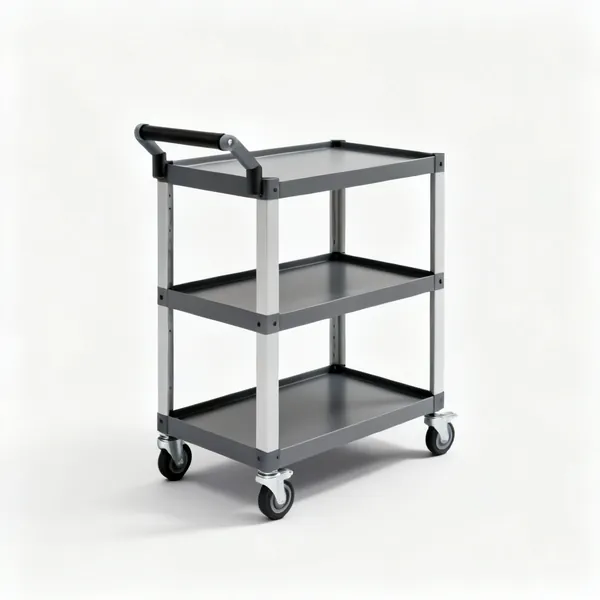
  • Mobile shelf trolley: A mobile shelving trolley on castors

    Mobile shelf trolley

    Shelving on castors, so a whole set of materials moves to where the work is happening.

  • Under bench storage: Storage boxes and shelves under a workbenchEssential

    Under bench storage

    The space under a bench is the most wasted in a workshop. Boxes, drawers or shelves, and it doubles capacity.

  • Shelf bins: Plastic pull out shelf storage bins

    Shelf bins

    Tubs that pull out of a shelf like drawers, so the back of a deep shelf is actually reachable.

  • Anti tip fixings: An anti tip wall bracket fixing for shelvingEssential

    Anti tip fixings

    Straps or brackets tying tall shelving to the wall. A loaded unit tipping forward is a serious injury.
Van & mobile storage 11

Working out of a vehicle. Load restraint and theft are the two things that matter more than capacity.

  • Steel van racking with shelves and drawers

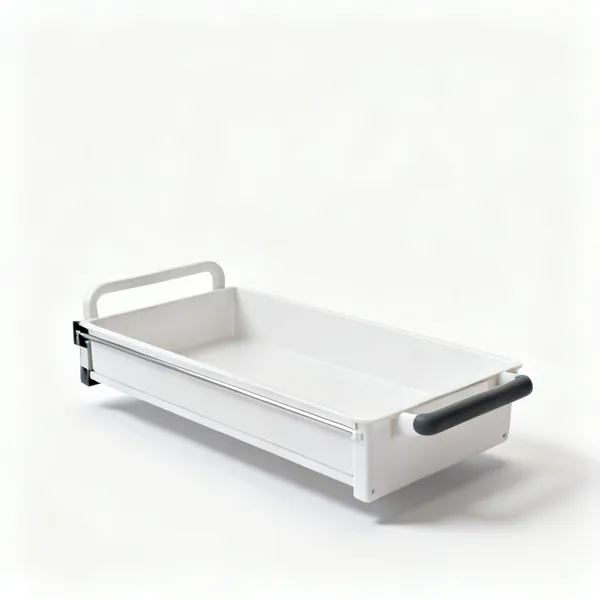
    Van racking

    Fixed shelving and drawers bolted to the vehicle. Loose storage in a van becomes a projectile in a stop.

  • Van drawer unit: A van drawer storage unit

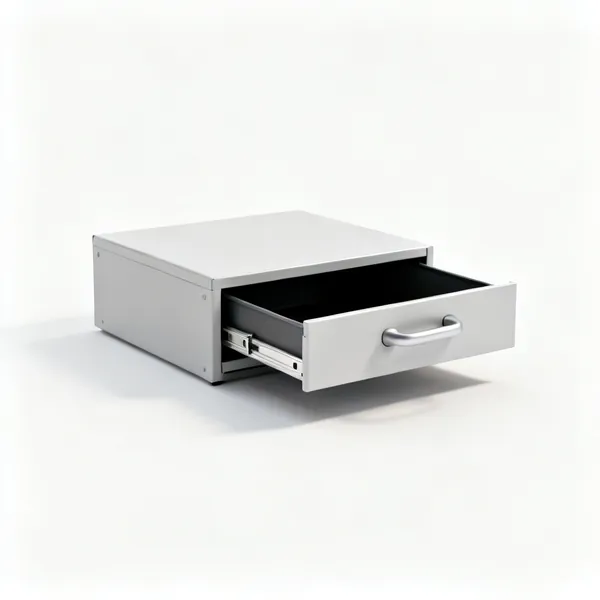
    Van drawer unit

    Low drawers accessible from the rear doors, so you are not climbing in. Heavy and low keeps the handling right.

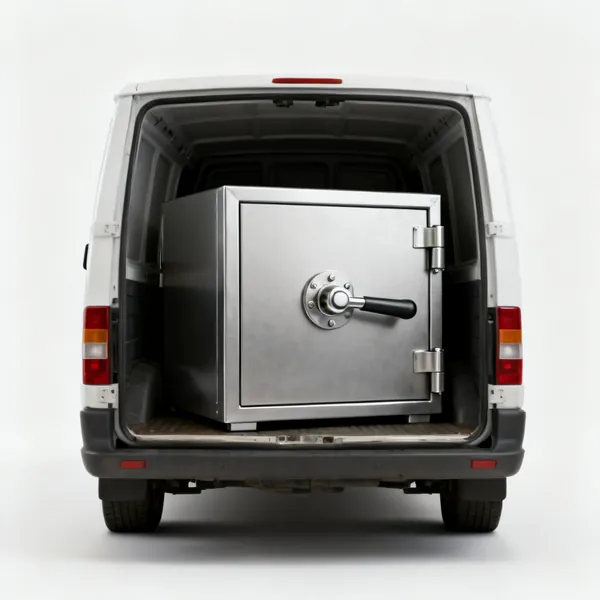
  • Van security vault: A steel security vault box bolted inside a van

    Van security vault

    A bolted steel box inside the van for the expensive items. Van tool theft is targeted, fast and common.

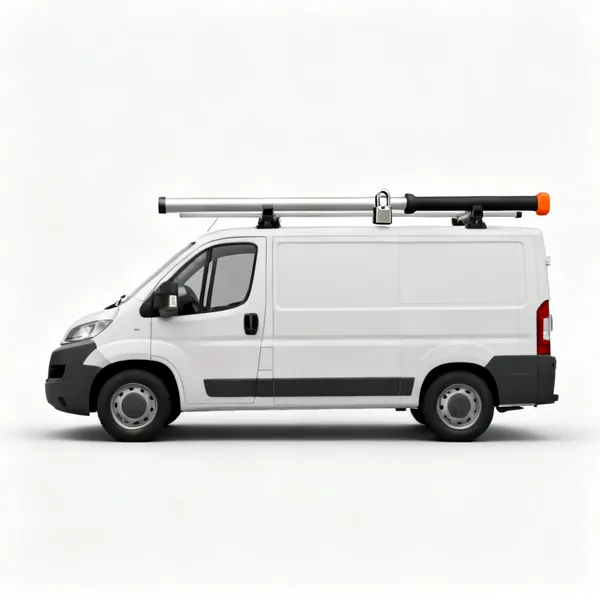
  • Roof rack & tube: A van roof rack with a lockable pipe tube

    Roof rack & tube

    Ladders, and a lockable tube for long lengths of pipe and conduit that will not go inside.

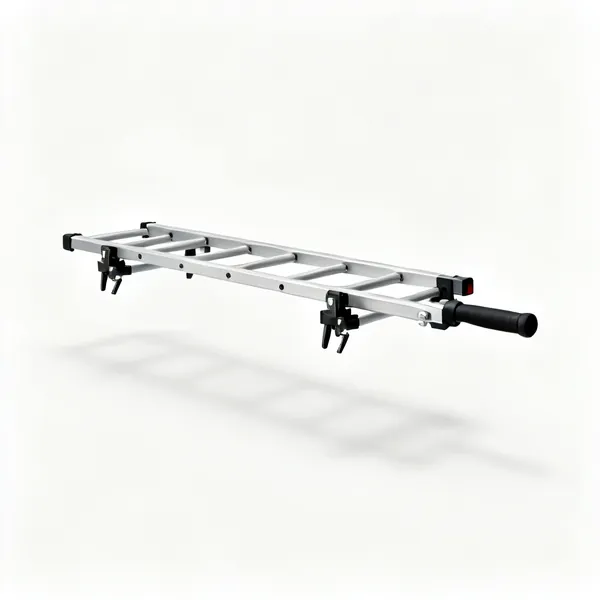
  • Ladder rack & clamps: A van ladder rack with clamps

    Ladder rack & clamps

    Holds and locks a ladder, and lets one person load it. Ladders are the item most often stolen off a van.

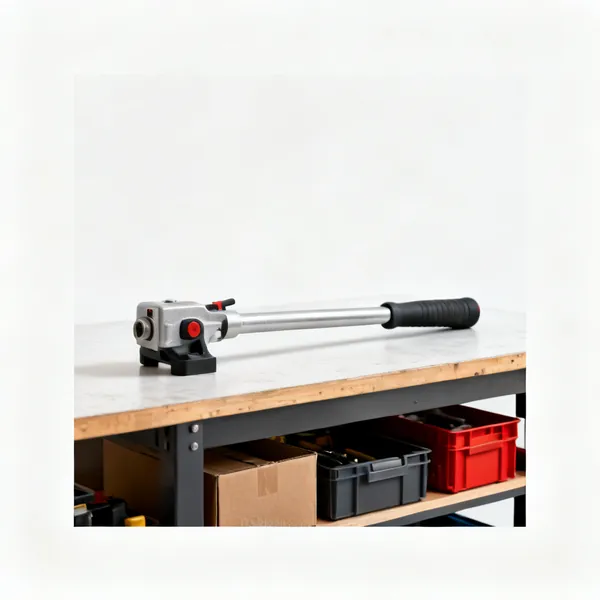
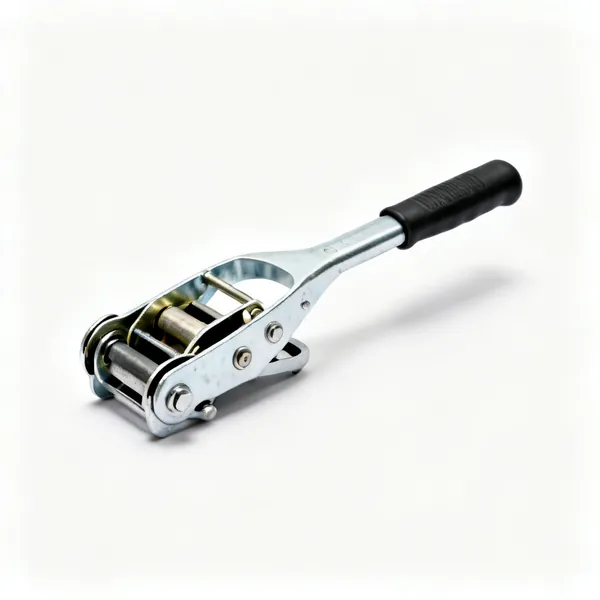
  • Load straps: Ratchet load securing strapsEssential

    Load straps

    Ratchet straps and lashing points holding everything still. Unrestrained load is a genuine danger in a collision.
  • Van bins: Open van storage bins with lipped fronts

    Van bins

    Lipped open bins that keep fittings visible and in place as the van moves. Sloping fronts, so nothing tips out.

  • Van floor & wall lining: A plywood lined van interior

    Van floor & wall lining

    Ply lining protecting the panels and giving something to fix racking to. Also reduces noise and condensation.

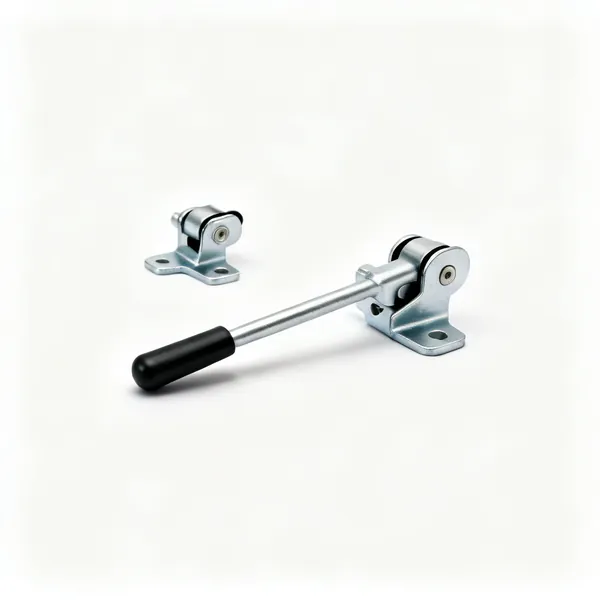
  • Van deadlocks: An additional van door deadlockEssential

    Van deadlocks

    Additional locks on the load doors, since factory locks are quickly defeated. Frequently a condition of insurance.

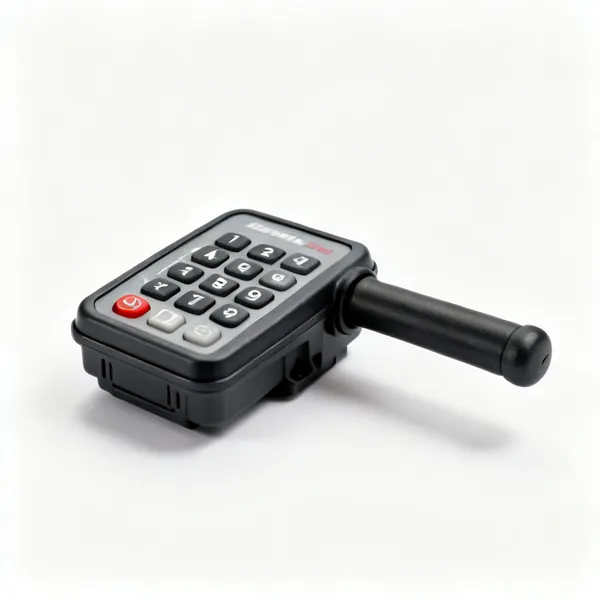
  • Van alarm & tracker: A van alarm control unit

    Van alarm & tracker

    Deters and detects. A tracker recovers a van, and neither replaces getting the tools out overnight.

  • A notebook tool inventory list with a penEssential

    Tool inventory

    A photographed list with serial numbers. What an insurer asks for, and what makes a claim straightforward.

Protection & security 12

Keeping stored tools usable and keeping them yours. Damp and theft are the two ways stored tools are lost.

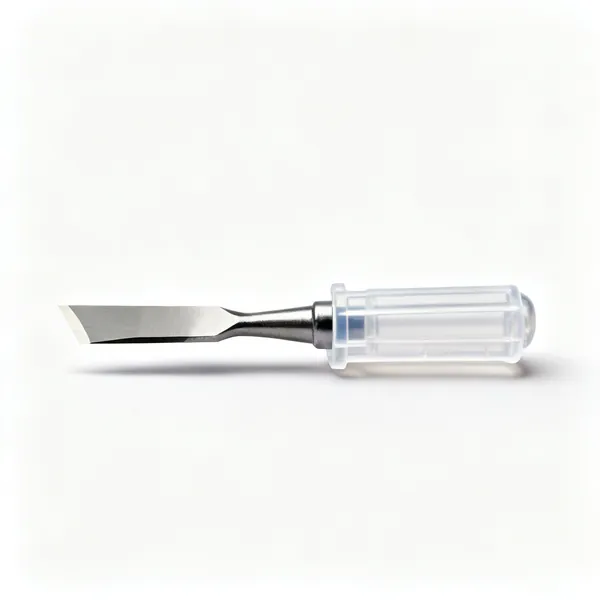
  • Plastic blade guards on chiselsEssential

    Blade guards

    Sheaths and covers on chisels, saws and knives. Protects the edge and protects the hand reaching into the bag.

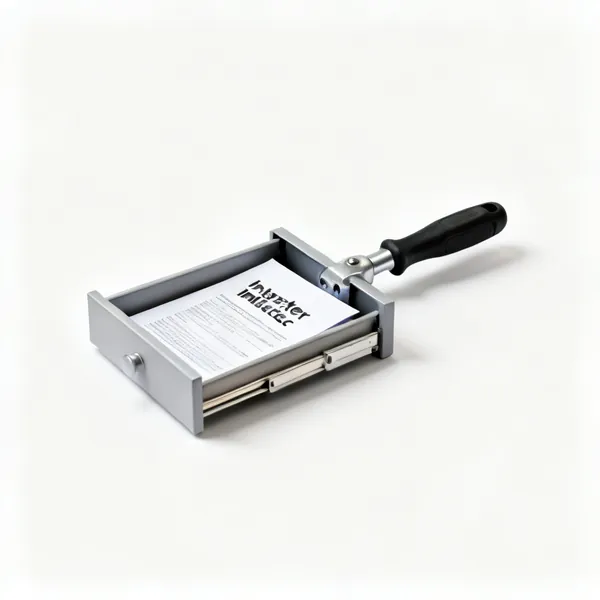
  • Corrosion inhibitor paper in a tool drawerEssential

    Corrosion inhibitor paper

    Releases a protective vapour inside a closed drawer or case. Cheap, and genuinely effective in a cold workshop.

  • Silica gel desiccant packsEssential

    Desiccant packs

    Absorbs the moisture in a closed case rather than sealing it in. Rechargeable types can be dried in an oven.

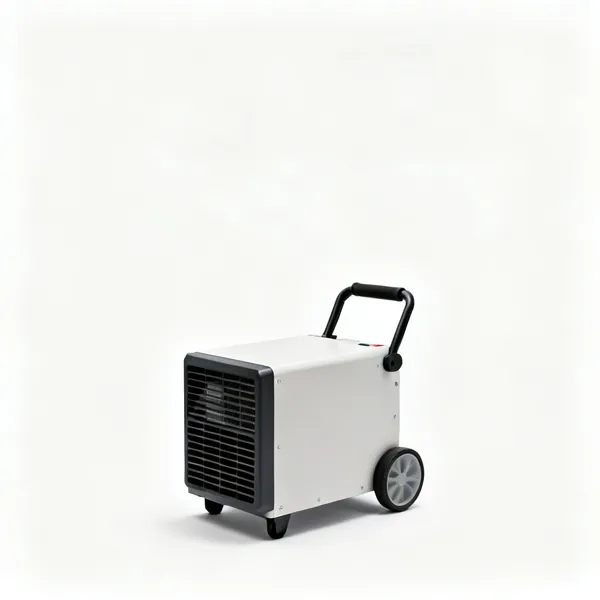
  • A small workshop dehumidifier unit

    Dehumidifier

    In an unheated garage, the single most effective thing you can do for stored tools. Pays for itself in saved tools.

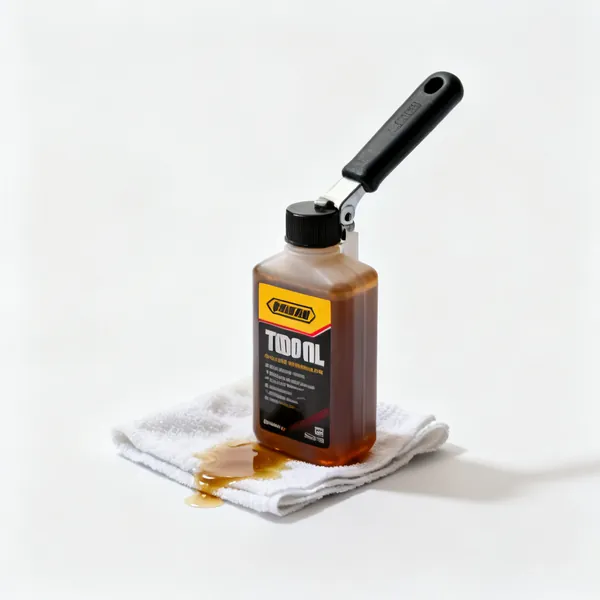
  • Oil & rag: A bottle of tool oil with an oily ragEssential

    Oil & rag

    A thin film on bare steel is a barrier against the air. Seconds per tool and it prevents most rust.

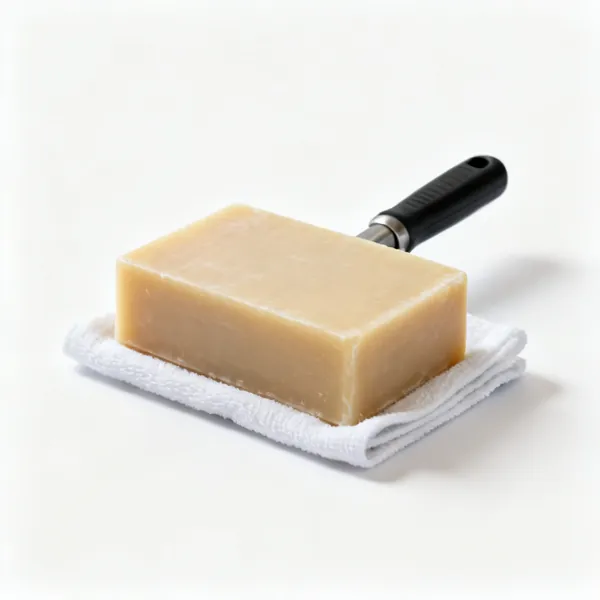
  • Protective wax: A block of protective tool wax with a cloth

    Protective wax

    A harder longer lasting barrier than oil for planes, saw plates and machine tables. Does not attract dust.

  • Padlock & hasp: A closed shackle padlock and haspEssential

    Padlock & hasp

    Securing a site box, a shed or a cabinet. Closed shackle, since an open shackle takes bolt croppers in seconds.

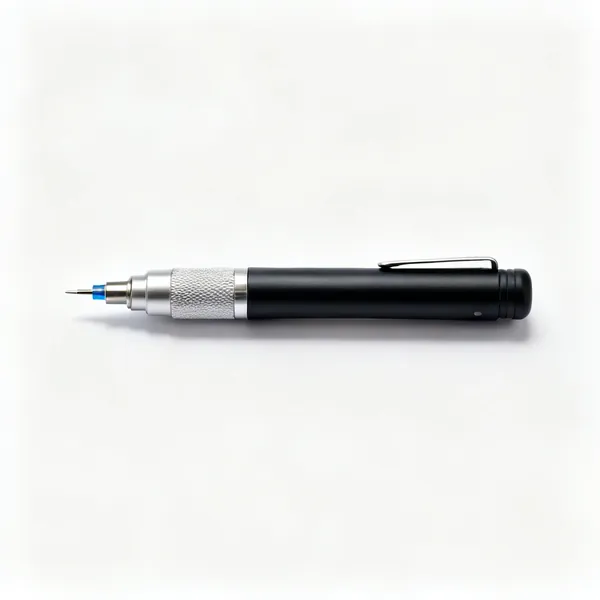
  • Tool marking kit: A tool marking engraver with a UV penEssential

    Tool marking kit

    Engraving or UV marking with your details. Marked tools are harder to sell on and much easier to get back.

  • Small bluetooth tracker tags

    Tracker tags

    Small trackers hidden in expensive tools or a case. Not a deterrent, and it does sometimes recover them.

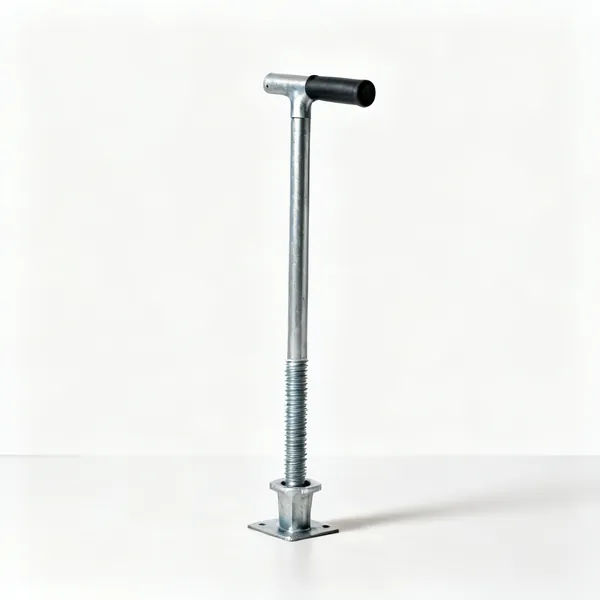
  • A steel ground anchor bolted to a floor

    Ground anchor

    A bolted floor anchor to chain equipment to in a garage or shed. Stops the heavy items simply being carried out.

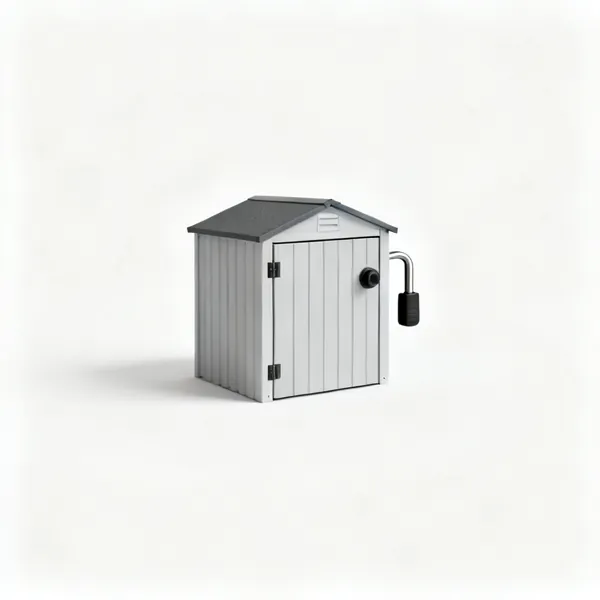
  • Shed alarm: A small shed door alarm unit

    Shed alarm

    A simple battery alarm on an outbuilding. Sheds are frequently where the tools are and rarely where the alarm is.

  • A battery storage case with power tool batteriesEssential

    Battery storage case

    Lithium batteries stored away from anything flammable, in a case, at a moderate charge and not on a hot windowsill.
Choosing tool storage

There is one test that matters: can you find a given tool in a few seconds, and can you tell at a glance that it is missing?

The only test that matters

Storage is not about tidiness, it is about retrieval. The measure of a system is whether you can put your hand on a given tool in a few seconds, and whether you can see at a glance that something is missing.
That second half is the one people skip and it is what actually saves money. A shadow board or a foam insert tells you a chisel did not come back before you leave the job, rather than three weeks later when you need it. On a van, that is the difference between a tool that got lent out and a tool that is gone.

Everything else here is a means to those two ends.

One home per tool, and always the same one
A tool without a fixed place gets put down rather than put away, and then it is in a pile.
Make a gap obvious
Cut foam, a shadow board or a marked outline. If a missing tool leaves a visible hole, you notice it on the day.
Store by job, not by type
Keep what you use together, together. A plumbing bag beats a drawer of spanners when you are under a sink.
Frequency decides position
Daily tools at chest height and within reach. Twice a year tools can be high, low or in the loft.
Shallow beats deep
One layer you can see beats three layers you have to unpack. Deep drawers become archaeology.
Label the outside of anything opaque
A wall of identical black cases is a wall of unknowns, and you will open five to find one.

Portable, mobile or fixed

Almost every storage mistake is choosing the wrong one of these three, and the answer comes from how far the tools have to travel.

Portable means you carry it: a box, a bag, a stacking case. Weight is the whole constraint, and people consistently overload these until they need two hands and a rest halfway. Mobile means it rolls: a roll cab or a trolley, excellent on a smooth floor and useless on gravel or stairs. Fixed means it does not move: a chest, a cabinet, wall panels or shelving, which hold far more per pound spent and reach nothing.

Most working setups end up with all three: fixed storage for the bulk, mobile for the current job, and portable for what actually goes to the door.

Weigh a full toolbox before buying it
Capacity is easy and carrying it is not. A box you dread lifting is a box you leave in the van.
Wheels need a floor to work on
A roll cab is superb in a garage and hopeless over a lawn, gravel or a flight of stairs.
Stacking systems earn their premium on the move
One clipped stack on a trolley moves a whole kit in a single trip. That is their entire value.
Fixed storage is the cheapest per tool
Wall panels and shelving cost a fraction of a chest for the same capacity, and they show you everything.
Do not buy one system for everything
The bulk stays in the workshop. Only what a job needs should be in the thing you carry.

Damp is what destroys stored tools

Tools rarely wear out in storage. They rust, and it happens in an unheated garage or a van far faster than people expect, because the temperature swings and moisture condenses on cold steel.

The mechanism matters because it tells you the fix. Sealing tools in an airtight box with damp air trapped inside is worse than leaving them out. What works is keeping them dry when they go in, keeping air moving or moisture absorbed, and putting something between the steel and the atmosphere.

A wipe with an oily rag before the drawer closes costs seconds and prevents most of it.

Dry before storing, always
A damp tool in a closed box rusts the whole drawer. Wipe it and put it away, or leave it out to dry first.
Oily rag or wax on bare steel
A thin film is a barrier against the air. Planes, chisels and saws want this every time.
Vapour corrosion inhibitor paper or capsules
Releases a protective vapour inside a closed drawer or case. Cheap and genuinely effective in a cold shop.
Silica or a dehumidifier in a cold space
Absorbing the moisture beats sealing it in. A small dehumidifier in a garage pays for itself in saved tools.
Foam holds water against steel
Wet foam is a sponge pressed on a tool. Fine in a dry space, and a problem in a damp van.
Do not store on a concrete floor
Concrete wicks moisture upwards. Anything on the floor of a garage gets damp from underneath.

What to buy first, in order

Stage one: one box and one bag
A cantilever or tote toolbox for the household kit, and an open mouth tool bag for whatever a job actually needs. Plus a small parts organiser for screws and fixings.
Stage two: get it off the floor
Wall panels or a French cleat rail above the bench, a few shelves, and hooks for long handled tools. This is the cheapest capacity you will ever buy.
Stage three: drawers for the bulk
A tool chest or roll cab, with shallow drawers and dividers or cut foam. Deep drawers for the heavy and awkward only.
Stage four: mobility and scale
A stacking case system if you work off site, van racking if you work out of a vehicle, and heavy shelving or racking for materials and cased power tools.

Mistakes that cost time or tools

One deep box for everything
The tool you want is always at the bottom. You end up unpacking the box onto the floor every time.
Storing by type rather than by job
A drawer of all your spanners sounds organised and means three trips when you are fixing one thing.
Overloading a portable box
Capacity is not the constraint, your back is. An overloaded box stays in the van and the tools go unused.
No way to see a gap
Without foam or a shadow board, a missing tool is invisible until the day you need it, on site, without it.
Sealing damp tools in an airtight case
Trapped moisture rusts everything inside. Dry first, then close it.
Anything valuable stored on view in a van
Overnight van theft is targeted and fast. Out of sight, locked, and ideally not left in overnight at all.
Buying storage before knowing the kit
Measure what you actually own first. Storage bought to a guess never fits what turns up.
Heavy things high up
A box of sockets at head height is a real injury waiting. Weight goes low, light and bulky goes high.

Keeping a system working

Put it back at the end of the job, not the week
Every system fails the same way: a pile that was going to be sorted later. Ten minutes at the end beats an hour on Saturday.
Review the top drawer every few months
The tools you actually reach for change with the work. The best position should hold what you use now.
Keep a genuine reject box
Broken and duplicate tools quietly consume the best storage. Decide, then repair, bin or move them.
Oil the drawer slides
A loaded drawer on dry slides gets stiff and then people stop using it. A drop of oil once a year.
Check the fixings on wall storage
A loaded panel or shelf is heavy, and the fixing is the whole safety of it. Into structure, not just plasterboard.
Photograph a packed van or kit
It is a checklist and it is what an insurer will ask for. Two minutes now, and it settles a claim later.

Frequently asked questions

What tool storage do I need to start?
One decent toolbox for the household kit, an open mouth tool bag for whatever a job needs, and a small parts organiser for screws and fixings. After that, wall panels above a bench give you the cheapest extra capacity there is.
What is the best way to organise tools?
By job rather than by type, so what you use together sits together. Then position by frequency: daily tools at chest height and within reach, occasional tools high or low. The test is whether you can find any tool in a few seconds.
What is the difference between a tool chest and a roll cab?
A chest is the top box with shallow drawers, usually sitting on a bench or on top of a roll cab. A roll cab is the wheeled base unit with deeper drawers. Together they make the classic two part workshop setup.
Are stacking tool box systems worth the money?
If you work off site, yes. Clipping several cases into one stack means moving a whole kit in a single trip on a trolley. In a fixed workshop they are expensive for the capacity, and drawers or shelves are better value.
Why do my tools rust in the garage?
Temperature swings cause moisture to condense on cold steel, and an unheated garage or van swings a lot. Dry tools before storing them, wipe bare steel with an oily rag, and use vapour inhibitor capsules or a small dehumidifier.
Should I use foam inserts in my tool drawers?
In a dry space, yes, because a cut foam insert makes a missing tool immediately visible. In a damp van or garage foam holds moisture against the steel, so a shadow board or dividers is the safer choice.
What is a shadow board?
A panel with each tool's outline marked or cut out, so every tool has one place and a gap is obvious at a glance. It is the fastest way to notice a tool did not come back before you leave a job.
What is a French cleat wall?
A wall of angled rails that hooks hold onto, so holders can be moved, added or rearranged without drilling again. It suits a workshop that is still evolving, which is most workshops.
How do I organise screws and small fixings?
A compartment organiser or a set of small drawers, sorted by type and size, with the size written on the outside. Assortment cases are the usual answer, and the discipline is putting the leftovers back in the right compartment.
What is the best tool storage for a van?
Fixed racking with cases or drawers that cannot move in transit, loaded heavy and low. Nothing valuable on view through a window, and ideally nothing valuable left in overnight, because van tool theft is targeted and quick.
Should tool storage be lockable?
Anything in a van or a shared space, yes, and check your insurance conditions, since many policies require locked storage or exclude tools left in a vehicle overnight. In a domestic garage, locking matters most where children can reach.
How much tool storage do I actually need?
Measure what you own before buying anything, and allow some growth. Buying storage to a guess is how people end up with three part filled systems that do not work together, which is worse than one that is slightly too small.