
Disclosure

Welding tools: names, pictures and what each one is used for

A complete welding tools list with a picture of every one, all 102 grouped by the job, from the machine and its safety kit through preparation, clamping, filler and finishing. The arc damages eyes in seconds and the fumes damage lungs permanently, so protection sits near the top.

44 are marked essential: a machine, full protection, preparation, clamping, and the tools to clean a weld up.

Welding machines 10

The process decides what you can weld and how portable the setup is. All of these do the same fundamental job differently.

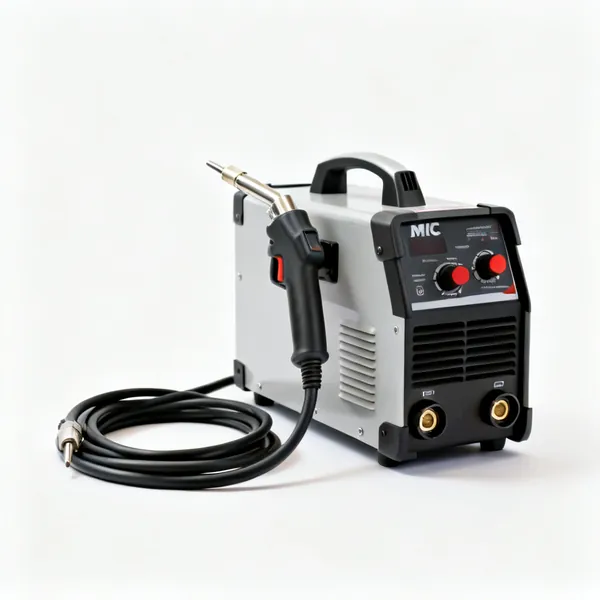
  • A MIG welder machine with a torch and cableEssential

    MIG welder

    Feeds wire continuously under a shielding gas, so you watch the puddle rather than manage a rod. Fastest to learn, best on clean steel.

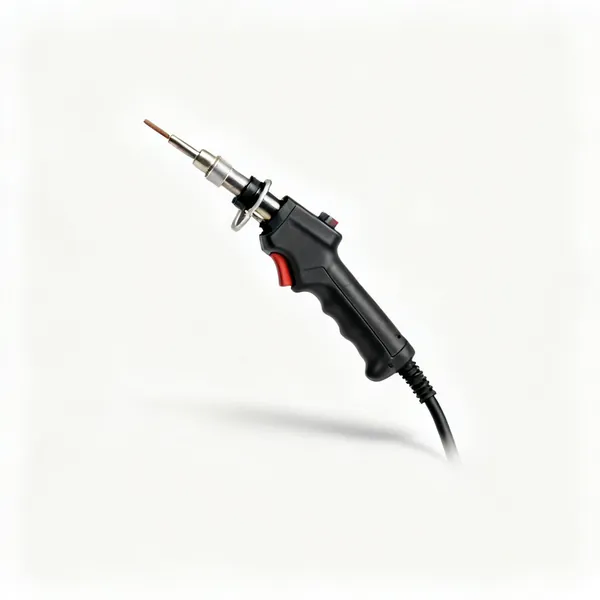
  • Stick welder: A stick arc welder inverter with an electrode holder

    Stick welder

    Runs coated electrodes with no gas bottle, so it works outdoors and tolerates rust. The most forgiving process on thick or dirty steel.

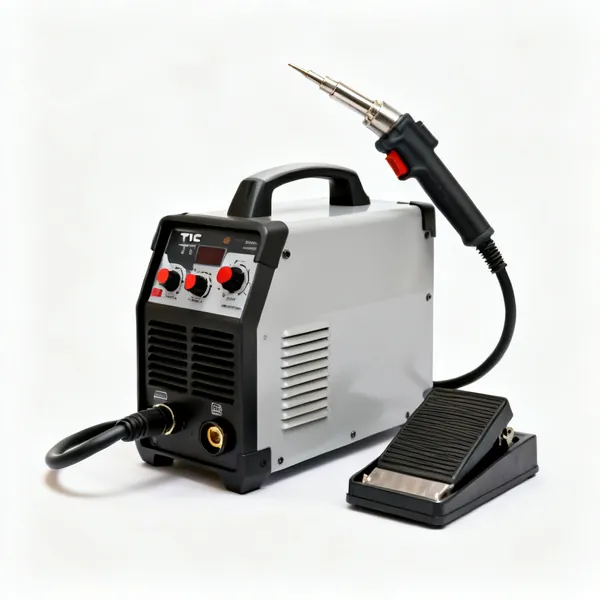
  • A TIG welder machine with a torch and foot pedal

    TIG welder

    A tungsten electrode and hand fed filler, giving total control and the neatest bead. Handles aluminium and stainless, and takes real practice.

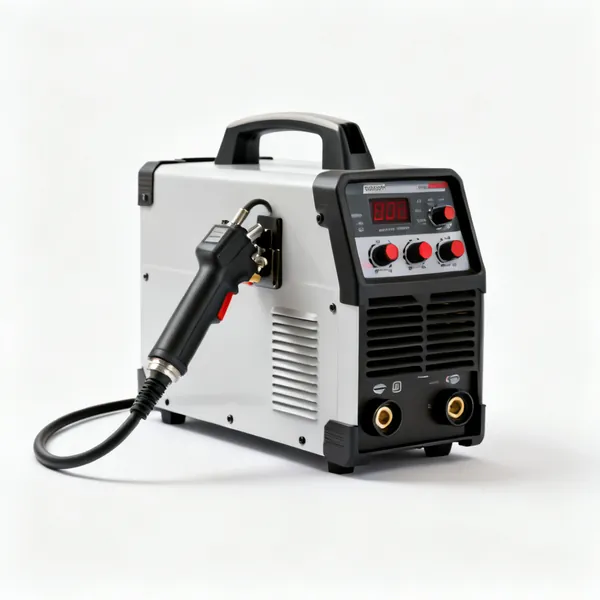
  • Multi process welder: A multi process inverter welder with a digital display

    Multi process welder

    One inverter that runs MIG, stick and TIG. Convenient and usually a compromise on each, though a good one is a sensible single purchase.

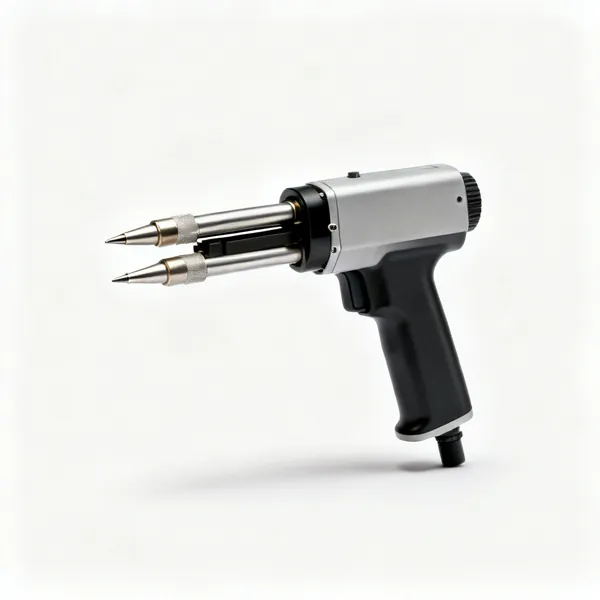
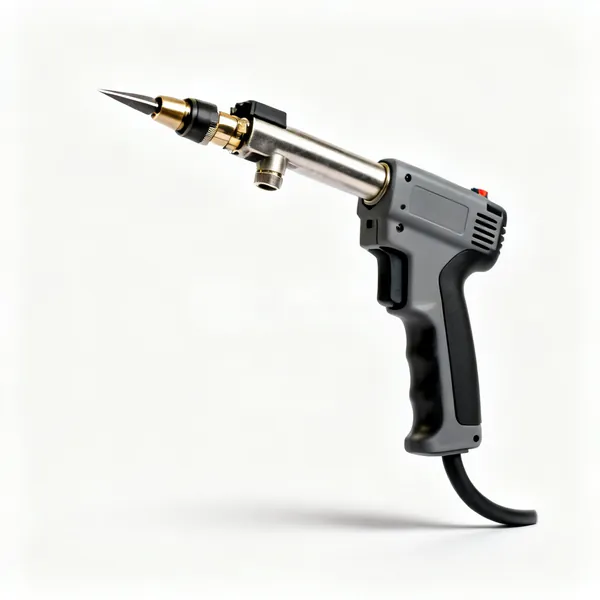
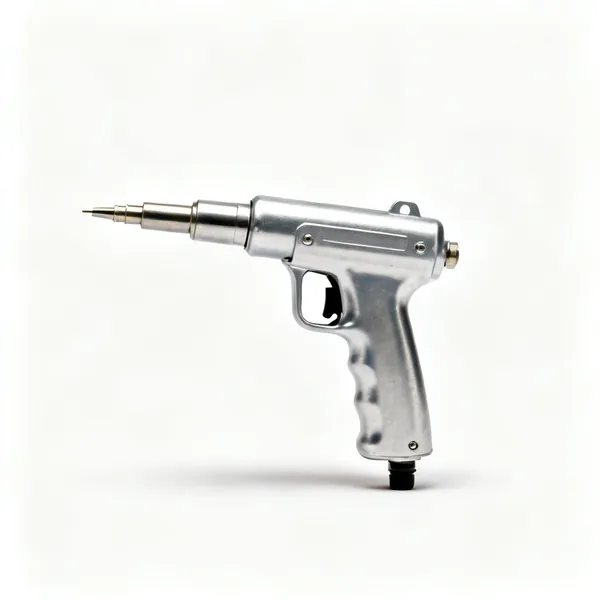
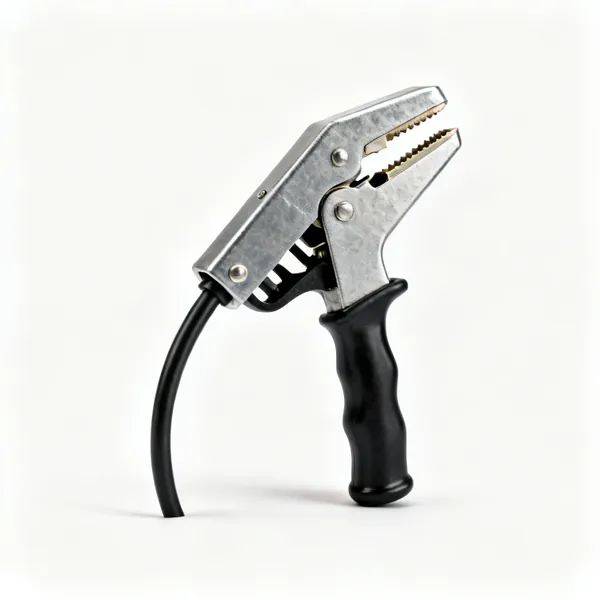
  • A handheld spot welder with two arms and tips

    Spot welder

    Squeezes two sheets and fuses them at a point with a pulse of current. The standard join in car body panels and thin sheet.

  • A plasma cutter machine with a cutting torch

    Plasma cutter

    Cuts conductive metal with an ionised jet, fast and with a narrow heat affected zone. Cleaner than a grinder and cuts curves freely.

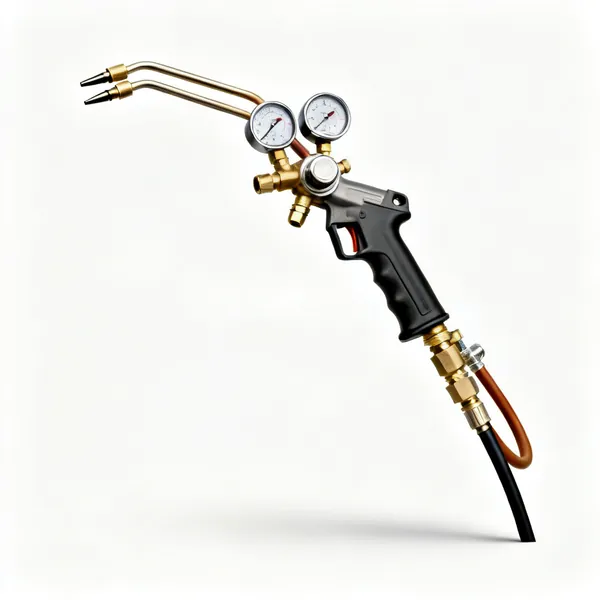
  • Oxy acetylene set: An oxy acetylene welding torch with twin hoses and gauges

    Oxy acetylene set

    Gas flame for cutting, heating and brazing. The only thing that will free a seized bolt by heat alone, and needs real respect.

  • An aluminium spool gun for a MIG welder

    Spool gun

    Holds a small spool at the torch so soft aluminium wire feeds a short distance without birdnesting in the liner.

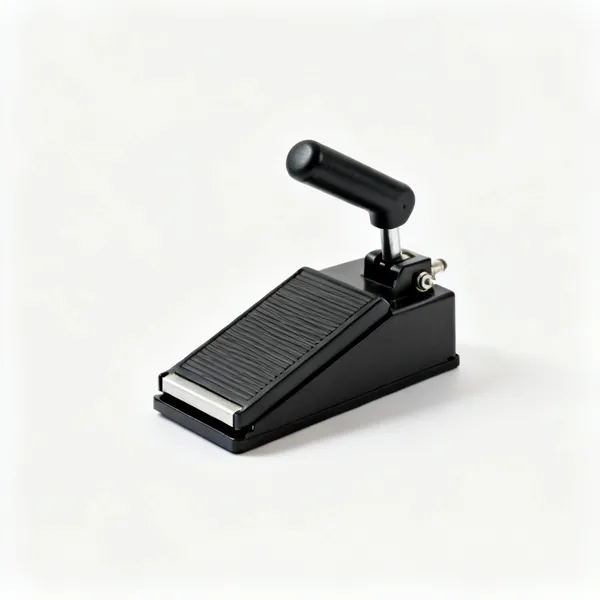
  • TIG foot pedal: A TIG welding foot pedal control

    TIG foot pedal

    Controls current with your foot while welding, letting you taper the heat in and out. This is how TIG welds start and end cleanly.

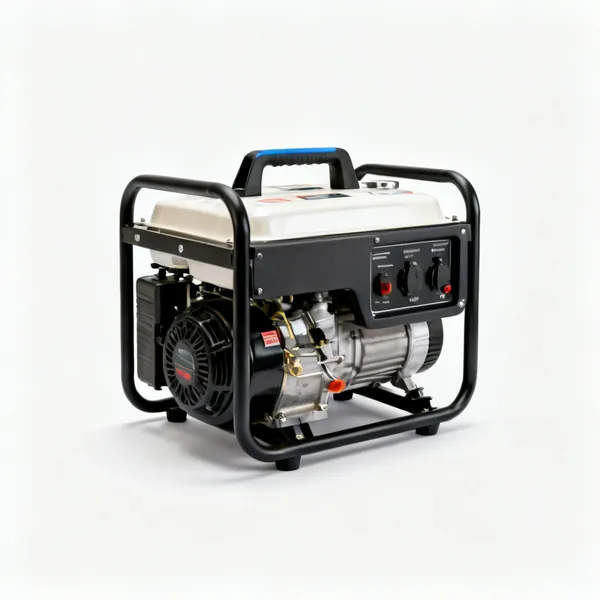
  • A petrol powered welding generator unit

    Welding generator

    Petrol or diesel power for welding away from a supply. Field repairs, farm gates and anywhere a mains lead will not reach.

Protection & safety 14

Not the last group on this page for a reason. The arc damages eyes in seconds and the fume does permanent harm, and neither gives a warning.

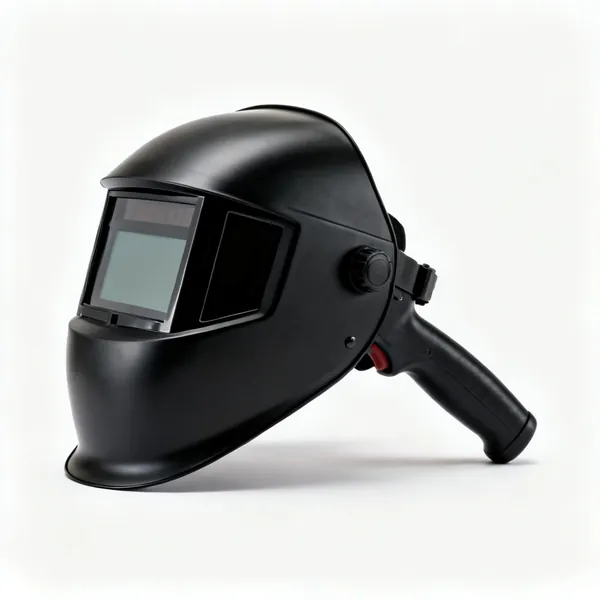
  • Auto darkening helmet: A black auto darkening welding helmetEssential

    Auto darkening helmet

    Darkens the instant the arc strikes, so you can see the joint beforehand. Set the shade for your current and test it before every session.

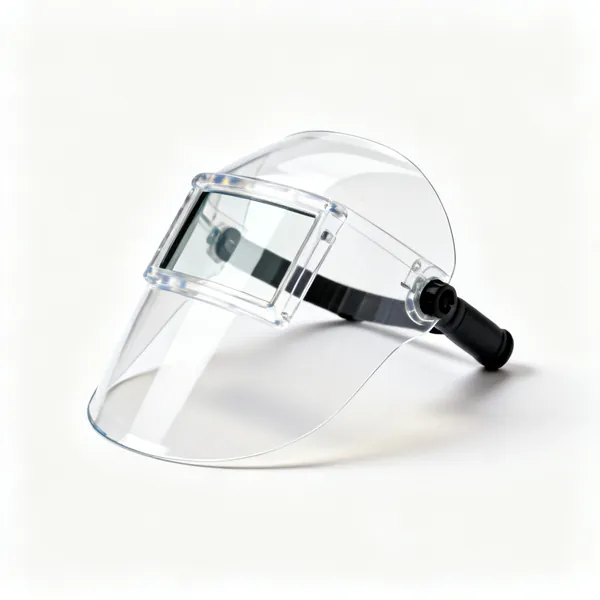
  • Lens covers: Clear replacement welding helmet lens cover platesEssential

    Lens covers

    Clear discs that take the spatter instead of the filter. Pennies each, and a pitted one makes you think your eyesight is failing.

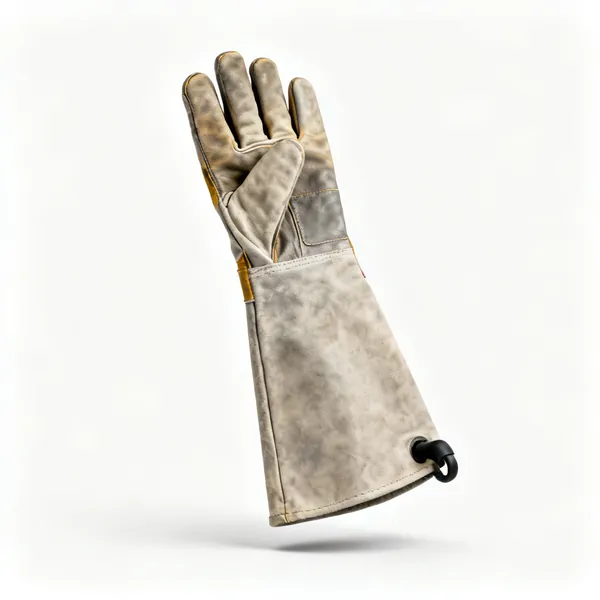
  • A pair of long leather welding gauntletsEssential

    Welding gauntlets

    Long leather gloves covering the wrist and forearm. MIG gloves can be thinner for feel, and TIG gloves thinner still.

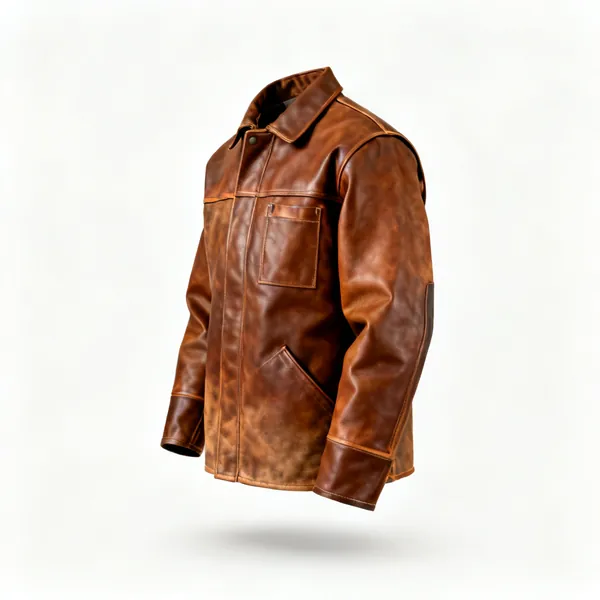
  • Leather jacket or sleeves: A brown leather welding jacketEssential

    Leather jacket or sleeves

    The arc burns skin like strong sun and burns through thin cotton. Leather stops spatter, and synthetic clothing melts.

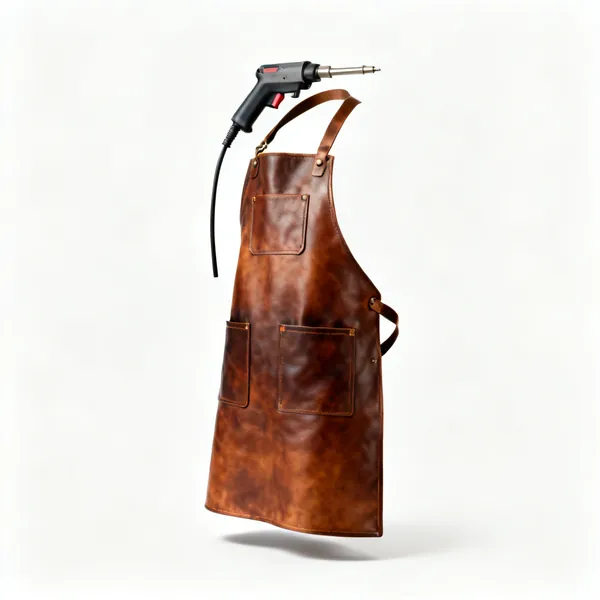
  • A leather welding apron

    Welding apron

    Leather over the front for bench work, lighter than a full jacket in heat. Covers the lap, which is where spatter lands when sitting.

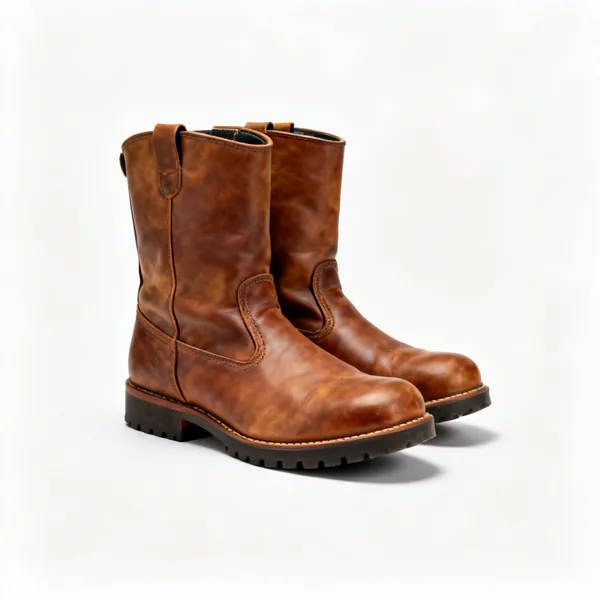
  • Welding boots: A pair of leather welding safety bootsEssential

    Welding boots

    Toe caps and a closed high tongue, so spatter cannot drop into the laces. A bead of molten metal in a shoe ends the day.

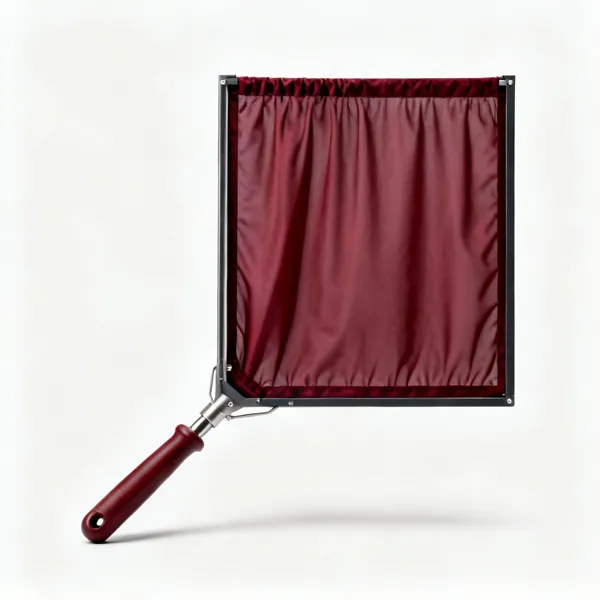
  • Welding screenEssential

    Welding screen

    A curtain or frame that stops anyone else in the workshop getting arc eye. Protection for other people, and they cannot protect themselves.

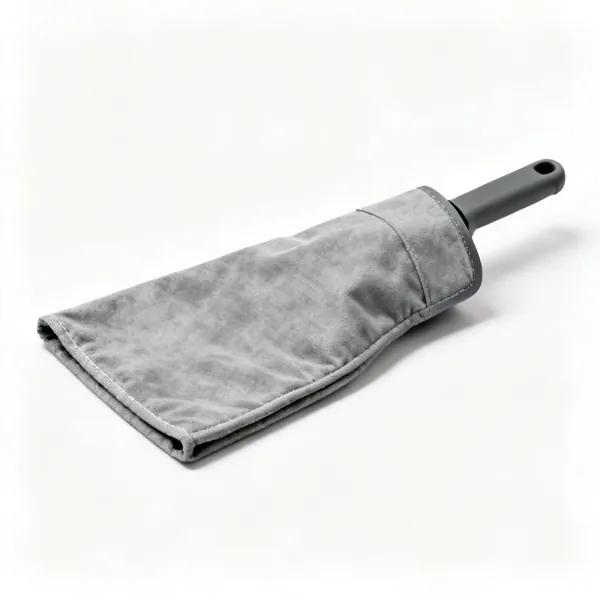
  • A grey fireproof welding blanketEssential

    Welding blanket

    Fireproof cloth over anything that could catch. Spatter travels much further than expected and smoulders quietly for an hour.

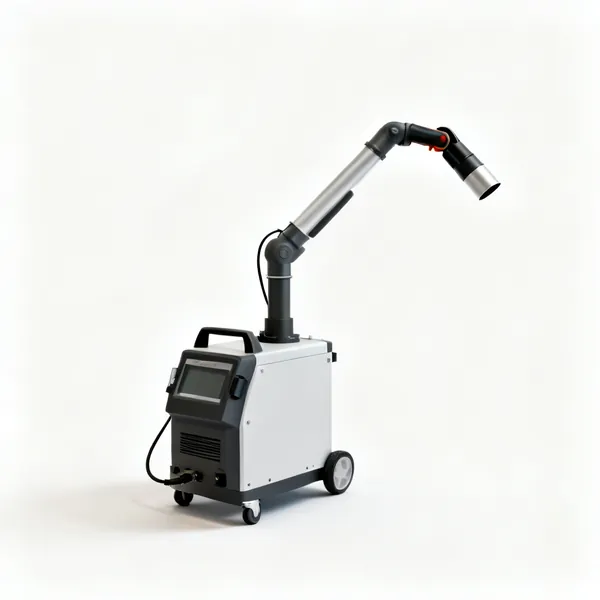
  • A portable welding fume extractor with an armEssential

    Fume extractor

    Draws fume away at the source, which is the only method that works. Welding fume is a carcinogen and an open door is not ventilation.

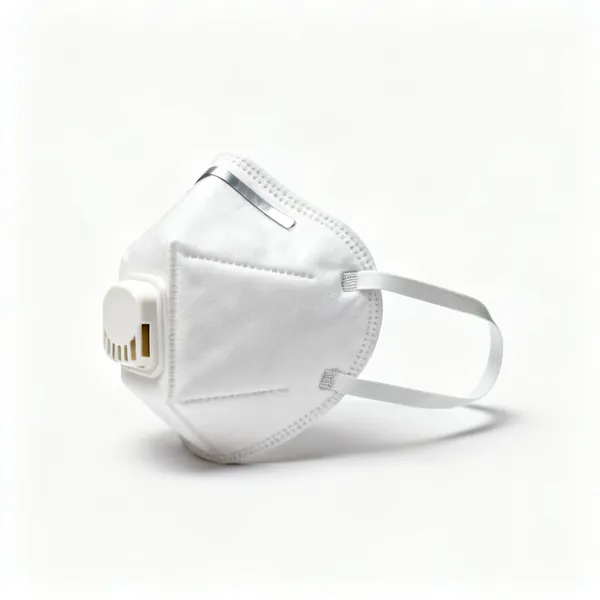
  • An FFP3 respirator maskEssential

    FFP3 respirator

    Filters metal fume and grinding dust where extraction cannot reach. Fit is the whole product, since a leak protects nothing.

  • A pair of ear defendersEssential

    Ear defenders

    Grinding, chipping and plasma cutting are all loud enough to damage hearing. Kept on the bench so there is no decision to make.

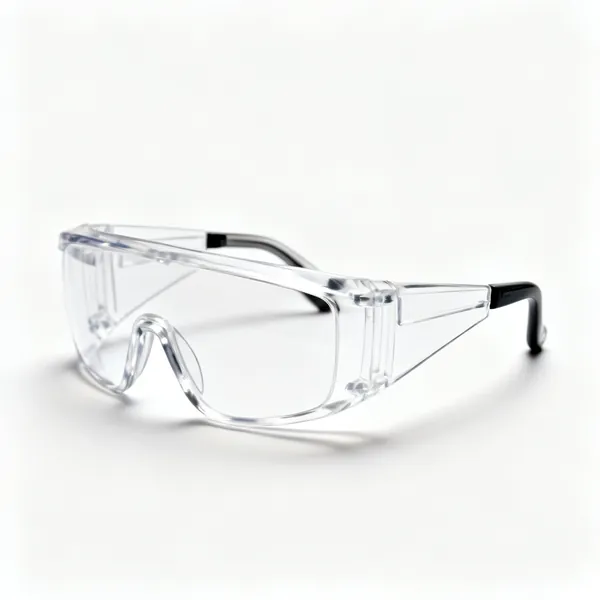
  • A pair of clear safety glassesEssential

    Safety glasses

    Worn under the helmet, because chipping slag and grinding happen with the helmet up. Most welding eye injuries are not from the arc.

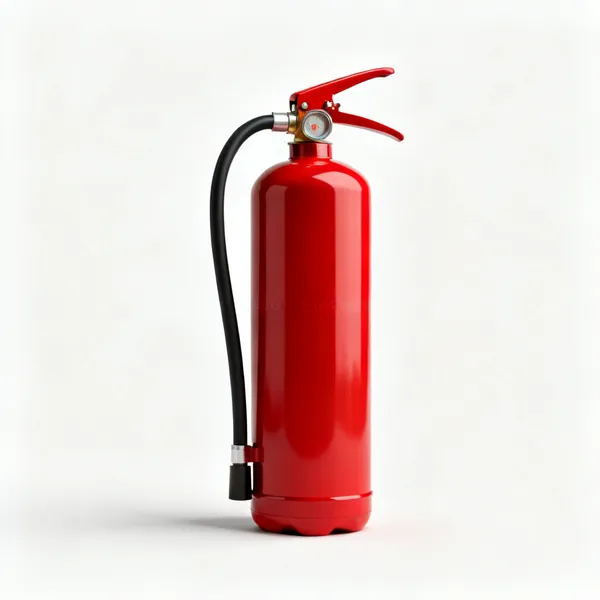
  • A red fire extinguisherEssential

    Fire extinguisher

    Within arm's reach whenever an arc is running. CO2 or powder, checked, and a bucket of water is not the answer near electricity.

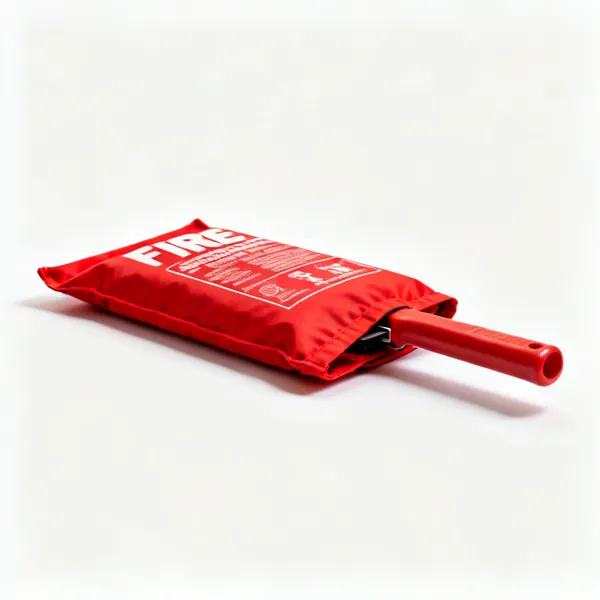
  • Fire blanket & bucket: A fire blanket in a red pouch

    Fire blanket & bucket

    For smothering the smouldering start rather than fighting a fire. Check the area twenty minutes after finishing, which is when they take hold.

Preparation & cleaning 12

Getting to bright clean metal, before and after. Contamination is the cause of most bad welds, and this group removes it.

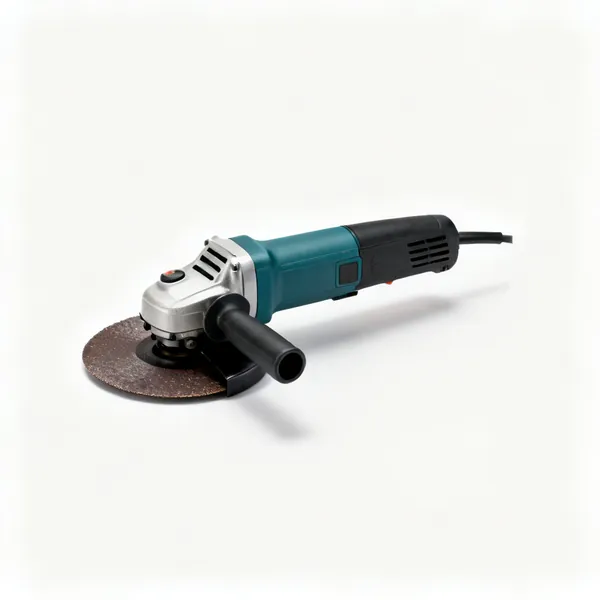
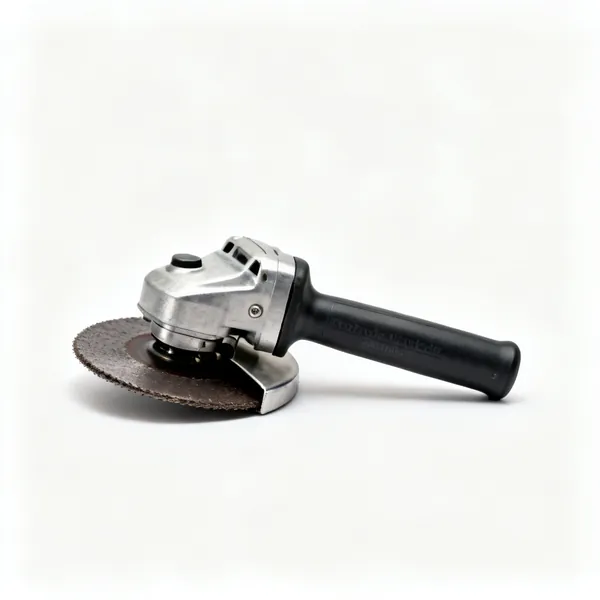
  • Angle grinderEssential

    Angle grinder

    Cuts, grinds and cleans back to bright metal. Used more than the welder itself, and the tool most likely to hurt you.

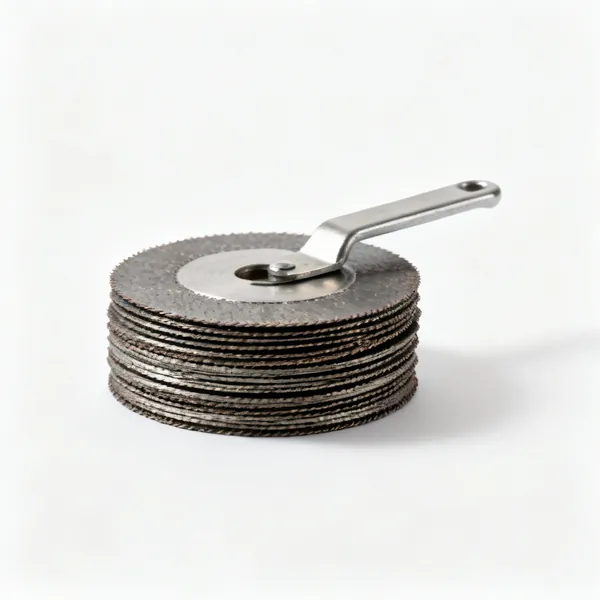
  • A stack of thin metal cutting discsEssential

    Cutting discs

    Thin abrasive discs for cutting steel. Thin for speed and a narrow kerf, and never used for grinding, since a side load shatters them.

  • Grinding discs: A metal grinding discEssential

    Grinding discs

    Thick discs for dressing welds and chamfering edges. Built to take the side load a cutting disc cannot.

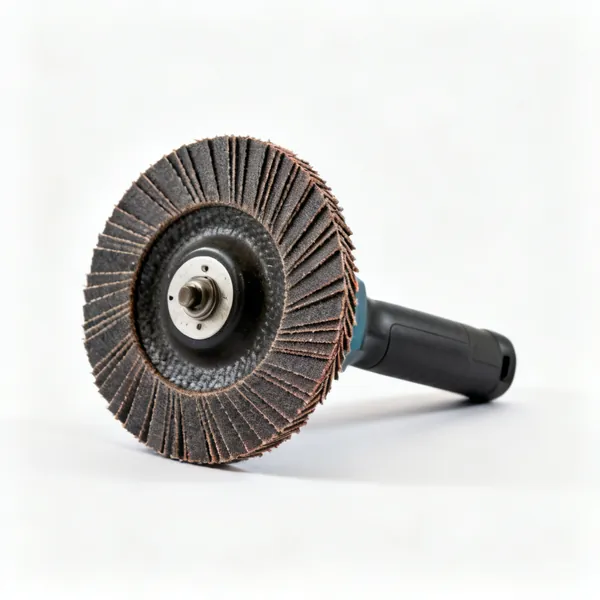
  • Flap discsEssential

    Flap discs

    Overlapping abrasive flaps that blend a weld smoothly without gouging. What you finish with rather than a hard grinding disc.

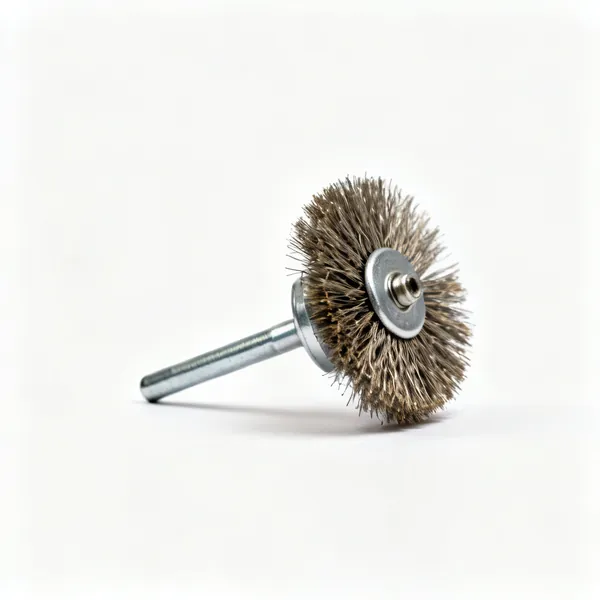
  • Wire cup brushEssential

    Wire cup brush

    Strips paint, rust and mill scale fast in a grinder. Keep separate brushes for steel and stainless, since carbon contamination makes stainless rust.

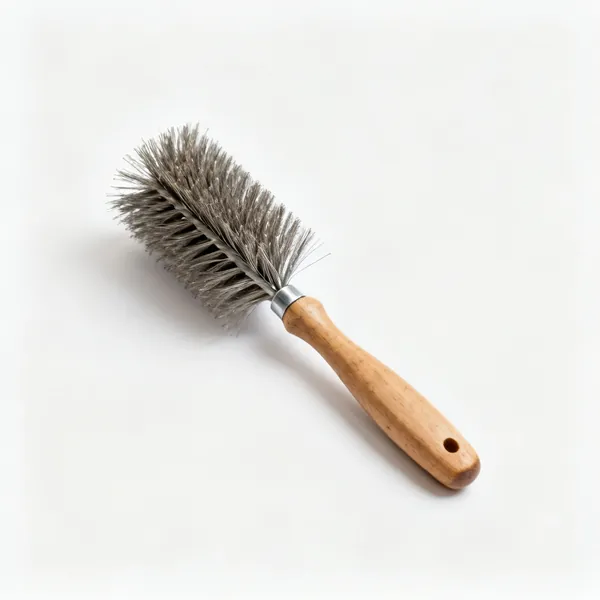
  • A hand wire brush with a wooden handleEssential

    Hand wire brush

    Cleans a weld between passes and gets into a joint a grinder cannot reach. The tool you pick up between every run.

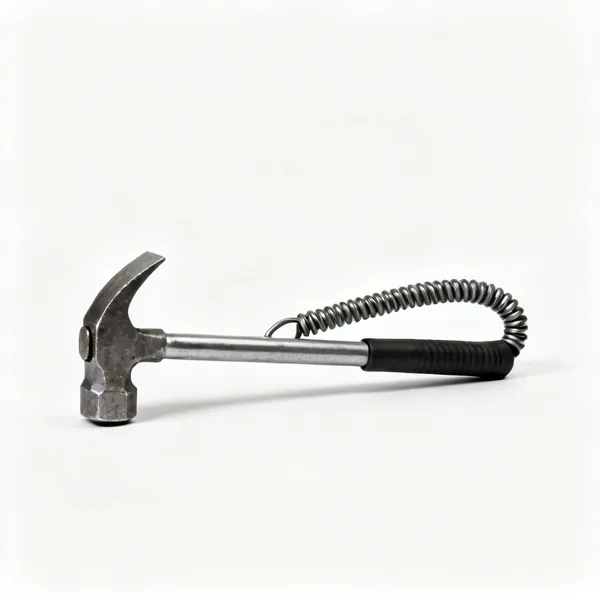
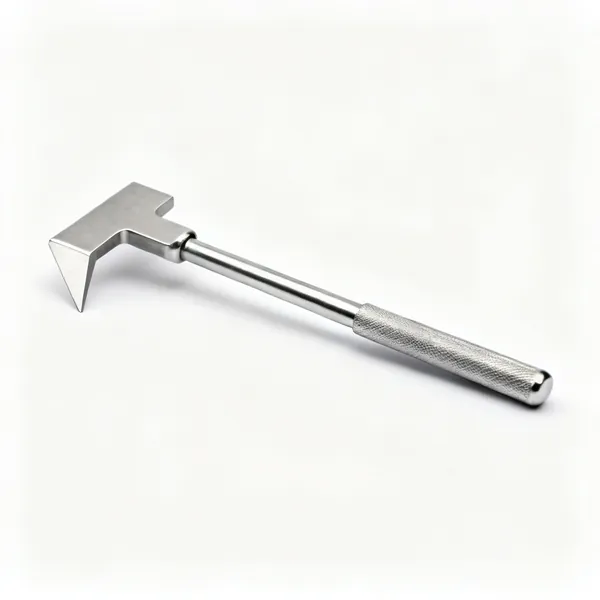
  • A welding chipping hammer with a coiled handleEssential

    Chipping hammer

    A pointed and chisel ended hammer for breaking slag off stick and flux cored welds. Slag left in place hides a fault underneath.

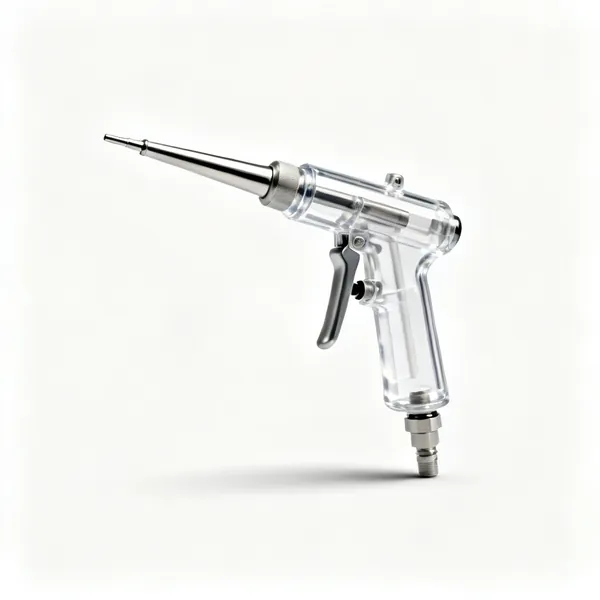
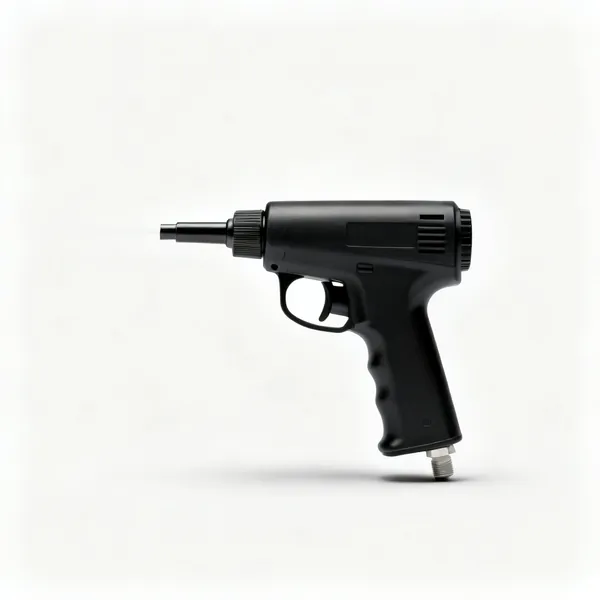
  • A pneumatic needle scaler tool

    Needle scaler

    Air driven needles that hammer scale, slag and rust off far faster than a hand brush, especially in corners.

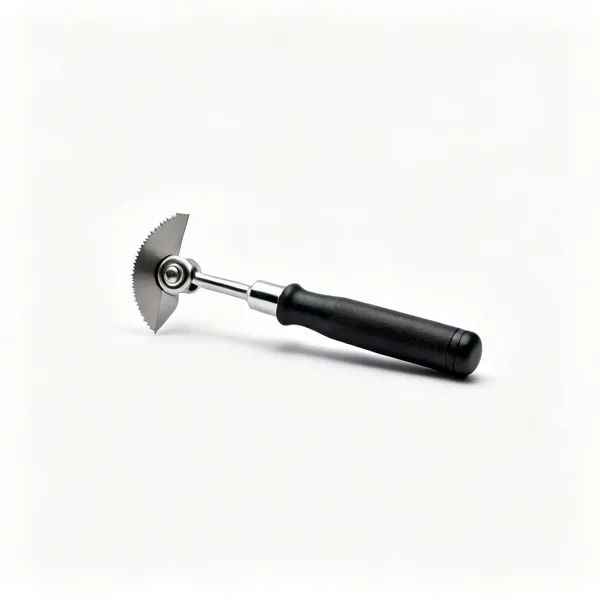
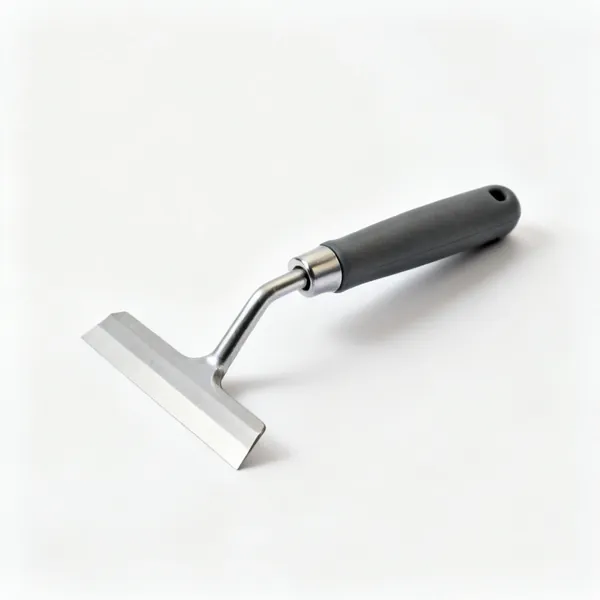
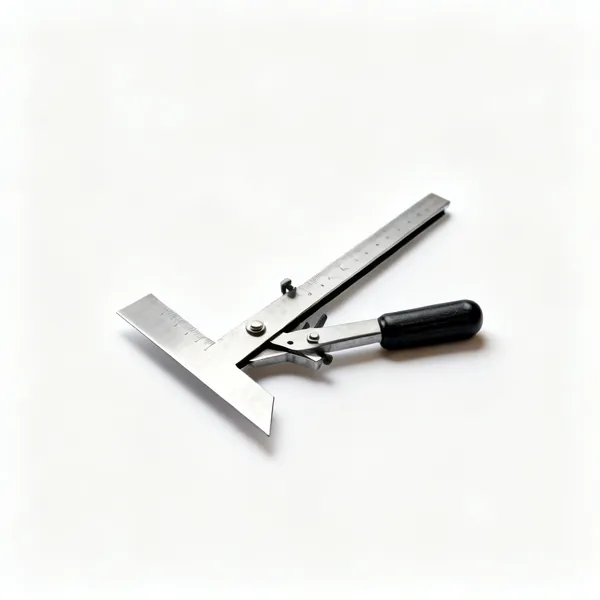
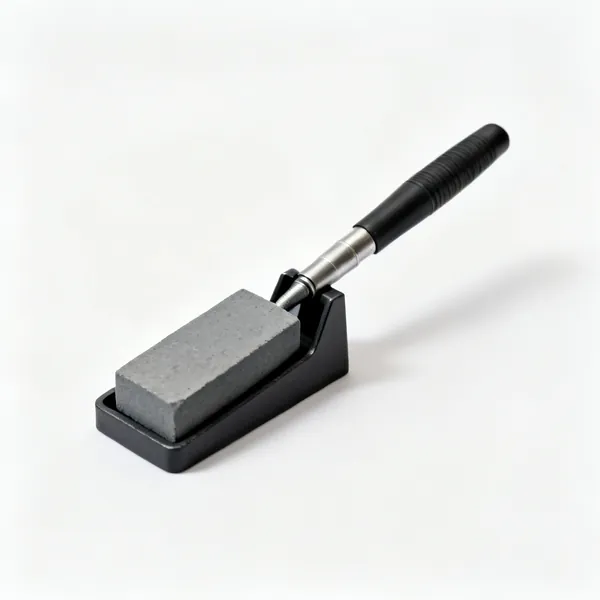
  • A handheld deburring tool with a swivel blade

    Deburring tool

    Takes the sharp burr off a cut edge in one pass, so parts fit tightly and nobody cuts a hand on the job.

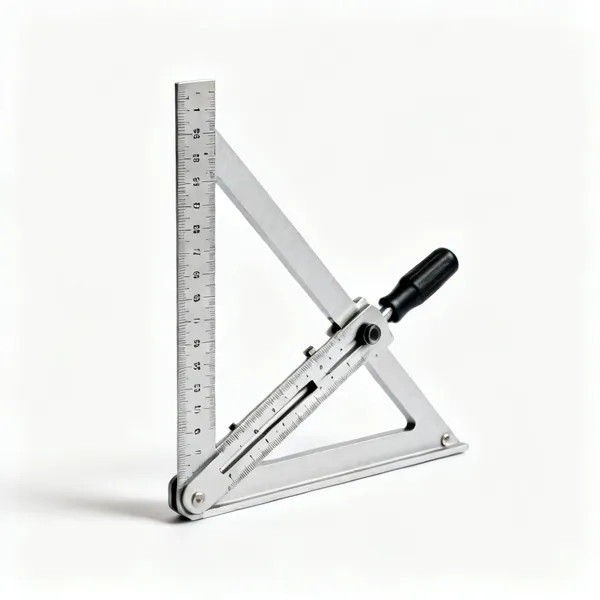
  • A handheld metal bevelling tool

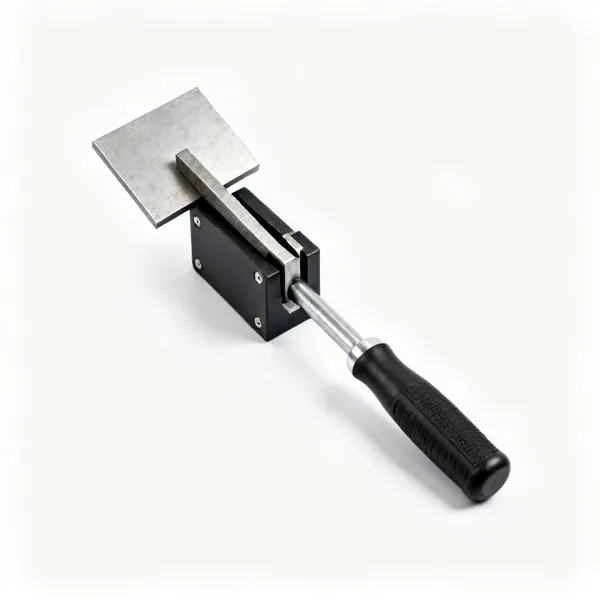
    Bevelling tool

    Cuts a consistent chamfer on a thick edge, which is how full penetration is achieved on plate. Doing it by grinder is never even.

  • Solvent cleaner: A metal can of solvent degreaser cleaner

    Solvent cleaner

    Wipes oil and grease off before welding, especially for TIG and aluminium, where any residue ruins the puddle immediately.

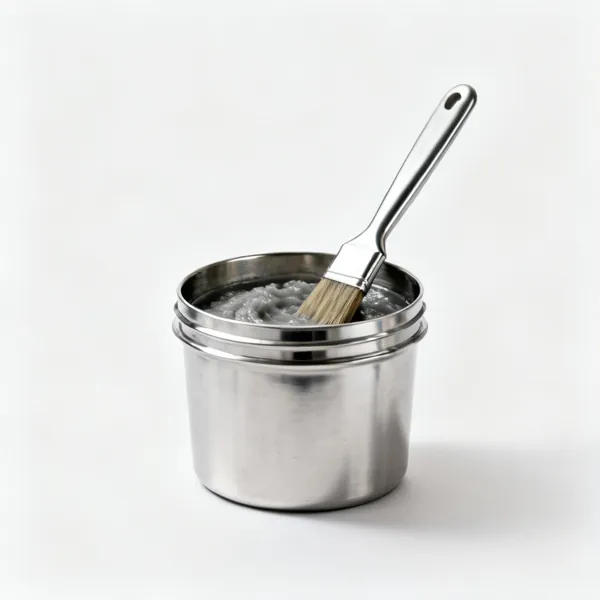
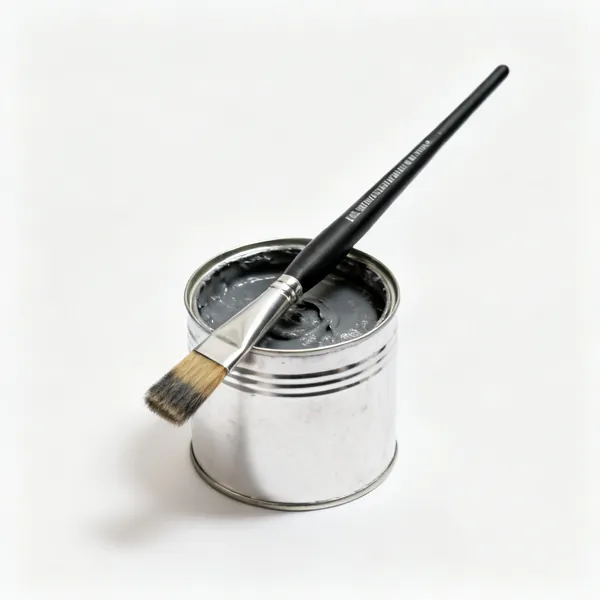
  • A tub of stainless steel pickling paste with a brush

    Pickling paste

    Removes the heat tint and restores corrosion resistance on welded stainless. Without it, a stainless weld eventually rusts along the line.

Clamping & positioning 10

Metal that does not meet cannot be welded, only filled. Everything here holds the work where you need it while it is tacked.

  • A pair of locking welding clampsEssential

    Welding clamps

    Locking clamps with heat resistant jaws for holding steel while tacking. You always need one more than you own.

  • Magnetic squaresEssential

    Magnetic squares

    Hold two pieces at ninety degrees while you tack. Fast and only as accurate as the magnet, so check with a real square.

  • Adjustable magnet clamp

    Adjustable magnet clamp

    A magnet on an adjustable arm for holding at any angle, including the awkward ones a square cannot reach.

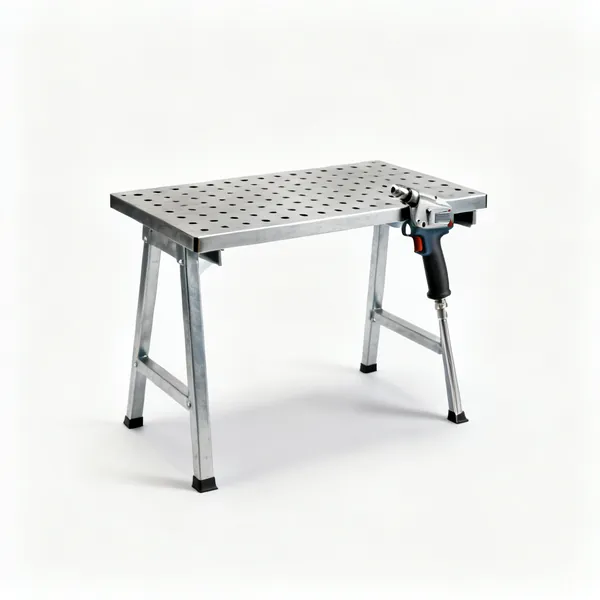
  • A steel welding table with a slotted topEssential

    Welding table

    A flat steel top you can clamp to and earth from. Flatness is the point, since anything built on a bowed table comes out bowed.

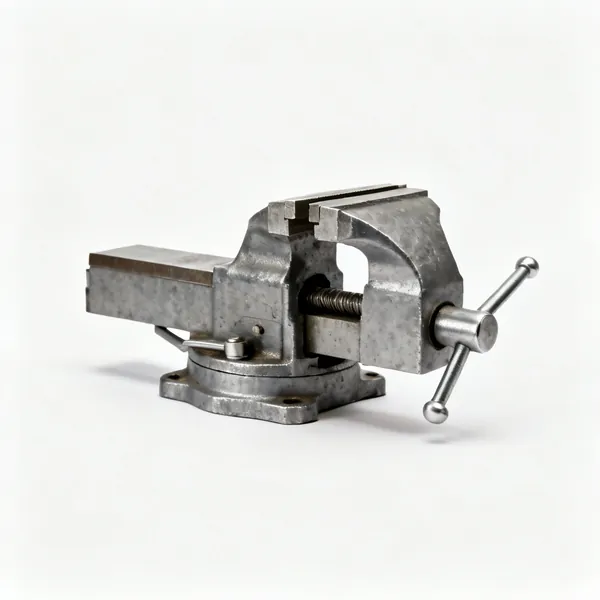
  • A heavy steel bench viceEssential

    Bench vice

    Holds work for cutting, filing and bending. A heavy vice with a solid mount is one of the most useful things in any metal shop.

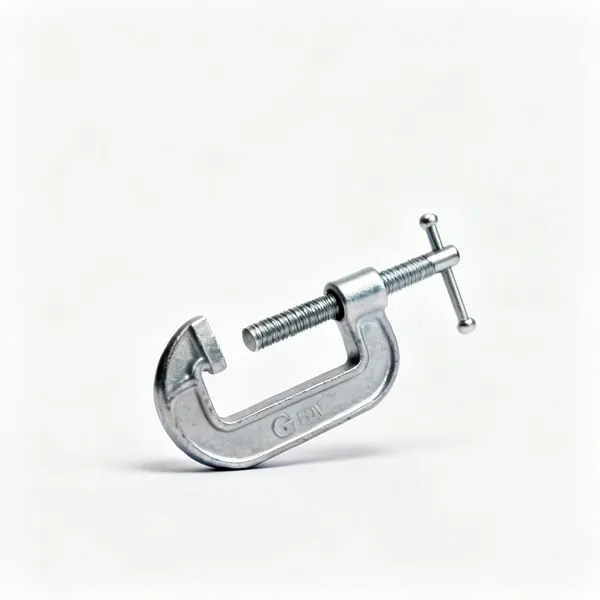
  • A set of steel G clampsEssential

    G clamps

    Deep reach and real force for pulling plate together. Steel throughout, since welding heat destroys anything with a plastic part.

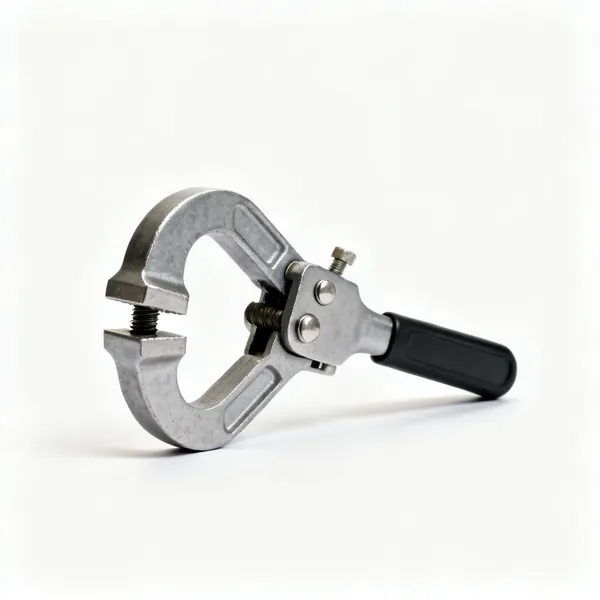
  • Pipe alignment clamp: A pipe alignment welding clamp tool

    Pipe alignment clamp

    Pulls two pipe ends into line and holds the gap even all the way round. Aligning pipe by eye never produces a sound joint.

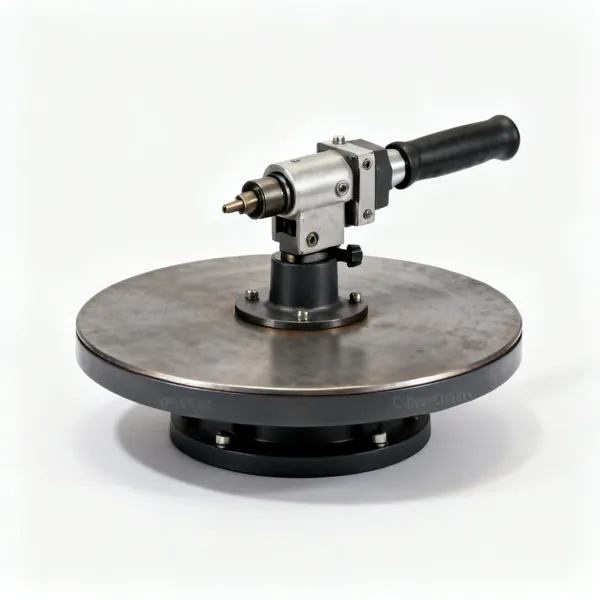
  • A rotary welding positioner turntable

    Welding positioner

    A powered rotating table that turns the work while you hold the torch still. The way a neat continuous circular weld happens.

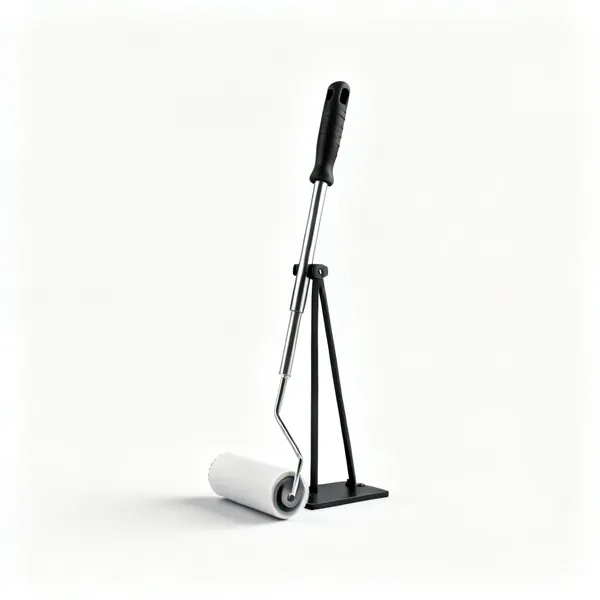
  • Roller stands: An adjustable roller support stand

    Roller stands

    Support long stock as it feeds through a saw or past a torch. Unsupported weight bends the work and pulls the cut off line.

  • A heavy duty welding earth clamp with a cableEssential

    Earth clamp

    Completes the circuit, and the source of half of all mysterious arc faults. Onto clean bare metal on the work, never a painted bench.

Consumables & filler 14

What the weld is actually made of, plus the parts of the torch that wear out. Cheap, and running out mid job stops everything.

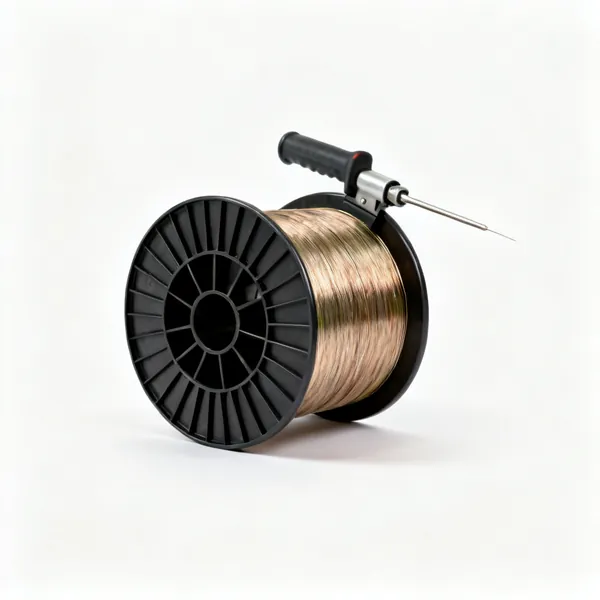
  • MIG wire: A spool of MIG welding wireEssential

    MIG wire

    Solid wire on a spool, in diameters matched to material thickness. Keep it dry, since surface rust on wire feeds badly and welds worse.

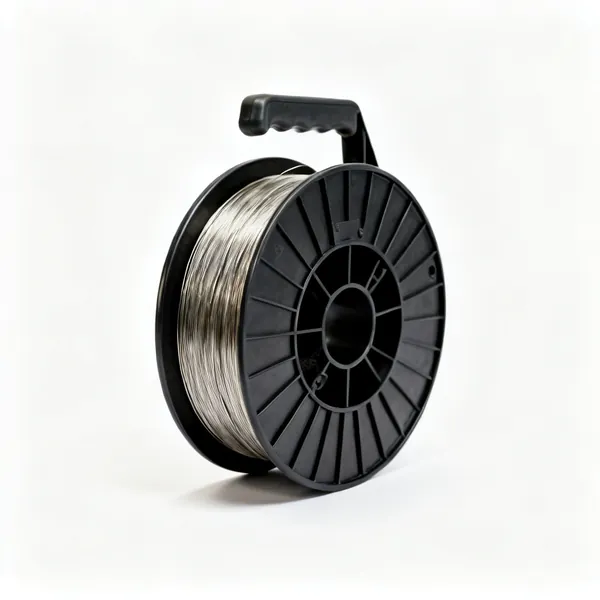
  • Flux cored wire: A spool of flux cored welding wire

    Flux cored wire

    Wire carrying its own shielding, so no gas bottle is needed. Convenient outdoors, and it spatters and leaves slag to chip.

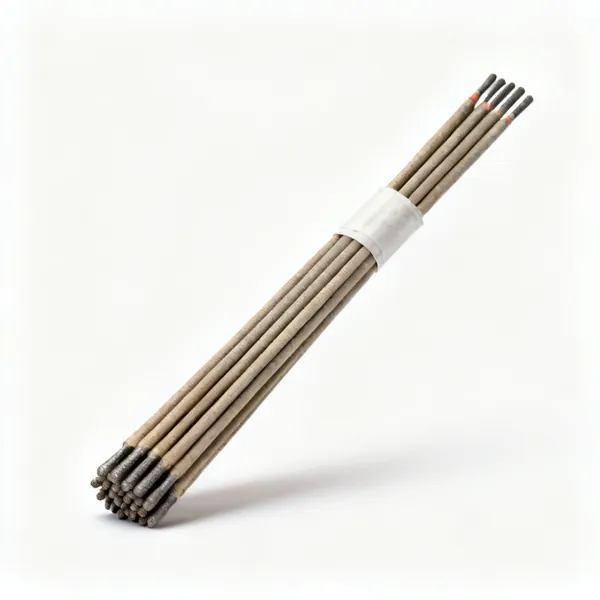
  • Stick electrodes: A bundle of stick welding electrodes

    Stick electrodes

    Coated rods where the coating becomes the shield. Types suit different positions and materials, and they must be kept dry.

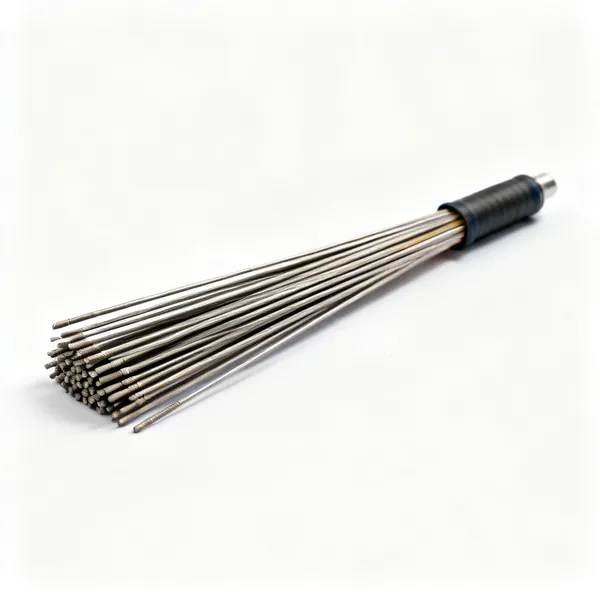
  • TIG filler rods: A bundle of TIG welding filler rods

    TIG filler rods

    Bare rods hand fed into the puddle, matched to the parent metal. The filler is chosen for the material, not for convenience.

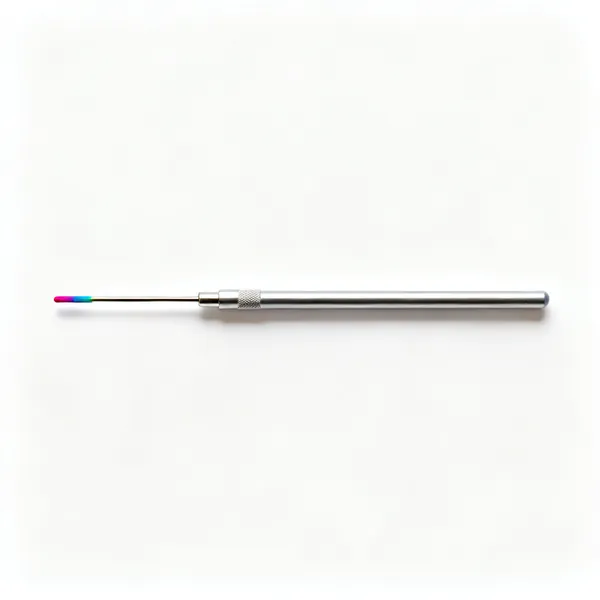
  • TIG tungsten electrodes with coloured tips

    Tungsten electrodes

    The non consumable TIG electrode, ground to a point for steel and balled for some aluminium work. Touch it to the puddle and it is contaminated.

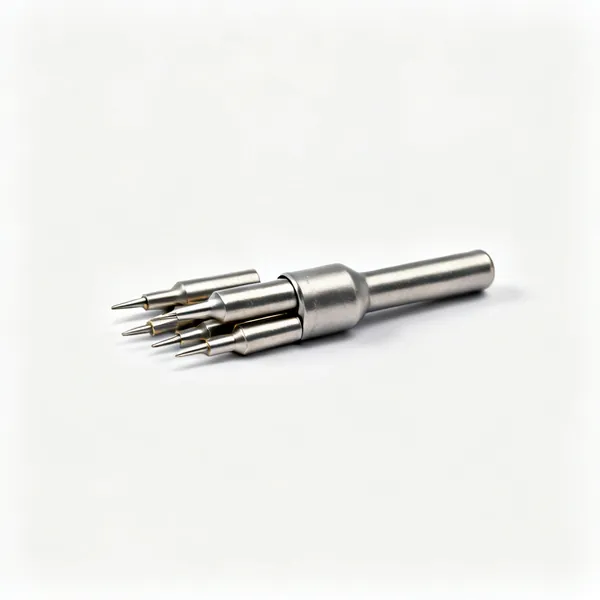
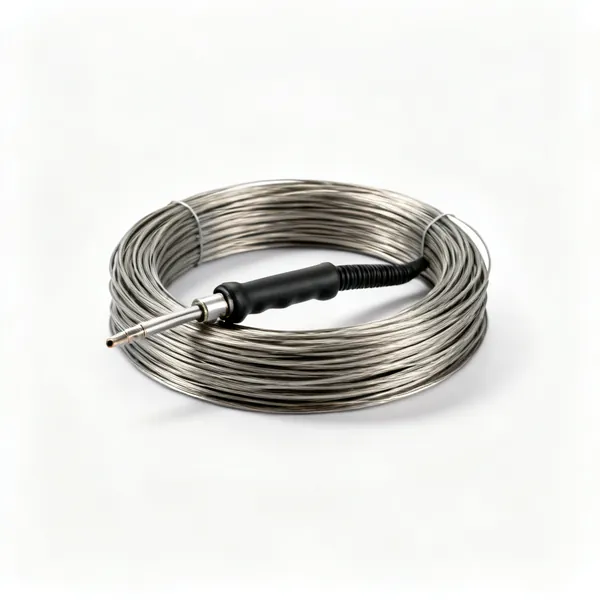
  • A group of MIG welding contact tipsEssential

    Contact tips

    Pass current to the wire at the torch and wear out steadily. A worn tip gives an erratic arc, and people keep them far too long.

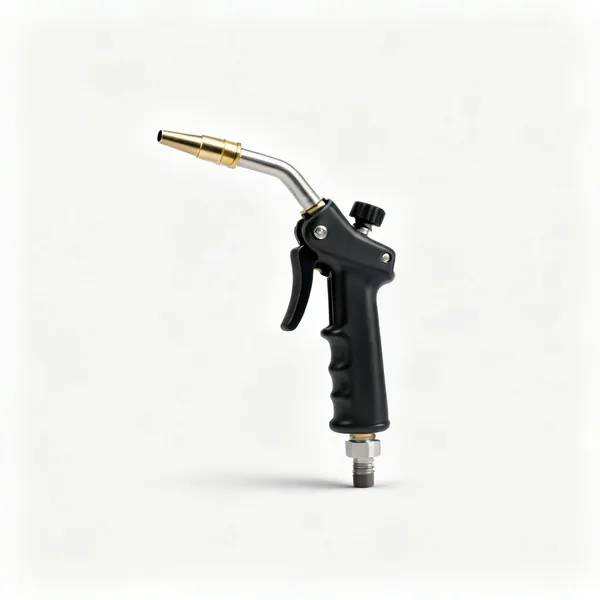
  • MIG welding gas nozzlesEssential

    Gas nozzles

    Shape the gas shield around the arc. Spatter builds up inside and disrupts the flow, so they get cleaned and replaced regularly.

  • Torch liner: A coiled MIG torch wire liner

    Torch liner

    The tube the wire travels through inside the hose. A kinked or dirty liner causes the feeding faults blamed on the machine.

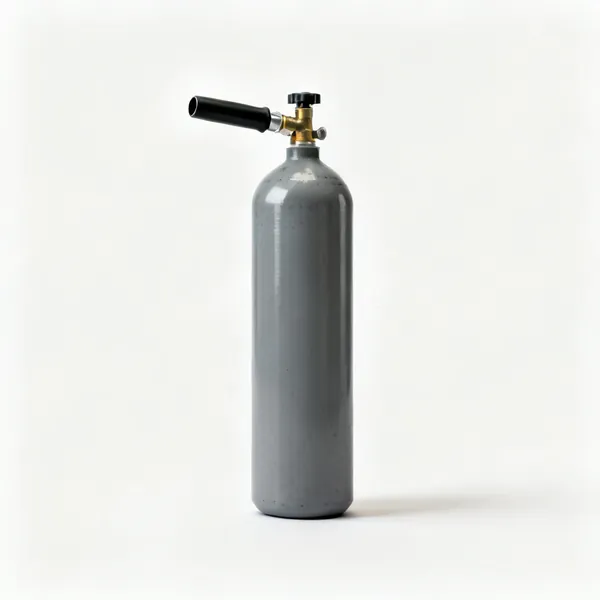
  • A grey shielding gas cylinder bottleEssential

    Shielding gas

    Argon and carbon dioxide mixes for steel, pure argon for aluminium and TIG. Stored upright and chained, because a falling bottle is dangerous.

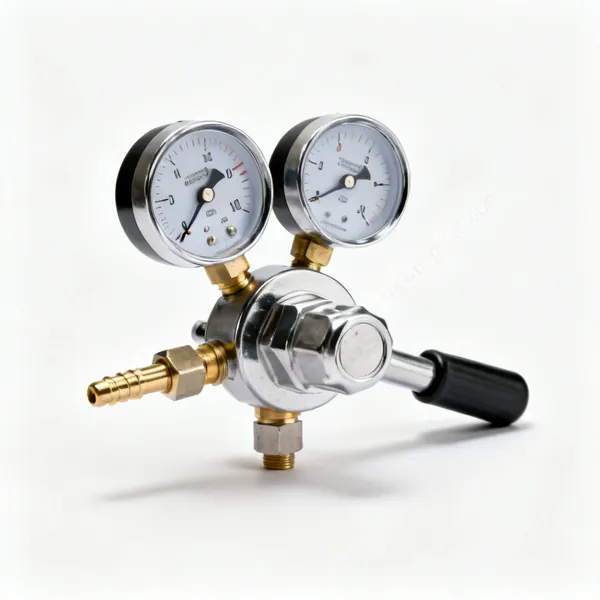
  • A welding gas regulator with two gaugesEssential

    Gas regulator

    Drops bottle pressure to a usable flow and shows what you are using. Too much flow is as bad as too little, since it draws air in.

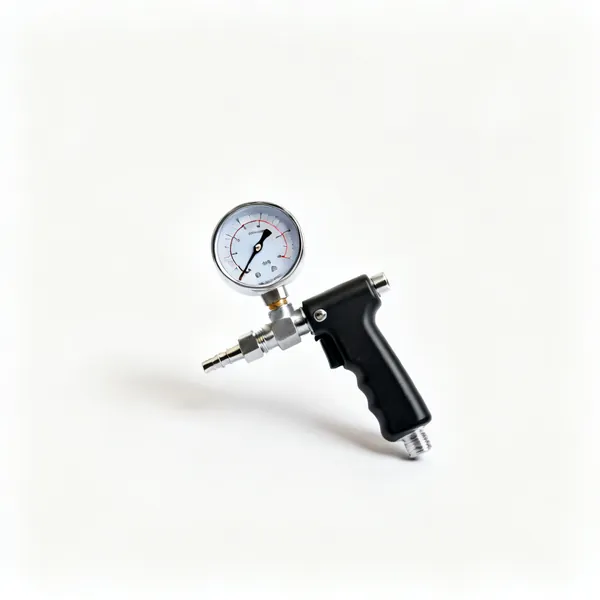
  • A welding gas flow meter tube gauge

    Flow meter

    Reads actual gas flow in litres per minute rather than pressure. More accurate for TIG, where flow rate genuinely matters.

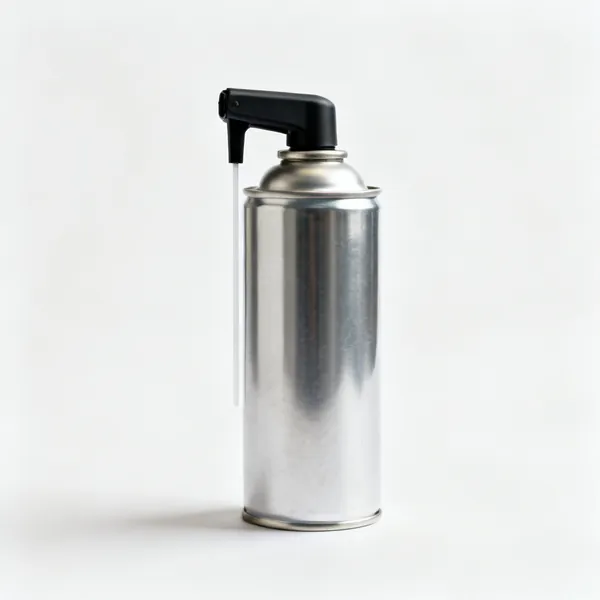
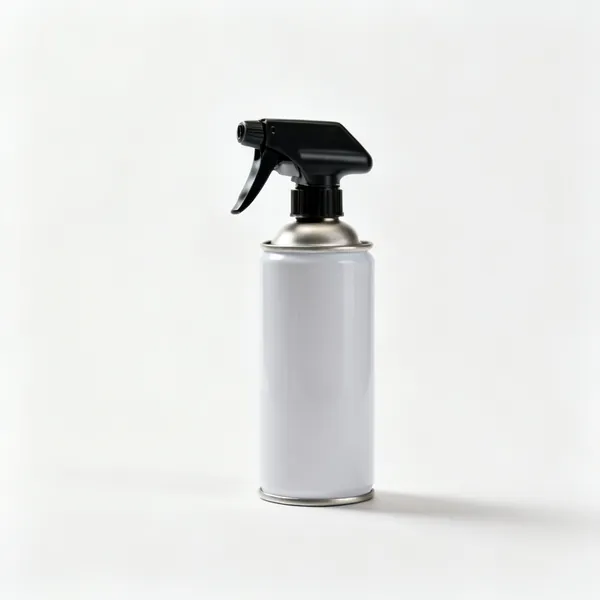
  • An aerosol can of welding anti spatter spray

    Anti spatter spray

    Stops spatter sticking to the nozzle and to the work around the weld. Saves nozzles and saves a lot of grinding afterwards.

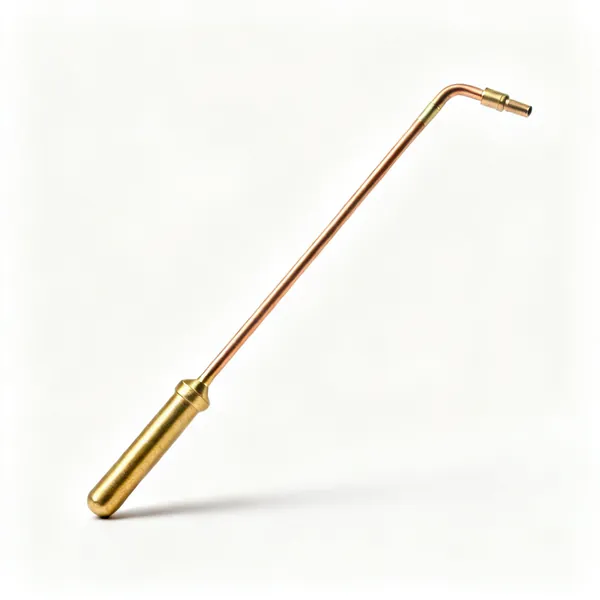
  • Brass brazing rods with flux

    Brazing rods

    Joins metal below its melting point with a filler alloy. Useful on dissimilar metals and thin material a weld would blow through.

  • A tin of welding flux paste with a brush

    Flux

    Chemically cleans the joint as it heats, letting the filler flow and bond. Brazing and soldering do not work without it.

Cutting & shaping 11

Getting stock to length and shape before welding. Square accurate cuts make fit up easy, and bad cuts make welding a fight.

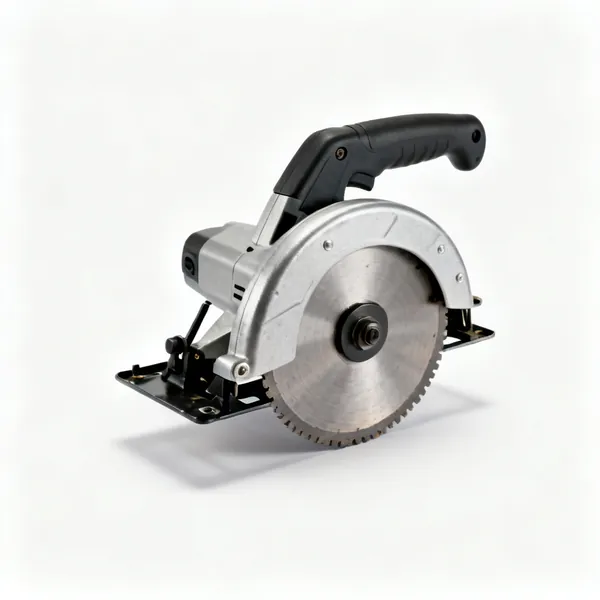
  • Metal chop saw: A metal cutting chop saw with a cutting wheelEssential

    Metal chop saw

    An abrasive or cold cut saw for square repeatable cuts in bar and tube. Fit up is most of a good weld, and this is where it starts.

  • Metal bandsaw: A horizontal metal cutting bandsaw

    Metal bandsaw

    Slow blade speed, a clean cut and no shower of sparks. Quieter and more accurate than an abrasive saw, and it costs more.

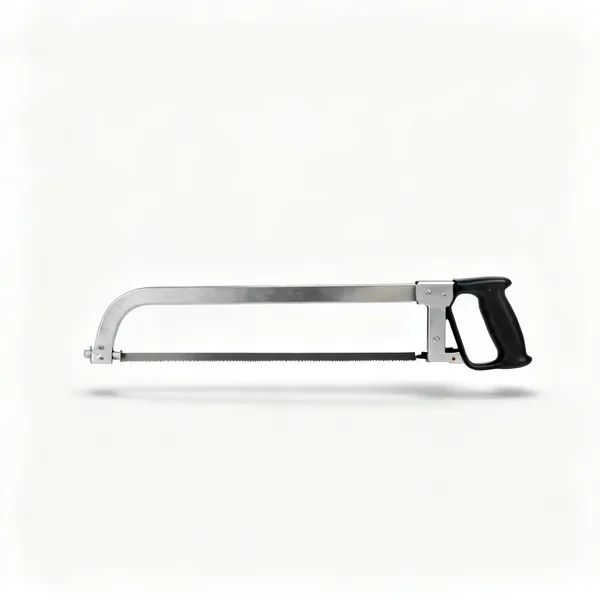
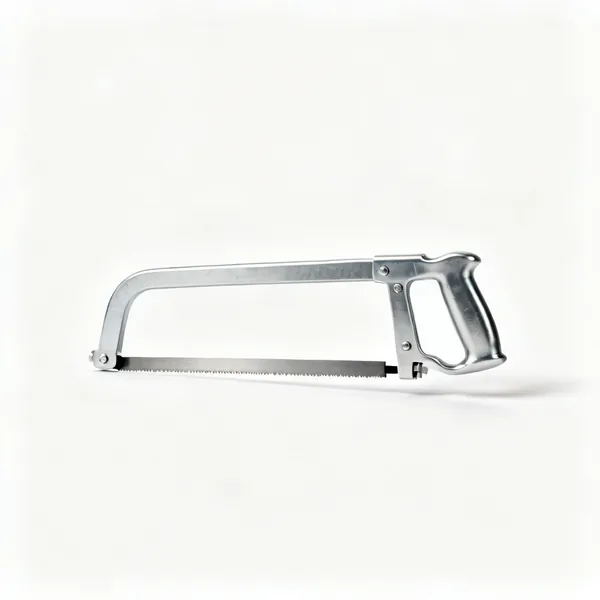
  • HacksawEssential

    Hacksaw

    Hand cutting where no power tool fits, and the tool that always works. Fit the blade with the teeth facing forward.

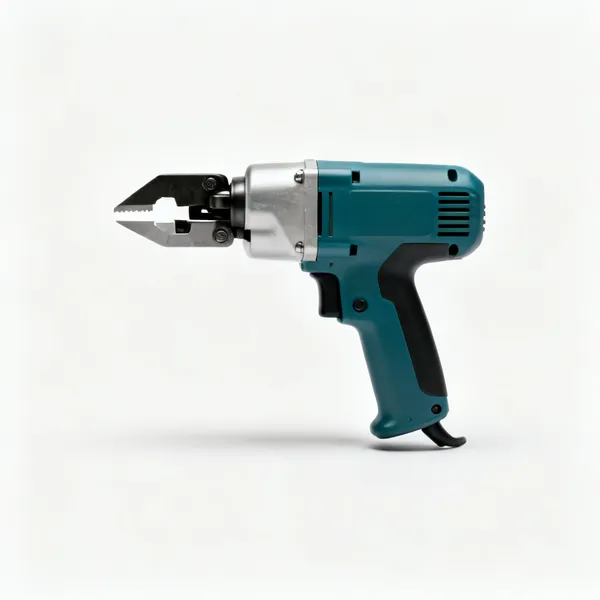
  • Sheet nibbler: An electric sheet metal nibbler tool

    Sheet nibbler

    Punches its way through sheet leaving a clean edge with no heat distortion. Better than a grinder on thin panel.

  • A pair of red handled tin snips

    Tin snips

    Hand shears for sheet, in left, right and straight cutting patterns. The pattern matters more than people expect on a curve.

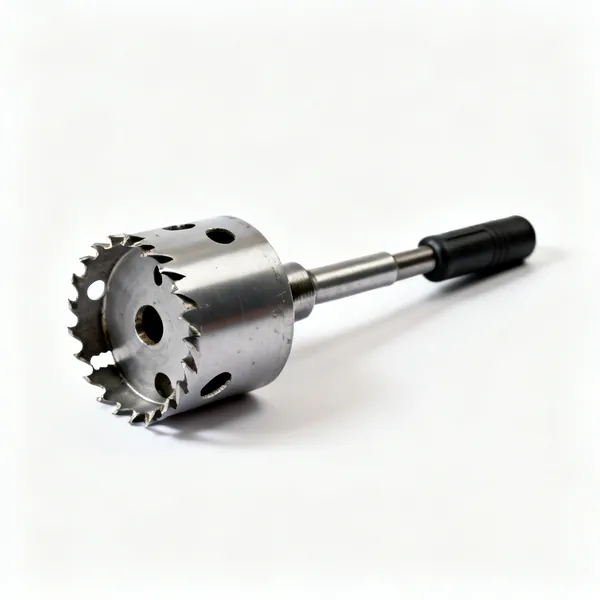
  • A set of bi metal hole saws

    Hole saws

    Cuts a large round hole in plate and tube. Slow speed and cutting fluid, because heat is what kills a hole saw.

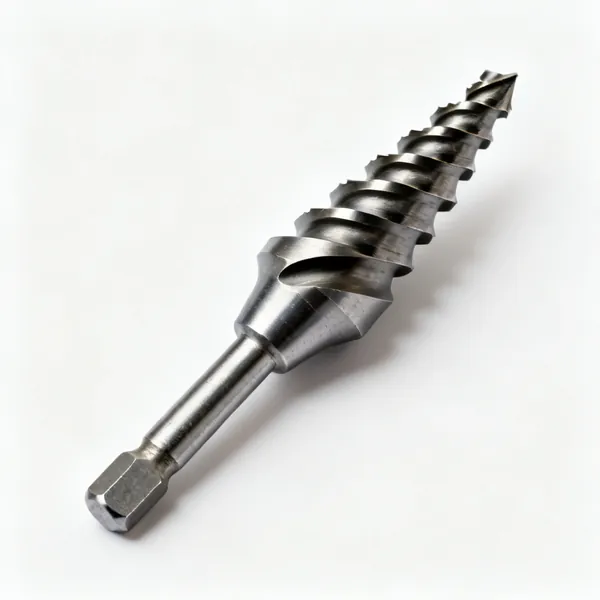
  • A step drill cone bit

    Step drill

    Cuts and enlarges holes in sheet without grabbing and tearing, which is exactly what a twist bit does in thin steel.

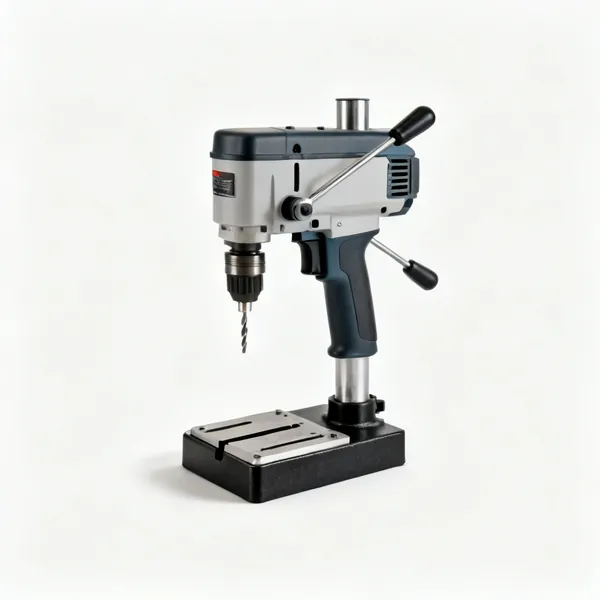
  • Magnetic drill: A magnetic base drill press unit

    Magnetic drill

    Clamps itself to steel with a magnet and drills a large accurate hole in place. For beams and structures that cannot be moved.

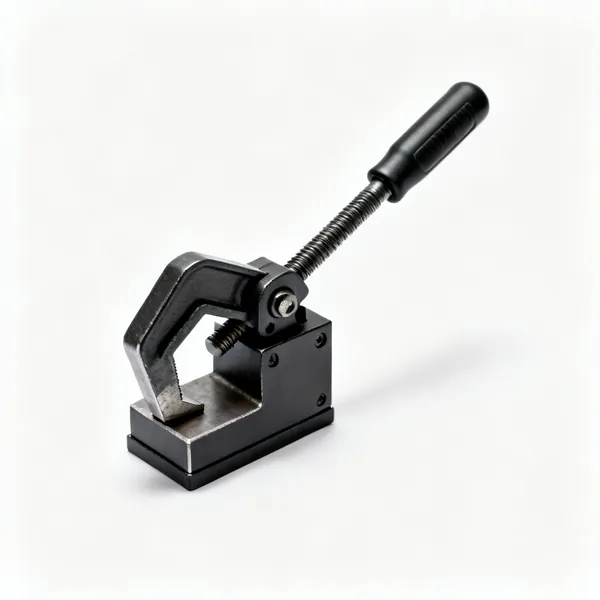
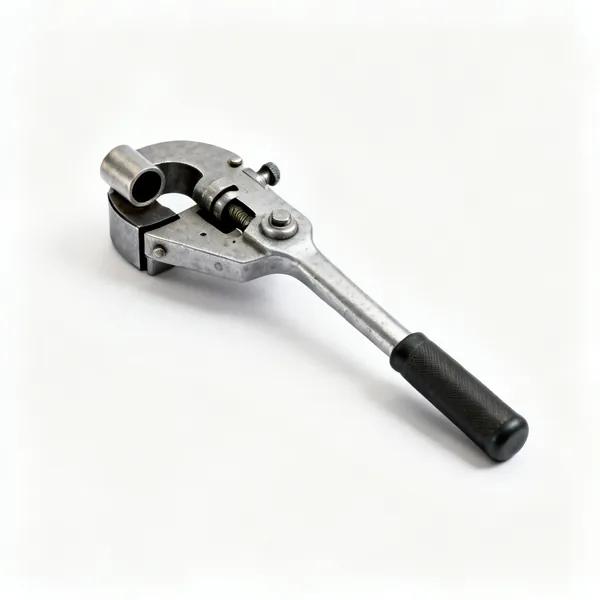
  • Metal bender: A manual metal tube bender tool

    Metal bender

    Forms bar and tube to a radius without kinking. Cold bending keeps the strength that heating and hammering removes.

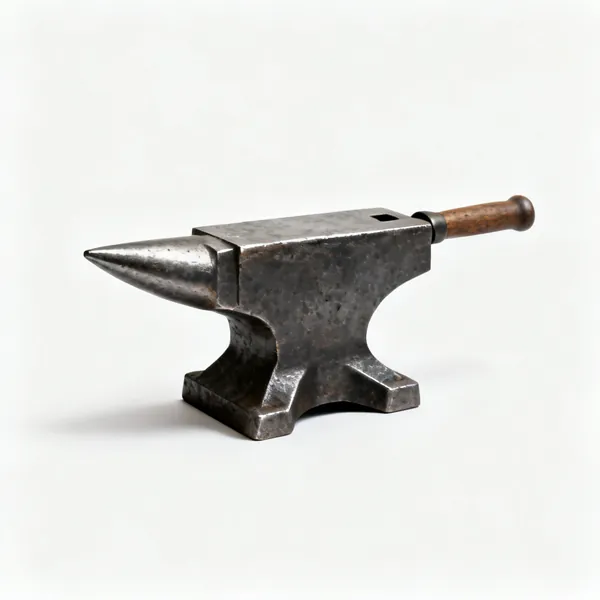
  • A steel blacksmith anvil

    Anvil

    A heavy hardened surface to shape against. Mass is the whole point, since a light anvil absorbs the blow instead of returning it.

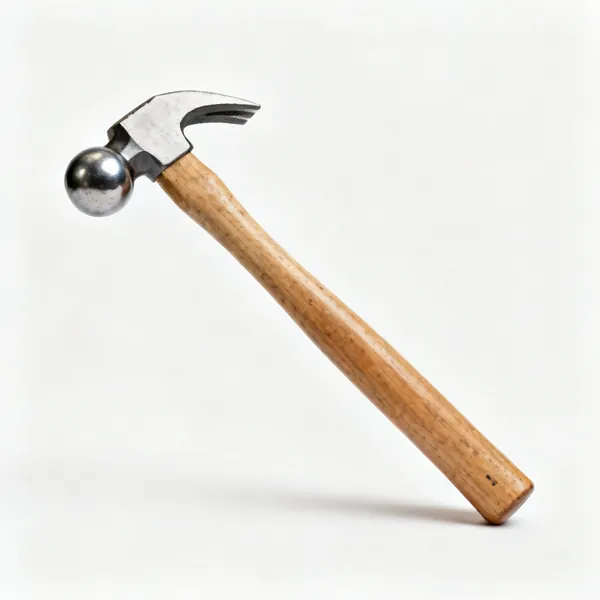
  • A ball pein hammer with a wooden handleEssential

    Ball pein hammer

    Shaping steel, setting rivets and persuading a joint into line. A hardened face that will not chip like a claw hammer.

Measuring & marking 11

Metal work is unforgiving about squareness, and heat moves everything. These tools tell you what happened while you were welding.

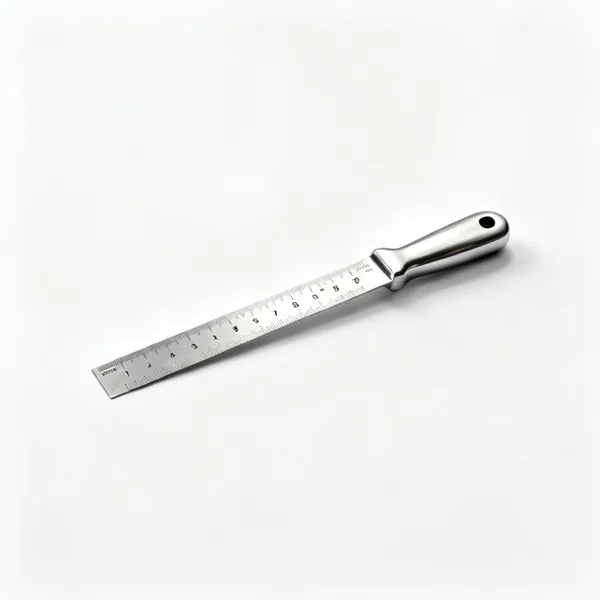
  • A stainless steel rule with engraved markingsEssential

    Steel rule

    Survives heat, sparks and being stood on. A tape measure end hook has play in it, which matters on a short precise mark.

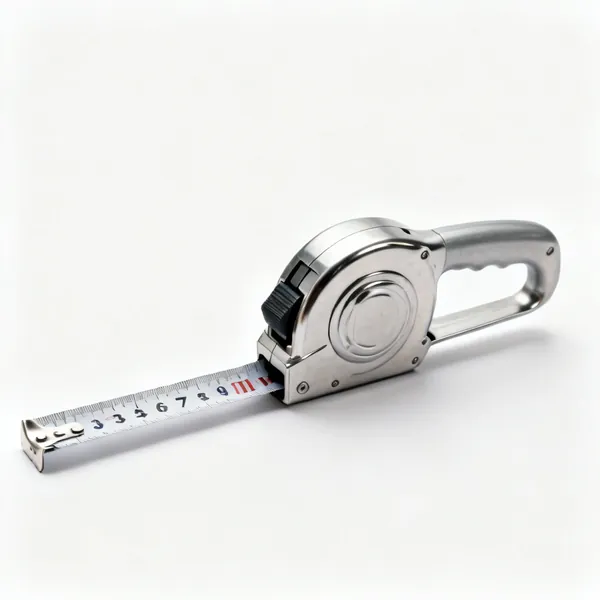
  • A steel tape measureEssential

    Tape measure

    General measuring and checking diagonals as you tack. Checking diagonals is the only reliable way to know a frame is square.

  • Engineer's square: An engineer's try square with a steel bladeEssential

    Engineer's square

    A precision right angle for checking a joint properly. Magnetic squares hold, and this is what tells you whether they held true.

  • A combination square with a sliding rule

    Combination square

    Squares, marks forty five degrees and sets a depth. One tool doing four jobs on the marking out bench.

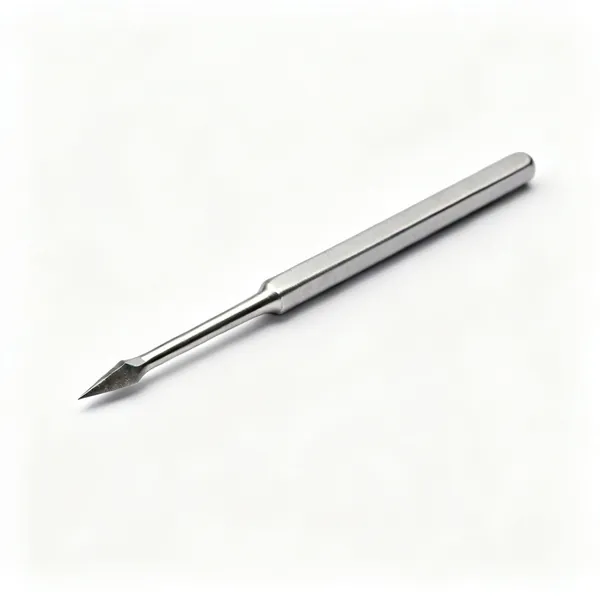
  • A metal scriber with a carbide tipEssential

    Scriber

    Scratches a fine permanent line into metal, where a pencil rubs off and a marker line is too wide to cut to.

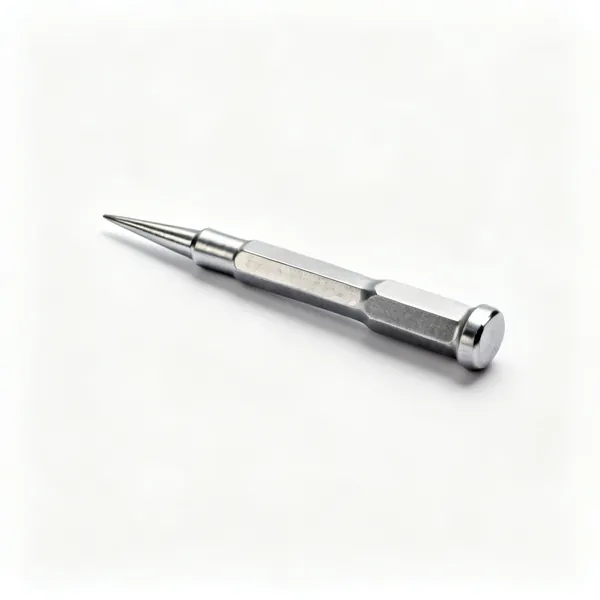
  • A steel centre punchEssential

    Centre punch

    Dents the metal so a drill bit starts where you intended. Without it the bit skates and the hole ends up somewhere else.

  • A flat soapstone welding marker in a holder

    Soapstone

    A marker that stays visible next to a weld where chalk burns off and marker pen vanishes. Traditional and still unbeaten.

  • A stainless steel fillet weld gauge set

    Weld gauge

    Measures fillet size and throat thickness against the standard. How you check a weld meets spec rather than looks acceptable.

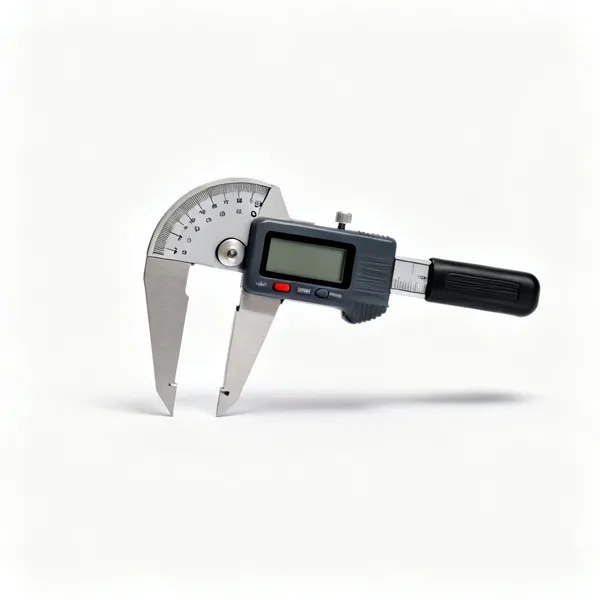
  • Angle finder

    Angle finder

    Reads and transfers any angle for cutting and fitting. Real frames are rarely all right angles, whatever the drawing said.

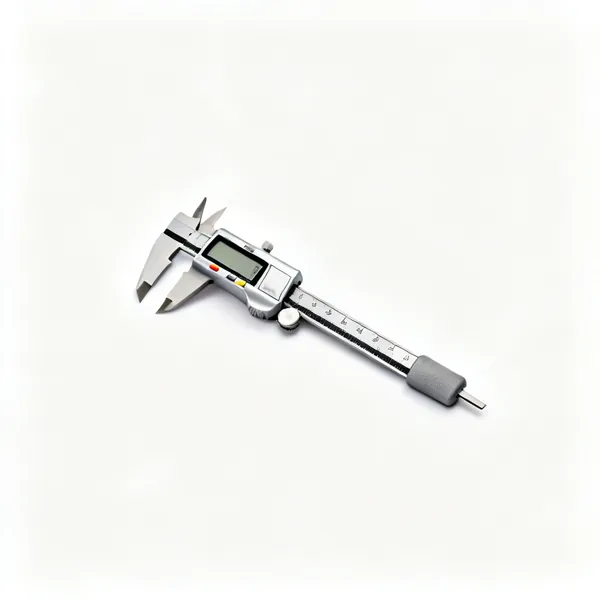
  • A pair of digital vernier calipers

    Vernier calipers

    Measures thickness, bore and depth precisely, which decides wire size, current and how much filler a joint needs.

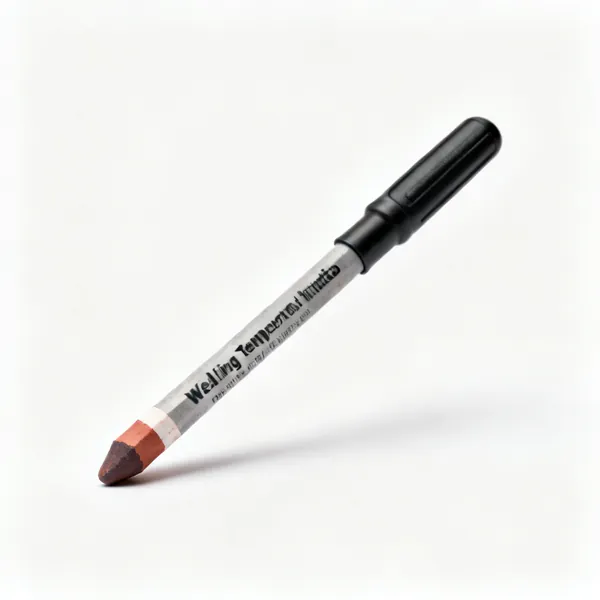
  • Temperature sticks: Welding temperature indicator crayon sticks

    Temperature sticks

    Crayons that melt at a known temperature, for checking preheat and interpass heat. Guessing on thick or alloy steel causes cracking.

Finishing & inspection 10

Dressing the weld and checking it is sound. The point is to improve the appearance without grinding away the strength.

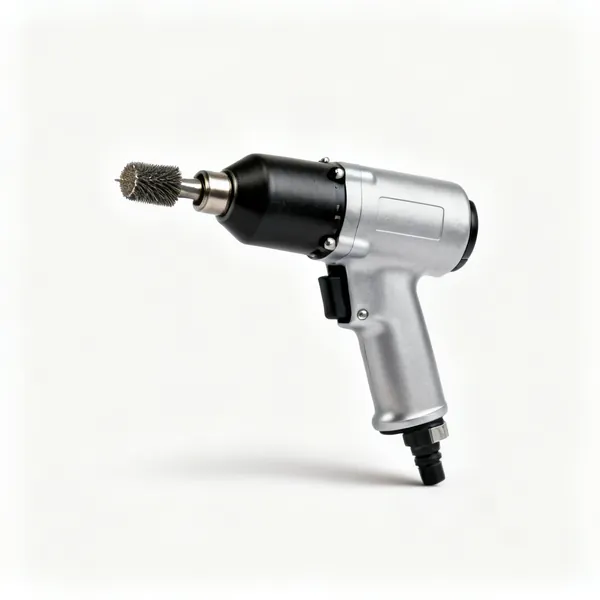
  • A pneumatic die grinder with a burr bit

    Die grinder

    A small high speed grinder for burrs and tight corners an angle grinder cannot enter. Detail work rather than bulk removal.

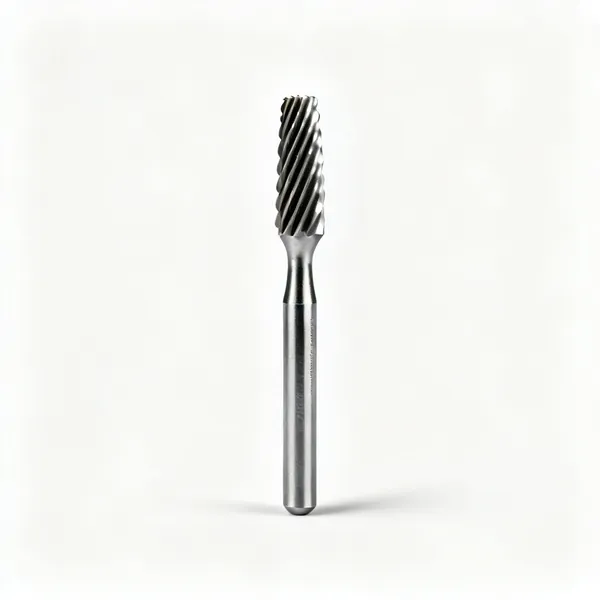
  • Carbide burrs: A set of carbide burr bits

    Carbide burrs

    Shaped cutters that carve steel precisely, for opening a joint or blending a weld in an awkward place.

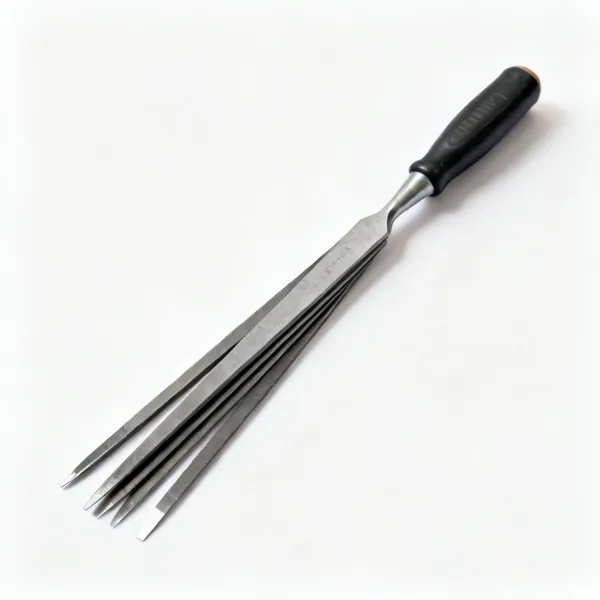
  • Engineer's files: A set of engineer's metal filesEssential

    Engineer's files

    Precise hand removal in flat, half round and round profiles. Slower than a grinder and the only way to hit a line exactly.

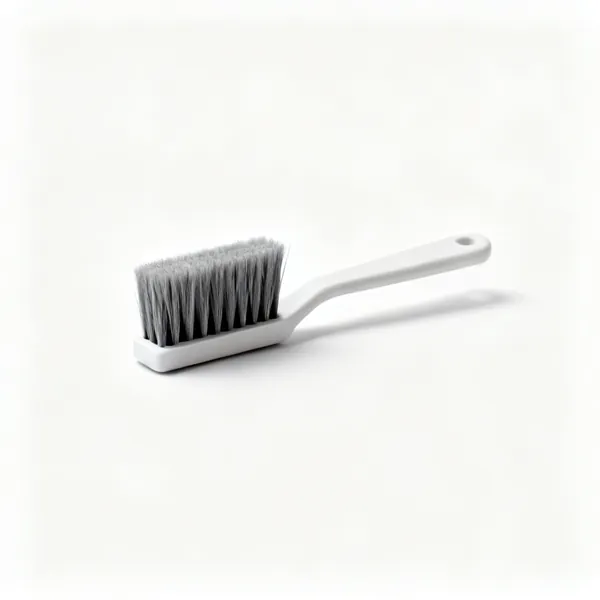
  • File card: A file cleaning card brush

    File card

    A stiff brush that clears filings from the teeth. A clogged file stops cutting and starts scratching the work instead.

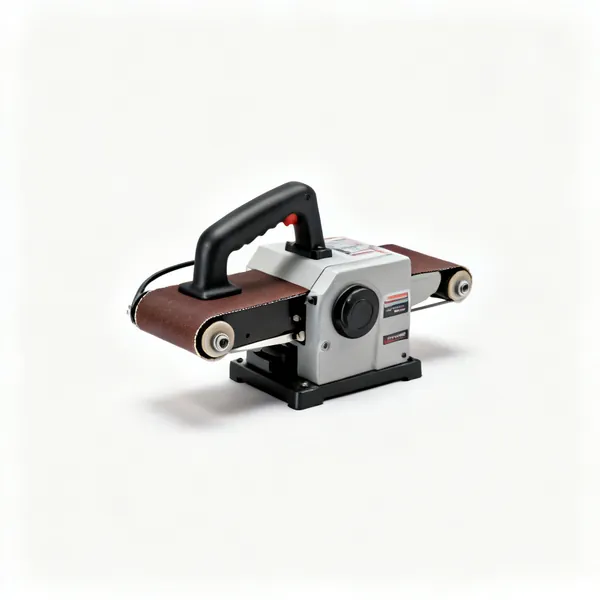
  • A bench belt sander for metal

    Belt sander

    A bench belt for flattening and blending large areas evenly, where a grinder leaves waves in the surface.

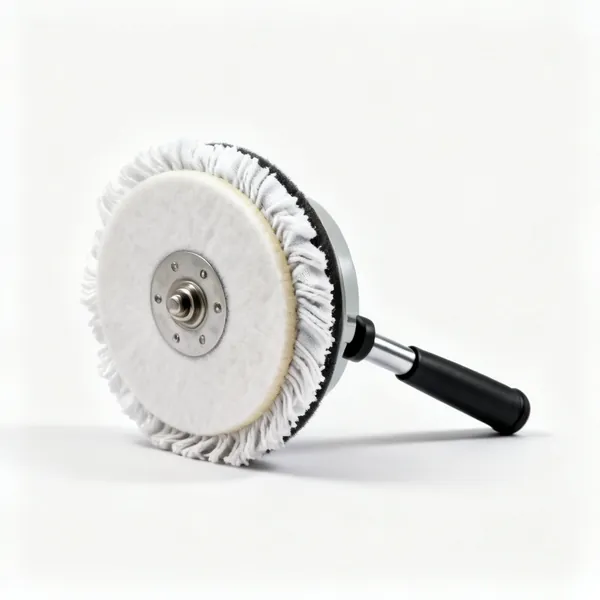
  • A cloth polishing mop wheel with compound

    Polishing mop

    Cloth wheels and compound bring stainless and aluminium up to a shine. The last step after abrasives, and only after.

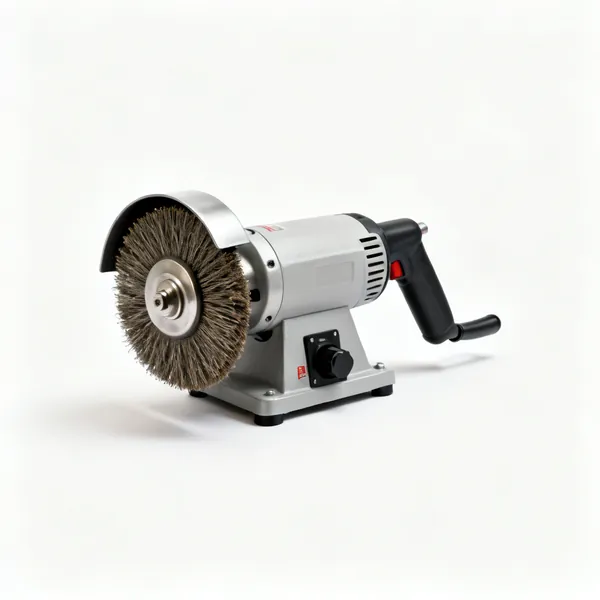
  • Bench wire wheel: A bench grinder with a wire wheel

    Bench wire wheel

    Cleans scale and rust off small parts quickly. Wear a face shield, since bench wheels throw broken wires at eye level.

  • Dye penetrant kit: A dye penetrant crack testing spray kit

    Dye penetrant kit

    Draws dye into surface cracks and reveals them against a developer. Cheap non destructive testing for a critical weld.

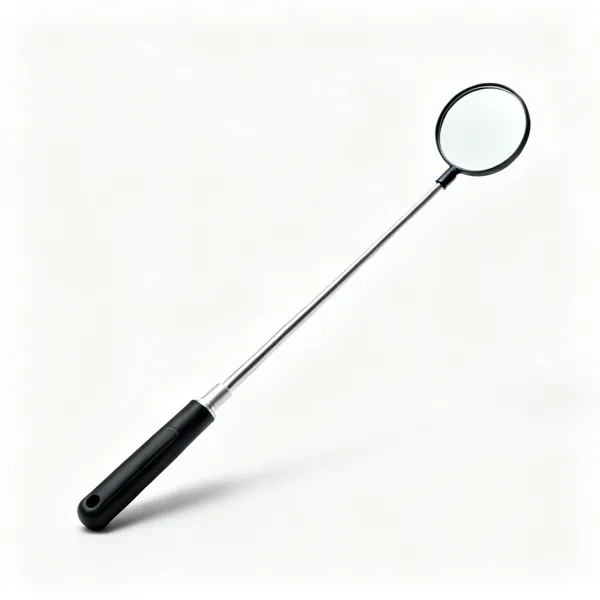
  • A telescopic inspection mirror on a handle

    Inspection mirror

    Sees the back of a joint and inside tube. Half of weld inspection is being able to look at the side you cannot reach.

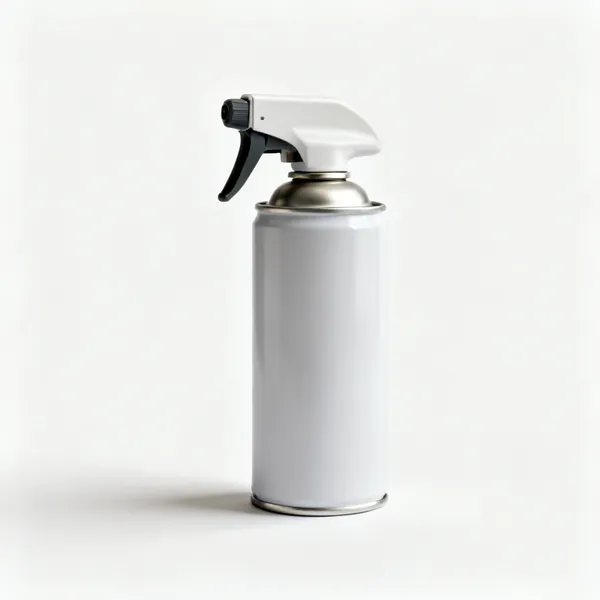
  • Weld primer: An aerosol can of zinc rich metal primerEssential

    Weld primer

    Bare steel starts rusting within hours, and a ground weld rusts first. Zinc rich primer straight after finishing, before it marks.

Workshop & handling 10

Moving, storing and powering the setup. Steel is heavy and gas bottles are hazardous when handled casually.

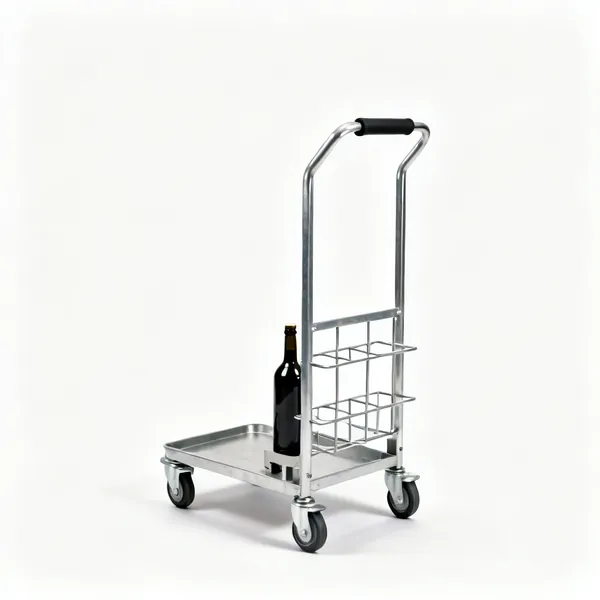
  • A steel welding cart trolley with a bottle rack

    Welding cart

    Carries the machine, the bottle and the leads together on wheels, with the bottle chained. It stops the bottle being stood loose.

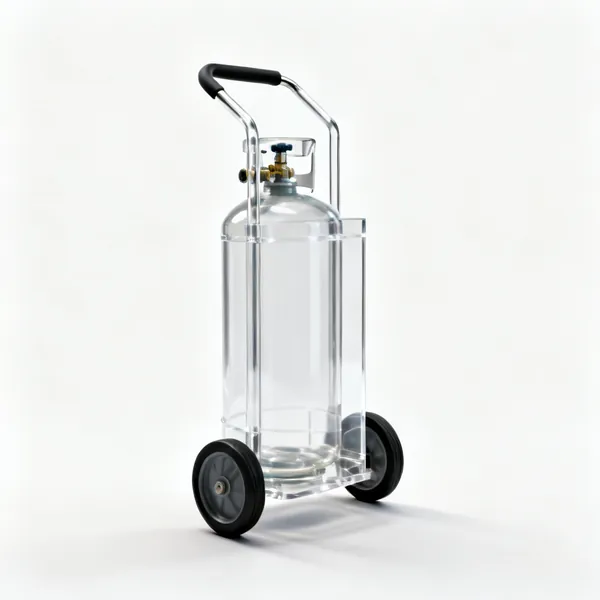
  • A gas cylinder bottle trolley

    Bottle trolley

    Moves a gas cylinder upright and secured. Carrying a bottle by hand is how valves get snapped off, which is genuinely dangerous.

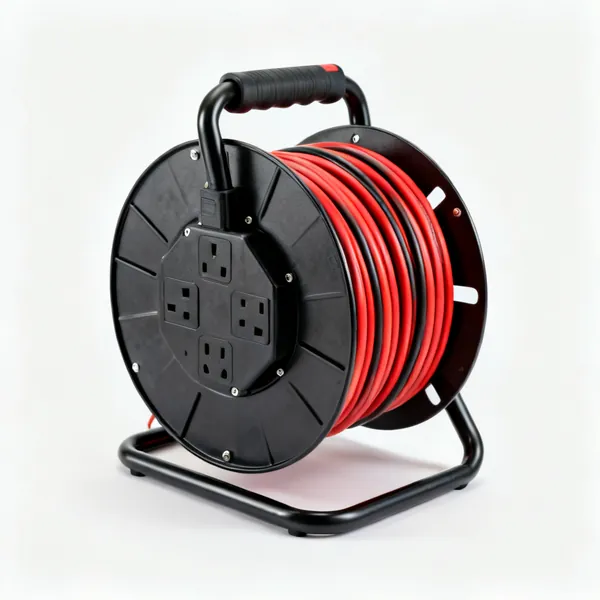
  • Heavy extension lead: A heavy duty extension lead on a reelEssential

    Heavy extension lead

    Welders draw real current, and a thin domestic lead heats up and drops voltage. Rated cable, fully unwound, every time.

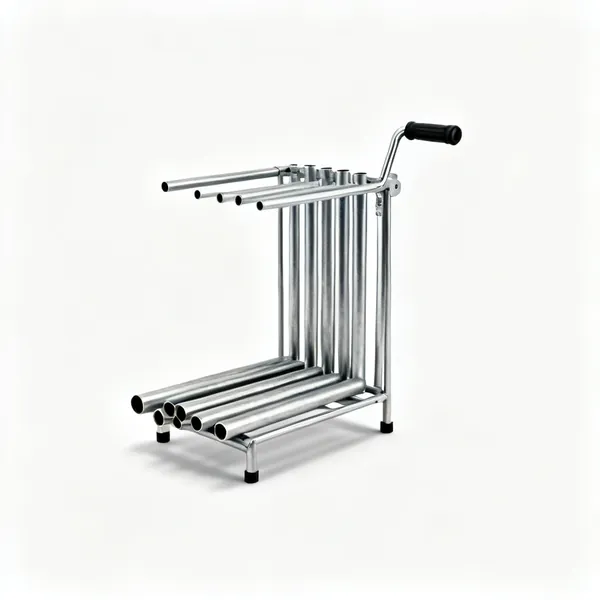
  • Steel rack: A steel storage rack with lengths of tube and bar

    Steel rack

    Keeps stock straight, sorted and off the floor. Bent stock is wasted stock, and it bends by being stacked badly.

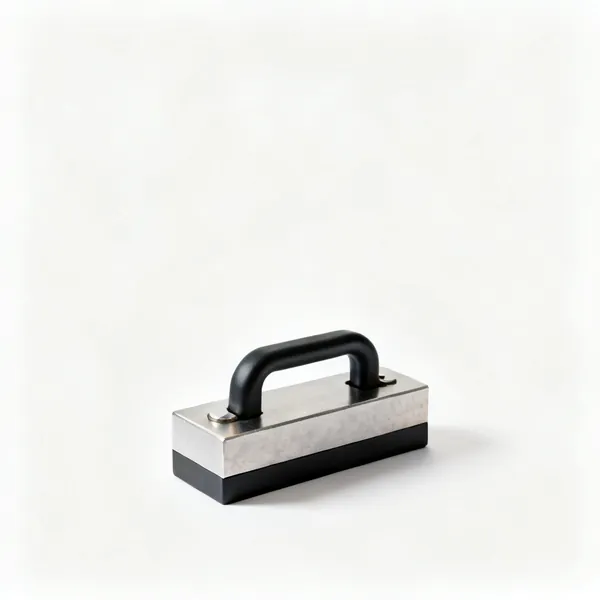
  • A switchable lifting magnet with a handle

    Lifting magnet

    Picks up plate and offcuts with a switchable magnet, so nobody handles sharp sheet edges by hand.

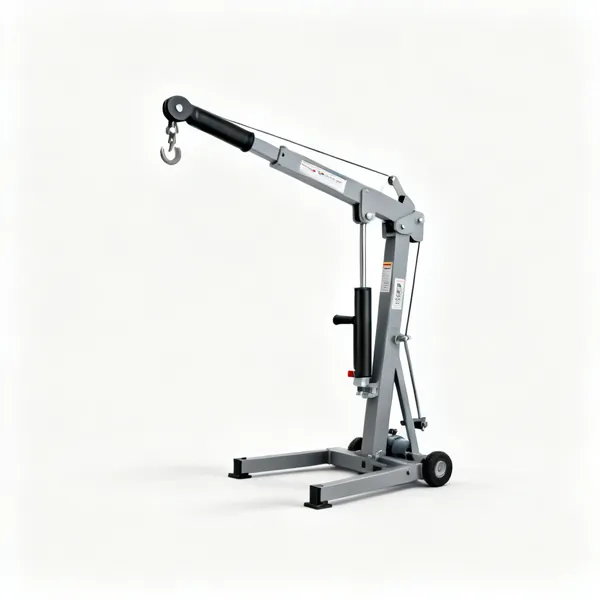
  • Engine crane or hoist: A folding hydraulic shop crane hoist

    Engine crane or hoist

    Lifts heavy fabrications onto the bench and out again. The alternative is a back injury and a dropped workpiece.

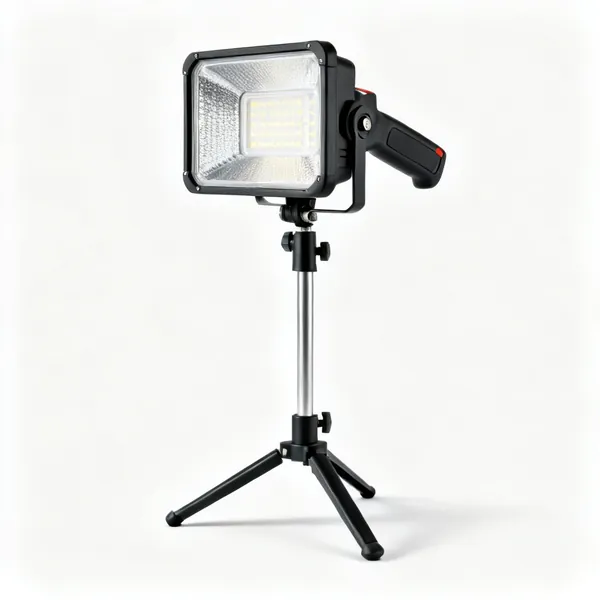
  • Workshop lighting: An LED workshop light on a standEssential

    Workshop lighting

    You cannot inspect a weld you cannot see, and the helmet takes most of the light away. Bright, and from more than one direction.

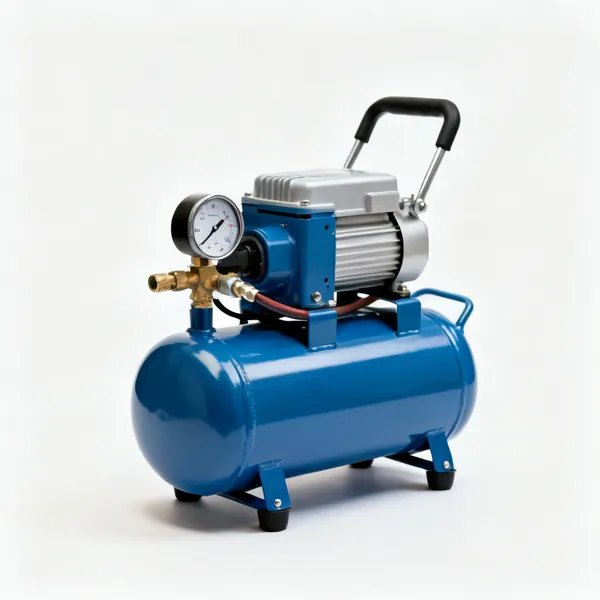
  • An air compressor with a tank and gauge

    Air compressor

    Runs die grinders, needle scalers and plasma cutters, and blows swarf out of a joint. The other machine a metal shop ends up needing.

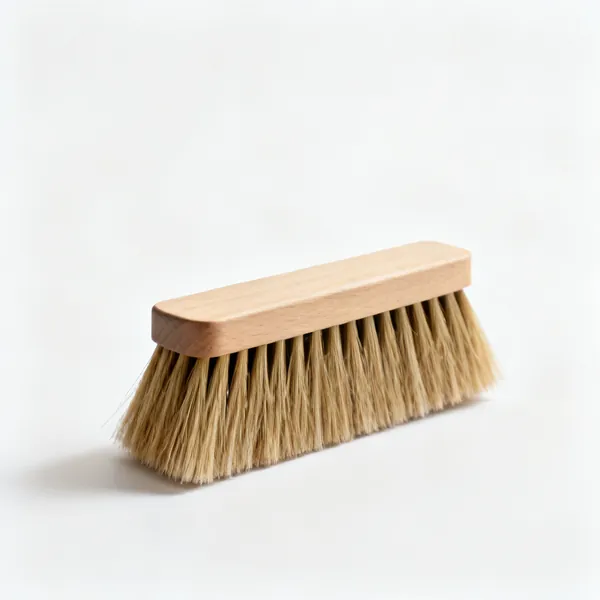
  • Bench brush: A stiff bench sweeping brushEssential

    Bench brush

    Steel swarf and grinding dust get everywhere, get into skin and rust into a bench top. Swept off, not blown at people.

  • Offcut bin: A metal bin of steel offcuts

    Offcut bin

    Sorted by section, because the next job always needs a short piece of something. Also what keeps sharp offcuts off the floor.

Choosing welding equipment

Pick the process before the machine, because the process decides what you can weld, how portable it is and how much of the cost is consumables.

Pick the process, then the machine

There are three processes worth considering at home, and they suit different jobs rather than different budgets.

MIG feeds wire automatically, so it is the easiest to learn and the fastest on clean steel. Stick is the most tolerant of rust, wind and thick metal, and the cheapest to get started with. TIG gives the most control and the neatest result, works on aluminium and stainless, and takes the longest to learn because both hands and a foot are all doing something.

Most people should start with MIG on thin to medium steel, add stick if they work outdoors or on farm repairs, and come to TIG when the appearance of the weld matters.

MIG for speed and easy learning
Wire feeds continuously, so you concentrate on the puddle. Best on clean steel from about one millimetre upwards.
Stick for rust, wind and thick steel
No gas bottle, so it works outdoors where a breeze blows shielding gas away. Tolerates surfaces that MIG will not.
TIG for control and other metals
The choice for aluminium, stainless and anything visible. Slow, precise and the hardest to pick up.
Gasless MIG is a compromise, not a shortcut
Flux cored wire without a bottle is convenient and it spatters, smokes and leaves slag to chip. Fine on structural work, ugly on show work.
Check the duty cycle, not just the amps
Duty cycle is how many minutes in ten it can weld before cooling. A high amp figure with a low duty cycle stops just as you get going.
Match the machine to your power supply
Thick steel needs current, and current needs a supply. A machine that trips your ring main every time is not a machine you own usefully.

The two hazards that cause permanent harm

An arc gives off intense ultraviolet light. Looking at it without a proper filter causes arc eye, which feels like sand under the eyelids for a day or two and does cumulative damage to the retina. It happens in seconds, and it happens to bystanders who glanced over from across the workshop.

The other hazard is the fume. Welding fume is now classed as a carcinogen, and galvanised steel gives off zinc oxide, which causes an illness with genuine flu symptoms. Neither hazard announces itself while you are working.

An auto darkening helmet, correctly set
Set the shade for the current you are running and test it before striking an arc. A helmet that fails to darken is worse than no helmet, because your eyes are already open and pointed at the arc.
Screen the area for everybody else
Anyone in line of sight can get arc eye without ever looking directly at the weld. Screens or curtains are for other people, not for you.
Extract the fume at the source
An extraction arm or a fume hood at the weld, not a fan pushing it around the room. Opening a door does not count as ventilation.
Never weld galvanised steel without extraction
Zinc fume causes metal fume fever, which lands people in bed. Grind the coating back beyond the weld area first.
Cover every inch of skin
The arc burns skin like strong sun, and it burns through a thin shirt. Leather, a proper jacket, and no synthetic clothing anywhere near it.
Move flammables, then check again
Spatter travels much further than people expect and smoulders quietly for an hour. Most workshop fires start after the welder has gone home.

Preparation is most of the weld

A weld is only as good as what it is welding to. Paint, rust, mill scale, oil and galvanising all contaminate the puddle, and contamination shows up as porosity, which means a weld full of small holes that looks fine and is not.

Fit up matters just as much. Metal that does not meet cannot be welded together, only filled, and a filled gap is weak. Cut accurately, clamp tightly, tack first, then weld.

Grind back to bright metal
Both sides, and beyond the weld area rather than just on the line. Clean metal is the single biggest factor in a sound weld.
Fit up before you strike an arc
Gaps make bad welds. A tight joint welds itself almost, and a two millimetre gap becomes a fight.
Tack, then check, then weld
Tacks hold the alignment while you confirm it is square. Welding a long seam first and checking after means starting again.
Expect distortion and plan for it
Heat shrinks metal as it cools, and it pulls the work out of shape. Stitch alternate ends, spread the heat, and clamp more than feels necessary.
Clean the wire brush between materials
A brush used on mild steel then on stainless drags carbon steel into it, and the stainless rusts along the weld. Keep separate brushes.

What to buy first, in order

Stage one: protection
An auto darkening helmet, a leather jacket or sleeves, welding gauntlets, safety boots, safety glasses for grinding, an FFP3 mask, ear defenders and a fire extinguisher. Buy this before the machine.
Stage two: the machine and consumables
The welder itself, gas if the process needs it, the right wire or rods, spare contact tips and nozzles, and an earth clamp that actually grips.
Stage three: preparation and holding
An angle grinder with cutting and grinding discs, a wire brush, a chipping hammer, a set of welding clamps, a magnetic square and a steel rule and scriber.
Stage four: refinement
A bandsaw or chop saw for square cuts, a bench vice, a positioner or rotating table, a flap disc set and a fume extractor if your space is enclosed.

Mistakes that ruin a weld

Welding over paint, rust or galvanising
Contamination puts holes through the weld. It looks acceptable on the surface and fails under load.
Wrong shade, or a helmet not tested first
Too light damages your eyes, too dark and you cannot see the puddle, so you weld blind and wander off the joint.
Travelling too fast
The most common beginner fault. It gives a thin, high, ropey bead that has not fused into the parent metal at all.
No gas, or gas blown away
A closed valve or a breeze gives a spitting arc and a porous weld. Outdoors, MIG needs a screen or you need stick instead.
A poor earth clamp
Half of all mysterious arc problems. Clamp to clean bare metal on the workpiece, never to a painted bench or through a hinge.
Ignoring distortion until the end
By the time the frame is welded, it is out of square permanently. Measure the diagonals as you tack, not afterwards.
Grinding the weld away to make it look neat
The weld is the strength. Dressing the surface is fine, and grinding into the parent metal removes what you just built.

Looking after welding equipment

Keep stick electrodes dry
The flux absorbs moisture and then the weld is porous. A sealed tub, and an oven for low hydrogen rods if you use them.
Change contact tips as consumables
A worn tip gives an erratic feed and a wandering arc. They cost very little, and people keep them far too long.
Anti spatter spray on the nozzle
Spatter builds up inside a MIG nozzle and disrupts the gas shield. A quick spray keeps it clear and saves the nozzle.
Blow the machine out regularly
Grinding dust is conductive and settles inside the case. Compressed air with the machine unplugged, every few months.
Store gas bottles upright and secured
Chained upright, valve protected, never left free standing. A falling bottle with a snapped valve is a serious projectile.
Replace the helmet lens covers
The clear cover takes the spatter so the filter does not. Pennies each, and a pitted cover makes you think your eyes are going.

Frequently asked questions

What welding tools do I need to start?
An auto darkening helmet, welding gauntlets, a leather jacket or sleeves, boots and a fire extinguisher first. Then a machine with the right consumables, an angle grinder, a wire brush, a chipping hammer and a set of welding clamps. Protection genuinely comes before the welder.
What is the difference between MIG, TIG and stick welding?
MIG feeds wire automatically and is fastest and easiest to learn on clean steel. Stick uses coated rods, needs no gas bottle and tolerates rust and wind, so it suits outdoor and thick work. TIG gives the most control and handles aluminium and stainless, and takes the longest to learn.
Which welding process should a beginner start with?
MIG, on mild steel from about one millimetre upwards. The wire feeds itself so you can concentrate on watching the puddle, and progress is quick. Add stick if you work outdoors, and come to TIG when the appearance of the weld matters.
What shade should my welding helmet be?
It depends on the current. Roughly shade 10 for low amperage, up to 13 for high current work, and an auto darkening helmet with an adjustable range covers it. Test that it darkens before you strike an arc, every session.
What is arc eye and how quickly does it happen?
Ultraviolet burn to the surface of the eye, which feels like grit under the eyelids and starts hours later. It happens in seconds of exposure, including to bystanders who only glanced across the workshop, which is why screens matter as much as helmets.
Is welding fume actually dangerous?
Yes. Welding fume is classed as a carcinogen, and galvanised steel releases zinc oxide which causes metal fume fever with genuine flu symptoms. Extract at the source rather than relying on an open door, and grind galvanising back before welding it.
Why is my weld full of small holes?
Porosity, and it is almost always contamination or shielding gas. Grind back to bright metal on both sides, check the gas is flowing and the bottle open, and make sure a breeze is not blowing the shield away from the puddle.
Can I weld outside with a MIG welder?
Only with a screen. Wind blows the shielding gas away and the weld becomes porous, and it takes surprisingly little breeze. For outdoor work, stick welding or gasless flux cored wire is the right answer.
Do I need a gas bottle?
For normal MIG and for TIG, yes. Stick welding needs none, and gasless flux cored MIG wire carries its own shielding, which is convenient but spatters more and leaves slag to chip off. It is a genuine trade off rather than a free lunch.
Why does my arc keep cutting out?
Check the earth clamp first, on clean bare metal on the workpiece rather than a painted bench. After that, a worn contact tip, a kinked liner or the duty cycle cutting in as the machine overheats.
What is duty cycle?
How many minutes out of ten the machine can weld before it must cool. A machine rated 180 amps at twenty percent duty cycle welds for two minutes then rests for eight, which matters more than the headline amperage.
Can I weld aluminium with a MIG welder?
With the right setup: aluminium wire, a spool gun or a well set up push pull system, argon rather than a mix, and a different technique. A standard steel MIG setup will feed badly and produce a mess. TIG is the usual home answer.