



Disclosure

Workshop tools: names, pictures and what each one is used for

A complete workshop tools list with a picture of every one, all 110 grouped by the job, from the bench and workholding through measuring, cutting, drilling, fixing, finishing and keeping the place usable. The general workshop rather than any one trade.

73 are marked essential: the ones that get used most weeks whatever the project.

Bench & workholding 13

What makes accurate work possible at all. Heavier, flatter and better held beats any individual tool upgrade.

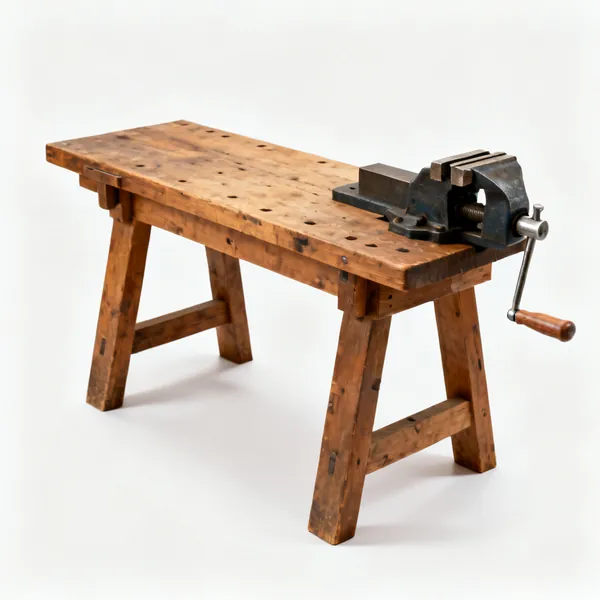
  • A heavy wooden workbench with a viceEssential

    Workbench

    Heavy, flat and at wrist height. Mass and rigidity are the specification, since a bench that racks wastes your effort.

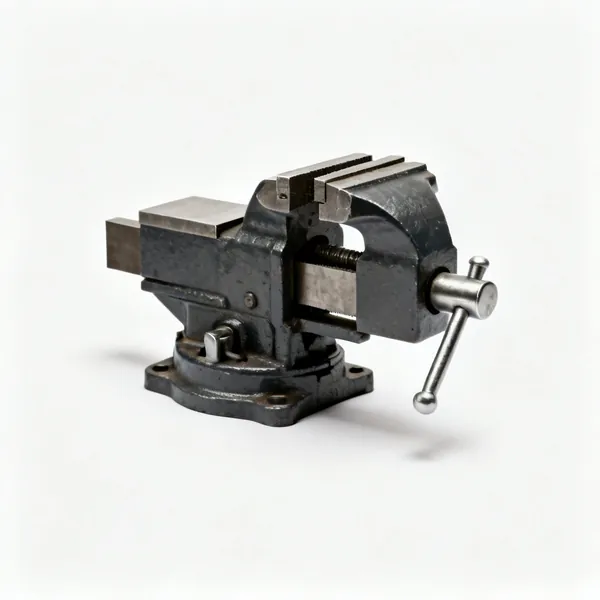
  • A heavy engineer's bench viceEssential

    Bench vice

    Bolted through the top rather than screwed on, so it never works loose. The most used fixture on any bench.

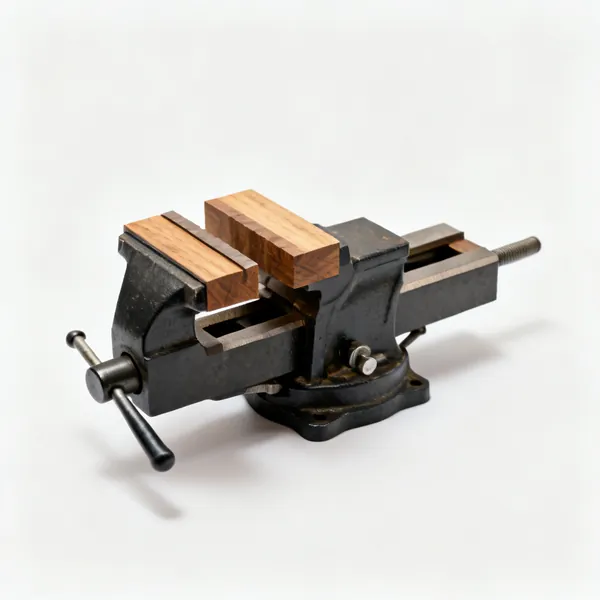
  • Woodworking vice: A woodworking bench vice with wooden jaw faces

    Woodworking vice

    Wide wooden faced jaws flush with the bench edge, holding a board without marking it.

  • Bench dogs & holdfast: Bench dogs and a holdfast in a workbench

    Bench dogs & holdfast

    Pegs and a hooked bar in bench holes, holding work down with nothing standing above the surface.

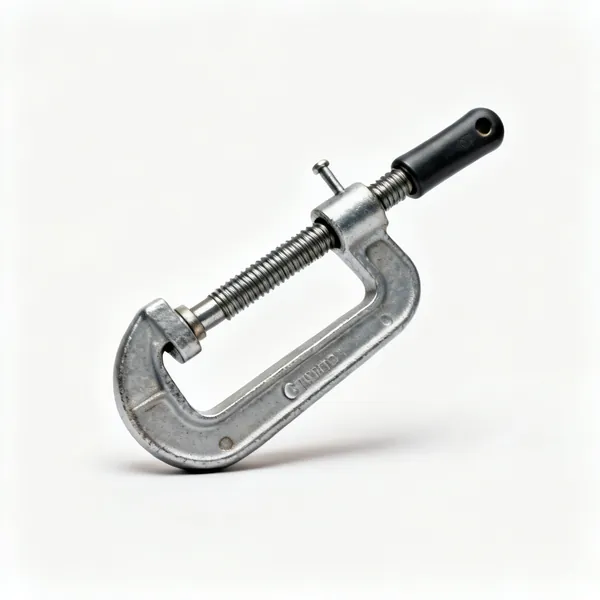
  • A set of steel G clampsEssential

    G clamps

    Deep reach and real force. The general purpose clamp, and you always need one more than you own.

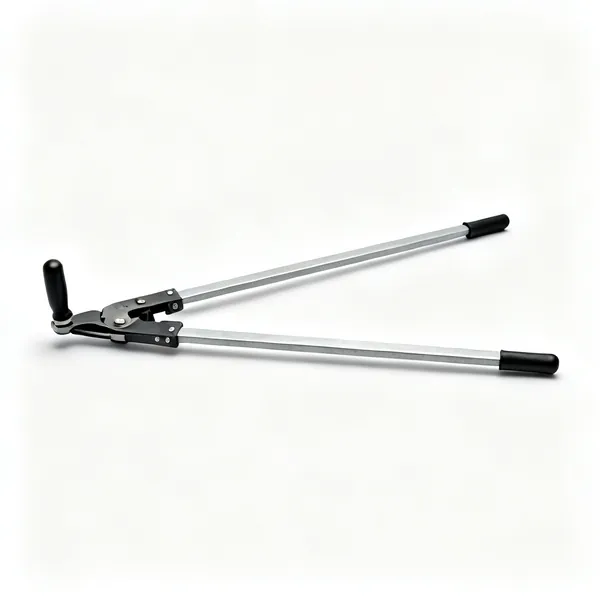
  • Sash clamps: A pair of long sash bar clamps

    Sash clamps

    Long bar clamps that pull a wide assembly together. What panel and frame glue ups actually need.

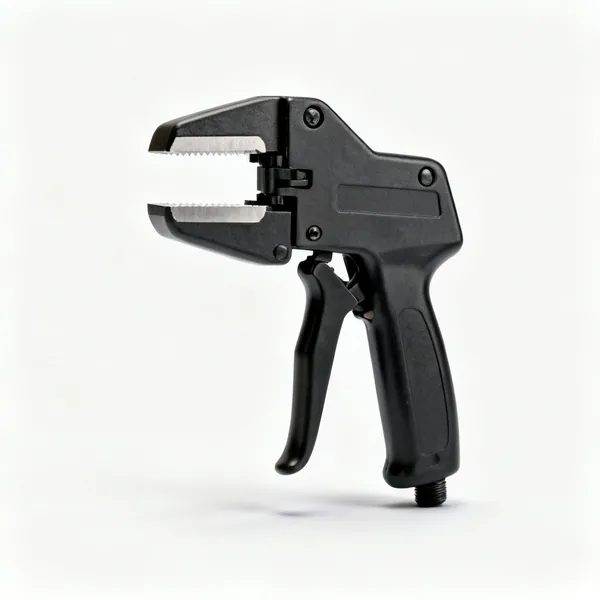
  • Quick release clamps: A pair of one handed trigger clampsEssential

    Quick release clamps

    One handed trigger clamps for holding while you position something. Less force than a G clamp and far faster.

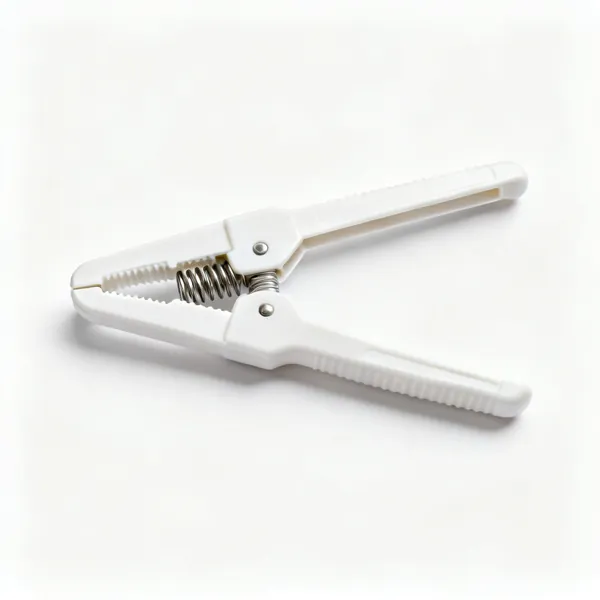
  • Plastic spring clamps

    Spring clamps

    Light constant pressure for holding trim, jigs and small parts. Cheap enough to own a dozen.

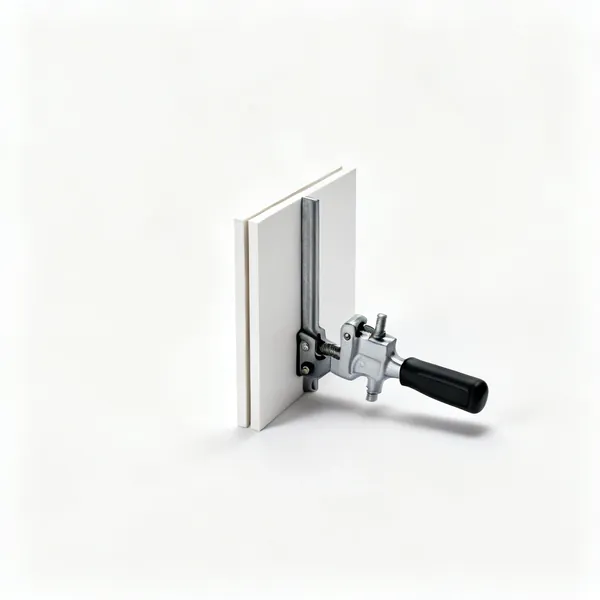
  • Corner clamps

    Corner clamps

    Holds two pieces at ninety degrees while you fix them, which is very hard to do by hand and by eye.

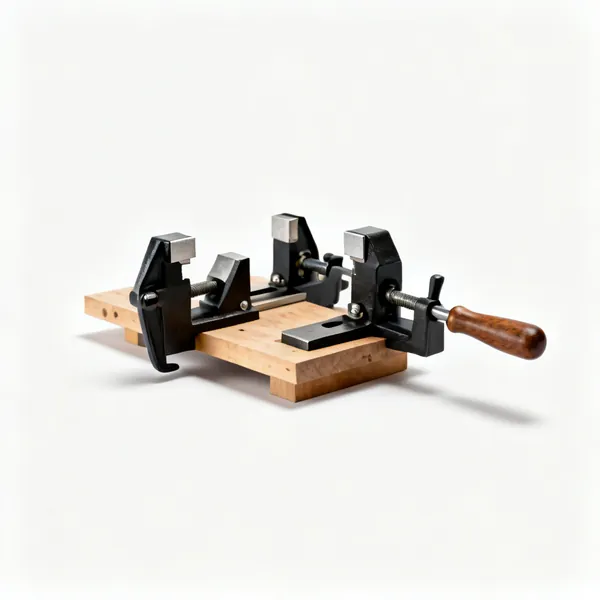
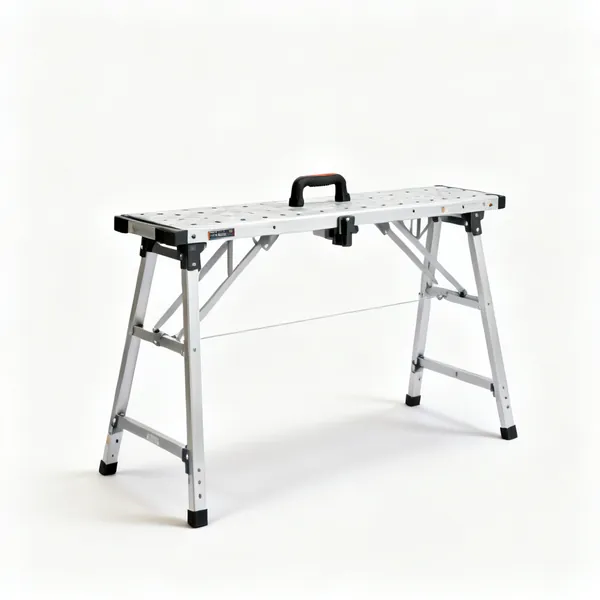
  • A folding portable workbenchEssential

    Portable workbench

    A folding bench that clamps as well as supports. What most people actually work on before a real bench exists.

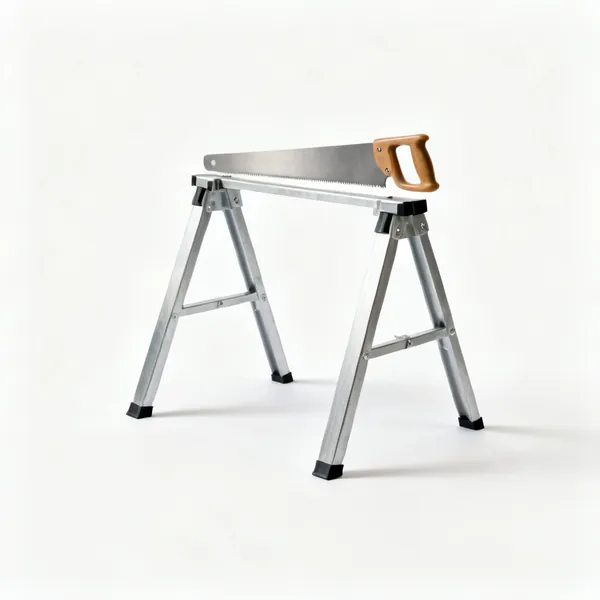
  • A pair of metal sawhorsesEssential

    Sawhorses

    A pair supports sheet material and long stock at a workable height. Two is the minimum and three is better.

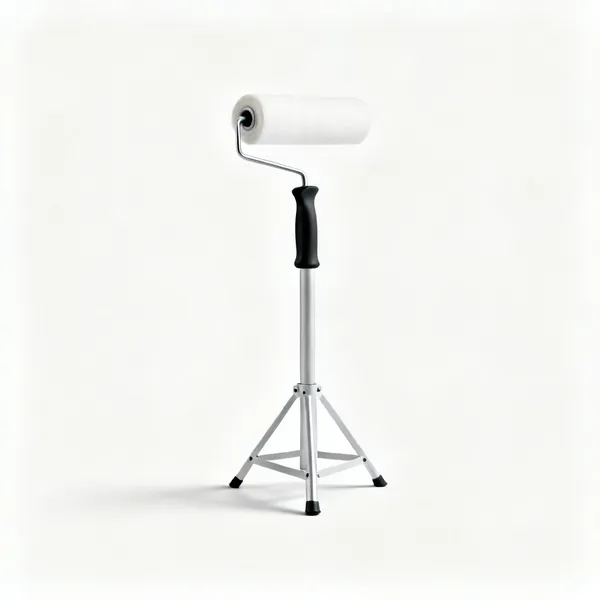
  • Roller stand: An adjustable roller support stand

    Roller stand

    Supports long stock through a saw. Unsupported weight bends the work and pulls the cut off line.

  • A wooden bench hook

    Bench hook

    A simple board that hooks over the bench edge, giving a stop to saw against. Made rather than bought.

Measuring & marking 13

Cheap tools that decide whether anything fits. The most used group in any workshop.

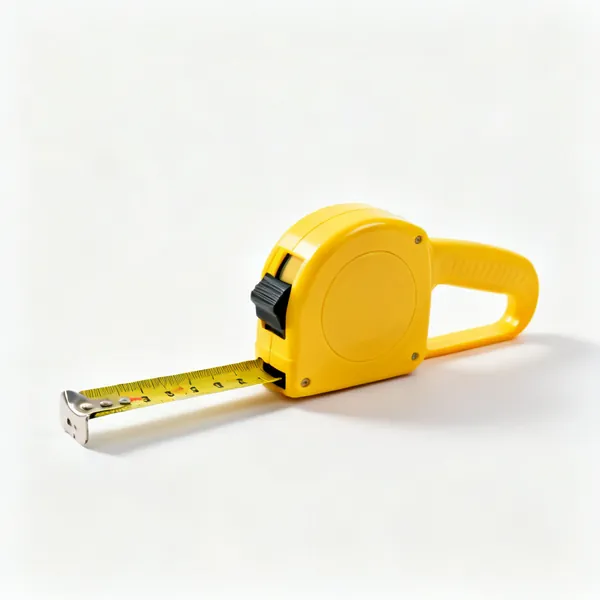
  • A yellow tape measure with a wide bladeEssential

    Tape measure

    Five to eight metres with a wide stiff blade that stands out unsupported, which is what lets you measure alone.

  • A combination square with a sliding steel ruleEssential

    Combination square

    Squares, marks forty five degrees and sets a repeated distance from an edge. Four tools in one.

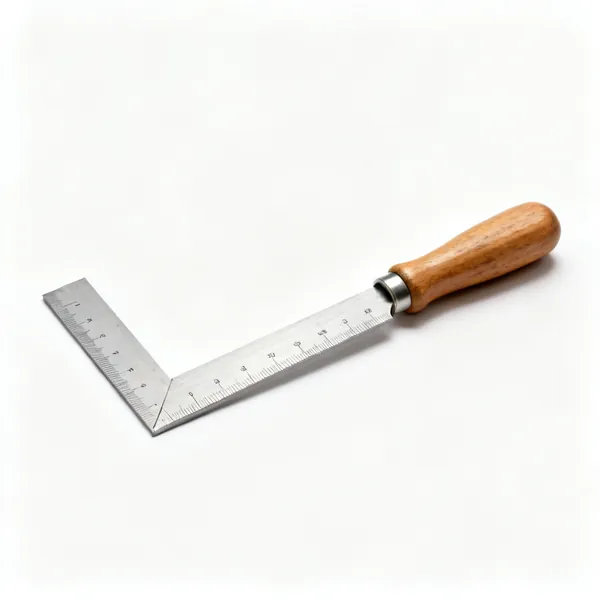
  • A wooden handled try squareEssential

    Try square

    A fixed right angle for marking and checking. Checked against itself occasionally, since a dropped square lies.

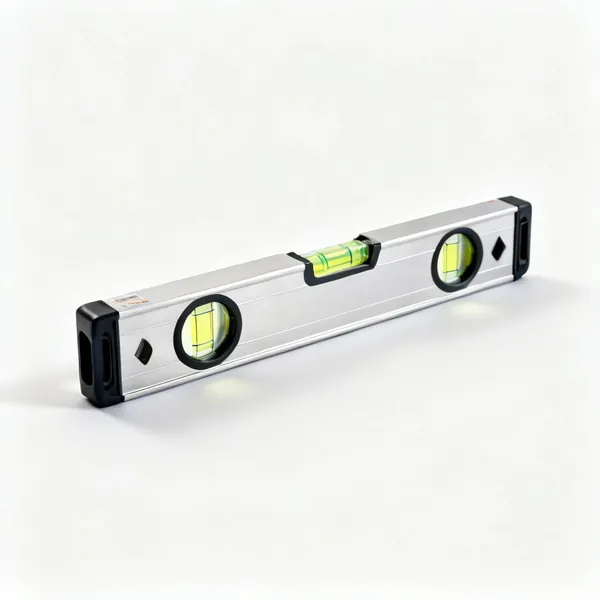
  • An aluminium spirit levelEssential

    Spirit level

    Level and plumb. A short one for detail and a long one for anything spanning a distance.

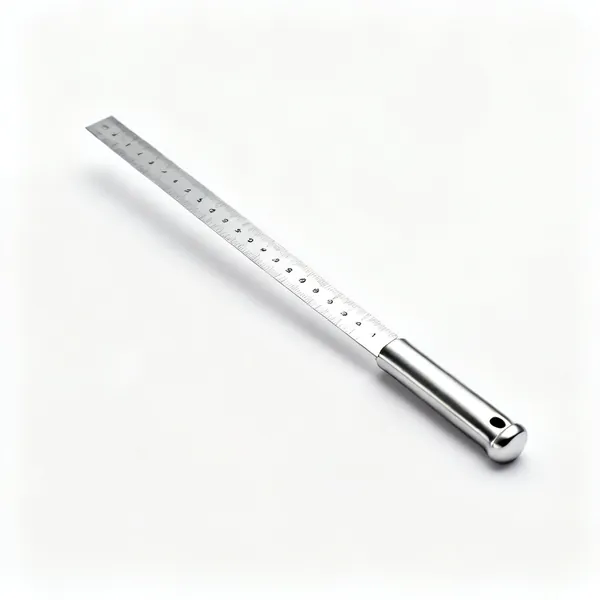
  • A stainless steel ruleEssential

    Steel rule

    Precise short measurements and a straight edge to cut against. More accurate than a tape over short distances.

  • A marking knife with a wooden handleEssential

    Marking knife

    Cuts a fine line rather than drawing a wide one, and the cut gives a chisel or saw somewhere to start.

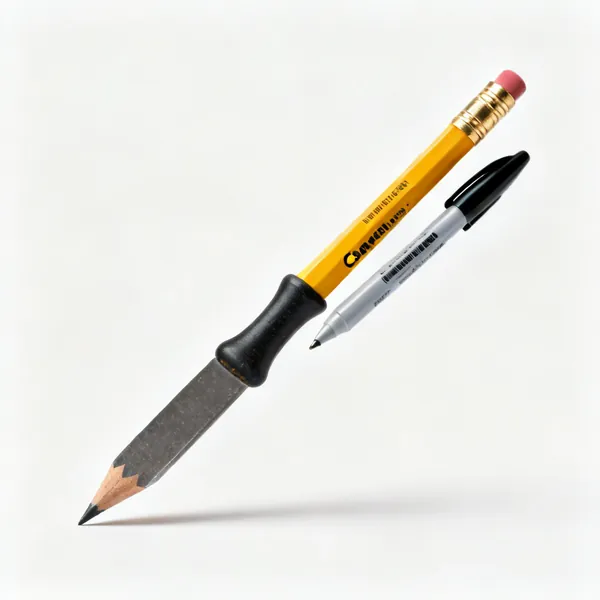
  • Pencils & marker: Carpenter pencils and a marker penEssential

    Pencils & marker

    Carpenter's pencils for timber, marker for metal and plastic. Bought by the box, because they vanish.

  • A wooden marking gauge

    Marking gauge

    Scribes a line parallel to an edge at a set distance, repeatably, which is how joints are laid out.

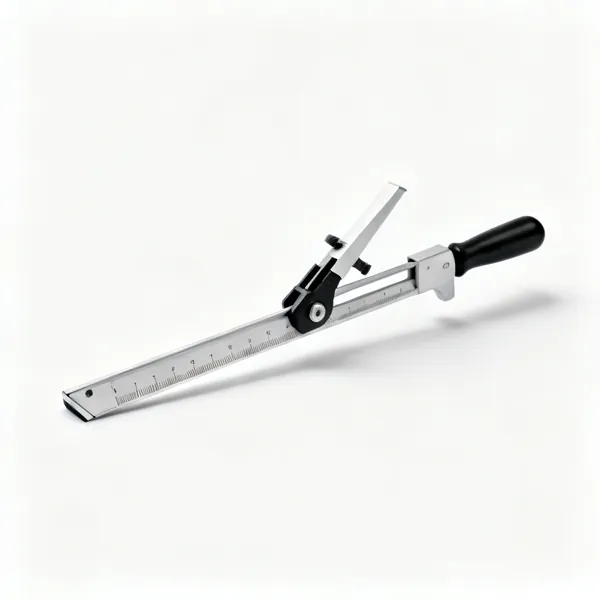
  • A sliding bevel gauge

    Sliding bevel

    Copies an existing angle and transfers it, which matters constantly in a building that is not square.

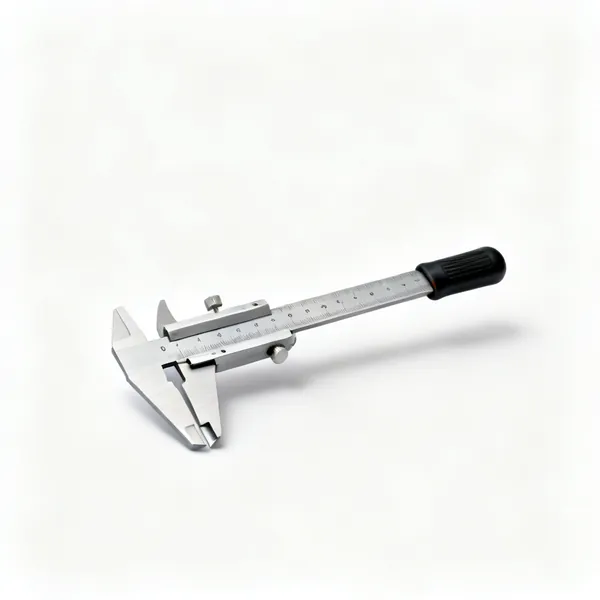
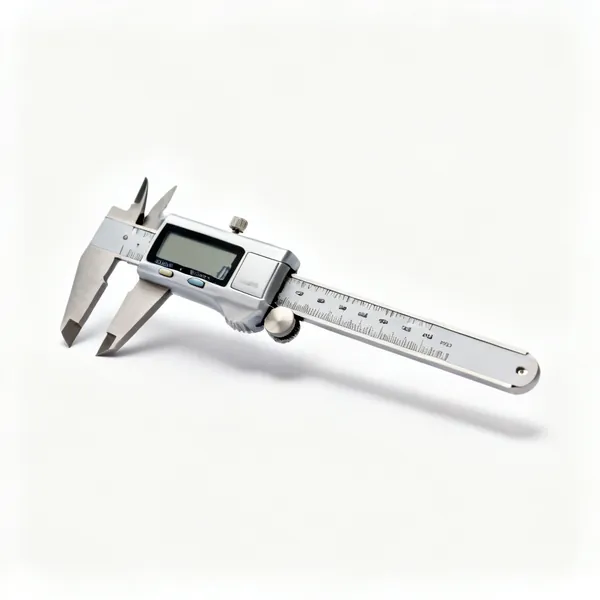
  • A pair of digital vernier calipers

    Calipers

    Reads thickness and internal diameter precisely, for anything that has to fit rather than merely go together.

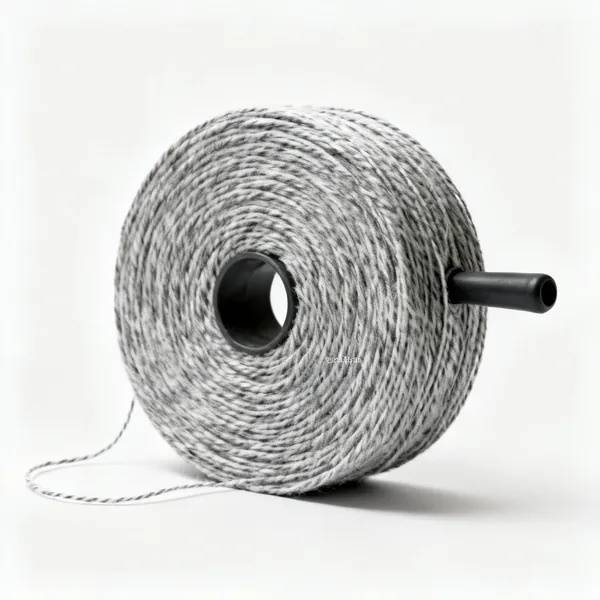
  • A chalk line reelEssential

    Chalk line

    Snaps a straight line across a long distance in seconds, which no straight edge can match.

  • Laser measure: A handheld laser distance measure

    Laser measure

    Reads a room or a span from one position, and calculates area. Faster and more accurate than a tape alone.

  • Stud & cable detector: A handheld stud and cable detectorEssential

    Stud & cable detector

    Finds timber, pipes and live cables behind a surface. The cheapest insurance before any hole is drilled.

Cutting & sawing 13

Separating material. The blade decides everything, and a blunt one is the cause of most bad cuts.

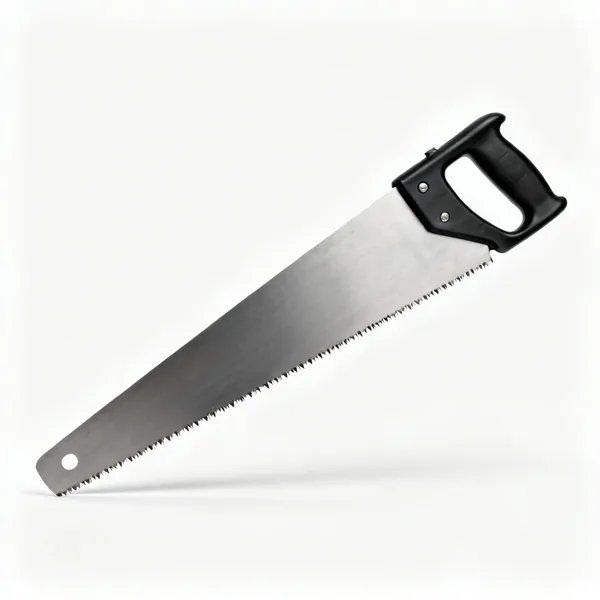
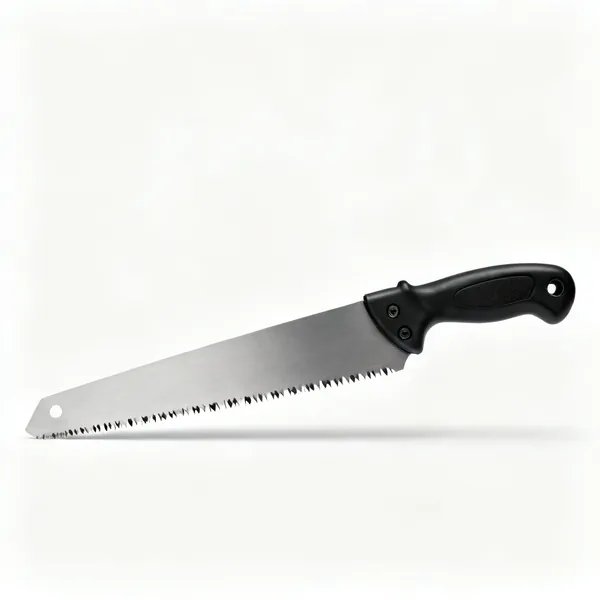
  • A hardpoint hand sawEssential

    Hand saw

    General cutting in timber and sheet. Hardpoint teeth stay sharp far longer than they can be sharpened.

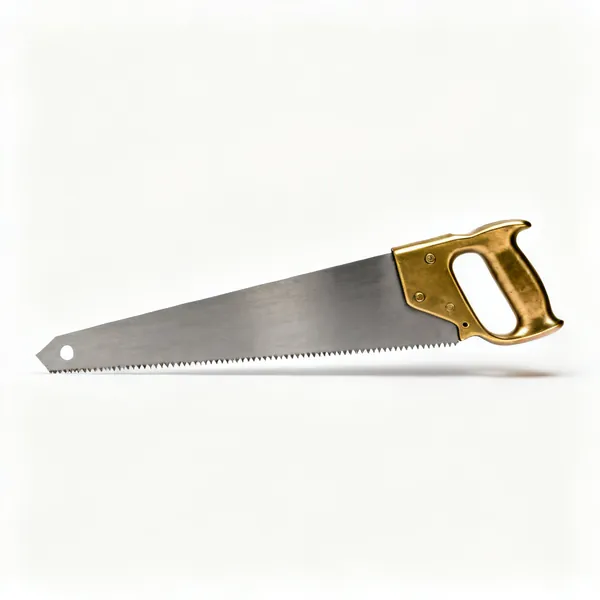
  • A tenon saw with a brass backEssential

    Tenon saw

    A stiffened back and fine teeth for accurate joinery cuts, where a hand saw is too coarse to follow a line.

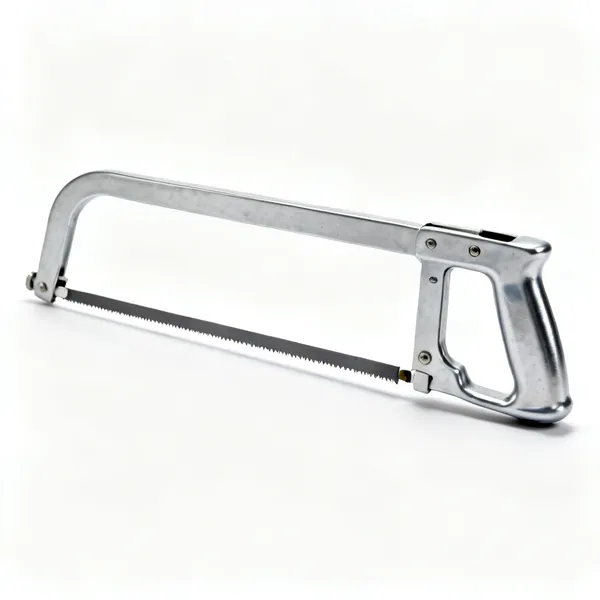
  • HacksawEssential

    Hacksaw

    Cuts metal, plastic and pipe. Teeth forward, and at least three teeth in contact or it snags.

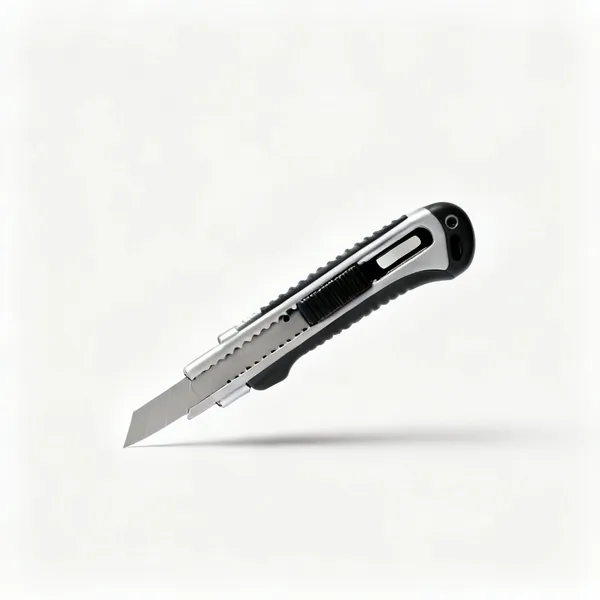
  • A retractable utility knife with bladesEssential

    Utility knife

    Cutting sheet material, board, packaging and marking. Blades are consumables and a blunt one tears.

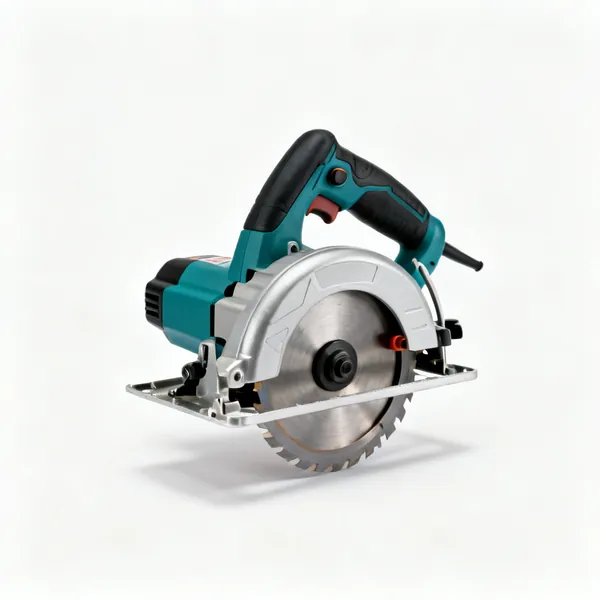
  • A cordless circular sawEssential

    Circular saw

    Cuts sheet and timber fast and straight along a guide. The main cutting tool once anything gets big.

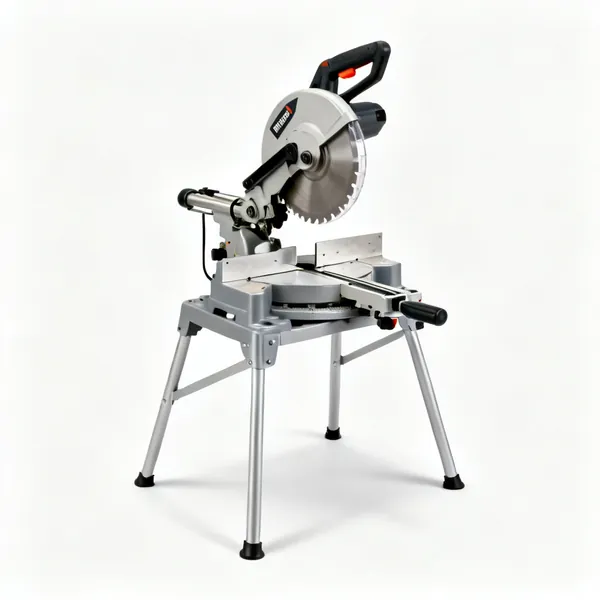
  • Mitre saw: A mitre chop saw on a stand

    Mitre saw

    Repeatable square and angled cross cuts with a stop set. Far faster and more accurate than measuring each one.

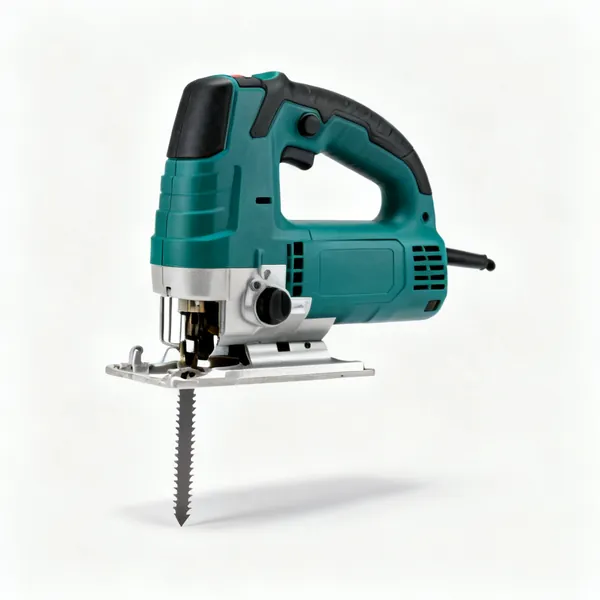
  • A cordless jigsaw with a bladeEssential

    Jigsaw

    Curves, cut outs and awkward shapes in almost any material with the right blade. The versatile one.

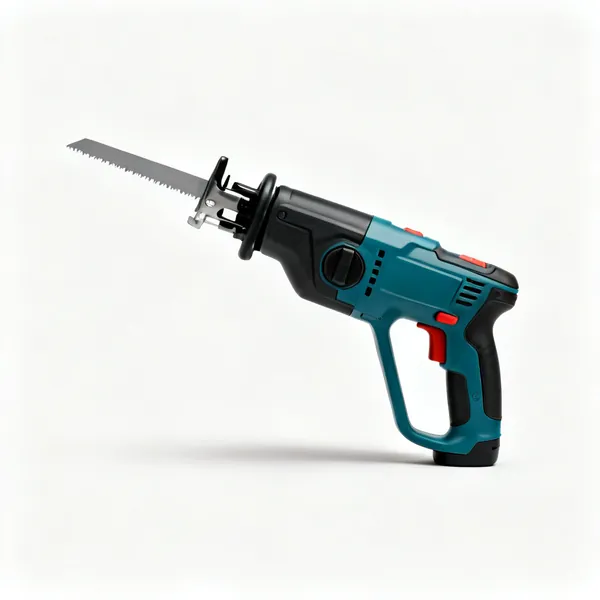
  • A cordless reciprocating saw

    Reciprocating saw

    Demolition and rough cutting through timber, nails and pipe, in places nothing else fits.

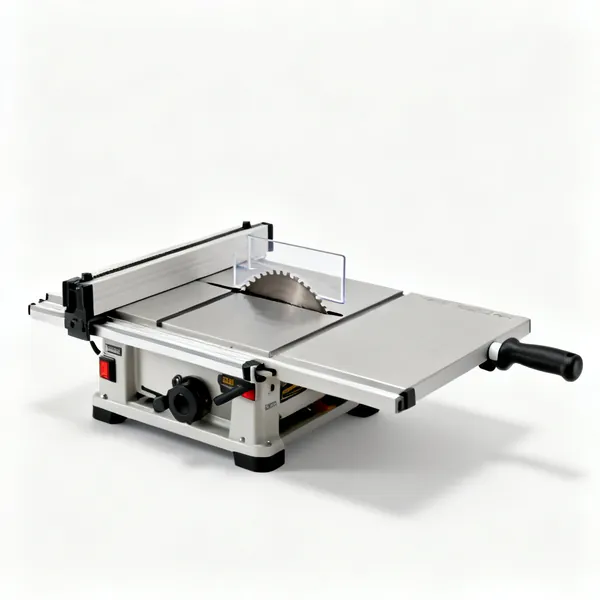
  • A table saw with a fence and guard

    Table saw

    Accurate repeatable rip cuts, and the most dangerous tool in a workshop. Guard, riving knife and push stick, always.

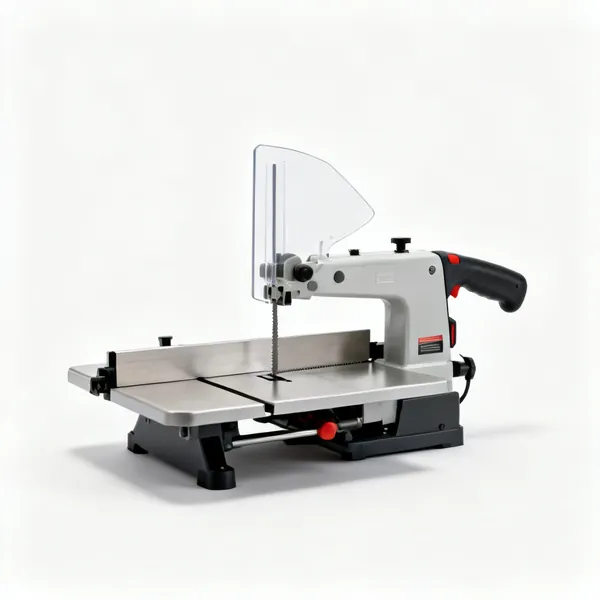
  • A bandsaw with a blade guard

    Bandsaw

    Curves and resawing, with a thin blade and no kickback. Safer than a table saw and less accurate on a straight rip.

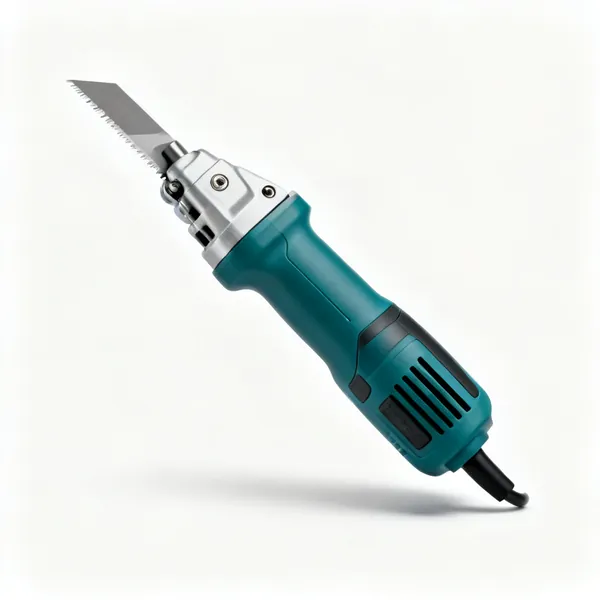
  • An oscillating multi tool with bladesEssential

    Oscillating multi tool

    Flush cuts, plunge cuts and scraping in places nothing else reaches. Slow, and it solves problems nothing else can.

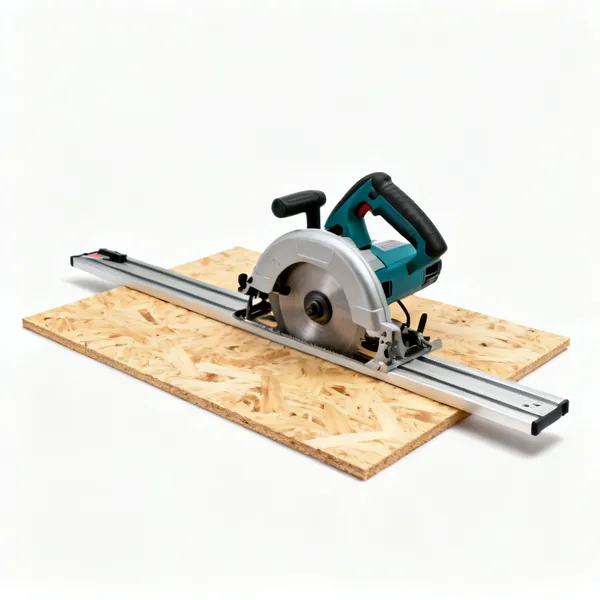
  • A circular saw guide rail on a sheet of plywood

    Saw guide rail

    A clamped rail that a circular saw runs along, giving a dead straight cut across a full sheet.

  • Spare blades: Assorted saw bladesEssential

    Spare blades

    The consumable that does the actual cutting. Forcing a blunt blade causes burning, inaccuracy and kickback.

Drilling & driving 13

The most used power tools in any workshop, and the ones where picking a battery platform matters.

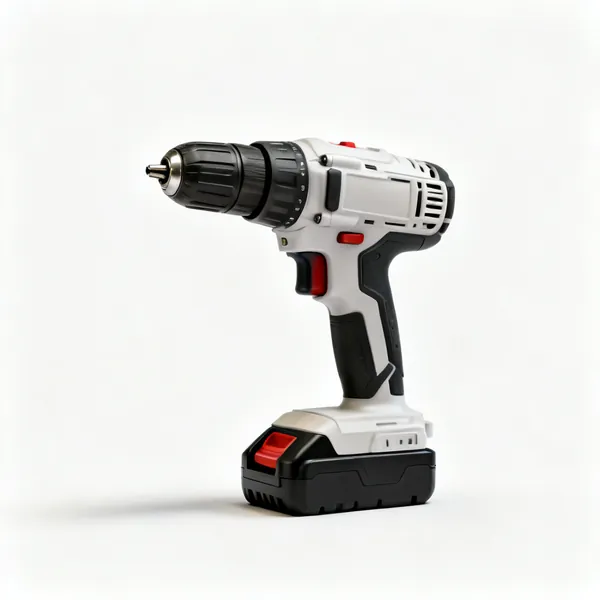
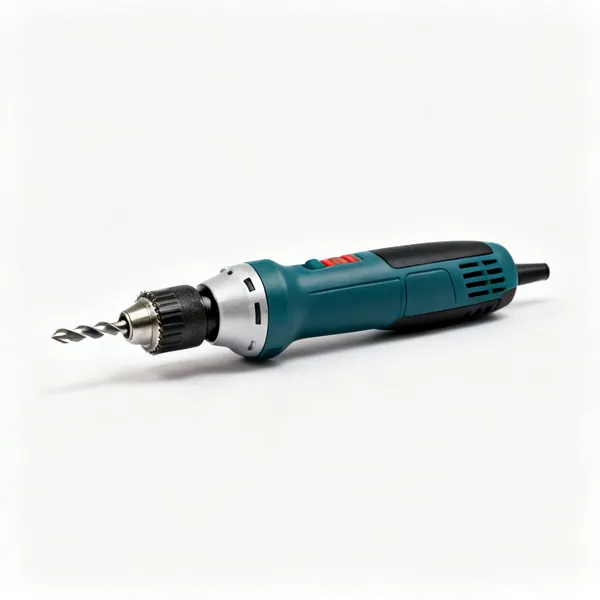
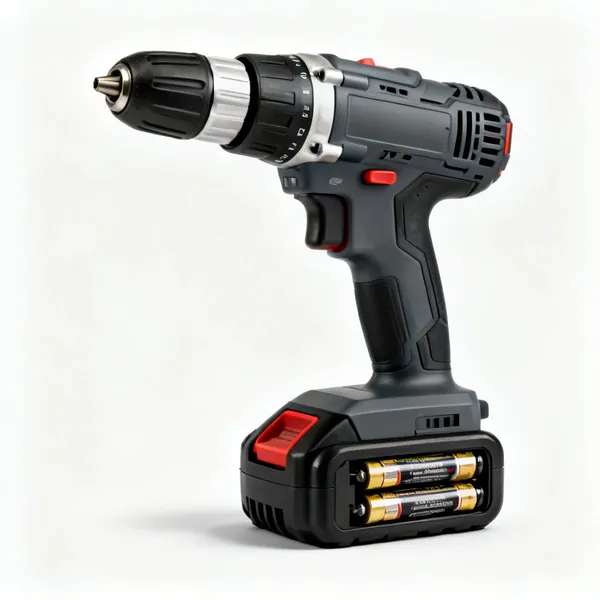
  • A cordless combi drill with a batteryEssential

    Combi drill

    Drills, drives and hammers into masonry. The one power tool nearly everyone buys first, and rightly.

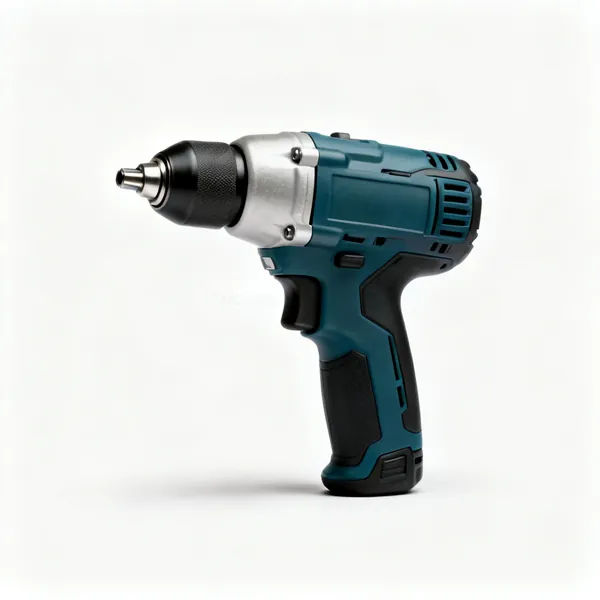
  • A cordless impact driverEssential

    Impact driver

    Hammers rotationally to drive long screws without stripping heads or wrecking your wrist. Not a drill.

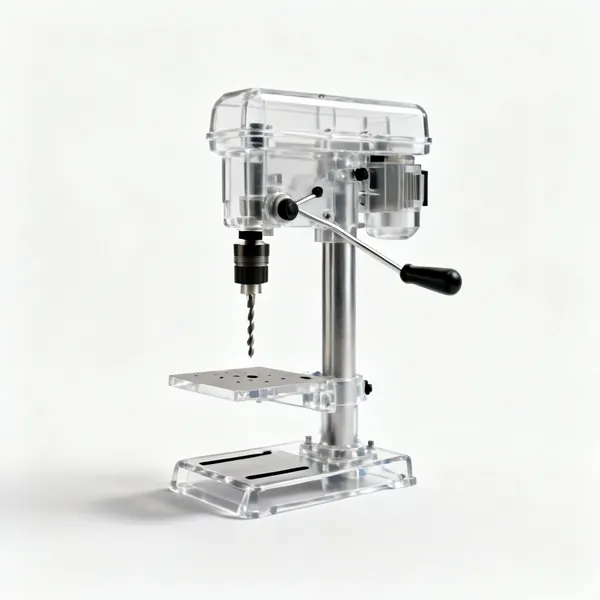
  • A bench drill press

    Drill press

    Drills square, at a set speed and depth. Accuracy a handheld drill cannot approach, particularly in metal.

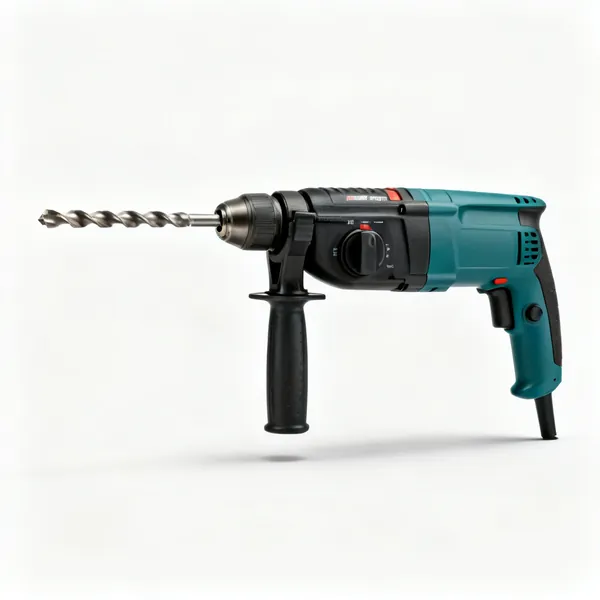
  • An SDS hammer drill with a masonry bit

    SDS hammer drill

    For concrete and brick, where the bit slides in the chuck so the hammer blow reaches the tip.

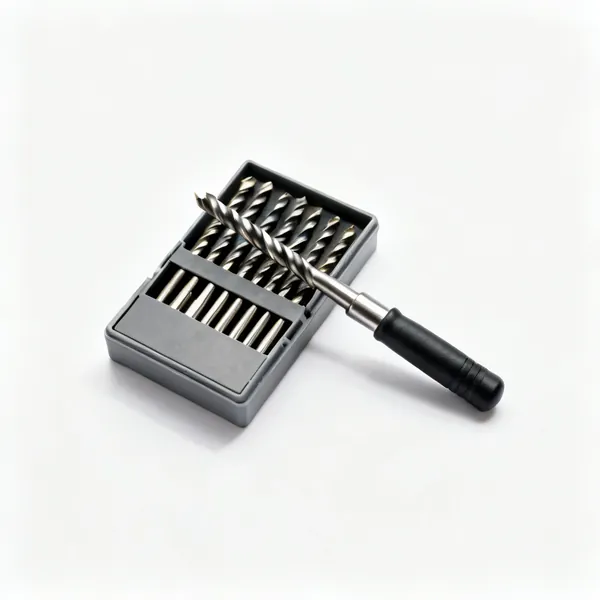
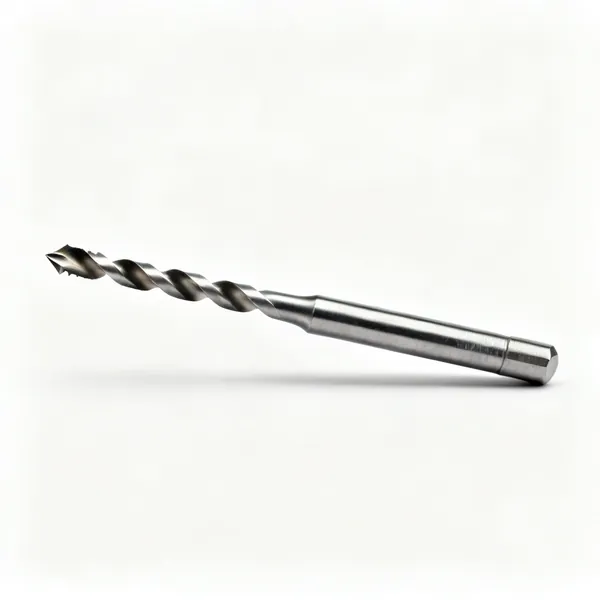
  • A set of HSS twist drill bits in a caseEssential

    Twist drill bits

    HSS for metal and general use. A set in a case, so sizes stay identifiable and sharp.

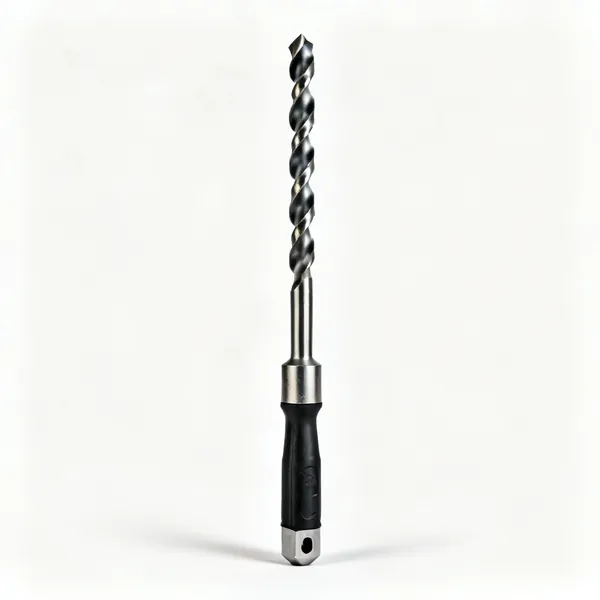
  • Wood bits: A set of brad point wood drill bitsEssential

    Wood bits

    Brad point for clean holes in timber, and auger or flat bits for larger and deeper ones.

  • Masonry bits: A set of masonry drill bitsEssential

    Masonry bits

    Carbide tipped for brick and concrete. SDS shanks and round shanks are not interchangeable.

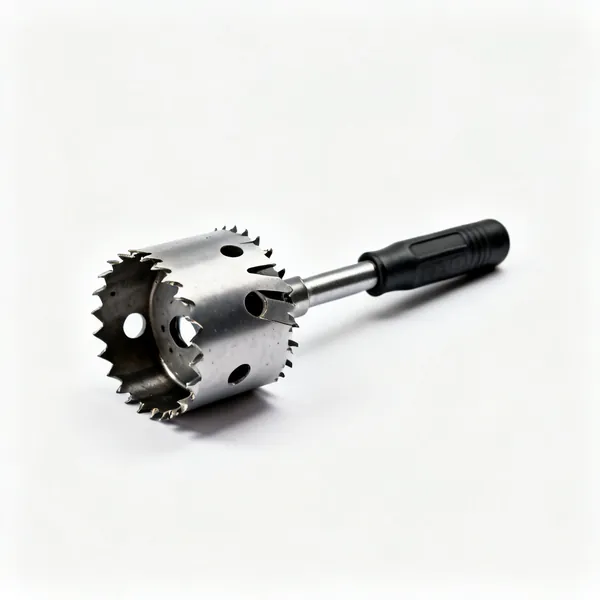
  • A set of bi metal hole saws

    Hole saws

    Cuts large round holes in timber, plastic and metal. Slow speed, and cutting fluid in metal.

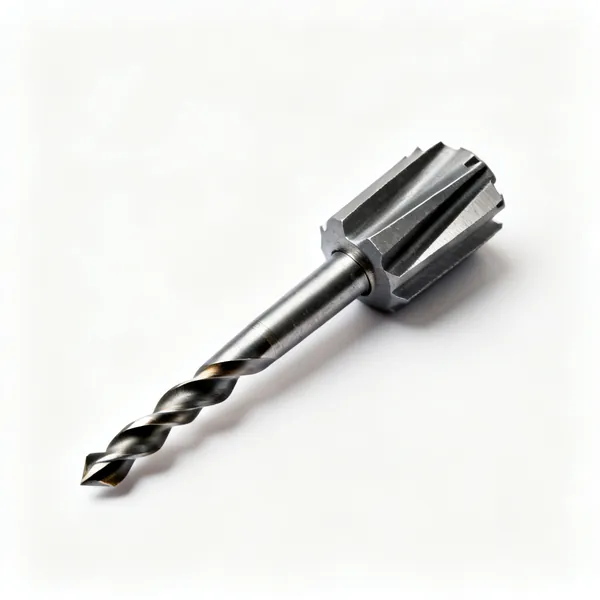
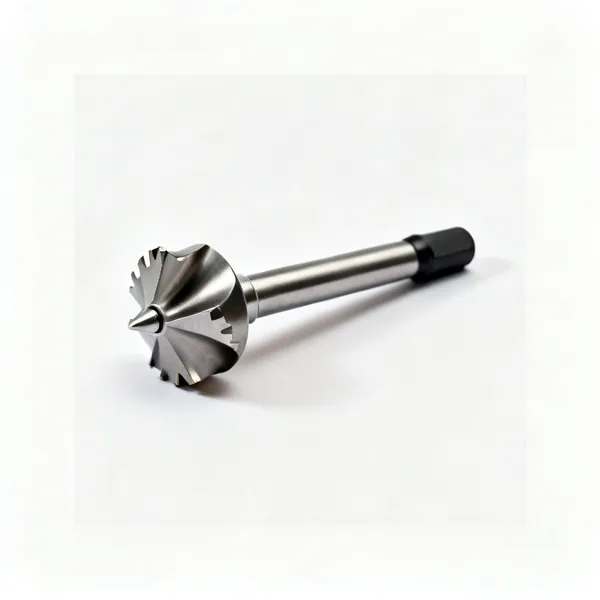
  • A countersink drill bitEssential

    Countersink

    Cuts a recess so a screw head sits flush rather than proud, which is what makes fixings look deliberate.

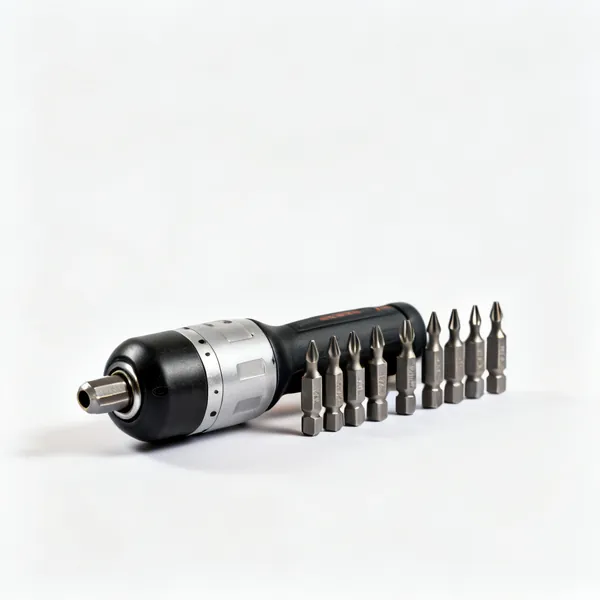
  • A set of impact driver bitsEssential

    Driver bits

    Cross, flat, torx and hex in an impact rated set. A worn bit destroys screw heads, so replace them.

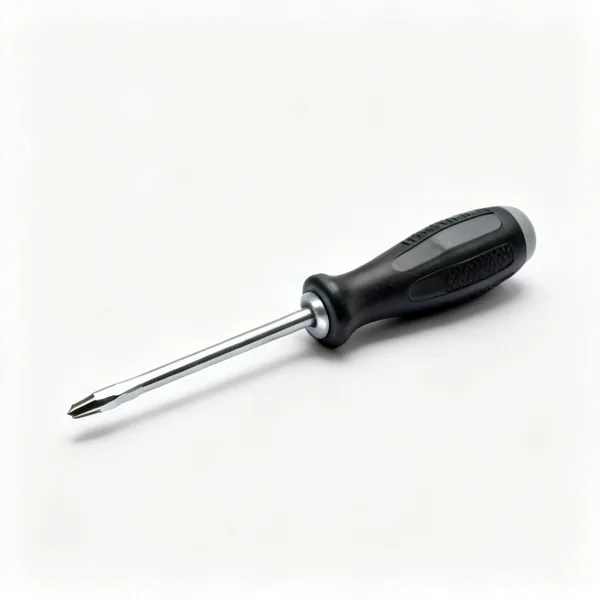
  • A set of screwdriversEssential

    Screwdrivers

    A set of hand drivers for where a power tool is too much, plus precision ones for small fixings.

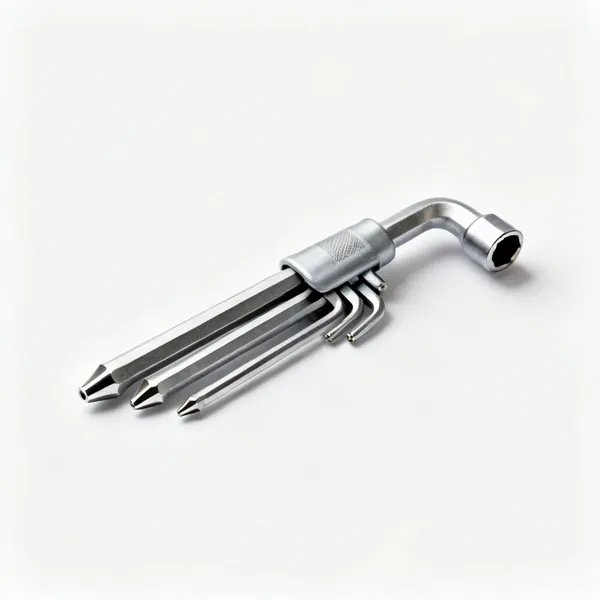
  • Hex & torx keys: Sets of hex and torx keysEssential

    Hex & torx keys

    Flat pack, machinery and tool adjustment. Two of the most needed and most easily lost sets you will own.

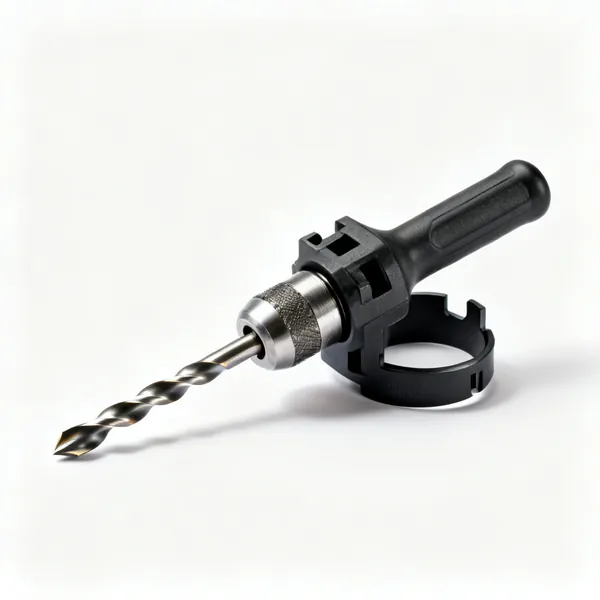
  • A drill depth stop collar on a bit

    Depth stop

    A collar or attachment that stops a bit at a set depth, so a row of holes is identical and none go through.

Shaping & finishing 13

Refining what has been cut. Working through the grades in order matters here as much as in any trade.

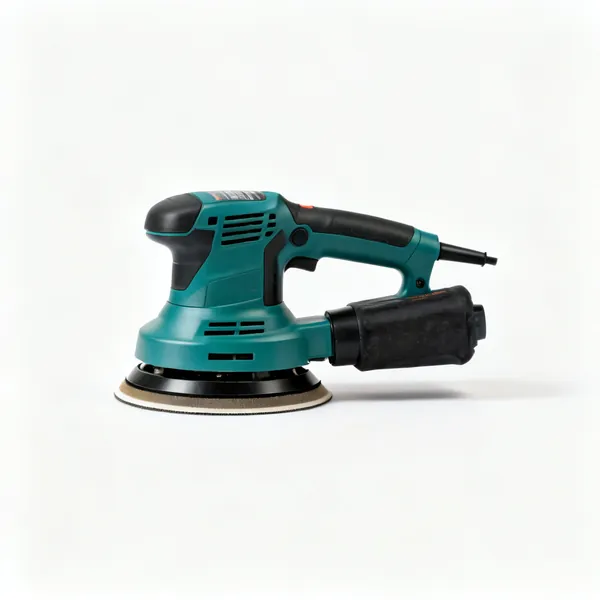
  • A random orbit sanderEssential

    Random orbit sander

    Sands without leaving swirl marks, and it is the most useful powered finishing tool in a general workshop.

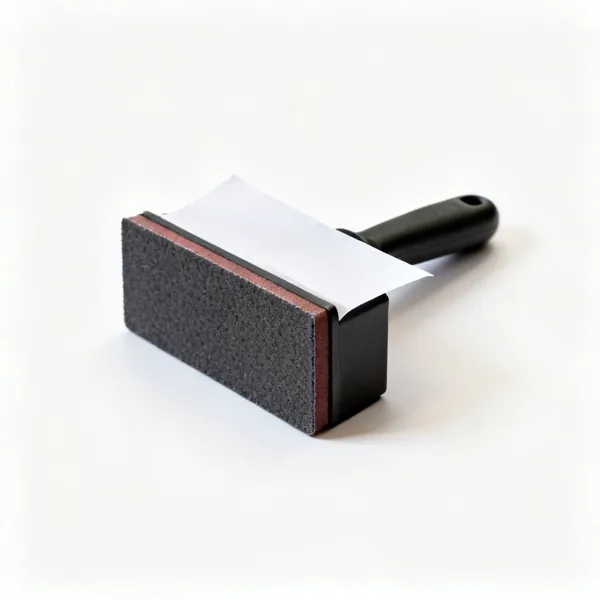
  • A rubber sanding block with paperEssential

    Sanding block

    Keeps abrasive flat so a surface comes out flat. Fingers create hollows, which then show under any finish.

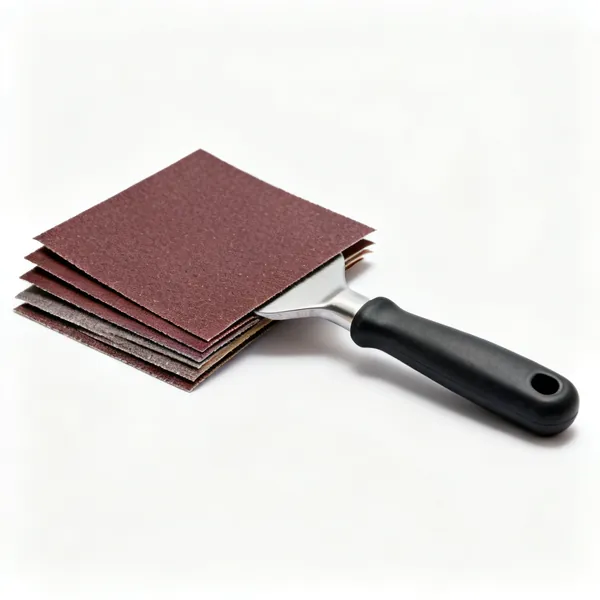
  • Abrasive paper: Sheets of abrasive sandpaper in several gritsEssential

    Abrasive paper

    A range of grits worked through in order. Skipping a grade leaves scratches the next one cannot remove.

  • Files & rasps: A set of files and raspsEssential

    Files & rasps

    Precise hand shaping in wood and metal. A file card, since a clogged file scratches instead of cutting.

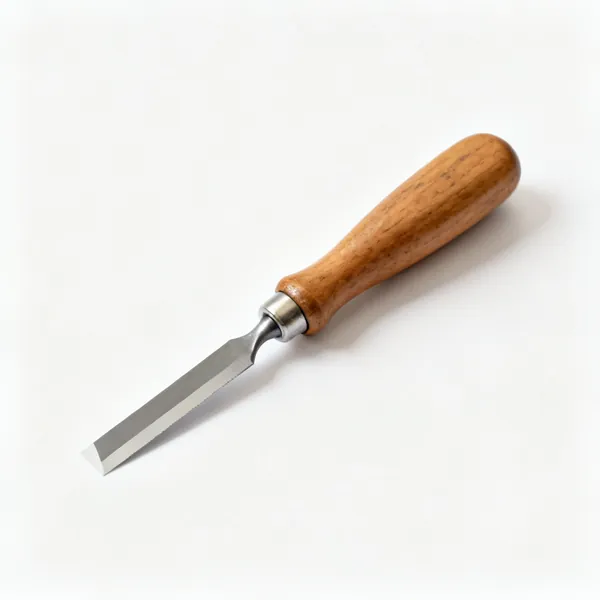
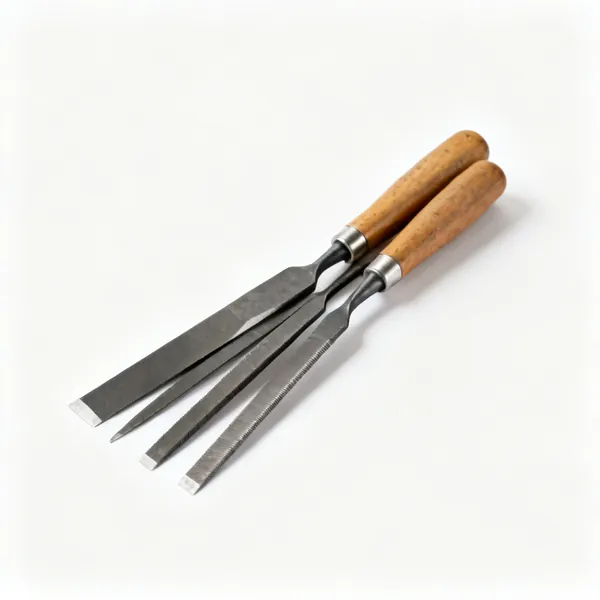
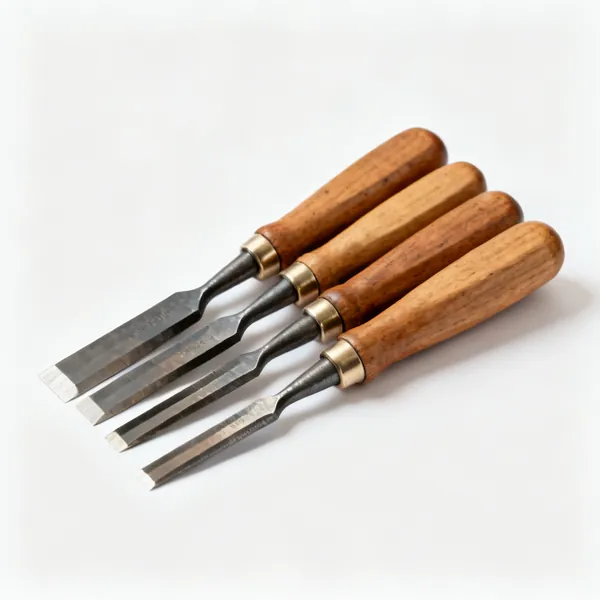
  • A set of wood chiselsEssential

    Chisels

    Paring, cutting recesses and cleaning joints. Only useful genuinely sharp, so they come with a sharpening obligation.

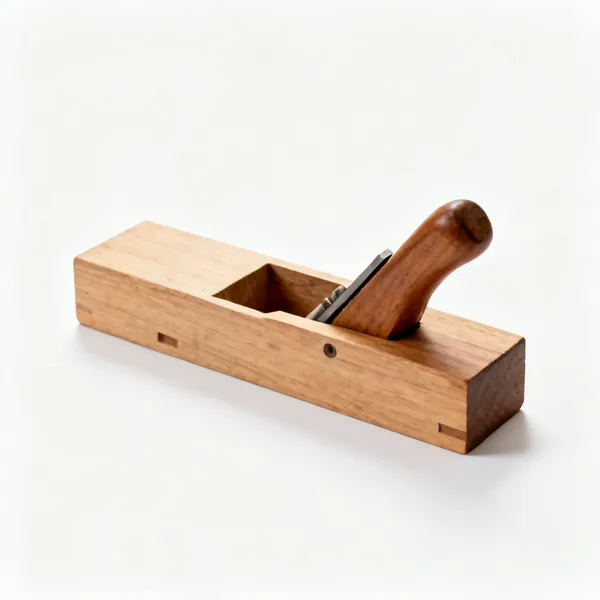
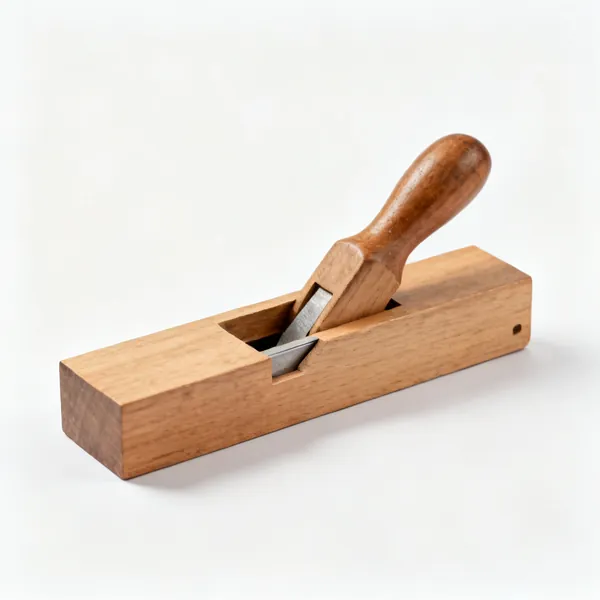
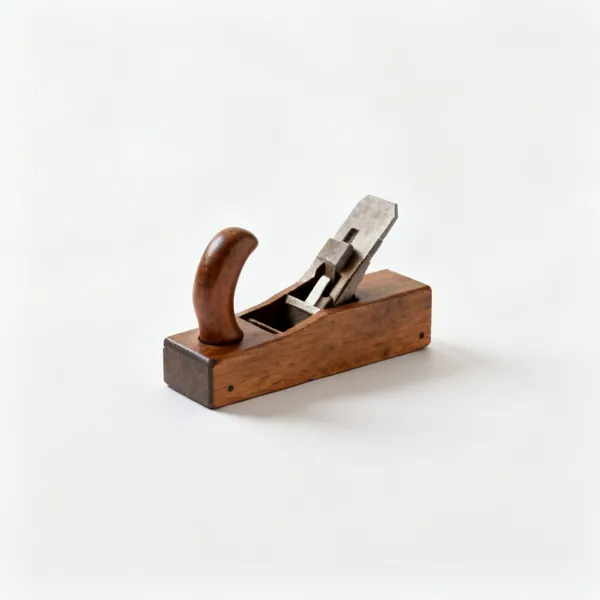
  • A small block plane

    Block plane

    Takes a fine shaving off an edge or an end grain, for fitting a door or easing a joint.

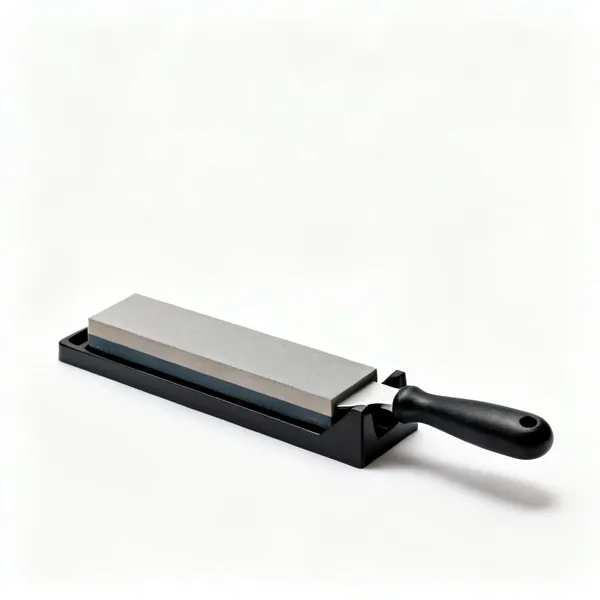
  • Sharpening stones with a honing guideEssential

    Sharpening stones

    Chisels and plane irons only work sharp. A blunt chisel is dangerous, since it needs force to make it cut.

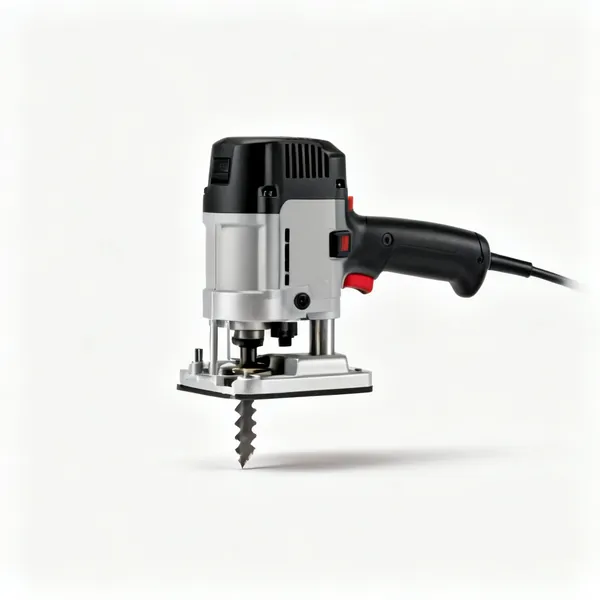
  • A plunge router with a cutter

    Router

    Cuts profiles, grooves and recesses, and with a jig it makes joints. Extremely versatile and extremely loud.

  • Router cutters: A set of router cutter bits

    Router cutters

    Straight, rounding and rebate cutters cover most work. Sharp, since a dull cutter burns rather than cuts.

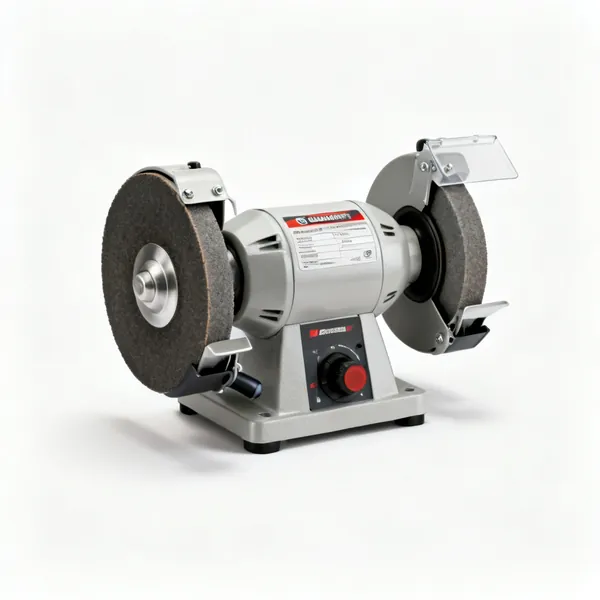
  • A bench grinder with two wheels

    Bench grinder

    Sharpens and shapes metal. Dip in water often, since letting steel turn blue destroys its temper permanently.

  • Rotary tool: A rotary multi tool with bits

    Rotary tool

    Small burrs, cutters and sanding drums for detail work in tight places. Does the last five percent.

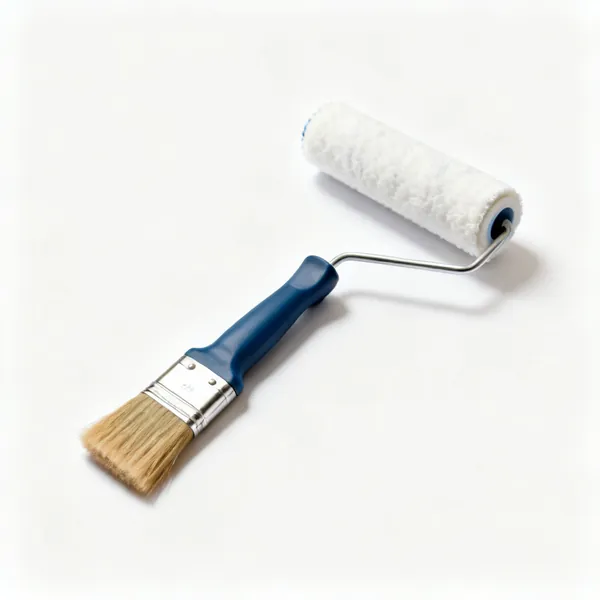
  • Brushes & rollers: Paint brushes and a rollerEssential

    Brushes & rollers

    Applying paint, oil and finish. Cleaned properly, since a ruined brush leaves marks in every later coat.

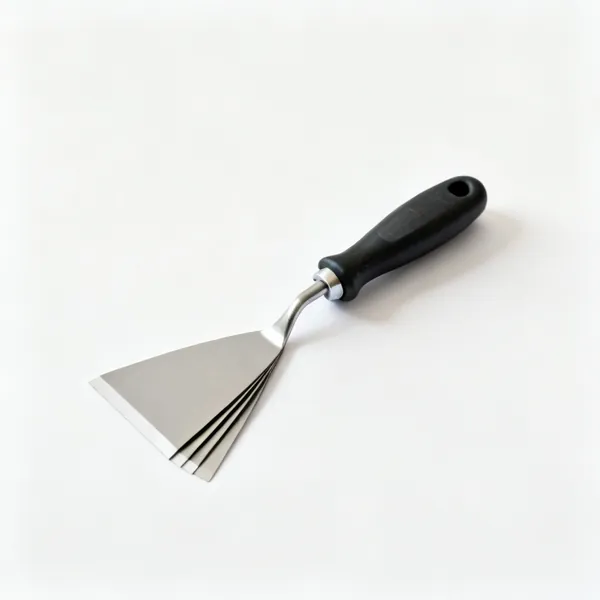
  • A set of paint scrapersEssential

    Scrapers

    Removes old finish, adhesive and paint. Sharpened, since a scraper is a cutting tool rather than a lever.

Fixing & assembly 13

Joining things together, and the small consumables that decide whether the join holds.

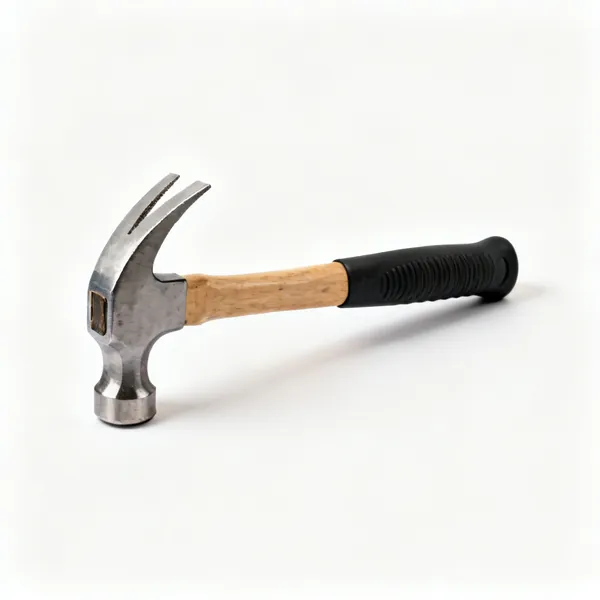
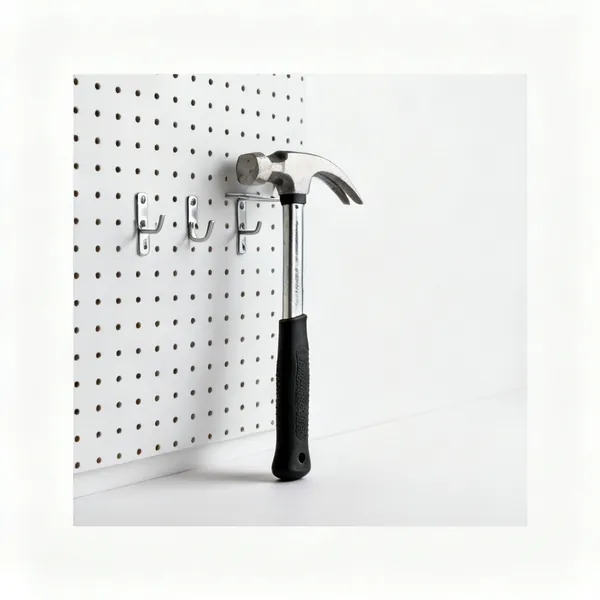
  • A claw hammer with a rubber gripEssential

    Claw hammer

    Driving and pulling nails. A straight claw doubles as a lever, which is why it lives on every bench.

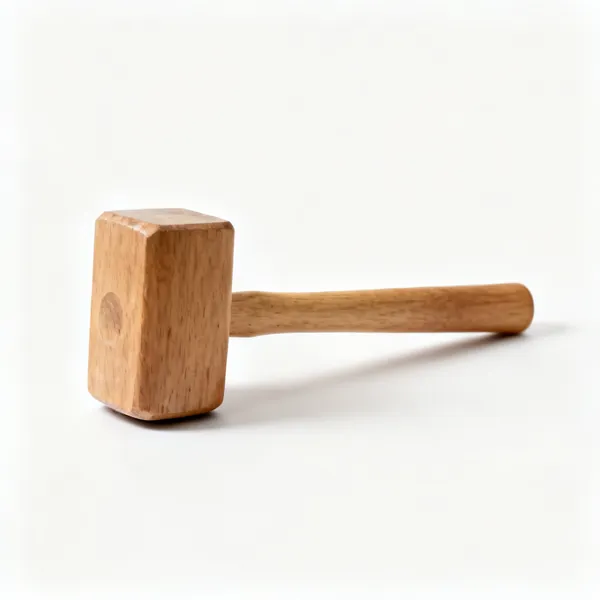
  • A wooden malletEssential

    Mallet

    Drives chisels and assembles joints without marking. Wood or rubber rather than steel.

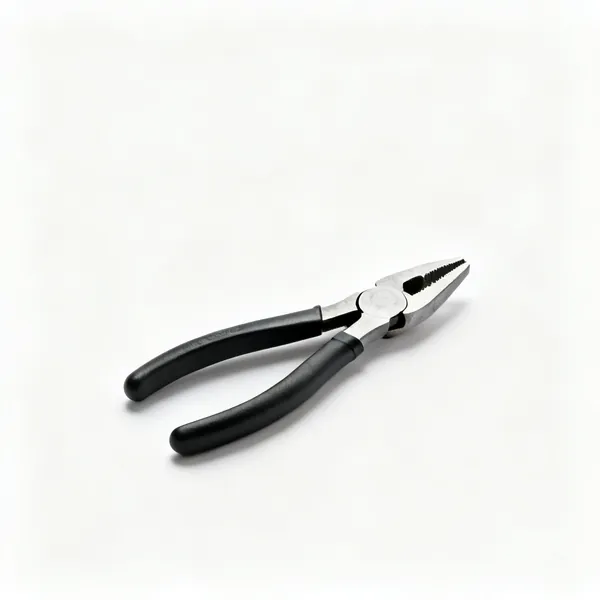
  • Pliers set: A set of pliersEssential

    Pliers set

    Combination, long nose and side cutters. Gripping, bending and cutting wire, and used constantly.

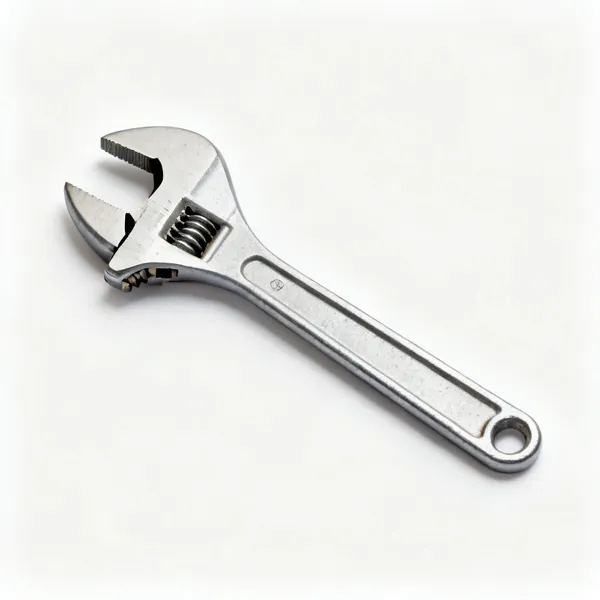
  • An adjustable spannerEssential

    Adjustable spanner

    Covers many sizes with some slop. Fine on a soft large nut and the wrong tool on anything tight.

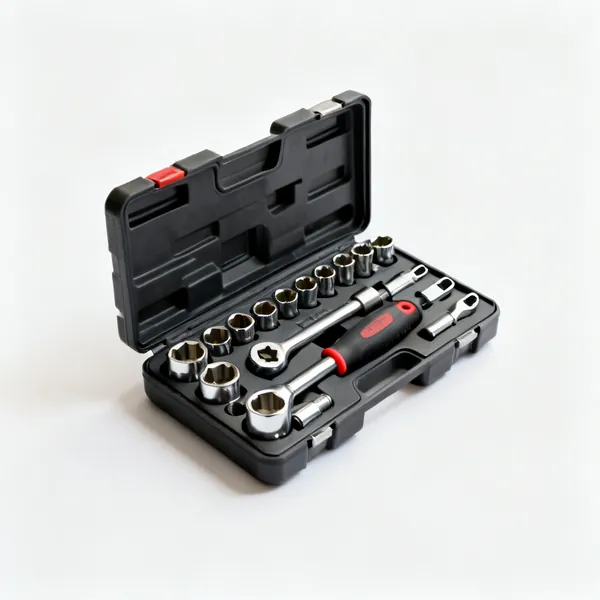
  • A socket set in a caseEssential

    Socket set

    Nuts and bolts properly, gripping all six flats. Grips where a spanner slips and rounds the corners.

  • Adhesives: Bottles of wood glue and epoxy adhesiveEssential

    Adhesives

    PVA for timber, polyurethane for gap filling and outdoors, epoxy for metal and mixed materials.

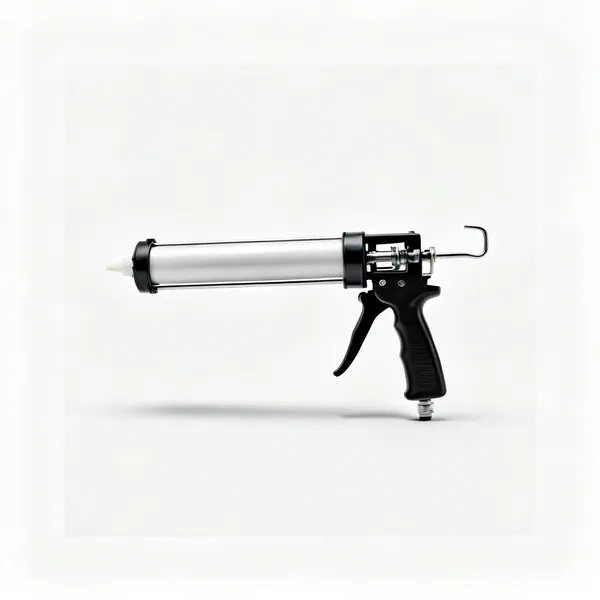
  • Cartridge gun: A cartridge sealant gunEssential

    Cartridge gun

    Applies sealant and grab adhesive. A skeleton frame is fine, and a smooth rod one is much less tiring.

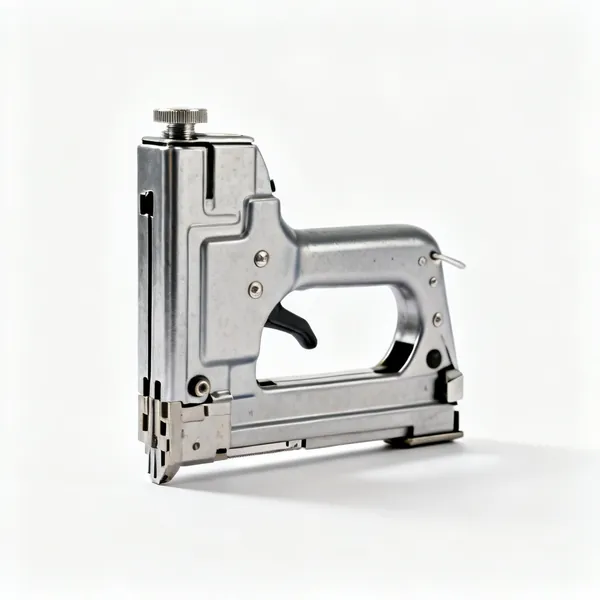
  • A heavy duty hand staple gunEssential

    Staple gun

    Fixes membrane, fabric, mesh and sheeting fast. Heavy duty rather than a stationery stapler.

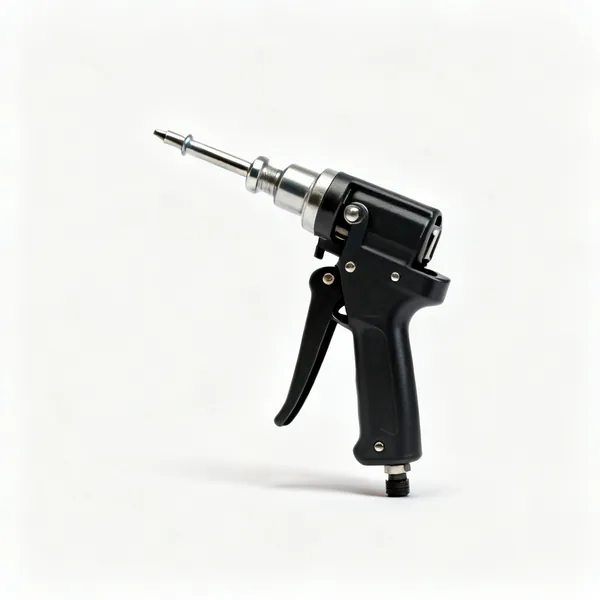
  • A hand pop rivet gun

    Rivet gun

    Sets blind rivets in metal and plastic from one side, where nothing can reach behind.

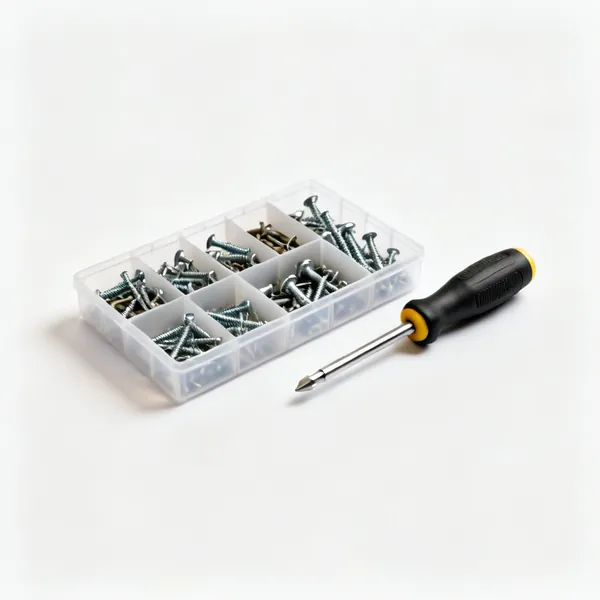
  • Screws & fixings: A compartment box of assorted screwsEssential

    Screws & fixings

    A sorted stock in common sizes, plus wall plugs and masonry anchors. Sorted, or you buy what you already own.

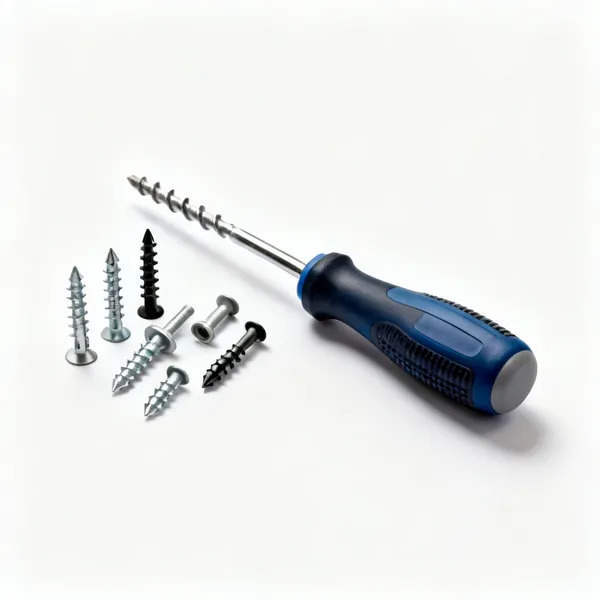
  • Wall plugs & anchors: Assorted wall plugs and cavity anchorsEssential

    Wall plugs & anchors

    Matched to the wall as much as the screw. Plasterboard, brick and concrete all need different fixings.

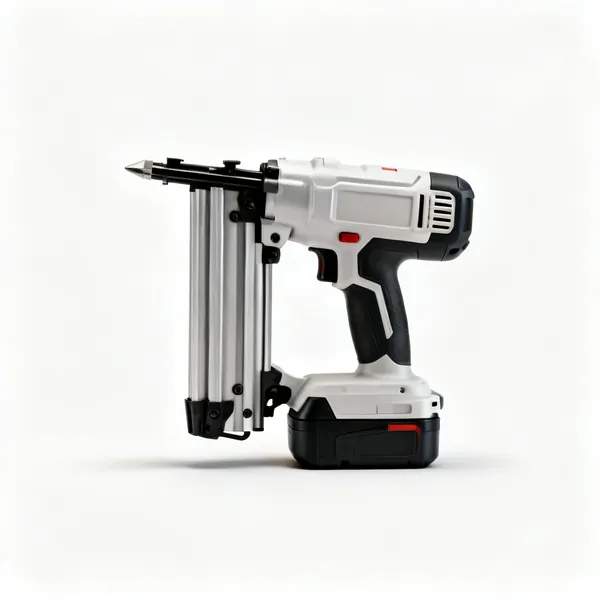
  • A cordless nail gun

    Nail gun

    Fires pins or nails as fast as you can position it, which turns framing and trim work into a fraction of the time.

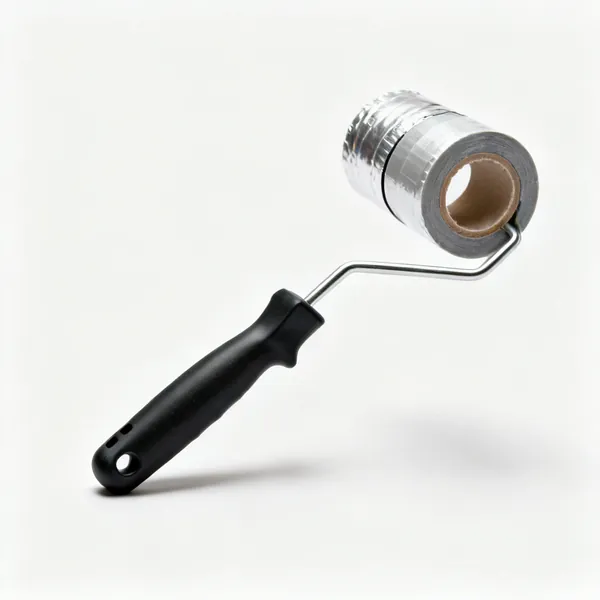
  • Tapes: Rolls of masking duct and electrical tapeEssential

    Tapes

    Masking, duct, electrical and double sided. Cheap, endlessly useful and always the thing that has run out.

Power, light & testing 10

The fixtures that make a workshop usable, and the test gear that keeps it safe.

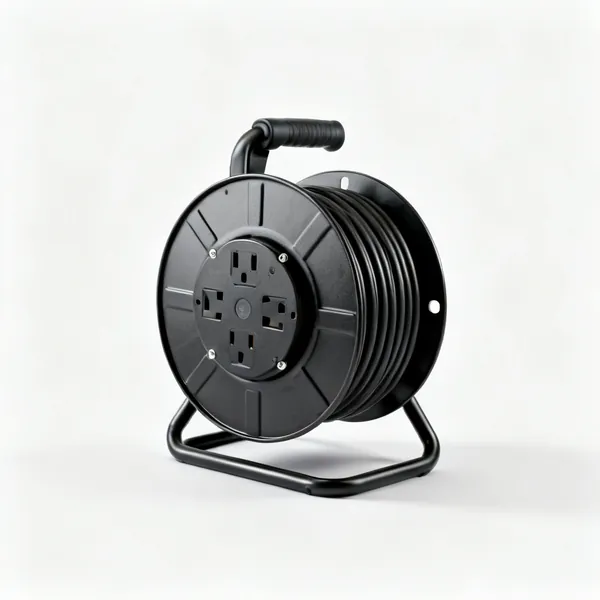
  • A heavy duty extension lead on a reelEssential

    Extension lead

    Rated cable, fully unwound. A coiled lead under load heats up, and a thin one drops voltage at the tool.

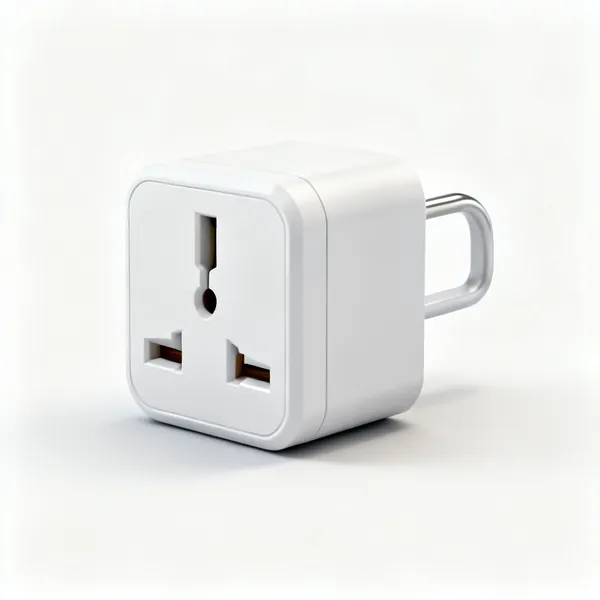
  • A plug in RCD adaptorEssential

    RCD

    Cuts power in milliseconds when current leaks to earth. On any power tool, and always in a damp space.

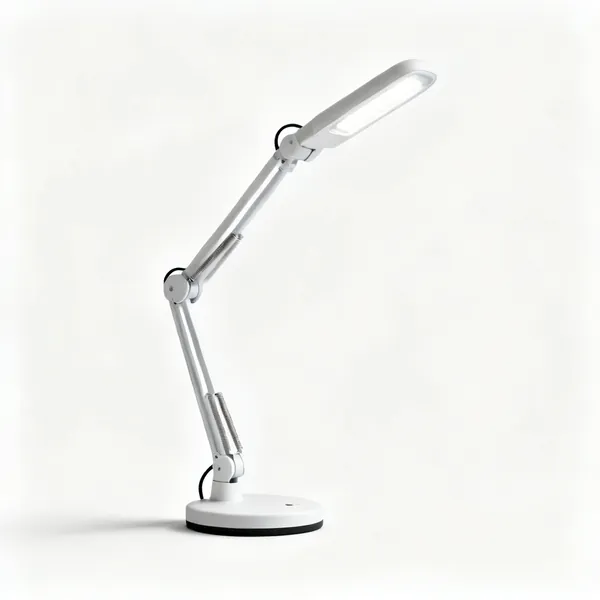
  • Task light: An adjustable LED task lampEssential

    Task light

    Aimed where you are working. A single overhead fitting puts your own shadow exactly on the work.

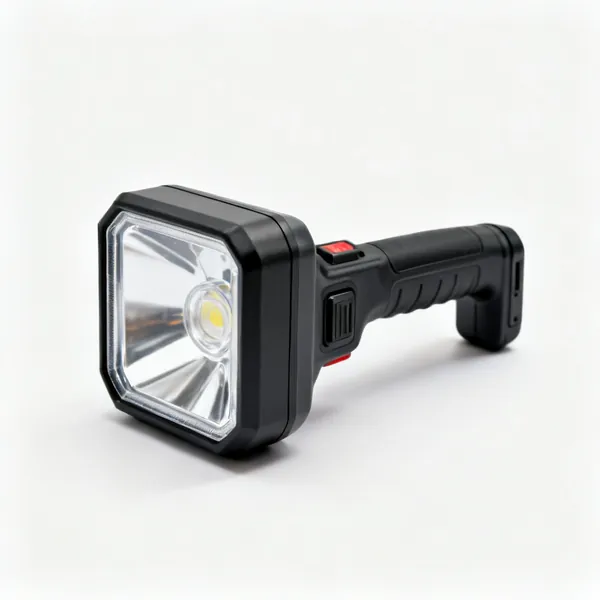
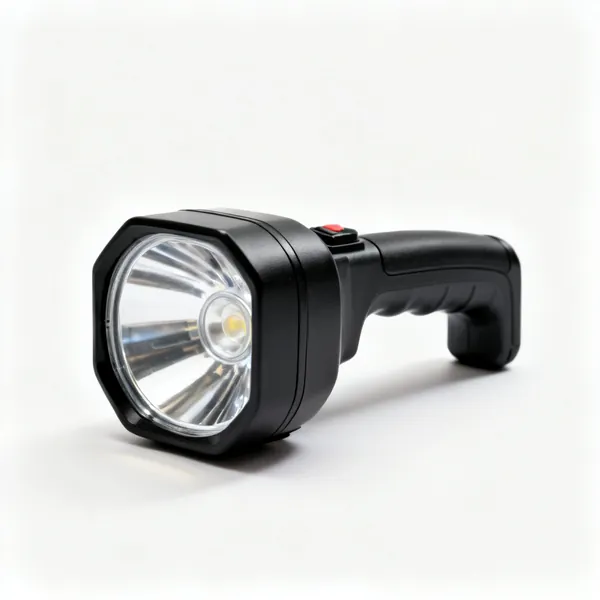
  • Portable work light: A rechargeable LED work lightEssential

    Portable work light

    A rechargeable light for inside cupboards, under benches and anywhere the fixed lighting does not reach.

  • An LED head torchEssential

    Head torch

    Light where you are looking with both hands free, which matters in a loft or inside a machine.

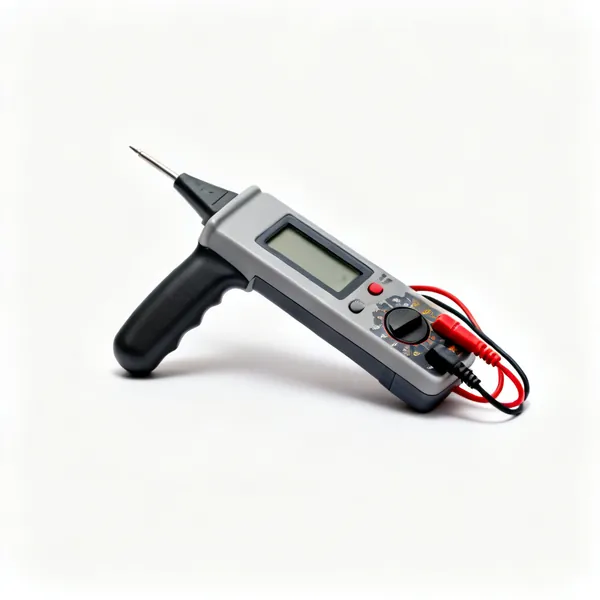
  • A digital multimeter with leadsEssential

    Multimeter

    Voltage, resistance and continuity. Diagnoses a dead tool or appliance before you replace anything.

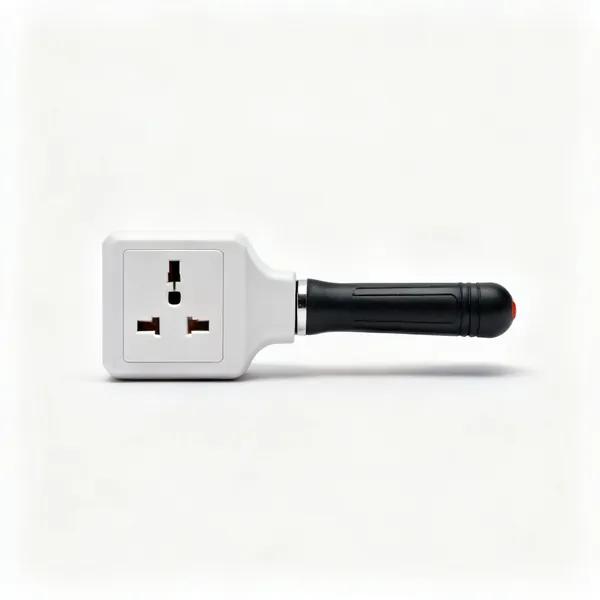
  • Socket tester: A plug in socket wiring tester

    Socket tester

    Plugs in and confirms a socket is wired correctly. Cheap, and it finds faults that look like tool problems.

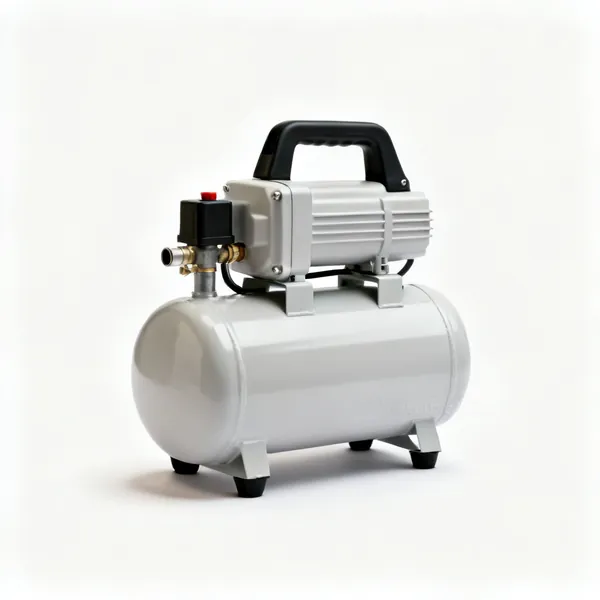
  • An air compressor with a tank

    Air compressor

    Runs air tools and blows dust out of things. Sized on air consumption rather than tank size.

  • Battery charger & spares: A cordless tool battery charger with batteriesEssential

    Battery charger & spares

    One platform, enough batteries to keep working. Three chargers and four shapes is how a workshop stalls.

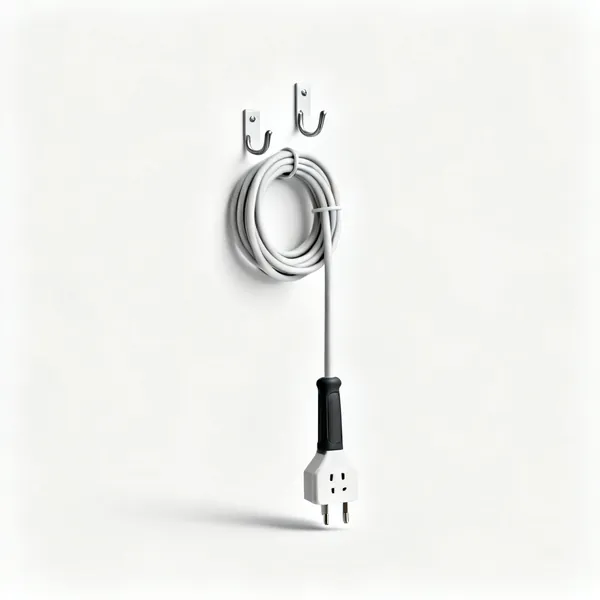
  • Cable management: Extension leads coiled on wall hooksEssential

    Cable management

    Hooks and reels keeping leads off the floor, which is the main trip hazard and how leads get damaged.

Dust, cleaning & safety 12

The group most often skipped entirely, and the one with the longest payback of anything on the page.

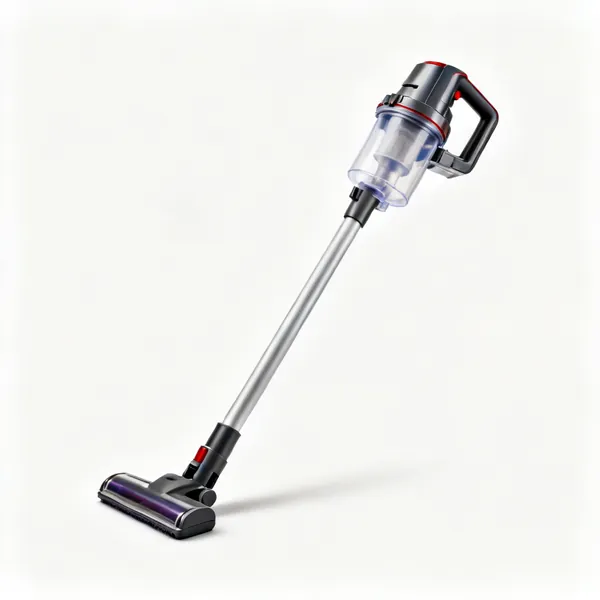
  • An M class dust extractor vacuum with a hoseEssential

    Dust extractor

    M class extraction connected at the tool. Capturing dust where it is made beats filtering the room afterwards.

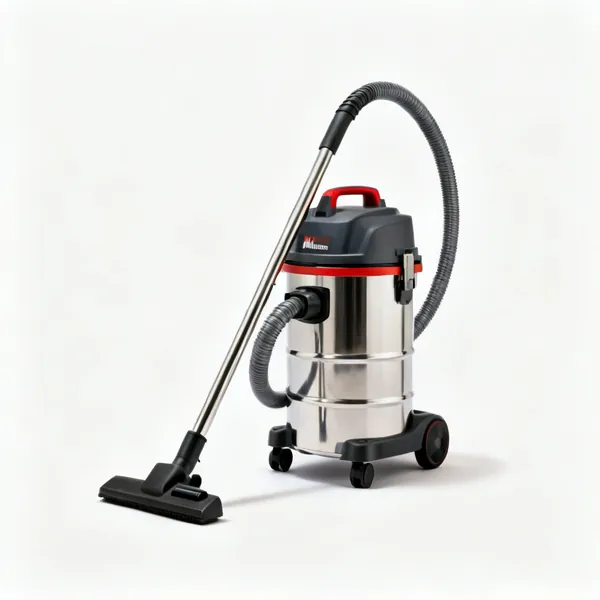
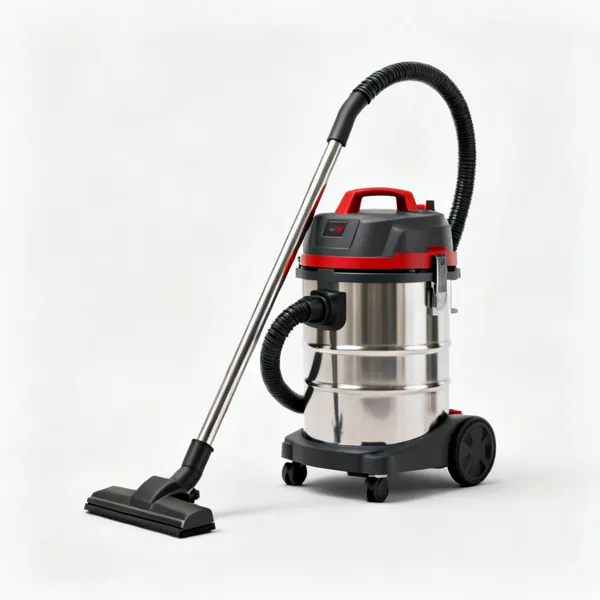
  • A wet and dry workshop vacuum cleanerEssential

    Shop vacuum

    Wet and dry pick up for general clearing. Not a substitute for rated extraction on fine dust.

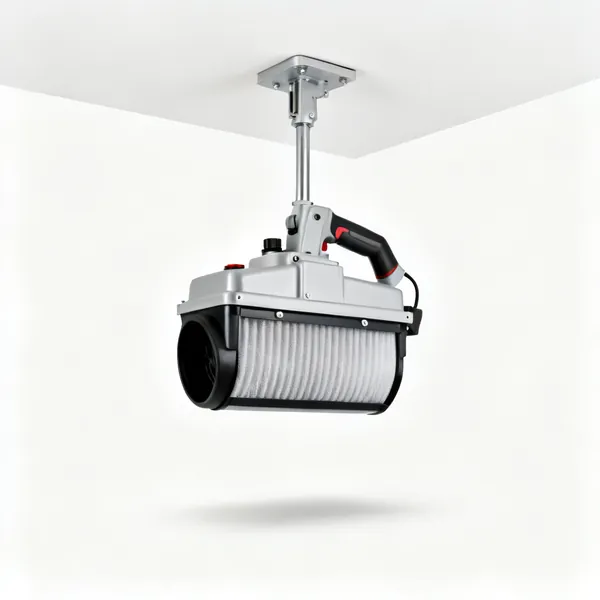
  • A ceiling mounted workshop air filter unit

    Air filter

    A ceiling unit that catches the fine dust already airborne, which is what stays in the air for hours.

  • Cyclone separator: A cyclone dust separator with a collection bin

    Cyclone separator

    Drops the bulk of the dust into a bin before the filter, so the extractor keeps its suction far longer.

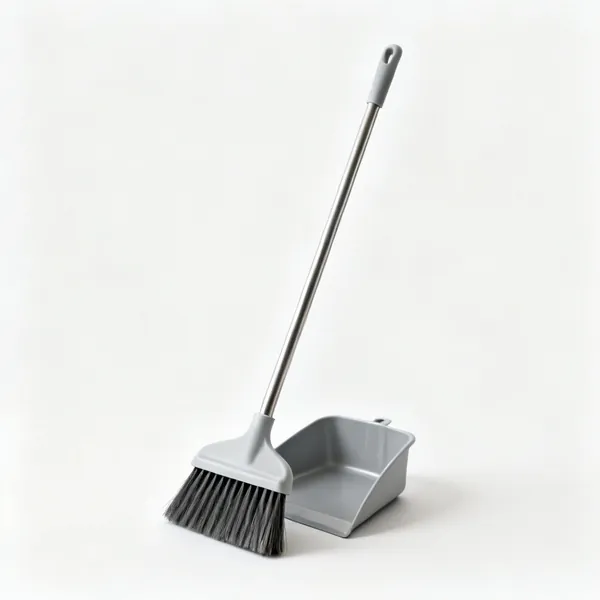
  • Broom & dustpan: A stiff broom and dustpanEssential

    Broom & dustpan

    The last tool used every session. Not for fine dust, which should be extracted rather than swept into the air.

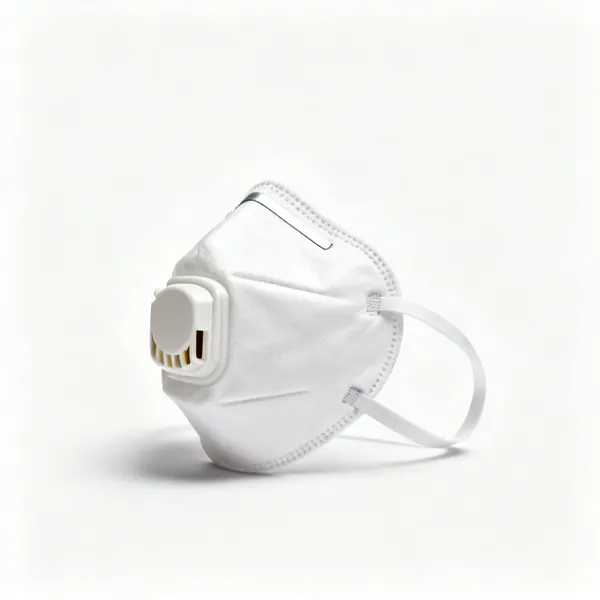
  • FFP3 dust mask: An FFP3 respirator dust maskEssential

    FFP3 dust mask

    Fine dust from wood, MDF and masonry. Fit is the whole product, since a leak protects almost nothing.

  • A pair of clear safety glassesEssential

    Safety glasses

    Every cutting and drilling operation throws something. Wraparound, since most fragments arrive from the side.

  • A pair of ear defendersEssential

    Ear defenders

    Routers, saws and grinders all pass safe levels quickly. Kept where you reach them without deciding.

  • A closed green first aid kit case with a white crossEssential

    First aid kit

    Cuts, splinters and burns. Restocked after use, which is the failure in almost every kit.

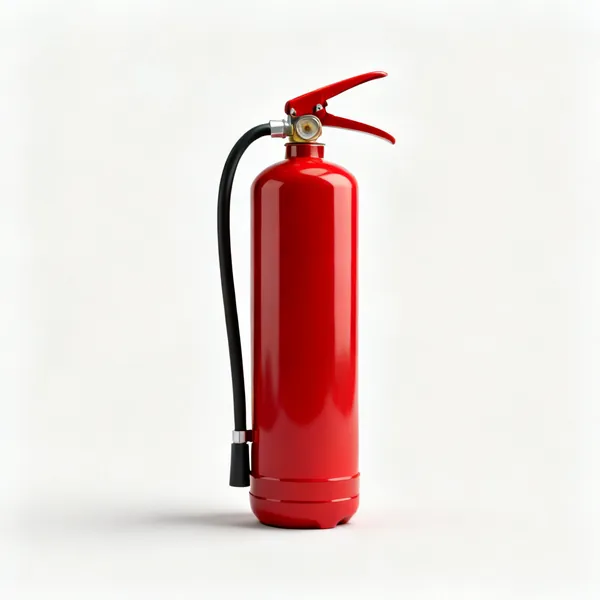
  • A red fire extinguisherEssential

    Fire extinguisher

    CO2 or powder, for electrical and flammable liquid fires. Dust, solvent and sparks in one room.

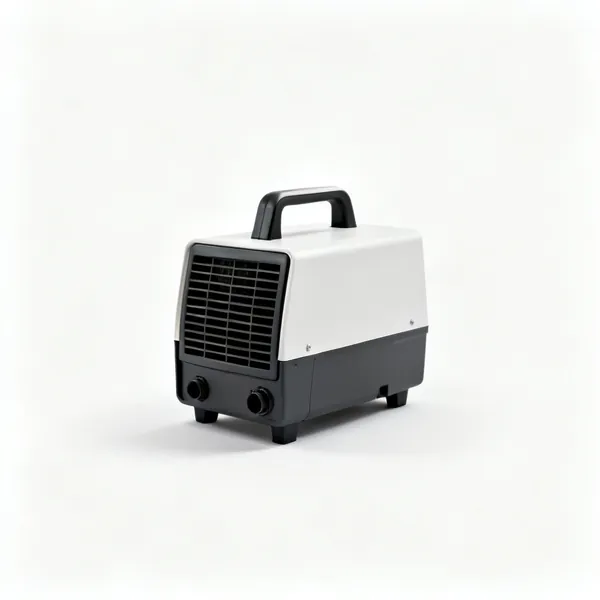
  • A small workshop dehumidifier

    Dehumidifier

    In an unheated garage, the most effective single thing for tool life. It pays for itself in saved tools.

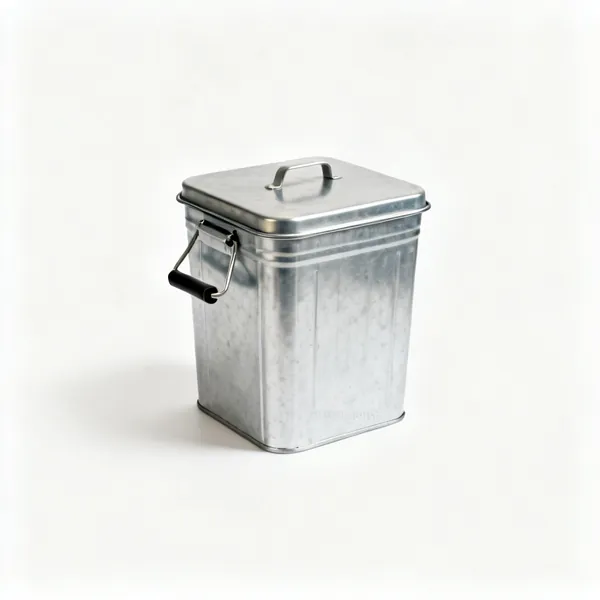
  • Oily rag bin: A metal lidded bin for oily rags

    Oily rag bin

    A metal lidded bin, because oil soaked rags can self heat and ignite. A genuine and little known fire risk.

Storage & organisation 10

Where a workshop is won or lost. Finding a tool in seconds is what makes the space feel capable.

  • A tool chest with shallow drawers

    Tool chest

    Shallow drawers you can see into. Deep drawers become archaeology, whatever they hold.

  • Wall panel or pegboard: A pegboard wall with tool hooksEssential

    Wall panel or pegboard

    The cheapest capacity you can buy, and everything is visible. Where a workshop should start.

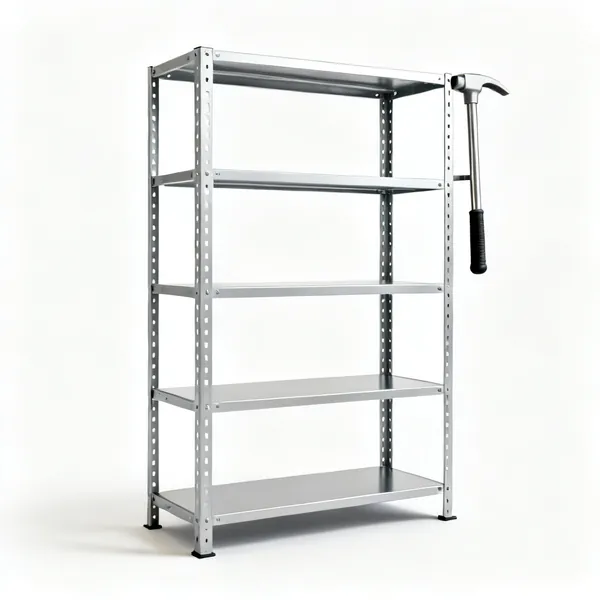
  • A boltless steel shelving unitEssential

    Shelving

    Boltless steel or built timber. Getting things off the floor doubles the usable space in most workshops.

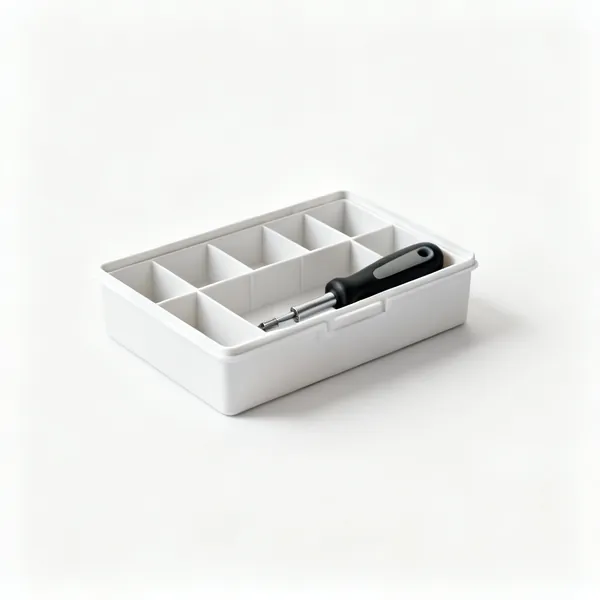
  • A compartment parts organiser boxEssential

    Parts organiser

    Compartments for screws and fixings, labelled. The alternative is buying what you already own.

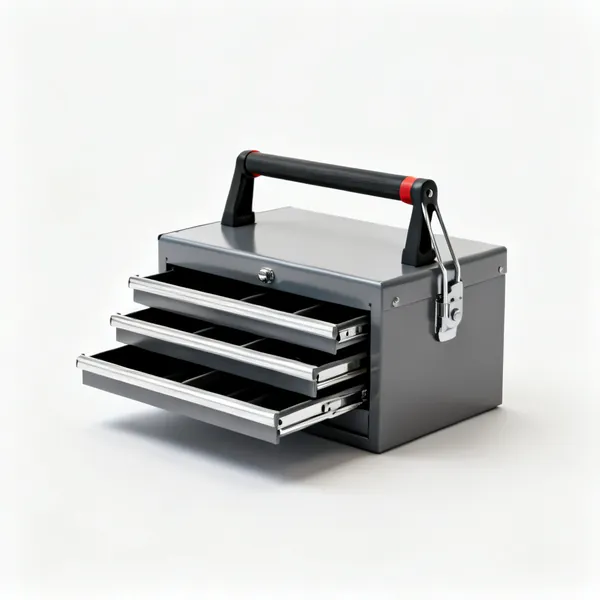
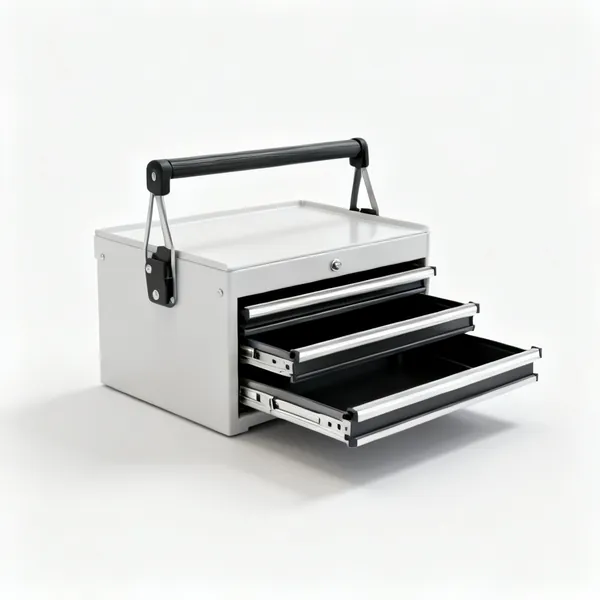
  • A cantilever toolbox with trays openEssential

    Toolbox

    What goes to the job rather than what stays in the workshop. Weight is the constraint, not capacity.

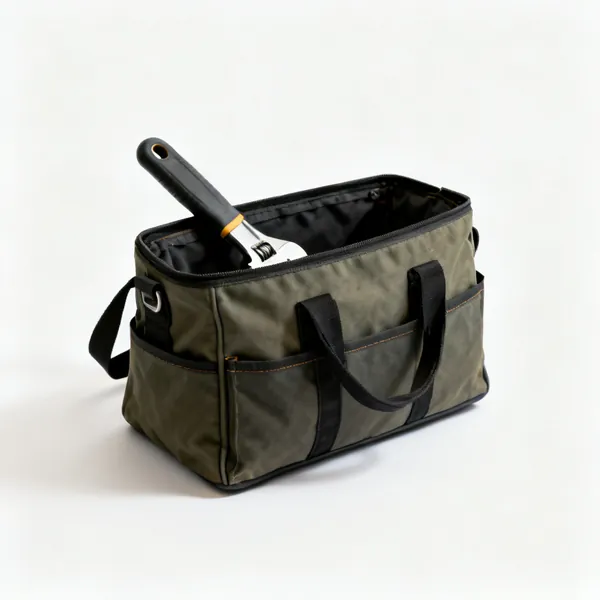
  • An open mouth tool bagEssential

    Tool bag

    An open mouth bag so you can see and reach everything. Lighter and faster than a box.

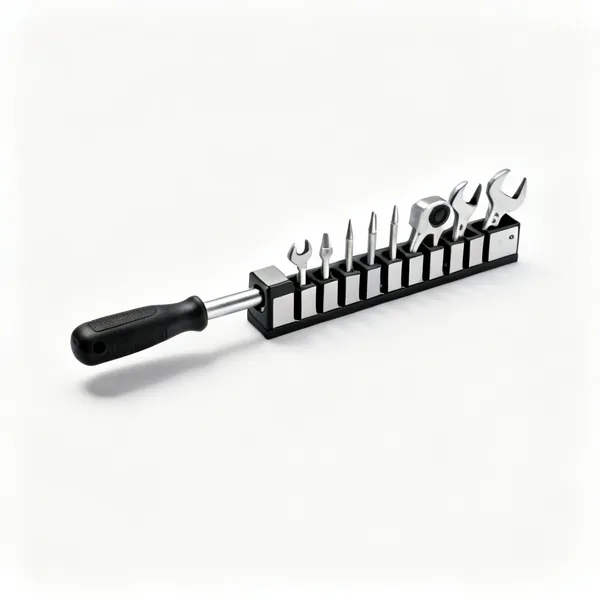
  • Magnetic tool strip: A magnetic tool holder strip with tools

    Magnetic tool strip

    Holds steel tools visible on a wall. Excellent for the drivers and pliers you reach for constantly.

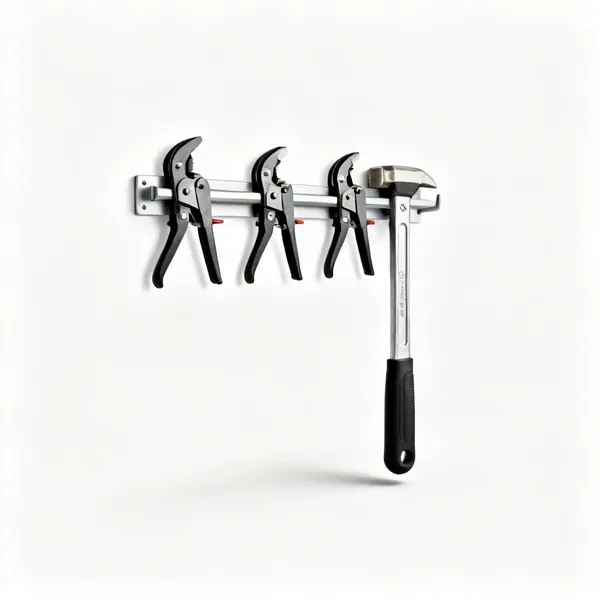
  • Clamp rack: A wall rack holding clamps

    Clamp rack

    Clamps are heavy and awkward and they need their own place, or they end up in a pile on the bench.

  • Offcut rack: A rack of sorted timber offcuts

    Offcut rack

    Sorted by size, because the next job always needs a short piece of something you already have.

  • Labels: A label maker with labelled drawersEssential

    Labels

    On the outside of anything opaque. A wall of unlabelled boxes is a wall of unknowns.

Setting up a workshop

The bench, the light and the dust extraction matter more than any individual tool, and they are the three things people leave until last.

The three things that matter more than tools

People fit out a workshop by buying tools and then wonder why the work is awkward. The three things that actually determine whether a workshop is pleasant to use are the bench, the light and the dust extraction, and all three tend to be left until last.

A bench needs to be heavy enough not to move, flat enough to work on, and at the right height for you. Too low and you bend all day, too high and you cannot put weight behind anything. Roughly wrist height standing is a good starting point, higher for detailed work and lower for planing and sawing.

Light needs to come from more than one direction. A single overhead fixture puts your own shadow exactly where you are working. And dust extraction is the one that gets skipped entirely, which is a mistake with a decades long payback.

Heavy, flat and the right height
Roughly wrist height standing. A bench that racks or shifts when you plane is worse than a smaller solid one.
Light from more than one direction
One overhead fitting puts your shadow on the work. Add a task light you can aim.
Extraction at the tool, not the room
Capturing dust where it is made beats filtering the air afterwards. Fine dust is the lasting hazard.
Power where you work
Sockets at bench height rather than trailing leads across the floor, which are the main trip hazard.
Somewhere to put things down
A clear metre of bench is a tool in its own right. A cluttered bench is why work gets damaged.
Heat and ventilation
A cold damp workshop rusts tools and never gets used. Both are worth solving before buying more kit.

Workholding is what makes accuracy possible

The difference between a workshop and a shed with tools in it is usually the ability to hold things properly. You cannot cut, drill or plane accurately while also holding the work, and trying to is how both mistakes and injuries happen.

A vice, a set of clamps and a couple of bench dogs cover most of it. The general rule is that you always need one more clamp than you own, and that clamping something twice as securely as feels necessary costs seconds and saves the piece.

The second rule is that clamps mark. Anything visible needs a scrap of softwood or a soft jaw between the clamp and the work, and remembering that after the fact is too late.

Clamp it, do not hold it
Both hands free means an accurate cut. Holding the work means a wandering cut and an eventual injury.
You always need one more clamp
Nobody has ever finished a glue up thinking they had too many. Buy them in pairs.
Pack under any clamp on a visible face
A scrap of softwood spreads the pressure and stops the clamp printing into the surface.
A vice on the bench, bolted through
Screwed to the top it works loose. Bolted through with a backing plate stays put for decades.
Dogs and a stop beat clamps for planing
Work pushed against a stop is held by the action itself, with nothing in the way of the tool.
Support long stock
Roller stands or a second pair of hands. Unsupported weight pulls the cut off line and drops the offcut.

Buying in the right order

The tempting order is to buy the exciting tools first. The order that actually produces finished work is to buy what every job needs, then add for the specific job in front of you.

That means measuring and marking, then holding, then cutting, then fixing, then finishing. Within that, buy the tools you use weekly properly and everything else cheaply until it annoys you. A cheap tool that annoys you has told you exactly what to replace, which is far better information than a review.

The one exception is anything where cheap is dangerous rather than just irritating: ladders, jacks, extraction and anything that holds weight above you.

Measure, hold, cut, fix, finish
Buy in that order and every stage of a job is possible rather than three quarters of it.
Buy the weekly tools properly
A tape, a knife, a drill, a saw, a hammer. These get used constantly and cheap ones cost more in frustration.
Buy the rest cheaply first
Let the tool tell you whether you use it enough to justify better. Guessing that in advance wastes money.
One battery platform, then stay in it
Three chargers and four battery shapes is how a workshop accumulates dead tools.
Never cheap out on anything load bearing
Ladders, jacks, stands and extraction. Here cheap is dangerous rather than merely annoying.
Consumables are not the place to save
Blades, discs and abrasives are what actually cut. A blunt cheap blade makes a good saw useless.

What to buy first, in order

Stage one: measure, mark and hold
A tape, a combination square, a marking knife, a pencil, a spirit level, a bench vice and a set of clamps.
Stage two: cut and fix
A hand saw, a utility knife, a claw hammer, screwdrivers, pliers, a cordless combi drill and impact driver, and a set of drill bits.
Stage three: power and accuracy
A circular saw or mitre saw, a jigsaw, a random orbit sander, a drill press or a stand, and a workbench with a proper vice.
Stage four: the workshop itself
Dust extraction, task lighting, wall storage, a first aid kit, a fire extinguisher and somewhere dry to keep everything.

Mistakes that make a workshop unusable

No dust extraction
Fine dust is the hazard with the longest payback, and it also coats every tool and surface you own.
A bench that moves
Every bit of energy you put into planing or sawing goes into rocking the bench instead of cutting.
One light overhead
It puts your shadow precisely where you are looking. Add a light you can point at the work.
Leads across the floor
The most common trip hazard in any workshop, and it damages the leads at the same time.
No clear space to put things down
A bench covered in tools is why work gets dented, lost and glued to something.
Storing tools on a cold concrete floor
Concrete wicks moisture upwards and everything standing on it rusts from underneath.
Buying machines before storage
A workshop full of machines you cannot get around is less capable than a tidy one with fewer.
Blunt consumables
Forcing a blunt blade is how kickback, burning and inaccuracy all happen. Change it far sooner than feels justified.

Keeping a workshop working

Sweep and extract at the end of each session
Ten minutes at the end beats an hour later, and dust left settles into every moving part you own.
Everything back in its place
The system fails at the pile that was going to be sorted. Put away as you finish, not at the weekend.
Oil bare steel before winter
Machine tables, plane soles and vice screws. An unheated workshop rusts everything left unprotected.
Keep a dehumidifier in a damp space
The single most effective thing for tool life in a garage or outbuilding. It pays for itself in saved tools.
Sharpen on a schedule
Waiting until a tool is unusable means a long recovery. A few minutes regularly keeps everything cutting.
Check leads and plugs
Workshop leads get run over, crushed and cut. A damaged lead in a damp space is a real hazard.

Frequently asked questions

What tools do I need for a basic workshop?
A tape measure, a combination square, a marking knife, a pencil, a spirit level, a bench vice, clamps, a hand saw, a utility knife, a claw hammer, screwdrivers, pliers and a cordless combi drill with bits. That covers most jobs.
What is the most important thing in a workshop?
The bench, the lighting and the dust extraction, in that order, and all three usually get left until last. A heavy flat bench at the right height improves every job more than any individual tool purchase does.
How high should a workbench be?
Roughly wrist height when standing, as a starting point. Higher suits detailed work like assembly and carving, lower suits planing and sawing where you want to put your weight over the work. It is worth adjusting to you rather than to a standard.
Do I really need dust extraction?
Yes, and it is the most commonly skipped item. Fine dust from wood, masonry and MDF causes long term respiratory damage, and capturing it at the tool is far more effective than filtering the room afterwards or wearing a mask.
What is the difference between workshop tools and hand tools?
Hand tools are the non powered subset: hammers, saws, chisels, screwdrivers. A workshop list is broader and includes power tools, machines, workholding, storage and the fixtures that make the space work, like lighting and extraction.
Should I buy cheap or expensive tools?
Buy the tools you use weekly properly, and everything else cheaply at first. A cheap tool that annoys you has told you exactly what to upgrade. The exception is anything load bearing, where cheap is dangerous rather than annoying.
How many clamps do I need?
More than you have. It is the standing joke in every workshop because it is true: nobody finishes a glue up wishing they had fewer. Buy them in pairs, in a couple of sizes, and add as jobs demand.
Why does my workbench move when I work?
Either it is too light or the joints are racking. Mass and rigidity are what a bench is for, so add weight low down, brace the frame diagonally, and if possible fix it to a wall.
What lighting should a workshop have?
General overhead light plus at least one adjustable task light. A single overhead fitting puts your own shadow exactly where you are working, which is the commonest complaint and the easiest to fix.
How do I stop tools rusting in a garage workshop?
Keep them off the concrete floor, which wicks moisture upwards, wipe bare steel with an oily rag, and run a small dehumidifier. Temperature swings in an unheated space cause condensation on cold metal, which is what starts the rust.
What safety equipment does a workshop need?
Safety glasses, an FFP3 dust mask, ear defenders, a first aid kit, a fire extinguisher suited to electrical fires, and an RCD on the power supply. Then extraction and guarding, which protect you without needing to be remembered.
Is it worth buying a tool set or individual tools?
Individual tools, in most cases. Sets pad the piece count with sizes and types you will never use, and the quality is levelled down to hit a price. A smaller set of tools chosen individually outlasts and outperforms it.