Ultimate Guide to Essential Home Tool Kits: Must-Have Picks
Imagine you’re facing a leaky faucet, a loose cabinet handle, or a picture that won’t hang straight. What do you reach for?
If your answer is “I don’t know,” it’s time to build your ultimate home tool kit. Having the right tools at your fingertips doesn’t just save you money—it gives you the power to fix problems quickly and confidently. Whether you’re a new homeowner or just want to be prepared, this guide will show you exactly what every essential home tool kit needs.
By the end, you’ll know how to choose, organize, and use your tools so your home feels safer, smarter, and truly yours. Ready to become your own handyman? Let’s dive in.
Essential Hand Tools
Essential hand tools form the backbone of every home tool kit. They help with repairs, installations, and simple DIY projects. Having the right tools saves time and effort. It also ensures tasks get done safely and correctly.
These tools cover a wide range of uses. From hammering nails to measuring spaces, they handle everyday needs. Understanding each tool’s purpose helps build a useful and compact kit.
Hammers And Mallets
Hammers are key for driving nails and small demolition tasks. A claw hammer is the most common type. It has a flat head to hit nails and a curved claw to remove them. Mallets are softer than hammers. They prevent surface damage when tapping objects together.
Screwdrivers And Nut Drivers
Screwdrivers turn screws to fasten or loosen items. A set should include flathead and Phillips-head types. Nut drivers work like screwdrivers but fit hex nuts and bolts. Both tools come in various sizes for different jobs.
Pliers And Wrenches
Pliers grip, bend, and cut wires or small parts. Needle-nose pliers reach tight spaces. Slip-joint pliers adjust to different widths. Wrenches tighten or loosen nuts and bolts. Adjustable wrenches fit multiple sizes, reducing tool count.
Measuring And Marking Tools
Accurate measurements are vital for success. Tape measures are flexible and easy to use. A combination square checks angles and marks straight lines. A pencil or marking tool shows cut or drill locations clearly.
Credit: www.polygonbikes.com
Power Tools For Home Use
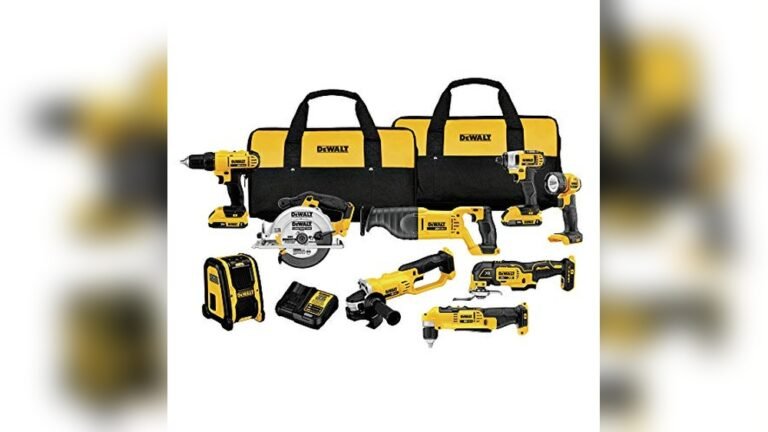
Power tools make many home projects easier and faster. They help with drilling, sanding, cutting, and more. Choosing the right power tools saves time and effort. Every home should have a few reliable power tools for repairs and improvements.
Cordless Drills And Drivers
Cordless drills are a must-have for any home toolkit. They work without a power cord, offering freedom to move. Use them for drilling holes and driving screws in wood, metal, or plastic. Look for models with variable speed and good battery life. Compact designs fit in tight spaces and reduce fatigue.
Multi-tools And Sanders
Multi-tools are versatile and handy for many tasks. They can sand, cut, scrape, and grind with different attachments. Sanders smooth rough surfaces quickly and easily. Orbital sanders work well on wood and drywall. These tools help prepare surfaces for painting or finishing. Choose models with ergonomic grips for comfort.
Saws And Cutting Tools
Saws cut wood, plastic, and other materials precisely. A jigsaw is great for curved cuts and shapes. Circular saws handle straight cuts on large boards. Compact saws are easier to control for small jobs. Always use sharp blades and follow safety rules. Proper cutting tools improve the quality of your work.
Tool Kits For Beginners
Starting a home tool kit can feel confusing. Beginners need simple, useful tools. The right kit makes small repairs easier. It also saves money on hiring professionals. A good beginner kit covers many basic tasks.
Choosing the right set helps build confidence. It prepares new homeowners for common issues. This section highlights easy-to-use kits for beginners. These kits include tools for everyday home needs.
Basic Starter Sets
Basic starter sets include essential hand tools. These often have a hammer, screwdrivers, and pliers. A tape measure and utility knife usually come too. These tools handle simple repairs and furniture assembly. They fit small budgets and beginner skill levels.
Affordable Options Under $80
Many quality kits cost less than $80. These kits offer a good range of tools without high prices. They include multi-bit screwdrivers and adjustable wrenches. Some sets add a level and small saw. Affordable kits suit renters and first-time homeowners well.
Curated Kits For New Homeowners
Curated kits focus on common homeowner needs. They include tools for hanging pictures and fixing leaks. Some kits add a flashlight and hardware supplies. These kits prepare users for typical home repairs. They often come in a sturdy carrying case.
Specialty Tools To Consider
Specialty tools enhance your home toolkit by adding precision and ease. They help complete tasks that regular tools cannot handle well. These tools save time and improve results. Choosing the right specialty tools can make home projects smoother and safer.
Stud Finders And Laser Levels
Stud finders locate wooden beams behind walls. They prevent damage during drilling or hanging objects. Laser levels project straight lines for perfect alignment. Use them to hang pictures or shelves evenly. Both tools ensure accuracy in your work.
Outlet Testers And Electrical Tools
Outlet testers check if electrical outlets work correctly. They detect wiring problems and improve safety. Electrical tools like wire strippers and voltage detectors help with small wiring tasks. Owning these tools helps maintain your home’s electrical system safely.
Lopping Shears And Gardening Tools
Lopping shears cut thick branches and shape plants easily. They reduce strain compared to smaller pruners. Gardening tools like trowels and weeders assist in planting and weeding. These tools keep your garden neat and healthy.
Organizing And Storing Tools
Keeping tools organized and stored properly saves time and effort. A neat space helps find tools quickly. It also protects tools from damage and rust. Good organization improves safety in your home workspace. Knowing where each tool belongs makes DIY projects easier and faster.
Toolboxes And Storage Solutions
Choose a toolbox that fits your needs and space. Small toolboxes are easy to carry around. Larger ones can store many tools in one place. Drawer organizers help separate different types of tools. Wall-mounted racks keep tools visible and accessible. Clear plastic bins show what is inside without opening. Label each storage container for quick identification.
Maintaining And Caring For Tools
Clean tools after every use to remove dirt and grease. Dry them well to prevent rust and corrosion. Sharpen blades and edges regularly for better performance. Oil moving parts to keep tools working smoothly. Store tools in a dry, cool place away from moisture. Check for damage or wear and repair or replace if needed.

Credit: www.kitchenacademy.co
Buying Tips And Recommendations
Buying the right home tool kit can save time and money. Tools vary in quality, price, and use. Choosing wisely ensures your kit lasts and meets your needs. Follow these tips and recommendations to select the best tools for your home.
Choosing Quality Over Quantity
Pick tools built to last. Cheap tools break fast and cause frustration. A few strong tools work better than many poor ones. Focus on tools with sturdy handles and good grips. Metal parts should feel solid and rust-resistant. Quality tools perform better and keep you safe.
When To Buy Tools For Projects
Buy tools just before starting a project. Avoid buying sets with items you won’t use. Start with basics like a hammer, screwdriver, and tape measure. Add specialty tools as projects grow. This approach saves money and space. It also helps you learn tool use step-by-step.
Trusted Brands And Reviews
Choose brands known for reliability. Brands with good reputations offer warranties and customer support. Read reviews from real users to learn about tool performance. Pay attention to comments on durability and ease of use. Trusted brands often have higher resale value too.

Credit: www.youtube.com
Frequently Asked Questions
What Tools Are Essential For Every Home Toolkit?
A basic home toolkit should include a hammer, screwdrivers, pliers, adjustable wrench, tape measure, and utility knife. These tools cover most common repairs and DIY tasks efficiently.
How To Choose The Best Home Tool Kit?
Look for quality, variety, and durability. Opt for kits with essential hand tools and comfortable grips. Consider your specific needs and future projects when selecting a set.
Why Is A Home Tool Kit Important For Homeowners?
A home tool kit helps you handle minor repairs and maintenance independently. It saves time and money by enabling quick fixes without professional help.
What Should New Homeowners Include In Their Tool Kits?
New homeowners should prioritize a hammer, screwdrivers, pliers, tape measure, level, utility knife, and a cordless drill. These tools support assembling furniture and basic repairs.
Conclusion
A good home tool kit makes small repairs quick and easy. Choose tools that fit your needs and budget. Start with basics like a hammer, screwdriver, and tape measure. Add more tools as you gain experience and confidence. Keep your kit organized and ready for use anytime.
This guide helps you build a kit for everyday tasks. With the right tools, home projects become less stressful. Take small steps, and your tool kit will grow over time. Stay prepared and enjoy the satisfaction of fixing things yourself.