How to Use Precision Screwdriver Set: Expert Tips for Perfect Repairs
If you’ve ever struggled with tiny screws on your electronics, gadgets, or eyeglasses, you know how frustrating it can be to find the right tool. That’s exactly where a precision screwdriver set comes in handy.
But how do you use it correctly to avoid damaging delicate parts or stripping screws? Whether you’re fixing a smartphone, assembling a model, or repairing a watch, mastering this tool can save you time and stress. In this guide, you’ll discover simple, clear steps to use your precision screwdriver set like a pro—so you can tackle those small jobs with confidence and ease.
Keep reading to unlock the secrets that will make your next repair smooth and successful.
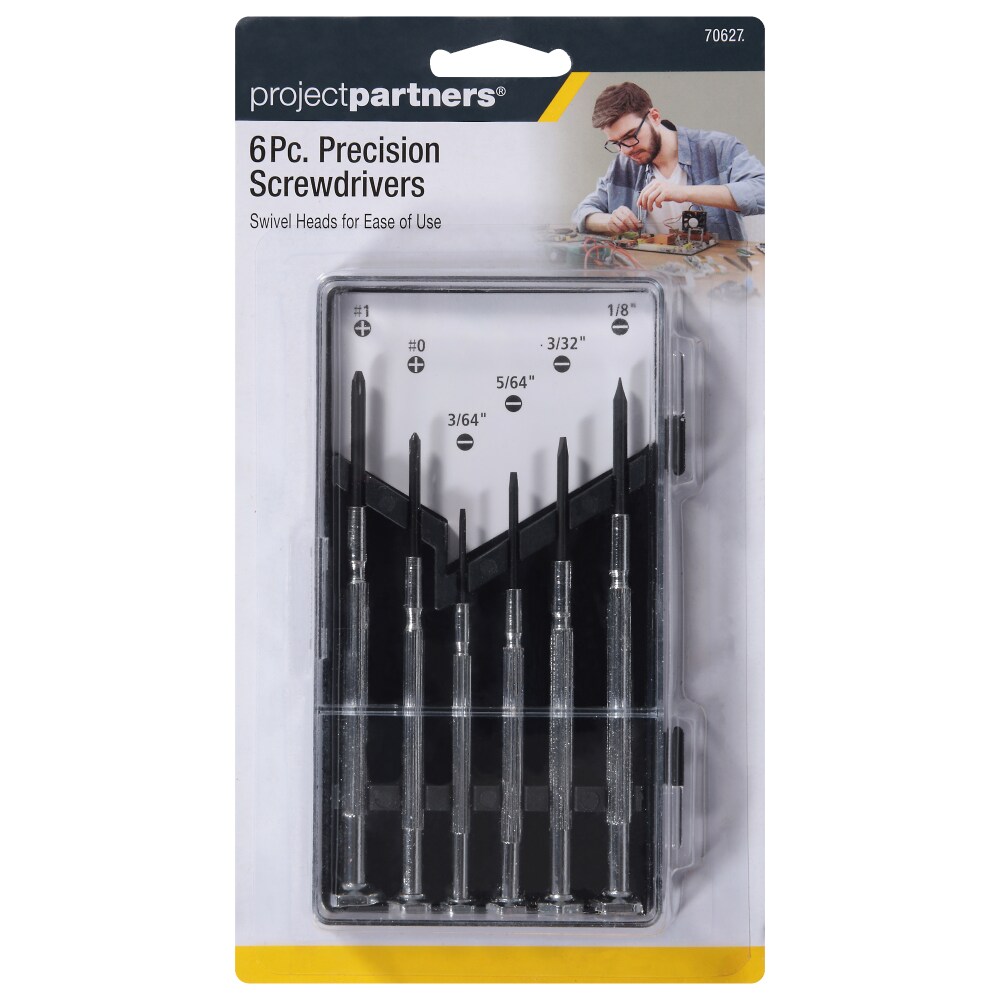
Credit: www.kroger.com
Choosing The Right Precision Screwdriver
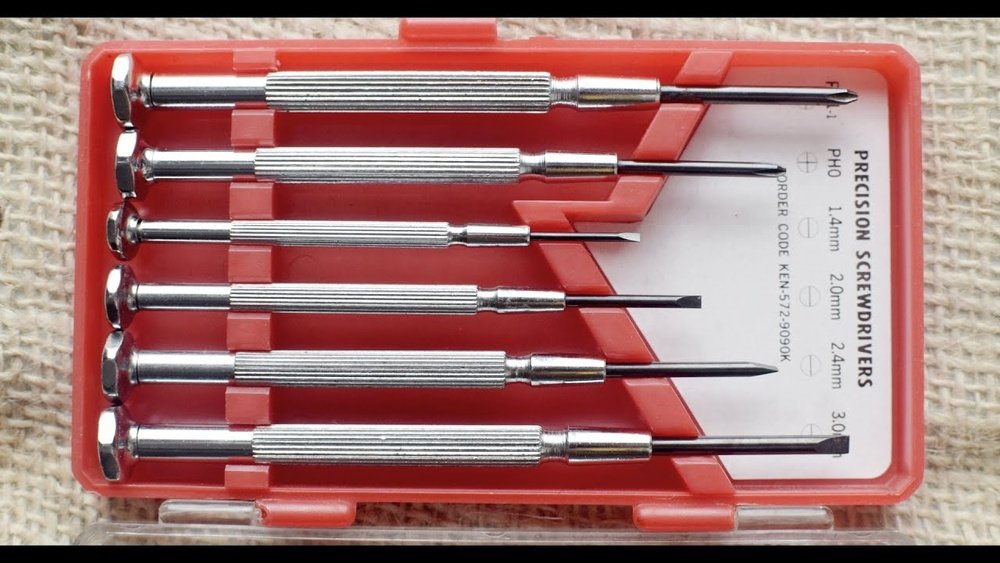
Precision screwdrivers come in different types. The most common are flathead, Phillips, and Torx. Each type fits a specific screw head. Using the right type prevents damage to screws and tools.
Match the screwdriver tip to the screw head size. A too big or small tip can strip the screw. This makes it hard to remove or tighten. Precision screwdrivers often come in sets with various sizes to fit many screws.
Quality matters. Look for screwdrivers made from durable materials like chrome-vanadium steel. A strong build keeps the tool from bending or breaking. A comfortable handle helps with better grip and control during use.

Credit: www.youtube.com
Preparing For Repairs
Start by gathering all necessary tools such as your precision screwdriver set, tweezers, and a small container for screws. A clean workspace helps keep tiny parts from getting lost or mixed up. Use a flat, well-lit surface free of clutter.
Next, identify the types and sizes of screws you will work with. Precision screwdrivers come in different sizes to fit various screws. Match the screwdriver tip to the screw head carefully to avoid damage.
| Step | Details |
|---|---|
| Gather Tools | Precision screwdrivers, tweezers, screw container |
| Clean Workspace | Flat, well-lit area with no clutter |
| Identify Screws | Check screw type and size before starting |
Handling Techniques
Hold the precision screwdriver with a firm but gentle grip. Use your thumb and index finger to hold the handle. Apply just enough pressure so the tip stays in the screw head without slipping.
Make sure the screwdriver tip aligns perfectly with the screw slot. This helps avoid damaging the screw or tool. Keep the tip straight and centered before turning.
Turn the screwdriver slowly and with control. Use steady, small movements rather than fast or forceful ones. This gives better precision and reduces the risk of stripping the screw.
Common Applications
Precision screwdrivers are perfect for small, delicate tasks. They help fix electronics and gadgets like phones, laptops, and cameras. These tools fit tiny screws without slipping or damaging parts.
Eyewear and watches often have very small screws. Precision screwdrivers allow careful tightening or loosening without scratching or breaking delicate frames and mechanisms.
Many small appliances and toys have compact screws. Using precision screwdrivers makes repairs easier and safer. It prevents damage to plastic or metal parts during maintenance.
Maintenance And Storage
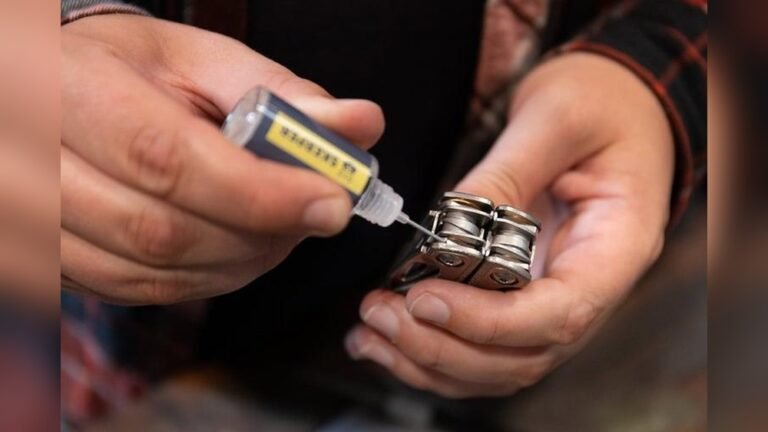
Keep your precision screwdriver set clean by wiping the tips with a soft cloth. Avoid using water or harsh chemicals that can cause rust. Use a small brush to remove dirt from hard-to-reach areas.
Store the set in a dry place to prevent damage. Organize the screwdrivers by size or type in a case or box. This helps find the right tool quickly and keeps everything neat.
Check the tips regularly for wear or damage. Replace worn parts to maintain accuracy and prevent slipping. Using damaged screwdrivers can harm screws or your project.
Troubleshooting Tips
Stripped screws can be very hard to remove. Use a precision screwdriver that fits the screw head perfectly. Press down firmly to get a good grip. For extra grip, try using rubber bands between the screwdriver and the screw. This helps fill the gaps caused by stripping.
Tip slippage happens when the screwdriver slips out of the screw slot. Make sure the tip is clean and sharp. Hold the screwdriver straight and apply steady pressure while turning. Avoid quick or jerky movements to keep the tip in place.
| Additional Tools | When to Use |
|---|---|
| Tweezers | To hold small screws securely |
| Pliers | To grip screws that are stuck or stripped |
| Rubber Bands | To increase friction on stripped screws |
| Magnifying Glass | For better view of tiny screws |
Safety Tips
Protecting your hands is important when using a precision screwdriver set. Always wear gloves or keep your hands dry to avoid slipping. Use screwdrivers with comfortable grips to reduce hand strain. Avoid applying too much force to prevent injuries.
Avoiding damage to components requires care and patience. Use the right size screwdriver tip to fit screws perfectly. Too large or too small tips can strip screws or break parts. Handle electronic components gently to keep them safe.
Working in well-lit areas helps you see small screws and parts clearly. Good lighting reduces mistakes and saves time. Use a bright lamp or natural light to improve visibility. This simple step makes your work easier and safer.

Credit: excelblades.com
Frequently Asked Questions
How Does A Precision Screwdriver Work?
A precision screwdriver works by fitting its small tip into tiny screw heads. You apply pressure and turn it carefully to tighten or loosen screws. This tool offers better control and accuracy for delicate or small fasteners in electronics and fine devices.
What Would You Use A Precision Screwdriver Set For?
Use a precision screwdriver set to repair small electronics, glasses, watches, and delicate devices with tiny screws. It ensures accurate handling.
When To Use A Precision Screwdriver?
Use a precision screwdriver for small, delicate screws in electronics, watches, and precision equipment. It prevents damage during assembly or repair.
How To Use A Screwdriver Step By Step?
Insert the screwdriver tip into the screw head. Hold it firmly and turn clockwise. Apply steady pressure while turning. Keep the screw aligned straight. Continue until the screw is fully tightened or loosened.
Conclusion
Using a precision screwdriver set makes small repairs easier and safer. Always pick the right tip size for the screw. Apply gentle pressure to avoid slipping or damage. Work slowly and keep the screwdriver straight. This tool helps fix electronics, glasses, and small gadgets well.
Practice improves your control and confidence. Keep your set organized and clean for long use. With care, your precision screwdriver set will last for years. Simple steps lead to better results every time.