How to Choose the Right Cleaning Tools for Your Home: Ultimate Guide
Choosing the right cleaning tools for your home can feel overwhelming. With so many options on the market, how do you know what will actually make your cleaning easier and more effective?
The truth is, the right tools can save you time, reduce effort, and even make cleaning less of a chore. You’ll discover simple tips to pick the best cleaning tools tailored to your home’s needs. By the end, you’ll feel confident and ready to tackle any mess with the perfect gear in hand.
Keep reading to find out how to make cleaning smarter, not harder.
Essential Cleaning Tools
Essential cleaning tools form the backbone of any effective home cleaning routine. Choosing the right tools simplifies tasks and saves time. Good tools make cleaning less tiring and more efficient. Below are some must-have items for every household.
Vacuum Cleaners
Vacuum cleaners remove dust, dirt, and pet hair quickly. Select one with strong suction power and suitable attachments. Lightweight models help clean hard-to-reach areas easily. For carpets and hard floors, choose a vacuum that handles both well.
Mops And Brooms
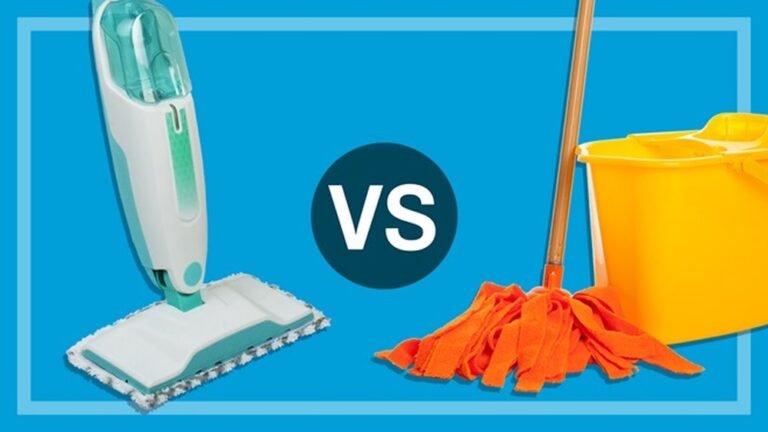
Mops clean wet messes and spills, while brooms sweep dry dirt and debris. Microfiber mops pick up dust better than traditional ones. A sturdy broom with firm bristles works best on rough surfaces. Store them in a dry place to keep bristles firm.
Microfiber Cloths And Sponges
Microfiber cloths trap dust and dirt without chemicals. They are soft and safe for all surfaces. Sponges help scrub stubborn stains and clean dishes. Use different cloths and sponges for bathrooms and kitchens to avoid germs spreading.
Scrub Brushes
Scrub brushes remove tough grime from tiles and grout. Choose brushes with comfortable handles and stiff bristles. Small brushes reach corners and tight spots easily. Replace brushes regularly to keep them effective and clean.
Spray Bottles And Gloves
Spray bottles apply cleaning solutions evenly and save product. Use reusable bottles to cut waste and refill with homemade cleaners. Gloves protect your hands from harsh chemicals and dirt. Choose gloves that fit well and allow easy movement.

Credit: purevergreen.com
Choosing Tools By Surface
Choosing the right cleaning tools for your home depends largely on the type of surface you need to clean. Different surfaces require different tools to avoid damage and ensure a deep clean. Picking the proper tool can save time and keep your home looking its best.
Hardwood And Tile Floors
Use a soft broom or vacuum with a hardwood setting for hardwood floors. Avoid harsh scrubbers that can scratch. For tile floors, a mop with a microfiber head works well. It picks up dirt without leaving streaks. Choose gentle cleaners made for your floor type.
Carpets And Rugs
Vacuum regularly with a machine suited for carpets and rugs. Use attachments to reach corners and edges. For stains, a carpet cleaner or spot remover is helpful. Avoid soaking the carpet, which can cause mold or damage.
Glass And Mirrors
A microfiber cloth is best for glass and mirrors. It cleans without leaving lint or streaks. Use a spray bottle with water or a glass cleaner. Wipe in circular motions for a clear, shiny finish.
Bathroom Surfaces
Use scrub brushes or sponges with antibacterial properties for bathroom surfaces. Choose tools that reach into grout and corners. Soft cloths work well for sinks and countertops. Use cleaners made for bathrooms to remove soap scum and germs.
Kitchen Counters And Appliances
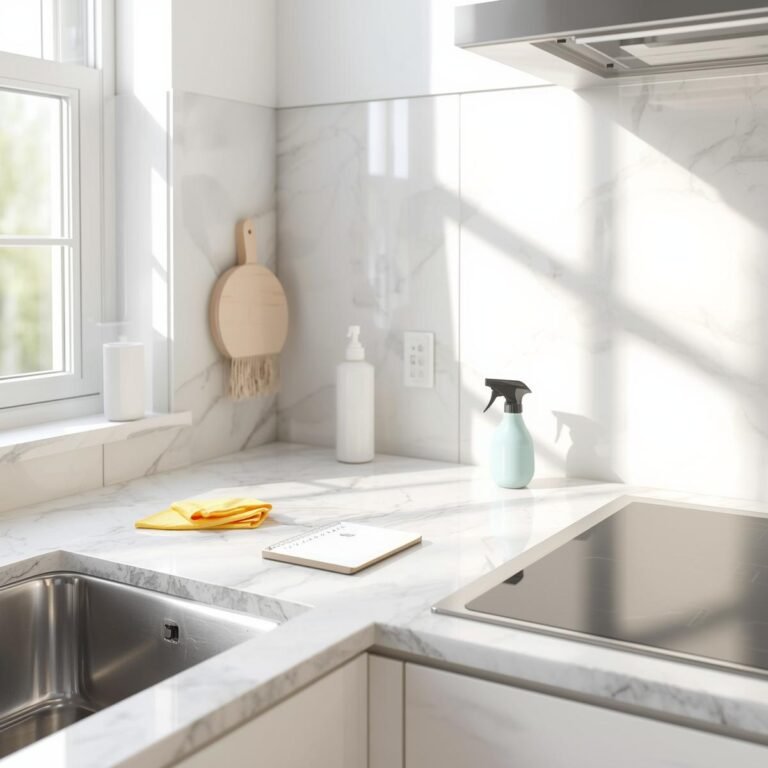
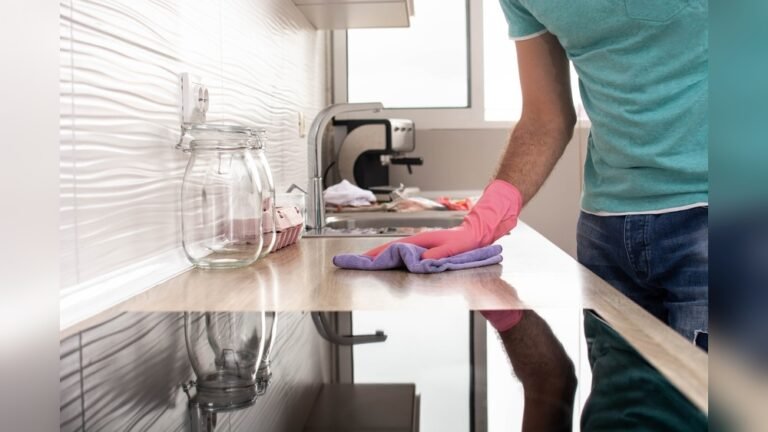
Non-abrasive sponges and cloths protect kitchen counters and appliances. Use a gentle cleaner safe for your countertop material. For appliances, microfiber cloths remove fingerprints and smudges. Avoid harsh tools that can scratch surfaces.
Features To Look For
Choosing the right cleaning tools requires attention to key features. These features ensure tools perform well and last long. They also make cleaning easier and better for the environment. Focus on durability, ease of use, multi-functionality, and eco-friendliness.
Durability And Build Quality
Strong materials prevent tools from breaking quickly. Look for solid handles and sturdy bristles or pads. Metal parts should resist rust and wear. Durable tools save money by lasting longer. Avoid cheap plastics that crack or bend easily. Quality build means better cleaning results every time.
Ease Of Use And Ergonomics
Comfort matters during cleaning tasks. Choose tools with soft, non-slip grips. Lightweight tools reduce arm and hand fatigue. Adjustable handles help reach high or low areas. Simple designs make tools easy to control. Ergonomic tools make cleaning faster and less tiring.
Multi-functionality
Tools with multiple uses save space and money. A mop with removable pads can clean floors and walls. Brushes with different heads suit various surfaces. Multi-functional tools reduce clutter in your cleaning supplies. They offer more value and flexibility for your home care.
Eco-friendly Materials
Choose tools made from natural or recycled materials. Bamboo handles and biodegradable sponges are good options. Avoid toxic plastics that harm the environment. Eco-friendly tools help reduce waste and pollution. They support a healthier home and planet.

Credit: brunascleaningservice.com
Budget-friendly Options
Choosing cleaning tools does not need to drain your wallet. Budget-friendly options can offer great value and efficiency. Smart choices help maintain a clean home without overspending.
Focus on tools that last long and serve multiple purposes. This way, you get more use without buying many items. Affordable and effective tools keep your home fresh and your budget intact.
Affordable Must-haves
Start with basic tools that handle many cleaning jobs. A good broom, mop, and microfiber cloths are essential. These items work on floors, dust, and spills. They are inexpensive and easy to find.
Consider a spray bottle and gentle cleaning solutions for surfaces. These tools avoid harsh chemicals and save money. Simple tools like sponges and scrub brushes also help with tough stains.
Diy Cleaning Tools
Create your own cleaning tools with household items. Old socks can become dusters. Use vinegar and baking soda for natural cleaners. These ingredients clean well and cost little.
Repurpose containers as spray bottles. Cut sponges into smaller sizes for hard-to-reach spots. DIY tools reduce waste and bring a personal touch to cleaning.
Where To Find Deals
Check discount stores and dollar shops for cleaning supplies. These places often have affordable, quality options. Look for sales at local supermarkets and online retailers.
Use coupons and subscribe to newsletters to get extra savings. Shopping during holiday sales can lower costs further. Patience and planning help you buy good tools for less.
Maintaining Cleaning Tools
Maintaining your cleaning tools keeps them effective and saves money. Proper care ensures tools work well for a long time. Neglecting maintenance can reduce their performance quickly. Regular upkeep also helps avoid bacteria buildup and bad odors. Follow simple steps to keep your cleaning tools in top shape.
Regular Cleaning And Storage
Clean tools after each use to remove dirt and grime. Rinse mops, brushes, and cloths with warm water and mild soap. Let them dry completely before storing to prevent mold growth. Store tools in a dry, well-ventilated area. Avoid leaving them on the floor or in damp places. Hanging brooms and mops can help maintain their shape and bristles.
Replacing Worn Parts
Check tools regularly for wear and tear. Replace mop heads, brush bristles, and vacuum filters as needed. Worn parts reduce cleaning efficiency and can damage surfaces. Keep spare parts handy to avoid delays in cleaning. Using fresh components also helps maintain hygiene and tool performance.
Extending Tool Lifespan
Use tools only for their intended purposes to avoid damage. Avoid harsh chemicals that can degrade materials quickly. Follow manufacturer instructions for cleaning and storage. Regular maintenance reduces the need for frequent replacements. Taking care of your tools saves money and effort in the long run.
Specialized Tools For Tough Jobs
Specialized tools make tough cleaning jobs easier and faster. They target specific messes and surfaces. Using the right tool saves time and effort. It also protects your home’s materials from damage. Choose tools designed for the challenge you face.
Grease And Stain Removers
Grease and stains need strong cleaning agents. These removers break down oils and dirt effectively. Some come in sprays, gels, or wipes. Use them on kitchen surfaces, fabrics, and carpets. Always test on a small area first.
Carpet Cleaners
Carpet cleaners remove deep dirt and odors. Machines and spot cleaners both work well. They reach below the surface to lift grime. Choose a cleaner suitable for your carpet type. Regular use keeps carpets fresh and extends life.
Window Squeegees
Window squeegees leave glass streak-free and shiny. They remove water and cleaning solution easily. Use them on windows, mirrors, and glass doors. Squeegees help avoid spots and lint. A clean window brightens your entire room.
Disinfectant Sprayers
Disinfectant sprayers cover large areas quickly. They kill germs on surfaces without much effort. Great for kitchens, bathrooms, and high-touch spots. Choose sprayers that use safe, effective disinfectants. They boost hygiene in your home.
Organizing Your Cleaning Supplies
Organizing your cleaning supplies makes housework easier and faster. A well-arranged supply area helps you find tools quickly. It also keeps everything neat and reduces clutter. Proper organization saves time and effort during cleaning sessions.
Storage Solutions
Choose storage that fits your space and needs. Use clear bins to see contents at a glance. Hooks on walls hold brooms and mops upright. Shelves keep bottles and sprays within reach. Label containers to avoid confusion and save time.
Creating Cleaning Zones
Divide your home into zones for better supply management. Store kitchen cleaners near the kitchen area. Keep bathroom supplies in or near the bathroom. This approach reduces the need to carry tools far. It also helps keep tools dedicated to each zone.
Keeping Tools Accessible
Place frequently used tools where you can grab them easily. Avoid storing essential items in hard-to-reach places. Use portable caddies or buckets to carry tools between rooms. Accessibility encourages regular cleaning and quick touch-ups. Make sure handles face outward for easy grabbing.

Credit: clean425.com
Building A Cleaning Routine
Building a cleaning routine helps keep your home tidy and your mind clear. Regular habits reduce stress and prevent mess from piling up. A good routine matches your lifestyle and the tools you choose. It makes cleaning easier and more efficient. Focus on simple steps that fit your daily life. Consistency is key to maintaining a clean space.
Task-based Tool Selection
Select cleaning tools based on the tasks you do often. Use microfiber cloths for dusting and wiping surfaces quickly. Choose a mop or vacuum for floors to save time and effort. Keep scrub brushes for tough spots in the kitchen or bathroom. Small tools like sponges and dusters help reach tight spaces. Matching tools to tasks makes cleaning faster and more effective.
Time-saving Tips
Organize your tools so they are easy to find and use. Store frequently used items in one place for quick access. Clean room by room to avoid wasting time moving tools around. Set a timer to limit cleaning sessions and stay focused. Use multi-purpose cleaners to reduce the number of products you need. These habits help you clean efficiently without spending hours.
Consistency And Motivation
Stick to a regular cleaning schedule to build lasting habits. Small daily tasks prevent big messes from forming. Track your progress to stay motivated and see results. Reward yourself after completing tasks to keep spirits high. Invite family members to join and share the work. Consistency turns cleaning from a chore into a simple routine.
Frequently Asked Questions
What Is The 1% Rule Of Cleaning?
The 1% rule of cleaning means dedicating just 1% of your day, about 14 minutes, to tidy up. This small daily effort prevents overwhelming messes and keeps your space consistently clean and organized.
What Tools Do Professional House Cleaners Use?
Professional house cleaners use microfiber cloths, mops, brooms, vacuums, disinfectants, multi-purpose cleaners, carpet and floor cleaners, and window cleaning tools.
What Is The 20/10 Rule For Cleaning?
The 20/10 rule for cleaning means working for 20 minutes, then resting for 10 minutes. This method boosts focus and prevents burnout. It makes cleaning manageable and keeps motivation high, fitting well into busy schedules.
What Is The 20 Minute Rule In Cleaning?
The 20-minute rule in cleaning involves setting a timer for 20 minutes to focus on a specific task, making cleaning manageable and less overwhelming. This method boosts motivation, encourages consistency, and fits easily into busy schedules by breaking tasks into short, effective bursts.
Conclusion
Choosing the right cleaning tools makes home care easier and faster. Focus on tools that match your needs and home type. Simple tools often do the job well without extra cost. Good cleaning tools save time and reduce effort. Keep tools clean and store them properly to last longer.
Regularly update your supplies to handle new cleaning tasks. A smart choice of tools helps maintain a fresh, healthy home. Start small, then add tools as you discover your cleaning style.