How to Use a Steam Mop Safely and Effectively for a Deep Clean Home
You want your floors spotless without the hassle of harsh chemicals or endless scrubbing, right? A steam mop can be your best friend for quick, effective cleaning, but only if you use it the right way.
Using a steam mop safely and effectively is key to protecting your floors and getting that fresh, deep-clean look every time. In this guide, you’ll discover simple steps and insider tips that make steam mopping easy and safe—so you can enjoy sparkling floors without worry.
Ready to unlock the full power of your steam mop? Let’s dive in!
Choosing The Right Steam Mop
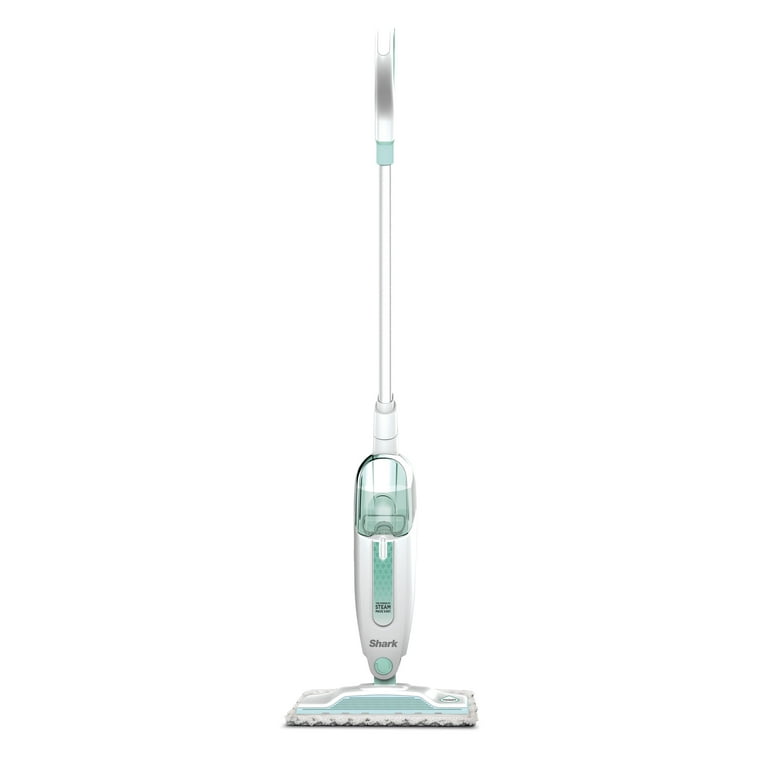
Choosing the right steam mop makes cleaning safer and more effective. A good steam mop fits your floor type and cleaning needs. It saves time and protects your surfaces from damage. Understanding the types, features, and best models helps you pick the perfect one.
Types Of Steam Mops
Steam mops come in several types. Traditional steam mops have a flat head and are good for hard floors. Handheld steamers reach small or tight areas easily. Hybrid models combine vacuum and steam functions for deeper cleaning. Choose a type that suits your home’s floor and cleaning style.
Features To Consider
Look for adjustable steam settings for different floor types. A large water tank means longer cleaning sessions without refills. Lightweight models reduce fatigue during use. Removable and washable pads save money and help maintain hygiene. Cord length affects your cleaning range. Safety features, like automatic shut-off, prevent accidents.
Best Models For Different Floors
For hardwood floors, pick a steam mop with gentle steam control. Tile and laminate floors need models that produce strong steam for deep cleaning. Carpet attachments help freshen rugs and mats without soaking. Some mops have special pads for grout and corners. Match the mop’s design to your floor type for the best results.
Credit: www.walmart.com
Preparing Your Floor
Preparing your floor is the first step to using a steam mop safely and effectively. A clean, clear surface ensures the mop works well and protects your floors. Taking time to prepare helps avoid damage and improves cleaning results.
Sweeping And Vacuuming
Start by removing dust and dirt with a broom or vacuum. Small debris can scratch your floor when steamed. Vacuum corners and edges carefully to catch hidden particles. A clean floor means the steam mop cleans better.
Removing Obstacles
Clear the room of furniture, rugs, and cords. Steam mops need space to move freely. Obstacles can block your path or cause accidents. Removing items makes cleaning faster and safer.
Checking Floor Compatibility
Check if your floor can handle steam cleaning. Some floors like hardwood or laminate may get damaged. Look at the manufacturer’s guide for your flooring type. Use steam only on floors labeled safe for steam mops.
Filling And Setting Up
Filling and setting up your steam mop correctly is essential for safe and effective cleaning. Proper preparation ensures the mop works well and lasts longer. Follow simple steps to get your steam mop ready before use.
Using Clean Water Only
Always fill the steam mop tank with clean, cold water. Avoid using tap water if it is hard or contains minerals. These can damage the steam mop over time. Use distilled or filtered water for the best results. Never add cleaning chemicals or detergents to the water tank.
Attaching The Cleaning Pad
Place the cleaning pad flat on the floor with the fastening side facing up. Align the mop head over the pad carefully. Press down so the fasteners hold the pad securely. Make sure the pad covers the mop head completely for even cleaning. Replace the pad if it looks worn or dirty.
Power Cord Management
Unwind the power cord fully to avoid tripping or tangling. Keep the cord away from water and wet floors. Hold the plug firmly when connecting to the outlet. Do not pull the cord to unplug the mop. Store the cord neatly after use to prevent damage.
Operating Your Steam Mop
Operating your steam mop correctly ensures a safe and effective cleaning experience. Understanding its functions helps you maintain your floors and extend the mop’s life. Follow simple steps to use the mop properly and get the best results every time.
Heating And Steam Generation
Plug in the steam mop and fill the water tank with clean water. The mop needs a few minutes to heat up and produce steam. Wait until the indicator light shows it is ready. Steam loosens dirt and kills germs quickly.
Do not open the water tank while the mop is hot. Use distilled water if possible to avoid mineral buildup. Always handle the mop carefully to avoid burns from the steam.
Proper Mopping Technique
Attach the cleaning pad firmly before starting. Glide the mop slowly over the floor to allow steam to work. Avoid pressing too hard, which can damage floors or reduce steam flow. Move the mop in straight lines for even cleaning.
For stubborn stains, hold the mop over the spot for a few seconds. Replace or wash the pad regularly to keep cleaning effective. Always clean the mop head after use to prevent dirt buildup.
Adjusting Steam Settings
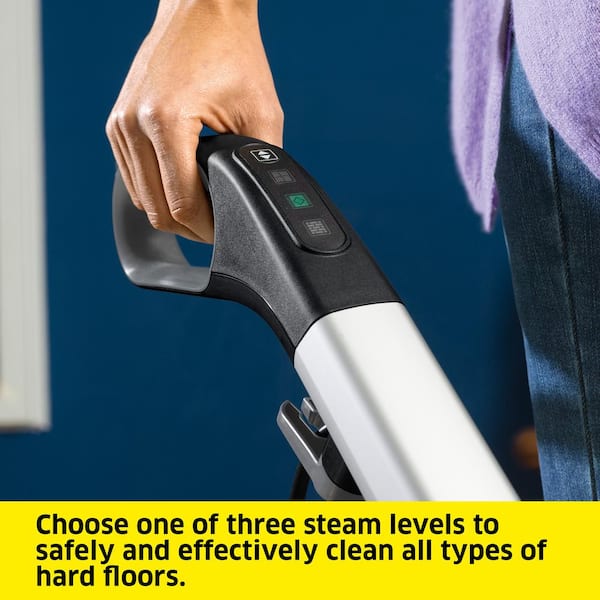
Many steam mops have adjustable steam levels. Use lower steam for delicate floors like wood or laminate. Higher steam settings work well on tiles or stone floors. Adjust the steam output based on the floor type for safe cleaning.
Test the steam on a small, hidden area before full use. This prevents damage or discoloration. Follow the manufacturer’s instructions for your model’s steam controls and settings.
Safety Precautions
Using a steam mop can make cleaning faster and easier. Safety precautions are important to avoid accidents. Following simple rules keeps you and your home safe. Pay attention to how you handle the mop and its parts. Learn how to protect yourself from burns and electrical risks. Also, understand which surfaces are safe for steam cleaning.
Avoiding Burns And Injuries
Steam from the mop is very hot and can cause burns. Always keep your hands and feet away from the steam jet. Do not touch the mop head immediately after use. Let it cool before handling. Use gloves if needed when changing pads. Keep children and pets away while the mop is in use. Move slowly and carefully to avoid slipping on wet floors.
Handling Electrical Components
Steam mops use electricity and water together, so be cautious. Always unplug the mop before filling or emptying the water tank. Do not use the mop if the cord or plug is damaged. Keep the cord away from wet areas to prevent electric shock. Avoid pulling the mop by the cord. Store the mop in a dry place when not in use. Follow the manufacturer’s instructions for safe use.
Safe Use On Different Surfaces
Not all floors handle steam the same way. Check if your floor type can be steam cleaned. Avoid using steam on unsealed wood or laminate floors. Test a small area first to see if steam causes damage. Use the right mop settings for each surface. Avoid staying too long in one spot to prevent moisture damage. Use mop pads recommended for your floor type to protect finishes.
Credit: www.amazon.com
Cleaning Tips For Effectiveness
Using a steam mop can make floor cleaning faster and easier. To get the best results, follow some simple cleaning tips. These tips help remove dirt and keep floors looking fresh. They also protect your floors from damage.
Focus on areas that need extra care. Some stains need more than just steam. Using the right technique helps clean deeply and keeps your floors in good shape.
Dealing With Stubborn Stains
Stubborn stains may not come off with steam alone. Try loosening the dirt first by gently scrubbing with a soft cloth. Use a small amount of warm water to help soften the stain. Avoid harsh scrubbing to protect your floor’s finish. After loosening the stain, use the steam mop over the area slowly. Repeat if needed, but do not overdo it to prevent damage.
Using Pre-treatment Sprays
Pre-treatment sprays can help break down tough dirt before steam cleaning. Spray the cleaner lightly on the stained area. Let it sit for a few minutes to work well. Choose sprays safe for your floor type to avoid harm. After waiting, use the steam mop to clean the area. This method improves steam mop effectiveness and saves time.
Avoiding Over-wetting
Too much moisture can harm some floors. Avoid over-wetting by using the steam mop in short bursts. Move the mop steadily without stopping in one spot. Check the mop pad often and replace it if it becomes too wet. This keeps floors dry and prevents water damage. Proper moisture control helps maintain your floor’s look and durability.
Maintaining Your Steam Mop
Proper maintenance keeps your steam mop working well for a long time. It also ensures safe and effective cleaning every time. Simple steps like emptying the tank, cleaning the pads, and descaling help avoid damage and build-up.
Emptying And Drying The Tank
After each use, empty the water tank completely. Leaving water inside can cause mold or rust. Wipe the tank dry with a clean cloth. Let it air dry fully before storing the mop. This prevents bad smells and keeps the steam flow strong.
Cleaning The Pads
Remove the cleaning pads after every session. Wash them in warm water with mild detergent. Avoid using bleach or fabric softeners, as they can reduce absorbency. Let the pads dry completely before reusing. Clean pads improve steam cleaning results and protect your floors.
Regular Descaling
Hard water can cause mineral build-up inside your mop. Descale the mop regularly to remove these deposits. Use a mixture of vinegar and water or a store-bought descaling solution. Follow the manufacturer’s instructions carefully. Regular descaling keeps the mop heating properly and extends its lifespan.
Credit: www.homedepot.com
Common Mistakes To Avoid
Using a steam mop can make cleaning faster and easier. Avoiding common mistakes helps protect your floors and improves cleaning results. Many people use steam mops incorrectly without knowing the risks. These errors can cause damage or leave dirt behind.
Learn about the most frequent mistakes. Fixing these will help you use your steam mop safely and effectively. Pay attention to the following points.
Using On Unsuitable Floors
Not all floors handle steam well. Avoid using a steam mop on hardwood with a delicate finish. Also, do not use it on unsealed wood, laminate, or vinyl without checking manufacturer guidelines. High heat and moisture can warp or peel these surfaces. Always confirm your floor type is safe for steam cleaning.
Ignoring Pre-cleaning Steps
Skipping the vacuum or sweep step causes problems. Dirt and debris stay on the floor and spread around. Larger particles can scratch floors or clog the mop pad. Always clean the floor before steaming. This step improves steam mop effectiveness and prevents damage.
Overusing Steam
Too much steam can harm floors. Overuse may cause warping, peeling, or discoloration. Use short bursts of steam or move the mop quickly. Avoid holding the steam mop in one spot for long. Let floors dry completely before walking on them. Proper steam use keeps your floors safe and clean.
Additional Uses For Steam Mops
Steam mops do more than just clean hard floors. Their steam power can refresh, sanitize, and even help with fabrics. Using a steam mop in these ways saves time and reduces the need for harsh chemicals. Understanding these additional uses expands the value of your cleaning tool.
Refreshing Carpets
Steam mops can revive carpets without heavy cleaning. The steam loosens dirt and neutralizes odors. Use a carpet glider attachment for best results. Move the mop slowly over the carpet surface. This method brightens carpets between deep cleanings.
Sanitizing Surfaces
Steam kills germs and bacteria on many surfaces. Countertops, sinks, and bathroom tiles benefit from steam cleaning. The high heat sanitizes without chemicals. Wipe surfaces after steaming to remove loosened grime. This is ideal for homes with children or pets.
Removing Wrinkles From Fabrics
Steam mops can smooth wrinkles in curtains and clothes. Hold the mop a few inches from the fabric. Move it up and down gently. The steam relaxes fibers, reducing wrinkles quickly. This works well for delicate fabrics that cannot be ironed.
Frequently Asked Questions
How To Correctly Use Steam Mop?
Sweep or vacuum floors first to remove debris. Fill the tank with clean water. Attach the mop pad securely. Plug in and wait for steam. Glide the mop slowly over floors, avoiding excess water and delicate surfaces.
Why Is My Floor Still Dirty After I Steam Mop?
Your floor stays dirty if you skip sweeping or vacuuming first. Steam alone can’t remove heavy dirt or sticky residues. Use clean water in the mop and replace dirty pads regularly for best results. Move the mop slowly to allow steam to loosen grime effectively.
What To Spray On The Floor Before Steam Mopping?
Spray a light mist of water or a steam mop-safe floor cleaner before steam mopping. Avoid harsh chemicals to protect floors.
What Is The Downside Of A Steam Mop?
Steam mops may damage delicate floors and leave streaks if not used properly. They require pre-cleaning and can be bulky to store.
Conclusion
Using a steam mop correctly keeps your floors clean and safe. Always prepare floors by sweeping or vacuuming first. Choose the right settings for your floor type. Move the mop slowly to let steam work well. Avoid using steam on delicate surfaces.
Regularly clean and maintain your mop for best results. With care and attention, steam mopping becomes easy and effective. Your home will stay fresh without harsh chemicals or extra effort. Steam mops offer a simple way to keep floors spotless and hygienic.
Look at the manufacturer’s guide for your flooring type.