Cutting Boards Comparison Wood Plastic or Bamboo Which Is Best for Your Kitchen in 2026
Choosing the right cutting board is important. It affects your kitchen work and health. Wood, plastic, and bamboo are popular choices. Each has good and bad points.

Credit: chefsvisionknives.com
Why Does Cutting Board Matter?
A cutting board protects your knives and your kitchen surface. It also keeps food safe. A bad board can hold bacteria. This can make you sick.
So, it is good to know which board is best for you.
Types of Cutting Boards
- Wood
- Plastic
- Bamboo
Wood Cutting Boards
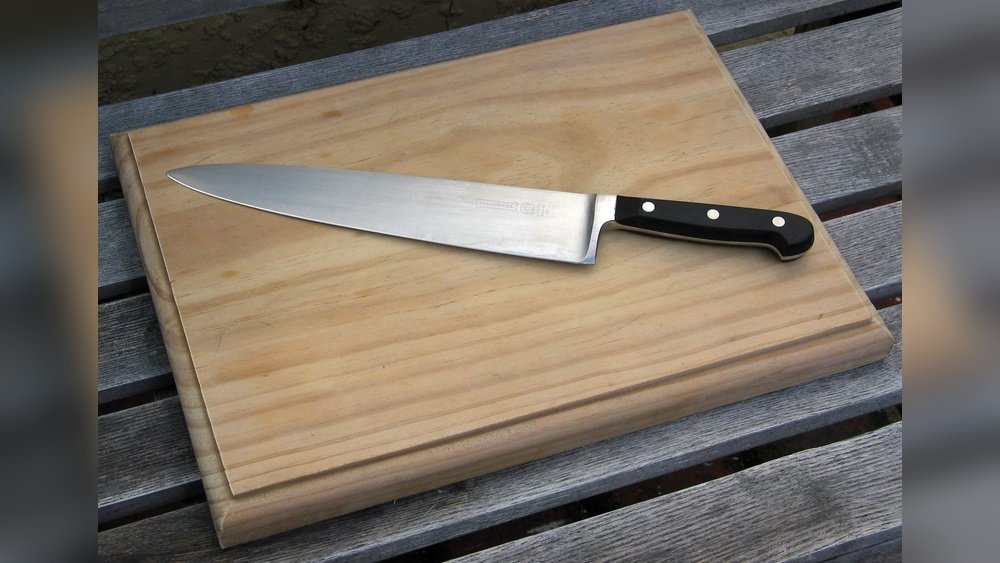
Wood boards are a classic choice. They come from hardwood trees like maple or walnut. These woods are strong and last long.
Wood has natural properties that fight bacteria. Bacteria get inside the wood fibers and die. This is good for health.
Wood boards are gentle on knives. They do not dull blades quickly. They also look nice in the kitchen.
But wood boards need care. They must be cleaned and dried well. If left wet, they can crack or grow mold.
Wood boards can be heavy. They may also cost more than plastic.
Pros Of Wood Boards
- Natural antimicrobial properties
- Gentle on knives
- Durable and strong
- Attractive appearance
Cons Of Wood Boards
- Needs regular care
- Can crack or warp if wet
- Usually heavier
- More expensive than plastic
Plastic Cutting Boards
Plastic boards are common and easy to find. They are light and cheap. Plastic boards come in many colors and sizes.
Plastic is non-porous. It does not soak up liquids. This makes cleaning easy. You can also put plastic boards in the dishwasher.
But plastic boards get knife marks fast. These small cuts can trap bacteria. Over time, this can be unsafe.
Some plastic boards use BPA-free materials. This is better for health. Still, plastic does not have natural antimicrobial features like wood.
Plastic boards can dull knives faster than wood.
Pros Of Plastic Boards
- Lightweight and cheap
- Easy to clean, dishwasher safe
- Non-porous surface
- Many colors and sizes
Cons Of Plastic Boards
- Gets scarred and scratched easily
- Can trap bacteria in knife marks
- No natural antimicrobial properties
- Dulls knives faster
Bamboo Cutting Boards
Bamboo is a type of grass. It grows fast and is eco-friendly. Bamboo boards are hard and strong.
Bamboo absorbs very little moisture. It resists bacteria well. Bamboo is harder than wood, so it lasts long.
But bamboo is very hard on knives. It can dull blades faster than wood boards.
Sometimes bamboo boards are made using glue. Check if the glue is safe for food.
Bamboo boards are lighter than wood but heavier than plastic.
Pros Of Bamboo Boards
- Eco-friendly and sustainable
- Hard and durable
- Resists moisture and bacteria
- Lighter than wood
Cons Of Bamboo Boards
- Hard on knives, dulls blades faster
- Glue used may not be food safe
- Requires some care like wood
Other Cutting Board Materials
Besides wood, plastic, and bamboo, there are other options.
| Material | Pros | Cons |
|---|---|---|
| Tempered Glass | Easy to clean, non-porous, no odors | Very hard on knives, can break |
| Titanium | Durable, hygienic, long-lasting | Very expensive, rare |
| Granite/Marble | Non-toxic, resistant to bacteria | Hard on knives, heavy, expensive |
| Softwood | Cheap, light | Scratches easily, traps bacteria |
Health and Safety
Safety is the top reason to choose a good cutting board. Bacteria on boards can cause illness.
Wood and bamboo have natural ways to kill bacteria. Plastic does not, but it is easy to clean well.
Softwoods and old plastic boards with many cuts are risky. Avoid them if possible.
Always clean boards after use. Dry them well to stop germs.
How to Care for Your Cutting Board
- Wash with hot soapy water after each use.
- For wood and bamboo, dry immediately and stand up to air dry.
- Do not soak wood or bamboo boards in water.
- Use mineral oil on wood and bamboo to keep them smooth.
- Replace plastic boards when they have many deep knife marks.

Credit: deliciouslyrushed.com
Which Cutting Board Should You Choose?
It depends on your needs.
- If you want natural and safe: Choose hardwood wood boards.
- If you want easy cleaning and low cost: Plastic is good but watch for scratches.
- If you want eco-friendly and strong: Bamboo is a good option.
Remember, no board is perfect. Each has good and bad points.
Summary Table: Wood Vs Plastic Vs Bamboo
| Feature | Wood | Plastic | Bamboo |
|---|---|---|---|
| Durability | High | Medium | High |
| Knife Friendly | Yes | Less | No |
| Hygiene | Natural antimicrobial | Easy to clean but can trap bacteria | Resists bacteria |
| Maintenance | Needs oil and careful drying | Easy, dishwasher safe | Needs oil and careful drying |
| Eco-friendliness | Good | Poor | Very good |
| Cost | Moderate to high | Low | Moderate |
Final Thoughts
Picking the best cutting board is about balance. Think about health, cost, and use. Wood boards suit most people who want natural safety. Plastic boards are good for easy cleaning and budget. Bamboo is for those who want green and strong boards.
Keep your board clean and replace it when worn. This keeps your kitchen safe and your food healthy.
Frequently Asked Questions
What Is The Healthiest Material For A Cutting Board?
The healthiest cutting boards are solid hardwoods like maple or walnut, bamboo, and tempered glass. These materials resist bacteria and are easy to clean. Wood naturally kills bacteria, bamboo is durable and eco-friendly, and glass is non-porous but can dull knives.
Avoid softwoods and plastic.
Do Chefs Use Wood Or Plastic Cutting Boards?
Chefs prefer wood cutting boards for their natural antimicrobial properties and durability. Plastic boards can harbor bacteria in knife grooves. Bamboo is also popular for being sustainable and resistant to moisture. Overall, wood and bamboo cutting boards are safer and more hygienic than plastic ones.
Which Is Healthier, A Wood Or Plastic Cutting Board?
Wood cutting boards are healthier due to natural antimicrobial properties. Plastic boards develop grooves that trap bacteria and moisture. Bamboo is also a safe, sustainable alternative. Avoid plastic for better hygiene and durability in your kitchen.
Do Professional Chefs Prefer Wood Or Plastic?
Professional chefs prefer wood cutting boards for their durability and natural antimicrobial properties. Wood absorbs bacteria, which then die off. Plastic boards scar easily, trapping bacteria. Bamboo is also popular for sustainability but can dull knives faster. Overall, wood remains the top choice for safety and performance.