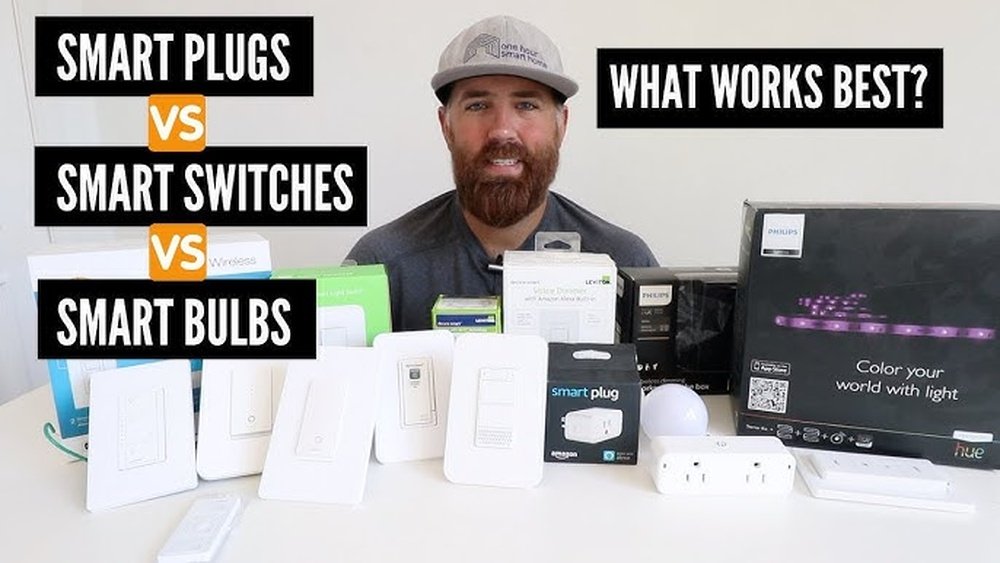
Smart homes are becoming popular worldwide. Many people want easier control of lights and devices. Two common tools are smart plugs and smart switches. But which one should you choose? This article will explain the difference between smart plug and smart switch in simple words. It will help you make a better choice for your home.
What Is a Smart Plug?
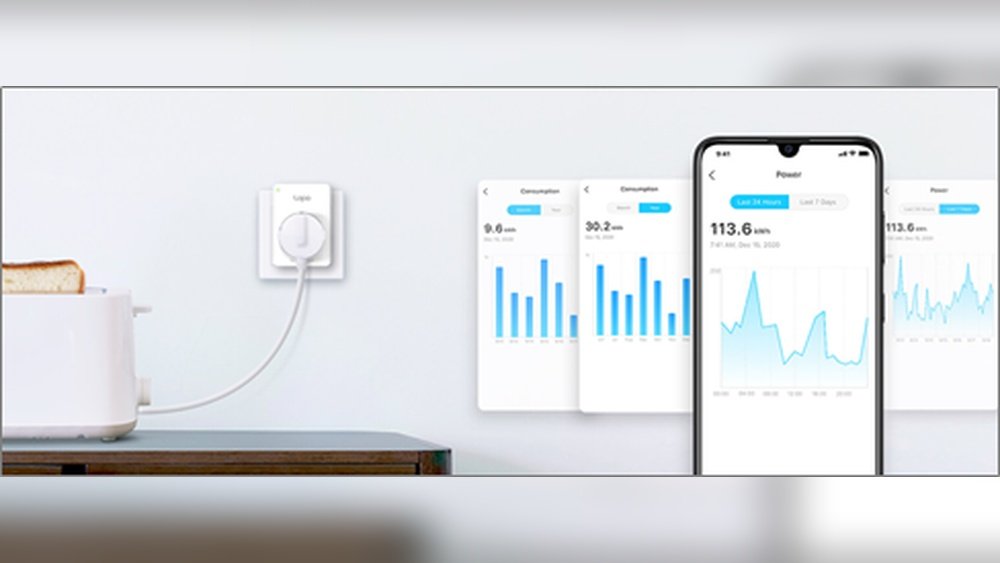
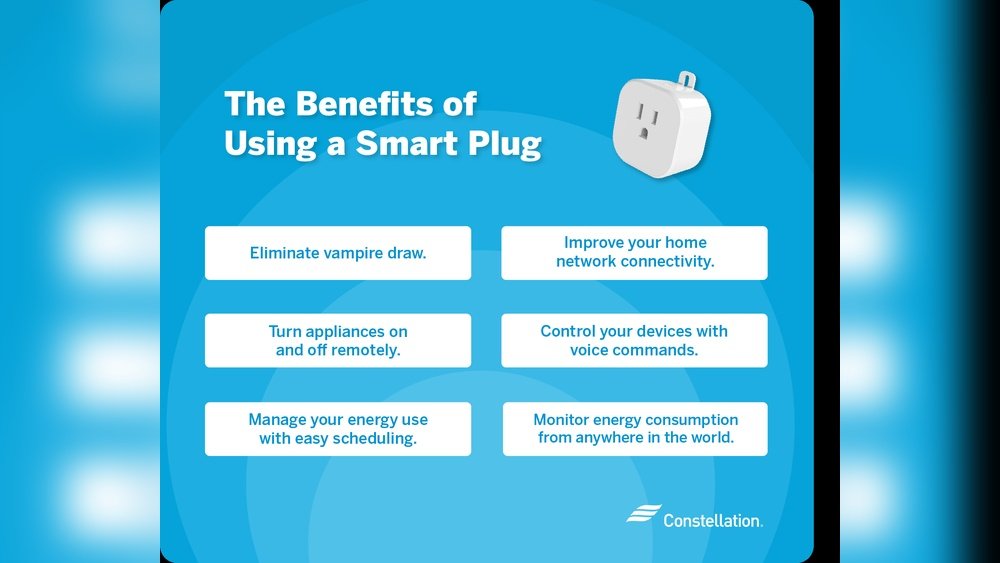
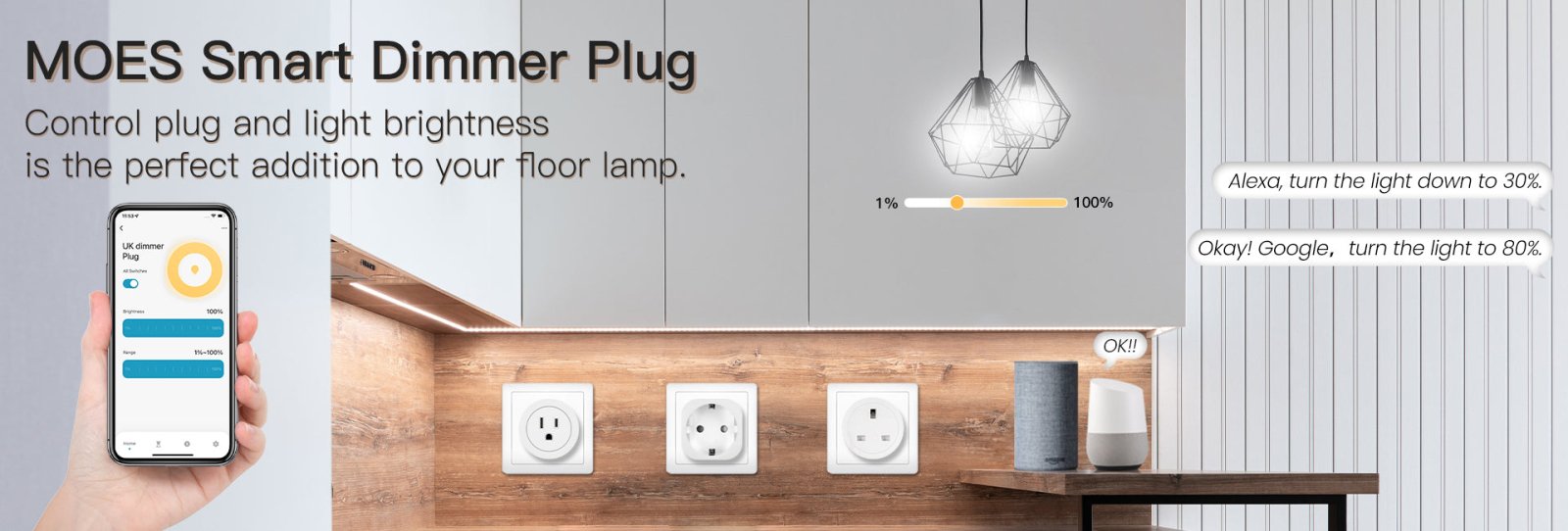
A smart plug is a small device you plug into a normal wall outlet. It lets you control the power of the device connected to it. For example, you can plug a lamp into a smart plug. Then, you can turn the lamp on or off using your phone or voice.
Smart plugs are easy to use. You just plug them in, then plug your device into the smart plug. You do not need to change any wiring or switches in your home. This makes smart plugs good for renters or people who do not want to change their home setup.
Smart plugs are great for devices like lamps, fans, or small appliances. They work well for things you want to turn on or off remotely or on a schedule.
What Is a Smart Switch?
A smart switch replaces the wall switch that controls your lights or other hardwired devices. It is not a plug-in device. Instead, it is installed inside the wall where your current switch is.
Installing a smart switch needs some electrical knowledge or a professional electrician. But once it is installed, it works like your normal light switch, only smarter. You can control your ceiling lights, recessed lights, or other fixed fixtures through your phone or voice commands.
Smart switches are perfect for controlling lights connected to your home wiring. They offer a permanent and reliable solution. Also, smart switches can control multiple lights on one switch, saving money and effort.

Credit: www.youtube.com
Key Differences Between Smart Plug and Smart Switch
Let’s look at the main differences between smart plugs and smart switches. This will help you decide which one fits your needs better.
| Feature | Smart Plug | Smart Switch |
|---|---|---|
| Installation | Plugs into an existing outlet; no wiring needed. | Replaces a wall switch; needs wiring and electrical knowledge. |
| Portability | Portable; can move between outlets. | Fixed installation; stays in one place. |
| Devices Controlled | Controls devices plugged into it (e.g., lamps, fans). | Controls hardwired lights and ceiling fixtures. |
| Cost | Usually cheaper and easy to buy. | More expensive; installation may cost extra. |
| Compatibility | May have issues with some smart home systems. | Works well with many smart home systems. |
| Safety | Not for high power or heat devices; possible fire risks. | Safer for controlling lights and fixed appliances. |
When Should You Use a Smart Plug?
Smart plugs are best for simple and easy control. They fit well if you want to control small devices. For example:
Lamps or desk lights
Fans or heaters with low power
Holiday lights or decorations
Smart plugs do not need any wiring. You just plug them in and connect your device. This makes them quick and easy to start using.
However, you should avoid plugging in big appliances. Devices like microwaves, refrigerators, or space heaters can be unsafe. These use a lot of power and may cause damage to the smart plug.
When Should You Use a Smart Switch?
Smart switches are perfect if you want to control your home lighting. They work well for:
Ceiling lights
Recessed lights
Outdoor lighting connected to wall switches
Smart switches replace your old wall switches. This means you can keep your usual light fixtures. You get smarter control without changing your lights.
Also, smart switches are better for homes with many light bulbs on one switch. They can save money and make controlling easier.
Credit: moeshouse.com