How to Choose a Cordless Drill for Home Projects: Ultimate Guide
Choosing the right cordless drill can make all the difference when tackling your home projects. Whether you’re hanging shelves, assembling furniture, or drilling into tougher materials, the drill you pick needs to match your tasks and skill level.
But with so many options out there, how do you find the perfect fit for your needs without wasting time or money? In this guide, you’ll discover simple tips to help you choose a cordless drill that feels comfortable, delivers the power you need, and lasts through your projects.
Keep reading to avoid common mistakes and make confident choices that save you effort and frustration. Your next successful DIY project starts here!
Drill Types For Home Use
Choosing the right cordless drill depends on the type of work you plan to do around your home. Different drills suit different tasks. Understanding the main types helps you pick the best one for your needs. Here are the common drill types for home use.
12v Drills For Light Tasks
12V drills are perfect for small jobs. Use them for hanging shelves or assembling furniture. They are lightweight and easy to handle. These drills work well in tight spaces or overhead. Their lower power means they are not for heavy-duty work. Ideal for beginners or occasional users.
20v Drills For Heavy-duty Work
20V drills offer more power and speed. They handle tough tasks like drilling thick wood or driving large screws. These drills have longer battery life for extended use. They are heavier but deliver strong performance. Great choice for frequent or demanding home projects.
Hammer Drills For Masonry
Hammer drills add a hammering action to drill into hard materials. Use them for brick, concrete, and stone walls. This type is essential for masonry work. They can also work as regular drills by turning off the hammer mode. Best for heavy-duty outdoor or renovation jobs.
Credit: www.walmart.com
Key Features To Consider
Choosing the right cordless drill starts with understanding essential features. These features affect how well the drill works for your home projects. Knowing what to look for helps you pick a drill that fits your needs. Focus on convenience, power, control, and versatility.
Cordless Convenience
A cordless drill offers freedom to move without cords. It is easy to use anywhere in your home. No need to find outlets or manage tangled cords. This makes tasks faster and less frustrating. Portability is a key advantage for home projects.
Battery Technology
Battery type impacts drill power and runtime. Lithium-ion batteries last longer and charge faster. They hold charge well even when not in use. Check battery voltage; higher volts mean more power. Also, consider battery capacity for longer work times.
Variable Speed Control
Variable speed lets you adjust drill speed easily. Slow speeds help in precise drilling and screw driving. Higher speeds work well for drilling larger holes quickly. This control prevents damage to materials. It adds flexibility for different tasks.
Adjustable Torque Clutch
An adjustable torque clutch controls the drill’s twisting force. It stops the drill from over-driving screws. This protects your work surface and drill bit. You can set torque to match the material you work on. It improves accuracy and reduces mistakes.
Speed Settings
Speed settings offer preset drill speeds for various tasks. Usually, drills have two or more speed options. Low speed is for driving screws or working with soft materials. High speed is for drilling holes in hard surfaces. Multiple settings increase drill versatility.
Power And Performance
Power and performance are key factors when choosing a cordless drill for home projects. The right drill should handle your tasks without struggle. It must provide enough strength and work efficiently. Understanding these aspects helps you pick a tool that lasts and performs well.
Understanding Voltage
Voltage shows the drill’s power level. Higher voltage means more power to drill tougher materials. For simple tasks like hanging pictures, a 12V drill works fine. For heavy projects like drilling into wood or metal, choose 18V or 20V drills. Voltage affects the drill’s size and weight too. Higher voltage drills are usually heavier but stronger.
Torque And Speed Balance
Torque is the force the drill uses to turn screws or drill holes. Higher torque helps with tough materials and large screws. Speed is how fast the drill spins. Some drills offer variable speed for better control. A good drill balances torque and speed to handle many tasks. Look for adjustable speed settings to match your project needs.
Battery Life And Runtime
Battery life determines how long you can use the drill before recharging. Longer runtime means less interruption in your work. Lithium-ion batteries last longer and charge faster than older types. Consider drills with removable batteries for quick swapping. Check the battery’s amp-hour (Ah) rating; higher Ah means longer use between charges.
Ergonomics And Handling
Choosing a cordless drill for home projects involves more than just power and battery life. Ergonomics and handling play a vital role in how comfortable and efficient the drill feels during use. A well-designed drill reduces fatigue and improves control. This section covers key aspects like weight, grip, and maneuverability to help you pick the right tool for your tasks.
Weight And Size
The drill’s weight affects how long you can work without tiring. Lighter drills ease handling, especially for beginners or those with less strength. Compact sizes help in carrying and storing the tool. A bulky drill might offer power but can be hard to manage. Choose a drill that balances weight and size based on your project needs.
Grip Comfort
A comfortable grip improves control and reduces hand strain. Look for drills with soft, textured handles that prevent slipping. The shape of the grip should fit your hand well. Some drills have adjustable or rubberized grips to enhance comfort. Proper grip comfort allows longer use without discomfort or injury.
Maneuverability In Tight Spaces
Home projects often require working in narrow or hard-to-reach areas. A drill with good maneuverability fits into tight spots easily. Smaller heads and slim designs help access corners and edges. Consider drills with adjustable speed and torque for precise control. Better maneuverability means better results with less effort.
Budget And Value
Choosing a cordless drill involves balancing your budget and the value you get. Home projects need a reliable drill without overspending. Understanding different price points helps you pick the right tool. The goal is a drill that fits your needs and budget. Below are options from affordable to premium, each with its own benefits.
Affordable Options
Affordable cordless drills suit light home tasks. They work well for hanging pictures or assembling furniture. These drills often have lower voltage but enough power for simple jobs. Batteries may last less but recharge quickly. Brands offer kits with basic accessories to save money. Ideal for beginners or occasional users.
Mid-range Choices
Mid-range drills provide better power and battery life. These models handle tougher tasks like drilling into wood or metal. They often include variable speed settings and ergonomic designs. Batteries usually have higher amp-hours for longer use. Mid-range drills balance cost and performance well. Perfect for regular DIYers and small projects.
Premium Features Worth Paying For
Premium drills offer advanced features and durability. They have powerful motors and long-lasting batteries. Some include brushless motors for efficiency and less heat. Extra features like LED lights and multiple clutch settings improve control. These drills suit heavy-duty projects and frequent use. Worth the investment for serious home improvement work.
Credit: www.walmart.com
Accessories And Extras
Choosing the right cordless drill goes beyond the drill itself. Accessories and extras can improve your experience and efficiency. These add-ons help you work longer, keep your tools organized, and handle a variety of tasks. Consider what accessories come with the drill or can be bought separately. They can save time and effort during home projects.
Battery Chargers And Spare Batteries
Having a reliable battery charger is essential. It ensures your drill is always ready to use. Some chargers offer fast charging to reduce downtime. Spare batteries allow you to keep working while one battery charges. This is useful for longer or bigger projects. Check the compatibility of batteries with your drill model. Quality batteries hold charge better and last longer.
Drill Bits And Attachments
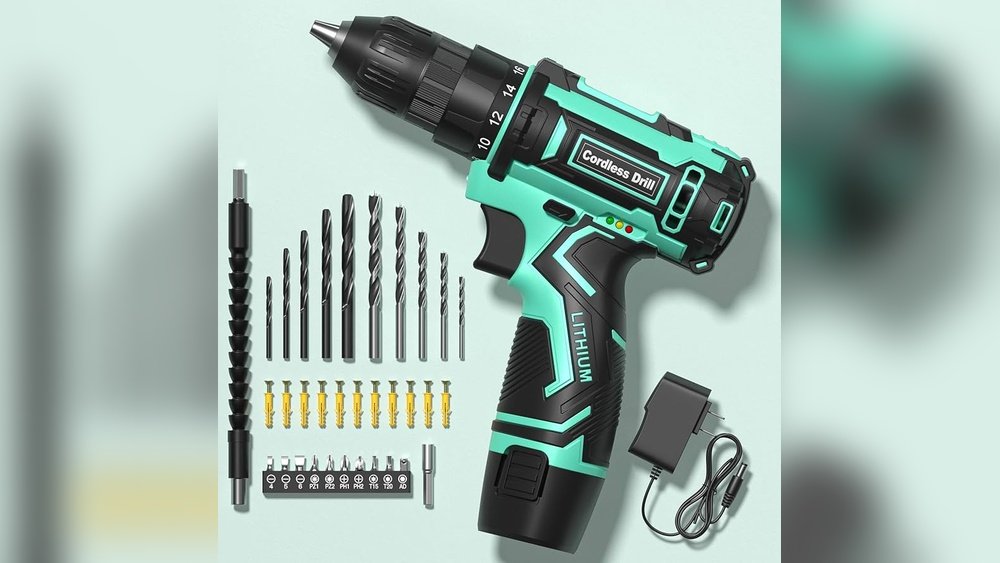
Drill bits come in many shapes and sizes for different tasks. A set with multiple bits covers wood, metal, and masonry drilling. Attachments like screwdriver bits, hole saws, and sanding pads add versatility. Choose bits made of durable materials for longer life. Having the right bits and attachments lets you finish projects faster and with better results.
Carrying Cases And Storage
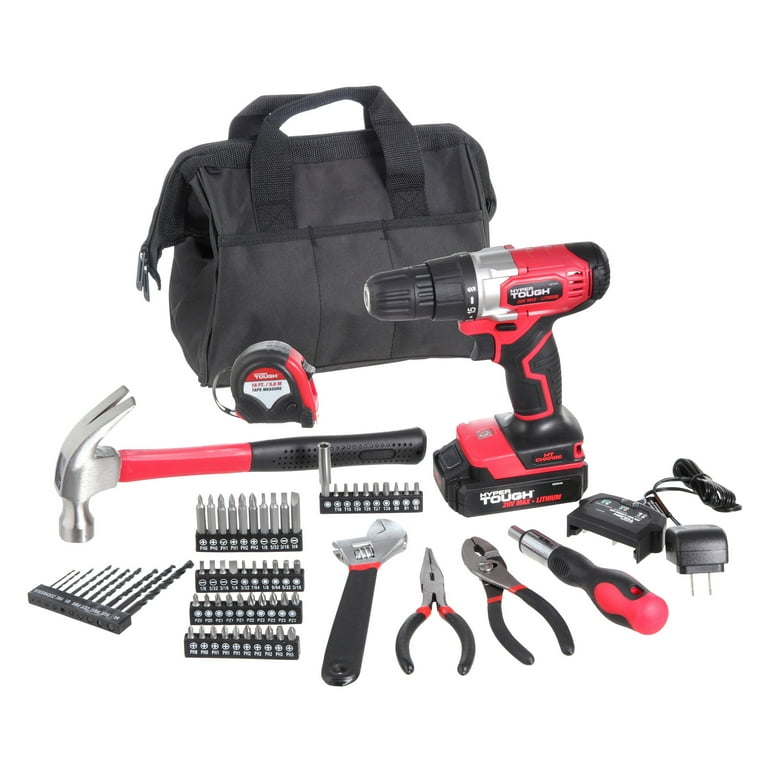
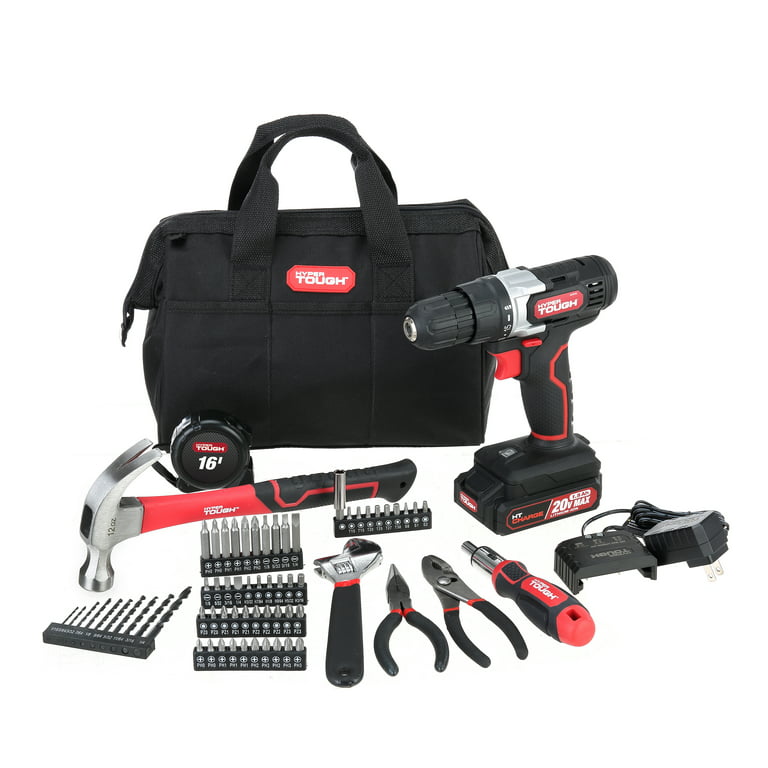
A sturdy carrying case protects your drill and accessories from damage. It helps keep everything in one place and easy to find. Some cases have compartments for batteries, bits, and chargers. Storage solutions prevent losing small parts and make transport simple. Consider a case that fits your needs and space for your tools.
Common Mistakes To Avoid
Choosing the right cordless drill for home projects can be tricky. Many people make simple mistakes that affect their drilling experience. Avoiding these common errors helps you find a drill that fits your needs and lasts longer.
Overlooking Battery Quality
Battery quality matters more than many realize. A weak battery drains quickly and reduces power. Cheap batteries often lose charge fast and shorten drill life. Look for drills with lithium-ion batteries. They last longer and recharge faster. Also, check the battery’s amp-hour rating. Higher amp-hours mean longer run time.
Ignoring Drill Weight
Drill weight affects comfort and control. Heavy drills cause fatigue during long use. They are harder to handle in tight spaces. Lighter drills feel better, especially for beginners. Balance weight with power needs. Choose a drill light enough for you to hold steadily but strong enough for your tasks.
Choosing Wrong Drill Type
Different projects need different drills. Using the wrong type wastes time and effort. For simple home tasks, a compact drill is enough. For heavy jobs, pick a drill with more torque and speed. Some drills offer hammer functions for masonry work. Match the drill type to your common projects for best results.
Best Brands And Models
Choosing the right cordless drill means picking a trusted brand and model. The best brands offer durable, easy-to-use drills for many home projects. Quality matters to ensure your drill lasts and performs well. Here are top brands and models to consider for different needs.
Top Picks For Beginners
Beginners need drills that are simple and light. Brands like Black+Decker and Ryobi offer easy-to-handle models. These drills have lower weight and good battery life. They come with clear instructions and fewer complex features. Perfect for small jobs like hanging pictures or assembling furniture.
Reliable Brands For Home Projects
Home projects require drills that balance power and convenience. DeWalt and Makita are popular for their reliability. Their cordless drills handle wood, metal, and plastic with ease. Long battery life and strong motors make work faster. These brands also provide good customer service and parts availability.
Highly Rated Hammer Drills
Hammer drills are great for tough surfaces like concrete and brick. Milwaukee and Bosch lead in hammer drill technology. Their models deliver strong impact and steady performance. They often include adjustable speed settings and ergonomic grips. These drills are ideal for serious DIY tasks or renovations.

Credit: www.amazon.com
Frequently Asked Questions
What Is The Best Drill For Home Diy Cordless?
The best cordless drill for home DIY is a 20V lithium-ion model with variable speed and adjustable clutch. It balances power, run time, and ease of use. Brands like DeWalt and Bosch offer reliable, lightweight options ideal for most household tasks.
How To Choose The Right Cordless Drill?
Choose a cordless drill based on power (12V for light tasks, 20V for heavy jobs), battery type (lithium-ion), and features like variable speed and adjustable clutch. Prioritize comfort, weight, and intended use to ensure efficiency and ease during projects.
Is A 12v Or 20v Drill Better?
A 12V drill suits light tasks and tight spaces, offering ease and maneuverability. A 20V drill provides more power for heavy-duty jobs but is heavier and costlier. Choose based on your project needs and comfort.
What Kind Of Drill Is Best For Household Use?
A cordless drill with a lithium-ion battery suits most household tasks. Choose 12V for light jobs and 20V for tougher projects. Look for variable speed and adjustable clutch for better control. A hammer drill works best for masonry or concrete.
Conclusion
Choosing the right cordless drill makes home projects easier and faster. Focus on battery life, power, and weight to fit your needs. Consider how often and what type of tasks you will do. A well-chosen drill saves time and effort.
Take your time to compare features before buying. This simple step helps you get the best value. Now, you are ready to tackle your next project with confidence.