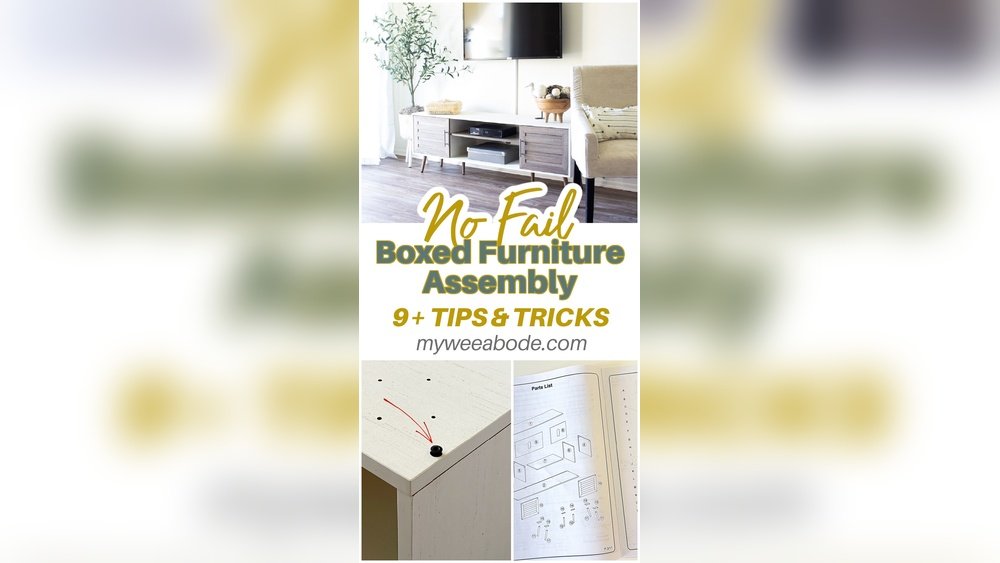
How to Assemble Furniture at Home: Easy Steps for Quick Success
You’ve just brought home that stylish new piece of furniture, and now it’s staring at you in pieces. The thought of assembling it might feel overwhelming, confusing, or even frustrating.
But what if you could turn this challenge into a simple, satisfying task you actually enjoy? Imagine having clear, step-by-step guidance that helps you put everything together quickly and correctly, without second-guessing or wasted time. Whether you’re a complete beginner or just looking to improve your skills, this guide on how to assemble furniture at home will empower you to tackle any project with confidence.
Ready to transform your space and impress yourself with your handiwork? Let’s get started!

Credit: www.amazon.com
Gather Essential Tools
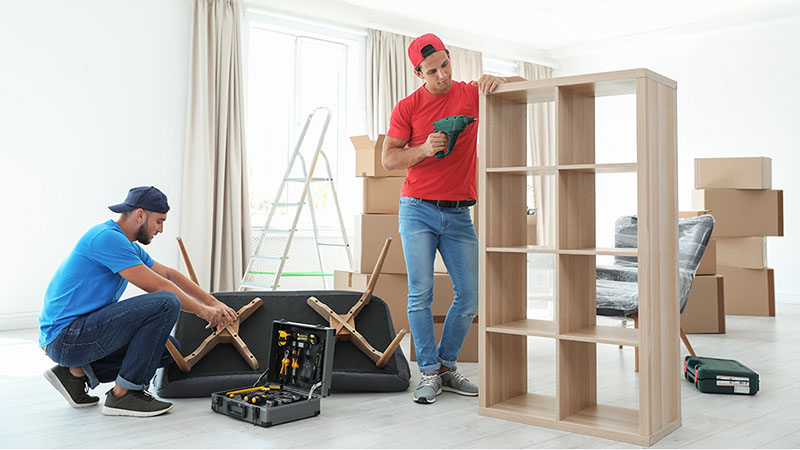
Gathering the right tools before assembling furniture saves time and reduces frustration. It makes the process smoother and more efficient. Having everything ready means no interruptions once you start. This section covers the basic tools you need and some optional gadgets that can help.
Basic Tools To Have
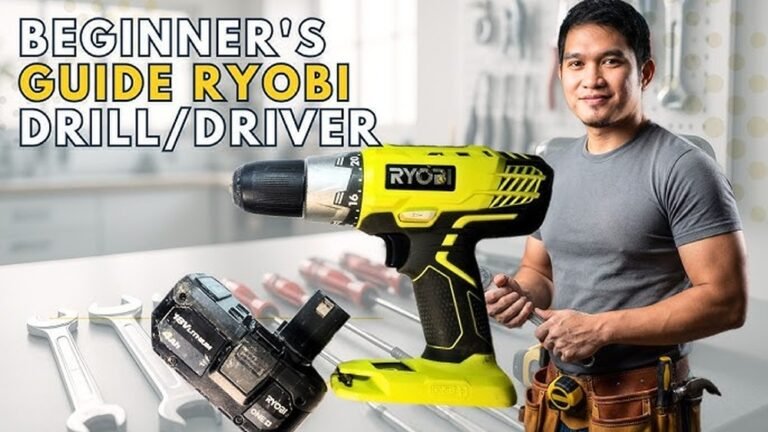
A screwdriver set is essential. Both flathead and Phillips screwdrivers work for most furniture. A hammer helps with nails or tapping parts gently into place. An Allen wrench or hex key is often required for bolts. A measuring tape ensures accurate alignment. A level keeps your furniture balanced and straight.
Optional Helpful Gadgets
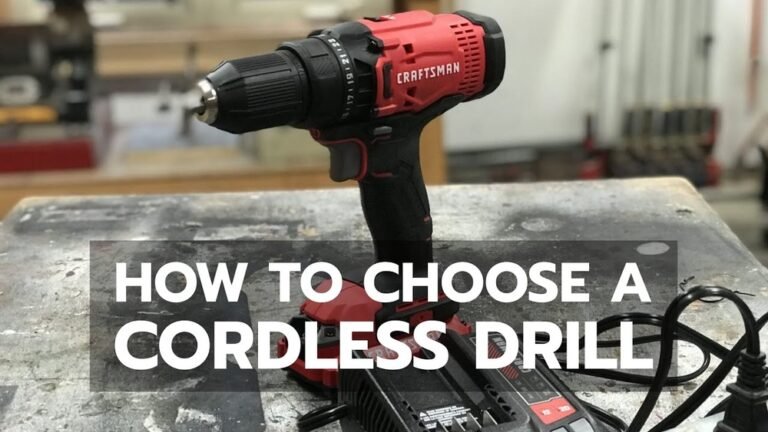
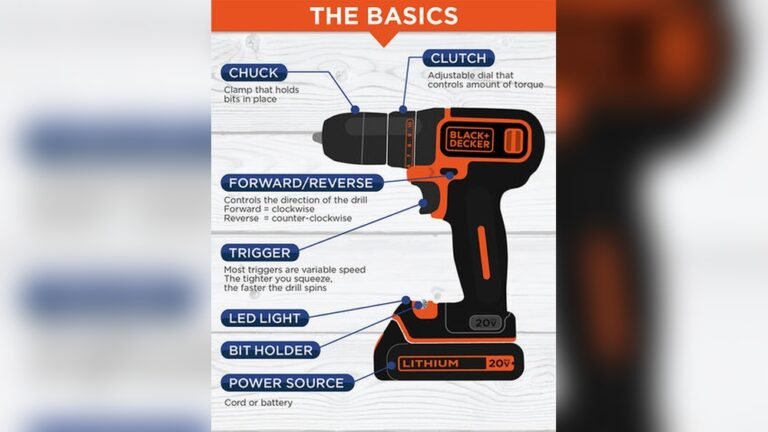
A power drill speeds up screwing and drilling tasks. It reduces hand fatigue and saves time. Rubber mallets protect wood surfaces when tapping pieces together. Clamps hold parts in place during assembly, making it easier to work alone. A magnetic tray keeps screws and small parts from getting lost. Gloves protect your hands from splinters and sharp edges.
Credit: www.movinghelp.com
Prepare Your Workspace
Preparing your workspace is the first step to assembling furniture smoothly. A clean and organized area helps you find tools and parts quickly. It also reduces the risk of losing small pieces or damaging your new furniture.
Start by choosing a space with enough room to move around freely. Good lighting is important so you can see instructions and parts clearly. Protect the floor with a soft mat or blanket to avoid scratches on your furniture or floor.
Clear And Organize Area
Remove any clutter or obstacles from your workspace. This gives you enough space to spread out parts and tools. Organize your tools nearby for easy access. Keeping your area tidy makes the assembly process faster and less stressful.
Lay Out All Parts And Hardware
Open the furniture package carefully and lay out all parts in one place. Group similar pieces together to avoid confusion. Check the hardware bag and separate screws, bolts, and other fasteners. Counting and sorting parts before starting helps prevent missing pieces during assembly.
Read Instructions Carefully
Reading instructions carefully is the first and most important step in assembling furniture at home. Clear instructions guide the entire process and help avoid mistakes. Skipping or misunderstanding steps can cause frustration and damage to parts. Taking time to understand the instructions makes the assembly smoother and faster.
Identify Components
Start by laying out all parts and hardware on a flat surface. Check each piece against the parts list in the instructions. Make sure nothing is missing or damaged before starting. Group similar parts together to find them easily during assembly. This saves time and prevents confusion later.
Follow Steps In Order
Assembly instructions are designed to be followed step-by-step. Complete each step fully before moving to the next. Skipping steps or doing them out of order can cause problems. Tighten screws and bolts only as instructed. This prevents damage and ensures stability. Following the sequence carefully leads to a strong and safe finished product.
Sort And Check Parts
Sorting and checking parts is the first step in assembling furniture at home. It helps avoid confusion and delays during the build. Taking time to organize everything makes the process smoother and faster.
Before starting, find a clean, flat surface. Lay out all pieces clearly. This preparation prevents losing small parts and makes it easier to follow the instructions.
Match Parts To Instructions
Open the instruction manual and locate the parts list. Compare each furniture piece with the images or diagrams given. Confirm that each part matches in shape and size.
Separate parts by type and size. This step helps identify any missing or extra pieces early. It also makes it easier to grab the right part when needed.
Verify All Hardware Present
Check all screws, bolts, nuts, and other hardware against the list in the manual. Count each item carefully. Missing hardware can stop assembly or cause weak joints.
Group hardware into small containers or trays. This keeps them from rolling away or getting mixed up. Having everything at hand saves time and reduces frustration.
Start With Larger Components
Starting with larger components is the best way to assemble furniture at home. Large pieces form the main structure. They make the assembly stable and easier to manage. Focus on these parts first for a smooth process.
Build Base And Frame First
Begin by assembling the base and frame. These are the strongest parts of the furniture. They support all other components. Lay them flat on the floor. Follow the manual to connect each piece. Check that everything fits well before tightening.
Secure Connections Tightly
Make sure all joints are tight and secure. Loose connections cause wobbling and instability. Use the right tools to fasten screws and bolts firmly. Tighten slowly to avoid damaging the wood or metal. Confirm each connection feels solid before moving on.
Use Proper Assembly Techniques
Using proper assembly techniques ensures your furniture is sturdy and safe. It helps avoid damage and makes the process smoother. Taking your time and handling parts carefully improves the final result. Small mistakes can cause big problems later. Follow clear steps and treat each component with care. This approach saves time and effort in the long run.
Avoid Over-tightening
Over-tightening screws or bolts can strip the threads or crack the wood. Tighten parts firmly but stop once you feel resistance. Use hand tools instead of power tools for better control. If a screw feels stuck, back it out and try again. Proper tension keeps joints strong and prevents damage. This simple step extends the life of your furniture.
Tap In Dowels Gently
Dowels align parts and add strength to joints. Tap them in gently using a rubber mallet or wooden block. Avoid hitting dowels with a metal hammer to prevent splitting. Insert dowels slowly, checking alignment as you go. Gentle tapping ensures a snug fit without damaging the wood. Proper dowel placement helps your furniture stay firm and balanced.
Double-check Each Step
Double-checking each step during furniture assembly saves time and prevents mistakes. It helps ensure your furniture is sturdy and safe to use. Taking a moment to review your work avoids frustration later. This habit improves the overall quality of your finished piece.
Ensure Alignment
Check that all parts fit together as shown in the instructions. Make sure edges and holes line up perfectly before tightening screws. Misaligned parts can cause instability or damage. Use a level or straight edge to confirm surfaces are even. Proper alignment makes the assembly smoother and stronger.
Confirm All Fasteners Secured
Verify every screw, bolt, and nail is fully tightened but not overdone. Loose fasteners weaken the structure and create wobbling. Over-tightening can strip threads or crack wood. Use the right tool for each fastener type to avoid damage. A final check ensures your furniture holds together firmly.

Credit: homeguide.com
Handle Difficult Parts
Handling difficult parts is often the toughest part of furniture assembly. These pieces can slow down your progress and cause frustration. Staying calm and focused helps you get through these challenges smoothly.
Patience and the right approach make tricky sections easier to manage. Understanding how to deal with tough connections ensures your furniture is sturdy and well-built.
Tips For Tricky Connections
Start by reading the instructions carefully. Identify the exact parts you need to connect. Use the right tools to avoid damage. Tighten screws slowly and evenly. If a piece doesn’t fit, don’t force it. Double-check the alignment before securing parts. Sometimes, a small tap with a rubber mallet helps fit pieces together. Keep all parts organized to avoid confusion.
When To Ask For Help
Ask for help if parts are too heavy or awkward. Two pairs of hands make lifting safer and easier. If instructions are unclear, another person might see the solution faster. Don’t struggle alone for too long; a fresh perspective can save time. Some tools or tasks need more skill—calling a friend or professional is smart. Safety is key, so get help if you feel unsure.
Final Adjustments And Cleanup
After assembling your furniture, final adjustments and cleanup are key. These steps make sure your furniture looks great and lasts longer. A stable, level piece feels safe and works well. Cleaning the area keeps your home neat and ready for use.
Level And Stabilize Furniture
Check if the furniture sits flat on the floor. Use a level tool to find any tilt or wobble. Adjust legs or add small shims under the base. Tighten all screws and bolts again. This stops movement and keeps the furniture steady.
Dispose Of Packaging Responsibly
Gather all boxes, plastic, and foam pieces left over. Separate recyclables like cardboard and paper from trash. Flatten boxes to save space. Take them to the nearest recycling bin or center. Dispose of non-recyclable waste properly to protect the environment.
Frequently Asked Questions
Can I Assemble Furniture Myself?
Yes, you can assemble furniture yourself by following instructions carefully. Use basic tools like a level and hammer for easier assembly. Take your time and organize parts before starting to avoid mistakes. This approach saves money and gives satisfaction from a DIY project.
What Is The Best Method For Furniture Assembly?
The best method for furniture assembly involves following instructions carefully, organizing parts first, and assembling larger components first. Use proper tools and avoid rushing to ensure accuracy and ease.
What Is The Best Tool To Assemble Furniture?
The best tool to assemble furniture is a quality screwdriver set, especially with various Phillips and flathead tips. An Allen wrench set also helps. A lightweight hammer and a level improve precision and ease during assembly.
Will Home Depot Assemble Furniture For You?
Home Depot offers furniture assembly services through third-party providers. They assemble items bought from their store quickly and efficiently. Customers can schedule assembly during or after purchase for convenience and hassle-free setup.
Conclusion
Assembling furniture at home can be simple and stress-free. Take your time and follow each step carefully. Use the right tools to make the process easier. Keep pieces organized and read instructions before starting. Ask for help if needed, but many tasks you can do alone.
With patience and focus, your furniture will come together smoothly. Enjoy the satisfaction of building something with your own hands. Now, your space feels more complete and comfortable.