How to Use a Cordless Drill: Expert Tips for Perfect DIY Results
You’ve got a cordless drill in your hand, and a world of DIY projects waiting to happen. But how do you get started without feeling overwhelmed?
Whether you want to hang shelves, build a birdhouse, or fix something around the house, knowing how to use a cordless drill properly can save you time and frustration. This simple guide will walk you through every step, from choosing the right drill bit to mastering the controls, so you can work confidently and get the job done right.
Ready to turn your ideas into reality? Let’s dive in and unlock the full potential of your cordless drill.

Credit: www.blackanddecker.com
Choosing The Right Drill
Choosing the right cordless drill is key to completing your projects smoothly. The perfect drill fits your needs and feels comfortable in your hand. Consider the type of work you plan to do and the features you need. This will help you pick a drill that offers the best balance of power, battery life, and ease of use.
Types Of Cordless Drills
There are several types of cordless drills. A drill driver is great for most household tasks like drilling holes and driving screws. Hammer drills add a hammering action for drilling into hard materials like concrete. Impact drivers deliver high torque, ideal for heavy-duty screwing and fastening. Choose the type based on your project needs.
Battery And Power Considerations
Battery type affects how long your drill runs and how powerful it is. Lithium-ion batteries last longer and charge faster than older types. Voltage shows the drill’s power; 12V works for light tasks, while 18V or higher suits tougher jobs. Check the battery capacity, measured in amp-hours (Ah), for longer use between charges.
Essential Drill Features
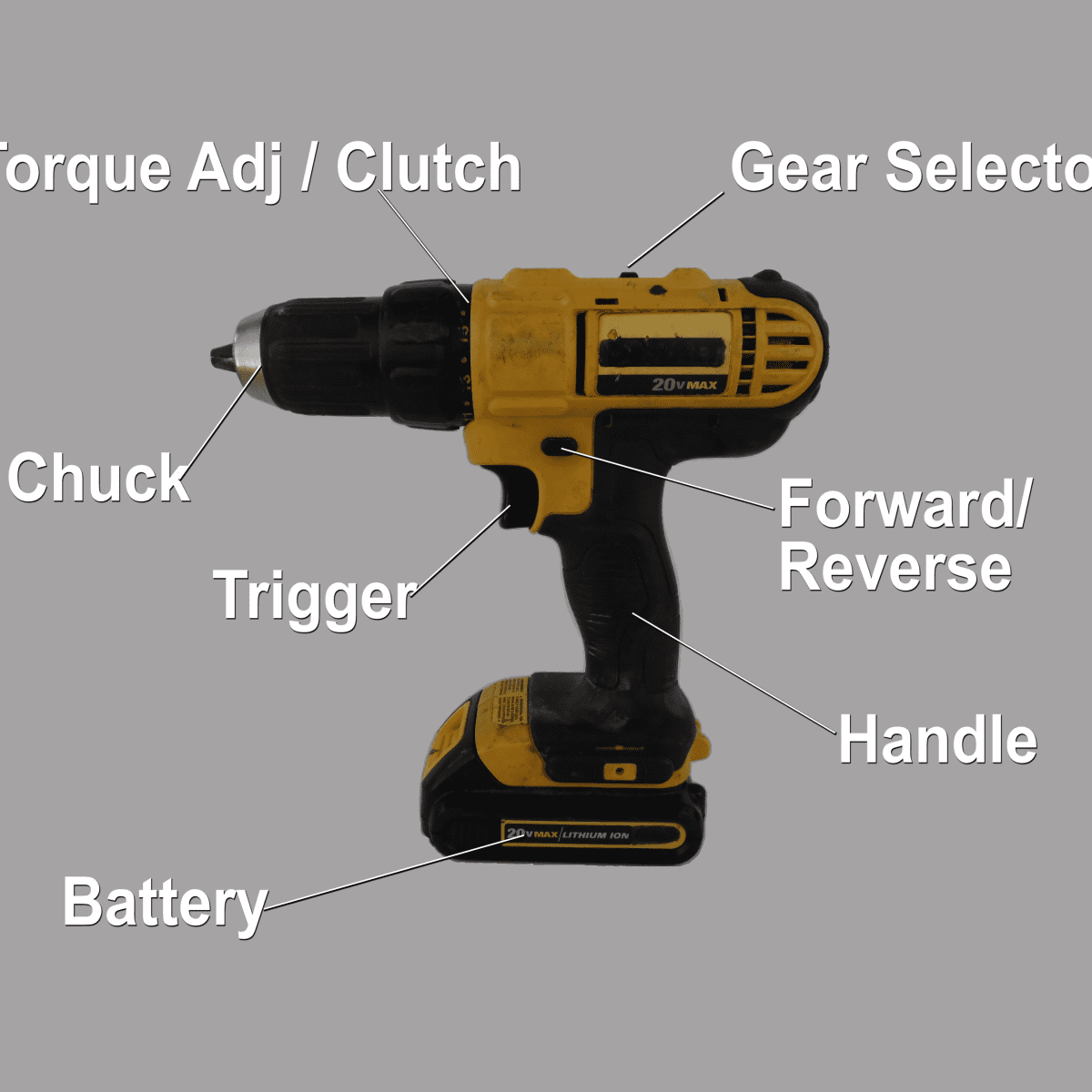
Look for features that make the drill easier and safer to use. Variable speed controls let you adjust the drill speed for different materials. A keyless chuck allows quick bit changes without tools. An ergonomic handle reduces hand fatigue. Some drills have built-in LED lights to brighten your work area. These features improve control and comfort.
Selecting Drill Bits
Selecting the right drill bit is key to using a cordless drill well. The drill bit shapes the hole and affects the job quality. Knowing which bit to choose saves time and avoids damage. This guide covers common types, material matching, and size tips.
Common Drill Bit Types
Twist bits are the most common and work on wood, plastic, and metal. Brad point bits create clean holes in wood without splintering. Masonry bits have a strong tip to drill into brick and stone. Spade bits make large holes in wood quickly. Each type fits different tasks and materials.
Matching Bits To Materials
Use high-speed steel bits for metal and plastic. Carbide-tipped bits handle tough materials like tile and concrete. Wood bits have sharp points to cut fibers cleanly. Picking the correct bit material reduces wear and improves results. Always check the drill bit packaging for recommended materials.
Bit Size And Length
Choose bit size based on hole diameter needed. Small bits are for pilot holes or screws. Larger bits create holes for bolts or pipes. Length matters too: longer bits reach deeper holes but may bend easily. Shorter bits offer better control and less wobble. Match size and length to your project needs.
Preparing The Drill
Preparing the drill is the first step in any drilling task. It ensures safety and improves work quality. Proper setup makes the drill easy to handle and effective. Follow these simple steps to get your cordless drill ready.
Inserting And Securing Drill Bits
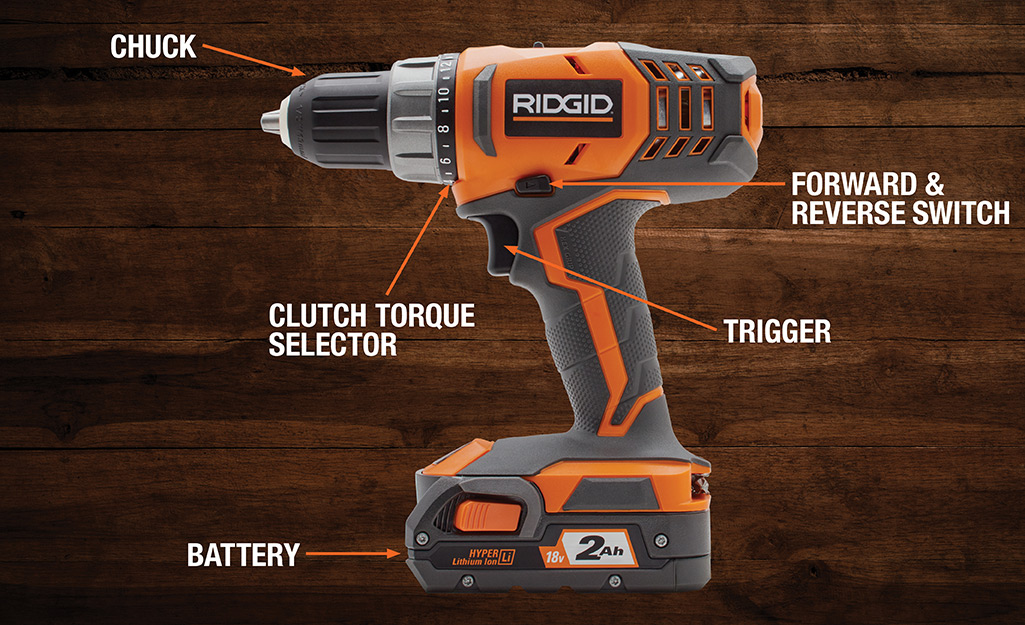
Choose the right drill bit for your project. Open the chuck by turning it counterclockwise. Insert the drill bit straight into the chuck. Tighten the chuck by turning it clockwise until the bit is secure. Give it a gentle pull to check if it holds firmly. A loose bit can cause damage or accidents.
Adjusting Speed And Torque Settings
Check your drill’s speed settings. Use low speed for drilling into metal or driving screws. Use high speed for drilling into wood or softer materials. Adjust torque settings based on the job. High torque is best for tough jobs. Low torque prevents overdriving screws and damaging materials.
Checking Battery Charge
Ensure the battery is fully charged before starting work. Insert the battery pack firmly into the drill base. Look for battery indicators on the drill or charger. Replace or recharge the battery if the charge is low. A strong battery helps maintain consistent power during use.
Credit: discover.hubpages.com
Basic Drilling Techniques
Basic drilling techniques help you work safely and effectively with a cordless drill. These skills ensure clean holes and prevent damage to materials or the tool. Understanding how to position the drill, apply pressure, and control speed makes drilling easier.
Practice these steps to gain confidence and produce professional results. Each technique contributes to smooth drilling and better control over your projects.
Positioning The Drill
Hold the drill perpendicular to the surface you want to drill. This keeps the hole straight and accurate. Use both hands for better control and stability. Keep your body balanced and steady to avoid slipping. Start with the drill bit touching the spot where you want the hole.
Applying Correct Pressure
Press the drill gently against the surface. Too much pressure can damage the drill bit or material. Too little pressure slows down the drilling process. Let the drill do the work by applying steady, moderate force. Adjust pressure based on the material hardness and drill bit size.
Starting And Maintaining Drill Speed
Begin drilling at a slow speed to create a guide hole. Increase speed gradually as the drill bit penetrates the material. Maintain a steady speed to avoid overheating the drill bit. Stop drilling once you reach the desired depth. Slow down before removing the drill bit to avoid rough edges.
Driving Screws With A Drill
Driving screws with a cordless drill makes many projects easier and faster. It saves time and effort compared to using a manual screwdriver. To do this well, understanding the right bits, torque settings, and techniques helps prevent damage. This section explains how to drive screws effectively using a cordless drill.
Choosing Screwdriver Bits
Select the correct screwdriver bit for your screws. Bits come in types like Phillips, flathead, or Torx. Match the bit shape to the screw head to avoid slipping. Using the right size bit fits snugly and grips the screw better. This reduces wear on both the bit and screw.
Setting Appropriate Torque
Adjust the drill’s torque setting before starting. Lower torque prevents overdriving and damaging the material. Higher torque is good for large or tough screws. Start with a low setting and increase if needed. This helps control the screw depth and avoids breaking screws or stripping material.
Preventing Screw Stripping
Apply steady pressure and keep the drill straight while driving screws. Avoid pushing too hard or too fast. Stop if the screw stops turning easily. Back the screw out and check the bit fit. Reinsert carefully to protect the screw head from damage. Proper technique extends screw life and makes removal easier later.
Safety Tips
Using a cordless drill can make many projects easier and faster. Safety must come first to avoid injuries and damage. Follow these simple tips to work safely with your drill every time.
Protective Gear To Use
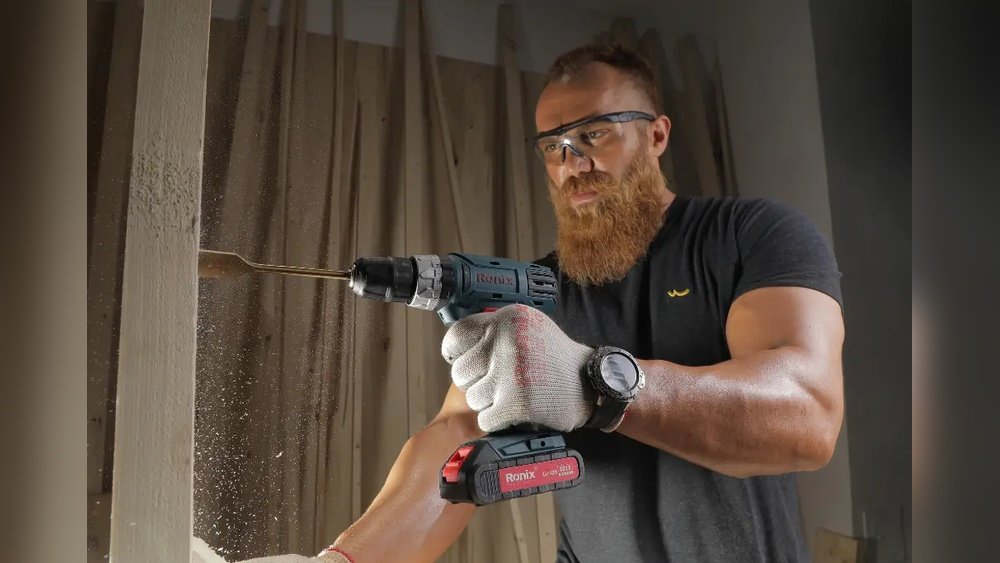
Always wear safety glasses to protect your eyes from dust and debris. Use ear protection if the drill noise is loud or lasts long. Wear gloves to improve grip and avoid blisters. Avoid loose clothing or jewelry that can get caught in the drill. Use a dust mask when drilling materials that create fine dust.
Avoiding Common Mistakes
Do not force the drill if it feels stuck. This can cause the bit to break or the drill to slip. Check that the drill bit is properly tightened before starting. Avoid drilling at awkward angles to keep control. Keep the work area clean to prevent tripping or slipping. Never leave the drill running unattended.
Handling The Drill Safely
Hold the drill with both hands for better control. Keep a firm grip but do not squeeze too hard. Keep the drill bit perpendicular to the surface for accurate holes. Apply steady, even pressure—do not push too hard. Keep fingers away from the drill bit and moving parts. Turn off and unplug the drill before changing bits or making adjustments.
Maintenance And Care
Proper maintenance and care keep your cordless drill working well for a long time. Regular upkeep prevents damage and improves performance. Simple steps help avoid costly repairs and extend the drill’s life.
Cleaning The Drill And Bits
After use, wipe the drill with a dry cloth. Remove dust and dirt from vents and surfaces. Use a small brush to clean drill bits. Dirt on bits reduces efficiency and can cause damage. Store bits in a dry place to avoid rust.
Battery Care And Storage
Charge the battery fully before first use. Avoid letting the battery drain completely. Store batteries in a cool, dry place away from direct sunlight. Remove the battery from the drill if not used for a long time. Check battery contacts for dirt and clean gently with a dry cloth.
Troubleshooting Common Issues
If the drill does not start, check the battery charge first. Tighten the chuck if the drill bit slips. For unusual noises, stop using the drill and inspect for loose parts. If the drill overheats, let it cool down before use. Consult the manual for specific problems and fixes.
Advanced Tips For Perfect Results
Advanced tips help you get perfect results with a cordless drill. These tips improve accuracy and efficiency. They also protect your materials from damage. Understanding these techniques makes your work cleaner and faster. Try these expert methods for better drilling.
Drilling At Angles
Hold the drill steady and start slow. Use a guide or a block to keep the angle right. Mark the spot clearly before drilling. Apply even pressure without forcing the drill. Stop often to check the angle and depth. Practice on scrap material to build confidence.
Using Drill Attachments
Choose the right attachment for your task. Screwdriver bits help with screws, while hole saws cut large holes. Attachments must fit tightly in the chuck. Change bits by loosening the chuck first. Use slow speed for attachments that need control. Keep the drill straight to avoid damage.
Working On Different Materials
Use specific drill bits for wood, metal, or masonry. Wood bits have sharp points for clean holes. Metal bits are harder and need cooling. Masonry bits have a carbide tip for tough surfaces. Adjust speed based on the material hardness. Start with a small pilot hole for accuracy. Wear safety glasses to protect your eyes.
Credit: www.homedepot.com
Frequently Asked Questions
How To Properly Use A Cordless Drill?
Hold the drill firmly and select the correct bit. Insert and tighten the bit securely. Set the speed and torque. Position the drill perpendicular to the surface. Squeeze the trigger gently and drill steadily. Reverse to remove the bit and inspect your work.
How Do You Put A Drill Bit In A Cordless Drill?
Hold the chuck and turn it counterclockwise to open. Insert the drill bit fully. Tighten the chuck clockwise by hand until secure.
How To Use A Drill Step By Step?
Hold the drill firmly. Insert and tighten the correct drill bit. Mark the drilling spot. Align drill perpendicular. Squeeze trigger gently to start drilling. Apply steady pressure. Release trigger and pull drill out. Turn drill reverse to remove bit if needed.
How Does A Cordless Drill Work?
A cordless drill uses a rechargeable battery to power its motor. The motor spins the drill bit, enabling drilling and screwing without a cord.
Conclusion
Using a cordless drill makes many tasks easier and faster. Always choose the right drill bit for your project. Keep a steady hand and apply gentle pressure while drilling. Remember to check battery life before starting your work. Practice safety by wearing protective gear and working carefully.
With these simple steps, you can handle basic drilling jobs confidently. Regular use will help you improve your skills over time. Enjoy the freedom and convenience a cordless drill provides.