Tips for Home Tool Kit Simple Essentials Every DIYer Should Own for Faster Repairs
Having a good tool kit at home is very helpful. It helps you fix small problems quickly. You do not need to call a repair person for every small task. This guide will give you easy tips to build and use your home tool kit.
Why You Need a Home Tool Kit
Every home needs tools. Things break or need fixing. Sometimes a screw gets loose or a picture falls down. If you have tools ready, you can fix these things fast. It saves time and money.
Also, fixing things yourself feels good. It gives you confidence. You learn new skills step by step. Even if you do not know much now, you can start small. Then, your tool kit grows with your skills.
What Should Be in a Basic Home Tool Kit?
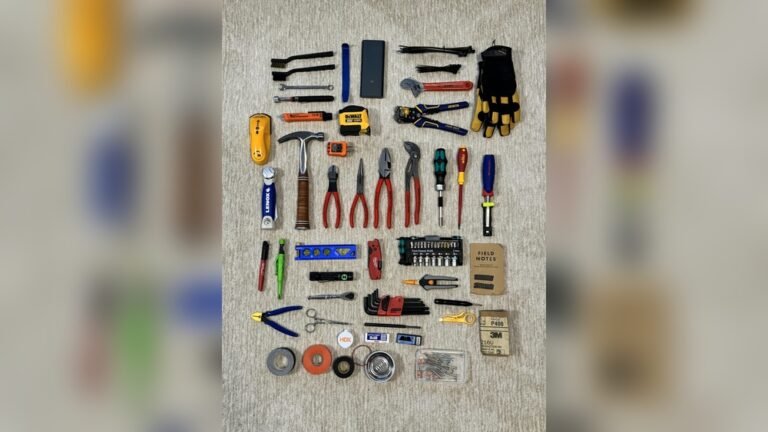
Let’s look at the important tools you should have. These tools help with many small tasks at home.
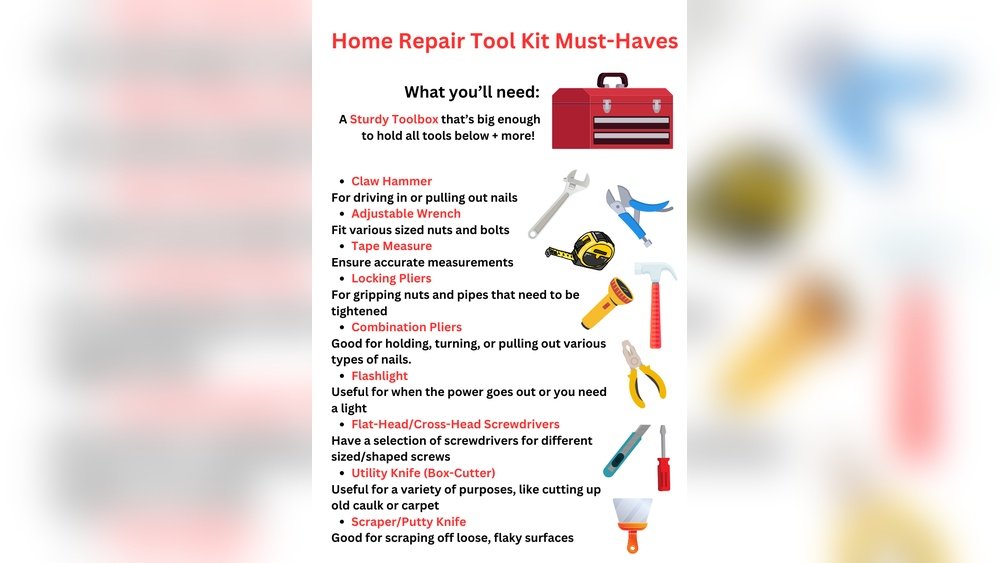
| Tool | Use |
|---|---|
| Hammer | For nails and small repairs. |
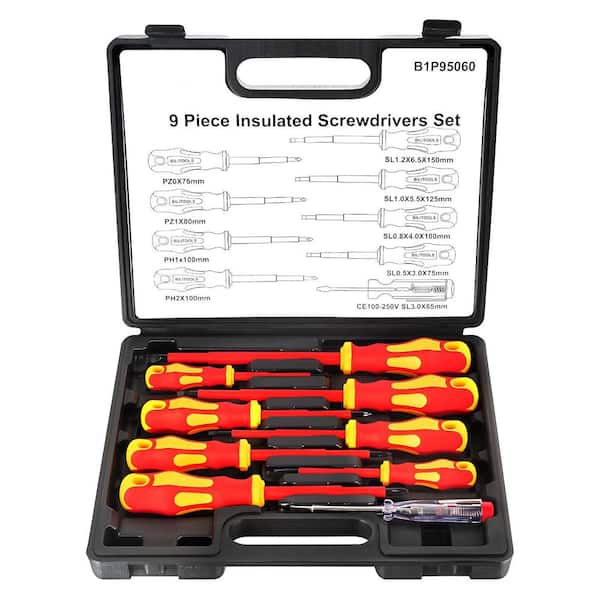
| Screwdrivers | To tighten or loosen screws. Get both flathead and Phillips types. |
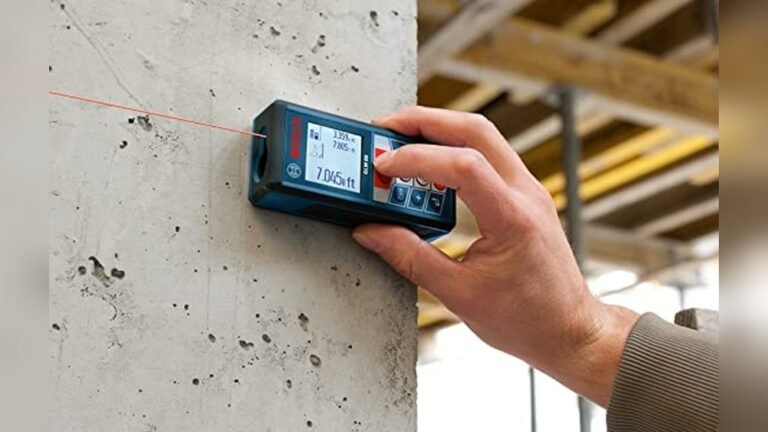
| Tape Measure | To measure spaces, furniture, or walls. |
| Pliers | For gripping, bending, and cutting wires. |
| Adjustable Wrench | To tighten or loosen nuts and bolts. |
| Utility Knife | For cutting boxes, ropes, or other materials. |
| Flashlight | To see clearly in dark places. |
| Level | To make sure pictures or shelves are straight. |
| Allen Wrenches (Hex Keys) | For furniture assembly and small repairs. |
| Duct Tape | For quick fixes and holding things together. |
How to Choose Your Tools
Buy tools that last long and feel comfortable in your hands. You do not need the most expensive tools. But avoid very cheap ones that break easily.
Tools with rubber handles are easier to hold. They also reduce hand pain when you work for a long time. Try tools in a store if you can. Hold them and see how they feel.
Organizing Your Tool Kit
Keep your tools in one place. Use a toolbox or a small cabinet. It helps you find tools quickly. A messy place makes work harder.
Label your toolbox or drawers if you have many tools. It saves time and avoids frustration. Put tools back in their place after use. This habit keeps your kit ready for next time.
Basic Tips for Using Tools Safely
- Always check tools before use. Make sure they are clean and not broken.
- Use the right tool for the job. Do not force tools to do things they are not made for.
- Wear safety glasses if you work with nails or cutting tools.
- Keep children away from sharp tools.
- Work in a well-lit place.
How to Start Your Tool Kit on a Budget
You do not need to buy all tools at once. Start with the most useful ones. For example, buy a hammer, screwdrivers, and tape measure first.
Look for sales or second-hand tools. Sometimes, good tools are available at low prices. Make sure used tools are safe and work well.
Extra Tools to Add Later
Once you have basic tools, you can add more. Here are some tools to think about later:
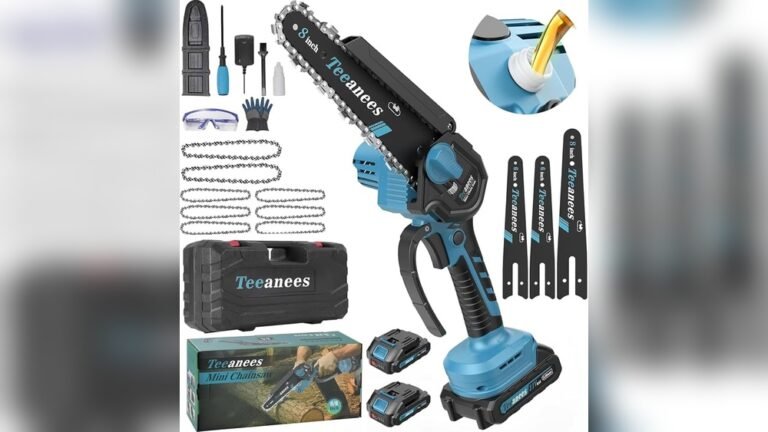
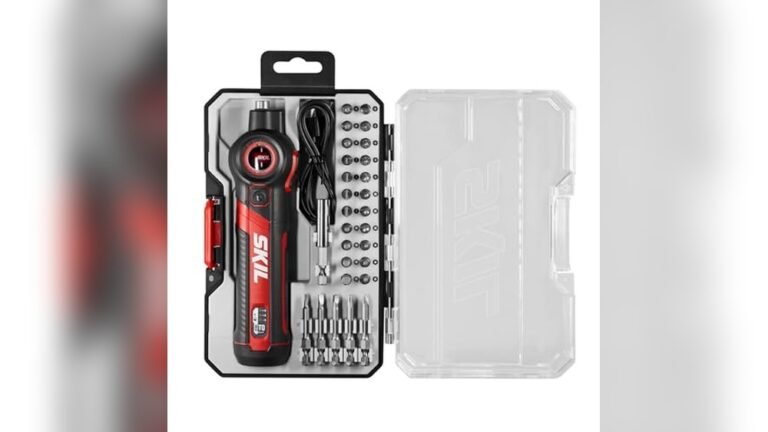
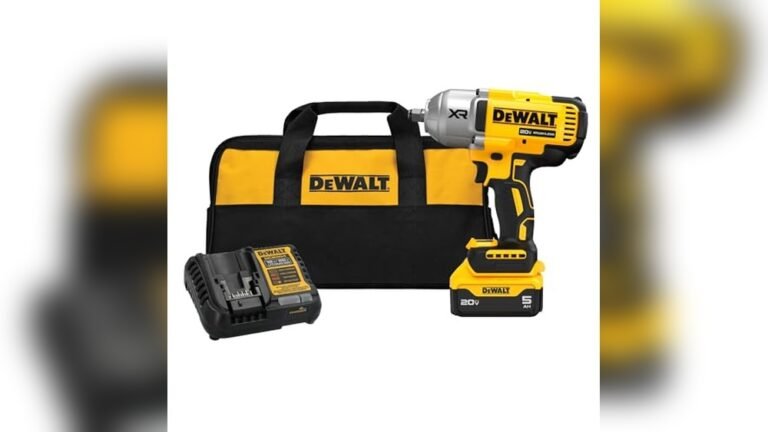
- Power Drill: Makes drilling holes easier and faster.
- Stud Finder: Helps find strong wall parts to hang heavy things.
- Wire Stripper: For electrical work.
- Clamp: Holds things tightly while you work.
How to Care for Your Tools
Good care keeps tools working well for many years. After each use, wipe tools clean. Remove dirt or dust. If tools get wet, dry them quickly to stop rust.
Oil moving parts of tools sometimes. This keeps them smooth and easy to use. Store tools in a dry place.
Easy Fixes You Can Do With Your Tool Kit
Here are some common home tasks you can try with your tool kit:
- Fix a loose door handle.
- Hang a picture or shelf.
- Assemble simple furniture.
- Replace batteries in smoke detectors.
- Tighten loose screws on chairs or tables.
Try small jobs first. If you feel unsure, watch videos or ask someone for help. Practice makes you better.
Credit: www.homedepot.com

Credit: www.amazon.com
Why Learning to Use Tools Is Fun
Working with tools teaches you new things. It makes you feel proud when you fix something. You become more independent and save money.
Each small task you complete builds your skill. Soon, you can do bigger projects. It is a great way to spend time and learn.
Summary: Building Your Home Tool Kit Step by Step
Remember these simple steps:
- Start with basic tools: hammer, screwdrivers, tape measure.
- Keep tools organized and clean.
- Learn how to use each tool safely.
- Add more tools as you grow confident.
- Practice small fixes at home.
With these tips, your home tool kit will be ready to help you anytime. Fixing things yourself is easy and fun. Start today and keep your tools close!
Frequently Asked Questions
What Should Be In A Basic Home Tool Kit?
A basic home tool kit should include a hammer, screwdrivers, tape measure, pliers, adjustable wrench, utility knife, level, and flashlight. These tools handle most DIY repairs and maintenance tasks efficiently.
What Is The Best Tool Set For A Homeowner?
The best tool set for a homeowner includes a hammer, screwdrivers, tape measure, pliers, adjustable wrench, utility knife, level, and flashlight. These essentials handle most DIY repairs efficiently. Choose durable, high-quality tools for long-lasting use and ease of home maintenance.
What Tools Should Every Homeowner Own?
Every homeowner should own a hammer, tape measure, screwdrivers, pliers, adjustable wrench, utility knife, flashlight, and level. These tools handle basic repairs efficiently.
What Should I Have In My Tool Kit?
Your tool kit should include a hammer, screwdrivers (Phillips and flathead), tape measure, pliers, adjustable wrench, utility knife, level, and flashlight. These essentials help tackle most home repairs efficiently.