Beginner Guide to Laser Measuring Tool: Master Accuracy Fast
Are you tired of struggling with bulky tape measures that never seem to give you the accuracy you need? Imagine getting precise measurements in seconds, with just a simple point and click.
A laser measuring tool can make that your reality. Whether you’re tackling a home project, planning renovations, or just curious about how this handy device works, this beginner guide will walk you through everything you need to know. By the end, you’ll feel confident using a laser measure to save time, reduce errors, and make your measuring tasks easier than ever.
Ready to discover how this smart tool can change the way you measure? Let’s dive in!
Laser Measuring Tool Basics
Understanding the basics of a laser measuring tool helps you use it with confidence. These tools make measuring distances easier and more precise. They are useful for construction, home projects, and many other tasks.
Knowing the main parts and types of laser measuring tools will improve your experience. Let’s explore the fundamentals step by step.
What Is A Laser Distance Meter
A laser distance meter is a device that measures length using a laser beam. It sends a laser to a target and calculates the distance by timing the beam’s return. This method is faster and more accurate than using a tape measure.
Most meters fit in your hand and have a digital display for easy reading. They are ideal for measuring long distances or hard-to-reach places.
Key Features To Know
Laser measuring tools often include several key features. The main one is accuracy, usually within a few millimeters. Another feature is the measurement range, which can vary from a few meters to hundreds.
Some models show area and volume calculations. They may also have memory functions to store measurements. A backlit screen helps read measurements in low light. Many tools come with a simple interface for quick use.
Types Of Laser Measuring Tools
There are several types of laser measuring tools designed for different tasks. Basic models measure only distance. Advanced models add functions like area, volume, and indirect measurement.
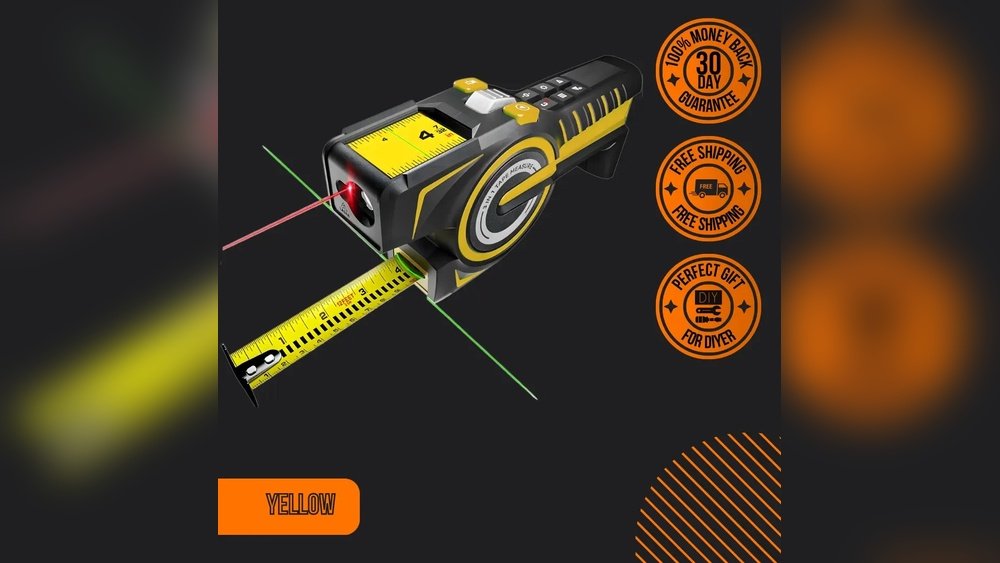
Some laser tools combine with levels or cameras. Others connect to smartphones via Bluetooth for easy data transfer. Choose a type based on your needs and budget.

Credit: www.architecturecourses.org
Setting Up Your Laser Meter
Setting up your laser meter correctly is key to getting accurate measurements. This section walks you through the first steps. Follow these simple instructions to prepare your device for use. Proper setup saves time and avoids mistakes.
Choosing The Right Location
Place your laser meter on a stable, flat surface. Avoid shaky or uneven spots. Make sure there are no obstacles blocking the laser path. Good lighting helps you see the screen clearly. Choose a place where the laser can reach the target without reflection.
Powering On And Calibration
Turn on your laser meter by pressing the power button. Wait for the device to boot up completely. Check if your model needs calibration before use. Calibration adjusts the laser for accurate readings. Follow the user manual for the calibration steps. Do this each time you start a new project.
Selecting Measurement Units
Set the measurement units to match your project needs. Most meters offer feet, meters, or inches. Use metric units for precision and standard units for home tasks. Change units easily through the settings menu. Confirm the unit before measuring to avoid confusion.
Taking Accurate Measurements
Taking accurate measurements with a laser measuring tool is simple and fast. This tool helps you get precise numbers for your projects. Accuracy ensures your work fits well and looks professional. Learning how to use the tool correctly saves time and reduces mistakes.
Measuring Distance
To measure distance, place the laser tool at one end of the space. Aim the laser beam at the target point. Press the button to send the laser and get the reading. The tool shows the distance on its screen instantly. Keep the tool steady to avoid errors.
Calculating Area And Volume
Many laser tools can calculate area and volume automatically. First, measure the length and width to find the area. The tool multiplies these numbers for you. For volume, measure length, width, and height. The device then calculates the total volume quickly. This feature helps in planning and estimating materials.
Tips To Avoid Common Errors
Hold the laser tool steady during measurement. Avoid pointing the laser at reflective or bright surfaces. Check the tool’s battery level before starting. Use the correct measuring mode for your task. Clear obstacles between the tool and the target. Double-check measurements for better accuracy.
Advanced Functions To Explore
Exploring advanced functions of a laser measuring tool can improve your measuring tasks. These features go beyond simple distance measurement. They help you work faster and with more accuracy. Understanding these options makes your tool more useful for many projects.
Continuous Measurement Mode
This mode lets the laser measure distances non-stop. It updates measurements as you move the tool. Great for finding shortest or longest distances quickly. Use it to measure irregular spaces or track moving objects. It saves time and effort compared to stopping for each reading.
Using Pythagorean Theorem Features
Some laser tools can calculate heights or distances indirectly. They use the Pythagorean theorem to do this. Measure two sides of a triangle and the tool finds the third side. Handy for measuring heights when you cannot reach the top. This feature is useful in construction and interior design.
Storing And Reviewing Data
Many laser measuring tools save measurements automatically. You can store data for later use or comparison. This reduces the chance of errors and lost numbers. Reviewing stored data helps you keep track of multiple measurements. Ideal for large projects or when working alone.
Practical Uses And Applications
Laser measuring tools offer simple and precise ways to take measurements. They save time and reduce errors in many tasks. Understanding their practical uses helps beginners see their true value. These tools fit well in home projects, construction, and design work.
Home Renovation Projects
Laser measures help check room sizes quickly. They are useful for measuring walls, doors, and windows. You can find the exact space for new furniture or appliances. These tools make it easier to plan paint or wallpaper areas. They reduce the need for a helper in many tasks.
Construction Site Measurements
On construction sites, accuracy is key. Laser tools give fast and reliable distance readings. They help measure large spaces without using long tapes. Builders use them to check heights, widths, and lengths of structures. This speeds up work and helps avoid costly mistakes.
Interior Design And Space Planning
Interior designers use laser measures to plan room layouts. They check available space for furniture and decor. These tools help create floor plans with exact dimensions. Designers can test different arrangements before moving anything. Laser measures ensure designs fit the real space well.

Credit: www.creeklinehouse.com
Maintenance And Care
Proper maintenance and care keep your laser measuring tool accurate and durable. Small efforts help avoid costly repairs and extend the device’s life. Regular attention ensures precise measurements every time.
Cleaning The Laser Lens
Use a soft, dry cloth to clean the lens gently. Avoid rough materials that can scratch the surface. Do not spray liquid directly on the lens. Instead, dampen the cloth slightly if needed. Clean the lens regularly to prevent dust buildup and blurry readings.
Battery Management
Remove batteries if you will not use the tool for a long time. Replace old batteries promptly to avoid leaks and damage. Use only the recommended battery type for your device. Keep spare batteries handy to avoid interruptions during work.
Safe Storage Tips
Store the laser measuring tool in a cool, dry place. Use the original case or a padded container to protect it. Avoid places with high humidity or extreme temperatures. Keep it away from direct sunlight to prevent damage to internal parts.
Choosing Your First Laser Measure
Choosing your first laser measure can feel tricky. Many options exist, each with different prices and features. Picking the right tool helps you get accurate results and makes your projects easier. This guide breaks down key points to help you decide.
Budget Considerations
Laser measures come in a wide price range. Basic models cost less and suit simple tasks. More expensive ones offer extra features and longer range. Decide how much you want to spend before buying. Think about how often you will use it. A mid-range model often balances price and quality well.
Essential Features For Beginners
Look for easy-to-use models with clear displays. A laser measure should give quick, accurate readings. Features like distance, area, and volume calculations are helpful. Some devices include a built-in memory to save measurements. A durable design protects the tool from drops or dust. Check if the laser distance is enough for your needs.
Recommended Brands And Models
Trusted brands offer reliable and user-friendly tools. Bosch, Leica, and DeWalt make popular beginner models. Bosch GLM 20 is simple and affordable. Leica Disto D1 connects to smartphones for easy record keeping. DeWalt DW03050 has a strong build and clear display. Choose a model with good reviews and warranty support.
Credit: www.fogwing.io
Frequently Asked Questions
What Is A Laser Measuring Tool Used For?
A laser measuring tool quickly measures distances with high accuracy. It’s ideal for construction, renovation, and DIY projects. It replaces traditional tape measures for convenience and precision.
How Do You Operate A Laser Distance Meter?
Point the laser at the target surface, press the measurement button, and read the distance displayed. Ensure a clear line of sight for accurate results.
What Are The Benefits Of Using Laser Measuring Tools?
Laser tools offer fast, precise measurements with easy one-person operation. They reduce errors, save time, and can measure hard-to-reach areas effectively.
Can Beginners Easily Use A Laser Measuring Tool?
Yes, beginners find laser measuring tools user-friendly. Most models have simple buttons and clear displays, making them ideal for first-time users.
Conclusion
Using a laser measuring tool makes measuring fast and simple. It saves time and reduces mistakes. Anyone can learn to use it with a little practice. Keep the tool steady and aim carefully for best results. Remember to check the settings before each use.
This tool works well for many projects at home or work. Start small, and you will gain confidence quickly. Enjoy accurate measurements and easier tasks every time.