Beginner Guide to Home Tool Kit Simple Essentials to Start DIY Like a Pro
Are you ready to tackle small repairs and projects around your home but don’t know where to start? Building your own home tool kit can seem overwhelming, but it doesn’t have to be.
With the right basic tools at your fingertips, you’ll save time, money, and frustration while gaining the confidence to handle everyday fixes on your own. This beginner guide will walk you through the essential tools you need, why they matter, and how to use them effectively.
By the end, you’ll have a clear plan to create a toolkit that fits your needs and turns you into the go-to handyman or handywoman in your household. Let’s get started!

Credit: www.amazon.com
Essential Hand Tools
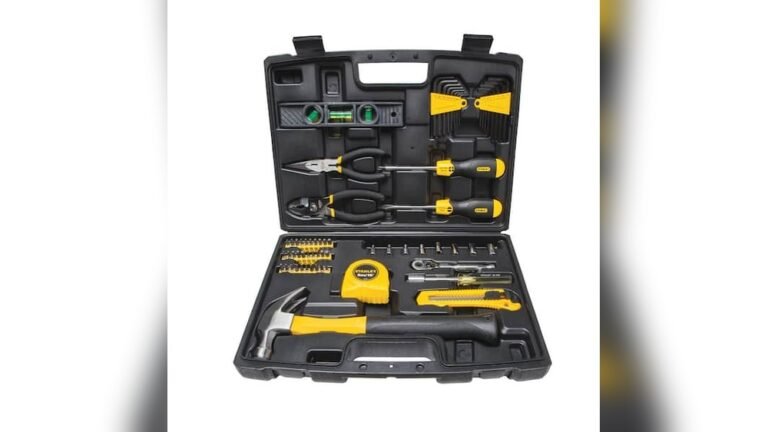
Every home needs a set of basic hand tools. These tools help with small repairs and simple projects. Having the right tools saves time and money. Start with essential hand tools that are easy to use and reliable. These tools fit many tasks around the house.
Screwdrivers
Screwdrivers are a must-have in any tool kit. They come in two main types: flathead and Phillips. Flathead screwdrivers have a straight, flat tip. Phillips screwdrivers have a cross-shaped tip. Both types are used to tighten or loosen screws. A set with different sizes covers many needs. A multi-bit screwdriver saves space and offers versatility.
Pliers
Pliers grip, bend, and cut wires or small objects. Needle-nose pliers have long, thin tips for tight spaces. Slip-joint pliers adjust to hold different sizes. They help with twisting wires and pulling nails. Choose pliers with comfortable handles to avoid hand strain. Pliers are handy for electrical work and household fixes.
Hammer
A hammer drives nails into wood or walls. It also removes nails and breaks objects. A claw hammer is the best choice for home use. The flat side hits nails, and the claw side pulls them out. Pick a hammer with a balanced weight and a strong handle. It helps complete tasks quickly and safely.
Tape Measure
A tape measure measures length, width, and height. It helps with furniture placement and cutting materials. Choose a tape measure with a locking feature to hold measurements. Look for one that is at least 16 feet long. A clear, easy-to-read tape makes measuring simple. This tool ensures accuracy in all your projects.
Credit: www.shakesandcones.com
Basic Power Tools
Basic power tools make simple home projects easier and faster. They help you drill holes, cut materials, and find studs in walls. These tools are easy to use and essential for beginners. Owning a few key power tools saves time and effort on small repairs and improvements.
Cordless Drill
A cordless drill is a must-have tool for any home toolkit. It runs on batteries, so you can use it anywhere without cords. This tool drills holes and drives screws into wood, metal, or plastic. Choose a drill with variable speed settings for better control. It is lightweight and easy to handle for beginners.
Utility Knife
A utility knife cuts through many materials like cardboard, plastic, and drywall. It has a sharp, replaceable blade for safe and precise cutting. Use it for opening boxes or trimming wallpaper. This tool is small, affordable, and handy for many household tasks. Always handle it carefully to avoid accidents.
Stud Finder
A stud finder helps locate wooden or metal studs behind walls. This is important before drilling to avoid hitting pipes or wires. It uses sensors to detect changes in density inside the wall. Modern stud finders are easy to use and give accurate readings. This tool protects your walls and makes hanging items safer.
Fasteners And Accessories
Fasteners and accessories are key parts of any home tool kit. They hold things together and make repairs possible. Choosing the right fasteners helps your projects last longer and stay safe. Accessories like measuring tools help you work with accuracy and ease. This section explains the basic types you need to know.
Nails And Screws
Nails and screws join materials like wood, metal, and plastic. Nails are simple and quick to use. They work well for framing and light tasks. Screws hold stronger and can be removed easily. Different screw heads fit various screwdrivers. Pick the right size and type for your job.
Wall Anchors
Wall anchors support screws in drywall or hollow walls. They prevent screws from pulling out under weight. Use anchors for hanging shelves, pictures, or mirrors. Plastic anchors suit light loads. Metal or toggle anchors hold heavier items. Match the anchor type to the wall and load.
Measuring Tools
Measuring tools ensure your work is precise. A tape measure is the most common tool. It measures length up to several feet or meters. A ruler works for small, straight lines. A level checks if surfaces are even. Accurate measuring avoids mistakes and saves time.
Safety Gear
Safety gear is a crucial part of any home tool kit. It protects you from injuries and accidents. Using the right safety gear helps you work with confidence. Always keep safety gear handy before starting any project.
Gloves
Gloves protect your hands from cuts, splinters, and dirt. They give a better grip on tools and materials. Choose gloves that fit well and are durable. Rubber or leather gloves work well for different tasks.
Safety Glasses
Safety glasses shield your eyes from dust and flying debris. They prevent serious eye injuries during drilling or hammering. Pick glasses that are comfortable and have clear lenses. Wrap-around styles offer extra protection.
Ear Protection
Ear protection reduces noise from loud tools like drills and saws. It helps prevent hearing damage over time. Use earplugs or earmuffs depending on your comfort. Keep ear protection available for noisy tasks.
Tool Storage Options
Keeping your tools safe and easy to find is key for any beginner’s home toolkit. Proper storage helps protect tools and saves time during projects. Choosing the right storage option depends on your space, tool types, and how often you use them.
Toolbox Types
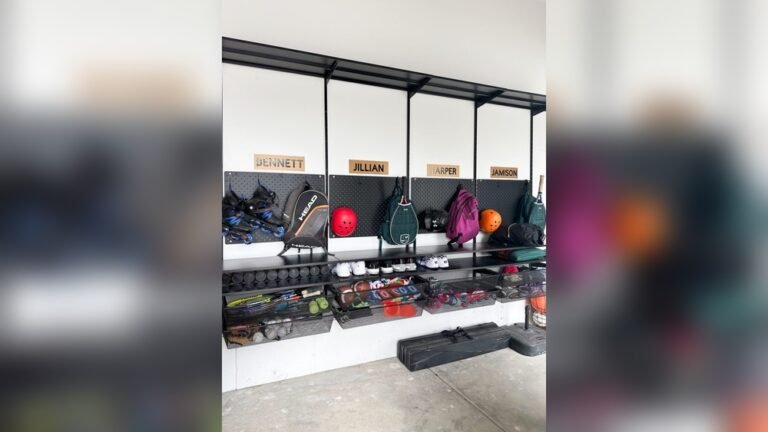
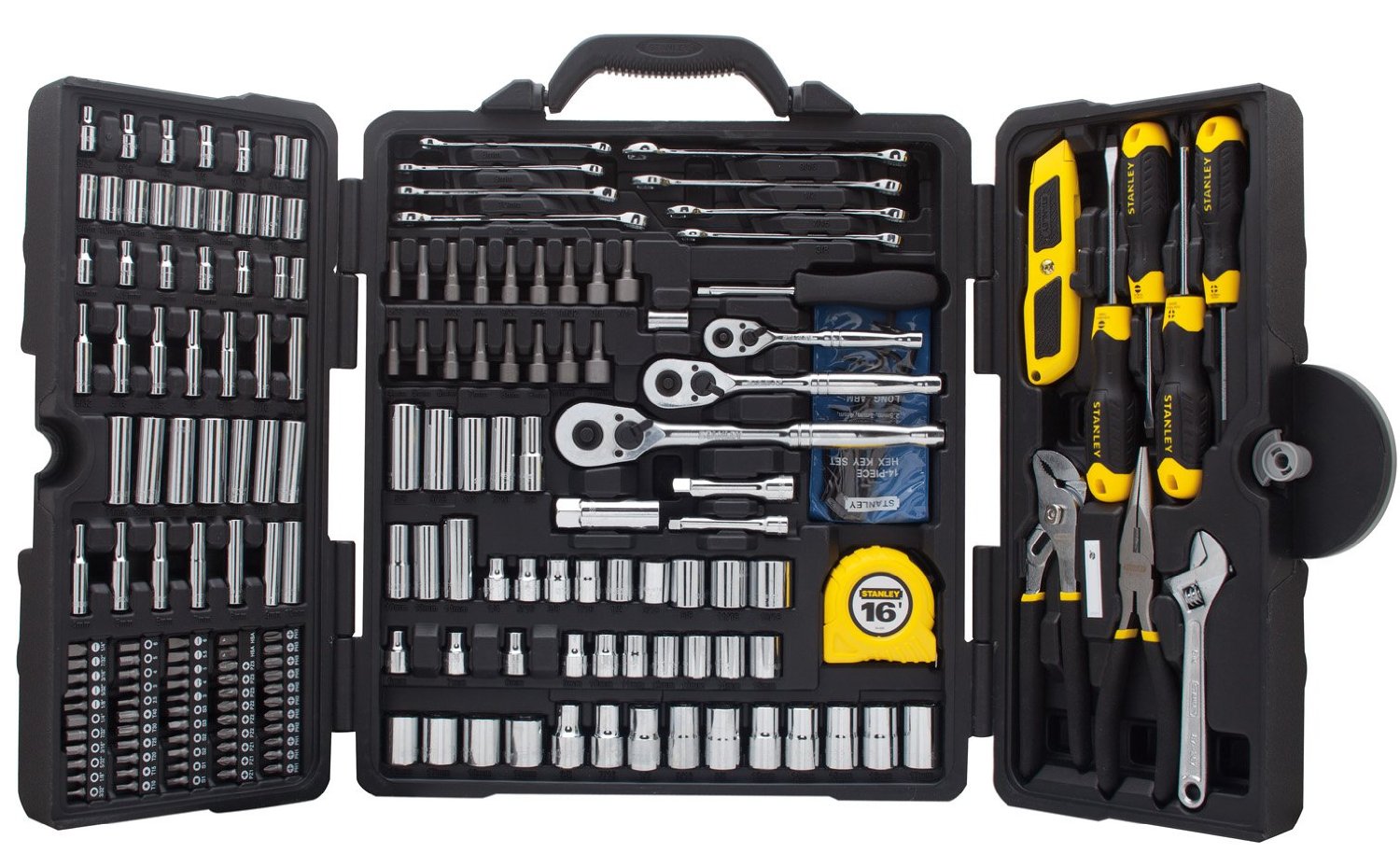
Plastic toolboxes are light and easy to carry. They work well for small sets and simple repairs. Metal toolboxes offer strong protection and last longer. They suit heavy tools and rough use. Rolling tool chests have wheels and many drawers. These are great for bigger collections and workshops. Wall-mounted racks keep tools visible and accessible. Ideal for garages or workbenches with limited floor space.
Organizing Tips
Sort tools by type or project use. Keep frequently used tools within easy reach. Use foam inserts or dividers to separate items inside boxes. Label drawers and compartments clearly. Clean tools before storing to prevent rust. Store sharp tools safely to avoid accidents. Regularly check and reorganize your storage to stay efficient.
Credit: www.walmart.com
Choosing Quality Tools
Choosing quality tools is key to building a reliable home tool kit. Good tools make tasks easier and last longer. Investing in quality tools saves money over time. Cheap tools break fast and can cause frustration. Select tools that feel solid and comfortable in your hand. Quality tools improve your confidence and results.
Brand Recommendations
Trusted brands offer consistent quality and warranties. Some popular brands include DeWalt, Stanley, and Craftsman. These brands provide good value for beginners. Avoid unknown brands with low prices. Check reviews to see real user experiences. Buying from a known brand often means better customer support.
Tool Material And Durability
Look for tools made from strong materials like steel or hardened alloy. Steel tools resist bending and breaking during use. Handles should be sturdy and provide a good grip. Plastic parts may wear out quickly. Durable tools maintain their shape and function over time. Proper materials increase safety and efficiency in your work.
Maintenance Tips
Maintaining your home tool kit extends the life of your tools. Simple care keeps tools ready for any task. Neglect causes rust, dullness, and damage. Follow these basic maintenance tips to protect your investment.
Cleaning Tools
Clean tools after every use. Remove dirt, grease, and dust with a dry cloth. For sticky grime, use mild soap and water. Dry tools completely to avoid rust. Avoid soaking wooden handles in water.
Proper Storage
Store tools in a dry place. Use a toolbox or pegboard for easy access. Keep tools organized to prevent damage. Avoid piling tools on top of each other. Check storage areas for moisture regularly.
Sharpening And Repairs
Keep blades sharp for safe and efficient use. Use a sharpening stone or file for knives and cutting tools. Check handles and joints for cracks or looseness. Tighten screws and replace worn parts promptly. Repair minor damage to avoid bigger problems.
Starter Projects To Practice
Starting with simple projects helps build your confidence with basic tools. These easy tasks teach you how to use your home tool kit effectively. They prepare you for more complex repairs later.
Hanging Shelves
Hanging shelves is a practical project for beginners. You learn to measure, drill, and use anchors. Shelves add storage and style to your home. This task improves your precision and tool handling skills.
Fixing Loose Fixtures
Loose fixtures like door handles or cabinet knobs are common issues. Tightening screws or replacing small parts is simple. This project teaches patience and the correct use of screwdrivers. It helps keep your home in good condition.
Basic Repairs
Basic repairs include patching small holes or fixing squeaky doors. These tasks require minimal tools but improve your problem-solving skills. Practicing basic repairs saves money and time. You gain confidence to tackle bigger jobs later.
Frequently Asked Questions
What Tools Are Essential For A Beginner Home Tool Kit?
A beginner home tool kit should include a hammer, screwdrivers (flathead and Phillips), adjustable wrench, tape measure, and pliers. These basics cover most simple home repairs and DIY projects efficiently and affordably.
How Do I Choose The Right Screwdriver For Home Use?
Choose a multi-bit screwdriver with flathead and Phillips bits for versatility. Quality materials and comfortable grips improve durability and ease of use for various household tasks.
Why Is A Tape Measure Important In A Home Tool Kit?
A tape measure ensures precise measurements for projects like hanging pictures or assembling furniture. Accurate sizing saves time and prevents costly mistakes in DIY tasks.
Can I Build A Home Tool Kit On A Budget?
Yes, start with essential tools and buy quality over quantity. Look for affordable starter kits or second-hand tools to save money without sacrificing reliability.
Conclusion
Building a basic home tool kit is simple and useful. Start with essential tools like screwdrivers, pliers, and a hammer. These tools help you fix small problems quickly. Having your own tools saves time and money. Practice using them safely and carefully.
Over time, add more tools as you learn new skills. A good tool kit gives you confidence to handle home tasks. Keep your tools organized and clean for best use. Enjoy fixing things around your home with ease.