How to Use Tool Bag: Ultimate Guide for Efficiency and Safety
Have you ever found yourself digging through a messy pile of tools, wasting precious time and energy? Your tool bag is more than just a carrier—it’s your secret weapon for staying organized, efficient, and ready for any job.
Knowing how to use your tool bag properly can save you frustration and boost your productivity, whether you’re a professional or a weekend DIYer. You’ll discover simple, practical tips to organize, pack, and maintain your tool bag so that every tool you need is right at your fingertips.
Ready to transform the way you work? Let’s dive in!

Credit: www.amazon.com
Choosing The Right Tool Bag
Keeping your tool bag organized helps you work faster and smarter. A neat tool bag saves time by making tools easy to find. It also protects your tools from damage and loss. Simple steps can turn a messy bag into a well-ordered kit.
Start by sorting your tools and using the bag’s design to your advantage. Proper organization makes your work smoother and more efficient.
Using Compartments And Pockets
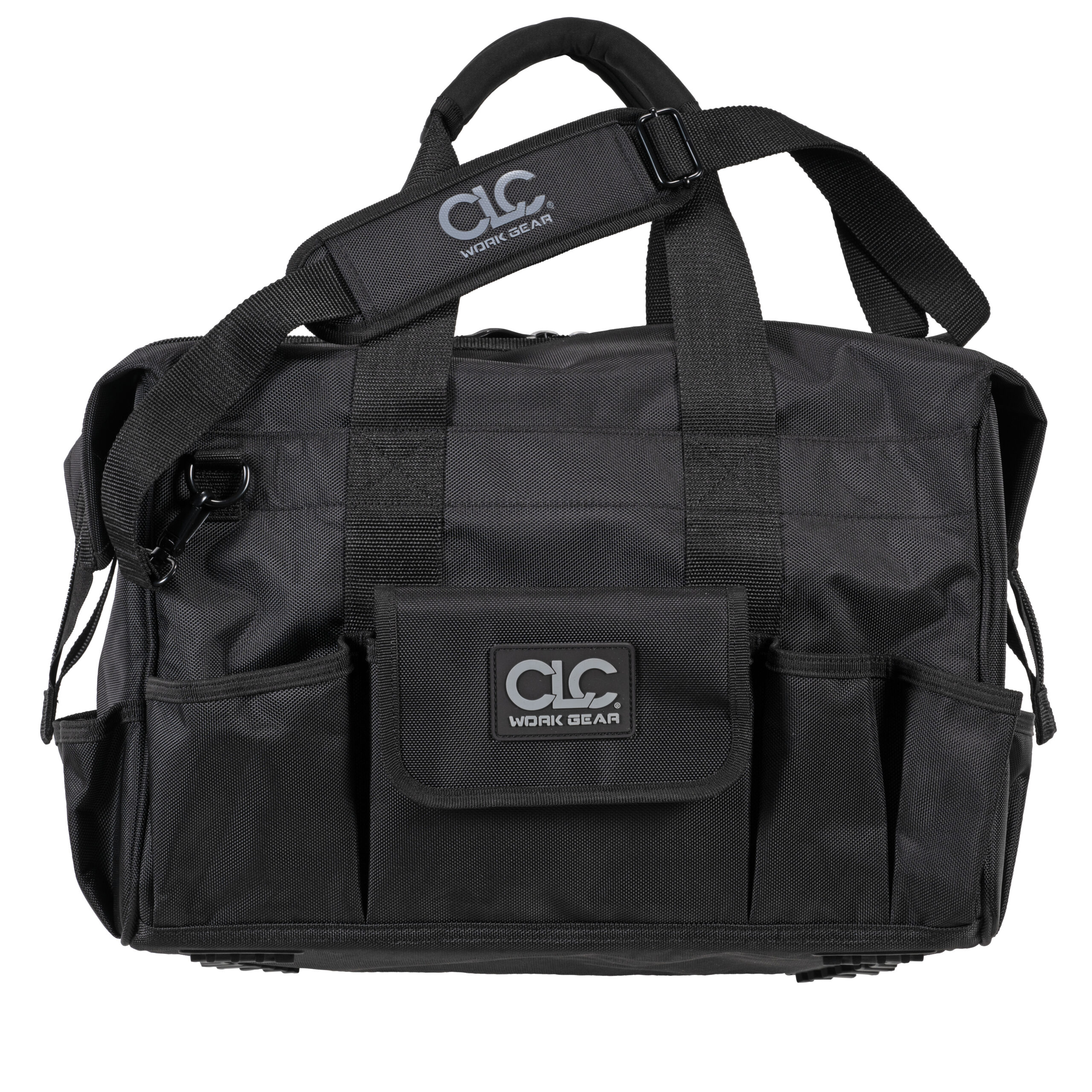
Tool bags often have many compartments and pockets. Use these spaces to separate different types of tools. Small pockets are perfect for screws, nails, or drill bits. Larger compartments hold bigger tools like hammers and saws.
Keep sharp tools in pockets that protect both the tools and your hands. Use mesh pockets for items you need to see quickly. This arrangement stops tools from clashing and breaking.
Tool Placement Strategies
Place the tools you use most often in the easiest-to-reach spots. Heavier tools should go near the bottom. This keeps the bag balanced and stable. Store delicate tools in padded areas to prevent damage.
Group similar tools together. For example, keep all screwdrivers in one section. This method saves time and avoids frustration during work.
Labeling And Accessibility
Label pockets or compartments to find tools quickly. Use simple tags or color-coded markers. This helps you grab the right tool without searching.
Arrange tools so you can access them without digging through the bag. Keep frequently used items at the top or front. This way, you stay efficient and focused on your task.

Credit: hultafors.com
Essential Tools To Include
Choosing between a tool bag and a toolbox depends on your work style and needs. Both store tools but serve different purposes. Understanding their differences helps you pick the right one. Below, we compare their portability, storage, and ideal uses.
Portability Differences
Tool bags are lightweight and easy to carry. They often have handles and shoulder straps. This makes moving around quick and simple. Toolboxes are heavier and bulkier. They usually have a hard shell for extra protection. Some have wheels, but they are less flexible to carry in tight spaces.
Storage And Organization
Tool bags have many pockets and compartments. These hold small tools and accessories neatly. Soft sides allow for flexible storage of odd-shaped items. Toolboxes have fixed compartments and trays. These keep tools separated and secure. The hard case protects tools from damage and dirt better.
When To Use Each
Use a tool bag for light jobs or when you need to move fast. Ideal for electricians, plumbers, or home DIY work. Toolboxes suit heavy-duty tasks or when tools need strong protection. Good for mechanics, carpenters, and outdoor work sites. Choose based on tool weight, job type, and how often you move.
Credit: goclc.com
Frequently Asked Questions
What Is A Toolbag Used For?
A toolbag stores and organizes tools for easy transport and quick access. It protects tools and boosts work efficiency.
What Tools Should Be In A Tool Bag?
A tool bag should include a hammer, screwdrivers, pliers, tape measure, utility knife, adjustable wrench, and a level for basic tasks.
Are Tool Pouches Worth It?
Tool pouches offer easy access and protect tools from damage. They improve organization and increase work efficiency, making them worth using.
What Is The Difference Between A Toolbag And A Toolbox?
A toolbag is a soft, flexible carrier with compartments for easy access. A toolbox is a rigid, durable container for heavy-duty protection and organization.
Conclusion
Using a tool bag keeps your tools safe and easy to carry. Organize tools by type or size for quick access. Choose a bag with enough pockets for better sorting. Regularly check and clean your tools to extend their life.
A well-packed tool bag saves time and reduces stress. Carrying tools becomes simpler and more efficient every day. Start using your tool bag to stay ready for any task.