Guide to Mini Power Tools: Ultimate Tips for Precision & Power
Looking for power tools that give you precision without the bulk? Mini power tools might be exactly what you need.
Whether you’re a DIY enthusiast, a hobbyist, or just tackling small projects around your home, these compact tools offer incredible control and versatility. In this guide, you’ll discover how mini power tools can make your work easier, save space, and deliver professional results every time.
Ready to unlock the full potential of these small but mighty tools? Keep reading to find out which ones suit your needs and how to get the best out of them.
Mini Power Tools Types
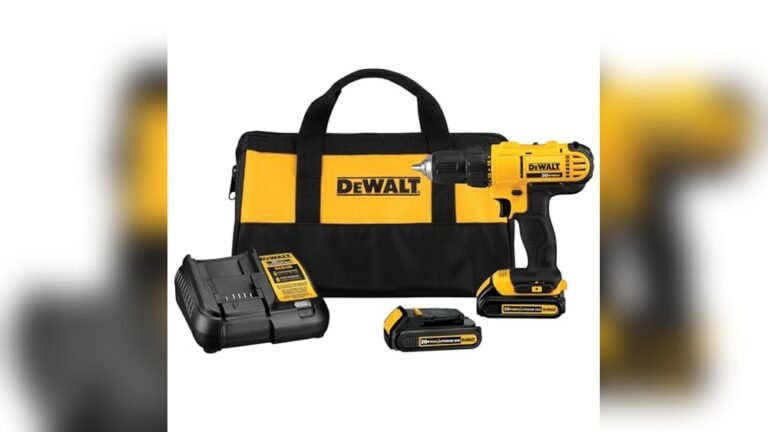
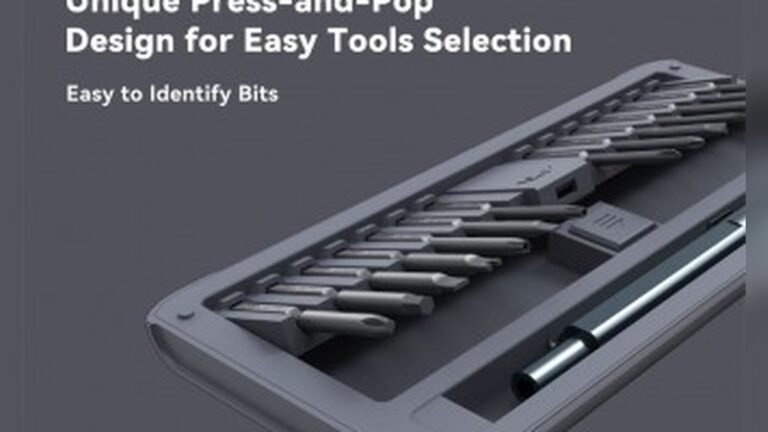
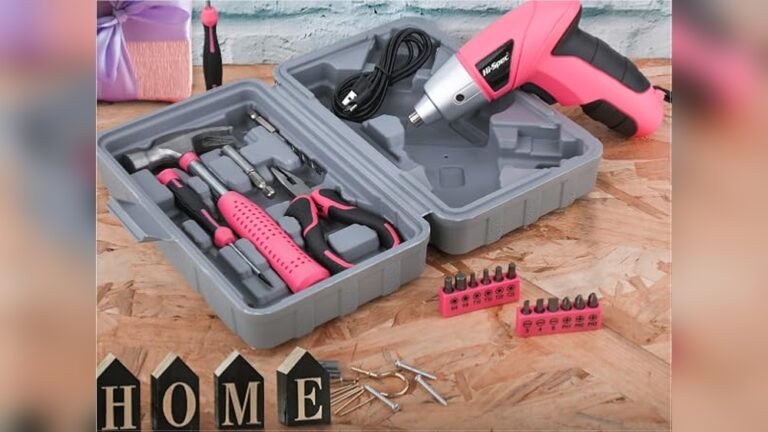
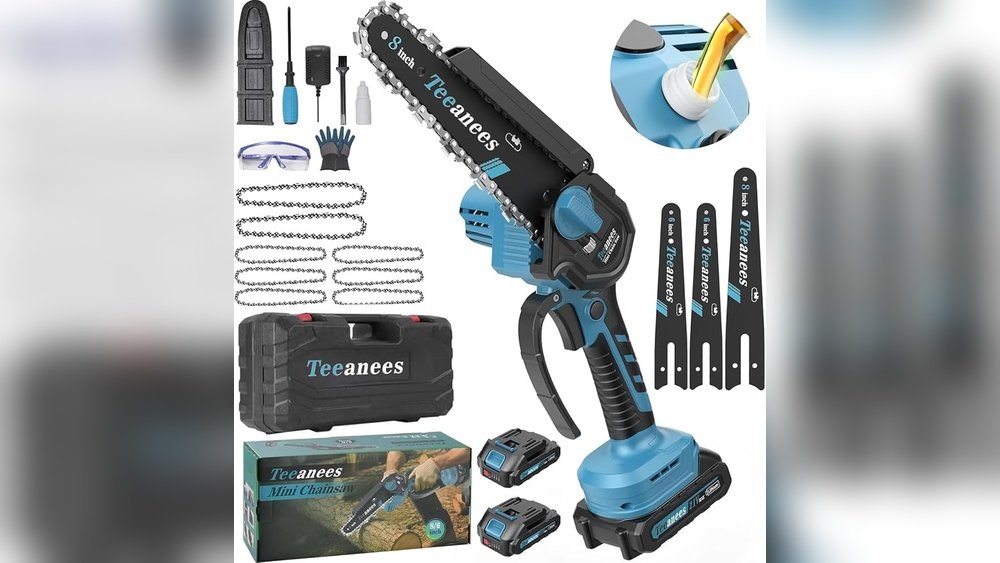
Mini power tools come in many types, each made for different jobs. Drills and drivers help with making holes and driving screws. They are small but strong. Saws and cutters are used to cut wood, plastic, or metal with precision. They make cutting easier and faster.
Grinders and sanders smooth rough edges and surfaces. They help in shaping and finishing materials. Engraving and carving tools create detailed designs on wood, metal, or plastic. These tools are perfect for small, fine work and crafts.

Credit: www.amazon.com
Choosing The Right Tool
Precision controls help you work accurately on small projects. They allow fine adjustments for detailed tasks. Variable speed settings give you the power to handle different materials safely. Low speeds work best for delicate jobs, while higher speeds cut through tough materials.
Ergonomic design means the tool fits well in your hand. This reduces fatigue and lets you work longer. Comfortable grips and balanced weight make the tool easier to use.
Accessory compatibility lets you switch bits and attachments easily. This adds to the tool’s versatility. Look for models that support many accessories to get more done with one tool.
Essential Features To Look For
Hold mini tools firmly to avoid slips. Use both hands if possible. Keep fingers away from moving parts. Never touch blades or bits while tools run.
Wear safety glasses to protect eyes from dust and debris. Use ear protection if tools make loud noise. Gloves can protect your hands but avoid loose ones that catch parts.
| Maintenance Task | What to Check |
|---|---|
| Clean after use | Remove dust and dirt to keep tools working well |
| Inspect parts | Look for cracks, loose screws, or worn parts |
| Lubricate moving parts | Use oil to reduce friction and wear |
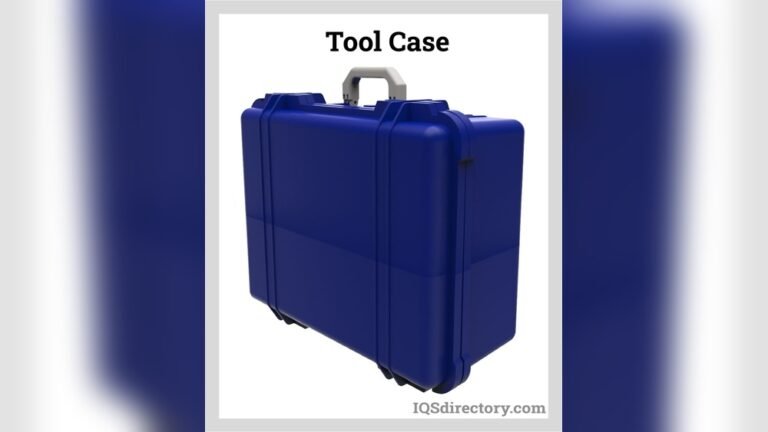
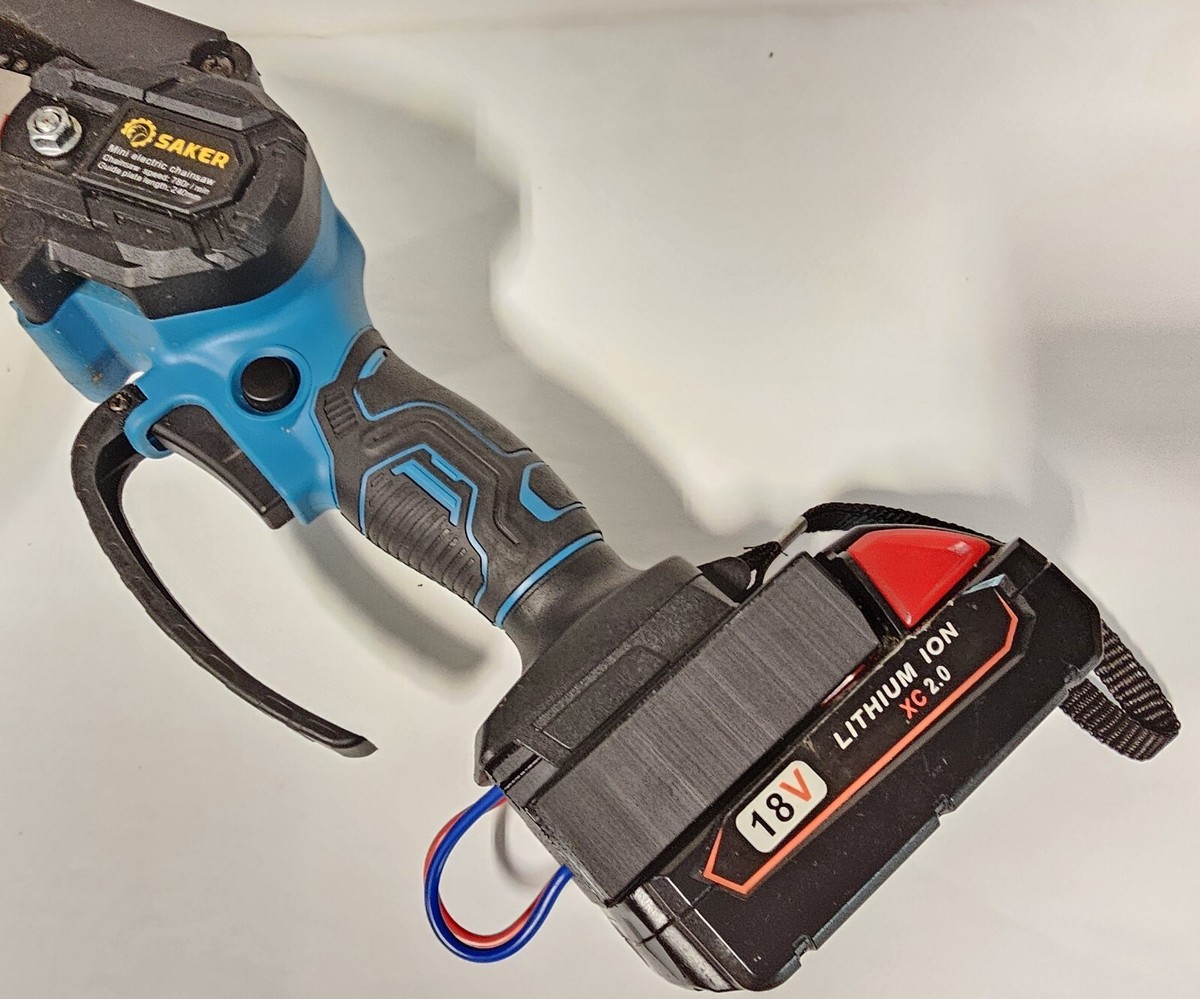
Store tools in dry places to avoid rust. Keep them in boxes or cases. Make sure they are out of children’s reach. Organize tools to prevent damage and easy access.
Credit: www.ebay.com
Safety Tips For Mini Tools
Cleaning mini power tools after use keeps them working well. Use a soft brush or cloth to remove dust and debris. Avoid using water directly on electric parts to prevent damage.
Lubricate moving parts regularly with a light oil. This reduces friction and extends tool life. Be sure not to over-lubricate; a small amount works best.
Check parts often for wear or damage. Replace worn parts quickly to keep tools safe and efficient. Follow the manufacturer’s instructions for replacement parts.
| Battery Care Tips |
|---|
| Charge batteries fully before first use |
| Store batteries in a cool, dry place |
| Do not let batteries fully drain |
| Remove batteries if tools won’t be used for a long time |

Credit: www.greggio.com
Frequently Asked Questions
What Are Mini Power Tools Used For?
Mini power tools are perfect for detailed tasks like drilling, carving, sanding, and cutting small materials. They excel in crafts, model making, and intricate woodworking projects where precision matters.
How Do Mini Power Tools Differ From Regular Tools?
Mini power tools are compact, lightweight, and designed for fine, detailed work. They offer easier control in tight spaces, unlike larger tools built for heavy-duty or large-scale tasks.
Which Mini Power Tools Are Best For Beginners?
Cordless drills, rotary tools, and mini saws are ideal for beginners. These tools are easy to handle, versatile, and great for starting small home or craft projects safely.
Can Mini Power Tools Handle Heavy-duty Projects?
Mini power tools are not designed for heavy-duty tasks. They work best on light to medium projects requiring precision rather than power or extended use.
Conclusion
Mini power tools offer great convenience and precision for small projects. They fit easily in tight spaces and reduce user fatigue. Choosing the right tool depends on your specific task and skill level. Regular maintenance keeps your tools working smoothly and safely.
With the right mini power tools, you can complete detailed work faster and with less effort. Keep exploring different tools to find what suits your needs best. Enjoy the ease and control that mini power tools bring to your work.