Safety Tips for Tool Bag: Essential Hacks for Secure Handling
Your tool bag is more than just a container—it’s your partner in every project, big or small. But have you ever stopped to think about how safely you’re handling and organizing your tools?
One small mistake can lead to injury or damage, turning a simple task into a dangerous situation. You’ll discover practical safety tips that protect you and your tools. From choosing the right gear to smart storage habits, these easy steps will keep your work smooth and accident-free.
Keep reading to make your tool bag a true safety zone!
Tool Maintenance
Inspect tools regularly for cracks, rust, or wear. This helps find problems early. Replace or repair any tool that looks damaged. Using damaged tools can cause accidents or injuries. Always check blades, handles, and moving parts for safety.
Never use tools that are broken or do not work right. They can slip or break during use. This puts you and others at risk. Keep tools clean and dry to avoid rust and damage. Store them properly in your tool bag.
Follow manufacturer guidelines for each tool. These instructions explain how to use and care for tools safely. Read manuals and labels carefully. Use the right tool for each job to avoid damage and accidents.
Proper Tool Selection
Choosing the right tool for each job is very important. Using a tool for the wrong task can cause damage or injury. Always check the tool’s purpose before starting work.
Tools should only be used as their design intended. For example, do not use a screwdriver as a chisel. This can break the tool or hurt you.
Regularly inspect tools for damage. Broken or worn tools are unsafe and should be repaired or replaced. Using damaged tools increases risk of accidents.
Safe Handling Practices
Always hold your tool bag with a secure grip to avoid dropping tools. Place your feet firmly on the ground or ladder steps to keep steady footing. This reduces the chance of slips and falls.
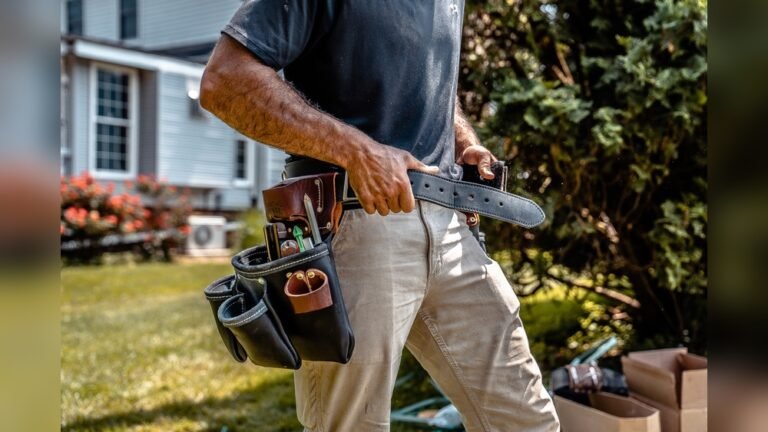
Carry tools carefully by placing them inside your tool bag, not in your hands. This keeps your hands free for balance and prevents accidents.
Never carry tools while climbing ladders. Use a hoist or a tool bag designed for ladder use. This keeps both hands free and makes climbing safer.
Personal Protective Equipment
Wear appropriate PPE such as gloves, safety glasses, and helmets to protect yourself. These items help prevent injuries from sharp or flying objects.
Avoid loose clothing and jewelry. They can get caught in tools, causing accidents. Keep sleeves tight and remove rings, necklaces, and bracelets before working.
Choose comfortable and fitted clothing to move freely. This reduces the risk of tripping or snagging on equipment. Always check your gear before starting any job.
Organizing The Tool Bag
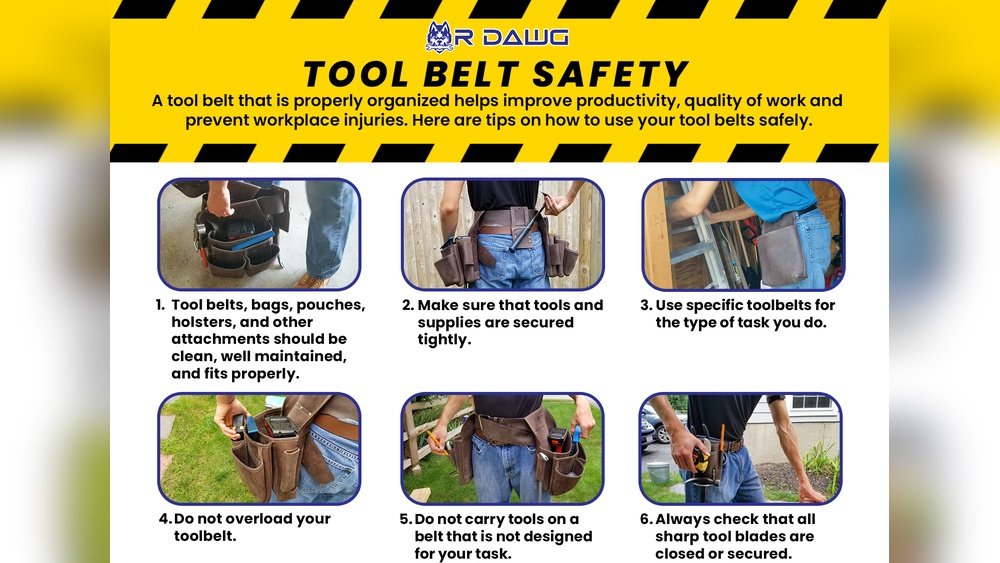
A clean workspace helps prevent accidents and injuries. Remove scraps, spills, and clutter often. Tools and materials should be organized and stored properly. A tidy area lets you work faster and safer.
Report hazards immediately to avoid harm. Broken tools, slippery floors, or exposed wires can cause serious problems. Tell a supervisor or safety officer right away. Quick action keeps everyone safe.

Credit: www.growliketree.com
Work Area Safety
Always handle power tools with care. Keep your hands dry and clean to avoid slipping. Use tools only for their intended purpose. Before starting, check tools for any damage or wear. Unplug or switch off tools when not in use to prevent accidents.
Never leave power tools running unattended. Store tools safely in your bag after use. Make sure the bag is sturdy and keeps tools organized. This reduces the risk of accidental cuts or shocks. Wearing gloves can protect your hands while handling tools. Stay alert and focused to work safely.
Power Tool Safety
Staying informed about tool safety helps prevent accidents. Regular training sessions teach workers how to handle tools properly. Safety rules must be clear and easy to follow for everyone.
Encourage a safety culture at the workplace. Talk about safety often and reward safe behavior. Share safety tips and updates with all team members. This keeps safety on top of everyone’s mind.
Use simple reminders like signs and checklists to keep safety fresh. Make sure everyone knows the correct use of each tool. Being aware helps reduce risks and injuries.
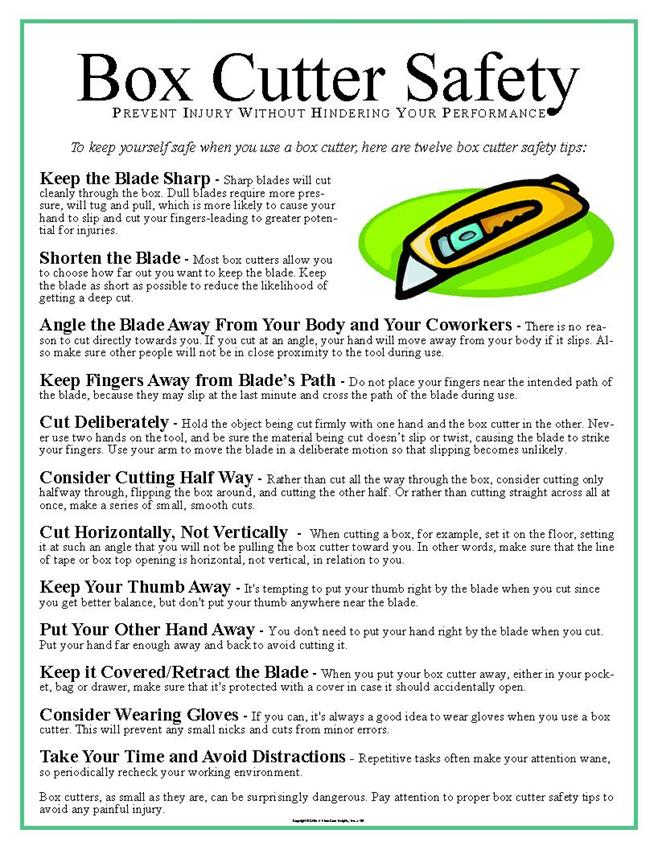
Credit: www.eaposters.com
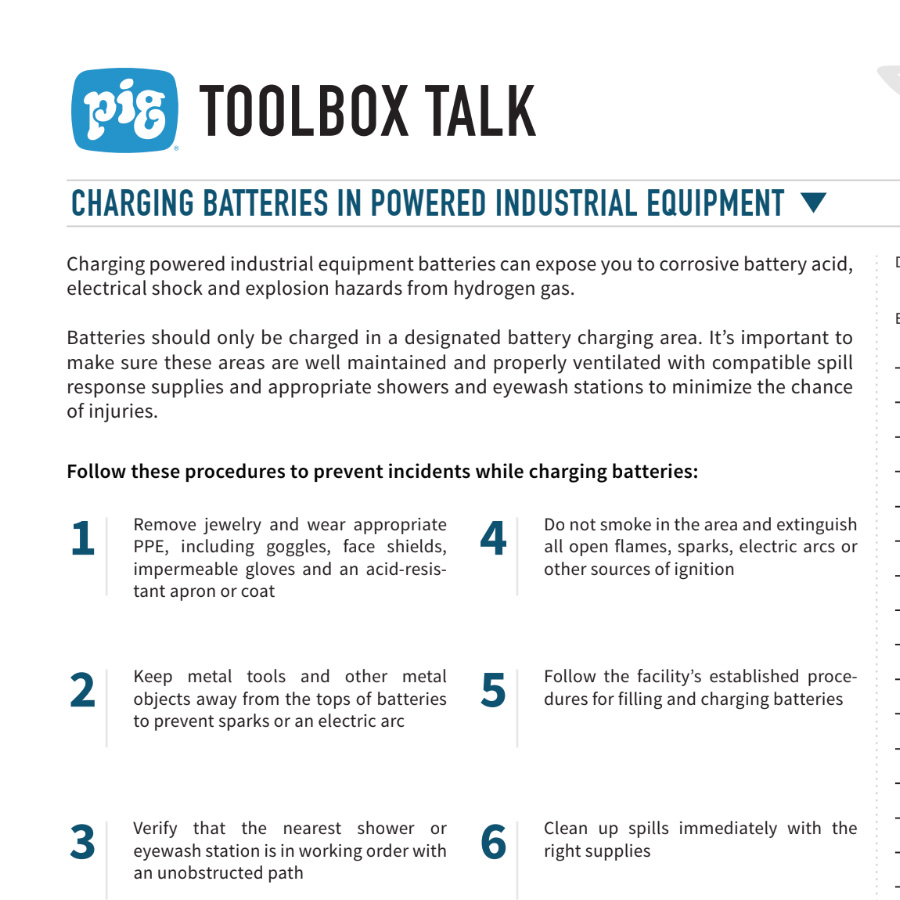
Credit: www.newpig.com
Frequently Asked Questions
What Are The 5 Tips For Safe Handling Of Tools?
1. Keep tools clean and well-maintained to prevent malfunctions. 2. Always choose the right tool for each task. 3. Inspect tools for damage before use and discard faulty ones. 4. Wear appropriate personal protective equipment during tool use. 5. Store tools properly and keep your workspace organized.
What Are The 7 Safety Tips?
1. Always wear proper personal protective equipment (PPE). 2. Use the right tool for each job. 3. Inspect tools regularly for damage. 4. Keep your workspace clean and organized. 5. Follow manufacturer’s instructions carefully. 6. Turn off tools immediately after use.
7. Avoid carrying tools while climbing ladders.
What Are 10 Safety Tips?
1. Wear appropriate personal protective equipment (PPE). 2. Use the right tool for each task. 3. Inspect tools regularly for damage. 4. Maintain a clean and organized workspace. 5. Follow manufacturer instructions carefully. 6. Keep tools in good condition. 7.
Store tools securely when not in use. 8. Avoid carrying tools while climbing ladders. 9. Cut away from your body. 10. Report hazards immediately.
What Are Seven Safety Tips For Tool Use?
1. Wear proper personal protective equipment (PPE). 2. Use the right tool for each job. 3. Inspect tools regularly for damage. 4. Keep your workspace clean and organized. 5. Follow manufacturer’s instructions carefully. 6. Turn off and store tools after use.
7. Avoid carrying tools while climbing ladders.
Conclusion
Keeping your tool bag organized helps prevent accidents and saves time. Always inspect tools before use to avoid injuries. Wear proper protective gear to stay safe on every job. Store tools correctly to maintain their condition and reliability. Follow safety steps each time to protect yourself and others.
Safety is simple with good habits and careful attention. Stay alert and respect your tools to work confidently and safely.