Common Mistakes With Mini Power Tools: Avoid These Costly Errors
Are you confident when using your mini power tools, or do you sometimes struggle with unexpected problems? Many people unknowingly make common mistakes that slow down their work, damage their tools, or even cause injuries.
Whether you’re a beginner or have some experience, understanding these pitfalls can save you time, money, and frustration. You’ll discover the most frequent errors people make with mini power tools—and how you can avoid them to work smarter, safer, and more efficiently.
Keep reading to protect your tools and yourself while getting the best results from every project.
Tool Selection Errors
Choosing inappropriate tools leads to poor results and tool damage. Mini power tools are made for small, light jobs only. Using them for big tasks can cause overheating and breakage. Each tool has specifications like power, speed, and size. Ignoring these can cause unsafe use and waste time.
Ignoring tool specifications means the tool may not fit the job. This can cause stripped screws, rough cuts, or slow progress. Always check the tool’s limits before use. Using a mini tool for heavy work risks motor burnout and binding. This harms the tool and the project.
| Mistake | Effect |
|---|---|
| Choosing Inappropriate Tools | Poor results, tool damage, unsafe use |
| Ignoring Tool Specifications | Stripped screws, rough cuts, slow progress |
| Using Mini Tools for Heavy-Duty Tasks | Overheating, motor burnout, binding |
Safety Oversights
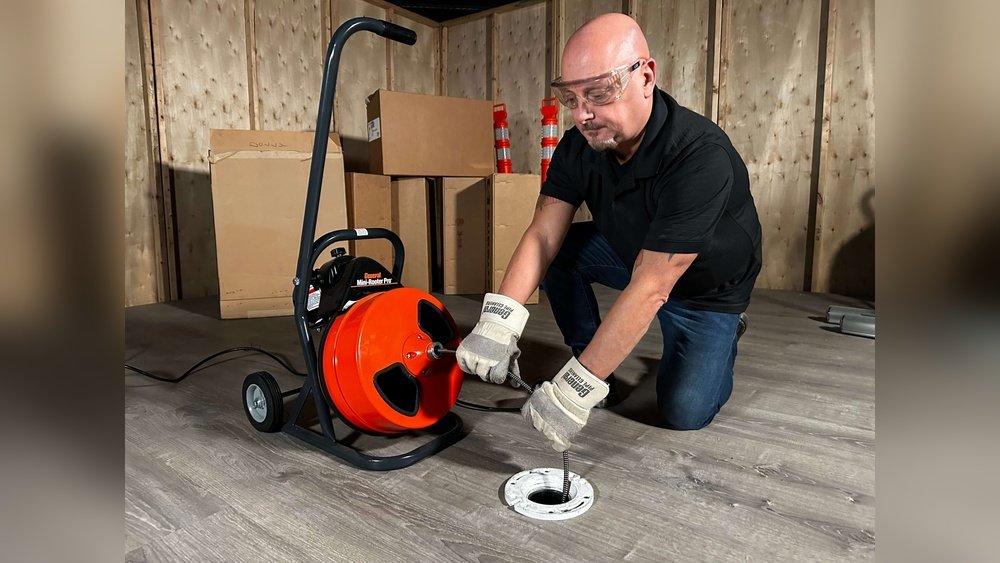
Skipping safety gear is a common mistake with mini power tools. Protective eyewear keeps dust and debris out of your eyes. Without it, serious eye injuries can happen. Wearing gloves helps protect hands from cuts and scrapes. Gloves also improve grip, reducing accidents.
Ignoring hearing protection can cause long-term damage. Mini power tools can be loud, and constant noise harms hearing. Using earplugs or earmuffs keeps your ears safe. It is a simple step that protects against hearing loss.
Always wear appropriate safety gear before starting any project. This small effort keeps you safe and comfortable while working.
Improper Tool Handling
Incorrect grip and posture cause loss of control and fatigue. Holding the tool too tightly or at the wrong angle leads to poor results and accidents. Stand with feet shoulder-width apart for balance. Keep your back straight and arms relaxed to reduce strain.
Forcing the tool can damage both the tool and the workpiece. Let the tool do the work. Pressing too hard may cause the motor to overheat or blades to break. Slow and steady pressure works best for safety and accuracy.
Not securing the workpiece is risky. The piece can move or slip, causing injury or mistakes. Use clamps or a vise to hold materials firmly. This keeps hands free and tools steady during use.
Maintenance Mistakes
Skipping regular cleaning causes dust and debris buildup. This can block vents and reduce tool performance. Dirt inside tools leads to overheating and faster wear.
Ignoring lubrication needs makes moving parts stiff. This increases friction and wears out parts quickly. Proper lubrication keeps tools running smoothly and extends their life.
Failing to inspect for damage lets small problems grow. Cracks or loose parts can cause accidents or tool failure. Checking tools often helps catch issues early and keeps users safe.
Operational Errors
Overheating the motor happens when the tool runs too long without breaks. This causes the motor to get very hot and can damage the tool.
Using dull or damaged accessories makes the tool work harder. This leads to poor results and can also hurt the tool’s motor and parts.
Applying excessive pressure slows down the tool and can cause it to stop working. Let the tool do the work by using steady, light pressure.

Credit: www.walmart.com
Ignoring Manufacturer Guidelines
Skipping the user manual leads to many problems. Manuals have important safety tips and instructions. Missing these can cause tool damage or injury. Always read the manual before use.
Overlooking recommended usage limits can shorten tool life. Using tools for too long causes overheating and motor damage. Follow the limits to keep tools working well.
Neglecting battery care for cordless tools reduces battery life. Avoid letting batteries fully drain or stay unused for long. Charge batteries properly and store them in a cool, dry place.
Storage And Transport Flaws
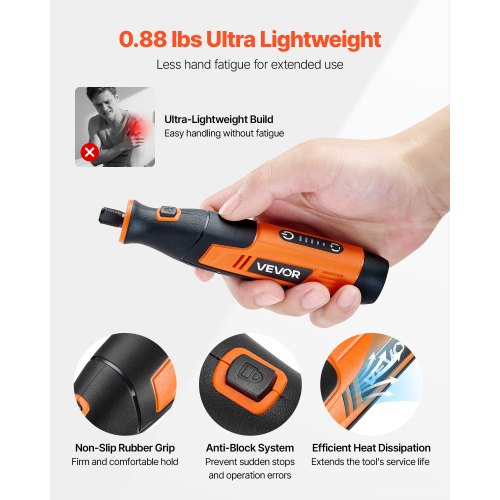
Mini power tools need safe storage to stay in good shape. Storing tools in damp or dusty places can cause rust and damage. Dust can clog parts and stop tools from working properly. Dampness leads to corrosion which shortens tool life.
Protecting tools during transport is very important. Use padded cases or boxes to avoid drops and bumps. Loose tools can get scratched or broken inside vehicles or bags. Carry tools carefully to keep them safe and ready to use.
| Storage Mistakes | Problems Caused |
|---|---|
| Leaving tools in damp areas | Rust and corrosion |
| Storing in dusty places | Clogged parts, poor performance |
| Failing to protect during transport | Scratches, broken tools |
Credit: www.vevor.com
Common Injury Risks
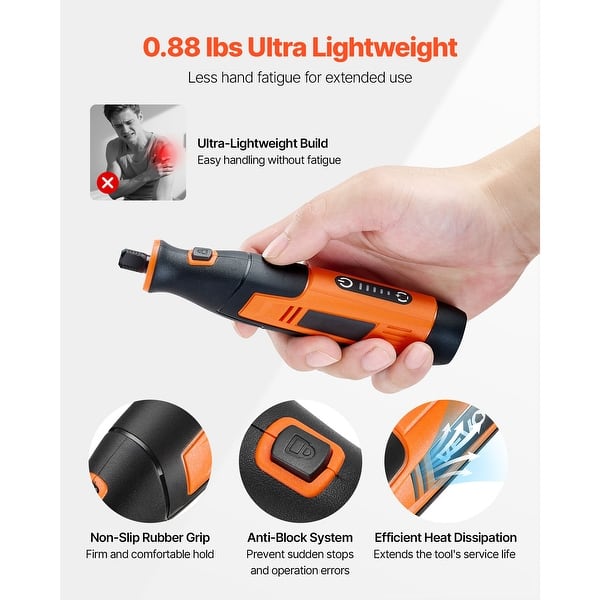
Electric shock can happen if tools have damaged cords or exposed wires. Always check cords before use. Wet hands or wet work areas increase shock risks. Cuts and amputations are common with mini power tools. Blades and bits spin fast and can catch skin or clothing. Using tools without guards or safety gear raises danger. Ergonomic strain comes from holding tools too long or using wrong postures. Fatigue causes loss of control and accidents. Take breaks often and keep a firm grip. Use tools designed for your hand size and strength. Safety gear like gloves and eye protection reduce injury risks. Always follow instructions to stay safe.
Credit: www.bedbathandbeyond.com
Frequently Asked Questions
What Are The Five Basic Safety Rules For Power Tools?
The five basic safety rules for power tools are: wear protective gear, inspect tools before use, use the right tool, secure the workpiece, and follow the manual instructions.
What Is The Most Reliable Brand Of Power Tools?
DeWalt, Makita, and Milwaukee rank as the most reliable power tool brands. They offer durability, performance, and extensive warranties.
What Are 5 Risks Associated With Power Tools?
Five risks of power tools include electric shock, cuts or amputations, eye injuries, hearing loss, and tool kickback causing loss of control.
What Should You Avoid When Using Power Tools?
Avoid neglecting safety gear, using the wrong tool, skipping manuals, ignoring tool checks, and failing to secure the workpiece.
Conclusion
Avoiding common mistakes with mini power tools improves safety and results. Always wear proper safety gear to protect yourself. Choose the right tool for each task carefully. Check tools before use to ensure they work well. Secure your workpiece firmly to prevent accidents.
Follow instructions and take your time when working. Clean and store tools properly after use. Small habits like these keep projects smooth and safe. Stay alert and respect the tool’s power every time. Safety and care lead to better, longer-lasting results.