Are you ready to take control of your DIY projects or tackle those home repairs with confidence? The first step is having the right tool bag that keeps your essential tools organized, protected, and easy to carry.
But with so many options out there, how do you choose the perfect one for your needs? This beginner guide to tool bags will help you understand what to look for, which tools to include, and how to stay prepared for any task.
By the end, you’ll feel equipped and ready to build your own reliable tool bag that makes every job simpler and more efficient. Let’s dive in and get your tool collection organized the smart way!

Credit: www.youtube.com
Choosing The Right Tool Bag
Choose a tool bag with the right size and capacity for your needs. A small bag fits basic tools. Bigger bags hold many tools for larger jobs.
Pick durable material like heavy-duty nylon or leather. This keeps your tools safe and the bag long-lasting. Check for strong stitching and water resistance.
Look for comfortable handles and straps. Padded straps make carrying easier. Some bags have both shoulder straps and handles for different uses.
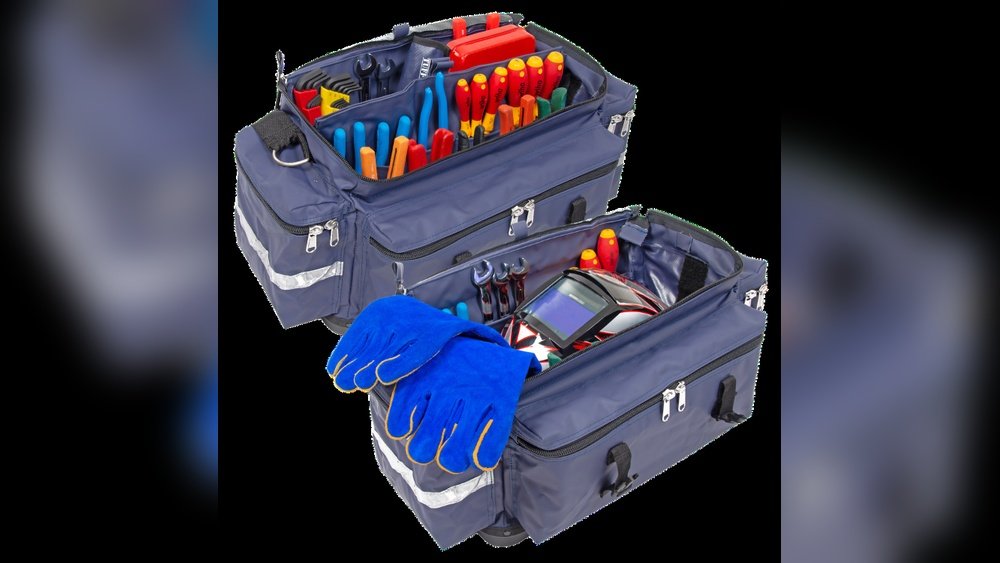
Good compartments and organization help find tools fast. Multiple pockets and dividers keep things neat. Clear separation stops tools from getting tangled.
Essential Tools For Beginners
Hand tools are the basics every DIYer needs. Start with measuring and marking tools like a tape measure, a pencil, and a square. These help you get accurate measurements and mark cuts clearly.
Cutting tools include a handsaw, utility knife, and scissors. They let you cut wood, cardboard, and other materials easily and safely. Sharp blades make work faster and neater.
Fastening tools are essential to join parts together. Get a hammer, screwdriver set, and pliers. These tools help you drive nails, tighten screws, and hold objects firmly.
Organizing Your Tool Bag
Sort tools by their task to keep your bag neat. Group similar tools together, like screwdrivers in one section and pliers in another. This method helps you find tools quickly and saves time during work.
Use pouches and dividers inside the bag to create separate spaces. Small pouches can hold nails, screws, or drill bits. Dividers stop tools from moving around and getting damaged.
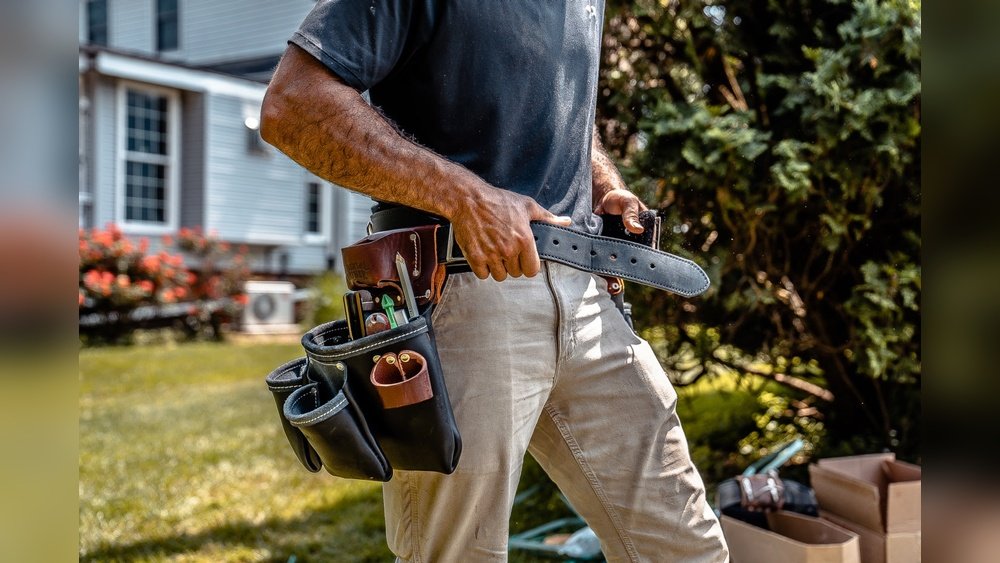
Keep the most-used tools easy to reach. Place them in the front pockets or on top. This way, you won’t have to dig through the bag for a hammer or tape measure.
Maintaining Your Tools And Bag
Keep your tool bag and tools clean to last longer. Wipe tools after use to remove dirt and grease. Use a soft cloth and mild soap for the bag’s surface. Check tools often for rust, wear, or damage. Replace any broken or dull tools to stay safe and work well.
Store your tool bag in a dry, cool place. Avoid damp areas that can cause rust or mold. Keep the bag zipped or closed to stop dust from getting inside. Organize tools inside to find them quickly and protect them from scratches.
Budget-friendly Buying Tips
Start by choosing essential tools that fit most tasks. Common must-haves include a hammer, screwdriver set, tape measure, and pliers. These tools cover many basic jobs.
Focus on affordable brands known for good quality. Brands like Stanley, Craftsman, and Husky offer reliable tools without high prices. Check for sales or combo packs to save money.
Avoid buying too many tools at once. This leads to clutter and wasted money. Buy tools step-by-step as needs arise. Also, don’t pick tools with poor reviews or flimsy build.
Check tool bags for durability and size. Bags with multiple compartments help keep tools organized. Lightweight bags are easier to carry around.
Upgrading Your Tool Collection
Power tools are useful when basic tools can't do the job. Adding them depends on your projects' needs and skill level. Start with simple power tools like a drill or a jigsaw for more efficiency.
Specialized tools help with specific tasks. For example, a pipe wrench is good for plumbing, and a stud finder helps with wall projects. Choose tools that match the types of work you do most.
| Tool Bag Capacity | What to Consider |
|---|---|
| Small | Fits basic hand tools, easy to carry |
| Medium | Holds hand tools and a few power tools |
| Large | Stores many tools, best for big projects |
Expanding bag size helps keep tools organized and ready. Choose a bag that fits your current tools and leaves space for new ones.
Safety Tips For New Diyers
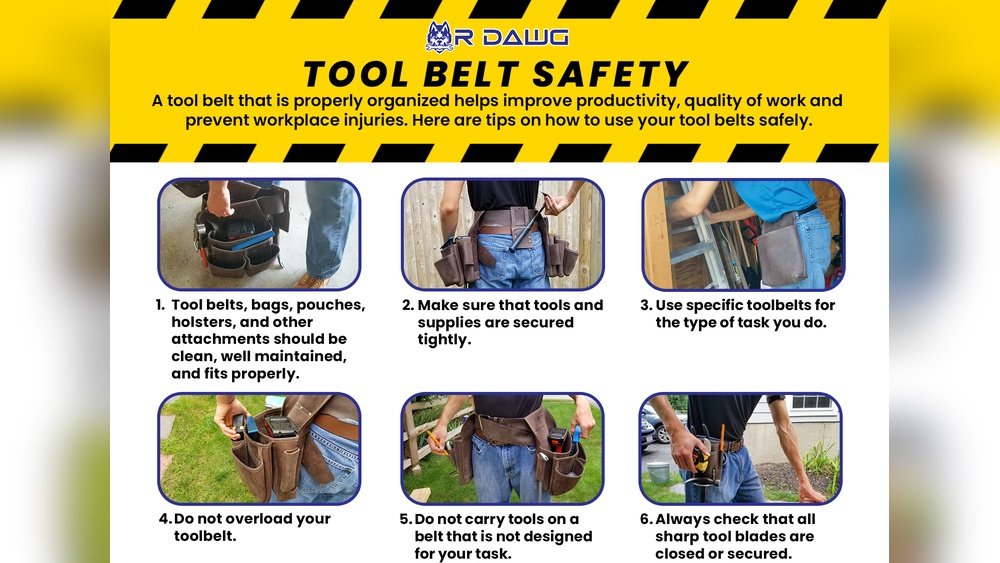
Using tools correctly keeps you safe and helps work go smoothly. Always hold tools firmly and use them for their right purpose. Avoid forcing tools or using damaged ones. Read instructions before starting any new tool.
Wearing protective gear is a must. Gloves protect your hands from cuts and scrapes. Safety glasses shield your eyes from flying debris. Ear protection guards your hearing when working with loud tools. A dust mask helps when sanding or cutting materials.
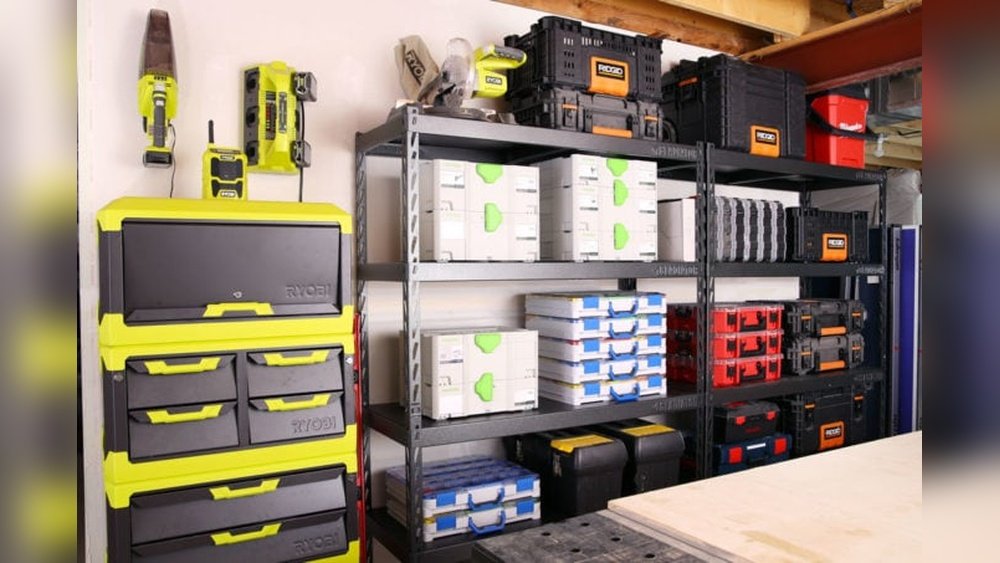
Safe tool storage stops accidents and saves time. Store sharp tools with covers or in cases. Keep tools in a dry place to avoid rust. Organize your bag so tools don’t fall out or get lost. Always put tools back after use to keep the area tidy.

Credit: thestonetrust.org

Credit: www.amazon.com
Frequently Asked Questions
What Is A Tool Bag And Why Is It Important?
A tool bag is a portable organizer for storing and carrying tools. It keeps tools accessible and protected, making tasks easier and more efficient. For beginners, a tool bag helps maintain order and ensures you have essential tools on hand.
How Do I Choose The Right Tool Bag Size?
Choose a tool bag size based on the number and size of tools you own. For beginners, a medium-sized bag offers enough space without being bulky. Consider your typical projects and portability needs when selecting the size.
What Essential Tools Should Be In A Beginner’s Tool Bag?
Start with basic hand tools like a hammer, screwdrivers, pliers, tape measure, and utility knife. These cover most DIY tasks. Add tools gradually as your skills and projects grow, keeping your bag organized and manageable.
How Can I Maintain And Organize My Tool Bag Effectively?
Regularly clean your tool bag and remove unused tools. Use compartments or pouches to separate different tools. Keeping your bag organized saves time and protects tools from damage, ensuring they last longer.
Conclusion
Choosing the right tool bag makes your work easier and more organized. Start with essential tools that match your projects. A good bag keeps tools safe and easy to carry. Remember to pick one that fits your needs and budget.
Keep your tool bag tidy for quick access every time. With the right setup, you will feel more confident tackling tasks. Enjoy building your skills with the perfect tool bag by your side.