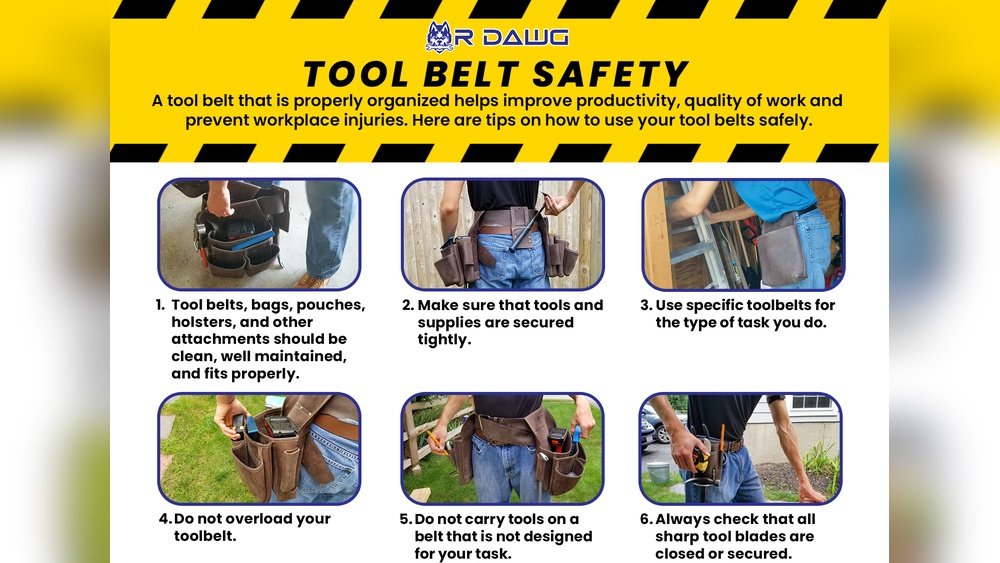
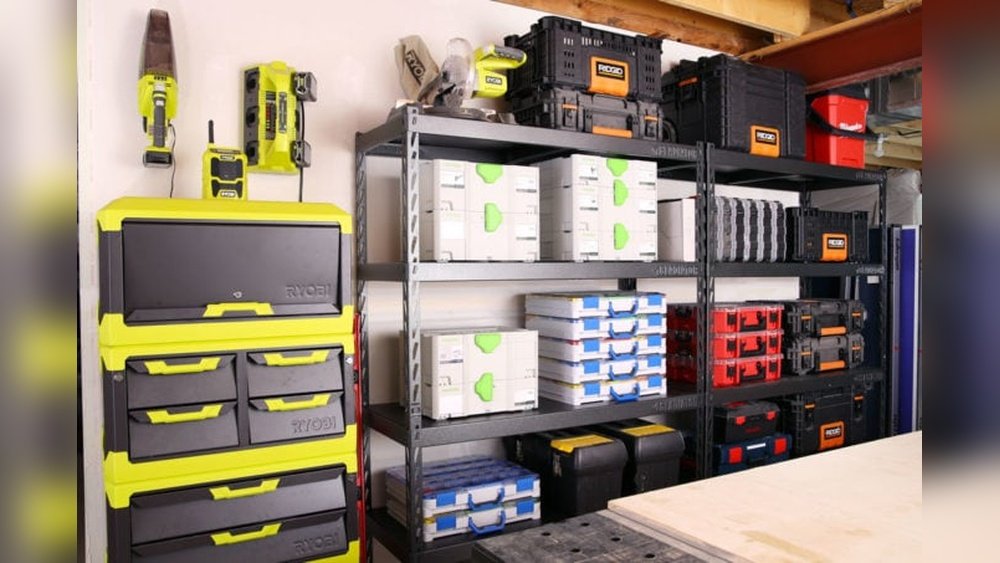
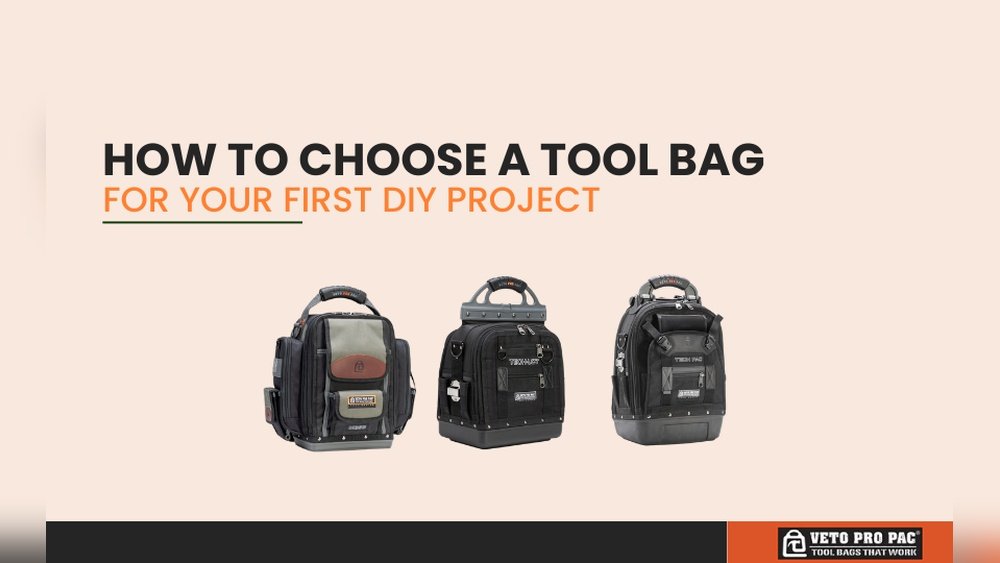
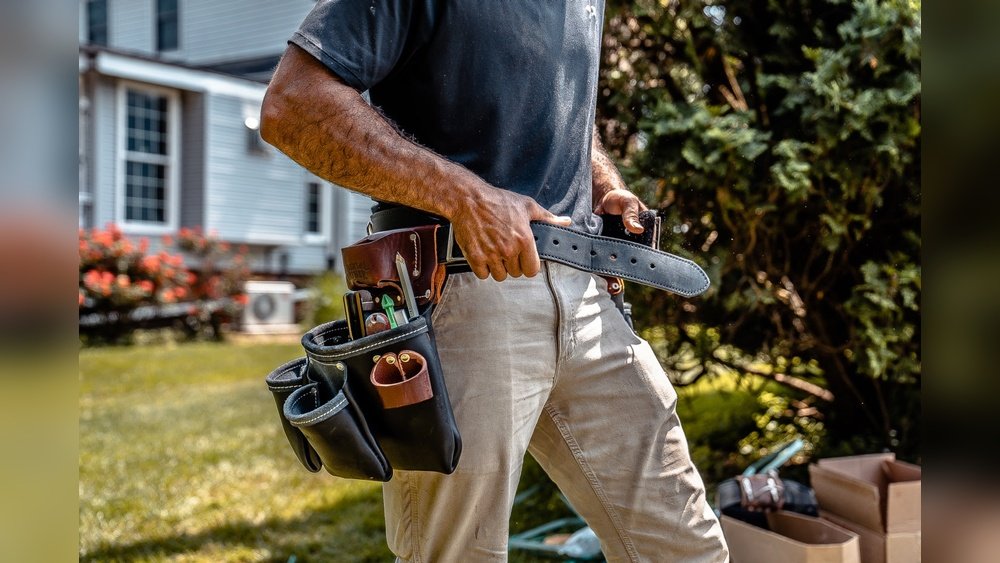
Your tool bag is more than just a container for your gear, it’s the heart of your workday. If you want your tools to be ready, reliable, and easy to find every time, keeping your tool bag in top shape is a must.
But how exactly do you maintain it so it lasts longer and stays organized? You’ll discover simple, practical steps to clean, organize, and care for your tool bag. Follow these tips, and you’ll save time, protect your tools, and keep your work flowing smoothly.
Ready to make your tool bag work smarter for you? Let’s dive in!
Choosing Durable Tool Bags
Choosing a durable tool bag starts with picking the right materials. Look for heavy-duty fabrics like nylon or canvas. These materials resist tears and last longer. Leather is also strong but needs regular care to stay flexible.
Design features matter too. Bags with strong zippers and reinforced stitching hold up better. Multiple compartments help keep tools organized and easy to find. Padded handles and straps make carrying more comfortable.
| Material | Benefits | Care Tips |
|---|---|---|
| Nylon | Lightweight, water-resistant, durable | Wipe clean, avoid sharp objects |
| Canvas | Strong, breathable, easy to repair | Spot clean, store dry |
| Leather | Very durable, stylish, ages well | Use leather conditioner, avoid water |
Daily Cleaning Habits
Start by emptying your tool bag completely. Sort tools by type and size to keep things organized. This helps you find tools faster and keeps the bag tidy.
Use a soft cloth to wipe both inside and outside of the bag. Remove dust, dirt, and small debris. Cleaning the interior prevents tools from getting scratched or damaged.
For tough spots, use a mild soap solution but avoid soaking the bag. Dry it fully before putting tools back in. This keeps the bag fresh and prevents mold or bad smells.
Deep Cleaning Techniques
Hand washing a tool bag requires mild soap and warm water. Use a soft brush to gently scrub dirty spots. Avoid harsh chemicals that can damage fabric. For spot cleaning, dab with a damp cloth and mild detergent. Let the bag air dry completely before use.
Machine washing is possible if the bag’s label permits it. Use a gentle cycle with cold water to protect the bag’s material. Place the tool bag inside a pillowcase or laundry bag to prevent damage. Avoid using bleach or fabric softeners to maintain fabric integrity.
Drying methods are important to keep the bag in good shape. Always air dry the bag in a well-ventilated area. Avoid direct sunlight to prevent fading and material weakening. Do not use a dryer as heat can shrink or warp the fabric.

Credit: buildprostore.com
Zipper Care And Maintenance
Dirt and debris often get stuck in the zipper teeth. Use a soft brush or an old toothbrush to gently clean the zipper. Remove all dust, sand, and grime to keep the zipper moving smoothly. Avoid using sharp objects that can damage the zipper.
Lubricating zippers helps them open and close easily. Use a wax pencil, candle wax, or a special zipper lubricant. Apply a small amount along the zipper teeth and slide the zipper back and forth. This prevents sticking and extends the zipper's life.
Leather Tool Bag Care
Use a pH-balanced leather cleaner with a soft cloth to clean your tool bag. Avoid harsh soaps or chemicals that can damage the leather. Gently wipe the surface to remove dirt and stains.
Let the leather dry naturally. Keep it away from direct heat like hairdryers or sunlight. Heat can make leather dry and crack.
Apply a leather conditioner in small amounts. Rub it in using circular motions to help the leather stay soft and flexible. Conditioning preserves the leather and prevents drying out.
Repeat cleaning and conditioning regularly to keep your tool bag strong and looking good for years.

Credit: www.youtube.com
Organizing For Longevity
Keep your tool bag away from moisture and heat. Store it in a dry, cool place. Moisture can cause rust and damage to tools. Heat can weaken the bag’s material and tools inside. Use silica gel packs to absorb moisture inside the bag.
Place the tool bag where it won't get crushed or bent. Avoid stacking heavy items on top of it. Hanging the bag on a sturdy hook helps keep its shape. Proper placement prevents tears and wear over time.

Credit: boltbelts.com
Frequently Asked Questions
How Long Do Tool Bags Last?
Tool bags typically last 3 to 5 years with regular use. Proper cleaning and maintenance can extend their lifespan.
How To Clean A Dirty Tool Bag?
Empty the tool bag and shake out debris. Wipe with a damp cloth and mild soap. Scrub stubborn stains gently. Rinse if fabric allows. Let air dry completely before use. Regular cleaning prevents damage and keeps tools organized.
What Is Proper Tool Maintenance?
Proper tool maintenance involves cleaning, inspecting, and caring for tools regularly. Remove dirt, grease, and debris after use. Check for damage before storage. Store tools properly to prevent rust and wear. Regular maintenance extends tool life and ensures safe, efficient performance.
How To Condition A Leather Tool Pouch?
Clean the pouch with a pH-balanced leather cleaner using a soft cloth. Let it air dry away from heat. Apply leather conditioner in circular motions to restore oils and flexibility. Repeat conditioning regularly to keep leather soft and durable.
Conclusion
Maintaining your tool bag keeps tools safe and easy to find. Clean it regularly to remove dust and dirt. Check zippers and pockets for damage or wear. Organize tools properly to avoid clutter and damage. Use leather conditioner if your bag has leather parts.
Dry the bag thoroughly after cleaning to prevent mold. Small efforts extend your tool bag’s life and improve work efficiency. A tidy tool bag means less stress and faster job completion. Keep your bag in good shape for every project ahead.