How to Use Cordless Drill: Expert Tips for Flawless DIY Projects
Ready to tackle your next project with confidence? Knowing how to use a cordless drill can make your work faster, easier, and more precise.
Whether you’re hanging shelves, assembling furniture, or making repairs around your home in Austin, Texas, this powerful tool is your best friend. In this guide, you’ll learn simple, step-by-step tips to handle your cordless drill like a pro—no confusion, no guesswork.
By the end, you’ll feel empowered to drill holes, drive screws, and complete tasks with ease. Let’s get started and unlock the full potential of your cordless drill!
Cordless Drill Components
Understanding the components of a cordless drill helps you use it safely and effectively. Each part has a role that affects how the drill works. Knowing these parts makes handling the drill easier and more precise.
Key Parts To Know
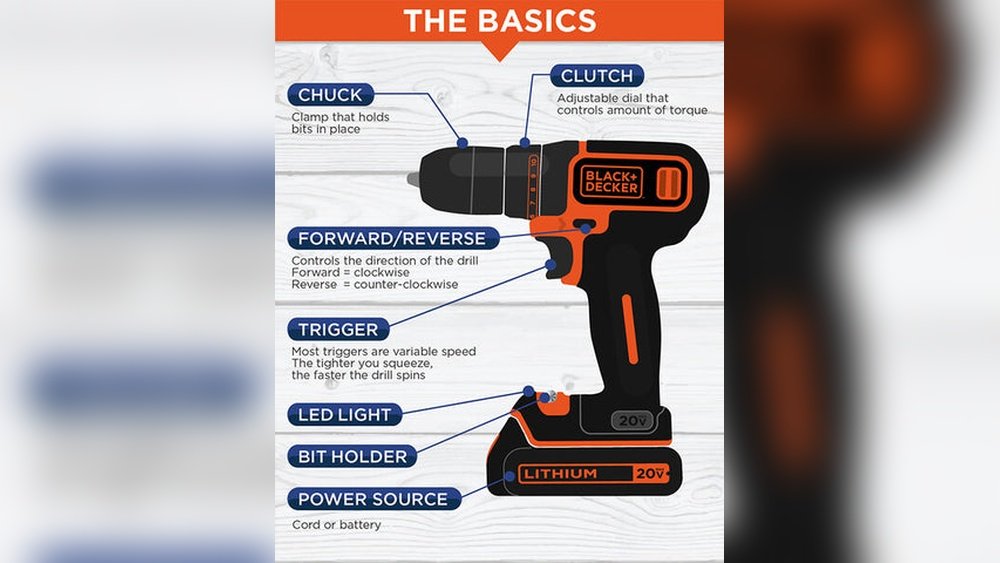
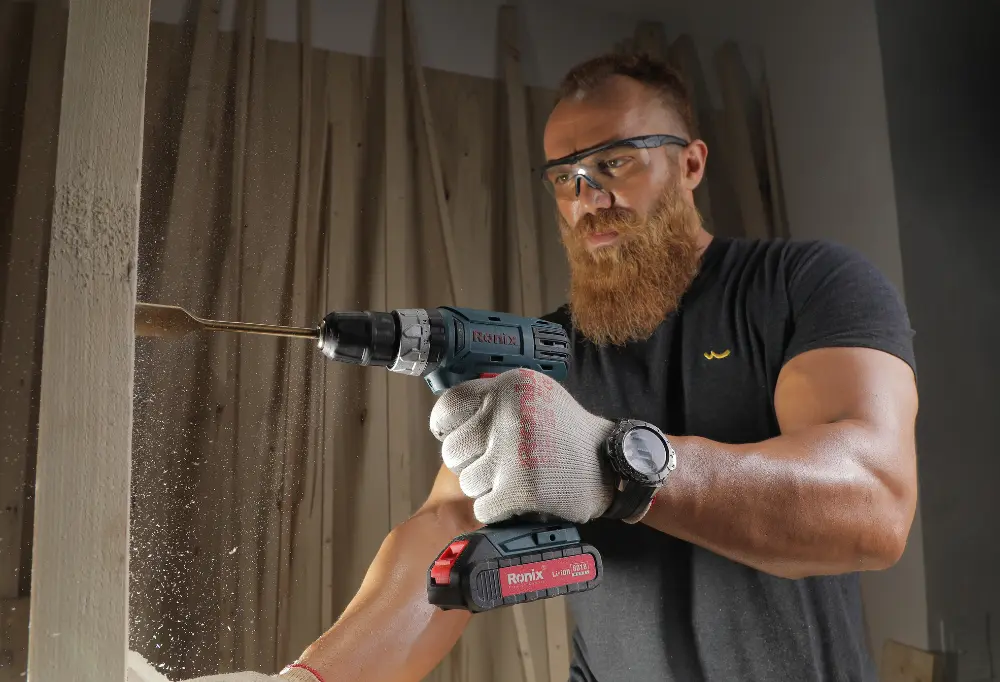
The chuck holds the drill bit firmly in place. It twists to open and close around the bit. The trigger starts and stops the drill’s rotation. The handle is where you hold the drill steady. The motor inside powers the drill bit to turn. A clutch controls the drill’s torque and prevents overdriving screws. The LED light brightens the work area in dark spaces.
Battery Types And Maintenance
Most cordless drills use lithium-ion or nickel-cadmium batteries. Lithium-ion batteries last longer and charge faster. Nickel-cadmium batteries are heavier but often cost less. Always charge batteries fully before use. Store batteries in a cool, dry place to keep them healthy. Remove the battery from the drill when not using it. Clean battery contacts regularly to ensure good power flow.
Credit: ronixtools.com
Choosing Drill Bits
Choosing the right drill bit is essential for any project using a cordless drill. The bit you select affects the quality and ease of your work. This section explains how to pick the best drill bits for different tasks.
Types Of Drill Bits
Drill bits come in many shapes and sizes. Twist bits are the most common. They work well on wood, metal, and plastic. Spade bits have flat, wide blades for fast wood drilling. Masonry bits have a strong tip to drill into brick or concrete. For metal, use cobalt or titanium bits. Each bit suits a specific material and job.
Matching Bits To Materials
Match the drill bit to the material you will drill. Use wood bits for soft materials like pine or plywood. For metal, choose bits made from hardened steel or cobalt. Masonry bits are best for stone, brick, or concrete walls. Using the correct bit prevents damage and makes drilling easier. Check the bit’s tip and material before starting your project.
Installing Drill Bits
Using a cordless drill on different materials needs care and the right approach. Each material acts differently under pressure and drill speed. Knowing how to handle wood, metal, or concrete helps you drill safely and effectively. This section shares simple tips for each material type.
Wood Drilling Tips
Choose a drill bit made for wood, like a spade or brad point bit. Start at a low speed to avoid splintering. Hold the drill steady and push gently. Drill straight to keep the hole clean. Clear wood chips often to stop the drill from heating.
Metal Drilling Tips
Use a high-speed steel bit or cobalt bit for metal. Mark the spot with a center punch to keep the bit from slipping. Begin drilling slowly, then increase speed once the bit bites. Use cutting oil to cool the bit and reduce wear. Apply steady pressure but do not force the drill.
Drilling Into Concrete And Masonry
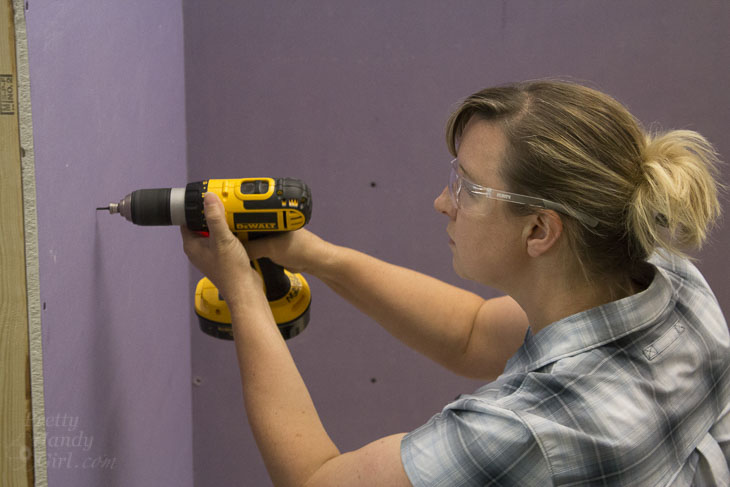
Select a masonry bit with a carbide tip for concrete. Use the hammer drill mode if available. Start drilling with light pressure to make a guide hole. Increase pressure gradually as you drill deeper. Pull the bit out occasionally to clear dust. Wear safety glasses and a mask to protect from debris.
Credit: prettyhandygirl.com
Adjusting Drill Settings
Advanced users can improve their cordless drill skills with expert techniques. These tips help you use your drill more efficiently and safely. Explore ways to enhance your work and maintain your tool for long-term use.
Using Drill Attachments
Drill attachments increase the versatility of your cordless drill. Use sanding pads to smooth surfaces quickly. Wire brushes help remove rust and paint. Mixing paddles make paint or cement mixing easier. Always select the correct attachment for the job. Attachments must fit tightly to avoid slipping or damage.
Cordless Drill Hacks
Try these hacks to get more from your drill. Use a rubber band around the drill bit to catch screws. This prevents screws from falling in tight spots. Mark depth on the bit with tape to avoid drilling too deep. Use a magnetized bit holder to keep screws handy. These small tricks save time and reduce frustration.
Maximizing Drill Life
Proper care extends your cordless drill’s life. Charge the battery fully before use and avoid overcharging. Keep the drill clean from dust and debris. Store it in a dry place away from extreme temperatures. Regularly check and tighten all screws and parts. Lubricate moving parts as the manual suggests. These habits keep your drill ready for any task.
Credit: www.toolstoreuk.co.uk
Frequently Asked Questions
How To Use A Cordless Drill Step By Step?
Hold the drill firmly and insert the correct bit. Tighten the chuck securely. Position the bit on the work surface. Apply steady pressure and start drilling. Use the reverse setting to remove the bit. Check your work and clean the drill after use.
How Do I Put A Drill Bit Into A Cordless Drill?
Open the chuck by twisting it counterclockwise. Insert the drill bit into the jaws firmly. Twist the chuck clockwise to tighten securely. Ensure the bit is centered and locked before use.
Can You Drill Through Formica?
Yes, you can drill through Formica using a sharp drill bit and steady pressure. Use a carbide-tipped or brad-point bit for clean holes. Drill slowly to avoid chipping or cracking the laminate surface.
Do I Put The Drill Bit Directly Into The Drill?
Do not put the drill bit directly into the drill. Open the chuck jaws, insert the bit, then tighten the chuck securely.
Conclusion
Using a cordless drill is simple and handy for many tasks. Always choose the right drill bit for your job. Keep the drill steady and apply gentle pressure. Start slow, then increase speed as needed. Remember to recharge the battery before it runs out.
Practice safety by wearing goggles and keeping hands clear. With care, your cordless drill will serve you well. Try small projects first to build confidence. Soon, drilling will feel easy and natural. Enjoy the freedom and convenience of cordless drilling.