Tool Set Vs Individual Tools: Which Should You Buy? Ultimate Guide
Are you wondering whether to buy a complete tool set or pick out individual tools for your projects? Choosing the right option can save you time, money, and frustration.
If you need a quick, all-in-one solution, a tool set might seem like the obvious choice. But what if you want to build a high-quality, customized collection that fits your specific needs perfectly? You’ll discover the pros and cons of both options so you can make a smart decision that matches your skills, budget, and goals.
Keep reading to find out which choice will work best for your toolbox.
Credit: tendsupplies.com
Tool Sets: Benefits
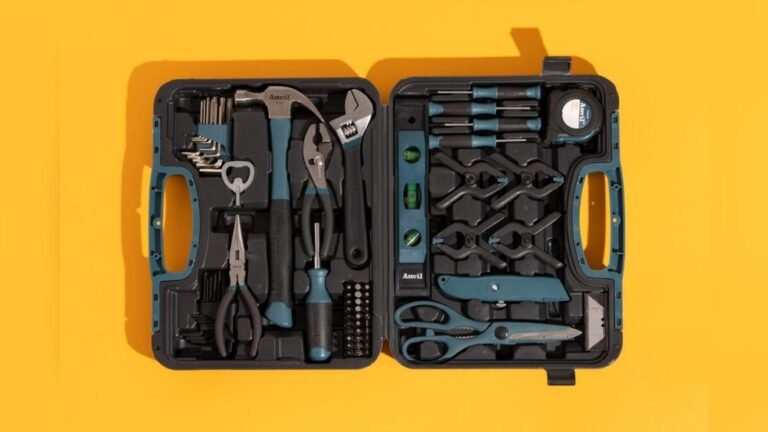
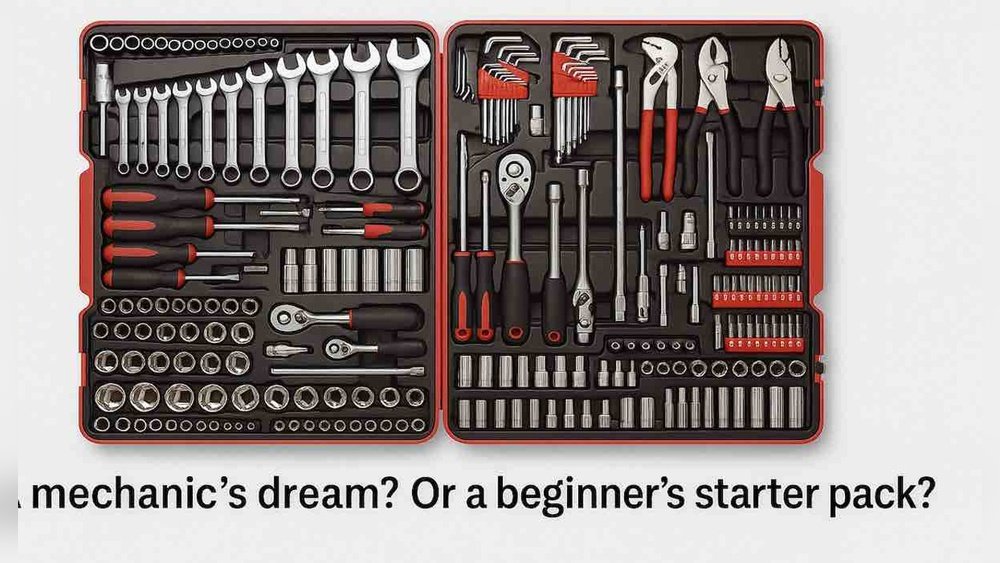
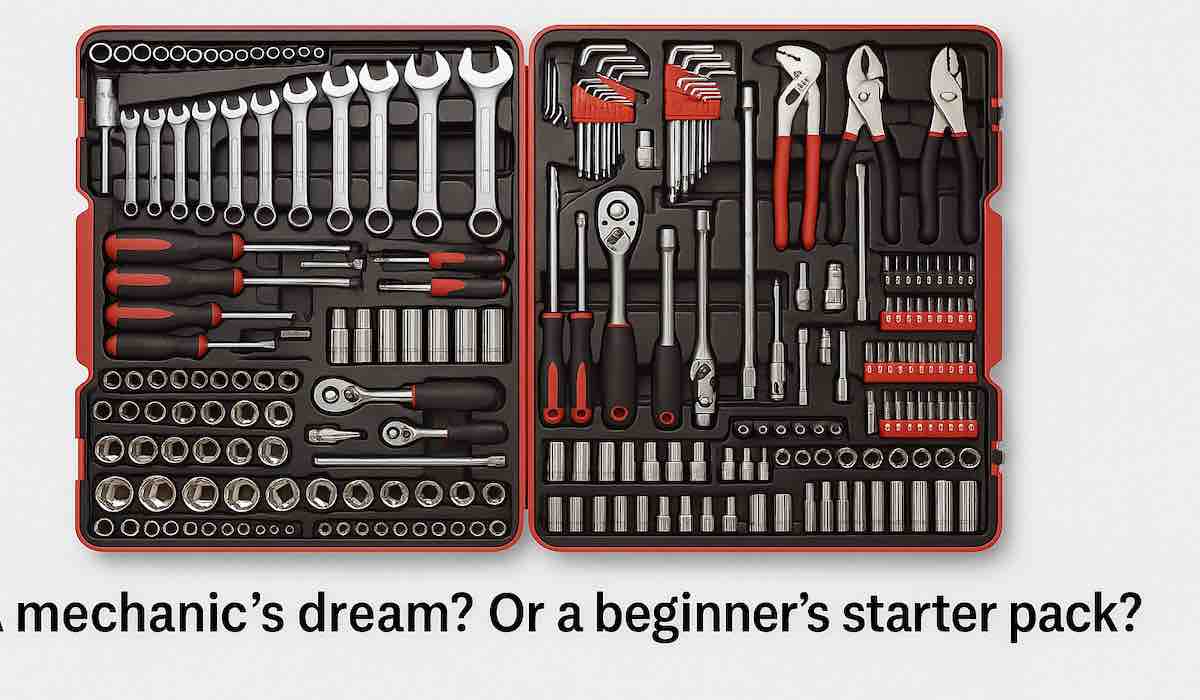
Tool sets offer many advantages that make them a popular choice. They bundle multiple tools in one package. This helps both beginners and casual users get started quickly. Tool sets save time and effort by providing a ready collection of essential tools.
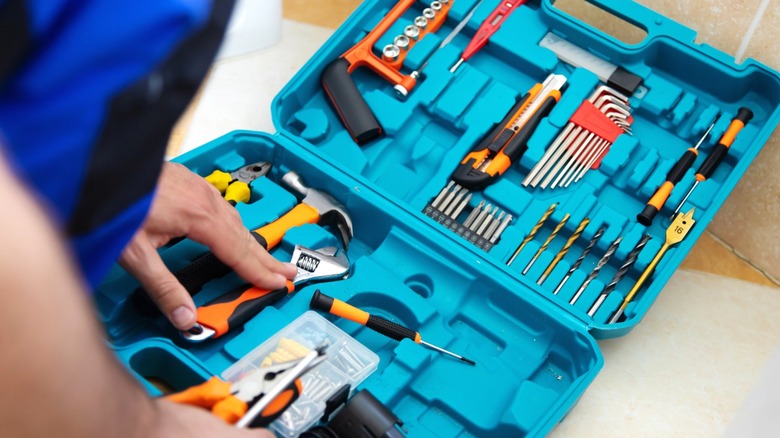
These sets often come with a case or organizer. This keeps tools neat and easy to find. Buyers receive a range of tools suited for many tasks. Below are some key benefits of choosing tool sets.
Cost Savings
Tool sets usually cost less than buying tools one by one. Manufacturers bundle tools at a lower price. This helps save money for people who need several tools. Buying a set also reduces extra shipping fees.
Some sets include bonus tools or accessories at no extra cost. This adds value and reduces the need for later purchases. Cost savings make tool sets ideal for beginners or occasional users.
Convenience And Organization
Tool sets come with a storage case or box. This keeps all tools together in one place. Finding and carrying tools becomes much easier. Users avoid losing or misplacing tools.
Having organized tools saves time during work. It also protects tools from damage. Convenience and neatness are big advantages of tool sets.
Variety And Coverage
Tool sets include different types and sizes of tools. This variety covers many home or repair tasks. Users get screwdrivers, pliers, wrenches, and more in one package.
Having many tools ready helps complete jobs without extra trips to the store. Variety in a set supports different projects and fixes. This coverage suits people who want a general tool collection.
Credit: www.housedigest.com
Individual Tools: Advantages
Choosing individual tools offers unique benefits. It allows you to pick exactly what you need. This approach suits those who want quality and flexibility. You avoid paying for tools you won’t use. Let’s explore the main advantages of buying individual tools.
Customization And Quality
Individual tools let you choose brands and models carefully. You can focus on quality rather than quantity. This means better performance and longer-lasting tools. Each tool can meet your exact needs. Customization ensures you get the best fit for your tasks.
Building Over Time
You can buy tools gradually as your needs grow. This helps spread out expenses and avoids large upfront costs. Over time, your collection becomes more refined and useful. You learn which tools work best for you. This slow build creates a personalized, efficient toolkit.
Specialized Needs
Some jobs require specific, rare tools. Tool sets often lack these specialized items. Buying individually lets you target those exact tools. This is ideal for professionals or hobbyists with unique tasks. You get the right tools without extra, unused pieces.
When To Choose A Tool Set
Choosing between a tool set and individual tools depends on your needs and situation. Tool sets offer a range of basic tools packed together. They suit many common tasks and users who want convenience. Knowing when to pick a tool set helps you avoid overspending or missing essential tools.
Starting Out
Tool sets work well for beginners. They include common tools like screwdrivers, hammers, and wrenches. This saves time and effort searching for each tool separately. You get a balanced selection that covers many simple jobs around the home.
Buying a set lets you build your toolkit fast. It also helps you learn which tools you use most. Later, you can add or upgrade individual tools based on experience.
Mobile Or On-the-go Work
Tool sets fit mobile workers well. Having all needed tools in one case makes transport easy. You can carry your tools to different locations without forgetting anything important.
These sets keep tools organized and protected during travel. It reduces the chance of losing small items or wasting time searching in a rush.
General Household Tasks
Most household repairs and projects need a variety of basic tools. Tool sets cover tasks like fixing furniture, hanging pictures, or tightening bolts. They offer enough tools for occasional use without buying extras.
Owning a set means you are ready for many common fixes. It keeps your home maintenance simple and efficient.
When To Buy Tools Individually
Buying tools individually makes sense in many cases. It lets you pick quality items one by one. This approach suits people who want specific tools or want to upgrade their collection slowly. Individual tool purchases help build a workshop tailored to your needs. Read on to find out when buying tools separately works best.
Upgrading Key Tools
Start with basic tools from a set. Then upgrade the ones you use often. Higher quality tools last longer and perform better. Buying individual tools lets you choose brands and features you trust. Replace worn-out or low-quality tools one at a time. This method saves money and improves your toolkit gradually.
Creating A Premium Workshop
Building a top-notch workshop requires careful tool selection. Buying tools individually helps you pick the best for each task. You avoid duplicates and low-quality items found in many sets. This way, your workshop will have reliable and durable tools. Over time, your collection will grow with only the best picks.
Focusing On Specific Projects
Some projects need special or rare tools. Buying those tools separately is smarter than buying a large set. It keeps costs down and avoids clutter. You get exactly what you need for your project. After finishing, you won’t have extra tools that gather dust.
Key Tools Every Homeowner Needs
Every homeowner needs a basic set of tools for small repairs and projects around the house. These key tools help fix common problems fast and keep your home in good shape. Having the right tools ready saves time and money. It also gives you confidence to handle simple tasks yourself.
Screwdrivers And Hammers
Screwdrivers are essential for tightening or loosening screws. A set should include both flathead and Phillips types. The hammer is useful for driving nails and minor demolition work. Choose a hammer with a comfortable grip and balanced weight. These tools are the foundation of any home toolkit.
Pliers And Wrenches
Pliers help hold, bend, and cut wires or small objects. Needle-nose and slip-joint pliers cover most needs. Wrenches tighten or loosen nuts and bolts. An adjustable wrench fits various sizes, reducing the need for many tools. These tools assist in plumbing, electrical, and assembly tasks.
Measuring And Safety Gear
Accurate measurements ensure projects go smoothly. A tape measure and a level are crucial for this. Safety gear protects you during work. Safety goggles shield your eyes from dust and debris. Gloves protect your hands from cuts and splinters. These items keep you safe and improve your work quality.

Credit: tendsupplies.com
Cost Comparison: Sets Vs Individual
Choosing between a tool set and individual tools often depends on cost. Understanding the cost differences helps you decide what fits your needs and budget. This section breaks down the cost aspects of sets versus buying tools one by one.
Initial Investment
Tool sets usually cost less upfront. They bundle many tools together at a discount. Individual tools often have a higher price per piece. Buying tools separately can add up quickly. Sets provide a quick way to get many tools at once.
Long-term Value
Individual tools may last longer if chosen carefully. You can pick high-quality items that suit your work. Tool sets sometimes include lower-quality tools. These might wear out faster, needing replacement. Over time, investing in good individual tools can save money.
Quality Versus Quantity
Tool sets offer quantity with varying quality. Some tools in sets may not meet high standards. Individual purchases allow focus on quality over number. You get tools that perform better and last longer. Think about whether you want many tools or fewer, better ones.
Tips For Choosing Quality Tools
Choosing quality tools is essential for any project. Good tools last longer and work better. Poor tools can break easily and waste your money. This guide helps you pick the best tools for your needs. Focus on three key areas: brand reputation, material and durability, and warranty and support.
Brand Reputation
Brands with strong reputations usually offer reliable tools. They invest in quality and customer satisfaction. Check online reviews and ratings before buying. Trusted brands often have better quality control. Avoid unknown brands with little feedback. A good brand gives confidence in your purchase.
Material And Durability
Tools made from high-quality materials last longer. Steel and chrome vanadium are common in durable tools. Look for rust-resistant finishes. Plastic parts should feel sturdy, not cheap. Heavy tools often mean better build quality. Avoid tools that bend or break under light pressure.
Warranty And Support
Good tools come with solid warranties. A warranty shows the manufacturer stands behind their product. Check the warranty length and what it covers. Some brands offer lifetime warranties on hand tools. Customer support is important for repairs or replacements. Choose brands with easy-to-reach support teams.
Organizing And Maintaining Your Tools
Keeping your tools organized and well-maintained saves time and extends their life. Whether you choose a tool set or individual tools, proper care is key. It prevents rust, damage, and makes tools easy to find. A good system helps you work faster and safer.
Storage Solutions
Use sturdy toolboxes or cabinets to store your tools. Keep similar tools together for quick access. Small bins or trays help organize screws and bits. Label each container clearly to avoid confusion. Store tools in a dry place to prevent rust.
Regular Maintenance
Clean your tools after every use to remove dirt and grease. Sharpen blades and drill bits regularly for better performance. Oil moving parts to reduce wear and tear. Check tools for damage and fix or replace broken parts. Proper maintenance keeps tools reliable and safe.
Tool Tracking
Track your tools to avoid loss or misplacement. Use a checklist or an app to record what you own. Note where you store each tool for easy retrieval. Regularly update your list as you add or remove tools. Tool tracking saves money and keeps your workspace tidy.
Frequently Asked Questions
Should I Buy A Tool Set Or Individual?
Buy a tool set for quick variety and cost savings. Choose individual tools to build a customized, high-quality collection over time.
What Tool Kit Should Every Homeowner Have?
Every homeowner should have a toolkit with screwdrivers, hammer, pliers, adjustable wrench, tape measure, level, masking tape, and safety goggles. These tools handle common tasks like furniture assembly and picture hanging efficiently.
Are Tool Combo Kits Worth It?
Tool combo kits offer convenience, cost savings, and variety for beginners or quick setups. They may lack premium quality and customization.
What Is One Advantage In Purchasing Tools In A Kit?
Purchasing tools in a kit saves time by providing a complete set in one place, ensuring convenience and quick access.
Conclusion
Choosing between a tool set and individual tools depends on your needs. Tool sets offer variety and convenience for quick use. Individual tools allow you to pick quality items over time. Consider your budget, space, and project type before deciding.
Both options have pros and cons. A well-thought choice saves money and improves your work. Keep in mind: start simple, then upgrade as you gain experience. This way, you build a tool collection that truly fits your tasks.