Are you ready to start your DIY projects but unsure how to pick the right power tools without risking injury or wasting money? Buying power tools can feel overwhelming, especially if you’re new to them.
But with the right knowledge, you can shop smart and stay safe. This guide will walk you through simple, practical tips to help you choose the best tools for your needs, spot potential dangers, and protect yourself every step of the way.
Keep reading to gain confidence and make your power tool purchase a safe and successful experience.

Credit: hsi.com
Choosing The Right Tool
Choosing the right power tool is key for a safe and successful project. Selecting tools that match your needs makes work easier and safer. Understanding your project and the tools available helps you avoid mistakes. This section guides beginners in finding the perfect tool for their tasks.
Assessing Your Project Needs
Start by thinking about the tasks you want to complete. What materials will you work with? Wood, metal, or plastic? Consider the size and complexity of your project. Small repairs need different tools than building furniture. Make a list of your project steps. This list helps narrow down which tools are essential.
Also, think about how often you will use the tool. For rare use, a basic model may be enough. For frequent use, invest in a durable, high-quality tool. Always match the tool to the job for best results.
Types Of Power Tools For Beginners
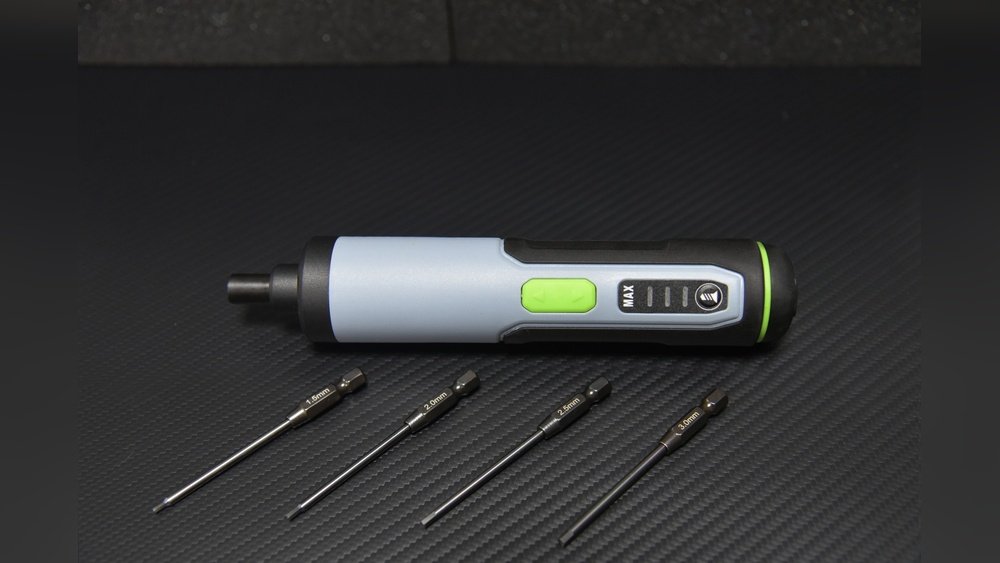
Some power tools are easier for beginners to handle. Cordless drills are popular and useful for many projects. They are simple, light, and versatile. Jigsaws and circular saws cut wood and other materials safely with practice. Sanders help smooth surfaces with less effort. Start with these basic tools and add more as you gain confidence.
Avoid complex or heavy tools at first. This lowers the risk of injury and damage. Choose tools with safety features like automatic shut-off or guards. These protect you while working.
Checking Tool Specifications
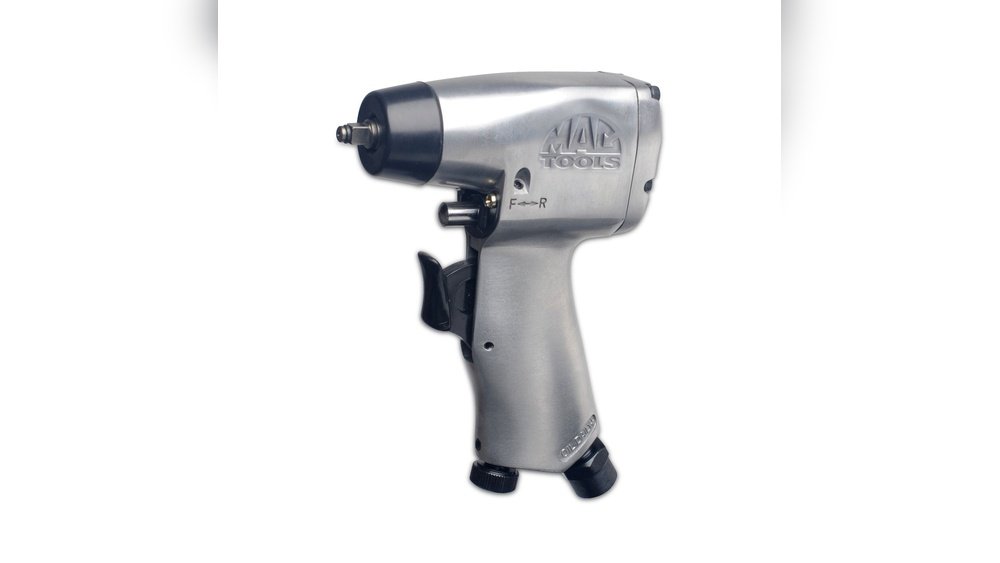
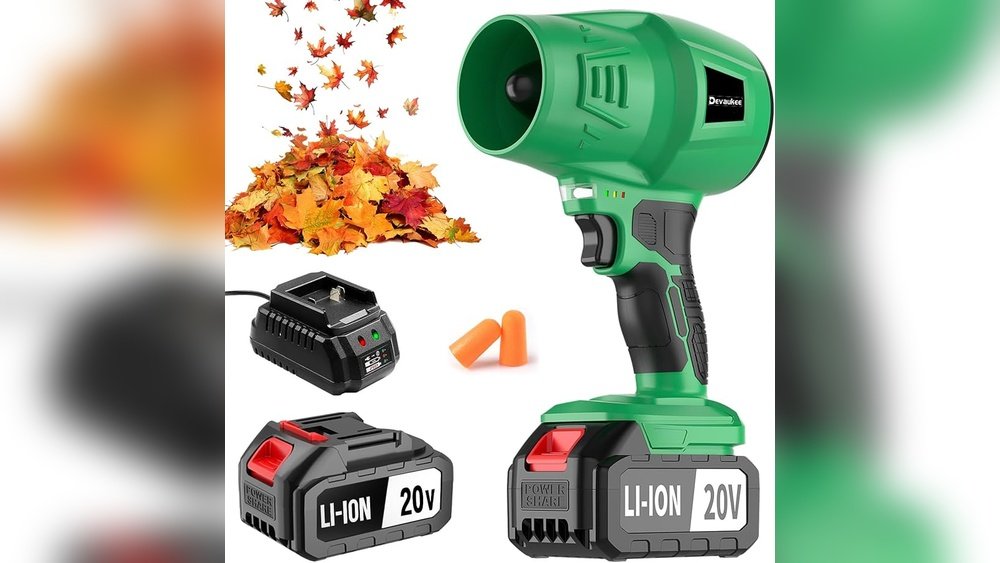
Look closely at the tool’s specifications before buying. Check the power source: battery or corded. Battery tools offer mobility but need charging. Corded tools provide steady power but limit movement. Consider voltage and amperage; higher values mean more power.
Review the tool's speed and control options. Variable speed helps adjust for different materials. Check the weight and size to ensure comfort during use. Read user reviews to learn about real-world performance. Proper specs help you pick a tool that fits your needs and skill level.

Credit: www.diversitech-global.com
Inspecting Tools Before Purchase
Inspecting power tools before buying is essential for safety and performance. Checking tools carefully helps avoid future problems. Take time to examine every detail. This step protects your investment and ensures the tool works well.
Examining Physical Condition
Look closely at the tool’s surface. Check for cracks, dents, or rust. Make sure all parts fit tightly and move smoothly. Test buttons and switches to see if they work properly. A clean, well-maintained tool usually means better care.
Verifying Brand And Warranty
Choose tools from trusted brands. Reliable brands often provide better quality and support. Ask for warranty details to protect your purchase. A valid warranty covers defects and repairs. Keep proof of purchase for future claims.
Avoiding Damaged Or Used Tools
Stay away from tools with visible damage or wear. Used tools may hide internal problems. Avoid buying tools with missing parts or broken cords. New tools offer safety guarantees. Damaged tools can cause accidents or fail during work.
Safety Gear Essentials
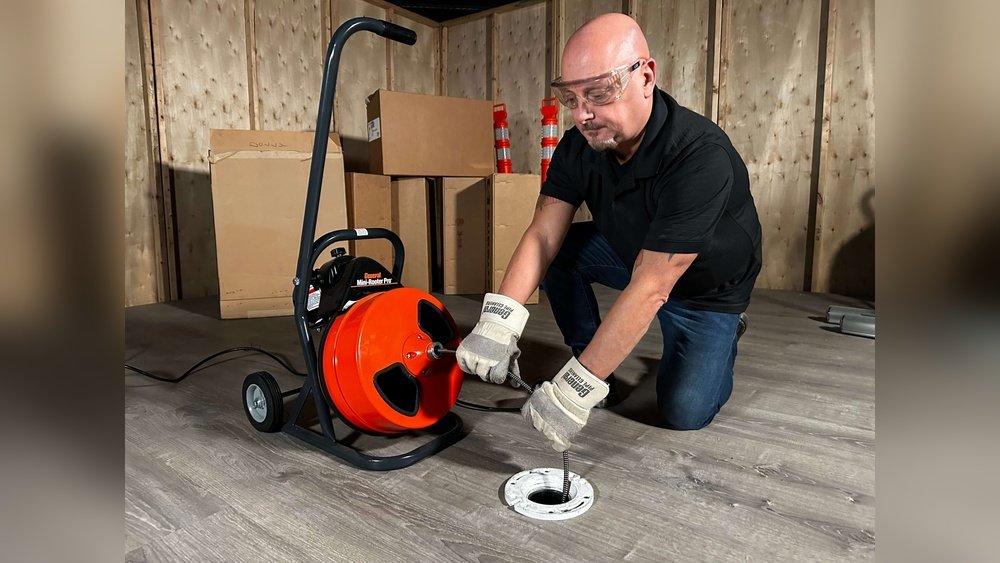
Wearing the right safety gear is key when using power tools. It protects your body from injuries and keeps you focused. Beginners often overlook safety gear, but it is a must-have for every project. Invest in essential items that guard your eyes, ears, hands, and feet. Proper gear reduces risks and makes work more comfortable.
Eye And Ear Protection
Eyes are very vulnerable to flying debris and dust. Always wear safety goggles or glasses that fit well. Clear lenses work for indoor tasks, tinted ones for bright outdoor work. Ear protection is just as important. Power tools create loud noise that can damage hearing. Use earplugs or earmuffs to protect your ears from long exposure.
Gloves And Clothing Tips
Gloves protect hands from cuts, splinters, and vibration. Choose gloves that fit snugly but allow movement. Avoid loose gloves that can get caught in tools. Wear long sleeves and pants made of durable fabric. Avoid baggy clothes or jewelry that may snag on moving parts. Dress for safety and comfort to stay focused on the task.
Proper Footwear
Foot injuries happen easily without the right shoes. Wear closed-toe shoes with good grip and support. Boots with steel toes offer extra protection against heavy objects. Avoid sandals, flip-flops, or shoes with smooth soles. Proper footwear helps prevent slips, trips, and falls on the job site.
Safe Handling Practices
Handling power tools safely is crucial for beginners. Knowing how to use them properly prevents injuries and extends tool life. Safe handling starts with understanding the tool and using it correctly. Follow these key practices to ensure safety every time you work with power tools.
Reading The Manual
Always read the manual before using a power tool. The manual explains how the tool works and its safety features. It shows correct operation steps and maintenance tips. Manuals also list warnings about common risks. Reading it helps avoid accidents and keeps you informed.
Proper Tool Assembly
Assemble your power tool carefully before use. Follow the instructions in the manual step-by-step. Check that all parts fit securely and nothing is loose. Incorrect assembly can cause the tool to malfunction or break. Tighten screws and bolts properly for safe use.
Using The Right Accessories
Choose accessories made for your specific power tool. Using wrong or damaged parts can cause accidents. For example, use the correct drill bits or blades. Check accessories for wear or damage before installation. Proper accessories improve performance and keep you safe.
Operating Power Tools Safely
Operating power tools safely is essential for every beginner. These tools can cause serious injuries without proper care. Following simple safety steps reduces risks and helps you work confidently. Always respect the power and sharpness of the tools you use. Understand the basic safety rules before starting any project.
Maintaining A Clean Workspace
A clean workspace prevents accidents and improves focus. Remove clutter and unnecessary items from your work area. Keep the floor dry and free of tools or cords. Good lighting helps you see clearly and avoid mistakes. Always clean up sawdust and debris to stop slipping or fire hazards.
Securing Your Workpiece
Hold your workpiece firmly before cutting or drilling. Use clamps or a vise to keep the material stable. Never hold small pieces with your hands near the tool blade. A secure workpiece stops slipping and ensures precise cuts. This practice protects your fingers and improves the quality of your work.
Maintaining Focus And Control
Stay alert and concentrate on the task at hand. Avoid distractions like phones or loud noises while operating tools. Use both hands to control the tool whenever possible. Keep a steady grip and move the tool smoothly. Take breaks if you feel tired to prevent mistakes and accidents.
Maintenance And Storage
Maintaining and storing power tools correctly extends their life and keeps them safe to use. Regular care prevents damage and reduces risks during operation. Simple habits make a big difference in tool performance and safety.
Regular Cleaning And Inspection
Clean your tools after every use. Remove dust, dirt, and debris with a dry cloth or brush. Use compressed air to clear hard-to-reach areas. Check for loose parts, cracks, or wear. Tighten screws and bolts as needed. Look for frayed cords or damaged plugs. Early detection helps avoid accidents and costly repairs.
Proper Storage Methods
Store power tools in a dry, cool place. Avoid damp or dusty areas to prevent rust and damage. Use cases or toolboxes to keep tools organized and protected. Hang tools on a pegboard for easy access and air circulation. Keep batteries separate and charged to prolong life. Proper storage keeps tools ready and safe.
Identifying When Repairs Are Needed
Listen for unusual sounds during use, like grinding or squealing. Notice if tools lose power or run unevenly. Check if switches or buttons stick or fail to respond. Look for visible damage on cords and housings. Stop using tools that show these signs. Get professional repairs to ensure safety and function.
Avoiding Common Risks
Buying power tools comes with risks. Beginners must learn how to avoid common dangers. Understanding these risks helps keep you safe and your tools working well. This section covers key safety tips to prevent accidents and damage.
Recognizing Hazardous Situations
Check your work area before using tools. Look for wet floors, clutter, or poor lighting. These conditions increase the chance of slips and falls. Stay alert to moving parts and sharp edges. Always keep children and pets away from the workspace.
Preventing Electrical Shock
Use tools with proper insulation and grounded plugs. Never use power tools with frayed cords or exposed wires. Avoid working in damp or wet places to reduce shock risk. Always disconnect tools before changing blades or making adjustments.
Handling Tool Malfunctions
Stop using the tool if it behaves oddly or makes strange noises. Unplug the tool immediately and inspect it carefully. Do not try to fix electrical parts yourself unless qualified. Take malfunctioning tools to a professional for repair or replacement.

Credit: www.youtube.com
Where To Buy Power Tools
Choosing the right place to buy power tools is important for safety and satisfaction. Finding trustworthy sellers protects you from counterfeit or low-quality items. Knowing where to shop helps beginners make smart purchases. This guide breaks down key options for buying power tools safely.
Authorized Retailers And Dealers
Authorized retailers sell genuine power tools from trusted brands. They offer warranties and support that unauthorized sellers cannot provide. Dealers often have trained staff who can answer your questions. Buying from authorized sources reduces the risk of faulty or unsafe tools. Always check if the store is officially linked to the tool brand.
Online Vs. In-store Purchases
Online stores provide a wide selection and convenience. You can compare prices and read user reviews easily. In-store shopping allows you to see and handle the tool before buying. Personal advice from store staff can guide beginners well. Choose the option that fits your comfort level and need for information.
Considering Price And Quality
Low prices may mean lower quality or missing safety features. High-quality tools last longer and perform better. Balance your budget with the tool’s reputation and durability. Avoid deals that seem too good to be true. Investing in a reliable tool ensures safer and more effective work.
Frequently Asked Questions
What Is The 80% Rule For Power Tools?
The 80% rule for power tools means buying tools that meet 80% of your needs. It helps avoid overspending and ensures efficiency.
What Is The Most Important Safety Rule When Using Power Tools?
Always wear proper personal protective equipment and keep tools in good condition to prevent accidents.
How To Choose The Right Power Tool?
Choose a power tool based on your project needs, tool quality, safety features, and ease of use. Check reviews and brand reputation.
What Should You Do Before Using A Power Tool For The First Time?
Read the user manual thoroughly. Inspect the tool for damage or defects. Wear appropriate safety gear. Ensure proper assembly and check power connections. Practice operating the tool in a safe environment before starting your project.
Conclusion
Buying power tools safely starts with careful research and planning. Choose tools that fit your needs and skill level. Always check for quality and safety certifications before purchase. Read the instruction manual thoroughly to understand proper use. Wear protective gear every time you operate power tools.
Keep your workspace clean and well-lit to avoid accidents. Regularly inspect tools for damage or wear and fix issues immediately. With these simple steps, beginners can enjoy projects without unnecessary risks. Stay safe, work smart, and build with confidence.